Eastern Asia Women of Warfare: Warriors Who Shaped History
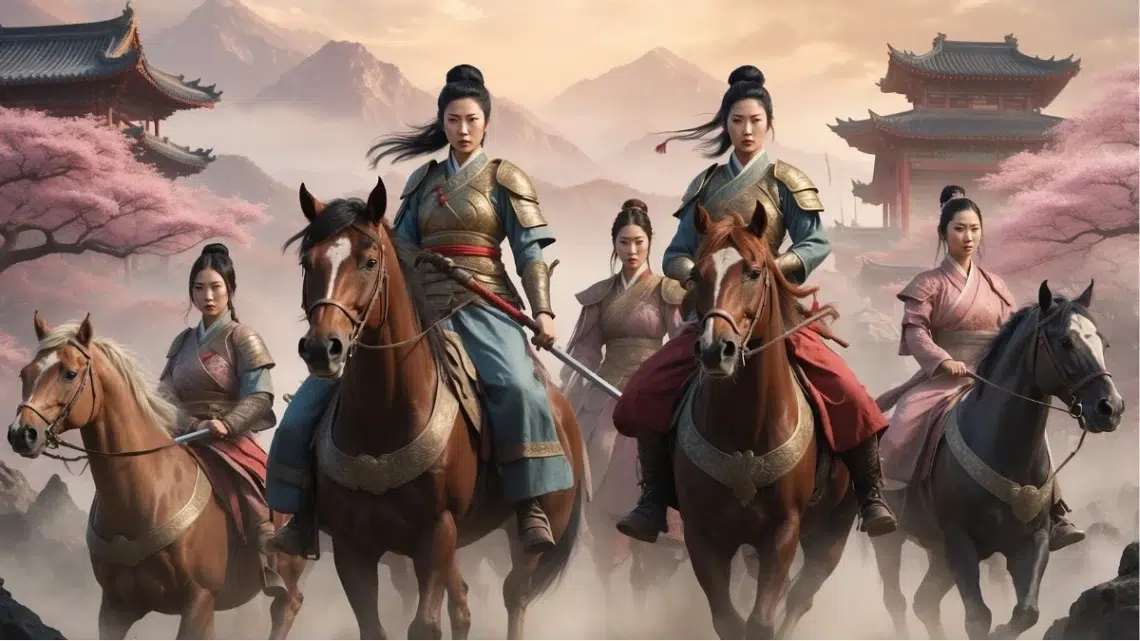
History often overlooks the strength and strategy of women in war. Yet throughout Eastern Asia, women have taken up arms and led troops. These warriors challenged expectations, defended kingdoms, and inspired legends.
From generals to guerrilla fighters, Asian women of warfare shaped battles and broke barriers. Their stories reveal courage, intelligence, and loyalty in times of chaos. Learn about the fierce women from Eastern Asian history who stood at the front lines of change.
Eastern Asia Women of Warfare in Mongolia
Khutulun (Mongolia)
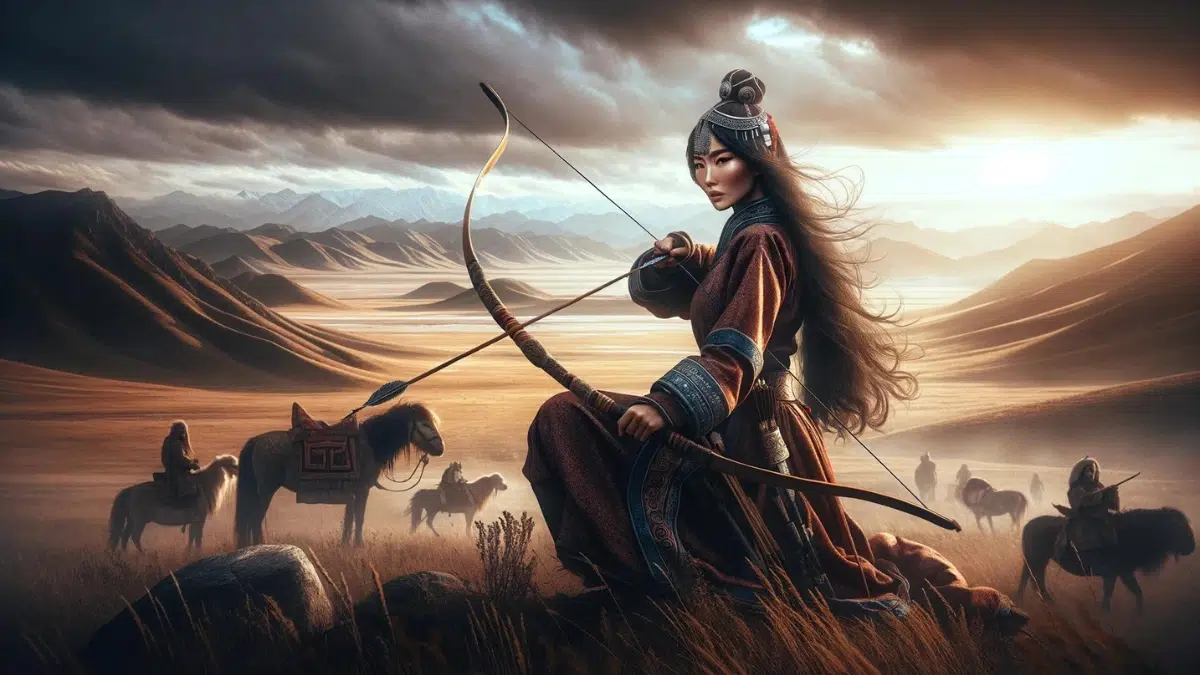
Khutulun, a Mongol warrior princess, combined skill, strength, and strategy. She rode beside her father in battle and never lost a wrestling match. Suitors had to defeat her to marry her—but none succeeded. Her unmatched power made her both feared and respected. Khutulun fought to protect her family’s rule and supported her father’s campaigns.
Many warriors relied on her leadership. She stood as a symbol of fearlessness and independence in Mongol history. As one of the most well-known Asian women of warfare, Khutulun’s legend lives on as proof that war was never just a man’s game.
Sorghaghtani Beki (Mongolia)
Sorghaghtani Beki shaped the Mongol Empire through both strategy and diplomacy. She guided her sons into positions of power, including Kublai Khan. Fluent in multiple languages and skilled in political negotiation, she influenced courts and battlefields alike. Sorghaghtani worked behind the scenes but commanded great respect. She advised generals and protected her sons’ futures during times of unrest.
Her calm leadership helped stabilize the empire after Genghis Khan. Among Asian women of warfare, her role as a royal strategist stands out. She showed how intelligence and patience could steer empires without lifting a sword.
Eastern Asia Women of Warfare in China
Hua Mulan (China)
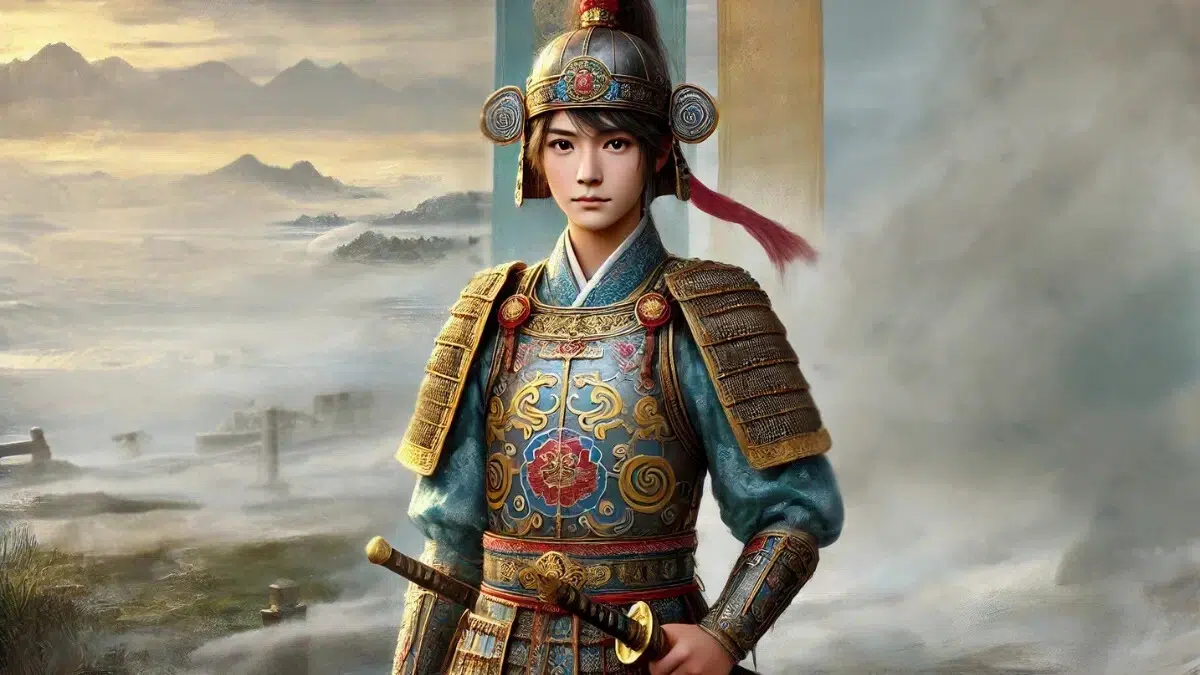
Hua Mulan disguised herself as a man to fight in her father’s place. She trained, fought, and led soldiers for years. No one discovered her secret. Mulan earned respect for her bravery, not her identity. Her story speaks to duty, loyalty, and the strength of women.
Though legends may blur fact and myth, her message remains powerful. As one of the most iconic Asian women of warfare, Mulan continues to inspire. Her courage reminds us that heroism doesn’t depend on gender, but on heart and action.
Yoshiko Kawashima (China/Japan)
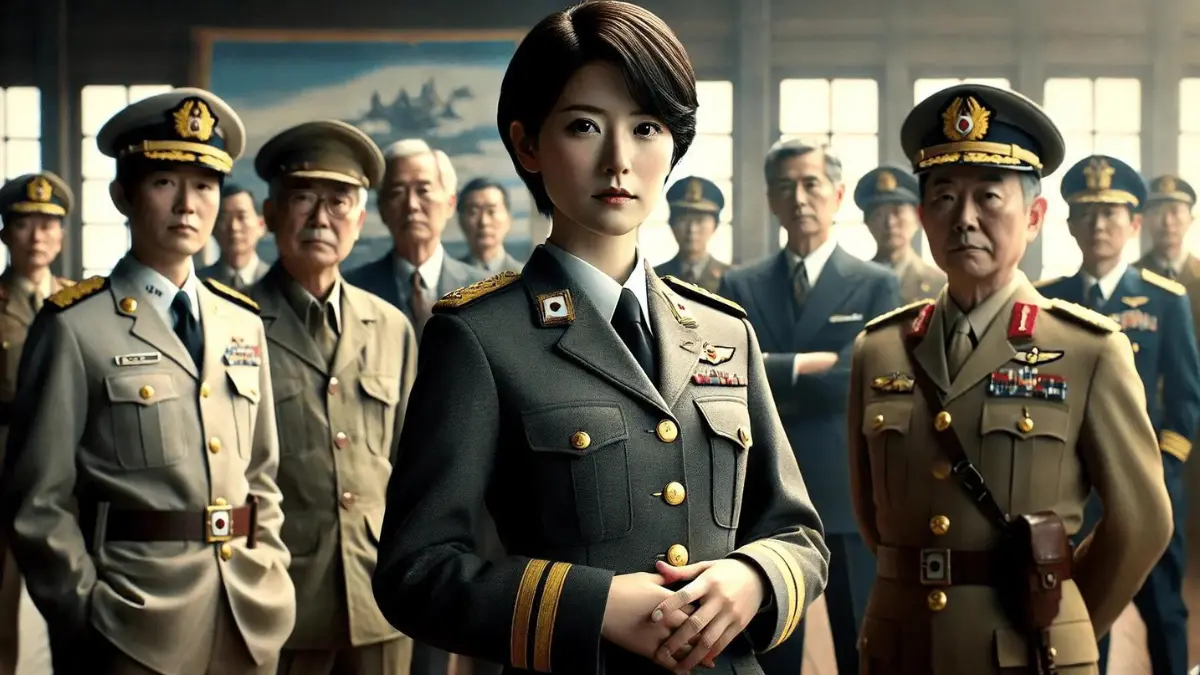
Yoshiko Kawashima lived many lives—Manchu princess, Japanese agent, and wartime spy. She dressed in male military uniform and carried pistols. Known for daring missions during the Second Sino-Japanese War, she gathered intelligence and led troops.
Though her loyalties sparked debate, her impact stands clear. Her story mixes espionage, resistance, and betrayal. Among Asian women of warfare, Yoshiko’s tale feels both thrilling and tragic. She challenged norms, blurred identities, and showed how war creates complex heroes.
Fu Hao (China)
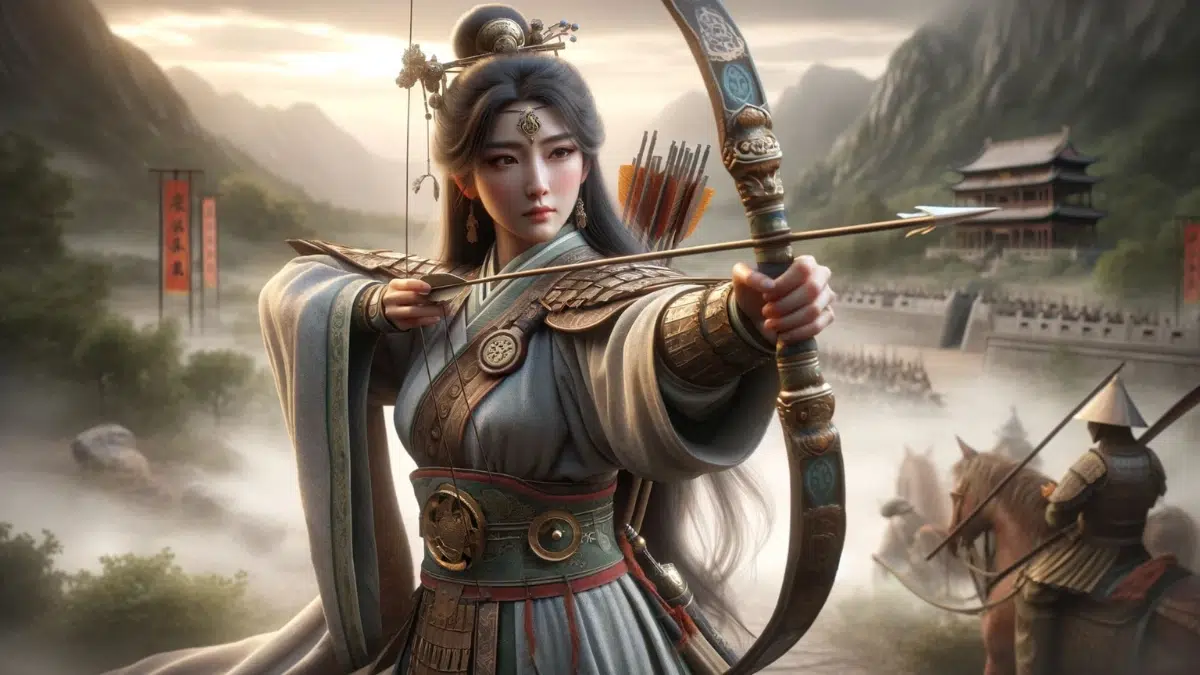
Fu Hao commanded armies and held religious and military roles in the Shang Dynasty. She led campaigns that crushed rival peoples. Her tomb revealed weapons, bronze vessels, and war records.
As the wife of King Wu Ding, she served as both high priestess and general. She advised the king and ran military operations. Few women in ancient China matched her influence. Fu Hao stands out among early Asian women of warfare. Her legacy proves that leadership and strength crossed both spiritual and military lines.
Princess Pingyang (China)
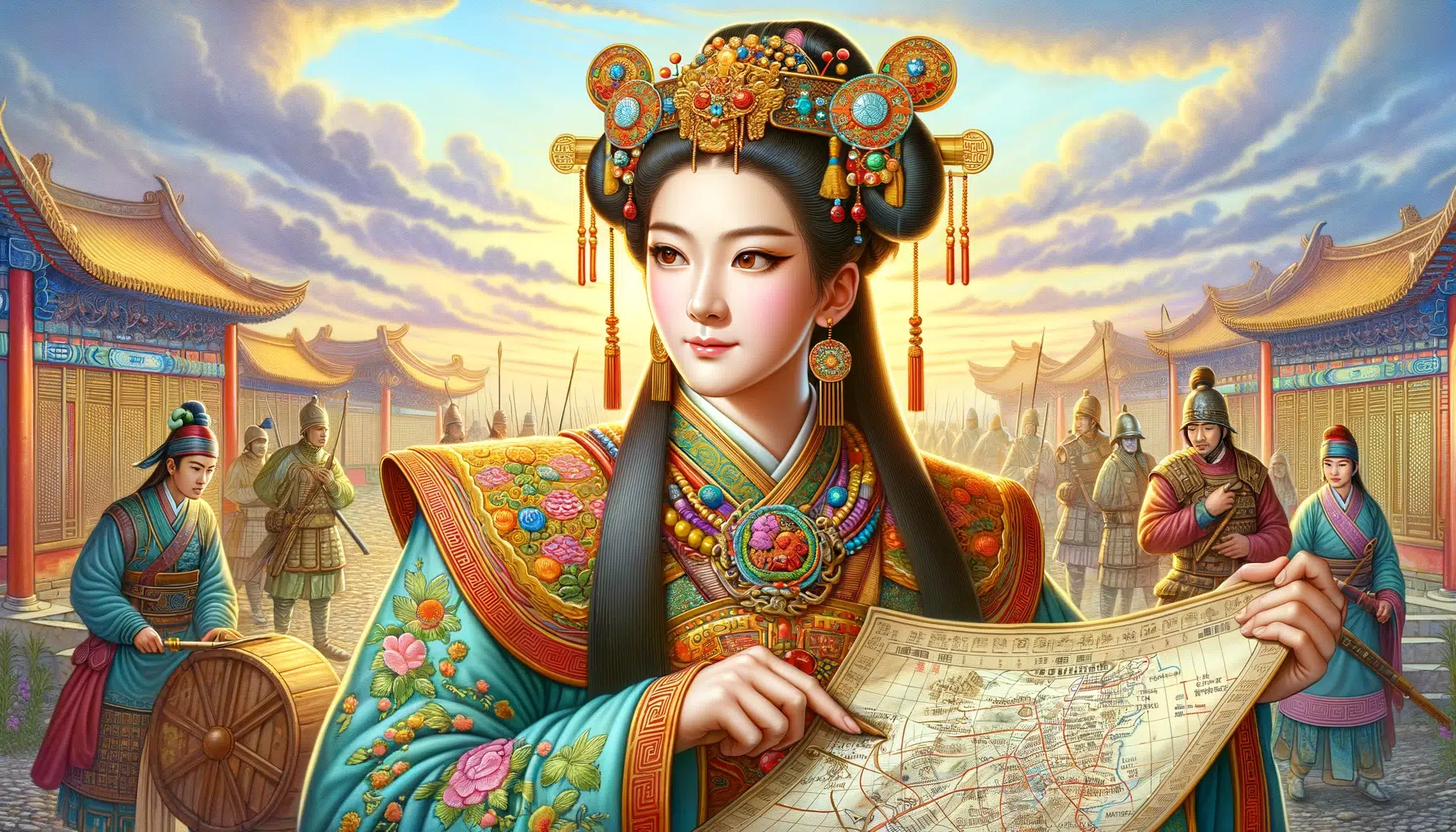
Princess Pingyang helped her father launch the Tang Dynasty by forming a rebel army. She didn’t just support his rise—she led it. Her “Army of the Lady” grew strong under her command. Villagers joined her cause without fear, knowing she protected them.
Pingyang fought with strategy, not cruelty. Her leadership won battles and hearts. As one of the earliest recorded Asian women of warfare, she earned a military funeral with full honours. Her story shows how women shape dynasties—not just behind the scenes, but on the battlefield.
Ching Shih (China)
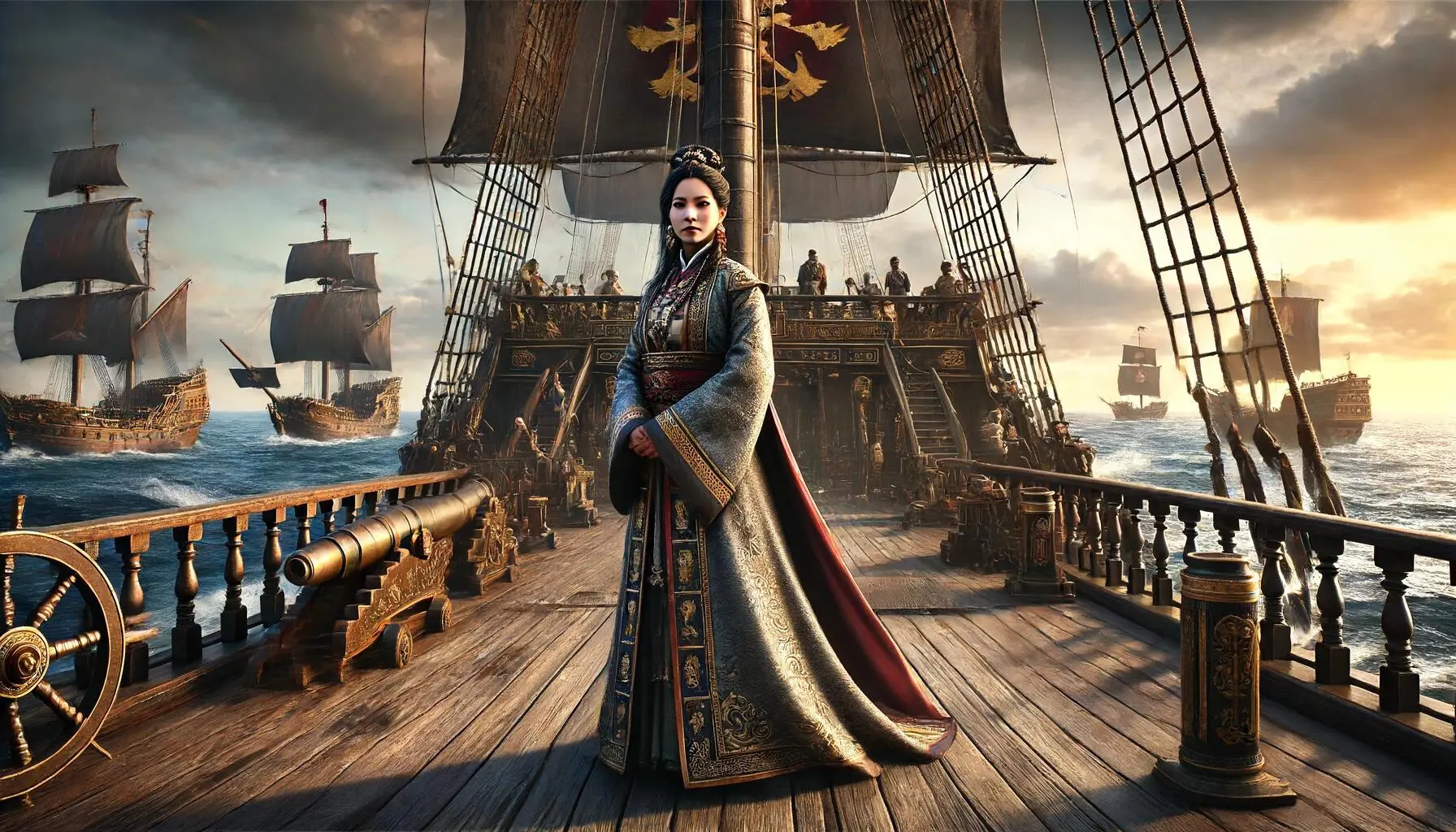
Ching Shih rose from a brothel worker to command one of history’s largest pirate fleets. She led thousands of outlaws with strict rules and sharp discipline. Chinese, Portuguese, and British forces all failed to defeat her. Her Red Flag Fleet controlled trade routes and coastal towns.
Ching Shih demanded loyalty and punished betrayal. She later negotiated a pardon and kept her wealth. As one of the most feared Asian women of warfare, she showed how power can rise from anywhere—and no empire could silence her.
Gao Guiying (China)
Gao Guiying led rebel forces during the late Ming and early Qing periods. She fought alongside her husband but commanded her own troops. Gao organized defences, launched attacks, and became a symbol of resistance. She stood firm against imperial rule.
Her leadership helped shape early rebel strategies. Gao fought for justice and equality in a chaotic time. As one of the lesser-known Asian women of warfare, she still carved out a legacy of courage. Her name reminds us that women fought not just to survive—but to lead revolutions.
Eastern Asia Women of Warfare in Japan
Tomoe Gozen (Japan)
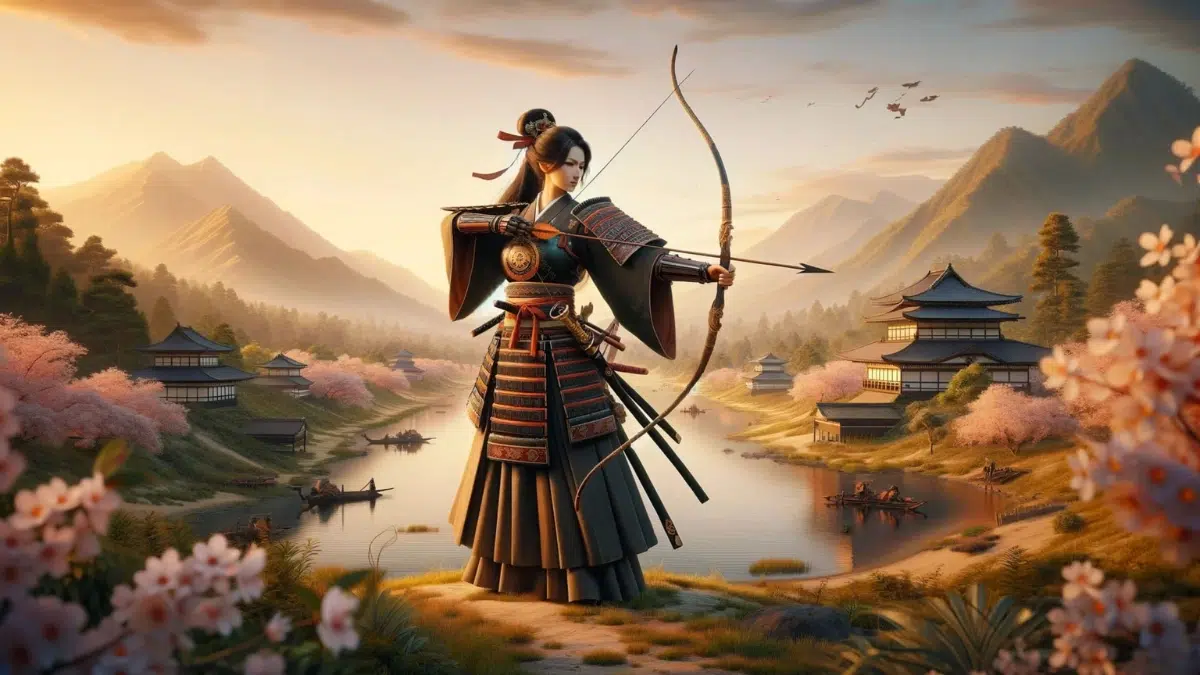
Tomoe Gozen rode into the Genpei War as one of Japan’s most famous female samurai. She wielded a long sword and bow with precision. Known for strength, loyalty, and fierce combat, she fought beside General Minamoto no Yoshinaka.
Legends say she defeated powerful warriors in single combat. Tomoe led from the front and faced death without fear. Her story blends history and epic tale, but her name endures. As one of the most iconic Asian women of warfare, Tomoe Gozen proves that honour and heroism know no gender.
Lady Hangaku Gozen (Japan)
Hangaku Gozen stood her ground during the Genpei War, leading a castle’s defence against imperial forces. Armed with a bow and fearless will, she commanded hundreds of warriors. Arrows struck her, but she continued to fight until capture. Her defiance earned the enemy’s respect.
Hangaku showed that women could lead, protect, and challenge power. Her legacy mirrors that of other Asian women of warfare—quietly recorded but deeply influential. She reminds us that holding the line takes just as much courage as charging into battle.
Nakano Takeko (Japan)
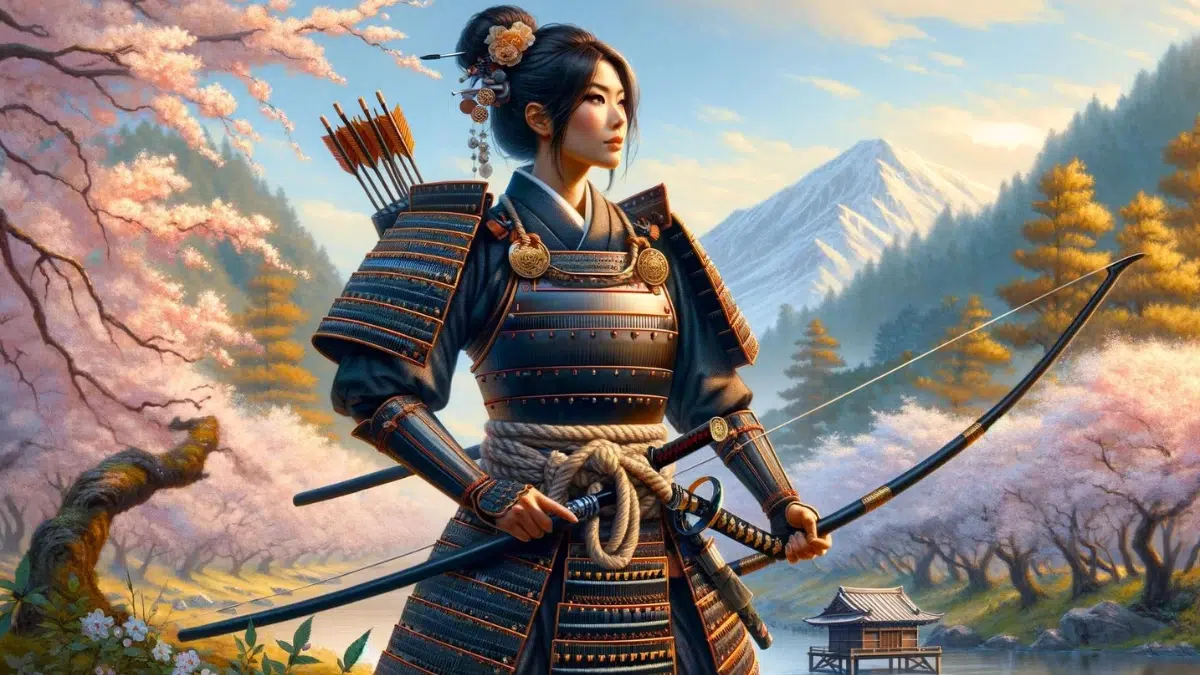
Nakano Takeko fought with honour in the Boshin War, leading the all-female Jōshitai unit. She carried a naginata and struck down many enemies. Her training in martial arts and literature prepared her for both command and combat.
Mortally wounded, she requested a warrior’s death to avoid capture. Her grave remains a site of annual tribute. Nakano stands among the most courageous Asian women of warfare. She showed that loyalty, discipline, and sacrifice live beyond gender. Her final act remains one of Japan’s most powerful wartime stories.
Hatsuhana (Japan)
Hatsuhana, though less known than other warriors, became a symbol of perseverance and strength. She trained in swordsmanship and mastered martial arts to avenge her family. Some legends say she fought despite illness or injury. Others call her a protective spirit of vengeance.
Though stories vary, all agree on her courage. Hatsuhana represents the quiet strength of Asian women of warfare—those who don’t lead armies but still shape outcomes. Her tale reminds us that even in silence, resistance grows fierce.
Lady Hangaku (Japan)
Lady Hangaku defended her family’s castle during the Genpei War. With bow in hand, she led 300 warriors against a force of thousands. Wounded but undeterred, she inspired fierce loyalty among her troops. Her courage shook enemy ranks and earned admiration, even in defeat. Captured but spared, she lived with honour.
Hangaku’s bravery and leadership highlight the quiet power of Asian women of warfare. She showed that resilience matters as much as victory. Her story lives on as a reminder that women didn’t just witness war—they shaped its outcome.
Hōjō Masako (Japan)
Hōjō Masako, the widow of Minamoto no Yoritomo, became Japan’s political backbone after his death. She took Buddhist vows but never left the battlefield of politics. Masako blocked rivals, advised shoguns, and secured the power of the Hōjō clan.
Her bold actions during succession crises earned her the title “Nun Shogun.” Though not a soldier, she shaped warfare through strategy and statecraft. As one of the most influential Asian women of warfare, Masako proves that battles come in many forms—and true power often works behind the throne.
Ame-no-Uzume (Japan)
Ame-no-Uzume, a goddess in Japanese mythology, used boldness and wit to restore cosmic balance. When the sun goddess hid, plunging the world into darkness, Uzume danced and shouted until laughter pulled light back.
In myth, she stands as a warrior of spirit and courage. Some stories show her leading during chaos and rallying gods with her voice. Though divine, her role connects to real-world resilience. As one of the earliest Asian women of warfare in legend, Uzume shows that courage can heal, lead, and inspire. Her story blends myth, leadership, and light in times of crisis.
Yoshinaga Shigeru (Japan)
Yoshinaga Shigeru mastered the martial arts and lived as a female samurai dedicated to discipline and protection. Though lesser known, her legacy reflects quiet excellence. She trained with precision and served as a teacher to future warriors.
Shigeru showed that mastery requires both physical skill and mental strength. Her life proved that samurai values extended beyond the battlefield. Among Asian women of warfare, Shigeru represents those who sharpen minds and blades alike. She left behind a legacy of mentorship and calm, unwavering focus—a warrior in every sense of the word.
Eastern Asia Women of Warfare in Korea
Queen Seondeok (Korea)
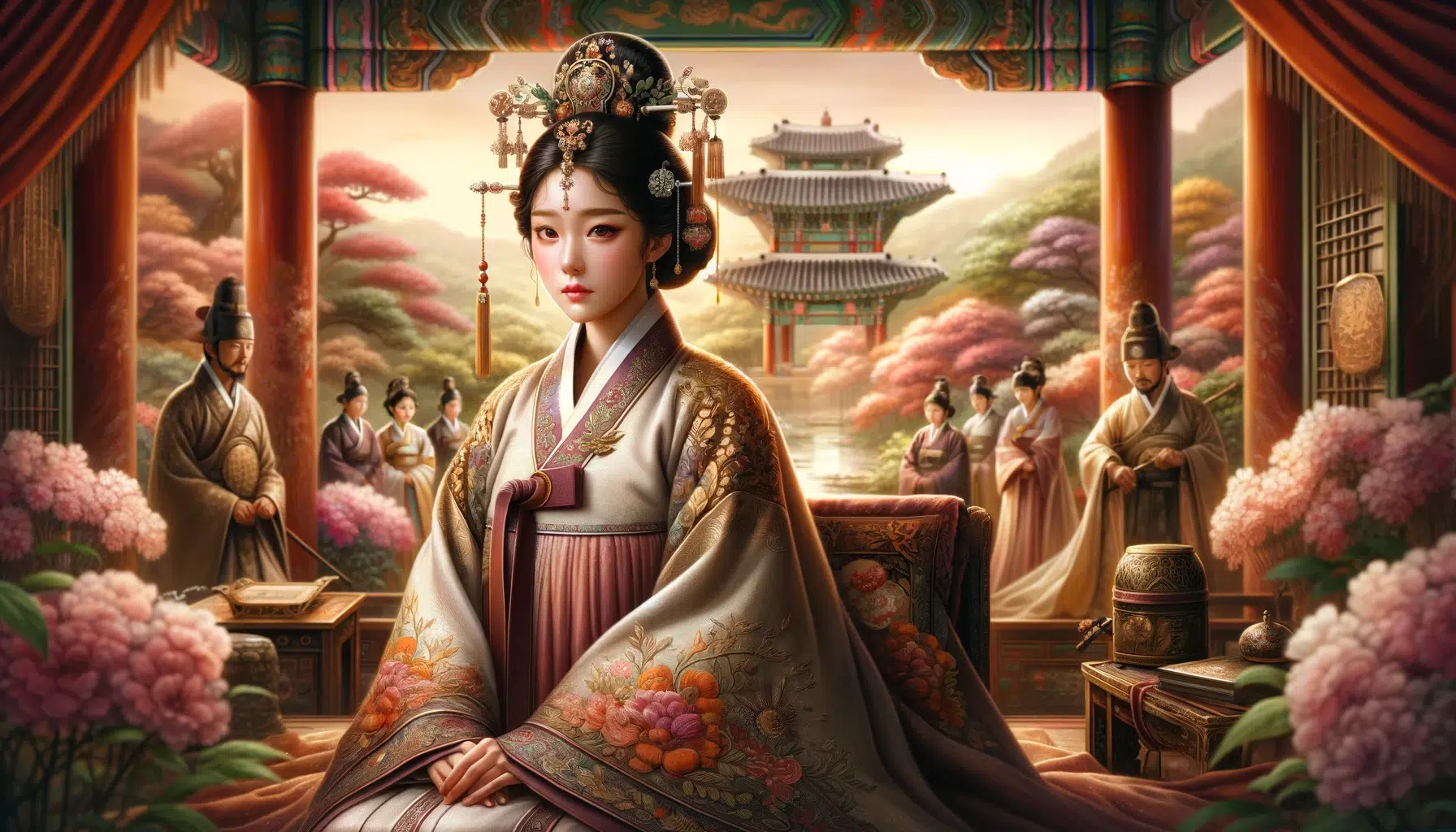
Queen Seondeok ruled the Silla Kingdom with wisdom and strategic vision. She strengthened defenses and encouraged alliances to resist external threats. Her reign saw political stability and cultural growth, even during conflict. She built observatories, temples, and support networks for her people. Queen Seondeok advised generals and promoted scholars, blending intelligence with leadership.
As one of the earliest ruling Asian women of warfare, she proved that strength lies in both strategy and diplomacy. Her reign marks a turning point in Korean history, where a woman’s rule brought unity and resilience to a divided land.
Empress Myeongseong (Korea)
Empress Myeongseong used diplomacy and intellect to defend Korea’s sovereignty. She worked behind the scenes to counter growing Japanese control. She formed foreign alliances and tried to modernize Korea’s military and government. Her bold actions challenged the era’s gender roles and foreign powers.
Though her resistance made her a target, it also made her a symbol. Empress Myeongseong remains a key figure among Asian women of warfare—not for wielding weapons, but for using influence and courage. Her legacy continues to inspire those who stand against oppression.
Eastern Asia Women of Warfare in Vietnam
Lady Triệu (Vietnam)
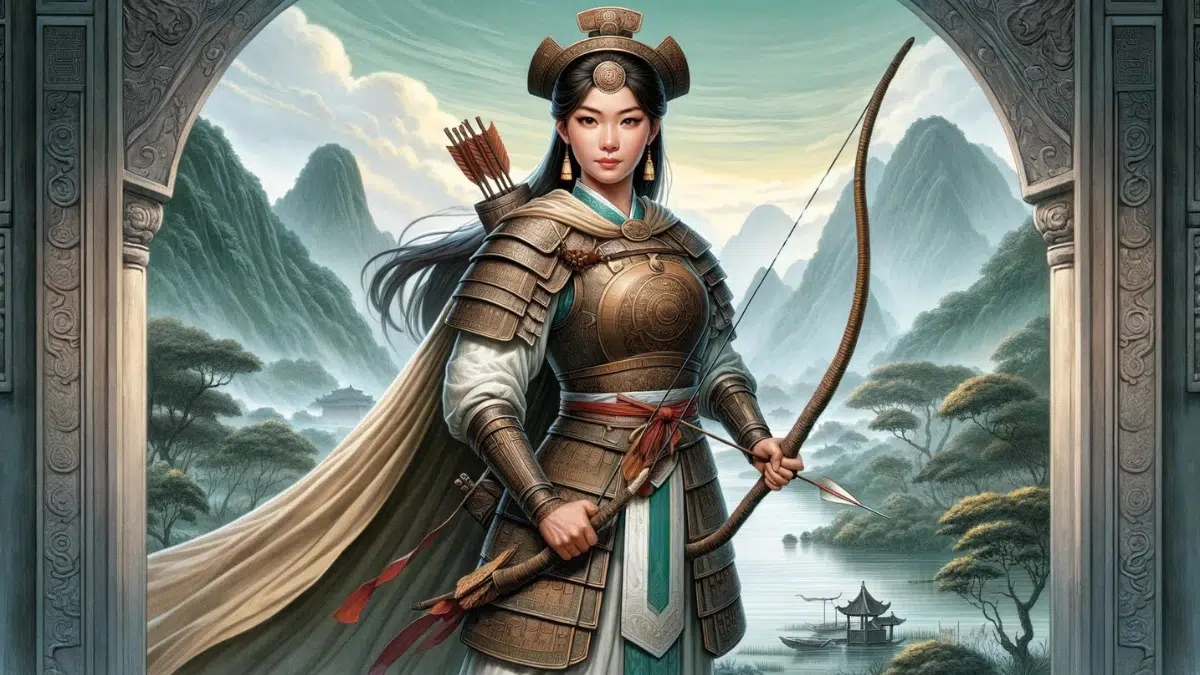
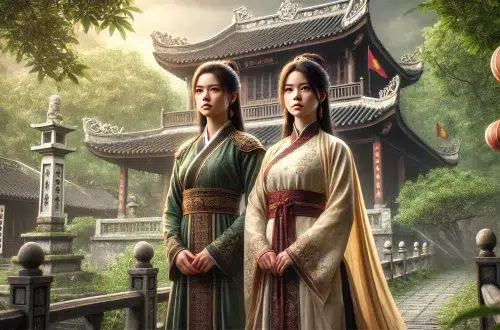
Lady Triệu rose against Chinese occupation in the 3rd century, riding into battle in golden armour. She refused to stay silent or hidden. Leading thousands, she became a legend for her fierce spirit. She once said she preferred fighting tigers to being ruled.
Her rebellion burned bright, even if short-lived. Among Asian women of warfare, Lady Triệu stands out for her bold defiance. She inspired generations to resist, to rise, and to believe that freedom starts with one voice willing to shout.
Bùi Thị Xuân (Vietnam)
Bùi Thị Xuân trained in martial arts and led troops during Vietnam’s turbulent wars. She joined her husband in battle but earned her own command. She became a respected general known for bravery and loyalty. Bùi Thị Xuân fought to defend the Tây Sơn dynasty but remained fearless even when tides turned. Her courage stood firm through trials and betrayal.
As one of the fierce Asian women of warfare, she showed that strength includes sacrifice. Her legacy lives on in Vietnamese memory as a symbol of martial skill and unshakable resolve.
Trưng Trắc & Trưng Nhị (Vietnam)
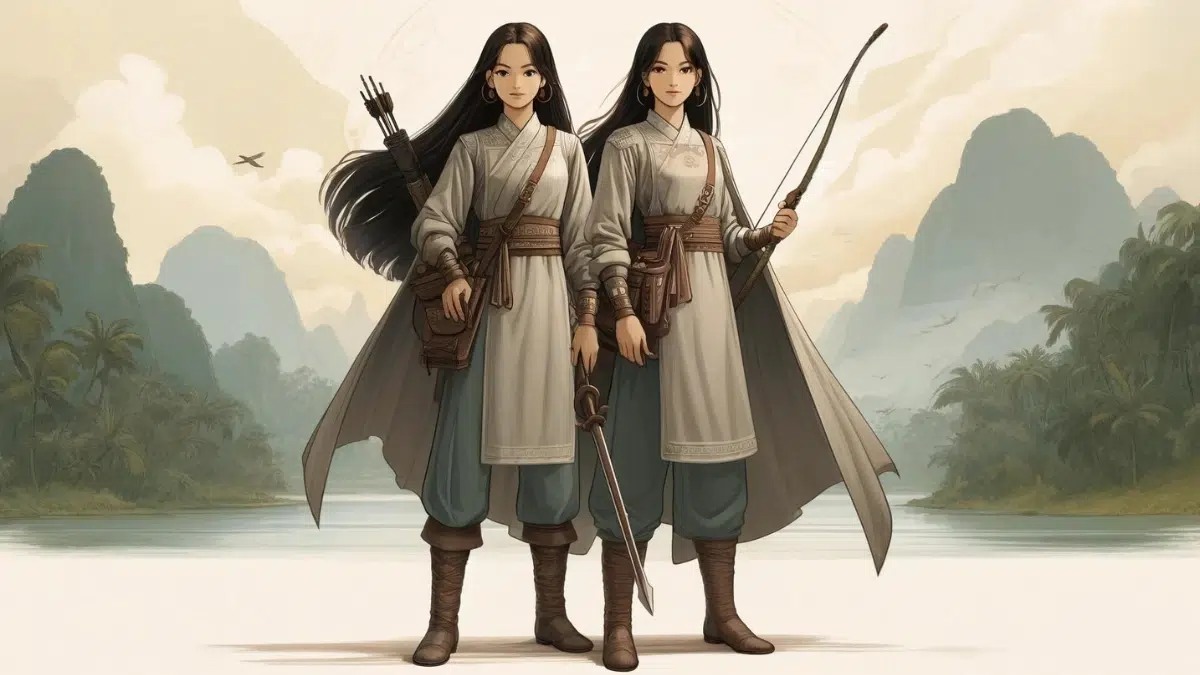
The Trưng Sisters led Vietnam’s first major rebellion against Chinese rule in 40 AD. Trained in martial arts, they raised an army and won back dozens of strongholds. Trưng Trắc and Trưng Nhị ruled briefly as queens, showing how women could govern and fight.
They rallied thousands, especially other women, to join their cause. Their leadership became a national symbol of resistance. As early Asian women of warfare, they left a legacy of courage that still echoes in Vietnamese culture. Statues, holidays, and stories honour their bravery and unity.
Lê Chân (Vietnam)
Lê Chân fought alongside the Trưng Sisters and earned her place as one of Vietnam’s first female generals. She trained troops, led attacks, and supported the rebellion against Chinese occupation. Known for her wisdom and strength, she governed Hai Phong and inspired others to resist foreign control. Her bravery on the battlefield and leadership off it made her unforgettable.
As one of the foundational Asian women of warfare in Vietnam, Lê Chân’s story reminds us that national heroes often come from overlooked corners of history—but their legacy endures.
Conclusion
These women didn’t just survive war—they shaped it. Each name adds to the legacy of Asian women of warfare across history. They led armies, resisted occupation, and protected their people.
Their actions remind us that leadership and bravery come from all genders. While some stories fade, their impact remains strong. Learning their names honours their fight and challenges outdated views of war and power.