Crossbows and Longbows – Pros and Cons
Crossbows and longbows. Both of these weapons have been used for hunting and warfare.
Archery has been around for centuries with two of the most iconic weapons in its history being the crossbow and the longbow.
However, they have distinct differences that set them apart. We will look into the history, mechanics, advantages and disadvantages of crossbows and longbows. You will then understand the differences between these two fascinating weapons.
Origins and History of the Crossbow
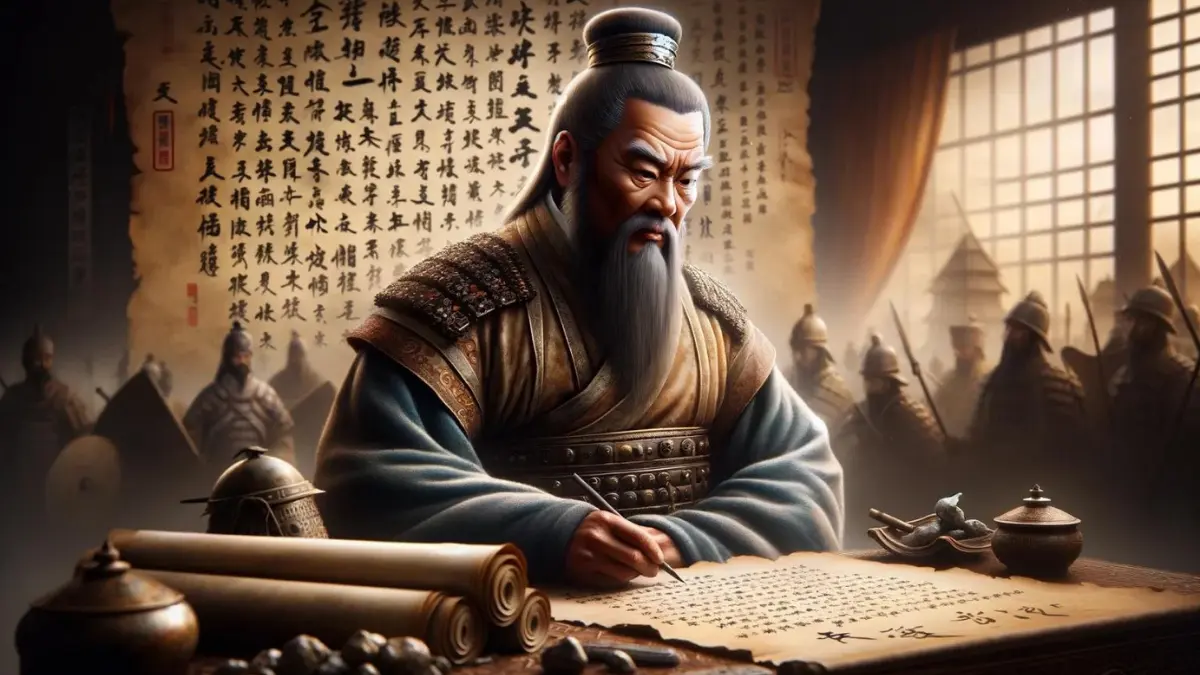
The crossbow has an ancient history that dates back to ancient China. It was invented in the 5th century BCE during the Warring States period. It quickly spread across Asia and Europe due to its effectiveness in combat. The use of crossbows became prevalent in medieval Europe, used by both infantry and knights.
Introduction of the Crossbow During the Medieval Period
The crossbow’s unique design and mechanism holds a fascinating history that stretches back thousands of years. It is believed to have been developed in ancient China around the 6th century BC.
The earliest records of crossbows can be traced to the military strategist and philosopher, Sun Tzu, who described their usage in warfare in his influential work, “The Art of War.”
This early version of the crossbow, known as the “Chu-ko-nu,” featured a composite bow mounted on a wooden stock and could shoot projectiles with great force.
Over time, the technology of the crossbow spread across the Asian continent. It eventually reached the Middle East and Europe, where it gained popularity as a powerful and effective weapon.
The introduction of the crossbow during the Medieval period revolutionized warfare and had a profound impact on battles and sieges.
It offered significant advantages over traditional longbows, allowing even less skilled archers to deliver deadly and accurate shots.
In Europe, the crossbow gained particular prominence during the 11th and 12th centuries, becoming a popular weapon among both armies and hunters.
Due to its immense power and ease of use, the crossbow faced opposition from the Catholic Church. It deemed it to be too dangerous and considered it unsuitable for chivalric combat.
Despite this resistance, the crossbow continued to evolve and was extensively used in various conflicts throughout history. Its development and widespread use exemplify the adaptability of ancient societies and their pursuit of advanced weaponry.
Origins and History of the Longbow

Longbows have a rich history in England and Europe, particularly during the Middle Ages and the Hundred Years’ War. These powerful bows were longer and larger than other types of bows at the time. And provide increased range and accuracy. They were used by English archers, who were renowned for their skill in battle.
The longbow holds a storied place in history, with its origins dating back thousands of years.
Long before the development of the longbow, ancient civilizations in Africa and Asia used simple handheld bows for hunting and warfare.
These early iterations relied on the strength and skill of the archer to achieve accuracy and power. It was during the medieval period in Europe that the longbow truly came into its own.
Renowned for its impressive range and penetrating power, the longbow became a potent weapon during battles and sieges.
The English embraced the longbow and its use became ingrained in their military tactics.
The Battle of Crecy in 1346 and the Battle of Agincourt in 1415 both showcased the devastating impact of longbow archers raining arrows upon their enemies. The longbow became a symbol of English military prowess, and its development and usage shaped the course of historical events.
Mechanics and Design of Crossbows and Longbows
Crossbows function differently from longbows in both mechanics and design.
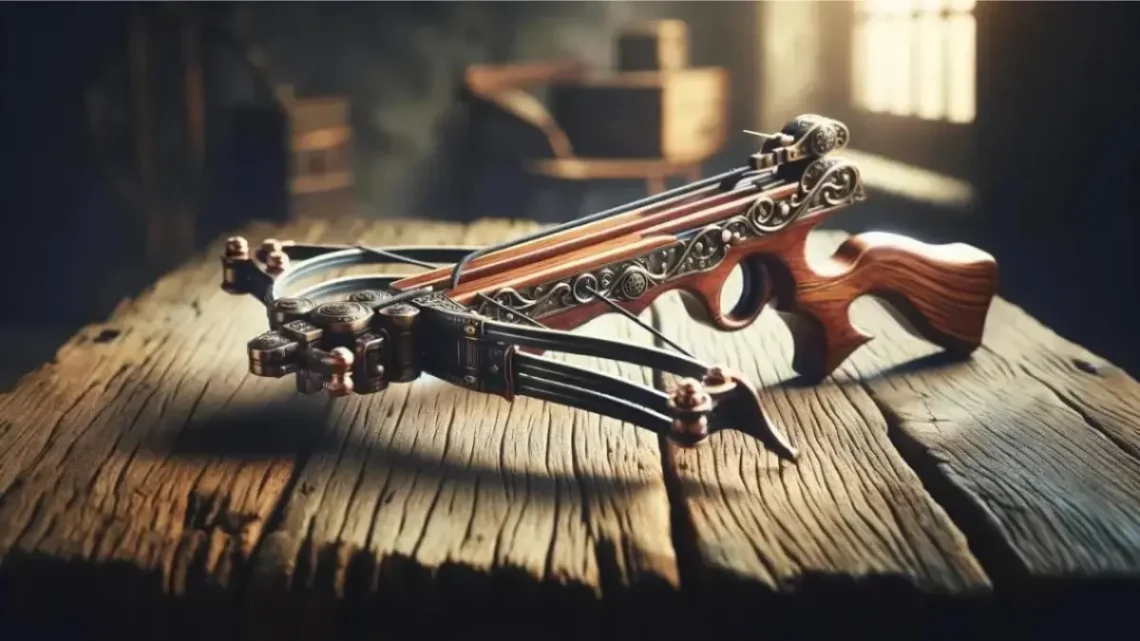
A crossbow consists of a horizontal bow-like assembly mounted on a stock, with a mechanism to hold and release the drawn string.
This mechanism allows the archer to hold the string in a cocked position until ready to shoot, enabling them to aim and fire accurately.
Design and Construction of the Crossbow
The design and construction of the crossbow is a fascinating process that dates back to ancient times.
The crossbow consists of several key components, including the stock, bow, trigger mechanism, and string.
The stock, usually made of wood or composite materials. It provides stability and a solid grip for the user. The bow attaches to the stock and is made of various materials such as wood, fiberglass, or carbon fiber.
The trigger mechanism, often a simple lever system, allows the user to release the string and propel the projectile forward.
Lastly, the string, usually made of strong fibers like nylon or steel, is the critical component. It stores and releases the energy when the trigger is pulled.
The combination of these parts in the design and construction of the crossbow results in a powerful and accurate weapon.
Crafting a crossbow requires a balance between strength, durability, and precision. The stock must be carefully shaped to fit comfortably in the user’s hands while providing robust support for the other components.
The bow needs to be resilient enough to withstand the tension of the drawn string. Yet flexible enough to store and release energy. Additionally, the trigger mechanism must be reliable, ensuring consistent and safe firing.
Finally, the string plays a pivotal role in the construction. It needs to be tightly stretched to create maximum energy transfer to the projectile.
The design and construction of the crossbow is not a task that can be taken lightly. Even the smallest error in any of these components can jeopardize its performance. Whether used for hunting, sport, or military purposes, the design and construction of the crossbow is a testament to human ingenuity and engineering prowess.
Design and Construction of the Longbow
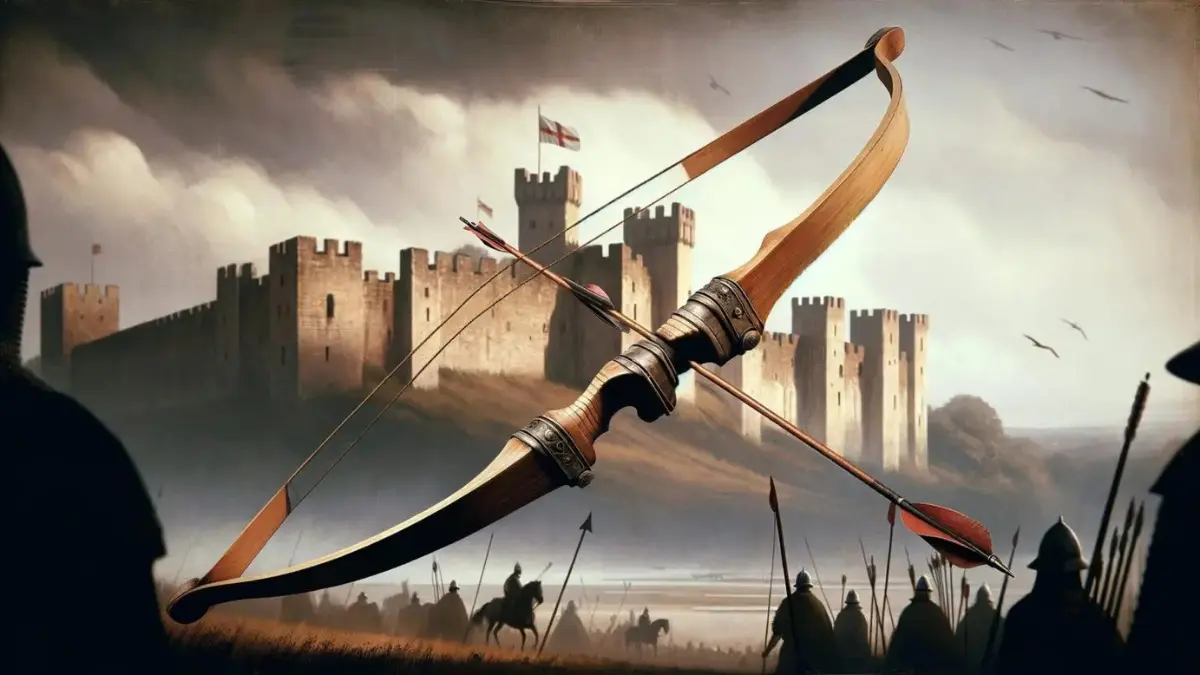
In contrast, a longbow is a simple yet powerful weapon.
It is a tall bow made from a single piece of wood, usually yew, and measures around six feet in height. The longbow relies solely on the power and skill of the archer to draw and release the string, using the archer’s own strength to propel the arrow forward.
The design and construction of the longbow is quite fascinating.
Made primarily from a single piece of wood, its simplicity is what makes it such an effective weapon.
The longbow is a straight and unstrung bow that is roughly equal in length to its user’s height. This design allows for great flexibility and power when the bow is drawn back. Crafting a longbow requires a skilled archer who understands the properties of different types of wood. Yew wood is often preferred due to its ideal combination of strength and flexibility.
The bow is carefully shaped, with the thicker and stronger parts of the wood forming the central belly. The thinner, more flexible parts form the outer limbs.
The wood is usually seasoned and dried before being shaped. Then it is heat-treated to enhance its performance. Once the bow is shaped, it is finished with various coatings or wax to protect it from the elements.
The design and construction of the longbow have remained relatively unchanged for centuries. That’s a testament to its timeless effectiveness.
Advantages and Disadvantages of Crossbows
Advantages of Crossbows
Crossbows offer several advantages that make them a popular choice among archers and hunters alike.
- One key advantage is their ease of use.
- Crossbows have a shorter learning curve, allowing beginners to quickly develop proficiency.
- They need less physical effort to shoot.
- Crossbows can be cocked and held in the drawn position – eliminating the need to hold the string back with one’s own strength, as is required with a longbow
- This makes it preferred choice for those with strength or mobility concerns
- Another advantage is their accuracy and range
- Crossbows offer improved aim and precision compared to traditional bows.
- They are easier to learn and shoot accurately.
- Crossbows are capable of shooting projectiles at higher speeds, covering greater distances.
- This combination of accuracy and range makes crossbows an excellent choice for:
- both target shooting and
- hunting scenarios
- This combination of accuracy and range makes crossbows an excellent choice for:
Disadvantages of Crossbows
While crossbows have their advantages, they also come with a few disadvantages.
-
One of the main drawbacks is their bulkiness and weight.
-
This is due to their design and extra components
-
Crossbows tend to be heavier and more cumbersome to carry compared to traditional bows.
-
This makes them less maneuverable in certain situations.
-
Inconvenient option for hunters or archers who need to maneuver through challenging terrain or engage in high mobility activities.
-
-
Another disadvantage of crossbows is their slower reloading time.
-
After each shot, crossbow users must manually reload the weapon by cocking the string and reattaching the bolt.
-
Time-consuming and limits the number of shots that can be fired in a given amount of time.
-
The slower reloading process of the crossbow can be a disadvantage – fast-paced hunting situations or target shooting competitions need quick follow-up shots
-
-
Crossbows have a slower rate of fire compared to longbows.
-
Once a bolt has been fired, the archer must reload the crossbow.
-
This takes more time than nocking another arrow on a longbow.
-
Advantages and Disadvantages of Longbows
Advantages of Longbows
-
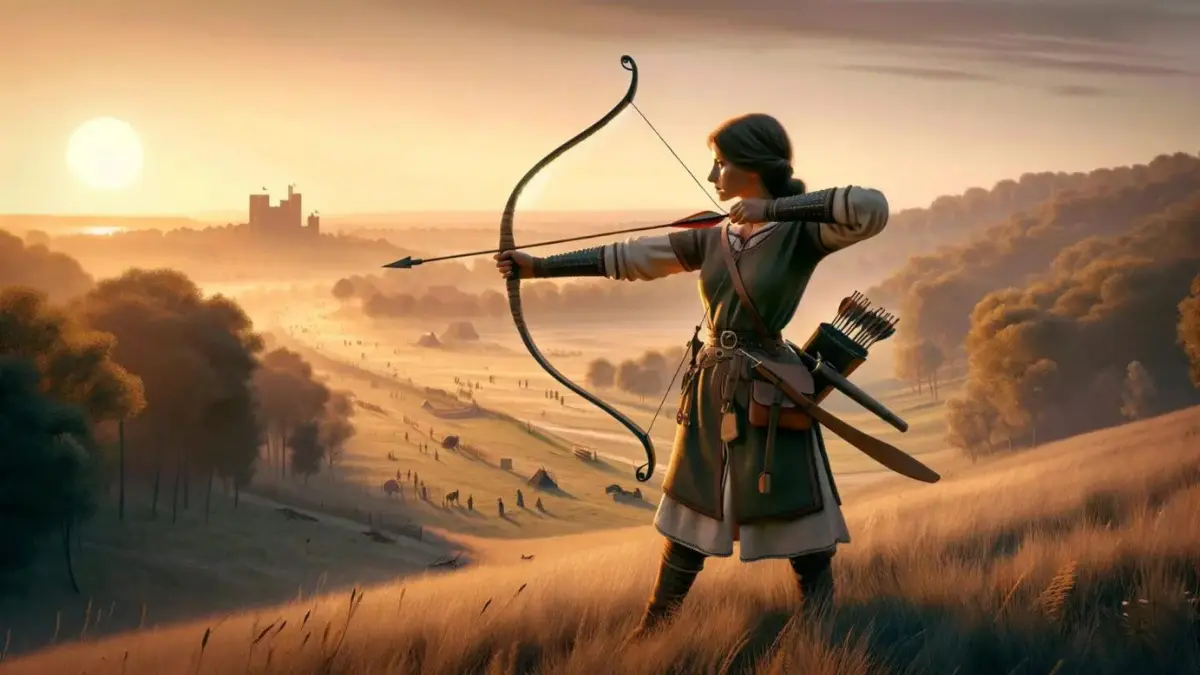
One major advantage is their exceptional range and power.
-
A skilled archer can shoot an arrow from a longbow with tremendous force, allowing for greater penetration and accuracy at longer distances.
-
Longbows are also lighter and more portable than crossbows, making them easier to carry and handle during long periods of use.
-
They excel in situations that require quick maneuverability, such as in field battles or hunting scenarios.
-
Longbows are known for their simplicity in design and construction.
-
Longbows are made from a single piece of wood, which makes them easier to produce and maintain.
-
This simplicity also translates into ease of use, making longbows accessible to archers of varying skill levels.
-
Due to their longer length, longbows store more potential energy, resulting in faster arrow speeds and greater accuracy.
-
Suitable for hunting and long-distance shooting, where precise aim and extended range are essential.
-
The shooting experience is noted by archers for its smoothness and natural feel. It promotes a sense of connection with the ancient origins of archery.
Disadvantages of Longbows
While longbows offer distinct advantages, they also pose a few challenges.
-
One main disadvantage is the considerable strength required to draw and shoot a longbow.
-
The bow’s longer length of the bow and lack of mechanical help, demands significant physical strength.
-
Longbows have a steeper learning curve compared to crossbows.
-
Their design requires a significant amount of strength to draw and hold the string, making it more challenging for beginners.
-
This can be a limiting factor for those with less upper body strength or individuals who prefer a bow that requires less effort to shoot.
-
It takes time and practice to develop the necessary muscle strength and technique to shoot a longbow effectively.
-
Lack of a holding mechanism, requiring the archer to hold the drawn position manually. This can be physically demanding and may cause fatigue over extended periods of use.
-
The lack of customization options can be a disadvantage for some archers. Unlike modern compound bows, longbows have limited adjustability or add-on features.
-
Archers may need to find a longbow that fits their specific physical requirements – customization options like adjustable draw weight or length are not available.
-
The larger size of longbows can be inconvenient in certain situations, such as traveling or hunting in dense environments where maneuverability is crucial.
What advantages does the crossbow have over the traditional longbow?
The crossbow has several advantages over the traditional longbow. These include:
-
Ease of Use
-
Crossbows are easier to learn and shoot accurately, requiring less upper body strength and providing a more stable shooting position.
-
-
Faster Learning Curve:
-
Beginners can quickly develop proficiency with a crossbow, mastering the basics of shooting in a shorter amount of time compared to a longbow.
-
-
Versatility:
-
Crossbows can be used effectively in various shooting positions (standing, kneeling, or sitting), making them adaptable to different hunting or shooting scenarios.
-
-
Higher Accuracy:
-
The mechanical design of crossbows allows for consistent accuracy, as the bowstring is held in a cocked position until ready to shoot.
-
Which One Is the Best For a Beginner to Use?
Choosing between crossbow and longbow archery depends on individual preferences and circumstances.
For beginners, the crossbow may be the better choice due to its easier learning curve and lower physical demands. Crossbows also offer greater accuracy and are more forgiving for inexperienced archers.
For those seeking a greater challenge and willing to invest time in developing proper technique and strength, the longbow can provide a more rewarding experience.
Longbow archery requires dedication and practice. However, it offers a deep connection to history and a sense of mastery over an ancient weapon.
Ultimately, the best type of archery for a beginner to use depends on their goals, physical abilities, and personal preferences.
Differences and the Shooting Experience pf Crossbows and Longbows
In modern times, crossbows and longbows are used for various purposes, including hunting, target shooting, and sport competitions.
The shooting experience with each weapon differs in terms of technique and overall feel.
Crossbows offer a more methodical and controlled shooting process. With a cocked crossbow, the archer can take their time to aim and release the trigger when ready. The recoil is minimal, allowing for improved accuracy.
On the other hand, shooting a longbow requires a higher level of physical exertion and skill.
The archer must fully draw and hold the string with their own strength, focusing on perfecting the release and follow-through. The shooting experience can be more visceral and immersive, connecting the archer to the timeless tradition of archery.
While crossbows may offer ease of use and accuracy, longbows provide a challenging and rewarding experience for those willing to invest time and effort into mastering the traditional technique. Whether you choose the precision of a crossbow or the finesse of a longbow, archery remains a captivating sport that transcends time.
Accuracy and Range of Crossbows
The accuracy of crossbows can vary depending on several factors, including the skill of the user and the quality of the equipment. With proper training and practice, crossbows can be highly accurate weapons.
Compared to other types of ranged weapons such as firearms or longbows, crossbows generally have a lower accuracy.
This is due to the nature of the crossbow design, which requires a longer time to reload and aims compared to other weapons. Additionally, factors such as wind speed and distance can also affect the accuracy of crossbow shots.
Crossbows are generally effective at medium distances. The effective range of a crossbow typically falls within 30 to 60 yards, with some high-powered models capable of reaching up to 100 yards.
It is important to note that the effective range can vary depending on factors such as the type of crossbow, the draw weight, and the type of bolt used.
It is crucial for crossbow users to understand the limitations of their equipment and to practice shooting at varying distances to develop a sense of accuracy and range.
Accuracy and Range of Longbows
The accuracy of longbows is one of their most impressive features.
Thanks to their long limbs and flexible design, longbows are capable of delivering precise shots at various distances. Skilled archers who have mastered the art of using longbows can consistently hit targets with accuracy, making them a formidable weapon on the battlefield or in hunting scenarios. The range of longbows is also impressive, as they can shoot arrows over long distances.
With the right amount of draw weight and a skilled archer, longbows can reach targets that are far away, making them effective for long-range engagements.
However, it should be noted that achieving maximum accuracy and range with a longbow requires considerable training and skill. Accuracy and range can be affected by factors such as wind conditions, arrow weight, and the archer’s technique.
Nevertheless, when used proficiently, longbows can deliver deadly accuracy and cover impressive distances.
Use Cases and Applications of Crossbows
While historically, the crossbow was primarily used on the battlefield, its use has evolved over time, finding a variety of applications in different settings.
One of the most notable use cases for crossbows today is recreational shooting and target practice.
Many enthusiasts enjoy the precision and challenge that comes with mastering a crossbow, making it a popular choice for hunting and sport.
Additionally, the relative ease of use and lower strength requirements compared to traditional bows make crossbows accessible to a wider range of individuals, including those with physical limitations.
Another significant application of crossbows is in the field of wildlife management and conservation. With their silent nature and accurate shooting, crossbows offer an alternative to firearms for controlling or harvesting specific animal populations.
Whether it is for pest control or regulated hunting, crossbows can provide a suitable solution with reduced noise disturbance and a lower risk of collateral damage.
Furthermore, some researchers utilize crossbows to safely and non-invasively capture and tag wildlife for tracking and monitoring purposes, aiding in the study and preservation of various species.
Use Cases and Applications of Longbows
Longbows, with their impressive range and power, have been utilized in various use cases and applications throughout history. One prominent use of the longbow was in warfare, particularly during the medieval period.
Skilled longbowmen
Skilled longbowmen played a crucial role in battles, releasing volleys of arrows that could pierce through armor and cause havoc among enemy ranks.
This made longbows an effective weapon against heavily armored infantry and cavalry. Thus allowing armies to engage their enemies from a distance and weaken their forces before a direct confrontation. Additionally, longbows were also employed for hunting purposes. Their long range and accuracy made them ideal for hunting game such as deer and boar.
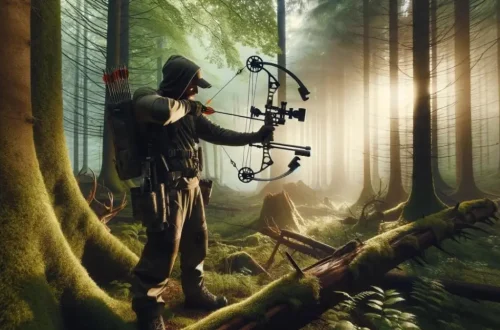
Hunters and Longbow
Hunters would use their skill with the longbow to silently and effectively bring down their prey from a safe distance.
The longbow’s power and precision made it an excellent choice for hunters seeking to have a successful and efficient hunting experience.
The longbow’s versatility in hunting various types of game made it a favored weapon for many hunters, providing them with the flexibility needed to adapt to different hunting situations.
Conclusion
Longbows have demonstrated their value in both warfare and hunting throughout history.
From the field of battle to the quiet wilds, the longbow’s range, power, and accuracy have made it a formidable weapon and a reliable tool for those seeking to conquer enemies or secure sustenance.
Whether used by skilled archers in combat or hunters pursuing game, the longbow has left an indelible mark on the annals of human history.