Connor Kenway Mohawk Hero in Assassin’s Creed
Connor Kenway is the main hero in Assassin’s Creed III. He is half Mohawk and half British, making his story unique. His real name is Ratonhnhaké:ton, and he grows up in a Mohawk village before becoming an Assassin.
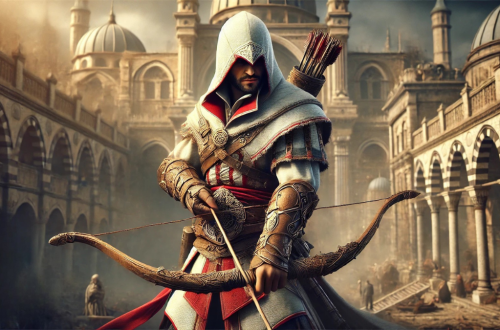
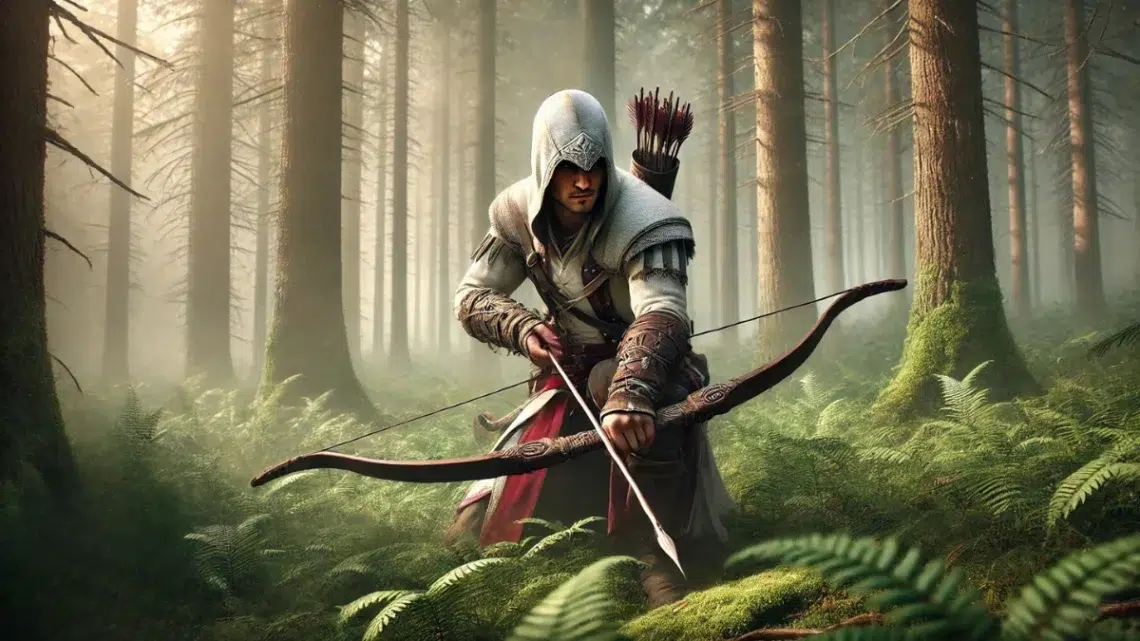
Connor stands out because he fights with weapons that honour his culture, like the flatbow and tomahawk. His bow is not just a tool for hunting or battle—it connects him to his Mohawk roots. The game lets players experience his stealth, skill, and precision as he moves through forests, cities, and battlefields.
Unlike other Assassins who rely on hidden blades or swords, Connor’s bow lets him take down enemies quietly. It is a symbol of his past and his people. Let’s explore Connor Kenway’s bow, why it matters, and how it makes him one of the most unique Assassins in the series.
The Flatbow: A Weapon of Heritage

Connor Kenway’s flatbow is more than just a weapon—it represents his Mohawk heritage. Unlike the longbows used by European archers, a flatbow has a wider, flatter design. This makes it strong, fast, and reliable, perfect for hunting and combat.
In Assassin’s Creed III, Connor uses his bow with precision and skill. He hunts animals for resources and takes down enemies without making noise. The flatbow gives him an advantage because it fits his stealthy, agile fighting style.
The Mohawk people used bows like this for centuries. Hunting was a way of life, and archery was a key survival skill. By using a flatbow, Connor stays connected to his roots while fighting for freedom. His bow is not just about winning battles—it tells a story about his past and identity.
How the Bow Reflects Connor Kenway’s Mohawk Training
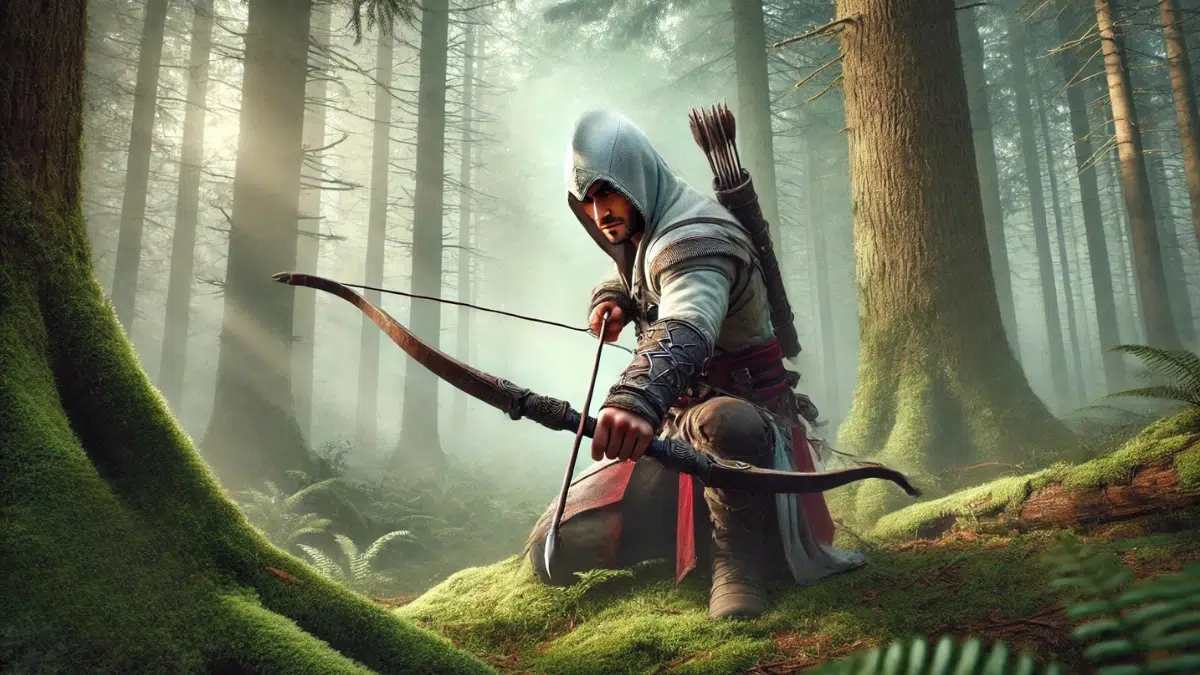
Connor Kenway’s bow skills come from his Mohawk upbringing. From a young age, he learns how to hunt, track, and survive in the wild. His people use the bow not just for hunting but also for protection and battle.
Unlike European soldiers, who rely on muskets and swords, Mohawk warriors use stealth and speed. They move quietly through forests, striking from a distance before enemies can react. Connor’s flatbow is perfect for this style. It lets him take out targets silently without alerting others.
The game’s hunting system also reflects this training. Players must use the bow with care, aiming precisely to avoid damaging animal pelts. This detail makes Assassin’s Creed III feel more real and shows how important archery is to Connor’s people. His bow is not just a weapon—it is a link to his culture and his ancestors.
Connor Kenway’s Backstory: The Making of an Assassin
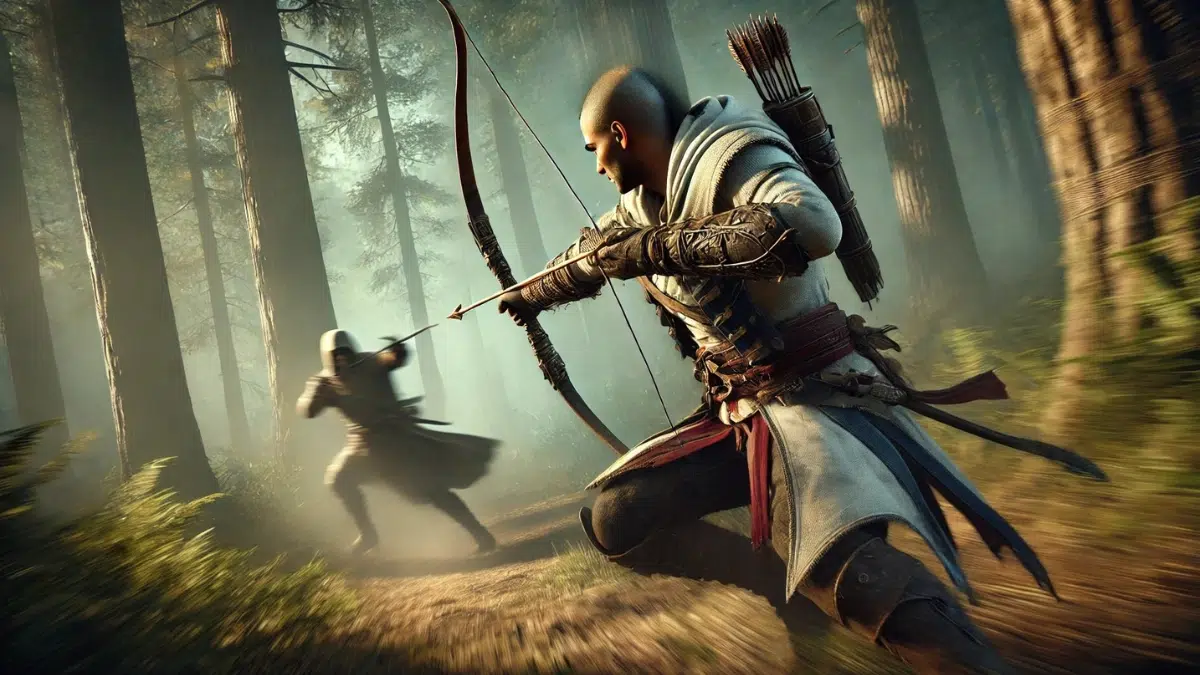
Connor Kenway, born Ratonhnhaké:ton, grows up in a Mohawk village during the 18th century. His mother, Kaniehtí:io, is Mohawk, and his father, Haytham Kenway, is a British Templar. Despite his mixed heritage, Connor is raised in his mother’s culture, learning the ways of his people.
Connor never knows his father as a child, instead is raised by his Mohawk people, learning their customs, hunting skills, and survival techniques.
His life changes when Colonists burn his village, leading to the death of his mother. This tragedy fuels his desire for justice. As he grows older, he discovers the Assassin Brotherhood, an ancient group fighting for freedom and trains under Achilles Davenport.
He trains as an Assassin, mastering weapons like the flatbow, tomahawk, and hidden blade.
He takes the name Connor Kenway, blending his heritage with his new role as an Assassin.
Connor fights in the American Revolution, but he does not blindly support one side. He believes in freedom for all, including his people, who are caught in the conflict. His journey is about more than war—it is about honour, identity, and and fighting for a future where all people are free.
Connor Kenway vs. Other Assassin’s Creed Archers
Connor Kenway is not the only bow-wielding Assassin, but his use of the flatbow makes him stand out.
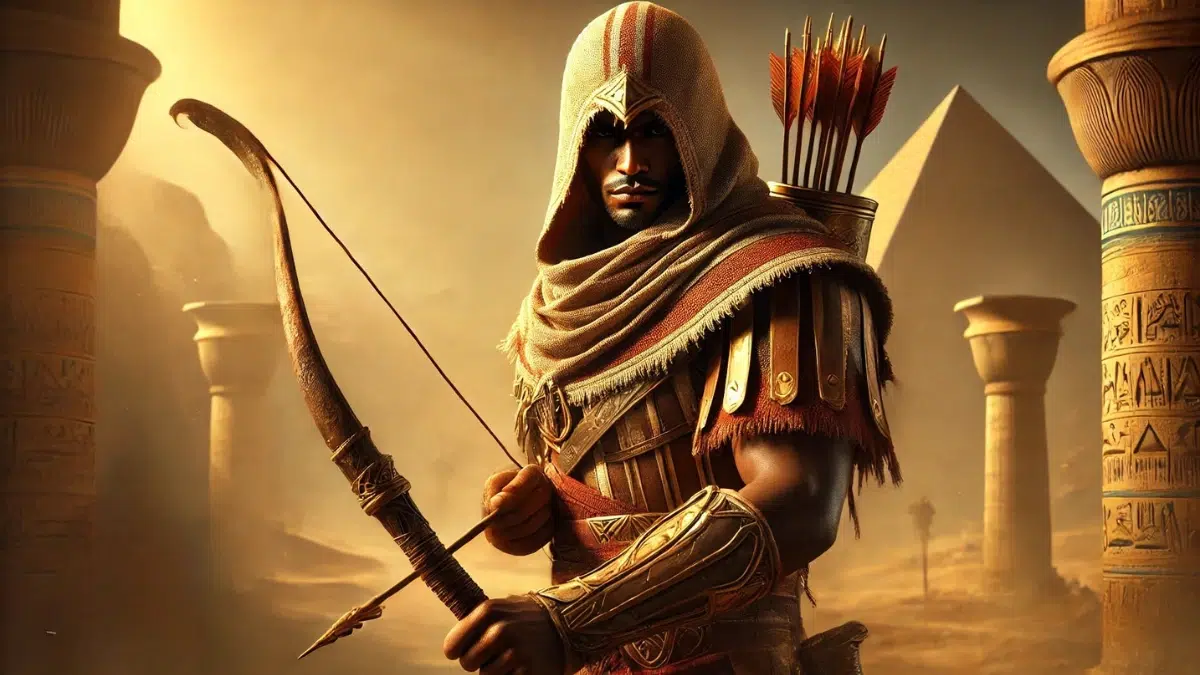
Other Assassins, like Bayek from Assassin’s Creed Origins and Eivor from Assassin’s Creed Valhalla, also rely on bows. But their styles and purposes are different.
Bayek’s Egyptian Archery (Assassin’s Creed Origins)
Bayek, a Medjay warrior in Ancient Egypt, uses multiple bow types suited for different combat styles. His arsenal includes:
- Hunter Bows – balanced for precision, similar to Connor’s flatbow
- Light Bows – fast-firing for rapid attacks
- Predator Bows – sniper-like, with zoom capabilities
- War Bows – heavy-hitting, armour-piercing weapons
Bayek’s bows focus more on versatility and ranged combat in open environments. Unlike Connor, who uses his bow mainly for stealth and survival, Bayek’s archery is more about adapting to the battlefield.
Eivor’s Viking Archery (Assassin’s Creed Valhalla)
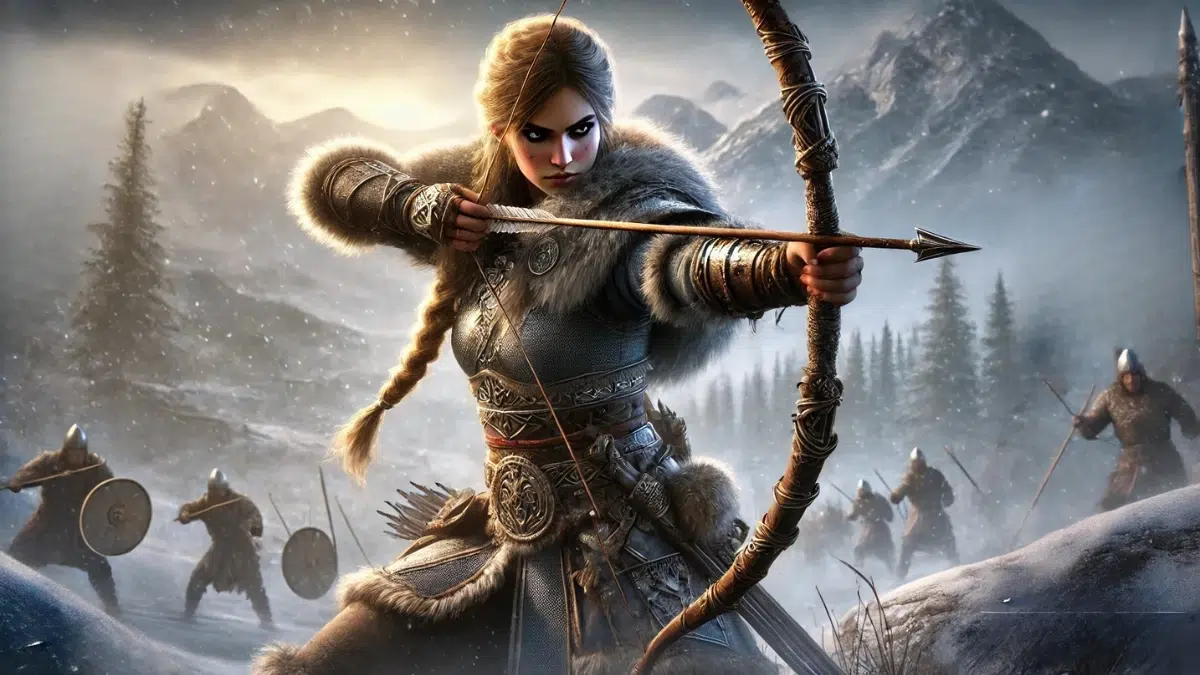
Eivor, a Norse warrior, approaches archery as part of raiding and warfare rather than hunting. The bows in Valhalla are built for combat, with three main types:
- Hunter Bows – all-around bows for standard combat
- Light Bows – quick-firing bows for fast-paced battles
- Predator Bows – long-range bows for sniping enemies
Unlike Connor, who fights in forests and wilderness, Eivor battles in sieges and large-scale raids. Her bows are used alongside axes, swords, and shields, making them tools of war rather than stealth weapons.
In Assassin’s Creed Valhalla, Eivor can be either male or female, depending on the player’s choice.
- The default setting in the game allows the Animus (the machine that relives ancestral memories) to switch between male and female Eivor at different points in the story
- Players can also lock Eivor as only male or only female for the entire game
Ubisoft leans toward female Eivor as the primary version. In official artwork, promotional materials, and the Assassin’s Creed Valhalla novelization, Eivor is depicted as a woman.
However, in Norse history, the real Eivor (if they existed) could have been either gender.
Why Connor Kenway’s Bow Stands Out
Connor’s flatbow is unique because it feels more realistic and personal. It is tied to his Mohawk identity, used for hunting, survival, and precise assassinations.
Unlike Bayek and Eivor, who rely on bows as one of many combat options, Connor’s bow is a direct link to his culture. This makes him one of the most memorable archers in the Assassin’s Creed series.
The Bow and Mohawk Culture in Assassin’s Creed III

Connor Kenway Gameplay and Mechanics
Connor Kenway’s flatbow is one of the most useful weapons in Assassin’s Creed III. Unlike guns, which are loud and can alert enemies, the bow allows for silent, precise attacks. This makes it perfect for stealth gameplay.
Players can use the bow to hunt animals in the wilderness, collecting pelts for trade. The game rewards careful shots—hitting an animal cleanly with an arrow keeps the fur in better condition. This adds a layer of realism and ties into Connor’s Mohawk heritage as a skilled hunter.
The bow is also effective in combat. Players can take out enemies from a distance before moving in for a closer fight.
While it does not fire as fast as guns, it never runs out of ammo—Connor can craft arrows using materials from the environment. This makes it a reliable and resourceful weapon, fitting his survival skills.
Learn more about other popular gaming archers: Female Archer Characters in Video Games
Cultural Authenticity: Did Ubisoft Get It Right?
Ubisoft put effort into making Connor Kenway’s story feel authentic, but how accurate is his Mohawk representation?
One of the strongest aspects of Assassin’s Creed III is its use of Kanien’kéha (Mohawk language). Connor speaks his native language fluently, and Ubisoft worked with Indigenous consultants to ensure proper pronunciation and dialogue. His flatbow, tomahawk, and hunting skills also reflect real Mohawk traditions.
However, some details are not entirely accurate. The game shows Connor as the only Mohawk Assassin, but historically, the Mohawk people had many skilled warriors and leaders. His outfit, while inspired by Mohawk clothing, includes Assassin’s Creed elements that are more fantasy than history.
Overall, Ubisoft did a better job than most games at representing an Indigenous hero. While some creative liberties were taken, Connor’s story still respects his Mohawk roots and gives players a deeper look into Indigenous culture.
The Legacy of Connor Kenway’s Bow: Why It Still Stands Out
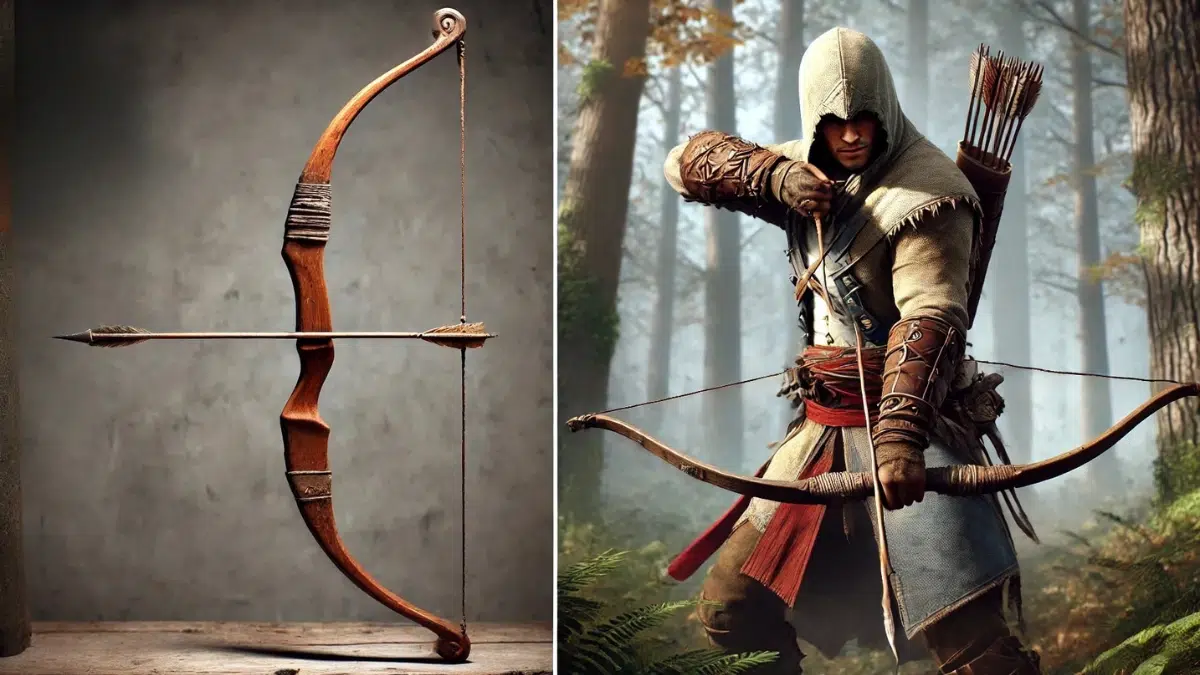
Connor Kenway remains one of the most unique Assassins in the series. His flatbow is not just a weapon—it is a symbol of his Mohawk heritage and survival skills.
While later Assassins like Bayek and Eivor have access to advanced archery mechanics, Connor’s bow feels more grounded and personal.
What makes it special?
- Tied to his identity – It reflects his Mohawk upbringing, unlike Bayek’s war bows or Eivor’s Viking hunting bows.
- Pure stealth gameplay – Silent, efficient, and precise, it allows Connor to strike without being detected.
- Survival and realism – Hunting in the wilderness with the bow is an important part of the game, adding depth to his character.
Connor’s story in Assassin’s Creed III may not get as much attention as later games, but his bow and unique fighting style still make him one of the most memorable archers in the franchise.
Conclusion
Connor Kenway’s flatbow is more than just a weapon—it is a connection to his Mohawk heritage, his survival skills, and his Assassin identity. Unlike other Assassins in the series, his bow reflects stealth, precision, and self-reliance, making it one of the most unique and meaningful weapons in Assassin’s Creed III.
From hunting in the wilderness to silent assassinations, Connor’s bow plays a key role in his journey. While later Assassins like Bayek and Eivor have impressive archery mechanics, Connor’s bow stands out because it feels personal and culturally significant.
His story may not always get the same attention as other Assassin’s Creed protagonists, but his connection to nature, skill with the bow, and role in history make him unforgettable.