
Callisto: Betrayed Nymph Turned Constellation
A Nymph, a Betrayal, and the Stars Above
Callisto was one of Artemis’ most loyal companions—a brave, wild-hearted nymph who swore to stay pure. She roamed the forests with the goddess, hunting and living freely. But her peaceful world shattered when Zeus, king of the gods, noticed her beauty. Disguising himself, he tricked her and left her with child. When Artemis discovered the truth, she felt betrayed—not by Callisto’s actions, but by what had happened.
Callisto’s punishment was harsh. Cast out and shamed, she wandered alone. Hera, Zeus’ jealous wife, made things worse by turning her into a bear. Her story ends not in pain, but in the stars. To protect her, Zeus placed her among the constellations as Ursa Major—the Great Bear.
This myth tells a story of trust, loss, and how even great pain can lead to a kind of immortality.
Callisto’s Role and Relationship with Artemis
Callisto stands out in Greek mythology as one of Artemis’ most loyal followers. As a nymph of exceptional beauty and strength, she swears an oath of chastity to serve the goddess of the hunt. Artemis, known for her fierce independence and protection of her all-female band, welcomes Callisto as part of her sacred circle.
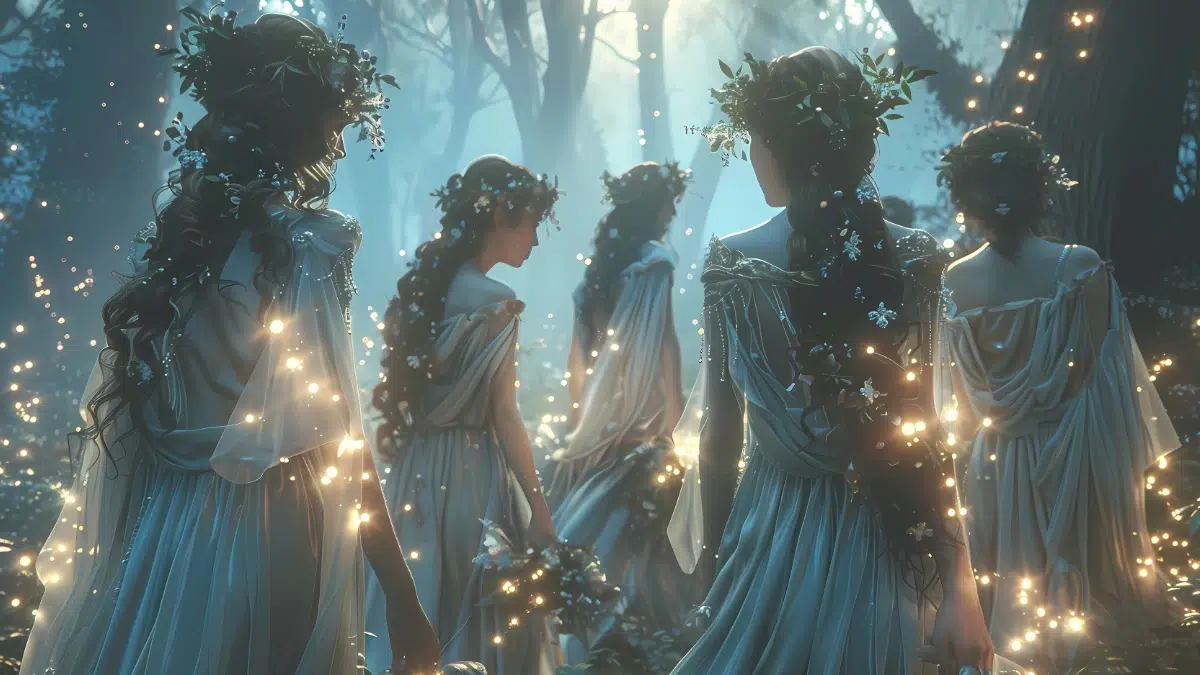
Nymphs like Callisto often accompany Artemis on forest hunts. They live freely in nature, avoiding the company of men. This vow of purity forms a powerful bond between Artemis and her companions. For Callisto, it is more than devotion—it shapes her identity and future.
She follows Artemis not only in ritual but in spirit, becoming a symbol of innocence and strength. Yet this bond becomes the source of tragedy. When Callisto’s vow is broken—through no fault of her own—she loses everything. The betrayal does not just mark her fate; it shatters her connection to the only family she knows.
Zeus’ Deception and Callisto’s Betrayal

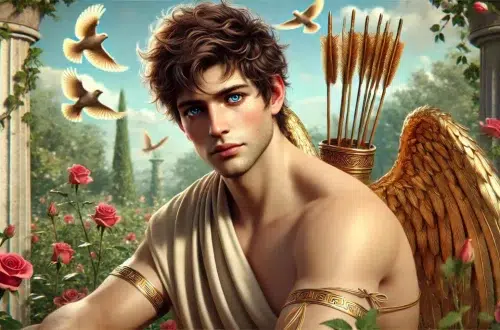
Zeus, known for his many disguises and affairs, sets his eyes on Callisto. But she remains faithful to Artemis and her vow. To get close to her, Zeus takes on a deceptive form—most versions say he disguises himself as Artemis or Apollo, someone Callisto deeply trusts.
In this false form, Zeus approaches her gently. Believing she is safe, Callisto lets down her guard. But Zeus assaults her, and she becomes pregnant. The betrayal cuts deep—not only by the king of the gods, but by the trust she placed in a divine figure’s appearance.
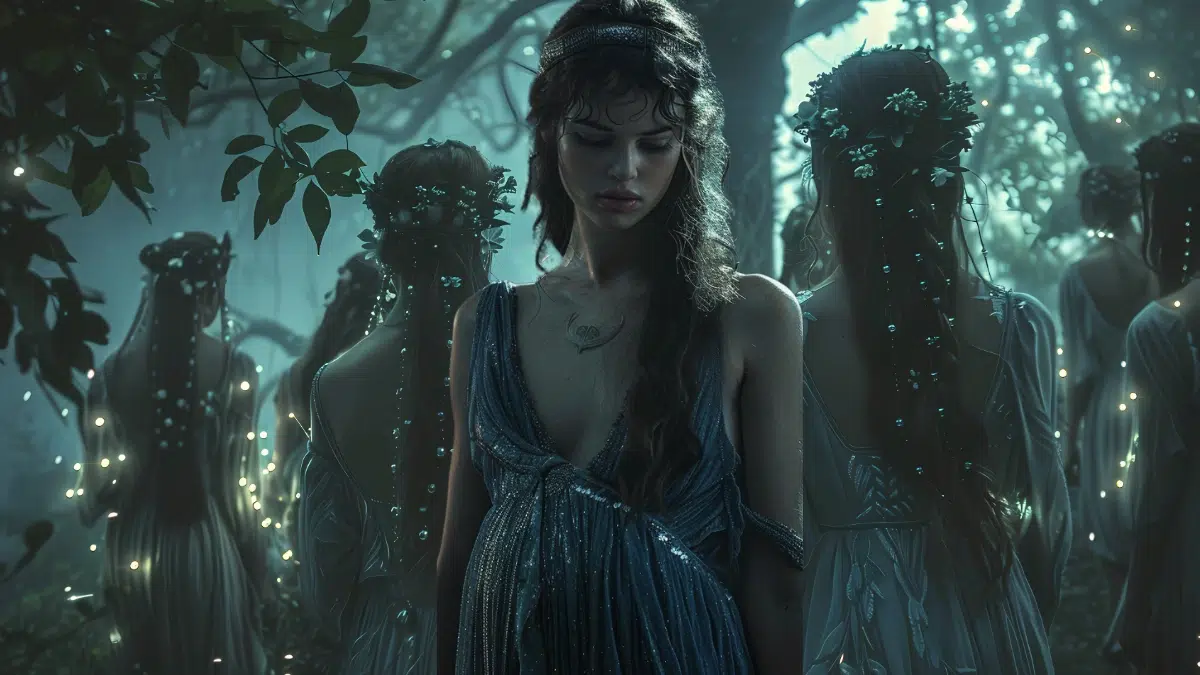
Callisto hides her pregnancy for as long as possible. But her growing belly eventually reveals the truth. The other nymphs recoil in shock, and when Artemis discovers what has happened, she feels angry—not at Zeus, but at Callisto for breaking her vow.
Though Callisto never consents, the gods do not see her as a victim. Instead, she is cast out and shamed for a crime she did not commit.
Transformation and the Constellation Ursa Major
Once cast out, Callisto roams the forest in shame and sorrow. But her punishment does not end there. Hera, Zeus’ jealous wife, discovers the affair and the child Callisto now carries. Blinded by rage, Hera turns Callisto into a bear.
Callisto, once a devoted companion of Artemis, now must live as a hunted creature—no longer woman, nor mother.
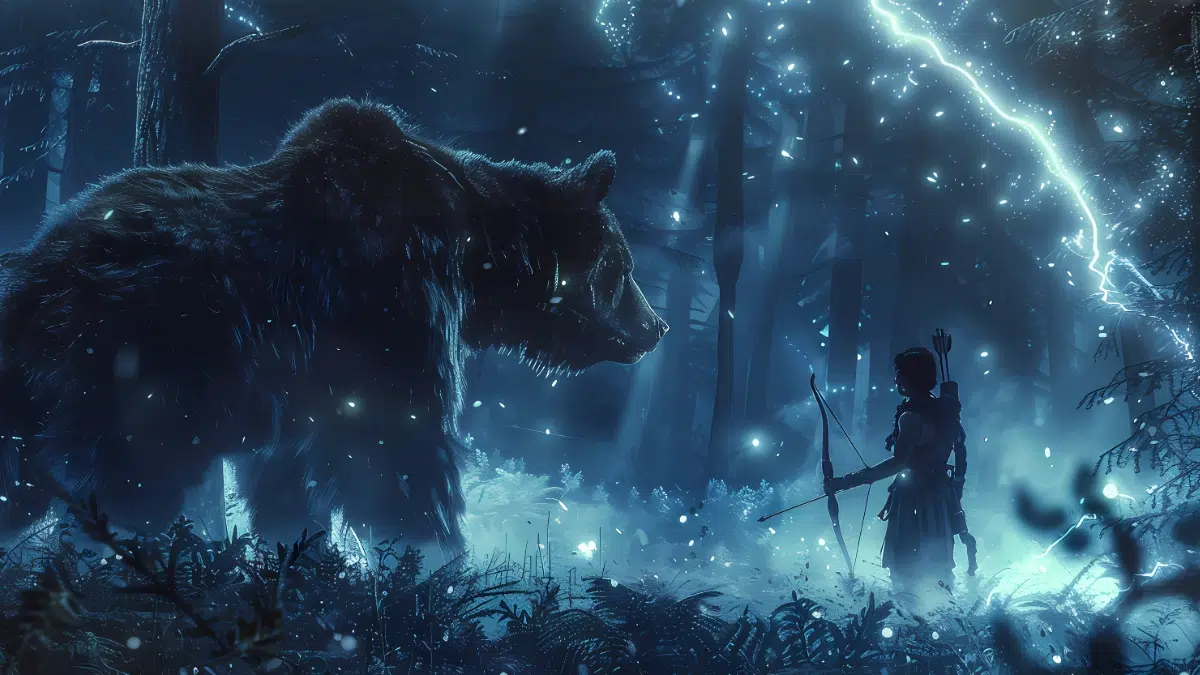
Her son, Arcas, grows up unaware of his true heritage. Years later, while hunting in the woods, Arcas almost kills the bear. At the last moment, Zeus intervenes to stop the tragedy.
To honour them both—or perhaps to cover his guilt—Zeus places Callisto in the sky as the constellation Ursa Major, the Great Bear. He also places Arcas beside her, as Ursa Minor. This way, mother and son stay together in the stars, beyond Hera’s reach.
Even in the heavens, their story remains bittersweet—one of love, betrayal, and survival.
Interpretations and Symbolism of the Callisto Myth
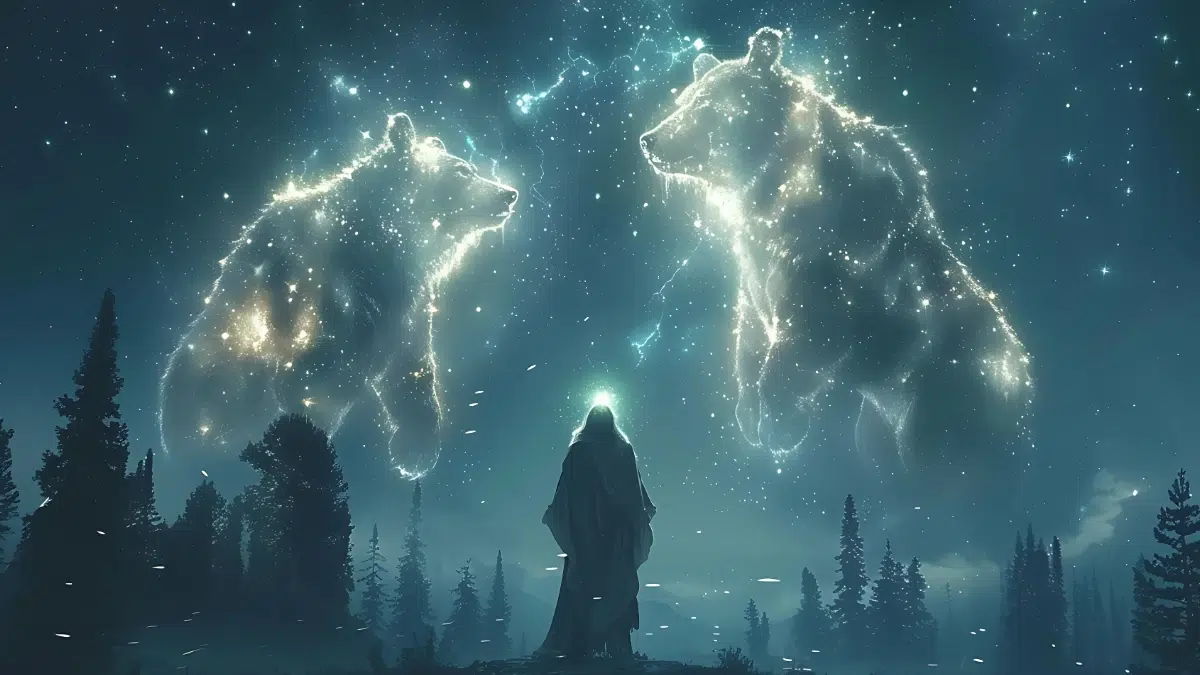
Callisto’s story offers more than heartbreak—it reveals deep cultural values. Her transformation into a bear, then into a constellation, speaks to themes of identity, betrayal, and divine injustice. Ancient Greeks often used myths to explain natural wonders. Here, the stars tell a personal, tragic tale.
The myth warns against blind loyalty to the gods and shows how those with the least power—like nymphs—often suffer the most. Callisto’s punishment for a betrayal she did not choose raises questions of fairness and control. Some versions cast Artemis as cold or harsh, while others see her as bound by vows she cannot break.
In modern times, Callisto represents the silenced and the misunderstood.
Many see her as a symbol of strength—surviving pain, exile, and even transformation. Her story echoes in literature, astronomy, and even feminist studies. Though betrayed, she still shines above, her presence immortal in the night sky.
Other Myths of Betrayal Involving Artemis

Callisto’s myth isn’t the only tale where Artemis reacts harshly to perceived disloyalty or loss of purity. As a virgin goddess, Artemis demanded complete devotion from her companions, especially her nymphs. Betrayals—real or misunderstood—often led to punishment or exile.
One similar myth is the story of Actaeon, a hunter who accidentally saw Artemis bathing. Although he did not intend to intrude, Artemis turned him into a stag. His own hunting dogs tore him apart. Like Callisto, Actaeon’s punishment was swift and severe.
Another example is Orion, a giant huntsman. In some versions, Artemis grew close to him, but either her brother Apollo or Artemis herself ended his life—again tied to themes of honour, purity, and betrayal.
Even Artemis’s twin, Apollo, tricked her once. Some say he deceived her into killing Orion. This theme of deception between gods echoes Zeus’s trickery of Callisto.
These stories show how betrayal—especially emotional or moral—often results in tragedy or transformation in Greek myths. Callisto’s tale remains one of the most powerful, ending not just in loss, but in eternal remembrance in the stars.
Learn more about Greek Myths:
- Famous Greek Myths: Love, Conflict and Tragedy
- Greek Myths About the Stars: Orion to Sagittarius
- Most Popular Greek Myths in Greek Mythology
How to View the Callisto Constellation
You can spot Callisto in the night sky as Ursa Major, one of the most famous constellations. This “Great Bear” includes the Big Dipper, which helps you find other stars and constellations.
Ursa Major is visible year-round in the Northern Hemisphere. It moves around the North Star, Polaris, and never dips below the horizon. That makes it a circumpolar constellation—always present in the night sky, especially in places like Canada, northern US, and most of Europe.
The best time to view Ursa Major is spring, when it’s high in the sky during the evening. Look north and find the Big Dipper—its “bowl” and “handle” form part of the bear’s body and tail. From there, you can trace out the rest of the bear.
Whether you’re stargazing in your backyard or using an app, Callisto’s story still shines brightly above.
Conclusion
Callisto’s myth is both haunting and powerful. A loyal nymph wronged by Zeus, punished by Artemis, and transformed by Hera—her story reveals the harsh truths in many Greek myths. She did not seek power or fame, yet her tale lives on in the stars.
Her son, Arcas, nearly kills her without knowing her true identity. Yet, even in tragedy, there is beauty. Zeus places them in the sky as Ursa Major and Ursa Minor. This final act does not erase the pain, but it preserves her story for generations to come.
Callisto’s legacy is not just a constellation. It’s a reminder of injustice, resilience, and the way myths reflect human struggles. She began as a companion to Artemis—but ended as a symbol in the heavens, forever watching from above.