

Gods and Archery in Greek Mythology Books
Introduction to Gods in Ancient Greek Mythology Books
Ancient Greek mythology books open a fascinating window into ancient Greece’s beliefs, cultural values, and imagination.
Tales of gods, heroes, and monsters fill these texts, offering insights into human nature, morality, and how Greeks viewed the universe.
Homer’s “Iliad” and “Odyssey,” Hesiod’s “Theogony” and “Works and Days,” and the Homeric Hymns tell stories of divine intrigue, heroic quests, and mortals interacting with gods.
These stories have shaped Western literature and thought, founding centuries of artistic and philosophical exploration.
Reading these books takes you on a journey into a world where human and divine realms merge, inviting you into the rich tapestry of ancient Greek mythology.
Greek Mythology Books Referencing Popular Gods
Apollo God of Archery

Apollo, a complex deity in Greek mythology showcasing the divine’s multifaceted nature in ancient Greek culture.
He features prominently in a variety of ancient texts that form the cornerstone of Greek mythological literature.
Here are some key ancient Greek mythology books that reference Apollo:
- Homer’s “Iliad” – Apollo plays a significant role in this epic poem. Notably sending a plague to the Greek camp in response to Agamemnon’s insult to his priest, Chryses.
- Homer’s “Odyssey” – Apollo is mentioned in various contexts, reflecting his influence across different aspects of life and death.
- Hesiod’s “Theogony” – This cosmogony and genealogy of the gods provides insights into Apollo’s divine lineage. As the son of Zeus and Leto, and the twin brother of Artemis.
- Hesiod’s “Works and Days” – Although more focused on human affairs, this poem also references Apollo, particularly emphasizing his role as a god of prophecy.
- The Homeric Hymns – Several hymns are dedicated to Apollo, celebrating his birth, his attributes as the god of music, prophecy, healing, and more.
- Pindar’s Odes – These poems often celebrate Apollo’s patronage of the Pythian games and his oracular shrine at Delphi.
- Ovid’s “Metamorphoses,” a Latin epic rooted in Greek mythology. It recounts various myths involving Apollo, including his love affairs and contest with Marsyas.
- Euripides’ and Aeschylus’ plays – Apollo appears in several ancient Greek tragedies where his oracular pronouncements and divine interventions play crucial roles in the plot.
Artemis Goddess of the Hunt and Moonlight

Artemis, the Greek goddess of the hunt, wilderness, and childbirth, features in several ancient Greek mythology books and literature.
Here are some key ancient works that reference Artemis and often her bow:
- Homer’s “Iliad” – Artemis appears as a participant in the Trojan War, supporting the Trojans and using her bow in divine conflicts.
- Homer’s “Odyssey” – References to Artemis in this epic poem highlight her role as the protector of wild animals and virginity.
- Hesiod’s “Theogony” – This work provides an account of Artemis’s origins, being born to Zeus and Leto. And her quick ascension as a powerful goddess.
- The Homeric Hymns – Specifically, the Homeric Hymn to Artemis glorifies her as the mistress of animals, the huntress with a golden bow, and the guardian of young women.
- Ovid’s “Metamorphoses” – Though a Roman work, it is rich in Greek myths and includes stories involving Artemis, such as the tale of Actaeon. After seeing Artemis bathing turns into a stag and is killed by his own hounds.
- Apollodorus’s “Bibliotheca” – Offers a comprehensive overview of Greek myths, including the deeds and attributes of Artemis. detailing her birth, her acts as a huntress, and her role in various myths.
- Euripides’ “Hippolytus” – This tragedy features Artemis prominently, exploring themes of chastity and revenge. It showcases the goddess’s protective nature towards her devotees.
Learn more about: Artemis: Ancient Greek Goddess of Archery
Hercules and His Unbreakable Bow
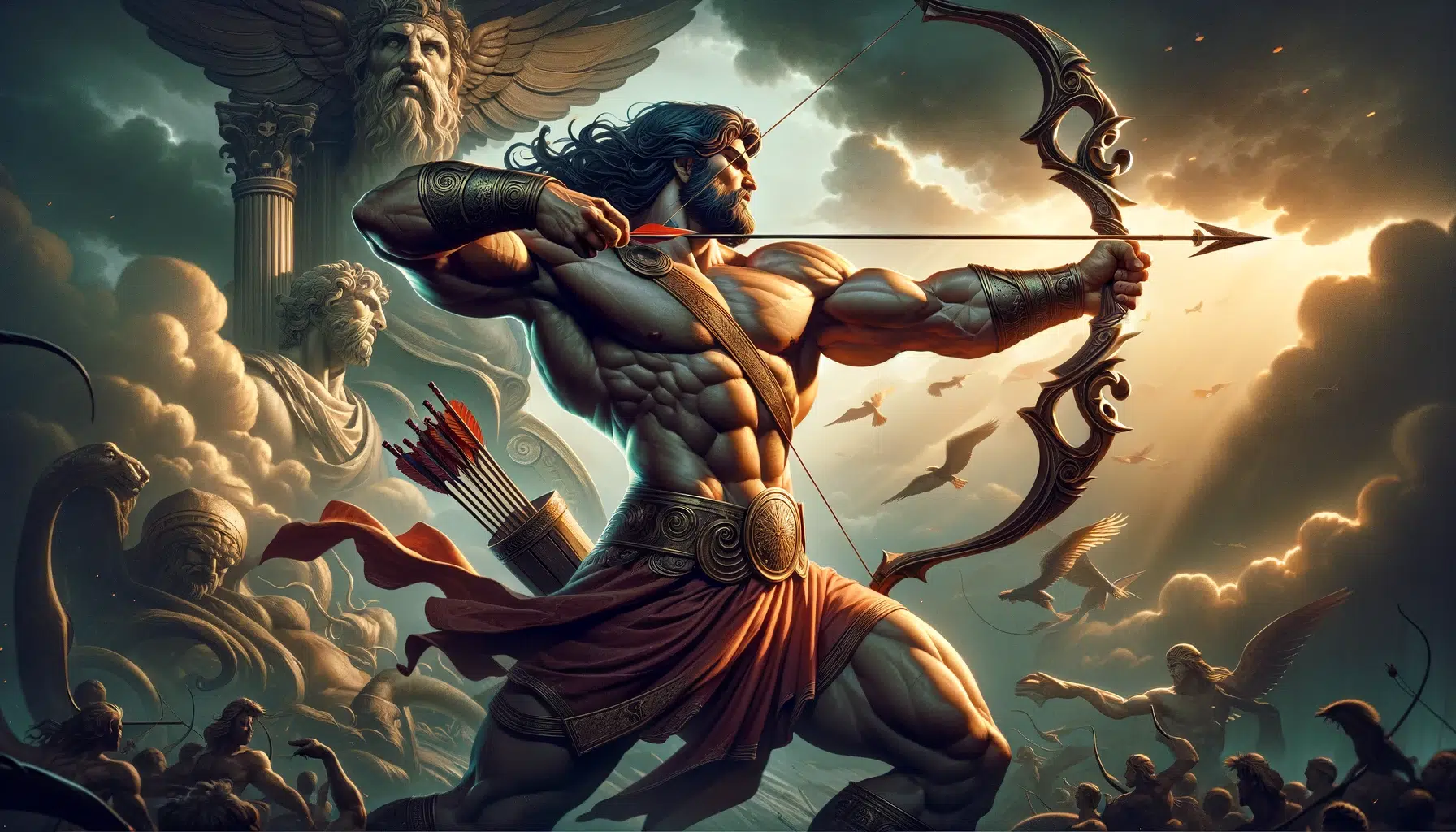
Hercules, a son of Zeus, is well-known in Greek mythology for his extraordinary strength. Among many tales of heroism, one involves his mighty bow.
Crafted from the horns of a wild Cretan bull, it was said to be unyieldable by any other mortal man.
Several ancient Greek mythology books reference his adventures and exploits:
- “Theogony” by Hesiod – While not detailing Hercules’ labors, this work mentions his lineage, establishing him as a son of Zeus and Alcmene.
- “Works and Days” by Hesiod – This poem briefly refers to Hercules, emphasizing the theme of heroic struggle and labor.
- “Library” by Apollodorus (Pseudo-Apollodorus) – This text, often referred to as the “Bibliotheca,” offers a comprehensive account of Hercules’ life, including his birth, the Twelve Labors, and other adventures.
- “Metamorphoses” by Ovid – Although a Roman source, Ovid’s work contains retellings of Greek myths. This includes several stories about Hercules, showcasing his feats and challenges.
- “Heracleidae” by Euripides – A tragedy that focuses on the aftermath of Hercules’ death and the fate of his children.
- “Trachiniae” (Women of Trachis) by Sophocles – This play explores the death of Hercules. Through the actions leading to his mortal end, caused by the poisoned shirt sent by his wife, Deianira.
- Homeric Hymns – While the Homeric Hymns do not focus extensively on Hercules, they provide context for the divine world in which he operates. There are mentions him indirectly through references to his divine family and exploits.
Odysseus: Hero of the Trojan War
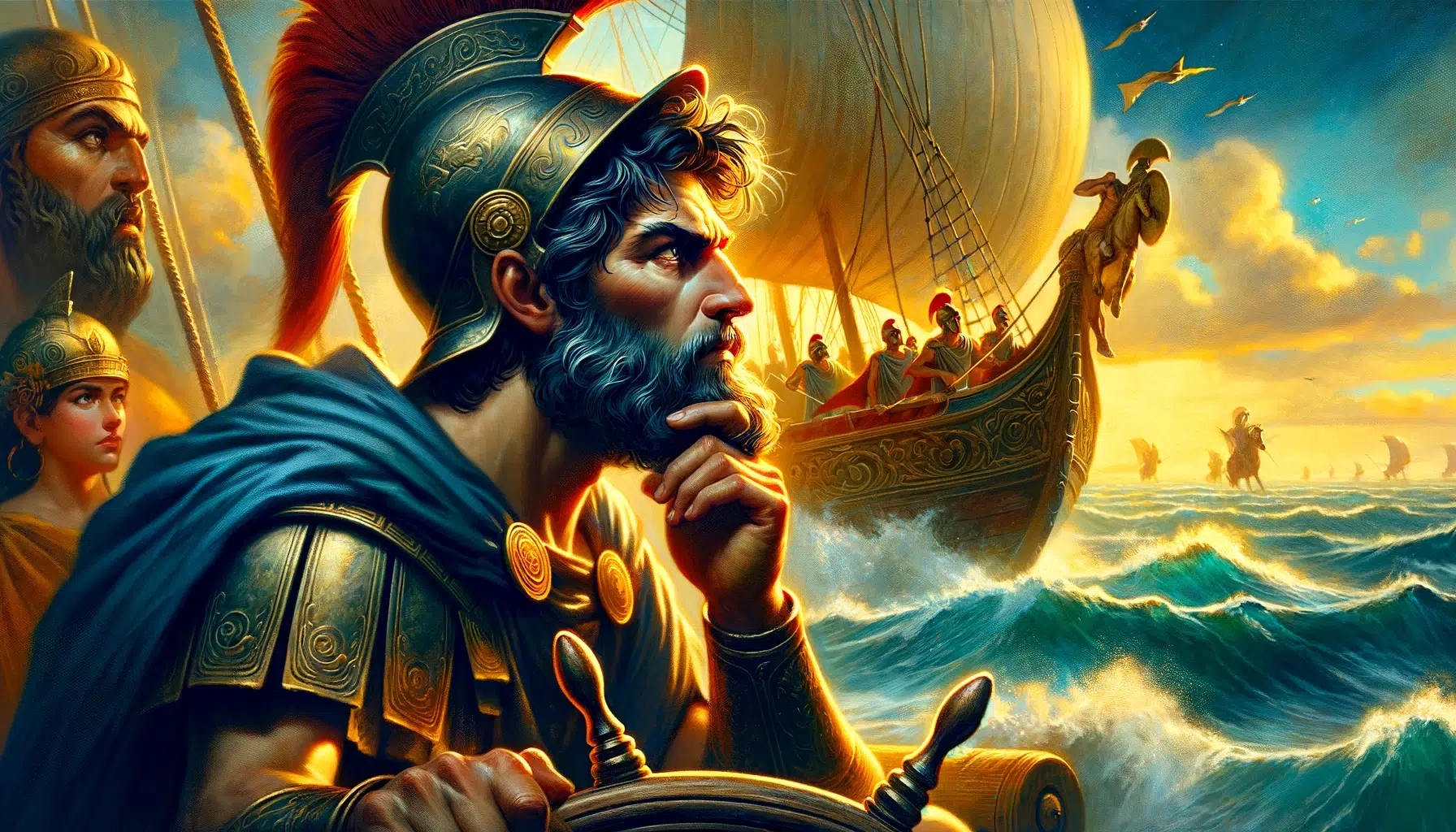
Odysseus, the cunning hero of the Trojan War is known for his long journey home as detailed in the “Odyssey.”
During the “Odyssey,” his bow could only be strung and used by Odysseus himself, distinguishing him from pretenders to his throne.
At the tale’s climax, the contest to string the bow becomes a defining moment: suitors fail miserably at the task, whereas Odysseus, draped in the guise of a beggar, achieves it effortlessly.
Odysseus appears in several key ancient Greek mythology books and literature:
- “Iliad” by Homer – Odysseus plays a crucial role in this epic poem, which focuses on the Trojan War, showcasing his bravery and strategic mind.
- Homer’s “Odyssey” devotes itself entirely to Odysseus’s arduous 10-year journey home to Ithaca after Troy’s fall. Thus highlighting his wit, endurance, and challenges from mortals and gods.
- “Hymn to Hermes” (one of the Homeric Hymns) – While not focused on Odysseus, this text provides context for the Greek pantheon. It highlights the type of cunning and cleverness that Odysseus himself epitomizes.
- Various plays by Euripides, such as “Hecuba” and “Cyclops” – Odysseus appears in several of Euripides’ plays. Exploring different facets of his character and his involvement in post-Trojan War events.
- “Aeneid” by Virgil – Though a Roman epic, the “Aeneid” references Odysseus (referred to by his Roman name, Ulysses) and his exploits. It narrates the story of the Trojan refugees led by Aeneas.
- “Metamorphoses” by Ovid – This Latin narrative poem by Ovid retells many Greek myths. These include episodes involving Odysseus, blending them into the broader tapestry of classical mythology.
These works highlight Odysseus’s complexity as a character.
He is renown for his intellect, adaptability, and the profound impact of his journey on Greek literature and mythology.
Achilles: Great Warrior of the Trojan War
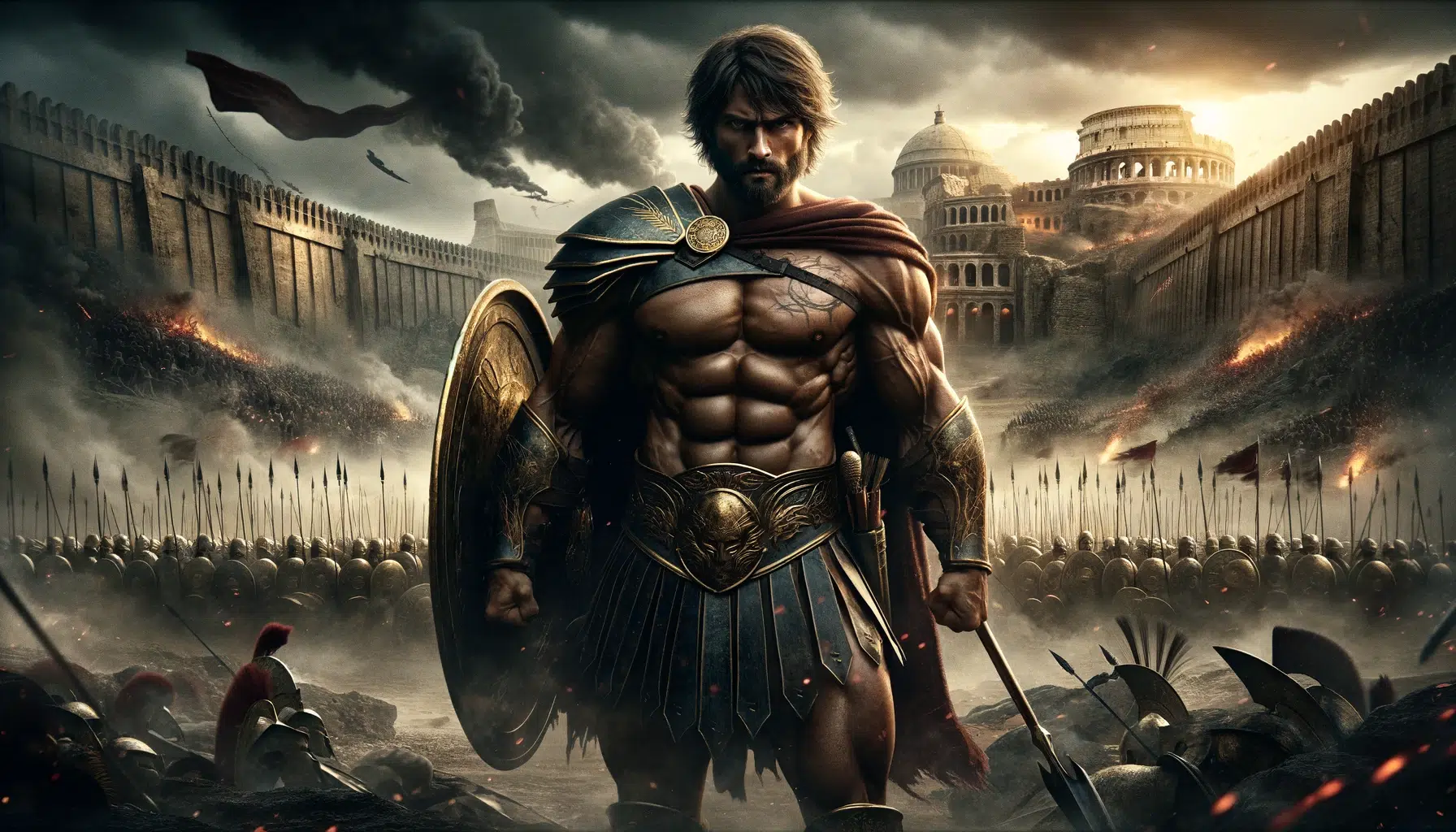
Achilles, the greatest warrior of the Trojan War, renowned for his strength, speed, and near invincibility.
Except for his heel which features prominently in several ancient Greek texts:
- “Iliad” by Homer – This epic poem is the primary source for the story of Achilles. Detailing his pivotal role in the Trojan War, his wrath, and his eventual fatal duel with Hector.
- “Odyssey” by Homer – While the focus is on Odysseus’s journey, the “Odyssey” references Achilles. Particularly in the underworld scene where Odysseus encounters Achilles’s spirit.
- “Aethiopis” – Though now lost, this epic was part of the Epic Cycle and narrated events following the “Iliad”. To Achilles’s battles and death.
- “Posthomerica” by Quintus of Smyrna – This later epic poem continues the story of the Trojan War after the “Iliad.” It details the death of Achilles and the aftermath.
- “Metamorphoses” by Ovid – This Latin epic contains references to Achilles, including his invulnerability and his role in the Trojan War.
- Various plays by Euripides, such as “Iphigenia in Aulis” – Achilles is featured in several Greek tragedies, which explore different aspects of his character and mythology.
These works collectively contribute to the legend of Achilles.
Thus exploring his heroism, complexities, and the tragic prophecy that foretold his short but glorious life.
Learn more about Greek mythology
- Atalanta: Fabled Archer to Legendary Heroine
- Diana: Goddess of Hunt in Roman Mythology
- Gods and Archery in Greek Mythology Books
- God of Archery: Norse, Greek & Roman Mythology
- Hippolyta: Queen of the Amazons in Greek Mythology
- Legacy of Archers: Women in Greek Mythology
- Paris: Tragic Hero, Villain or Pawn of the Gods
- Penthesilea: Amazon Queen Who Died in Trojan War
- Philoctetes: The Legendary Greek Archer and Healer
Other Gods Mentioned in Greek Mythology Books
The following are ones most frequently referenced in Greek mythology books and literature include:
- Zeus – The king of the gods, plays a central role in many myths, embodying divine authority and power.
- Hera – Role in marriage, fertility myths, and her notorious jealousy towards Zeus’s lovers and children often comes up.
- Athena – Revered for wisdom and war, becomes prominent through her birth, hero patronage, and involvement with Athens.
- Aphrodite – The goddess of love and beauty, appears prominently in many myths, including her birth and Trojan War role.
- Hermes – The gods’ messenger and underworld guide, plays crucial roles in myths, facilitating communication between gods and mortals.
Learn more about: Legendary Archery Mythology
The Impact of the Archery in Greek Mythology Books
Greek art and literature vividly reflect the prominence of archery.
In Greek mythology, gods with bows and arrows symbolize love, war, and nature.
Apollo, known for his archery, spreads plague or offers protection with his bow.
Artemis, his twin and the hunt and wilderness goddess, uses her bow to protect nature and young women.
Eros, the love god, shoots arrows from his bow to stir love or indifference among gods and mortals.
Works like Homer’s “Iliad” and “Odyssey,” Hesiod’s “Theogony,” and the Homeric Hymns depict these gods.
It reveals how archery represents divine intervention, balancing destruction and benevolence, and love and indifference, in the Greek cosmos.