
Yoruba Mythology and Archery from West Africa
Yoruba mythology is a rich tradition from West Africa. Yoruba myths share stories of gods, heroes, and the power of nature.
Archery, the art of using a bow and arrow, holds a special place in these tales. It represents strength, precision, and divine help.
Many Yoruba gods and heroes use bows and arrows to show their skill and bravery.
Let’s explore how archery shapes the stories and practices of the Yoruba people and learn about the magical arrows of Yoruba gods!
Yoruba History and Lineage
The Yoruba people have a rich history that spans over 1,500 years.
With a population of over 40 million, the Yoruba are one of the largest ethnic groups in Nigeria.
They have a profound sense of lineage, tracing their ancestry back to renowned figures such as Oduduwa, Obatala, and Sango.
These figures hold immense importance in Yoruba culture and are regarded as pillars of the community.
Their legendary status is cherished by the Yoruba people, who hold a deep appreciation for their contributions to the well-being of Yoruba society.
Yoruba history is marked by significant achievements in various domains.
Advancements in agriculture, trade, and arts have played a pivotal role in shaping Yoruba society and contributing to its vibrancy.
The Yoruba people’s exceptional agricultural practices and trading prowess fostered economic growth and prosperity.
Additionally, their artistic expressions, including sculptures, textiles, and beadwork, showcased their creative talents and cultural heritage to the world.
The Roots of Yoruba Mythology and Archery
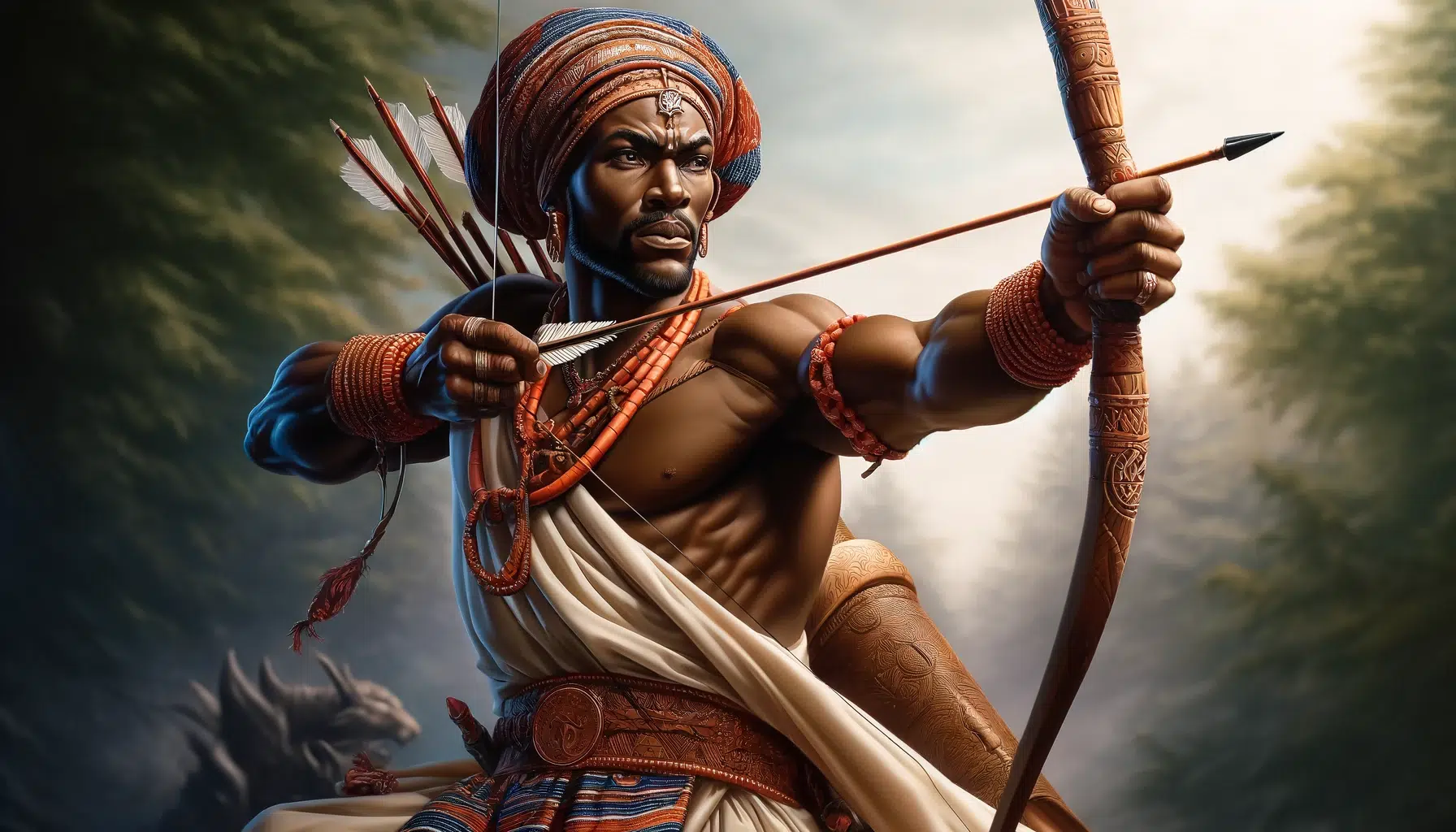
In Yoruba mythology, archery connects deeply with the gods and their stories.
Long ago, Yoruba people believed that their gods used bows and arrows not just for hunting, but also to protect and guide them.
The god Ogun stands out in Yoruba archery.
People see him as the god of iron, war, and hunting. Ogun often carries a bow and arrow, symbols of his role as a protector and hunter.
He uses these tools to clear paths, making way for new beginnings.
His archery skills also help him fight evil and maintain peace.
Another important figure is Oduduwa, revered as a great ancestor and king.
While he is not famous for using a bow like Ogun, his story is essential in understanding Yoruba leadership and kingdom establishment.
Sometimes, Yoruba myths show Oduduwa with a bow, representing authority and the ability to defend his kingdom.
Yoruba archery also appears in the tale of a lesser-known hero who saves his people with his exceptional skills with the bow.
His story teaches the value of bravery and skill, inspiring young archers to practice and honor their heritage.
Besides these legends, archery in Yoruba mythology symbolizes more than just skill and protection.
It represents communication with the spiritual world. Arrows, for example, are not just weapons but also messages from the gods, guiding and protecting people.
Today, Yoruba people continue to celebrate archery in their rituals and stories.
They remember the ancient myths and the lessons they teach about strength, precision, and spiritual guidance.
These stories keep the tradition of archery alive, reminding everyone of its power and importance in Yoruba culture.
Learn more about:
Key Figures and Legends in Yoruba Mythology
Ogun: God of War and Hunting

Ogun is a mighty figure in Yoruba mythology. He is the god of iron, war, and hunting.
People respect him as a protector and provider.
Ogun often carries a bow and arrow, symbols of his roles. He uses these tools to clear paths in the forest, making way for travelers and new beginnings.
His skills also help him defeat evil forces and keep peace.
Ogun’s archery is not just about fighting. It also shows his connection to craftsmanship and technology.
He is the patron of blacksmiths and all who use metal. His bow and arrow link him to both protection and creation.
Legends say Ogun’s arrows can strike precisely, symbolizing his role in guiding and shaping the destiny of his people.
His stories teach about strength, leadership, and the importance of overcoming obstacles.
Ochosi: God of Hunting and Archery
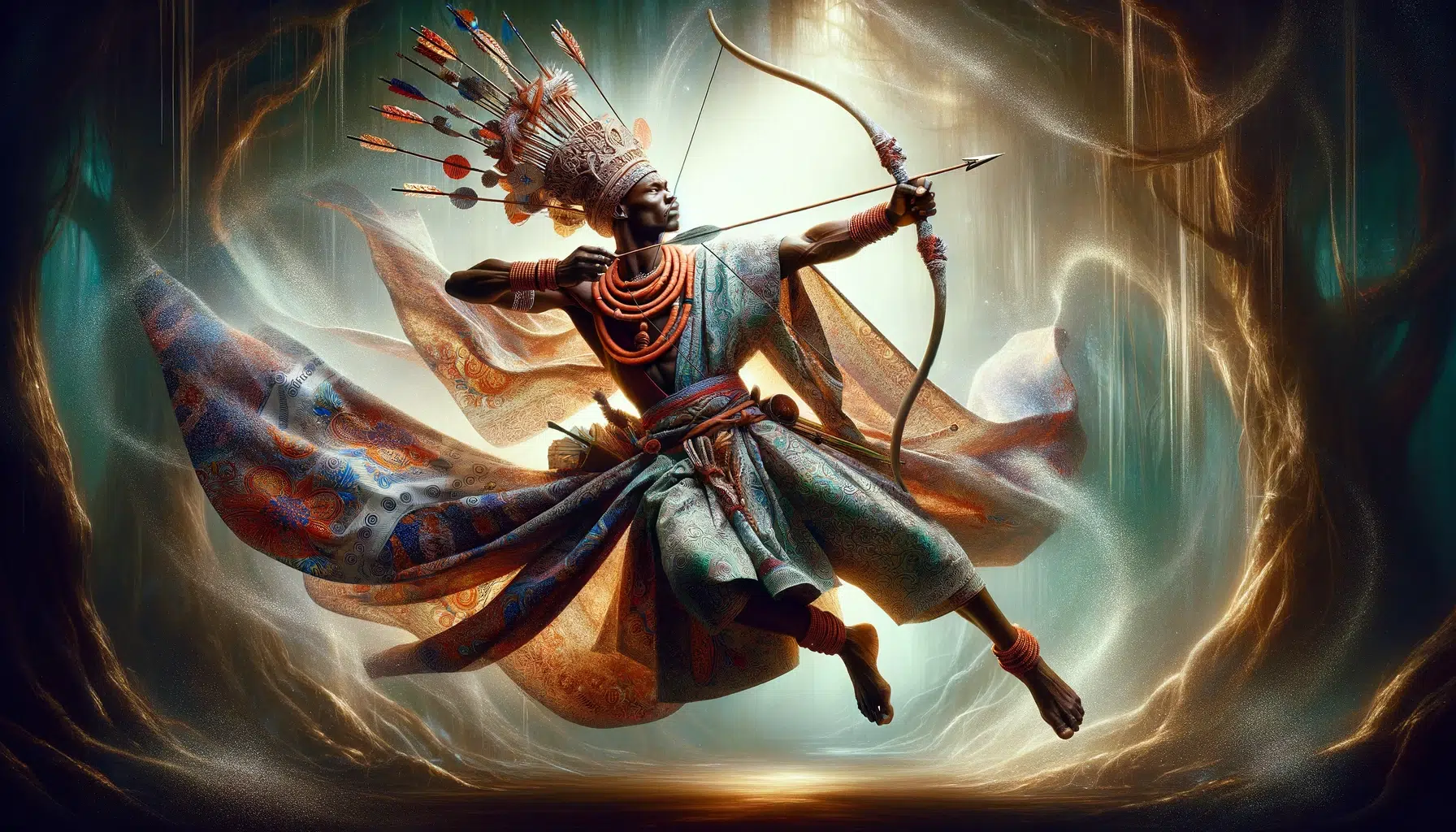
Ochosi is a key figure in Yoruba mythology, known as the god of hunting and archery.
He represents justice, fairness, and skill. Ochosi uses his bow and arrow not just for hunting animals, but also to maintain balance and order in nature.
He guides his followers in the right direction and helps them make wise decisions.
As a god, Ochosi stands for the pursuit of knowledge and understanding.
He teaches the importance of focusing on goals and aiming with precision.
Ochosi also connects closely with other gods like Ogun, sharing roles in protection and guidance. His stories inspire people to seek truth and justice in their lives.
Oduduwa: Founder of the Yoruba Kingdom
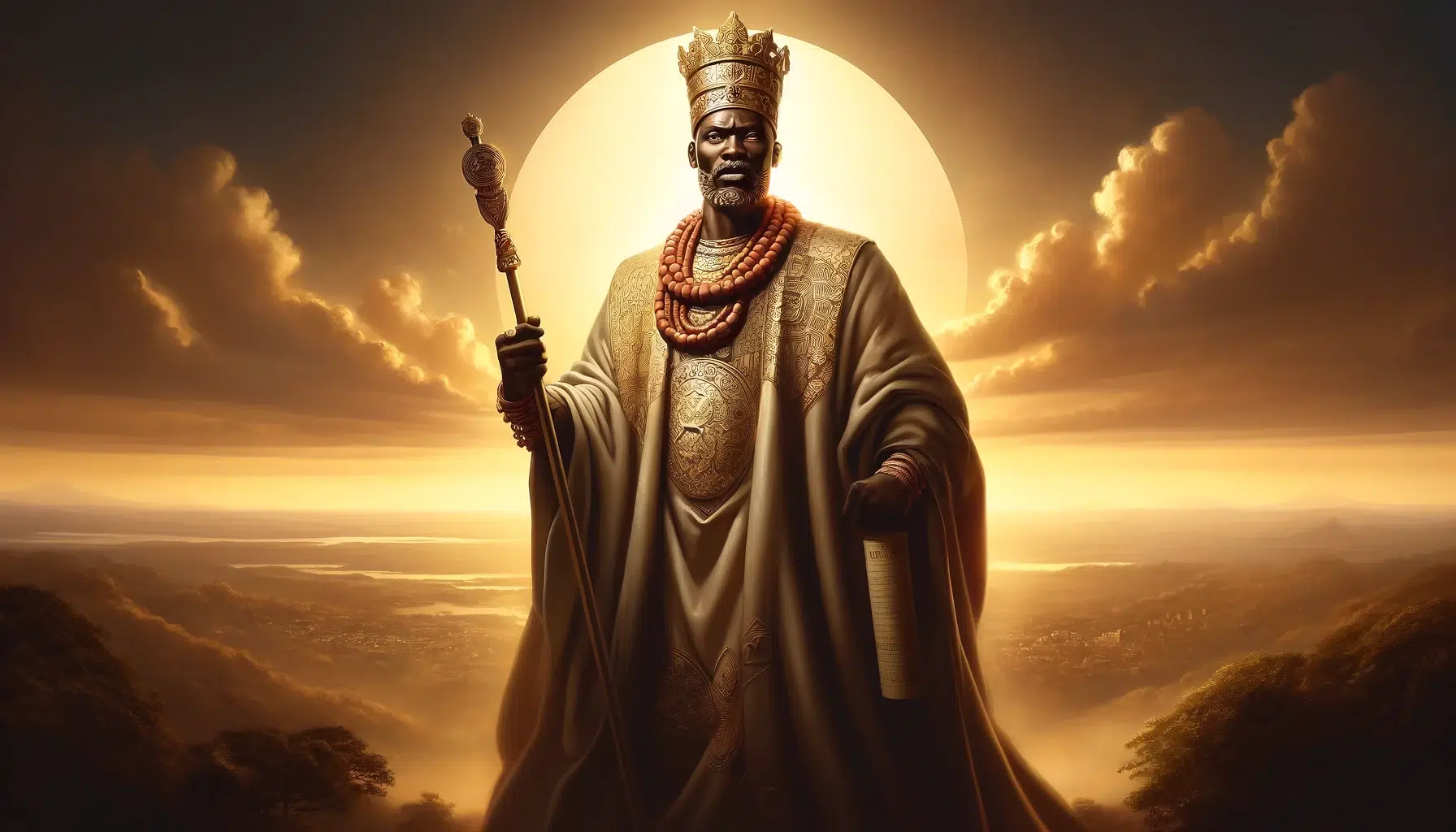
Oduduwa is a central figure in Yoruba mythology, often seen as the ancestor and founder of the Yoruba people.
He symbolizes leadership and authority.
According to legend, Oduduwa descends from the heavens with a chain, settling in Ile-Ife, which becomes the Yoruba spiritual and cultural center.
He brings with him a bag of wisdom and the first cockerel, which spreads earth over the waters to create land.
As a warrior and ruler, Oduduwa uses his strength and wisdom to establish the Yoruba kingdom, uniting the people under his leadership.
His descendants become kings of various Yoruba cities, spreading his influence across the region.
Oduduwa’s legacy teaches the importance of unity, leadership, and purpose.
He is not only a historical figure but also a symbol of Yoruba identity and pride, guiding his people through his virtues and leadership.
Other Deities or Heroes

In Yoruba mythology, alongside well-known gods like Ochosi, there are other lesser-known figures associated with archery.
One such figure is Erinle, a deity linked to hunting and medicine.
Erinle is known for his exceptional skills with the bow and arrow, and he also heals people and animals, showing his connection to nature.
Another figure is Logunede, a youthful and vibrant deity who spends half the year in the water and half on land.
Logunede is both a hunter and a fisherman, showing mastery with the bow and arrow on land, and the fishing spear in water.

These figures embody qualities like precision, healing, and versatility.
They highlight how archery in Yoruba mythology goes beyond mere hunting.
It also symbolizes balance, skill, and connection with the natural world.
Through their stories, followers learn about the diverse powers of archery and its spiritual significance.
Yoruba mythology plays a crucial role in shaping their religious beliefs, with each deity representing different aspects of life and nature.
The Yoruba people believe in a vast pantheon of gods and goddesses, each with their unique attributes and responsibilities. Some of the prominent deities include:
- Sango – the god of thunder and lightning
- Osun – the goddess of fertility, love, and healing
- Obatala – the creator deity and ruler of the sky
- Yemoja – the goddess of the ocean and motherhood
Yoruba Philosophy and Cultural Thought
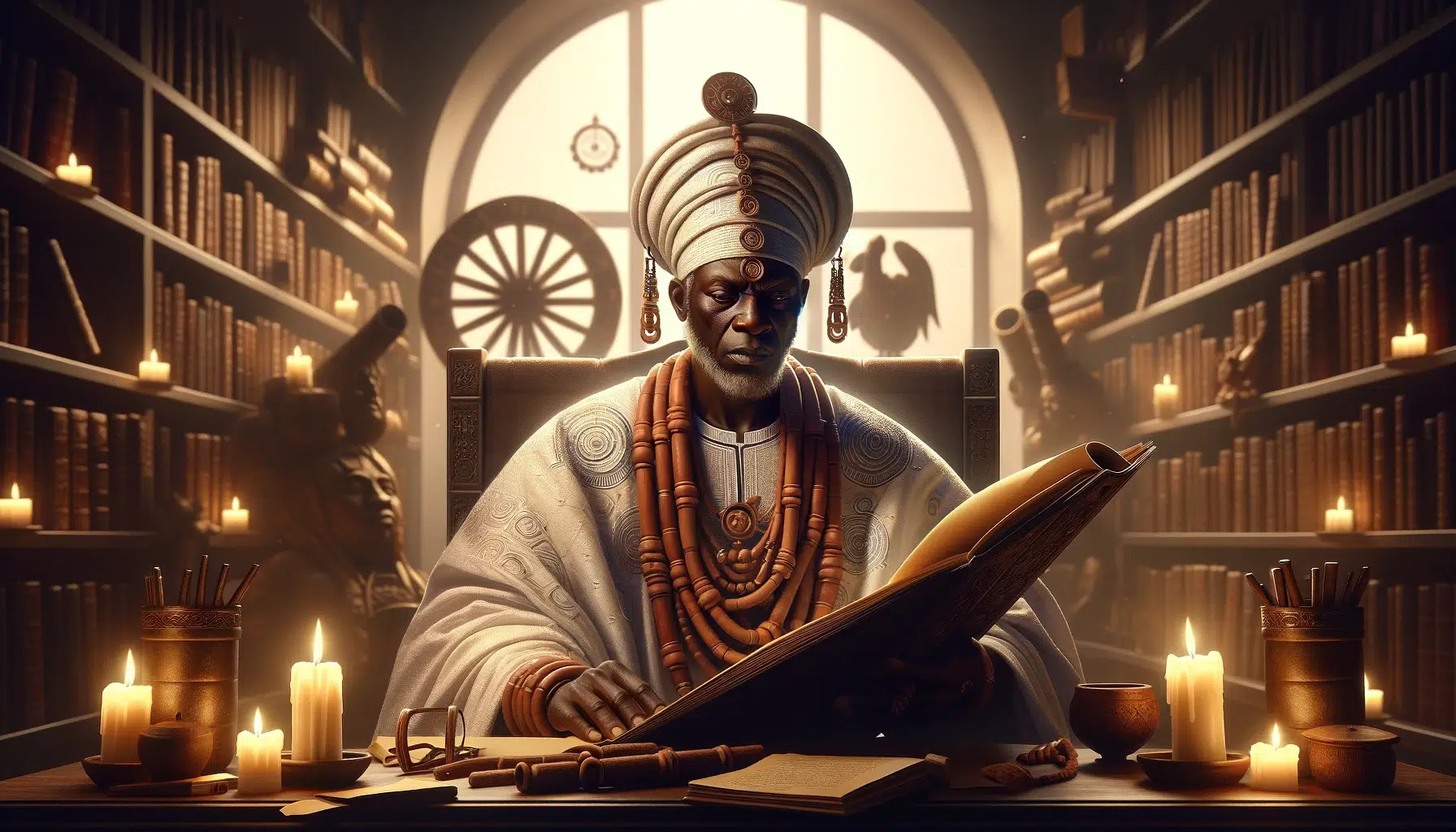
In Yoruba culture, philosophy intertwines with mythology, cosmology, and psychology.
The Yoruba people possess a deep reverence for wisdom and idealism, embodied in figures such as Orunmila, the divine philosopher.
Yoruba cultural thought takes a narrative form, focusing on the origins and nature of things in both the physical and spiritual realms.
The connection between thought/philosophy and religion is emphasized in Yoruba culture.
The Yoruba believe that spiritual consciousness is shaped by human thought and ideals, illustrating the interconnectedness between philosophical exploration and religious practice.
The Orishas: Guardians of Wisdom
The Orishas are powerful deities in Yoruba mythology, revered as guardians of wisdom and protectors of the people.
Each Orisha has unique abilities and realms, representing specific aspects of life and nature, embodying essential qualities and wisdom.
For example:
- Orunmila offers wisdom and foresight, guiding individuals through life’s challenges
- Ọbàtálá symbolizes creativity, purity, and moral values
- Ọ̀ṣun signifies femininity, beauty, and love
- Ogun embodies strength and creativity in solving conflicts
- Ọya controls storms and change, teaching adaptability and courage
- Ọ̀sanyìn represents healing, herbalism, and the power of nature
Together, these Orishas play critical roles in maintaining balance and harmony in the world.
They provide wisdom, offer protection, and teach important life lessons, helping followers navigate both spiritual and earthly journeys.
The Ifa Divination System: Seeking Wisdom from the Orishas

In Yoruba culture, the Ifa divination system plays a vital role in seeking wisdom and guidance.
Ifa divination involves consulting an Ifa priest or babalawo to communicate with the Orishas and receive insights into personal, spiritual, and practical matters.
The Babalawo, who uses sacred palm nuts or a chain to interpret messages from the divine.
This system helps people understand their destiny and make wise decisions.
The Orisha Orunmila, who knows all secrets, oversees Ifa divination.
Through this practice, individuals gain insights into their lives, receive guidance on solving problems, and learn how to achieve harmony.
Ifa connects the spiritual with the practical, showing the path to wisdom and balance.
Symbolic Representation of Archery
In Yoruba mythology, archery is not just a skill; it carries deep symbolic meanings.
The bow and arrow represent precision, focus, and reaching one’s goals.
These tools are not only used for hunting but also symbolize the ability to aim for and achieve higher knowledge and spiritual insight.
Archery symbolizes communication between the spiritual and physical worlds.
When a Yoruba archer releases an arrow, it can be seen as sending a message to the gods, asking for guidance, strength, or protection.
This action reflects a spiritual quest, seeking answers from higher powers.
Archery in Yoruba Culture Signifies Protection and Defense
Warriors equipped with bows and arrows defend their communities.
Symbolizing the role of safeguarding not only physical territories but also cultural and spiritual values.
These warriors are revered not only for their physical prowess but for their role in maintaining societal order and harmony.
The bow, as a tool, also symbolizes unity. It must work in perfect harmony with the arrow for an effective shot.
This unity can represent the importance of cooperation and coordination among community members.
It teaches that working together, much like the bow and arrow, can lead to achieving common goals.
In some myths, arrows are used in rituals to bring rain or to heal, showing their role in nurturing and sustaining life.
They are not just weapons but instruments of life-giving power.
This dual nature of archery—as both protector and nurturer—illustrates the balance that is central to Yoruba understanding of the world.
Finally, archery teaches important values to the young.
Through archery stories and practices, children learn about focus, patience, responsibility, and the need for practice to master any craft or knowledge.
These lessons make archery a revered element in Yoruba culture, imbued with layers of meaning that go beyond the physical act of shooting arrows.
Archery in Rituals and Ceremonies
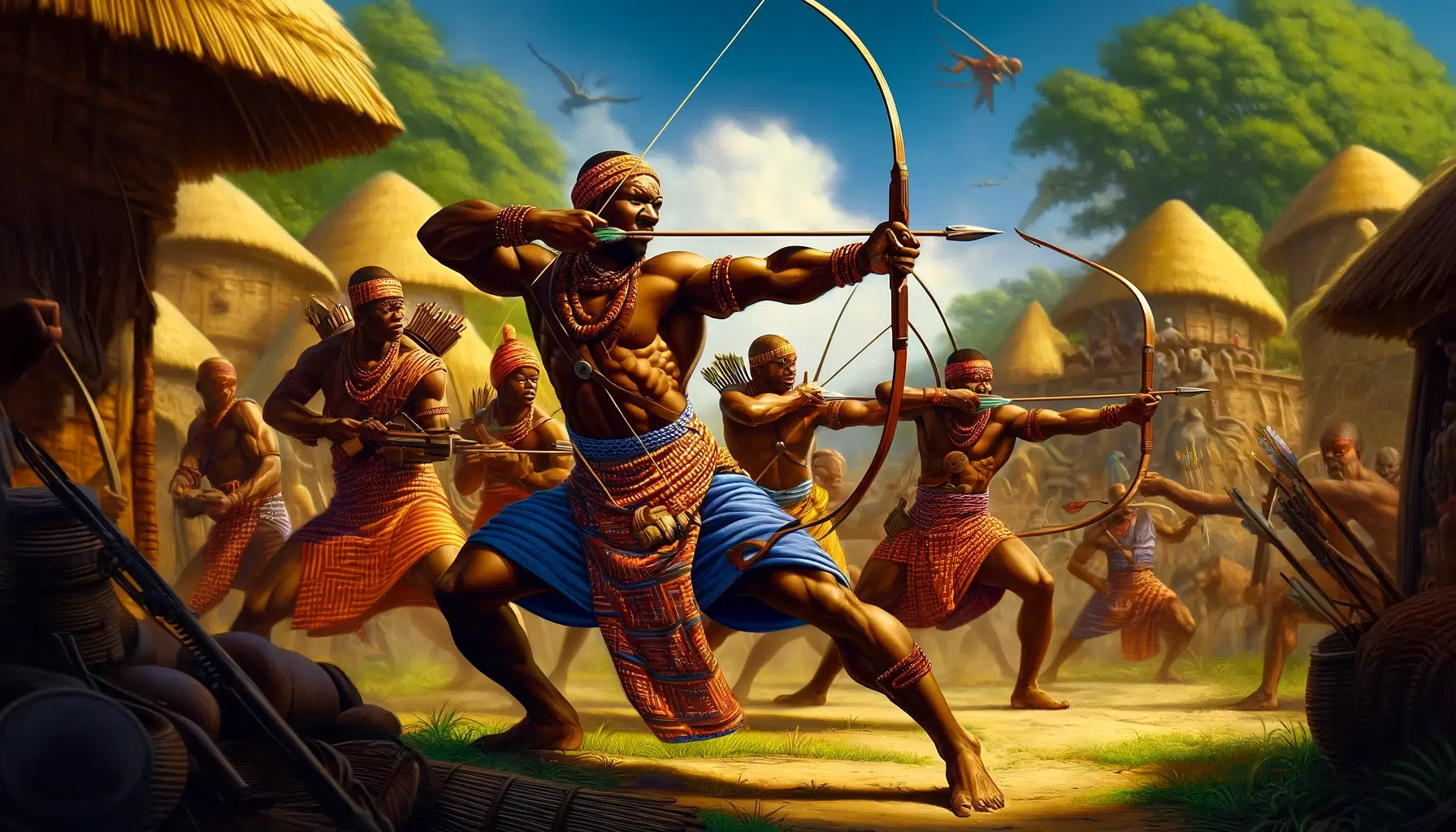
In Yoruba culture, archery holds a special place not only in daily life but also in rituals and ceremonies.
These practices show the deep respect people have for archery, seeing it as a bridge between the human and spiritual worlds.
During important community festivals, archery contests are common.
These contests are not just for fun.
They are serious events where archers display their skills and pray for blessings from the gods, especially Ochosi.
Winners are often seen as blessed by the gods, earning great honour and sometimes taking on roles as community protectors.
Archery is also part of initiation ceremonies.
When young people transition into adulthood, demonstrating proficiency with a bow and arrow can be a significant part of the rites.
This practice symbolizes gaining the focus, discipline, and responsibility needed in adult life.
In some rituals, archers shoot arrows into the air to send messages or requests to the gods.
They might ask for rain, good harvests, or protection against evil.
The act of shooting an arrow skyward is seen as elevating their prayers directly to the divine realm.
Arrows are sometimes placed on altars as offerings to deities associated with hunting and warfare.
This is done to gain favor or express gratitude for successful hunts or battles.
By offering a tool of their trade, people show respect and acknowledge the divine support in their endeavors.
Furthermore, during healing ceremonies, arrows can symbolize cutting through illness or evil spirits.
Healers use the arrow metaphorically to target and remove sickness from the body or community.
Thus, archery in Yoruba rituals and ceremonies is rich with meaning.
It connects communities, marks important life transitions, communicates with the divine, and facilitates healing.
Thereby embodying both physical and spiritual aspects of Yoruba life.
Yoruba Art
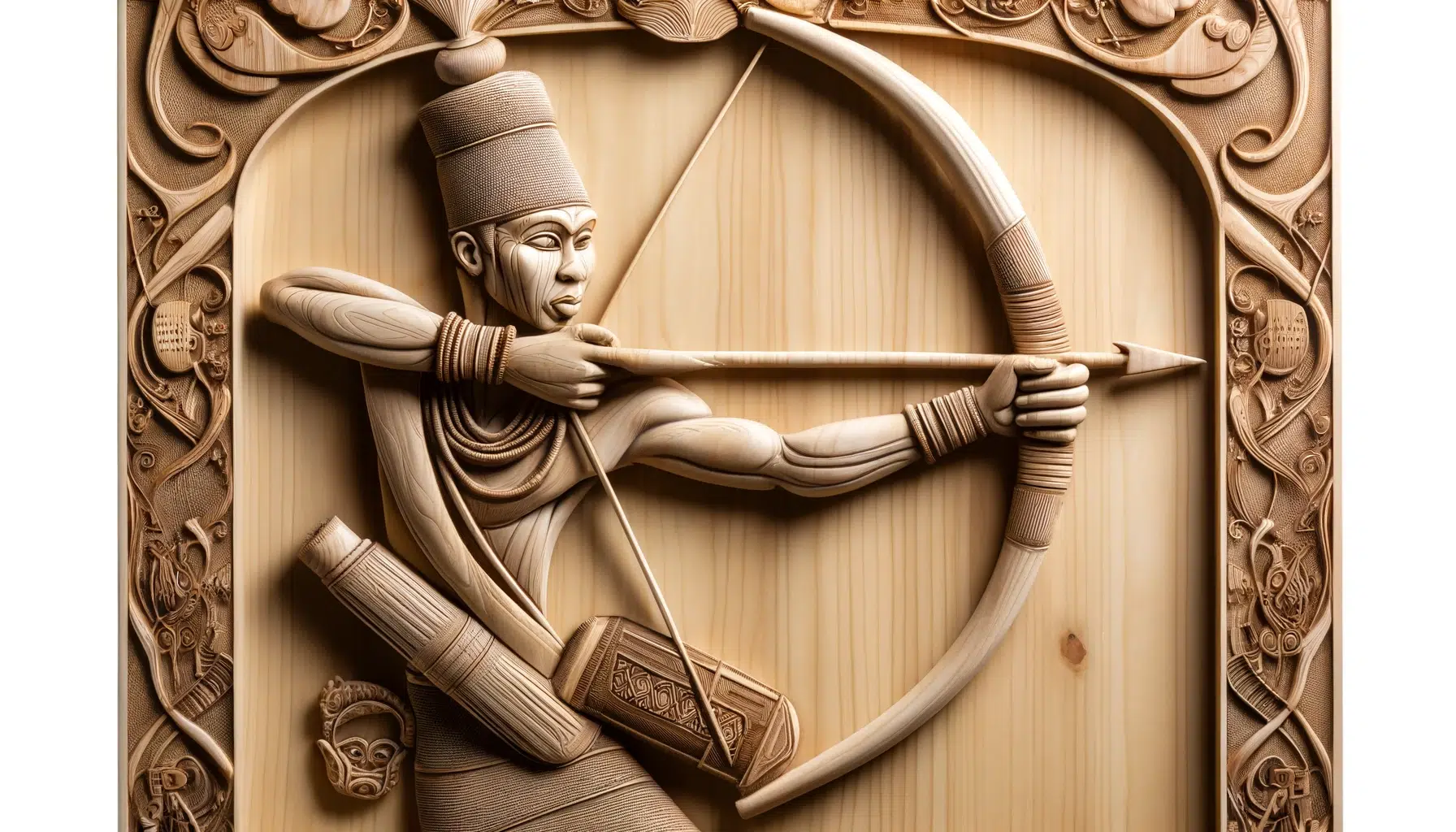
Archery greatly influences Yoruba culture, touching everything from art and literature to craftsmanship.
In Yoruba art, the bow and arrow are common symbols.
They often appearing in sculptures and paintings that honour the gods, especially Ochosi, the god of hunting.
These artworks celebrate the skill and spiritual significance of archery, showcasing archers in various heroic poses.
In Yoruba literature, stories and poems frequently feature legendary archers who use their skills to conquer enemies, solve problems, or communicate with the gods.
These tales pass down important cultural values such as bravery, wisdom, and the pursuit of justice, with links to the art of archery.
Craftsmanship in Yoruba culture
Craftsmanship in Yoruba culture also reflects the importance of archery.
Artisans create detailed and durable bows and arrows, which are not only functional but also beautiful.
They have mastered various art forms, including woodcarving, pottery, leatherwork, beadwork, and textile production.
These artistic expressions are integral to Yoruba culture, reflecting their rich history and spiritual beliefs.
Yoruba sculptures hold a special place in the realm of Yoruba art.
The intricate bronze castings would reach unparalleled technical excellence during the 13th and 14th centuries.
These sculptures often depict Yoruba deities and mythological creatures, showcasing their religious and spiritual significance.
Yoruba artists are highly esteemed within their communities and beyond.
They play a pivotal role in preserving and expressing Yoruba cultural heritage.
Passing down traditional techniques and artistic knowledge through generations.
Their craftsmanship is a testament to the deep-rooted creativity and ingenuity of the Yoruba people.
Conclusion
In our journey from Ogun to Oduduwa, we’ve explored the rich archery traditions in Yoruba mythology.
Archery is not just a skill but a bridge to the divine, offering protection, wisdom, and communication with gods.
It shapes the community’s values, teaching focus, bravery, and unity.
Archery’s influence is seen in Yoruba art, rituals, and stories, highlighting its importance in culture and spirituality.
This helps us appreciate how these traditions are woven into the identity and heritage of the Yoruba people.