Violette Szabo: World War II Spy and British Heroine
Violette Szabo stands out among World War II’s Allied spies. Known for her bravery and vital role in the war, she represents courage in action. As part of the UK’s Special Operations Executive (SOE), she would bravely carry out dangerous missions in occupied France.
Her espionage skills remain unmatched. Szabo shows deep commitment to the Allied cause. She stands as a World War II heroine. Her story highlights the bravery of female secret agents who give everything for a greater good.
Learn more about women in war:
- Eastern Asia Women of Warfare: Warriors Who Shaped History
- India Women of Warfare: Heroines, Warriors and Leaders
- Laskarina Bouboulina: The Courageous Greek War Naval Admiral
- Queen Amina: The Warrior Queen of Nigeria
Early Life and Background of Violette Szabo
Violette Reine Elizabeth Bushell was born on June 26, 1921, in Paris, France. Her parents, an Englishman and a Frenchwoman, gave her a rich cultural background. This upbringing deeply shaped her future.
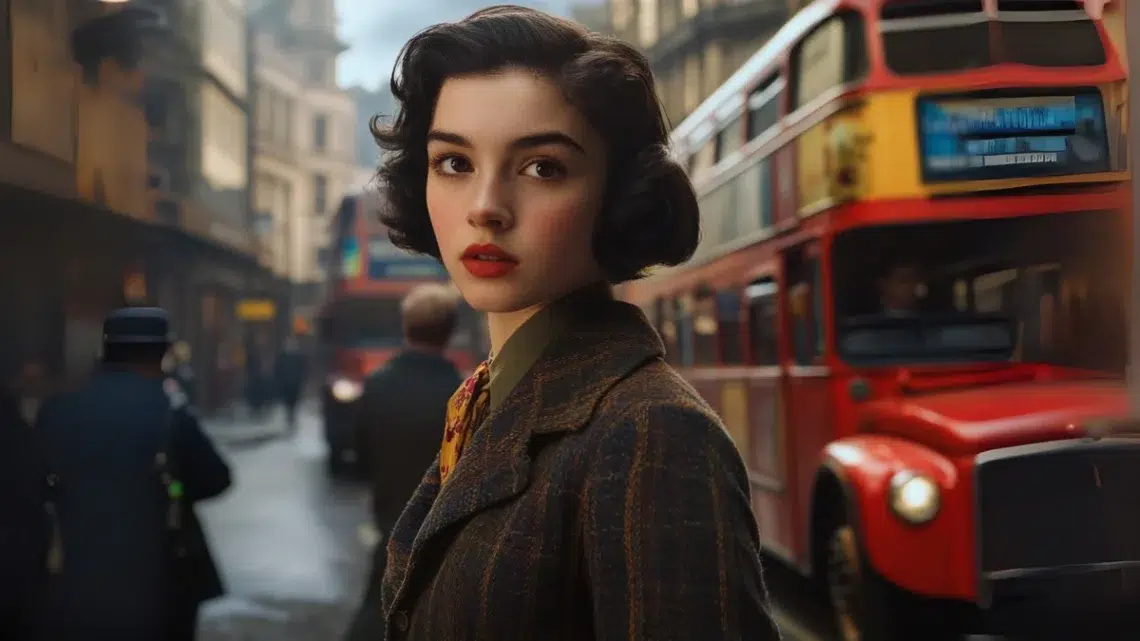
Later, the family moved to pre-war London, settling in Brixton. There, Violette showed a lively and energetic side. She spoke both English and French fluently, thanks to her mixed heritage. This skill would prove crucial in her work with the Special Operations Executive (SOE) during World War II.
In London before the war, Violette embraced both her English and French roots. Her multicultural upbringing made her resilient and adaptable. These traits prepared her for her significant contributions in wartime Britain.
- Born in Paris, France on June 26, 1921
- Raised in Brixton, London
- Fluent in both English and French
- Diverse cultural background
The Outbreak of World War II

The World War II outbreak on September 1, 1939, was a turning point in history. It started a time of great conflict. Germany invaded Poland, leading to Britain declaring war soon after. This move changed the world and hinted at the global involvement to come.
During this time, Violette Szabo thought about her role in the war. She started helping on the home front, like many others in 1939 Britain. Her efforts showed her commitment to her country in a critical time.
Violette Szabo’s early war efforts were about adapting to the war’s demands. This set the stage for her later involvement in the resistance.
As the war intensifies, Violette Szabo moves to London. She marries in 1940 and welcomes her daughter in 1942. She supports the war effort by working in an aircraft factory. Her shift from home front work to active resistance reflects how Britain adapts as the war demands grow.
Recruitment into the Special Operations Executive (SOE)
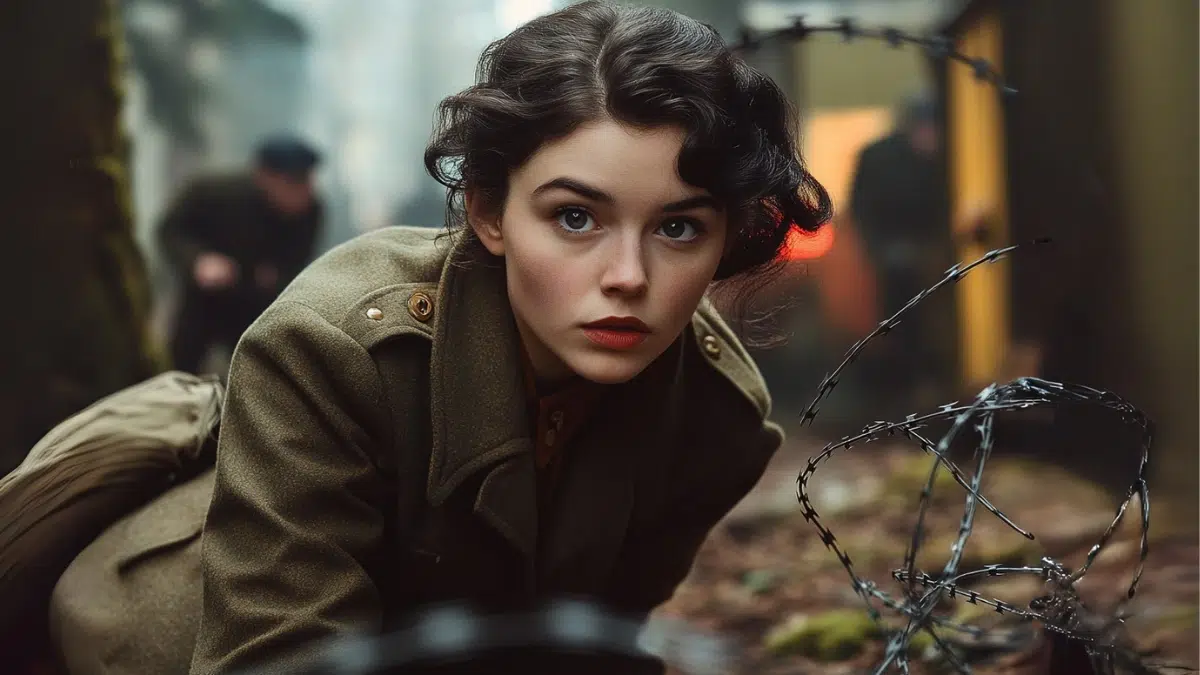
Violette’s husband, Étienne Szabo, a French Foreign Legion officer, was killed in action in 1942 in North Africa. After his death, she accepted an offer to train as a field agent in the British SOE, leaving their young daughter Tania behind to serve in his honour.
The Special Operations Executive group focused on espionage, sabotage, and gathering intel in enemy territory.
The SOE looked for people with top skills. Violette Szabo would shine with her French fluency and determination. As a new agent, she showed the bravery and grit that defined her.
Her training was tough and all-encompassing learning escape and evasion, use radios secretly and how to handle guns. This training made her a vital part of the team, ready for big and risky missions in enemy territory. Her final training was parachute jumping, where she sprained her ankle on her first attempt, but passed and was ready for her mission.
First Mission: Code Name “Louise”

In April 1944, Violette Szabo, codename “Louise,” started her first SOE mission in Nazi-occupied France. Her main job was to fix communication with a key resistance group in German-occupied France. This was after the Gestapo had arrested many of them.
Szabo worked hard to repair the broken communication lines and gather important information. Her skills and bravery in a dangerous place helped the resistance a lot. She made sure her mission, Operation Louises, was a success.
This success helped set the stage for future missions. It also made Szabo known as a top agent fighting against the Nazis.
Violette Szabo’s Second Mission
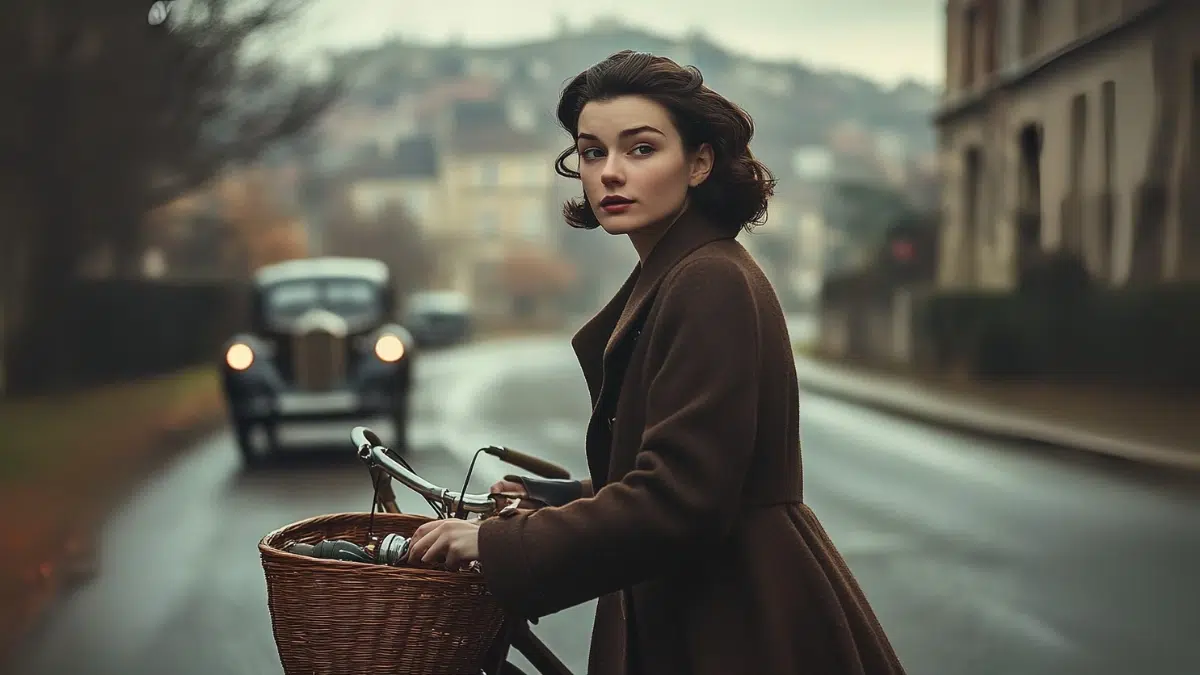
Violette Szabo showed great bravery in her missions in occupied France. She took on dangerous tasks, avoiding capture every time. She played a key role in helping the resistance fight against the Germans.
Szabo and three colleagues were dropped by parachute onto a landing field in western France following the D-day invasion. She was part of a joint British and American four-person team, codename ‘Salesman II’. After arriving, she worked with the local maquis to sabotage communication lines as the Germans tried to stop the Normandy landings.
Because the local Resistance gathered poor intelligence, the team were unaware the Germans were moving through the area toward the Normandy front. Szabo and two companion’s car was stopped at a German roadblock.
She would injure her ankle while trying to run from the Germans and urged her companion to flee, providing cover with her Sten (sub-compact machine gun). Szabo fought the Germans for thirty minutes, killing and wounding several others.
Eventually, she ran out of ammunition and was captured.
Capture and Imprisonment by the Gestapo
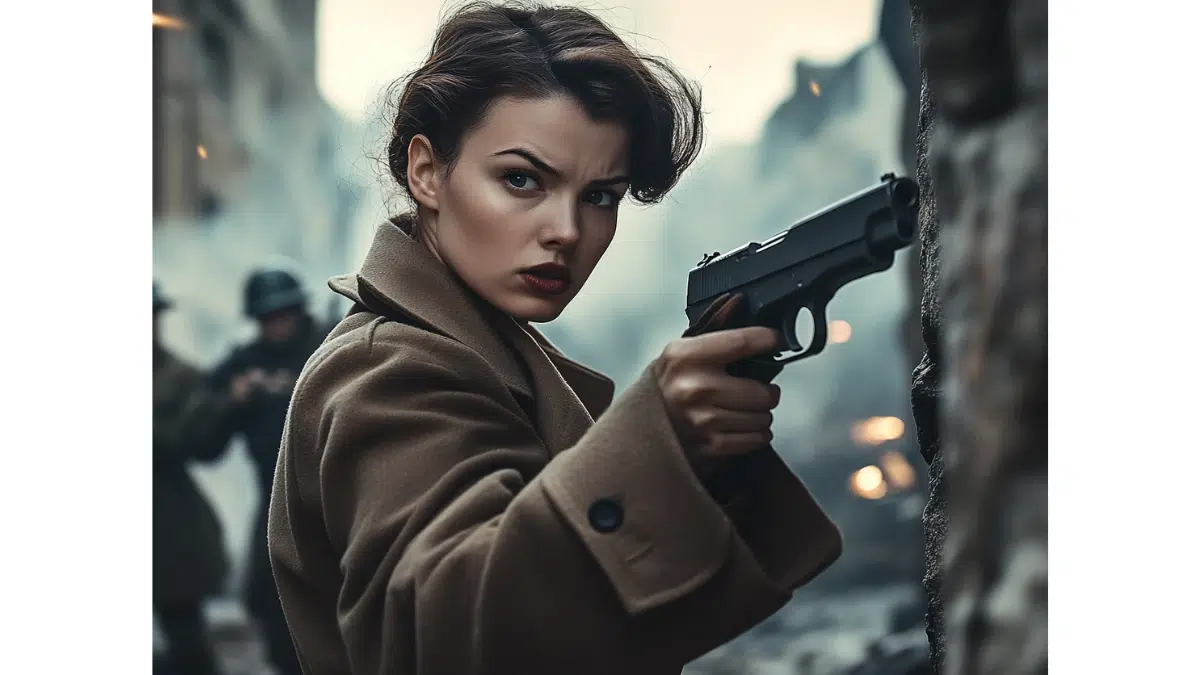
Violette Szabo was caught by the German SS during her second mission in France. She fought bravely in a fierce gun battle. This event was a key moment in her courageous journey.
After being caught, Szabo faced intense questioning from the Gestapo. They tried hard to break her spirit and get important information. But Szabo didn’t give in. She kept her secrets and showed her loyalty to her mission.
As a prisoner, Szabo had to go through tough times. Yet, she kept showing strong resistance. Her ability to stay strong in prison showed her deep commitment to her cause and the Allied forces. Szabo’s bravery during this time is truly inspiring.
Bravery and Resistance in Ravensbrück Concentration Camp
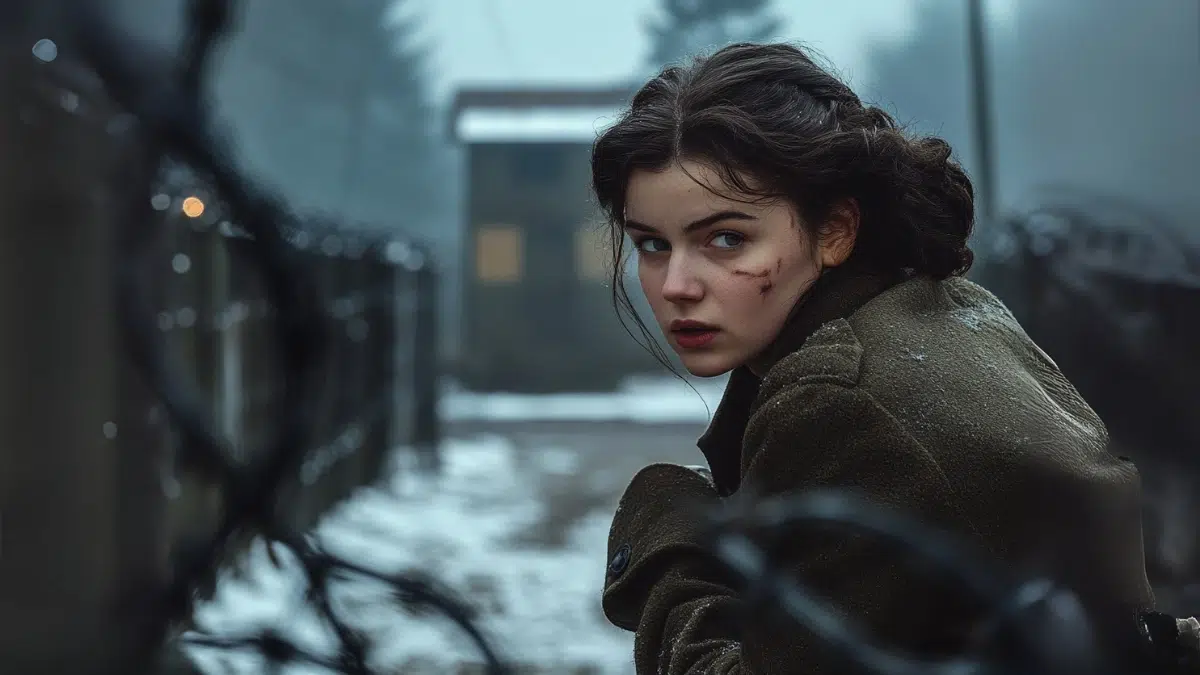
Violette Szabo was sent to Ravensbrück concentration camp for women, where almost 40% of the prisoners would die. There, her courage and defiance stood out. She was a strong female resistance fighter, inspiring others with her actions and words.
She endured hard labour and malnutrition, but still kept up the spirits of her fellow detainees, constantly planning to escape. The women weren’t dressed for the bitter East Prussian winter of 1944. The women were given barely any food and had to sleep without blankets in frozen barracks.
Szabo’s bravery brought hope and unity to Ravensbrück. Her leadership and determination showed the strength of the human spirit. Even in the darkest times, she kept her spirit high.
Death and Burial of Violette Szabo
Violette Szabo was executed by the Nazis at Ravensbrück concentration camp on or around February 5, 1945. She was only 23 years old. Eyewitness accounts say she remained brave to the end, even as she faced execution by firing squad alongside two other SOE agents.
Forty-one women, aged 20 to 50, served in Section F of the SOE in France. Some stayed for over two years, but most served only a few months. Of those, twenty-six survived the war. Twelve were executed, including Violette Szabo.
She is buried at the Commune Cemetery at Natzweiler-Struthof, located at the site of a former Nazi concentration camp in Alsace, France. A memorial grave also stands at Ravensbrück, where she was executed in early 1945.
In London, a plaque and statue in Lambeth honour her bravery. Her George Cross medal is displayed at the Imperial War Museum. These tributes keep her memory alive and recognize her extraordinary sacrifice.
Legacy and Posthumous Honours
Violette Szabo’s bravery and selflessness during World War II have earned her many honours after her death. She received the:
- George Cross for her bravery
- Croix de Guerre, and
- the Médaille de la Résistance
These awards celebrate her courage in the face of great danger.
First Woman Civilian to Receive the George Cross
In 1946, Britain awards the George Cross—its highest civilian honour for heroism—to Violette Szabo. Her citation praises her “magnificent courage and steadfastness.” She becomes the first woman civilian to receive the medal posthumously, marking a groundbreaking moment in recognition of wartime bravery.
Her legacy lives on as a symbol of the important roles women played in World War II. Szabo’s story of courage and resilience inspires many. It shows the strength and determination of many heroes who went unnoticed.
Many memorials and tributes honour Szabo’s bravery and lasting impact. These honours keep her name and heroism alive in history. They inspire future generations to be brave and strong like her.
Violette Szabo’s Influence on Future Generations
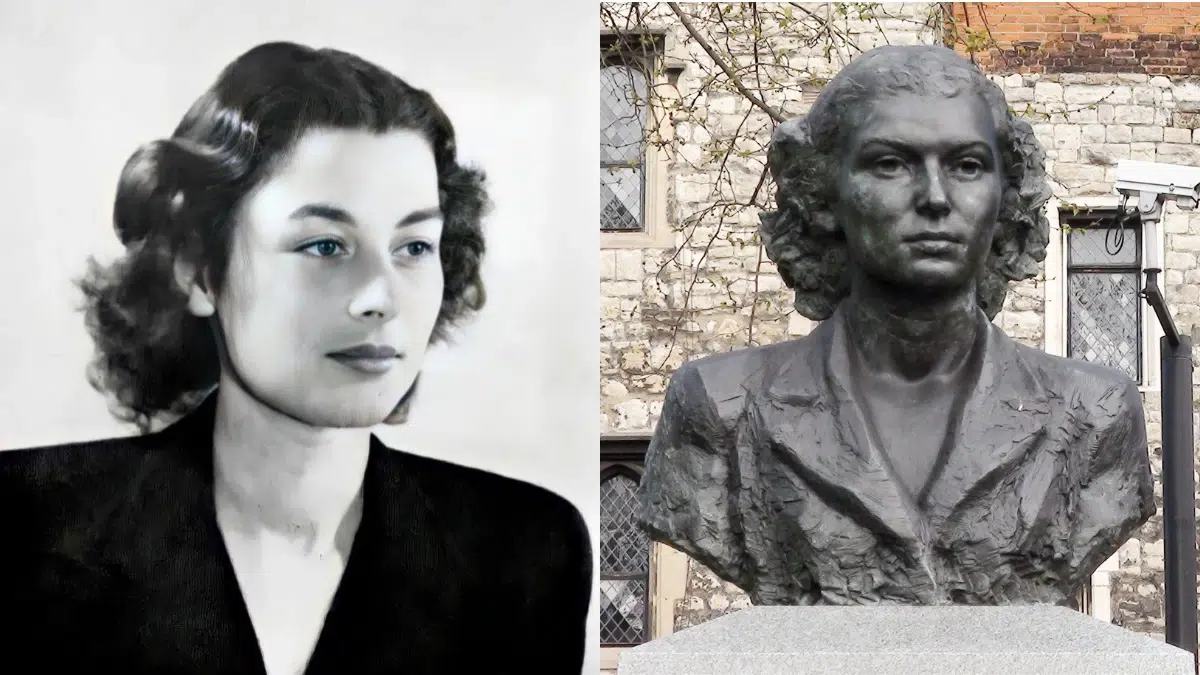 black and white image of Violette Szarbo on the left, and the statue and bust of Violette Szarbo on the right
Violette Szabo’s legacy as an inspiring female hero still touches us today. She showed the strength of women in espionage during World War II. Her actions and sacrifice paved the way for more women in intelligence and the military.
Her impact goes beyond her time, changing how we see women in stories and films. Szabo’s story has sparked talks about women’s roles in war, breaking old stereotypes. It shows the important parts women have played in history.
Violette Szabo is still a role model for courage and loyalty. She inspires young people to join intelligence and defense careers. Her legacy helps create a fairer future for all.
Books, Films, and Documentaries About Violette Szabo
Violette Szabo’s life and legacy have captured the hearts of many through books, movies, and documentaries. These works highlight her amazing efforts during World War II. They make sure her story lives on.
“Carve Her Name with Pride” is a film that shows Violette’s bravery during the war. It’s based on a book by R.J. Minney. This movie has helped more people learn about her courage and sacrifices.
Violette’s daughter, Tania Szabo, later wrote a biography titled Young, Brave and Beautiful to honour her mother’s legacy.
Many books honour Violette Szabo. They tell her story in different ways, from detailed histories to personal stories. These books help us understand her role as a hero in the Special Operations Executive.
Documentaries are another way to remember Violette Szabo’s bravery. They use interviews and old footage to tell her story. These shows give us a closer look at her missions and her lasting impact.
Together, books, films, and documentaries keep Violette Szabo’s story alive. They show her big contributions during World War II. They also show how her actions inspire people today, making her a symbol of courage and resistance.
Violette Szabo in Public Memory
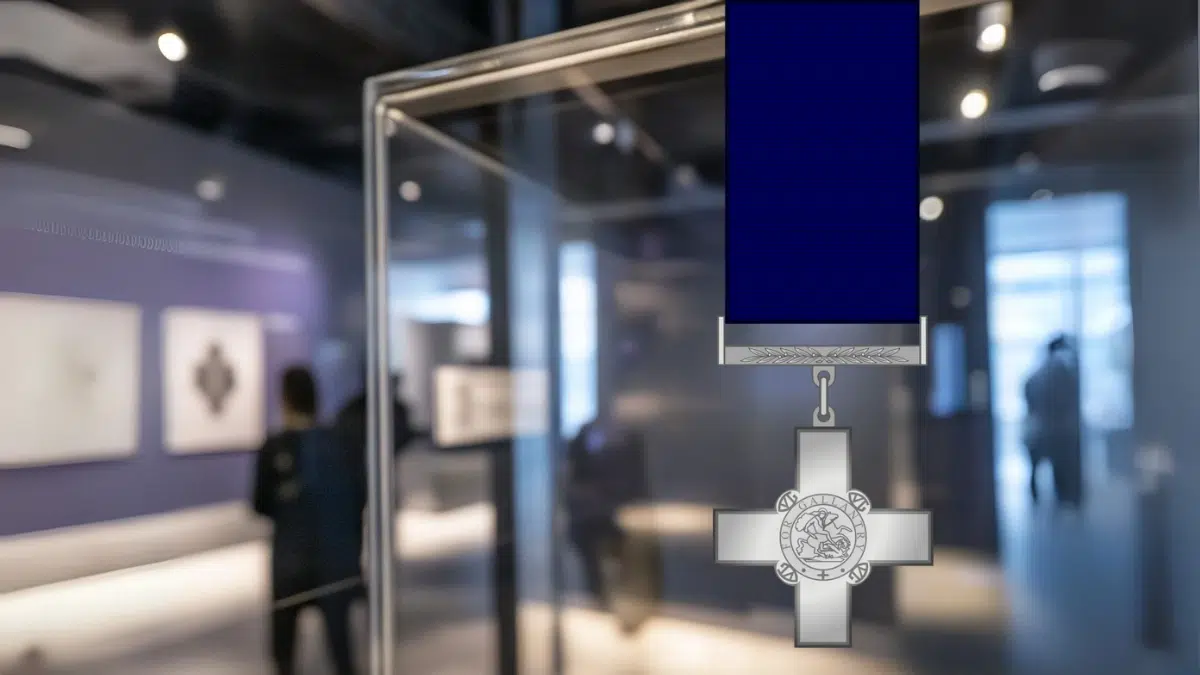
Violette Szabo’s legacy lives on through memorials and celebrations of her bravery. At the Imperial War Museum in London, a special exhibit showcases her life and work. It lets people from all over the world learn about her story.
In Britain and France, Szabo’s heroism is celebrated in many ways. Exhibitions and annual events keep her memory alive. These events remind us of her key role in World War II.
Education plays a big part in keeping Szabo’s memory alive. Through classes and programs, her life and bravery inspire others. This helps future generations to remember and honor her.
Conclusion
Violette Szabo’s story is a powerful example of courage, resilience, and patriotism. Her life was short but full of impact. She worked for the Special Operations Executive during World War II, showing her strong commitment to freedom.
Her efforts against the Nazis remind us of how one person can make a difference, even in hard times. Violette Szabo’s actions and sacrifice are a powerful reminder of human bravery. They show us the ongoing fight for freedom.
Remembering Violette Szabo, we see her legacy lives on through generations. Being featured in books and movies honours her and keeps a public memory. Szabo’s bravery and dedication inspire us all. Her story keeps the flame of hope and resilience alive today.