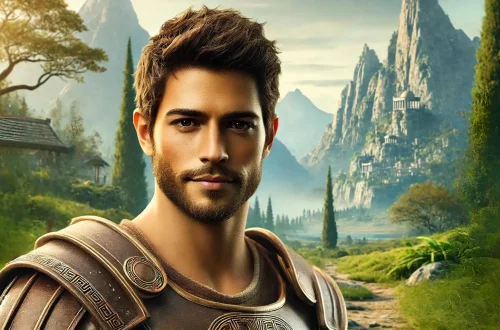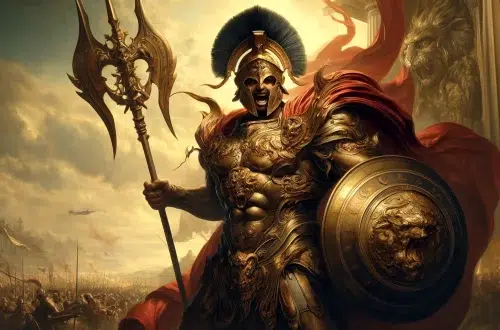
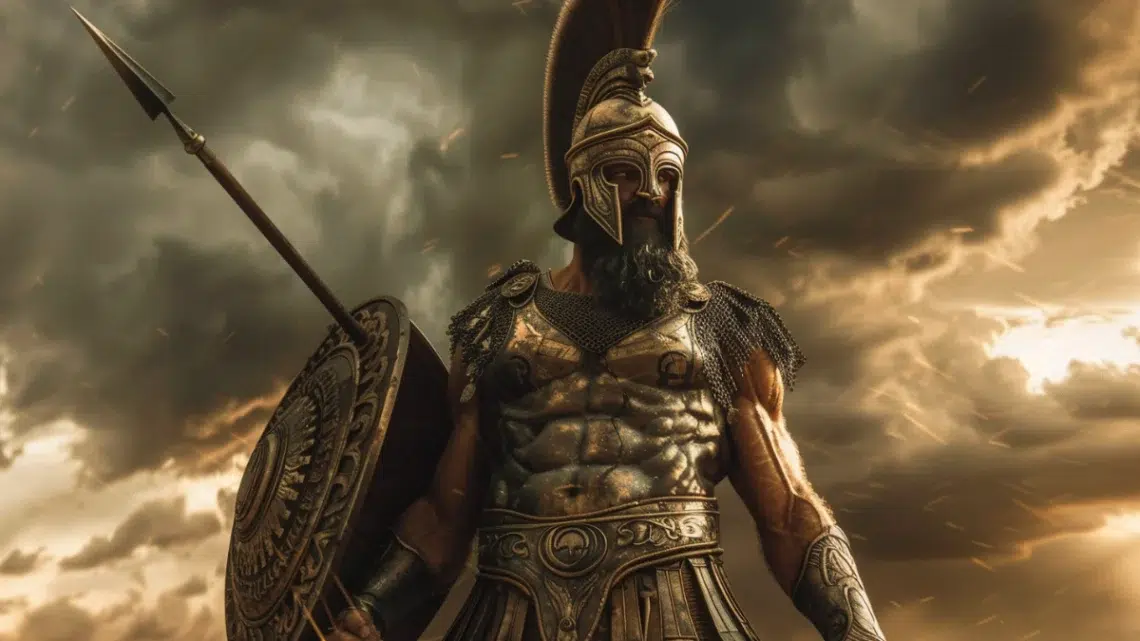
Titan Pallas: Warcraft in Greek Mythology
Pallas is not the most famous Titan in Greek mythology, but he plays an important role behind the scenes. He stands for warcraft, discipline, and strength—not the wild kind of fighting seen with Ares, but skilled, loyal force. While he does not have many stories of his own, Pallas helps shape the power of the gods through his family.
Introduction to Pallas
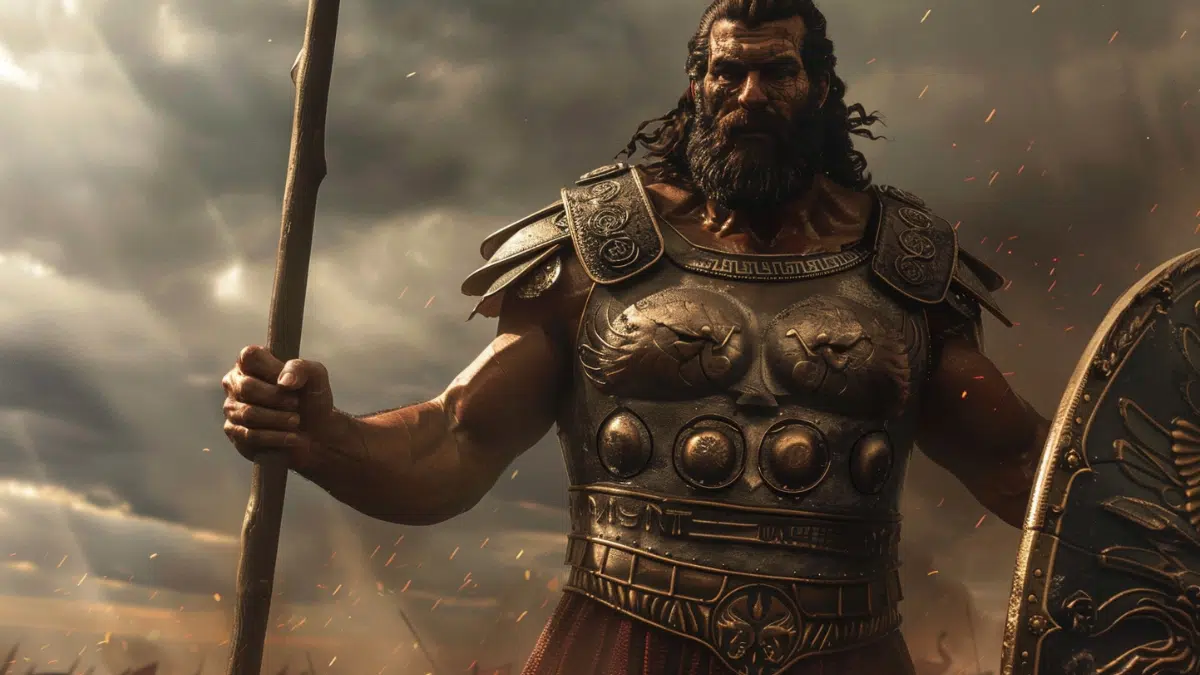
Pallas is a second-generation Titan, meaning he comes after the first group of powerful beings like Cronus, Rhea, and Oceanus.
Instead of ruling the skies or the seas, Pallas represents battle strategy and force used with purpose. This makes him a symbol of controlled power.
Even though Pallas doesn’t lead armies or challenge the gods himself, his values—loyalty, courage, and strength with restraint—remain part of many Greek myths.
Origins and Family of Titan Pallas
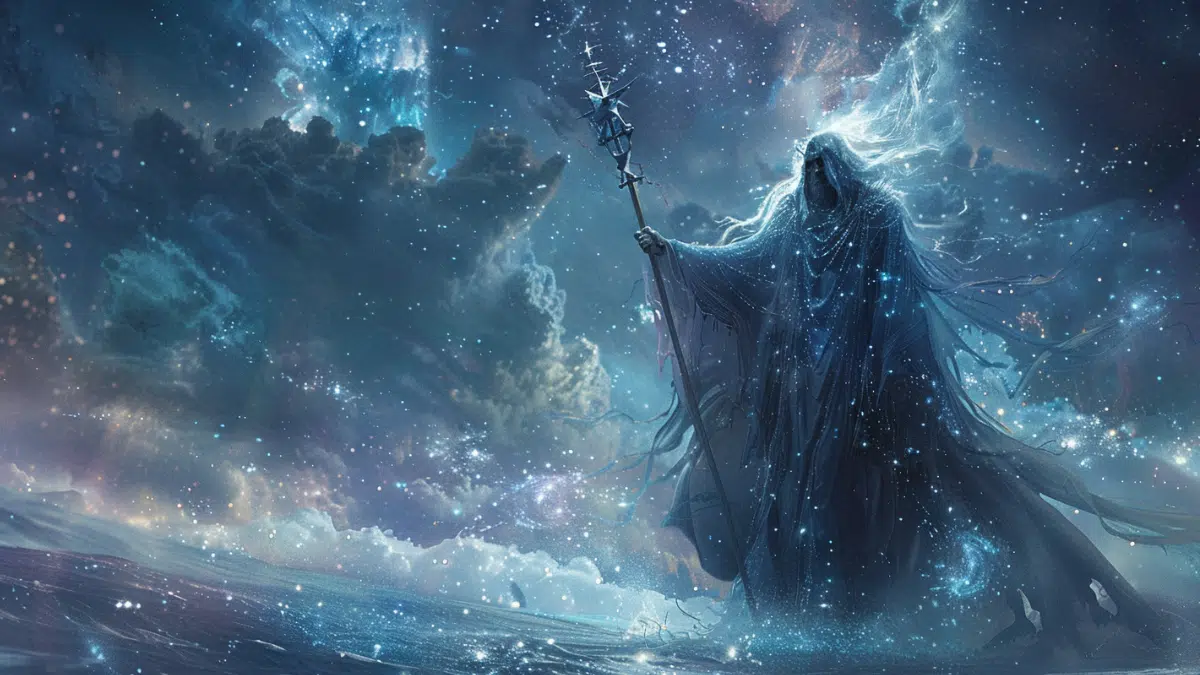
Pallas is a second-generation Titan, born from the union of Crius and Eurybia. His father, Crius, is one of the twelve original Titans—powerful beings who ruled before the Olympians.
His mother, Eurybia, is a lesser-known goddess linked to mastery over the sea and elemental force. Through them, Pallas is connected to the cosmic powers of the heavens and the sea.
He has two brothers:
- Astraeus – the Titan of stars and dusk
- Perses – the Titan of destruction
While Astraeus rules the stars and fathered the winds and planets, and Perses represents destructive power, Pallas stands for military strength, discipline, and warcraft.
Together, the three brothers show how the second generation of Titans connects the natural world with powerful abstract forces like time, space, war, and magic.
Pallas does not lead revolts or commit treason like some of his Titan cousins. He does not get cast into Tartarus in the myths we know. His influence comes through his children, who fight on the side of the Olympians, not against them. This makes Pallas an unusual figure: a Titan linked more to order and loyalty than rebellion.
Though often overlooked, Pallas stands at a key point between two worlds—the fall of the Titans and the rise of Zeus.
Titan Pallas Role and Domain
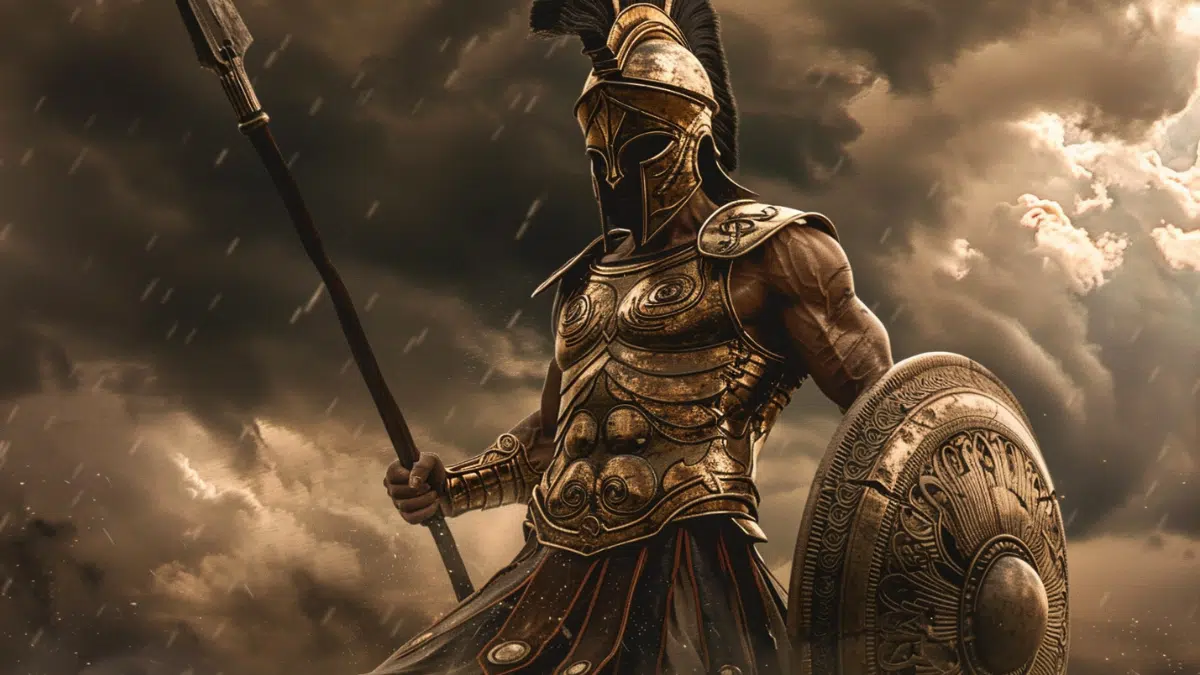
Pallas is known as the Titan of warcraft—not chaos or destruction, but skilled battle, discipline, and strategic force.
Unlike Ares, who charges into war with fury, or Athena, who mixes war with wisdom, Pallas represents raw strength with structure. His domain is not about starting fights, but about how power is used in battle.
His name comes from the Greek word pallein, which means “to brandish” or “to wield,” especially in reference to a weapon. This hints at his connection to trained combat and readiness. He embodies the preparedness and control needed to lead soldiers, hold the line, and protect what matters most.
Even though Pallas does not make dramatic moves in the myths, his role is clear: he brings order to power, and power to those who serve with honour. He is the quiet force behind victory.
Titan Pallas: Marriage and Children
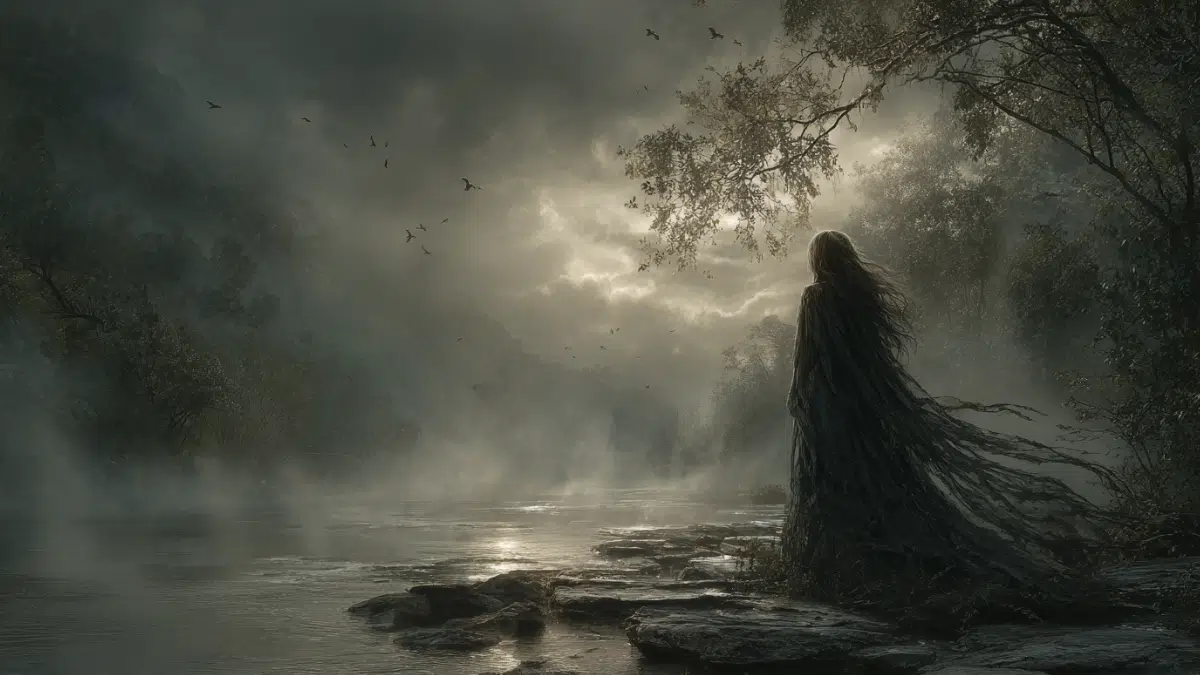
Pallas is best known in mythology not for his actions, but for his powerful children.
He marries Styx, the goddess of the underworld river. Styx is a respected force among the gods. Her river forms a sacred boundary between the living and the dead. All gods swear oaths on her waters—breaking them brings serious punishment.
Together, Pallas and Styx have four children:
- Nike – Goddess of Victory
- Kratos – God of Strength
- Bia – Goddess of Force
- Zelus – God of Zeal or Rivalry
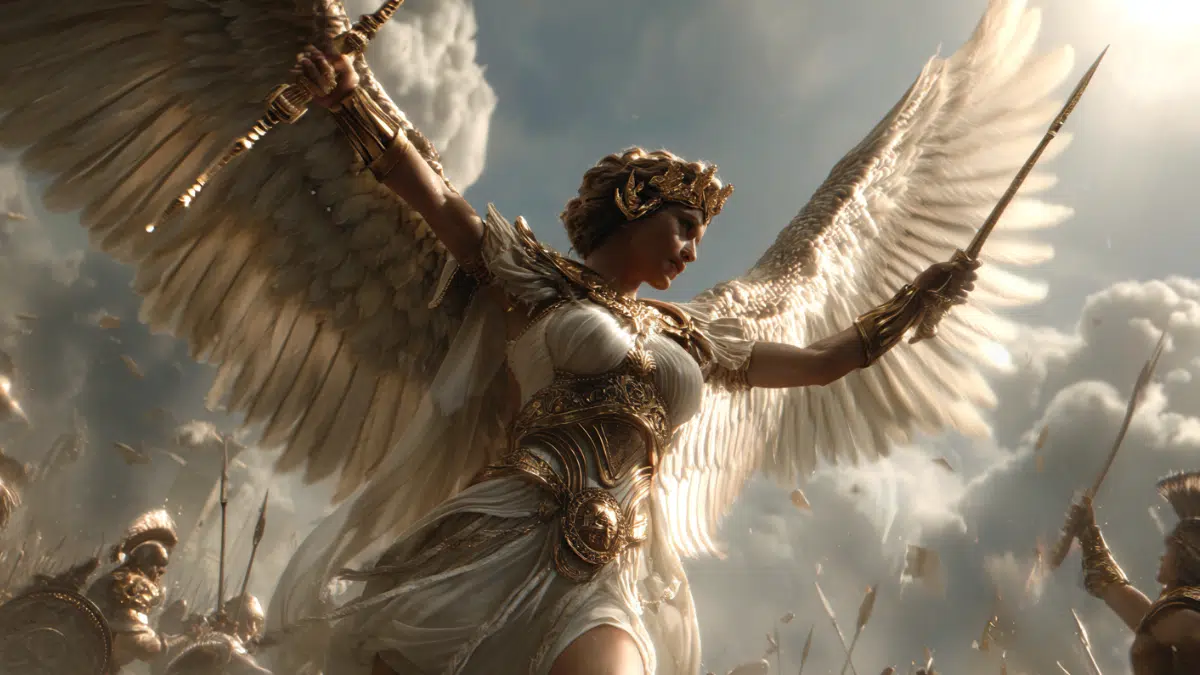
These children become loyal supporters of Zeus during the great war between the Titans and the Olympians, known as the Titanomachy. This makes them some of the most important enforcers of Zeus’s rule.
As a reward, Zeus honours them and gives them permanent places at his side on Mount Olympus.
Through his children, Pallas helps shape the new order of the gods. Though a Titan himself, his legacy supports the rise of the Olympians. His children don’t just fight for Zeus—they represent the key traits Zeus needs to win: strength, loyalty, focus, and victory.
Pallas’s marriage to Styx and the power of their children show that even without a loud voice in myth, he leaves a lasting mark—through loyalty, legacy, and force used with purpose.
Titan Pallas in Myth
Pallas does not appear in many direct Greek myths. He is a Titan, but unlike Cronus or Prometheus, he doesn’t have stories about battles or punishments. Instead, Pallas is known through his family and legacy.
He is most closely linked to the Titanomachy, the great war between the Titans and the Olympians. Pallas is likely one of the Titans who fights against Zeus. However, his role is not clearly described in ancient texts. What stands out more is that his children fight for Zeus, not with him.
There is also some confusion in later myths between this Titan and another figure named Pallas, a giant or warrior killed by Athena. But they are not the same. The Titan Pallas is a symbol of controlled war and loyalty—not chaos or rebellion.
Even without his own adventure, Pallas shapes the myth world through his offspring and ideals.
Pallas in the Titanomachy

The Titanomachy is the great war between the Titans, the old gods, and the Olympians, the new gods led by Zeus. Most Titans fight against Zeus, trying to keep their power. But Pallas stands apart. While some believe he fights alongside his fellow Titans, others say he plays a more neutral role—or may have even supported the Olympians through his children.
What we know for sure is that his children take Zeus’s side, fighting fiercely for the Olympians. Their strength and loyalty help Zeus take control of the heavens. This is rare—most Titan children stand with their parents, but the children of Pallas and Styx are different. They believe in Zeus’s leadership and help bring about a new age.
Because of this, Zeus honours their mother, Styx, as the goddess of sacred oaths. He places her river as the most powerful binding force among the gods. Breaking an oath sworn on the River Styx brings severe punishment—even for immortals.
While Pallas himself fades into the background, the Titanomachy shows how his legacy shapes the future. Through his children’s actions, Pallas becomes part of Zeus’s success—even if he doesn’t fight beside him.
His quiet presence reflects his domain: strength with purpose, loyalty over pride.
Pallas vs. Other War Figures in Greek Mythology
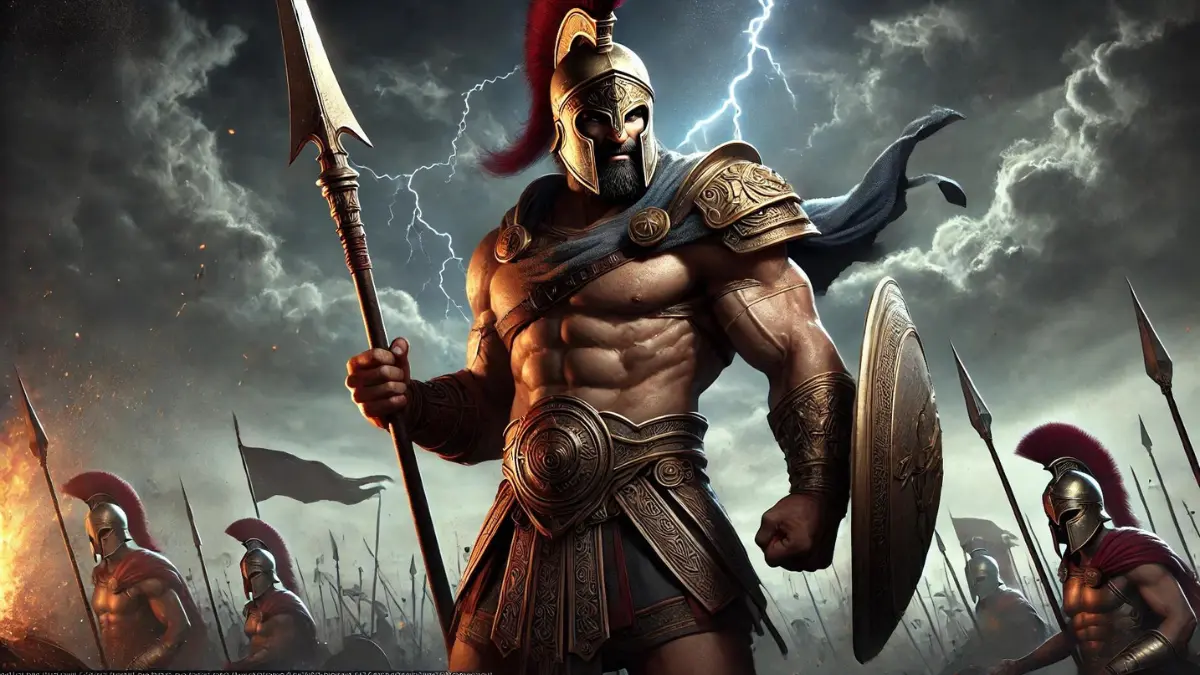
Greek mythology features many gods and Titans tied to war, but each represents a different side of battle. Pallas, the male Titan, stands for controlled force and strategic power. He is not chaotic like Ares, or wise like Athena, but focused on discipline, strength, and loyalty.
Ares, the Olympian god of war, brings destruction, bloodshed, and wild fury. He charges into battle without thinking. He represents the emotional, violent side of war. In contrast, Pallas represents the opposite—measured, honourable force. He’s about control, not chaos.

Athena, the goddess of war and wisdom, fights with strategy and purpose. She uses tactics, not brute strength. While she shares some traits with Pallas, Athena is more involved in direct myths and heroic stories. Pallas, by contrast, influences the battlefield indirectly—through his powerful children.
Even Zeus, who leads the Olympians to victory, depends on traits like Kratos (Strength) and Nike (Victory)—both children of Pallas. That means Zeus’s rule rests on values Pallas embodies.
In the world of myth, Pallas is quiet but strong. He shows that power doesn’t need to shout. His role reminds us that real strength lies in control, focus, and honour in war.
Conclusion
Pallas may not have the fame of Cronus or the drama of Prometheus, but his role still matters. He stands for a different kind of power—one that is calm, steady, and loyal. As the Titan of warcraft, he represents strength guided by purpose, not chaos.
Through his children—Nike, Kratos, Bia, and Zelus—Pallas helps shape the rule of Zeus and the rise of the Olympians. His legacy lives on in the traits that win battles and build lasting leadership: victory, strength, force, and devotion.
While Pallas rarely appears in myths, his presence is felt in the background. He doesn’t need a spotlight to make an impact. His story reminds us that even quiet strength has power—and that what we pass on to others may be our greatest legacy.