Three Kingdoms of Korea and Their Legends
The Three Kingdoms of Korea—Goguryeo, Baekje, and Silla—were prominent states that ruled the Korean Peninsula and parts of Manchuria from the 1st century BCE to the 7th century CE.
Goguryeo: The Powerful Ancient Kingdom
- Founder: Jumong (also known as Chumo)
- Foundation Year: 37 BCE
- Location: Northern and central parts of the Korean Peninsula and parts of Manchuria
- Significance: Goguryeo was known for its military prowess and played a significant role in the history of Korea and Northeast Asia
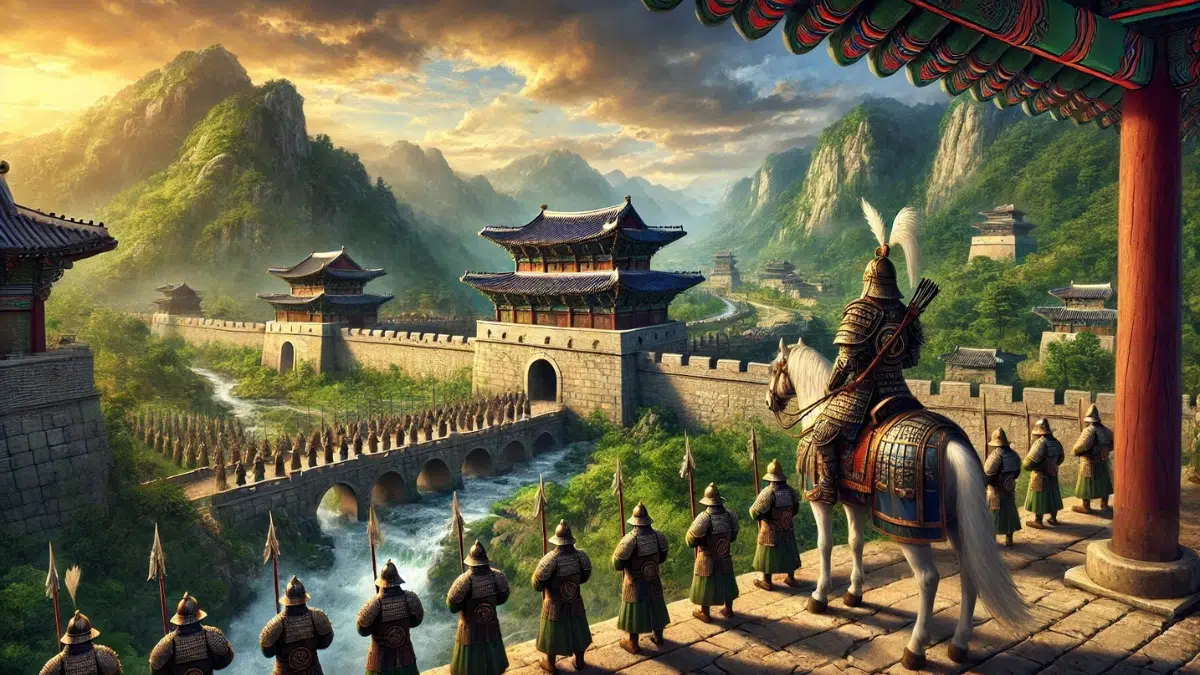
Goguryeo was one of the Three Kingdoms of Korea. It was one of the most powerful kingdoms during its time.
It covered land in what is now North Korea and parts of China. The kingdom had strong warriors and built big walls to protect its cities.
Goguryeo kings ruled over a large and powerful kingdom. They made new laws and helped their people stay safe. Farmers grew crops, and traders sold goods in busy markets.
The army trained every day. Soldiers rode horses and used bows and arrows in battle. They defended the kingdom from invaders.
People in Goguryeo believed in different gods and held special ceremonies. They also made art, music, and beautiful buildings.
After many battles, the kingdom fell, but its history still inspires people today.
Archery in Goguryeo: The Warriors’ Greatest Skill
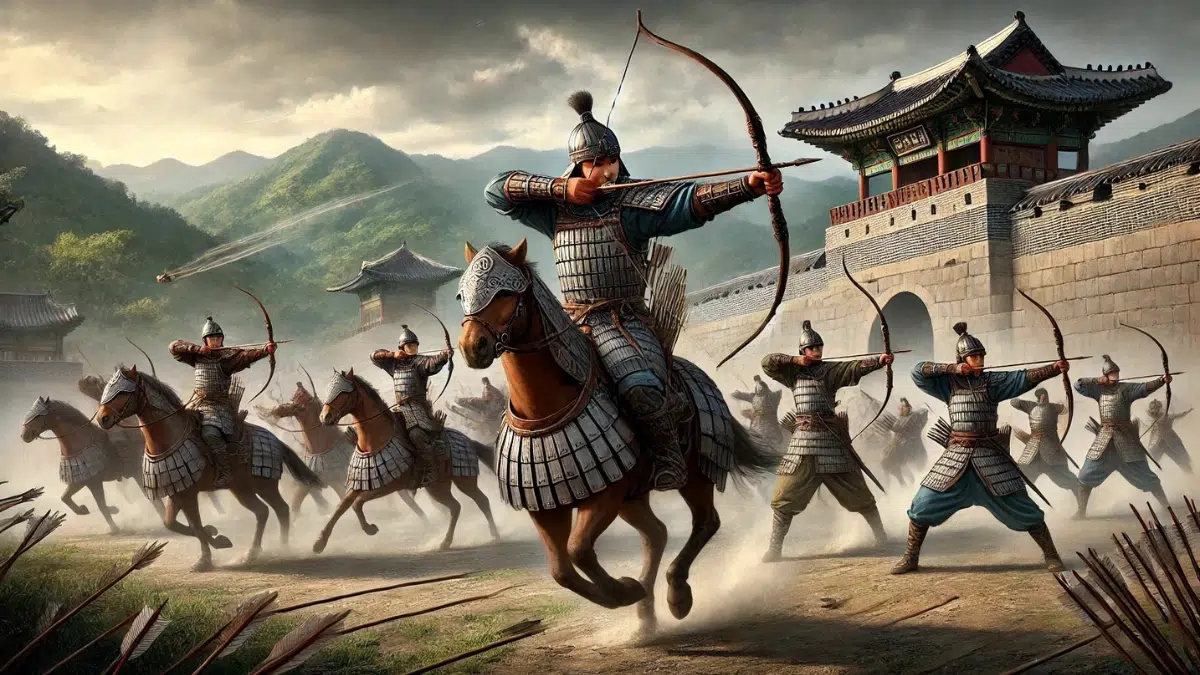
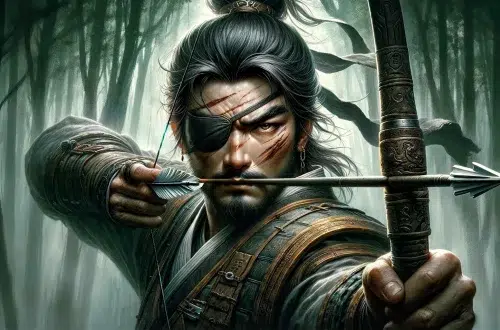
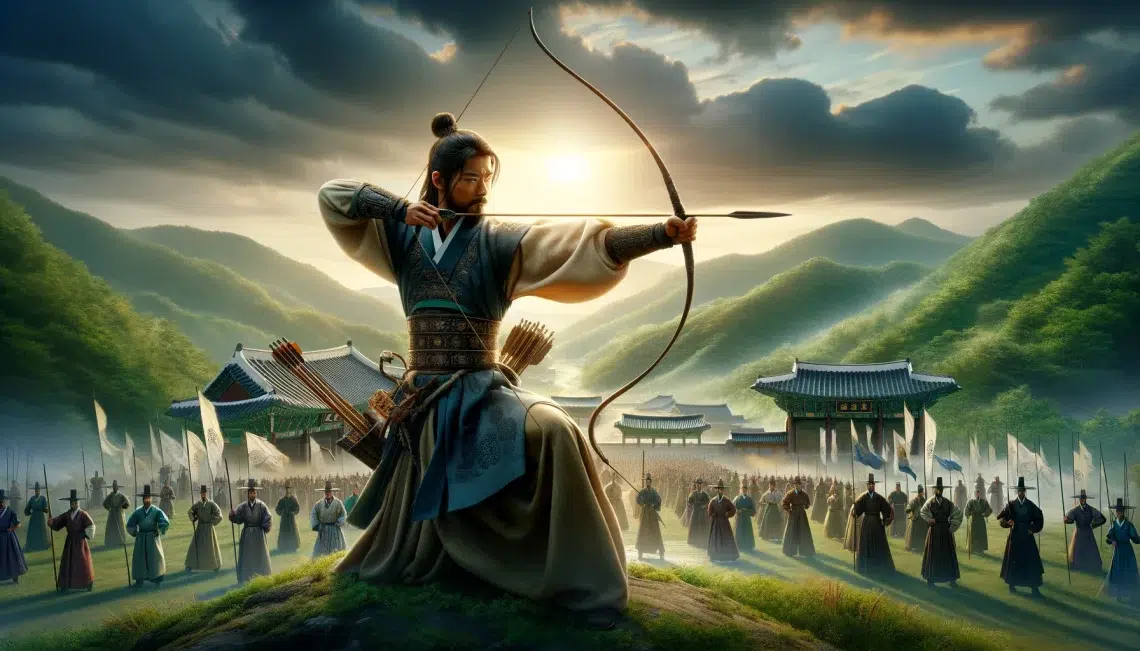
Goguryeo warriors were expert archers. They trained from a young age and could shoot arrows with great speed and accuracy. Archery was a key part of their military success and helped them defend their kingdom.
Goguryeo archers used powerful composite bows made from wood, horn, and sinew. These bows were small but strong, allowing warriors to shoot arrows over long distances. They could fire arrows while standing, kneeling, or even riding a horse.
Horseback archery was a special skill in Goguryeo. Warriors, called cavalry archers, could shoot while galloping at full speed. This made them fast and hard to defeat in battle. They could strike enemies quickly and escape before getting caught.
Archery was not just for war. People also used it for hunting and sport. Warriors competed in archery contests to show their skill.
Goguryeo’s archers were feared across Asia. Their training and weapons helped make the kingdom one of the strongest of its time.
Jumong: Founder of the Goguryeo Kingdom
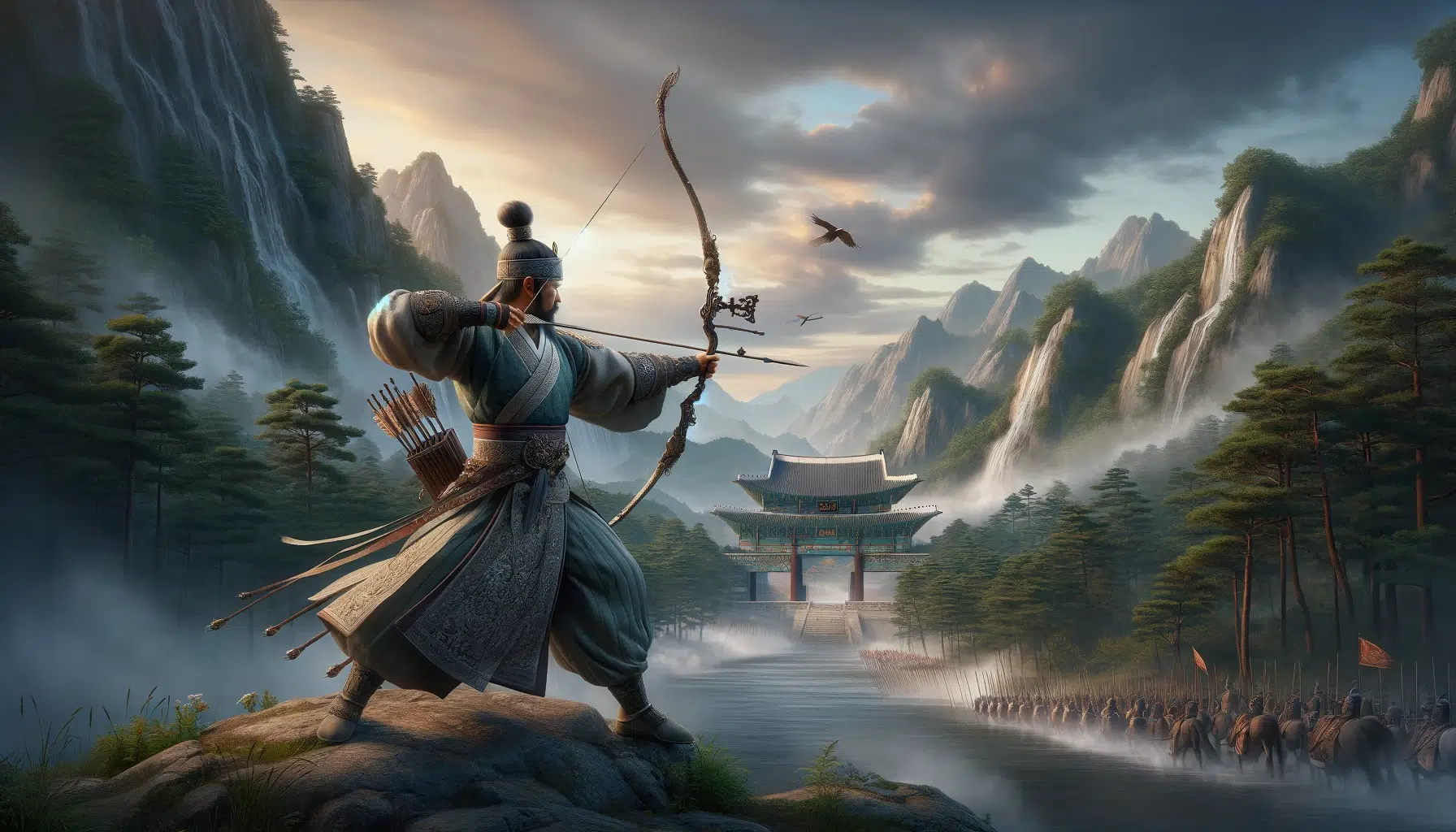
Jumong, the hero who started the Goguryeo Kingdom, is famous in Korea, especially for his amazing archery. Stories say Jumong was not just a great fighter and leader but also an incredible archer.
His skill with the bow is a key part of his story and the start of Goguryeo, one of Korea’s Three Kingdoms.
One popular tale tells how Jumong could hit targets no one else could, thanks to his strong and precise shooting. This helped him beat many challenges and enemies, making him a legend. A well-known moment is when he shot arrows through many layers of armor, showing his power and skill.
Jumong’s story makes archery look like a noble and important skill, showing bravery, hard work, and smart planning. His story as a top archer and the founder of Goguryeo still inspires people today. Thus linking Korean history, myths, and archery together.
Baekje: The Kingdom of Art and Trade
- Founder: Onjo
- Foundation Year: 18 BCE
- Location: Southwestern part of the Korean Peninsula
- Significance: Baekje was renowned for its cultural achievements and its influence on Japanese culture, including the transmission of Buddhism to Japan
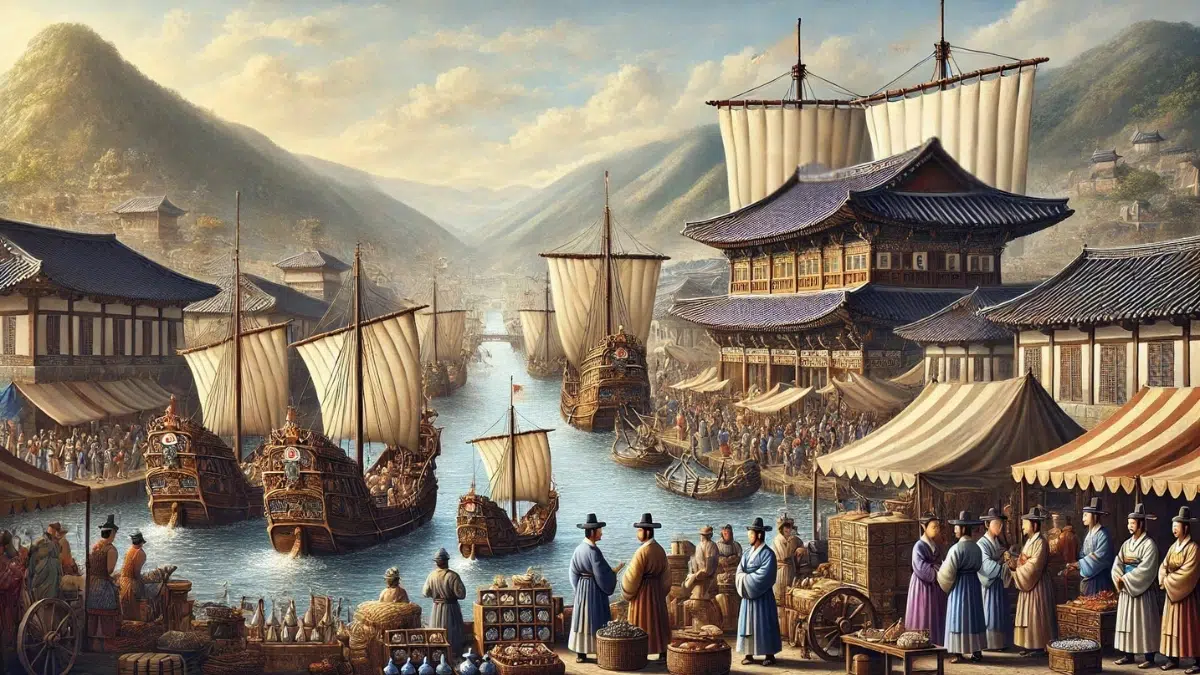
Baekje was one of the Three Kingdoms of Korea. It was a major maritime power and maintained extensive trade and diplomatic relations.
Baekje covered land in what is now South Korea. The kingdom had skilled builders, artists, and traders.
Baekje kings created new laws and helped their people live safely. Farmers grew rice, and traders sold silk, pottery, and tools.
The army trained to protect the kingdom. Soldiers used swords, bows, and shields in battle. They defended Baekje from enemies.
Baekje shared ideas with China and Japan. It sent teachers, artists, and builders to help other lands grow.
People in Baekje believed in many gods and followed Buddhism. They built temples and created beautiful statues.
After many wars, Baekje disappeared, but its culture still influences art and architecture today.
Archery in Baekje: Precision and Skill
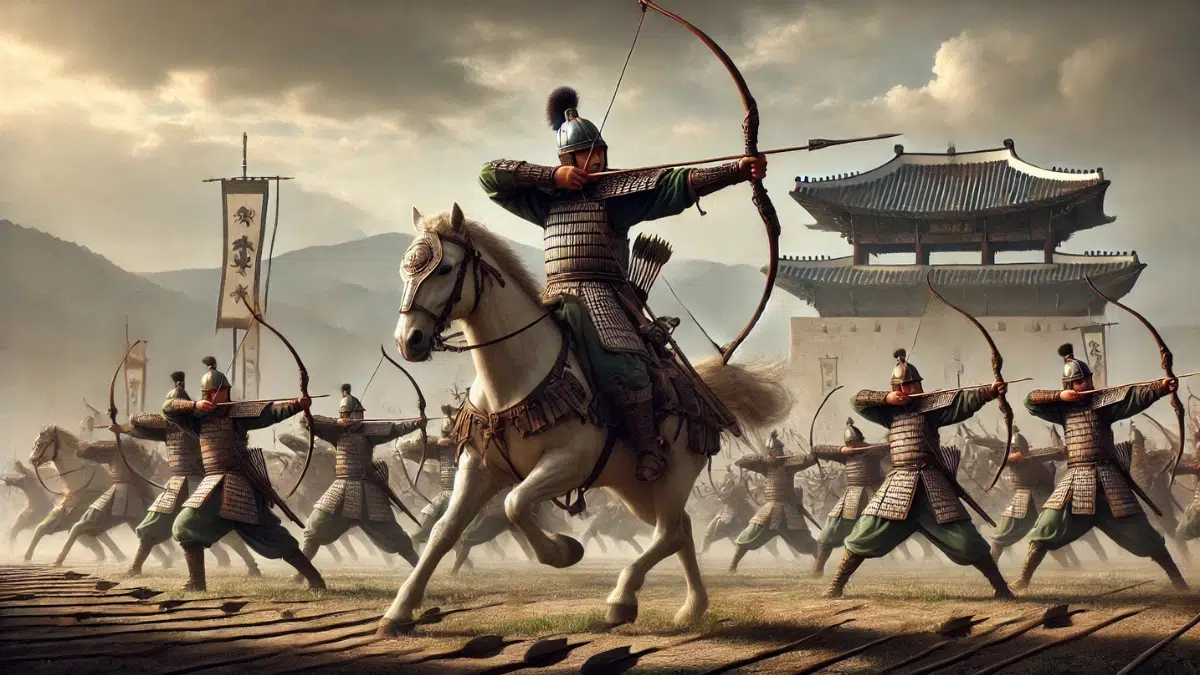
Baekje warriors trained in archery to protect their kingdom and expand their land. Archery was an important military skill, and Baekje’s army included highly trained foot soldiers and cavalry archers.
Baekje archers used light but powerful bows made from wood and horn. These bows allowed for fast shooting and long-range attacks. Warriors could fire multiple arrows in quick succession, making them dangerous in battle.
Cavalry archers played a key role in Baekje’s military. They could shoot arrows while riding at full speed, striking enemies from a distance. This made Baekje’s army fast and hard to defeat.
Archery was also important in daily life. People used bows for hunting and sports. Warriors competed in archery contests to test their accuracy and speed.
Baekje shared its archery skills with neighbouring countries, including Japan. Its archers were respected, and their techniques influenced other cultures.
Onjo: Founder of the Baekje Kingdom
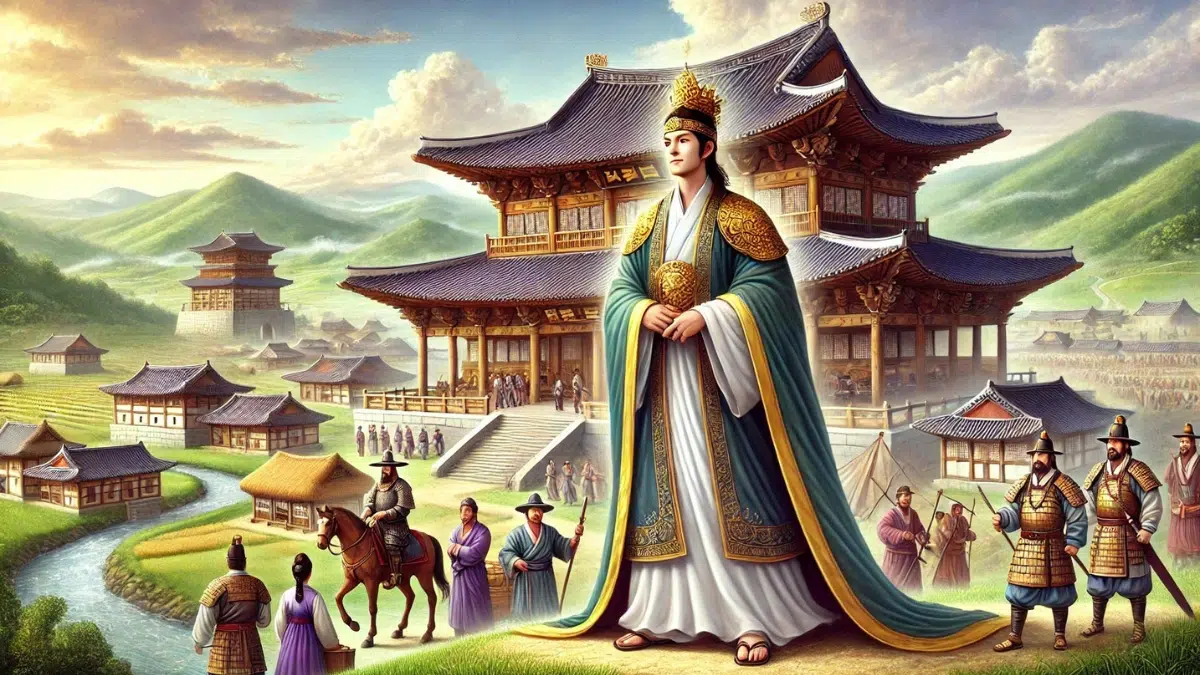
Onjo started the Baekje Kingdom. He was the son of King Jumong, who founded Goguryeo. After leaving Goguryeo, Onjo and his followers settled in what is now South Korea.
He built a strong kingdom with good laws and a powerful army. Farmers grew crops, traders sold goods, and people lived in well-planned cities.
Onjo chose a safe place near rivers and mountains to protect Baekje from enemies. He made alliances with nearby groups and helped Baekje grow into a rich and powerful kingdom.
Under his leadership, Baekje developed art, trade, and culture. The kingdom became famous for sharing ideas with China and Japan.
Onjo ruled wisely and built a strong foundation for Baekje’s future. His leadership shaped the kingdom’s success for many years.
Silla: The Golden Kingdom
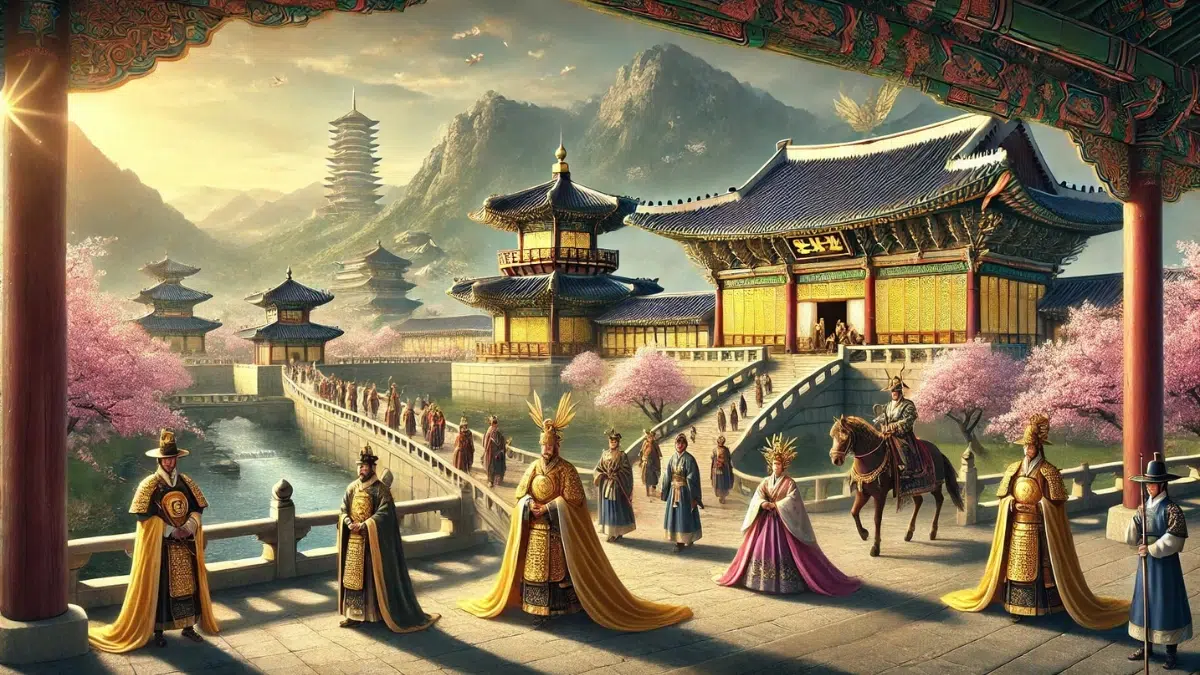
- Founder: Pak Hyeokgeose
- Foundation Year: 57 BCE
- Location: Southeastern part of the Korean Peninsula
- Significance: Silla eventually unified the Korean Peninsula in 668 CE after defeating Goguryeo and Baekje with the help of the Tang Dynasty of China
Silla was one of the Three Kingdoms of Korea. It controlled land in what is now South Korea. The kingdom became famous for its gold crowns, strong leaders, and powerful army. It is celebrated for its achievements in art, science, and governance.
Silla kings created fair laws and helped people live safely. Farmers grew rice, and merchants traded goods like silk and pottery.
The Silla army trained hard to defend the kingdom. Elite warriors called Hwarang learned archery, sword fighting, and leadership. They protected the land and helped unite Korea.
Buddhism played a big role in Silla. People built temples, stone pagodas, and giant Buddha statues. Monks taught wisdom and peace.
Silla lasted for hundreds of years and united Korea for the first time. Its culture, art, and ideas still influence Korea today.
Archery in Silla: The Way of the Hwarang Warriors

Silla warriors trained in archery from a young age. It was an important skill for both battle and leadership. The kingdom’s most famous warriors, the Hwarang, were elite fighters who mastered archery, sword fighting, and horseback riding.
Silla archers used strong composite bows made from wood, horn, and sinew. These bows allowed them to shoot arrows over long distances with great power. Warriors trained to fire arrows while standing, kneeling, and moving quickly on the battlefield.
Cavalry archers played a big role in Silla’s army. They could shoot arrows while riding at full speed, making them deadly in battle. This skill helped Silla defeat its enemies and later unite Korea.
Archery was not just for war. It was also part of Hwarang training, which focused on discipline, honour, and bravery. Warriors competed in archery contests to improve their skills.
Silla’s archers helped make the kingdom one of the strongest in Korea’s history. Their skills and tactics influenced Korean warfare for generations.
Pak Hyeokgeose: Founder of the Silla Kingdom
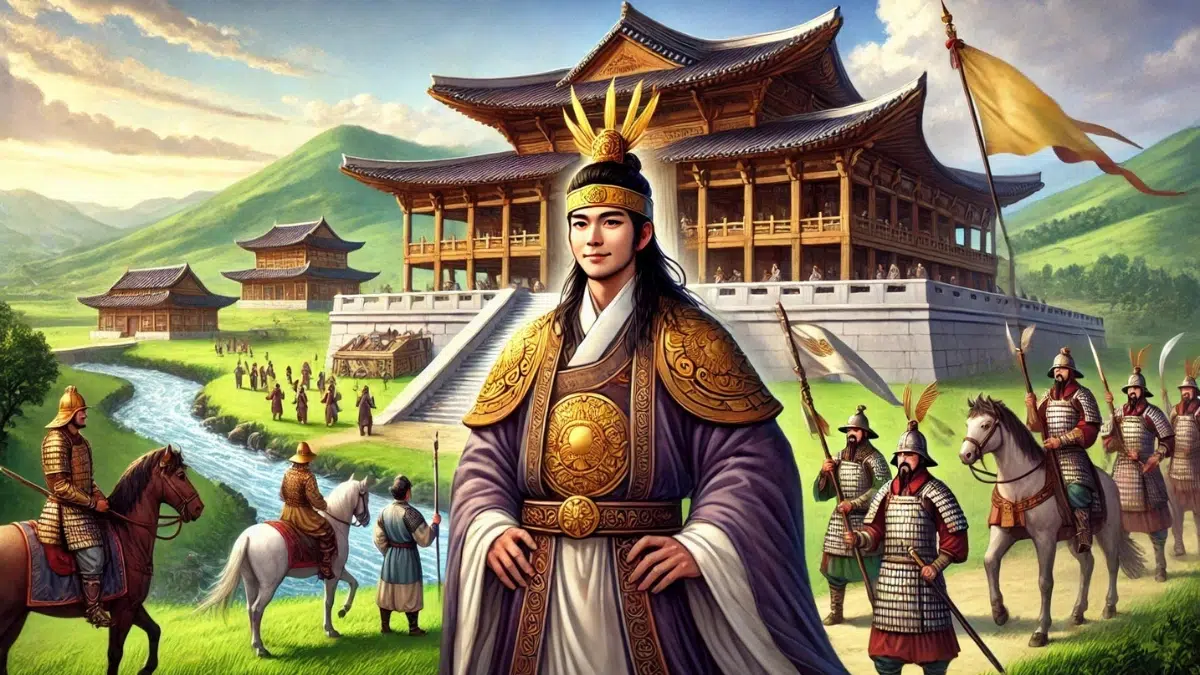
Pak Hyeokgeose started the Silla Kingdom. Legends say he hatched from an egg and glowed with a bright light. People believed he was chosen to lead.
He built Silla into a strong and organized kingdom. Farmers grew rice, and traders exchanged goods with nearby lands. The people followed fair laws and worked together to build cities.
Pak Hyeokgeose led with wisdom and protected his kingdom. He formed alliances and kept Silla safe from enemies. His leadership helped the kingdom grow in power.
Buddhism and traditions shaped Silla’s culture. People created beautiful temples and golden crowns.
Pak Hyeokgeose ruled for many years. His leadership helped Silla become one of Korea’s greatest kingdoms.
Art of the Three Kingdoms of Korea
Each kingdom had its own unique art style. Their creations included pottery, statues, paintings, and goldwork.
Goguryeo was famous for its colourful wall paintings in tombs. These paintings showed warriors, animals, and scenes from daily life. Artists used bright reds, blues, and yellows to make them stand out. Goguryeo also made strong stone sculptures and detailed bronze mirrors.
Baekje created elegant and graceful art. Its Buddhist statues had smooth lines and peaceful expressions. Baekje craftsmen made delicate gold and bronze jewelry. The kingdom also built beautiful pagodas and temples, sharing its artistic style with Japan.
Silla was known for its golden crowns and jewelry. Goldsmiths made crowns with detailed patterns and jade decorations. Silla artists also carved stone Buddha statues and built grand temples like Bulguksa. Its artwork showed a mix of Korean, Chinese, and Central Asian styles.
Each kingdom’s art still inspires people today and remains an important part of Korean history.
The Years Between the Three Kingdoms
After Silla united Korea, the Three Kingdoms period ended. This time was called the Unified Silla period. Silla ruled most of the Korean Peninsula, but challenges grew.
The kingdom faced problems inside and outside its borders. Powerful families fought for control, and people in the north wanted their own land. At the same time, outside groups attacked Silla’s borders.
Meanwhile, a new kingdom called Balhae formed in the north. Many people from Goguryeo moved there and built a strong new nation. Balhae controlled land in what is now North Korea and parts of China.
Silla ruled for about 300 years, but it weakened over time. Local leaders gained power, and the kingdom broke into smaller states. This led to a new period in Korean history called the Later Three Kingdoms.
Conclusion
The Three Kingdoms period was marked by frequent conflicts and alliances among the three states as they vied for dominance over the Korean Peninsula. Each kingdom developed sophisticated cultures, centralized military systems, and strong aristocracies.
Buddhism played a significant role in their cultural and religious life, contributing to the development of their distinct identities. These kingdoms eventually fell to the Unified Silla dynasty, which succeeded in unifying the Korean Peninsula for the first time in history.