Thiazi: The Norse Giant Who Stole Immortality
Giants in Norse mythology often bring chaos, but few cause as much danger as Thiazi.
Known as a frost giant, he challenges the gods not through open battle but through cunning theft. His target is Iðunn, the goddess who keeps the apples of youth.
Without her, the gods of Asgard begin to weaken and grow old. This myth shows how close the balance of power sits between giants and gods, and how even immortality can be stolen.
It also highlights Loki’s double role as both the cause of the crisis and the one who saves the day.
The tale of Thiazi reminds us that trickery, power, and revenge shape the fate of the Norse gods as much as courage or strength.
Who is Thiazi?
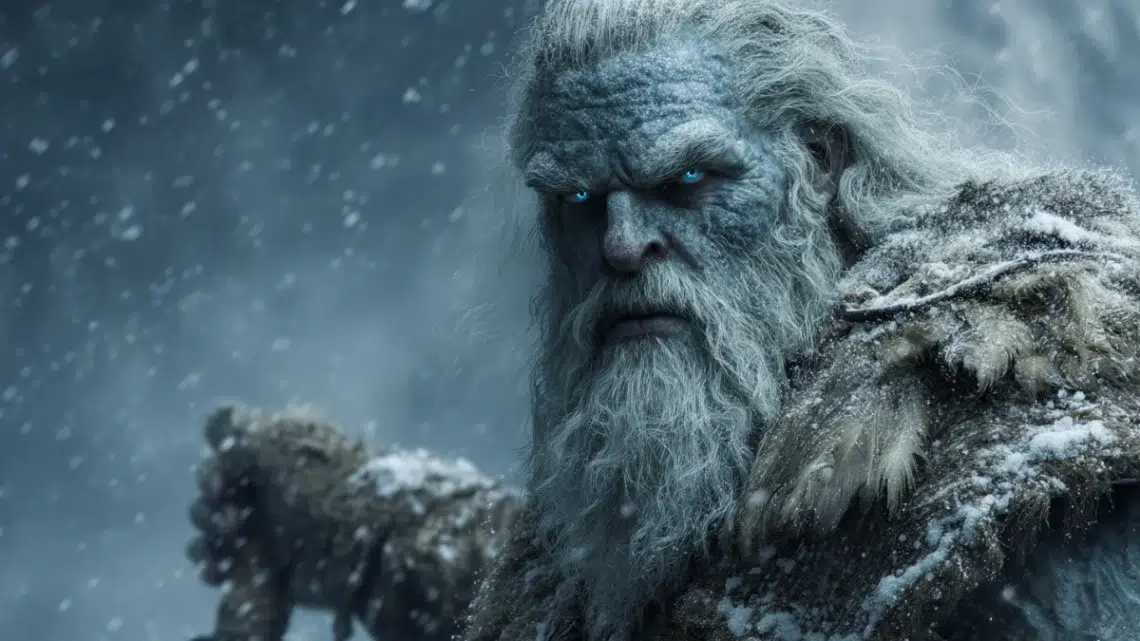
Thiazi is a jötunn, one of the giants in Norse mythology.
Giants often stand as rivals of the gods, tied to wild forces of nature and chaos. Thiazi belongs to the world of cold and mountains, a frost giant whose strength and cunning make him dangerous even to Asgard.
He is best remembered as the father of Skadi, the goddess of skiing, winter, and the hunt.
Skadi later becomes an important figure in her own right. After Thiazi’s death, when she seeks vengeance on the gods. This family link ties Thiazi to one of the most striking women in Norse myth.
Thiazi’s story is mainly told in the Prose Edda, written by Snorri Sturluson in the 13th century.
In those accounts, he is able to transform into an eagle, a power he uses to trick Loki and set the stage for Iðunn’s abduction.
His ability to shift shape makes him more than just a brute force giant. It shows his role as a clever enemy, one who uses tricks and threats as much as strength.
As a giant who nearly robs the gods of youth, Thiazi plays a key part in showing how fragile their power truly is.
Even immortality depends on protection, and when the gods fail, their enemies are quick to strike.
The Abduction of Iðunn
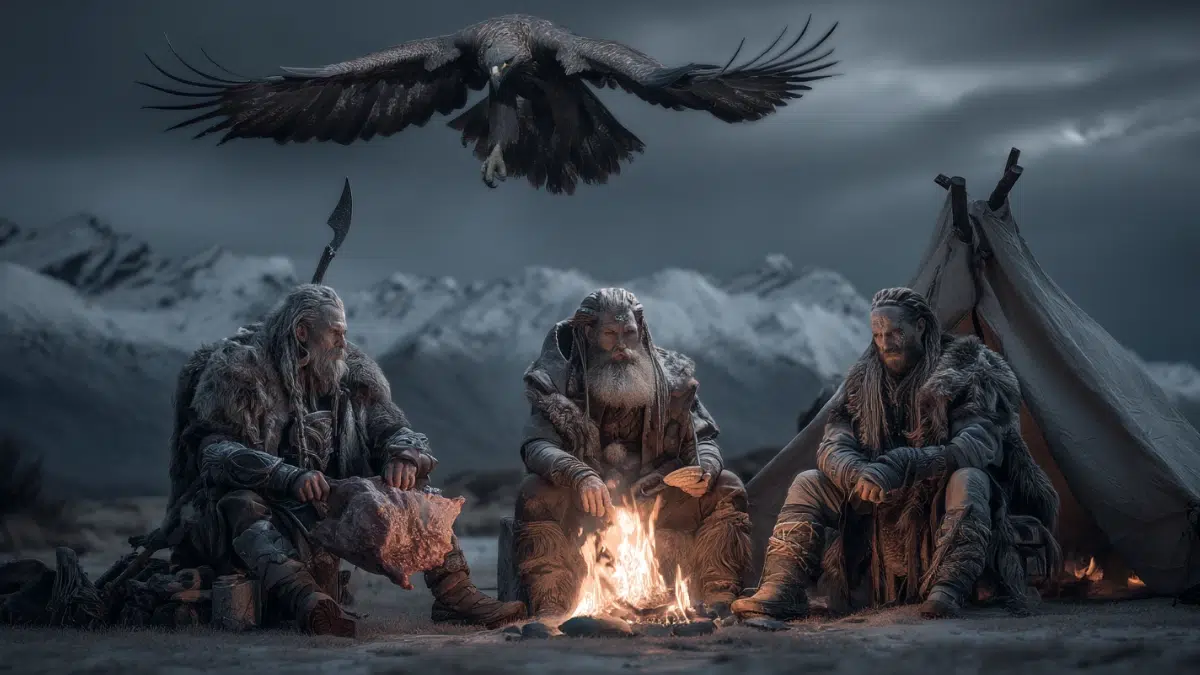
The story of Thiazi begins when Odin, Loki, and Hœnir are travelling.
Hungry and tired, they kill an ox for food, but every time they try to cook it, the meat stays raw. Watching from above is Thiazi in the shape of a giant eagle.
He offers to make the fire work if they share the meal with him. The gods agree, but when Thiazi takes more than his share, Loki grows angry and strikes him with a pole.
That choice proves costly. The pole sticks fast, and Loki finds himself dragged through the sky by the enormous eagle.
Thiazi only lets him go after forcing a terrible bargain: Loki must lure Iðunn, keeper of the apples of youth, out of Asgard.
Loki Lures Iðunn
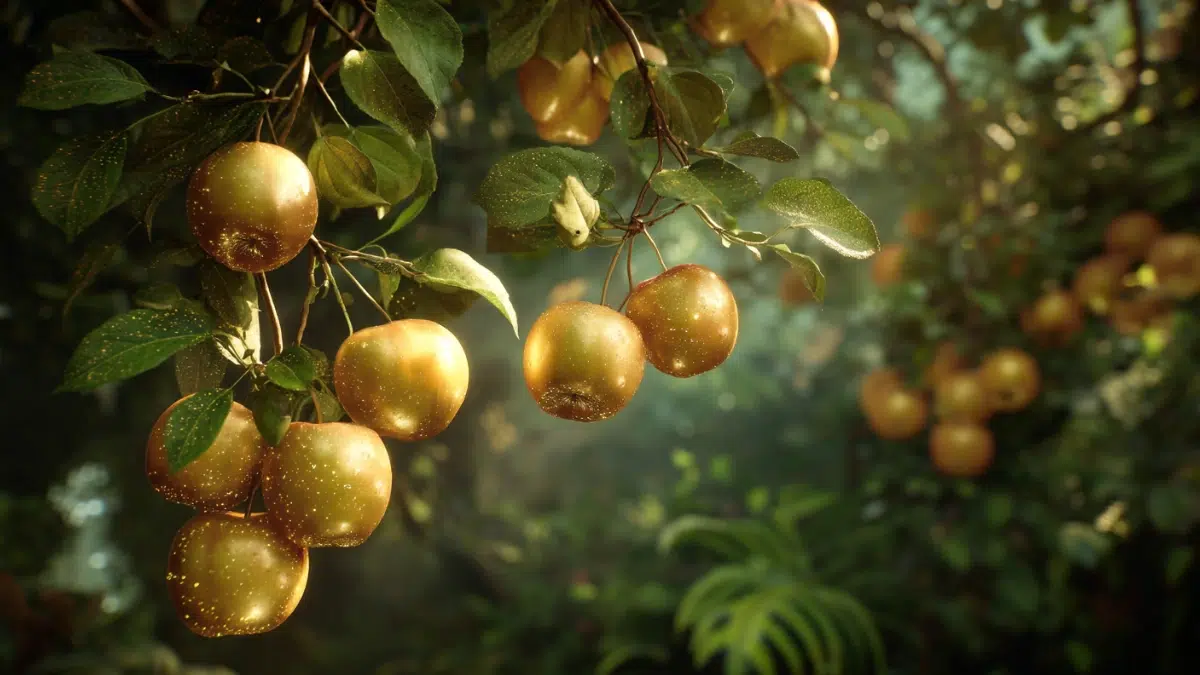
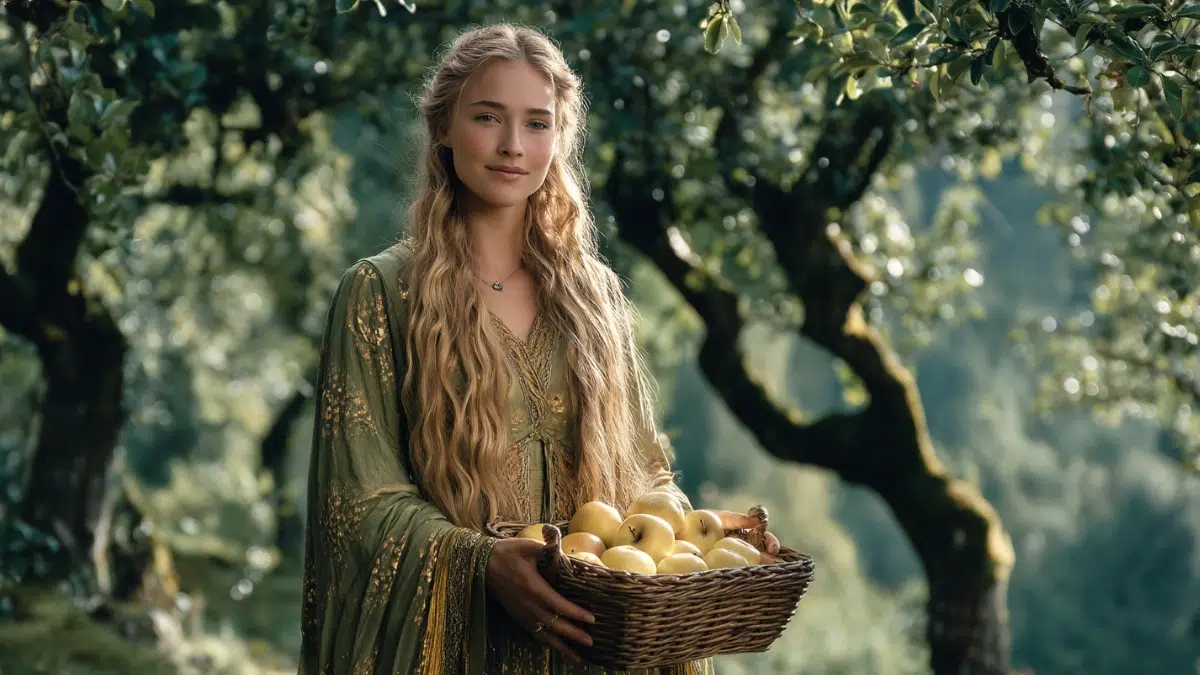
As keeper of the apples, the power of the apples depends on Iðunn. She alone has the role of guarding them and distributing them to the gods. Without her, the apples are inaccessible, and the gods begin to age.
Back in the halls of the gods, Loki acts on the promise. He tells Iðunn that he has seen apples even more beautiful outside the city walls.
Curious, she follows him with her precious fruit. Waiting in the woods, Thiazi swoops down in eagle form, seizes her, and carries her away to his mountain stronghold.
Without Iðunn and her golden apples, the gods begin to wither.
Age touches them for the first time. Hair grows grey, skin weakens, and strength fades.
Panic spreads through Asgard. The gods realize Loki played a part in this disaster. They threaten him with torture unless he finds a way to bring Iðunn back.
Loki’s Trickery and the Death of Thiazi
Pressed by fear, Loki turns again to trickery. He borrows Freyja’s falcon cloak, which gives him the power of flight.
Disguised as a falcon, he slips into Thiazi’s home, transforms Iðunn into a nut, and carries her away.
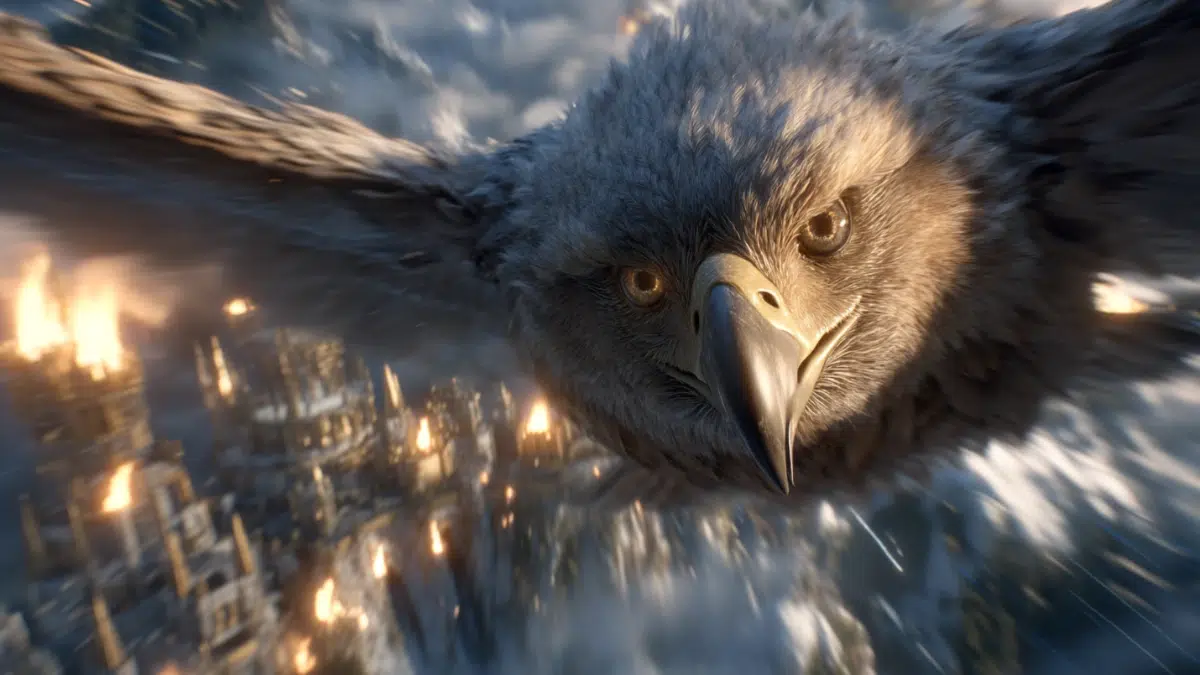
When Thiazi realizes what has happened, he takes eagle form and gives chase.
The sky fills with fire and wings as Loki speeds back to Asgard.
The gods light great flames at the city walls, and when Thiazi flies too close, his feathers burn. He crashes to the ground, where the gods kill him.
The theft of Iðunn nearly destroys Asgard, but Loki’s cunning rescue saves them.
Thiazi’s death ends the crisis, but his daughter Skadi soon arrives to demand vengeance, ensuring the tale does not end there.
Aftermath and Skadi’s Vengeance
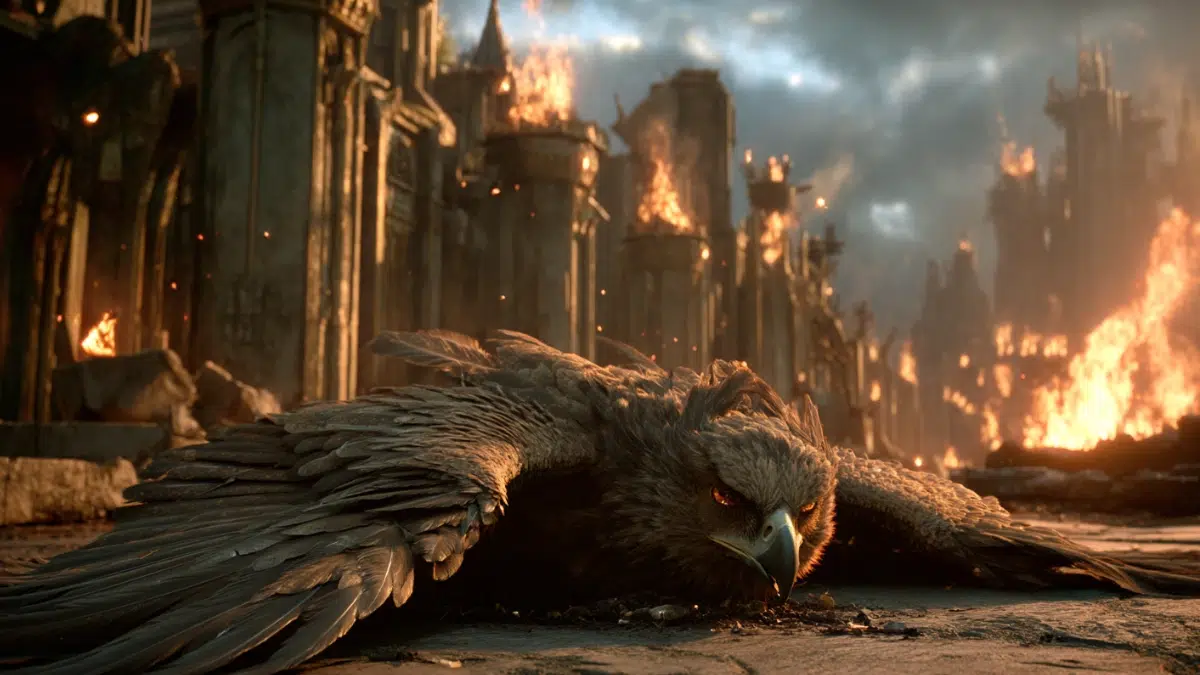
The death of Thiazi does not close the story.
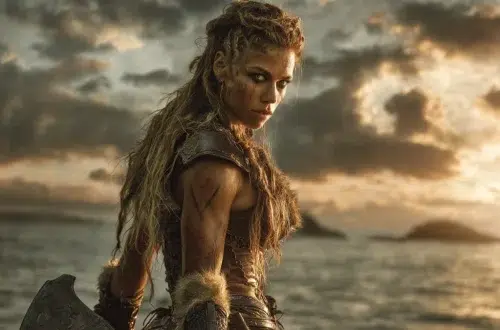
His daughter Skadi, a fierce giantess known for her skill in skiing and hunting, refuses to let the gods escape without consequence. Armed and angry, she marches to Asgard to demand justice for her father.
The gods cannot ignore her. Thiazi broke their peace, but they killed him, and now Skadi stands at their gates.
Rather than fight her outright, they choose a different path. They offer her compensation—a settlement meant to calm her rage and bind her to their side.
Three Acts for Skadi

Skadi is told she can choose a husband from among the gods, but there is a trick, however: she must choose by looking only at their feet.
Skadi hopes to pick the beautiful Baldr, but when the veil lifts, she finds she has chosen Njord, the sea god, by mistake. Their marriage proves uneasy, with Njord loving the sea and Skadi preferring the snowy mountains.
Next, the gods promise to make her laugh, as part of easing her grief, since she arrives in Asgard furious and armed.
Loki takes on the task. He ties one end of a rope to a goat’s beard and the other to his own body. As they pull against each other, Loki squeals and tumbles, finally falling into Skadi’s lap.
Against her will, she laughs.
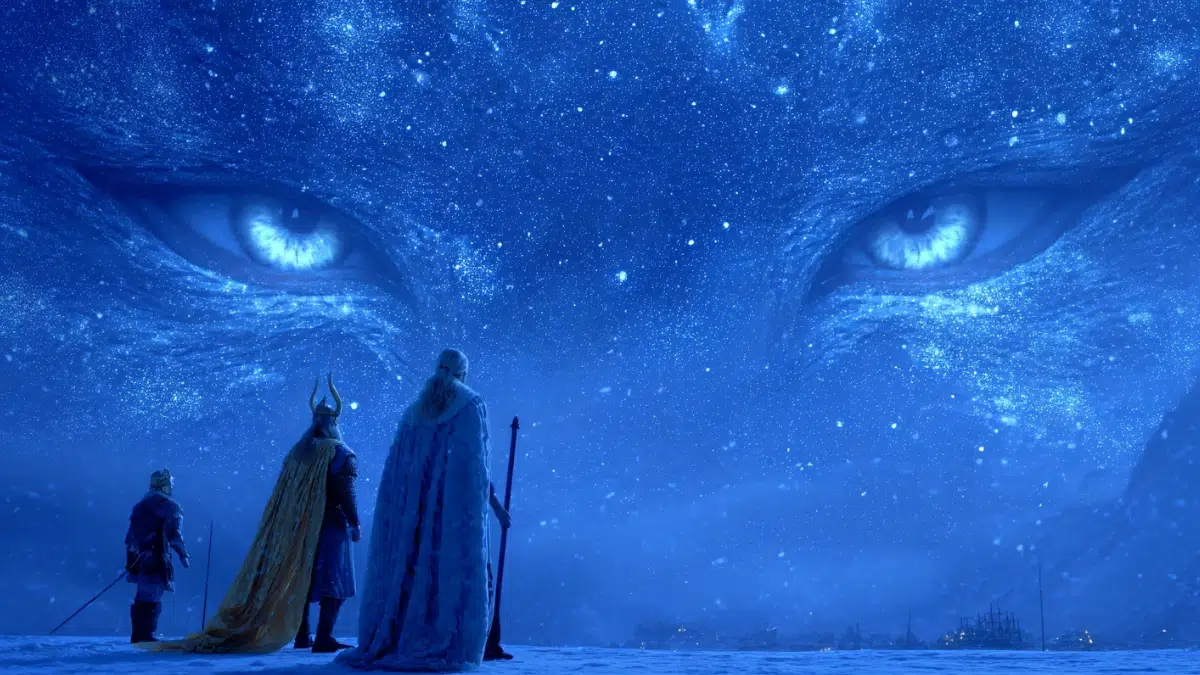
Finally, the gods agree to lift Thiazi’s eyes into the night sky as stars, giving him a place of honour even in death. This act softens Skadi’s grief, though it cannot erase it.
Through these gestures, Skadi accepts her place among the gods. She joins their company, though her heart always stays tied to her father’s mountain halls.
Her arrival marks a new balance. One born from tragedy, anger, and uneasy compromise.
Symbolism: Giants, Apples, and the Balance of Power
The myth of Thiazi holds more than just drama. It carries symbols that reveal deeper truths about the Norse world.
Thiazi himself stands for the raw force of winter and chaos.
As a frost giant, he embodies hunger, cold, and the threat of death that comes when nature turns against human order. His theft of Iðunn shows how quickly that chaos can strip away strength, even from gods.
Iðunn’s apples symbolize youth, vitality, and the stability of Asgard.
Without them, the gods lose the very qualities that make them divine. The apples remind us that even immortals depend on fragile things, and that their power is not absolute.
The theft of the apples reveals how thin the line is between eternal glory and sudden decline.
Loki plays a double role.
He causes the crisis by betraying Iðunn, yet also becomes the one to save her. This dual nature shows why Loki is both trusted and mistrusted among the gods. He is necessary for balance—chaos and solution wrapped into one.
Skadi represents the cycle of grief and compromise.
Her father’s death sparks vengeance, but her settlement with the gods shows another path.
By placing Thiazi’s eyes in the sky as stars, the myth reminds us that honour and memory can come even through defeat.
Taken together, the tale symbolizes the constant struggle between order and chaos, age and renewal, loss and reconciliation. The gods never fully escape these forces. They only find ways to delay or reshape them.
Thiazi Among Other Myths

Thiazi’s tale connects with myths across cultures that warn about theft, trickery, and the fragile balance of power.
In Greek myth, a clear parallel is Prometheus.
Just as Thiazi steals Iðunn and her apples, Prometheus steals fire from Zeus to give to humans. Both stories centre on the theft of something vital—youth for the gods, fire for mankind.
But the outcomes differ. Prometheus becomes a culture hero, while Thiazi is slain as a threat. This contrast shows how Norse myths often portray giants as enemies rather than benefactors.
Thiazi’s fall also recalls the story of Icarus. Like Icarus flying too close to the sun, Thiazi overreaches by trying to rob the gods of what sustains them. Both myths highlight the danger of challenging divine order.
His daughter Skadi connects Thiazi’s story to a wider pattern of avenging daughters.
In Greek myth, figures like Electra and Antigone fight to honour or avenge their families. Skadi’s demand for justice after Thiazi’s death places her in this tradition.
Yet unlike many tragic Greek figures, she finds compromise, joining the gods rather than dying in conflict.
Even within Norse myth, Thiazi has echoes.
His eagle form links him to other shape-shifting giants, while his theft of youth mirrors constant giant–god struggles over power.
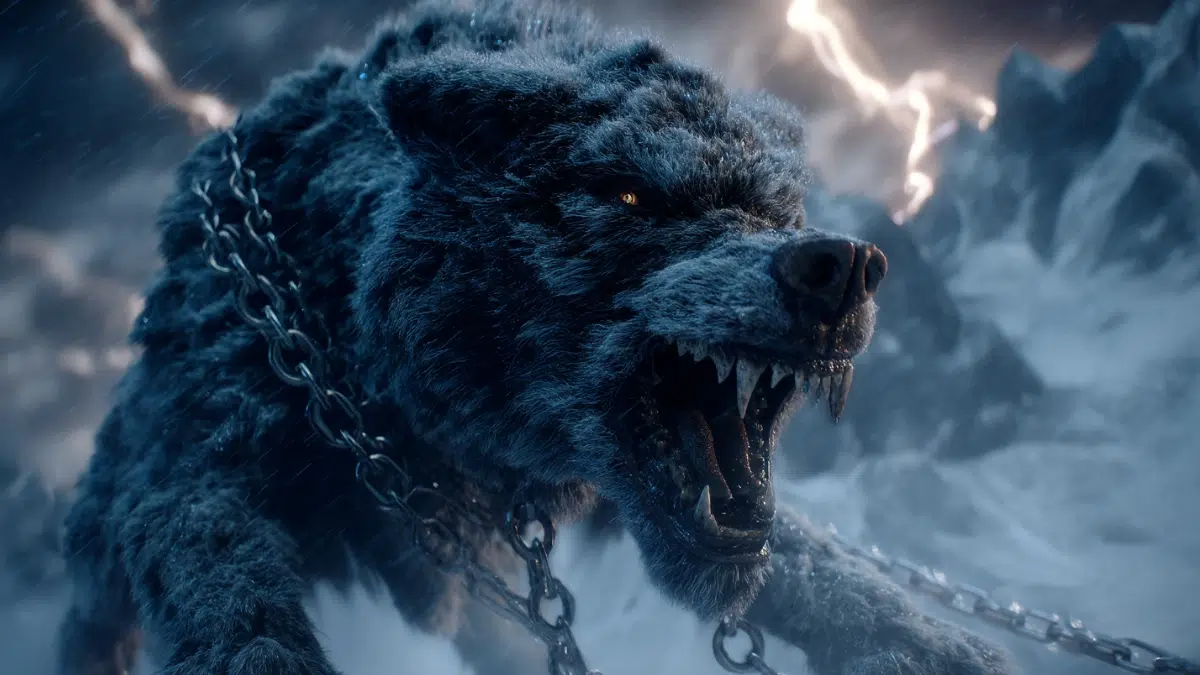
Like the wolf Fenrir or the serpent Jörmungandr, he reminds us that giants threaten divine stability, but also drive the drama that defines the myths.
By comparing Thiazi to figures across cultures, we see his role more clearly. He is not just a villain but part of a larger human pattern of stories about theft, ambition, and the price of challenging higher powers.
Conclusion
The story of Thiazi shows how fragile even the gods can be. By stealing Iðunn and her apples, he nearly robs them of youth and strength.
His death restores balance, but the cost is lasting—his daughter Skadi joins the gods through grief, binding giants and Asgard together in uneasy peace.
The myth blends trickery, vengeance, and reconciliation, reminding us that power in Norse mythology is never secure. Giants and gods clash again and again, each shaping the fate of the other.
Thiazi’s eyes shine as stars, a reminder that even in defeat, his presence endures.