Archery Tales from King Arthur’s Knights: Epic Stories
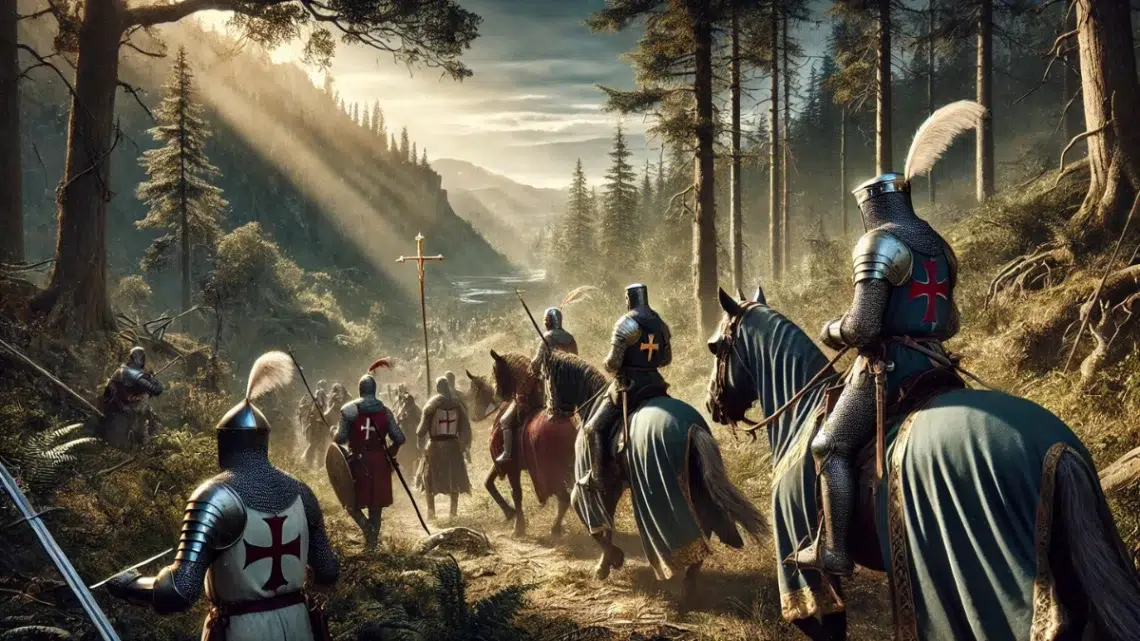
Step into the world of King Arthur’s Knights, where archers were heroes. Their skills in archery were key in many quests. These stories show the bravery and skill of the knights in Arthurian legends.
They tell of heroic battles and daring adventures. The bow and arrow were more than just a weapon. They were a royal art in King Arthur’s court.
Introduction to Archery in Camelot and the Knights of King Arthur

Archery, the skill of using a bow to shoot arrows, was used to hunt for food, fight in battles, and show off in competitions. It requires patience, steady hands, and a sharp eye. Archery was an important skill for King Arthur’s knights. They were brave warriors who defended their kingdom and stood for justice.
King Arthur, the legendary king, leads a group of knights called the Knights of the Round Table. These knights works together to protect their land and help others. They follow rules of bravery, kindness, and loyalty. Some of their most famous stories include magical adventures, battles with enemies, and daring rescues.
In these tales, knights often rely on their bows and arrows to solve problems and defeat foes. Archery was more than a tool; it is a symbol of courage, skill, and determination.
Famous Knights of King Arthur
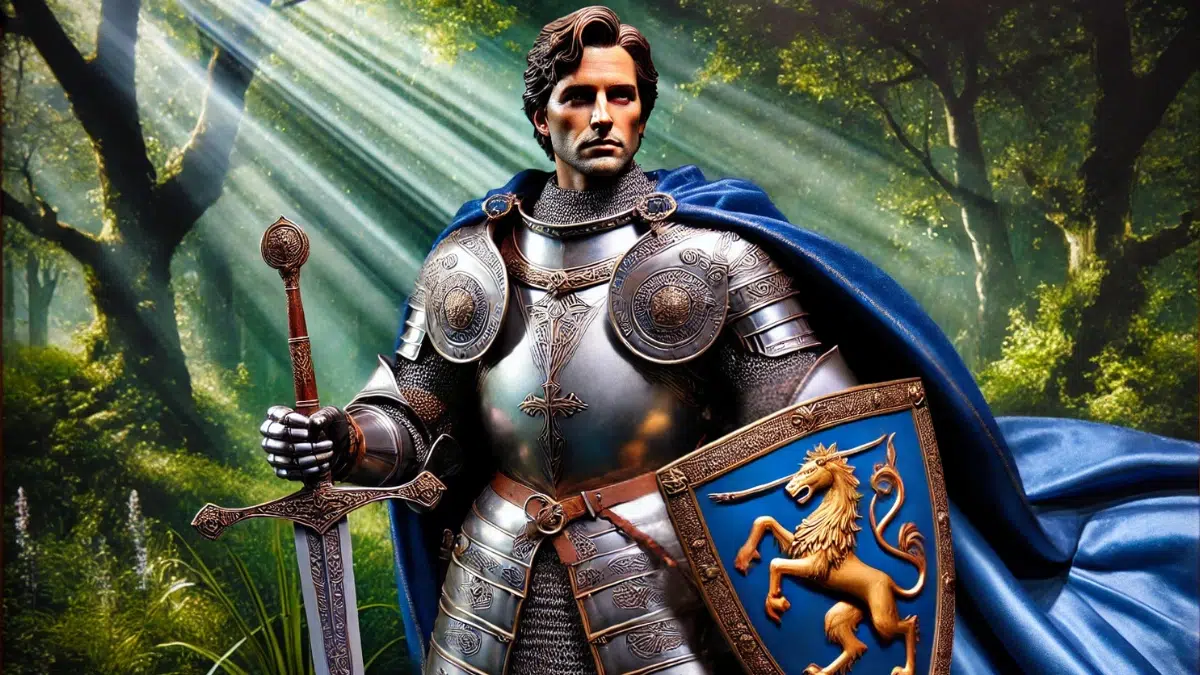
In Camelot’s grand halls, Arthurian knights were known for more than just their swords. They were also legendary archers. Their stories of heroic archery feats have lived on, showing their skill and courage.
The number of knights in King Arthur’s stories changes depending on the legend. Some tales mention 12 knights, while others include up to 150 knights sitting at the famous Round Table. The idea of the Round Table was that all knights were equal, with no one sitting at the “head” of the table.
Sir Lancelot
Sir Lancelot, the most famous of King Arthur’s knights, was known for his unmatched bravery and skill. While he excelled in sword fighting, his archery skills were equally impressive. Stories describe him using his bow to defend the kingdom against invaders and protect those in need. His sharp eye and steady hands made him a reliable archer in battles and quests. Lancelot’s archery symbolized his ability to stay calm under pressure and adapt to any challenge. He often used these skills to outsmart enemies and ensure victory for Camelot.
Sir Tristan
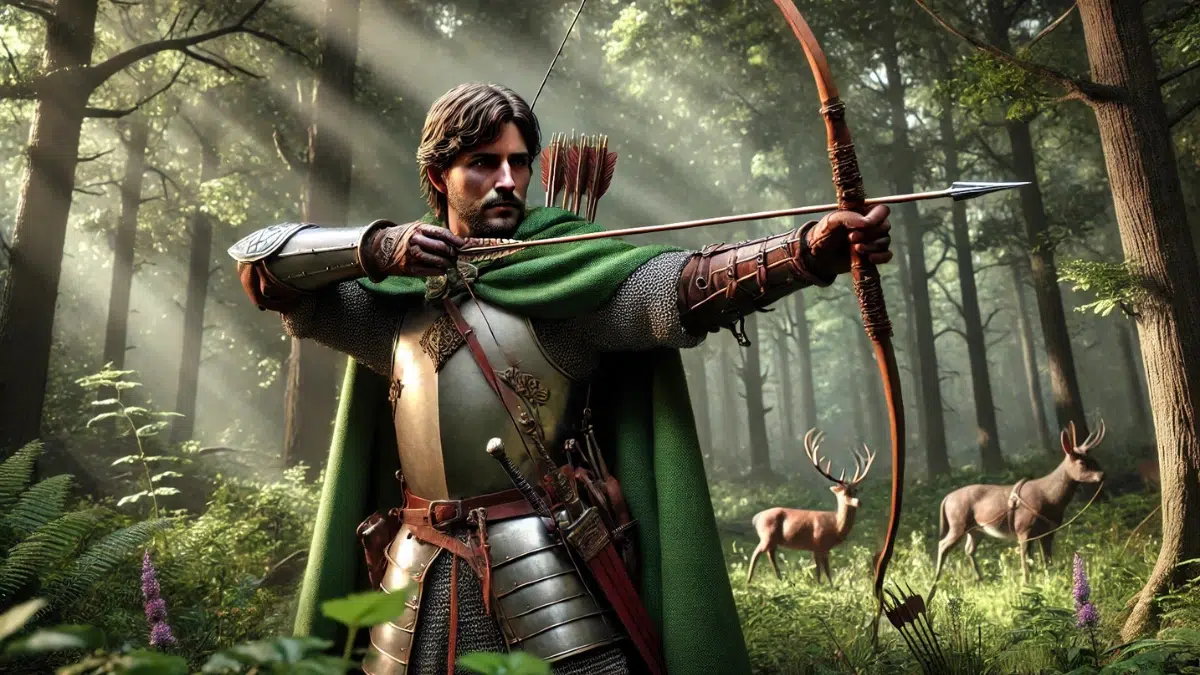
Sir Tristan, one of the bravest knights, had incredible archery skills thanks to his time in the forests. He used his bow to hunt animals for food and defend himself from attackers. His aim was so precise that some stories describe him shooting arrows to disarm his foes without hurting them. Archery also helped him protect Isolde, the love of his life, during their dangerous adventures. Tristan’s skill with a bow showed his ability to think quickly and adapt to challenges.
Sir Gawain
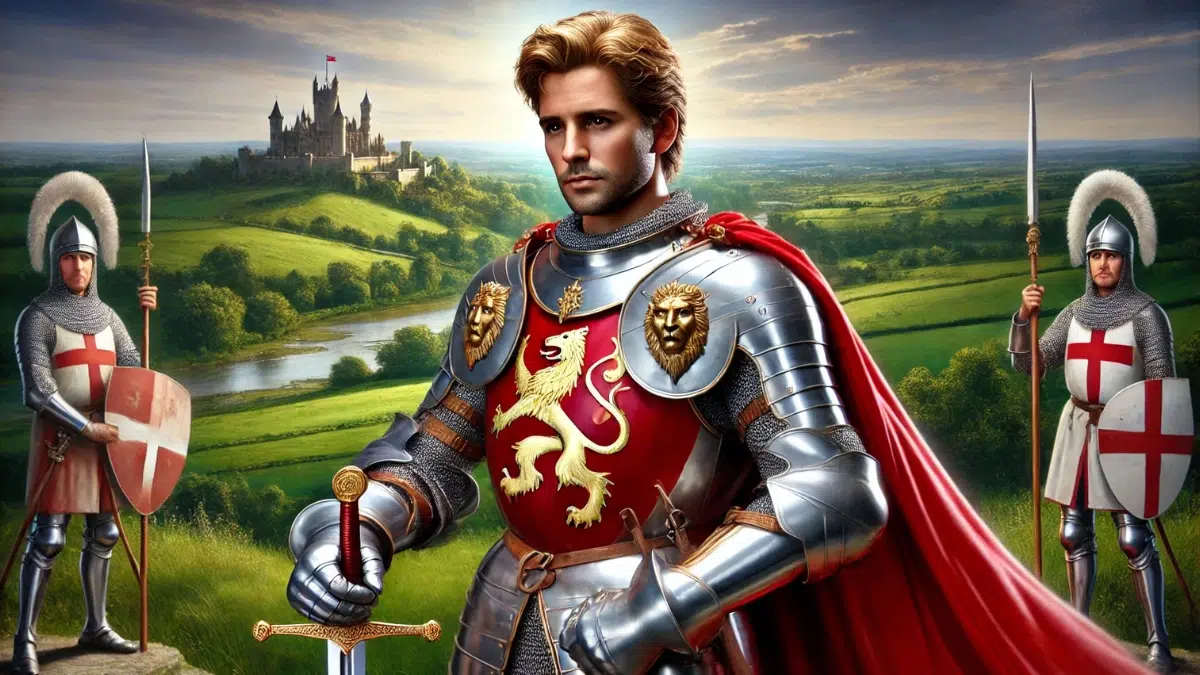
Sir Gawain, the noble and loyal knight, focused more on swordsmanship but still had decent archery skills. He practiced shooting to improve his hunting abilities, which helped feed the knights during long quests. Gawain’s strong sense of justice meant he always used his bow to protect the innocent and stop evil forces. Although not as famous for his archery as others, his steady hand and focus made him reliable in battle. Gawain valued archery as an important skill for any knight.
Sir Percival
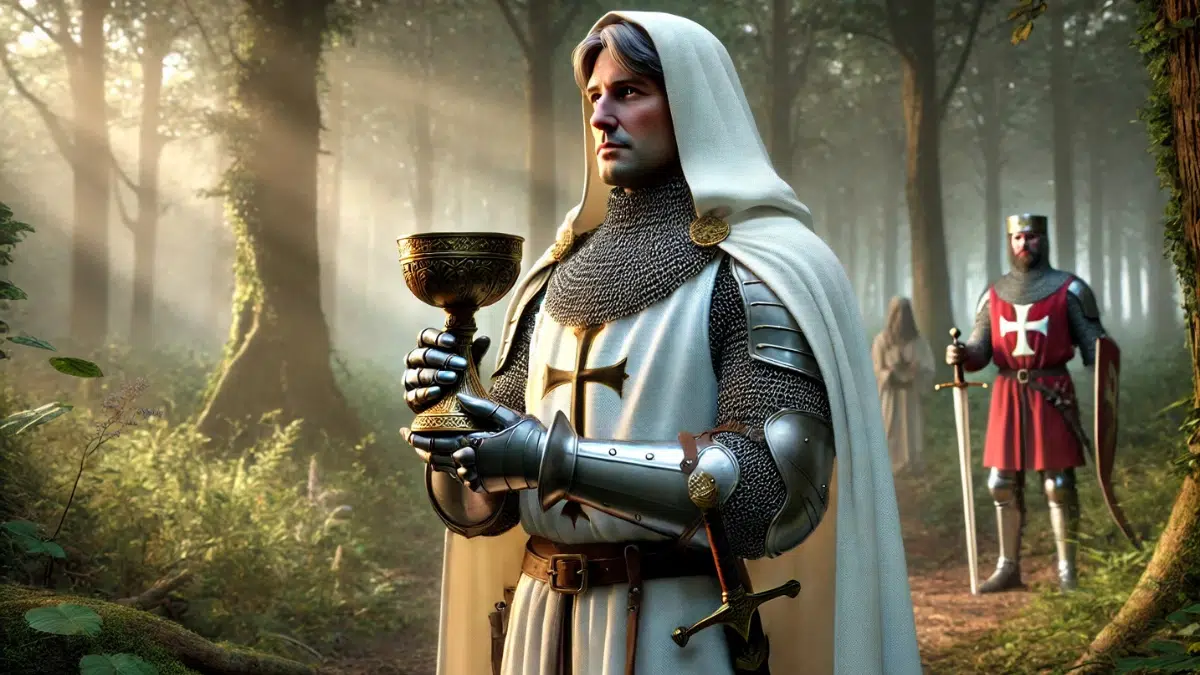
Sir Percival, one of the knights who searched for the Holy Grail, relied on archery for survival. His quests took him through dangerous forests and mountains, where he needed to hunt for food. Percival’s bow helped him stay safe and fend off wild animals or enemies. His determination to learn archery showed his adaptability and courage. Though he wasn’t the strongest archer, his willingness to practice made him a skilled hunter and protector. Percival’s journey highlighted how important archery was during long, difficult quests.
Sir Bedivere
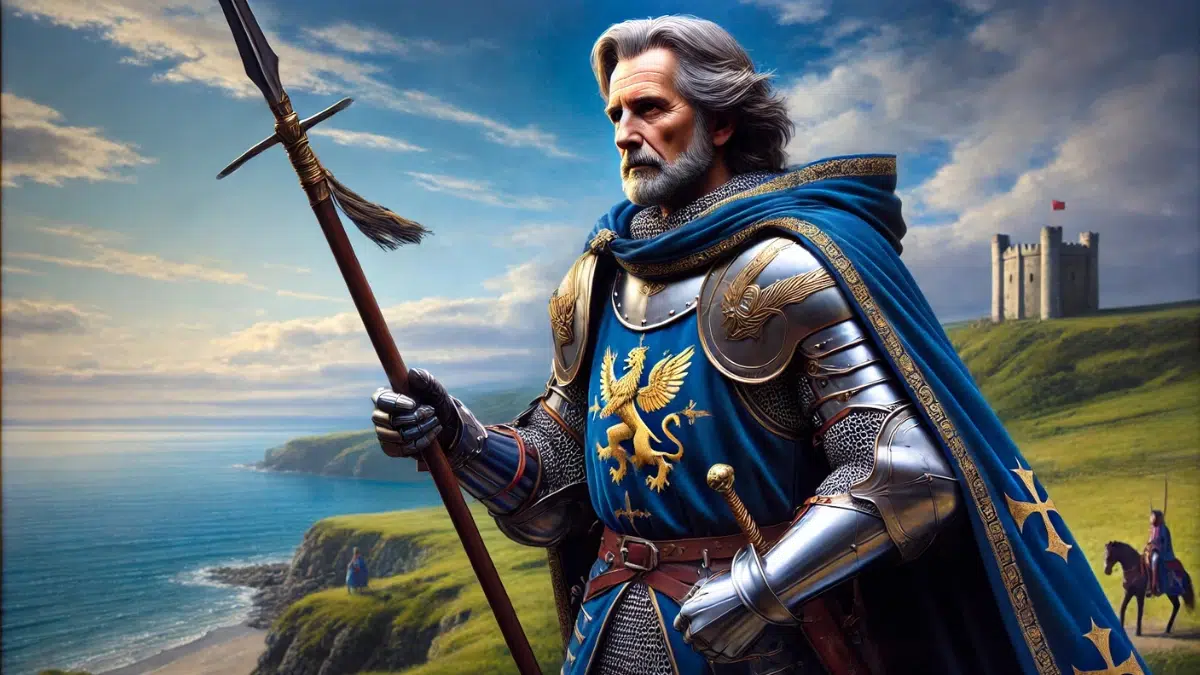
Sir Bedivere was one of King Arthur’s most loyal knights, known for his intelligence and sharp eyesight. He used archery to defend Camelot from attackers and protect King Arthur during battles. Legends describe him as a calm and steady archer, able to hit moving targets with precision. Bedivere’s bow was not just a weapon—it was a tool for safeguarding the kingdom. His dedication to practicing archery made him a valuable knight, ready to step in when his skills were most needed.
Robin Hood
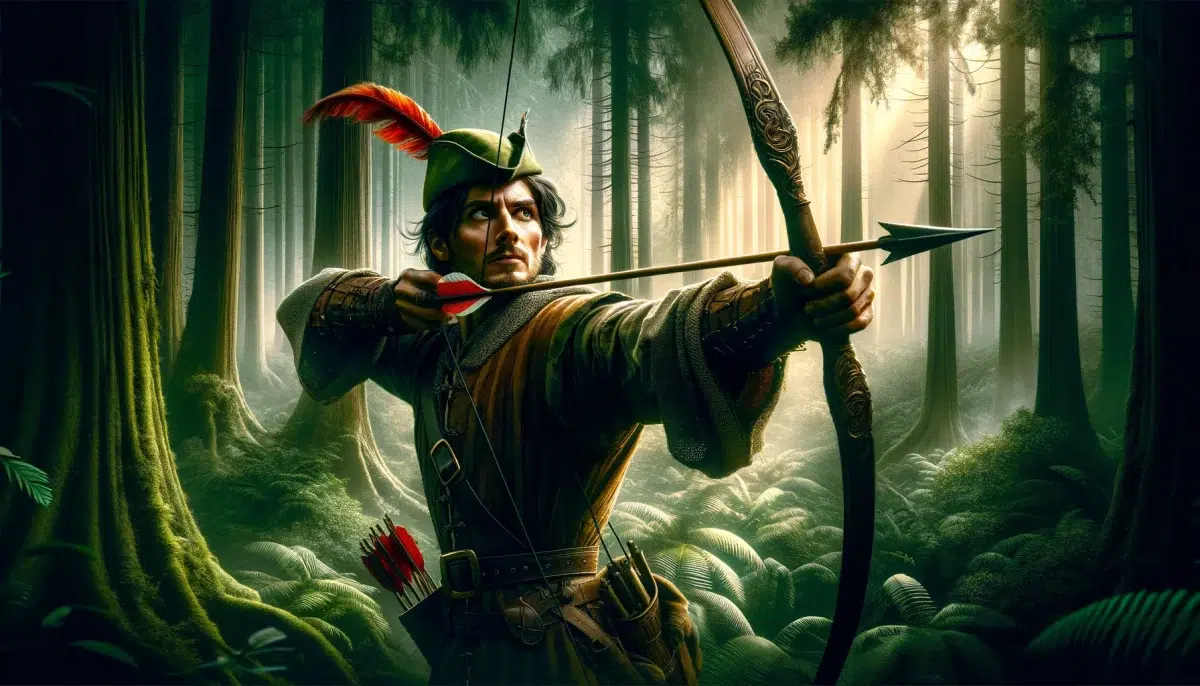
From stories like “Le Morte d’Arthur,” we see these archers as unmatched in their skills.
Stories of heroic archery feats also tell of lesser-known knights.
These legends connect to real-life archers, showing us the archetypal archer. They represent precision, bravery, and honor. Their stories enrich our view of archery and its values.
Popular Tales Involving King Arthur’s Knights
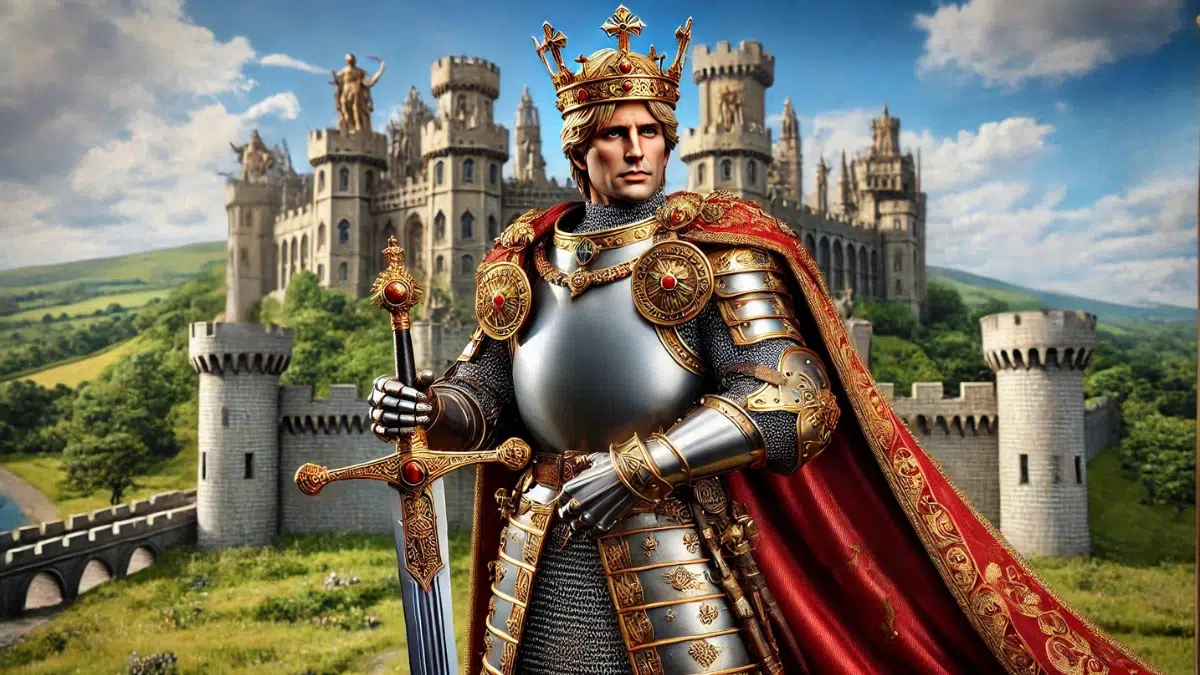
Archery moments are crucial in stories like Sir Gawain’s quest or the hunt for the White Stag. These scenes often symbolize the hero’s inner battles and moral choices. They mix personal growth with romance, making the stories more engaging.
Knightly archery has always been key in Arthurian stories. They face tough enemies and challenging trials, showing their bravery and skill.
Sir Gawain and the Green Knight
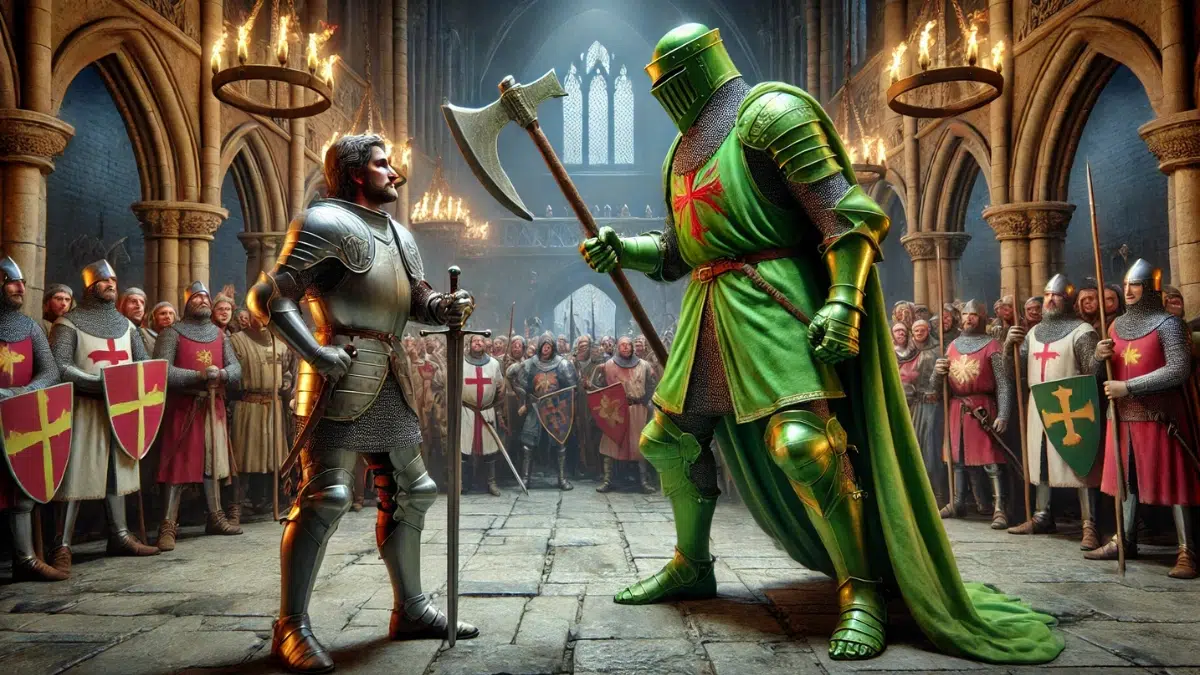
This famous tale follows Sir Gawain as he accepts a challenge from a mysterious Green Knight. Although it focuses on Gawain’s bravery and honour, archery plays a small role when knights use bows during hunts and challenges.
Sir Gawain faces a strange challenge from a mysterious Green Knight. The Green Knight dares anyone to strike him with an axe, but the person must accept a return blow one year later. Gawain bravely accepts and shows his loyalty to King Arthur. He travels far to keep his promise, facing dangerous tests along the way.
The Green Knight secretly tests Gawain’s honesty and courage. Gawain learns that bravery also means staying true to yourself. This story shows how even knights make mistakes but grow stronger through challenges. It teaches courage, honour, and the value of keeping promises.
The Quest for the Holy Grail
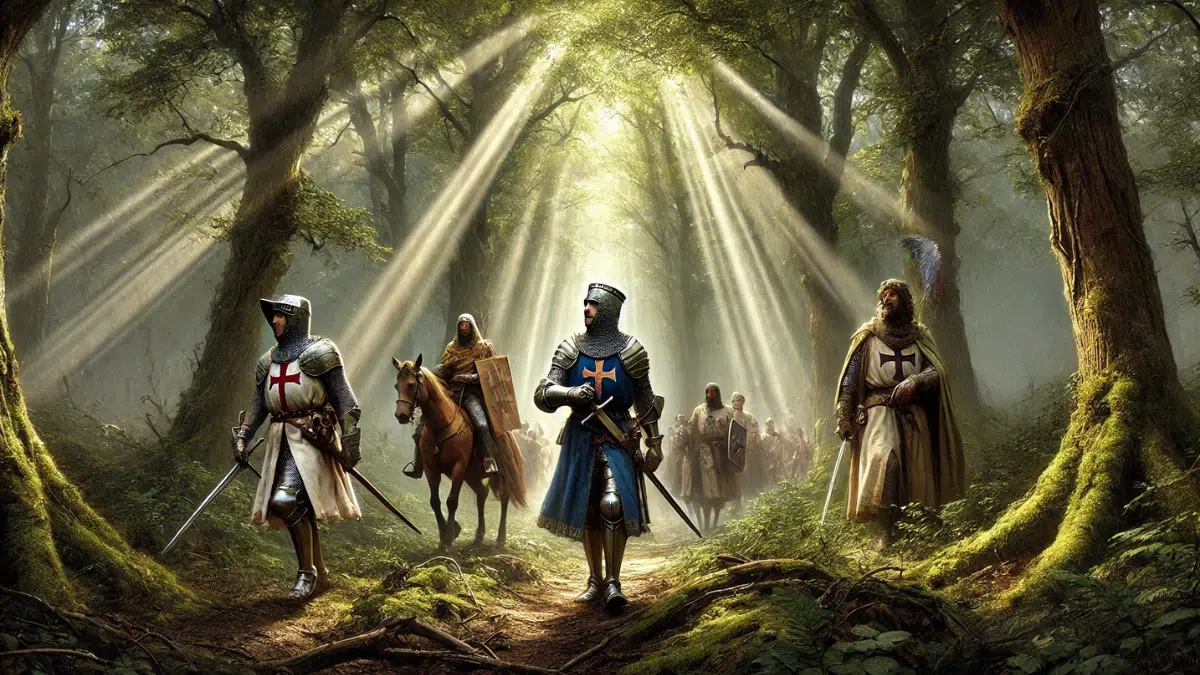
Many knights, including Sir Percival, Sir Galahad, and Sir Bors, embark on a quest to find the Holy Grail. During their journey, they use archery for hunting and survival in the wild.
The Holy Grail is a magical cup said to bring eternal life. King Arthur’s knights, including Sir Percival and Sir Galahad, search for it. They travel through forests, mountains, and dangerous lands, facing many tests of courage and honesty.
The knights rely on their skills, including archery, to survive and protect themselves. Sir Galahad, known for his pure heart, comes closest to finding the Grail. This quest challenges the knights to stay brave and loyal. The story teaches the importance of doing good, helping others, and staying true to your mission, even when it seems impossible.
Tristan and Isolde
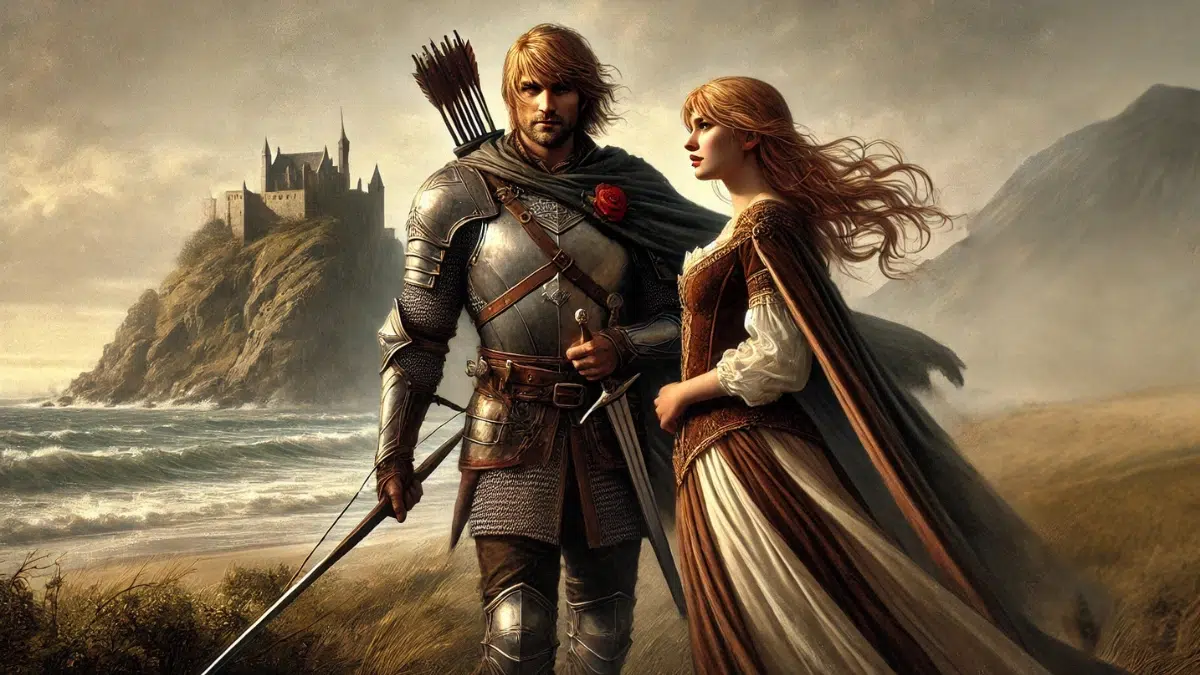
Sir Tristan’s love story involves thrilling adventures, including escapes and battles. His archery skills often save him and Isolde from danger, making him a resourceful and romantic hero.
Tristan, a brave knight, falls in love with Isolde, a princess promised to another man. Their love faces many dangers and challenges. Tristan protects Isolde using his archery and sword skills during battles and escapes. They share a magical bond, but their love creates conflicts with others.
Despite the dangers, Tristan shows loyalty, courage, and cleverness. His archery helps him hunt for food and defend against enemies during their adventures. The story of Tristan and Isolde shows how love, bravery, and determination guide them through hard times. It reminds us that love can inspire courage and strength.
Lancelot and the Lady of Shalott
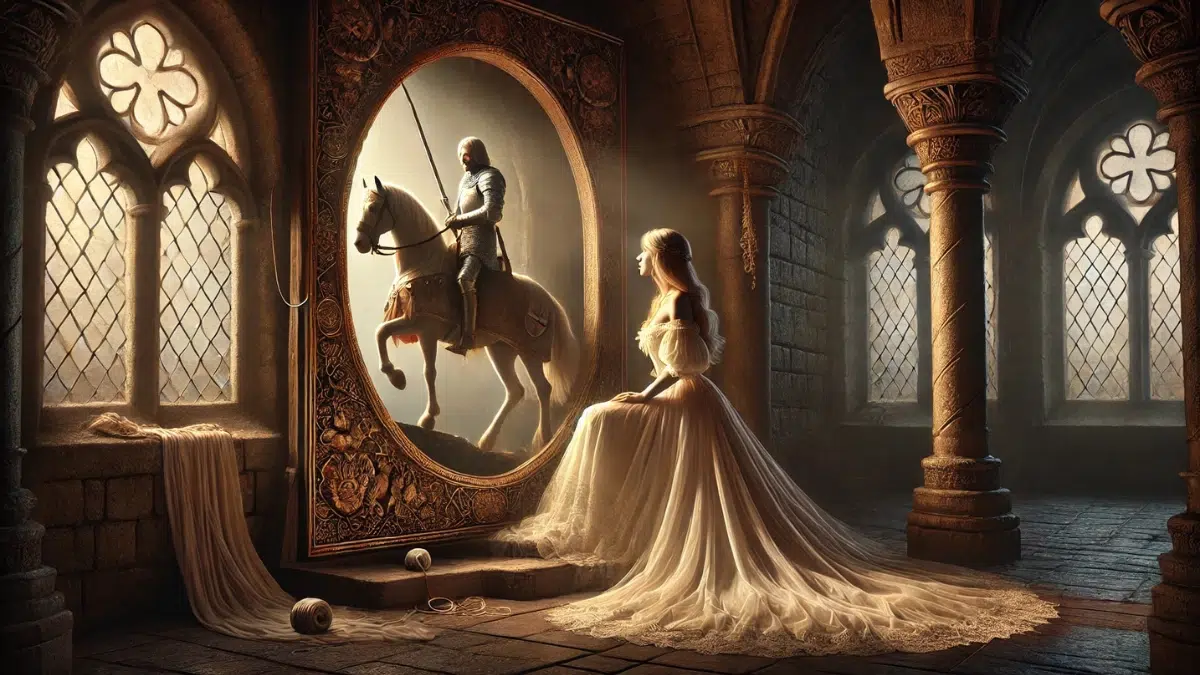
While primarily a love story, some versions mention Sir Lancelot using his bow to defend himself or others during his travels.
The Lady of Shalott lives in a tower under a magical curse. She cannot look directly at the outside world. One day, she sees Sir Lancelot through a mirror and falls in love with him. She risks breaking the curse to leave her tower and find him.
Lancelot, a brave and kind knight, inspires her courage. Sadly, the curse takes her life before they can meet. Lancelot finds her later and honours her bravery. This story shows how love and courage can lead to bold choices, even when the risks seem too great. It inspires us to follow our hearts.
The Rescue of Guinevere
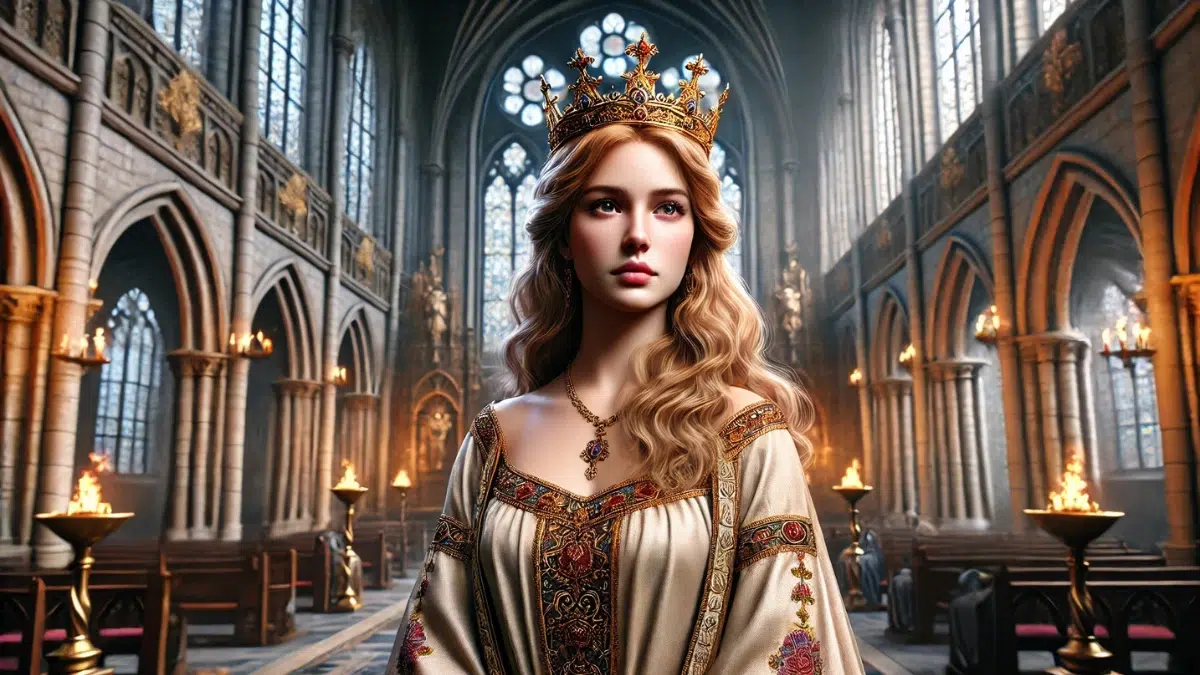
In this tale, knights like Lancelot use their strength and skills to rescue Queen Guinevere. Archery often plays a supporting role in battles or when fending off enemies from a distance.
Guinevere, King Arthur’s queen, faces danger when enemies capture her. Sir Lancelot, the bravest knight, sets out to save her. He uses his archery skills to defeat guards and clears the way.
Lancelot stays calm, focused, and determined throughout the dangerous mission. With courage and clever strategies, he fights off enemies and rescues Guinevere from her captors. This story highlights Lancelot’s loyalty to King Arthur and his queen.
It teaches the importance of bravery and doing the right thing, even when the task seems difficult. Lancelot’s heroic rescue makes him one of the most admired knights of the Round Table.
The Tournament of Camelot
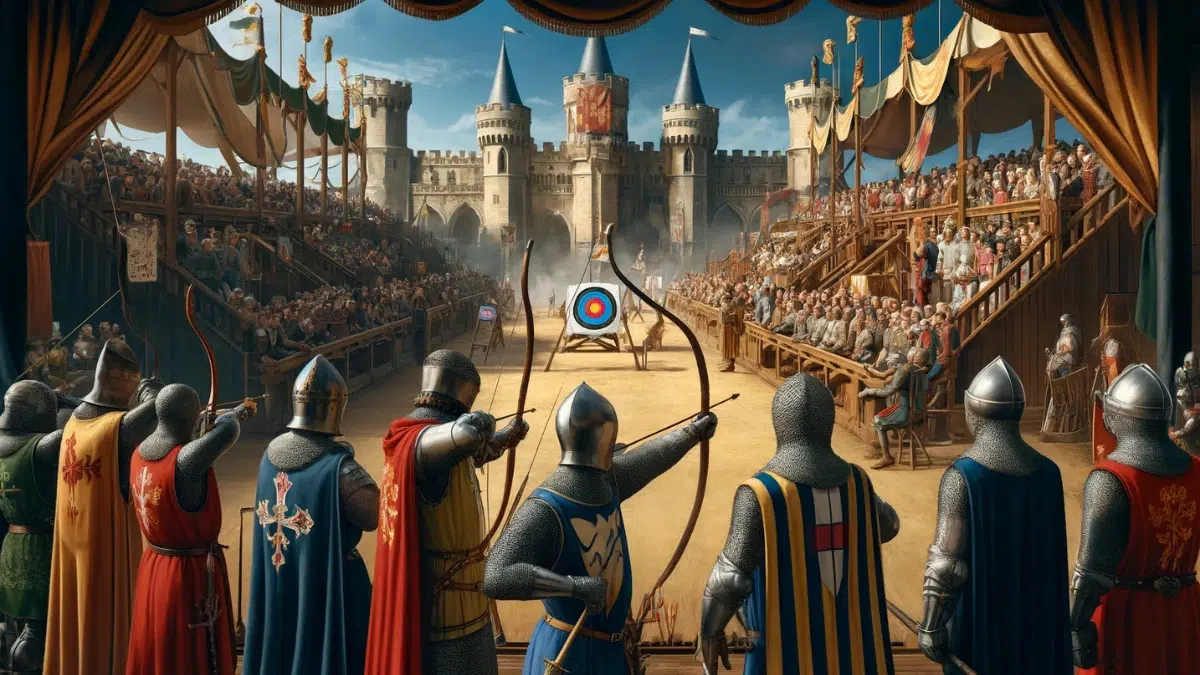
Knights compete in tournaments to prove their skill and bravery. Archery contests are a highlight, showcasing the precision and focus of knights like Sir Lancelot and Sir Bedivere.
The Tournament of Camelot brings knights together to show their skills in jousting, sword fighting, and archery. Sir Lancelot joins to prove his bravery and skill. He competes in the archery contest, hitting targets with perfect precision. His calm focus and quick reflexes impress everyone watching.
Lancelot wins battles with both strength and clever strategies. He uses the tournament to inspire others and remind them of the importance of honour and fairness. This event shows Lancelot’s unmatched abilities as a knight. It teaches us how practice, courage, and focus help achieve success, even in the toughest competitions.
The Hunting of the White Stag
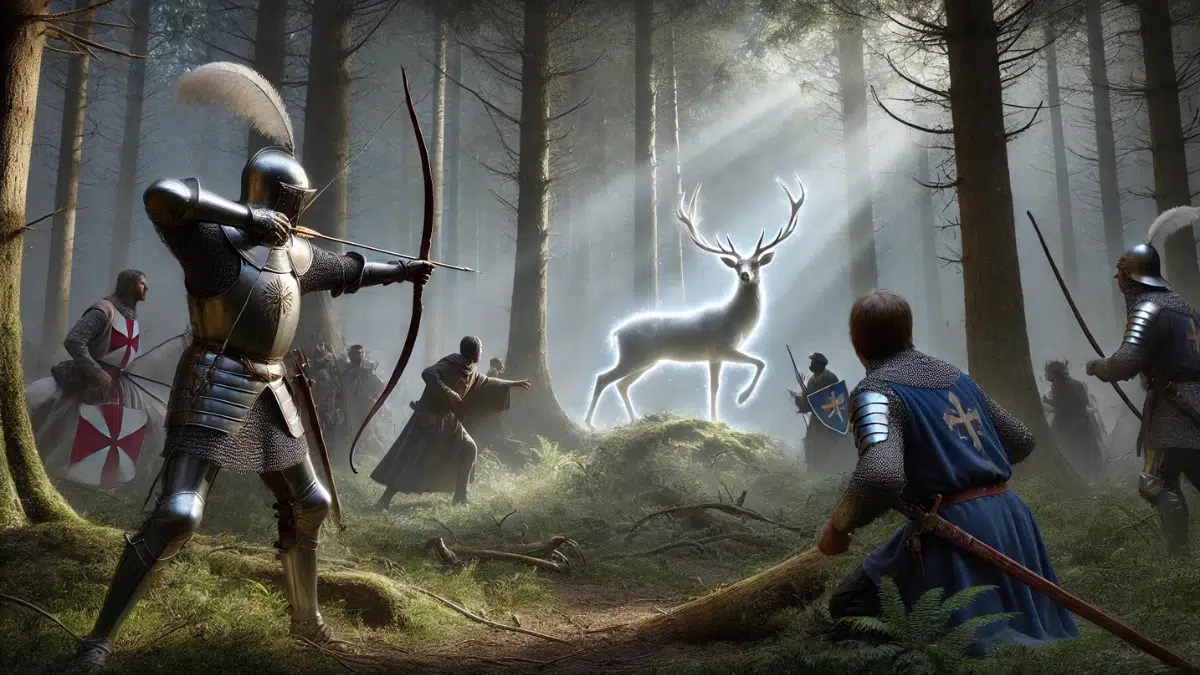
This magical story involves King Arthur and his knights chasing a mystical white stag. Archery becomes essential as they try to capture the elusive creature.
King Arthur sends his knights to hunt a magical white stag, a symbol of peace and purity. Sir Lancelot leads the hunt, using his archery skills to track the elusive animal. The stag moves quickly through forests, testing the knights’ patience and focus.
Lancelot shows calmness and precision, ensuring the hunt stays respectful and fair. He avoids harming the stag, understanding its importance as a magical creature.
The story highlights Lancelot’s wisdom and self-control. It teaches us to balance skill with kindness and respect for nature, even during challenging quests. Lancelot proves that true strength lies in compassion.
These stories highlight bravery, loyalty, and skill, with archery adding excitement and challenge to their adventures!
Mythical Bows and Arrows of King Arthur’s Knights
Arthurian legends are rich with tales of magical weapons and tools, like King Arthur’s sword Excalibur and Merlin’s enchanted staff. While the stories focus on swords, lances, and shields, it’s easy to imagine the knights of the Round Table wielding magical bows and arrows. These weapons could symbolize the same courage, loyalty, and justice that define the knights themselves.
These magical archery tools were more than just for fighting. They showed the bravery and goodness of the knights. For example:
- The Bow of Belgarion: It was said to hit its mark as surely as Excalibur defeated enemies.
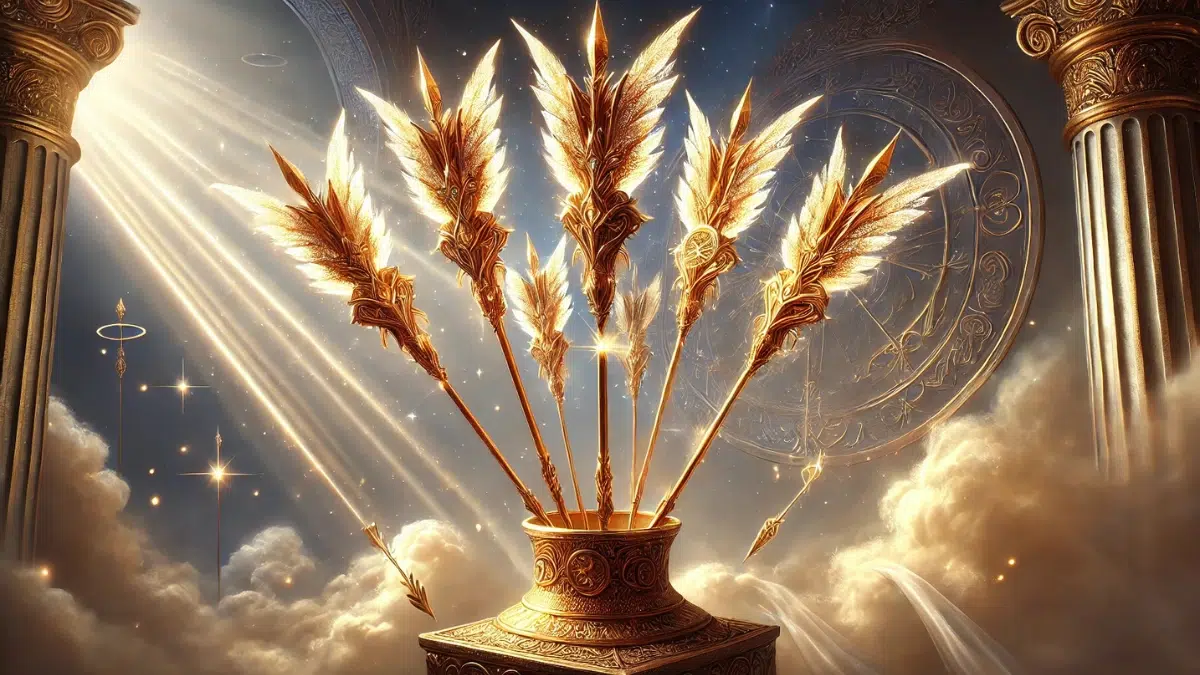
- Arrows of the Seraphim: Legends say they came from heaven and never missed, striking with the power of gods.
- Dryadwood Bow: Made from sacred trees, it used nature’s power to make the archer better.
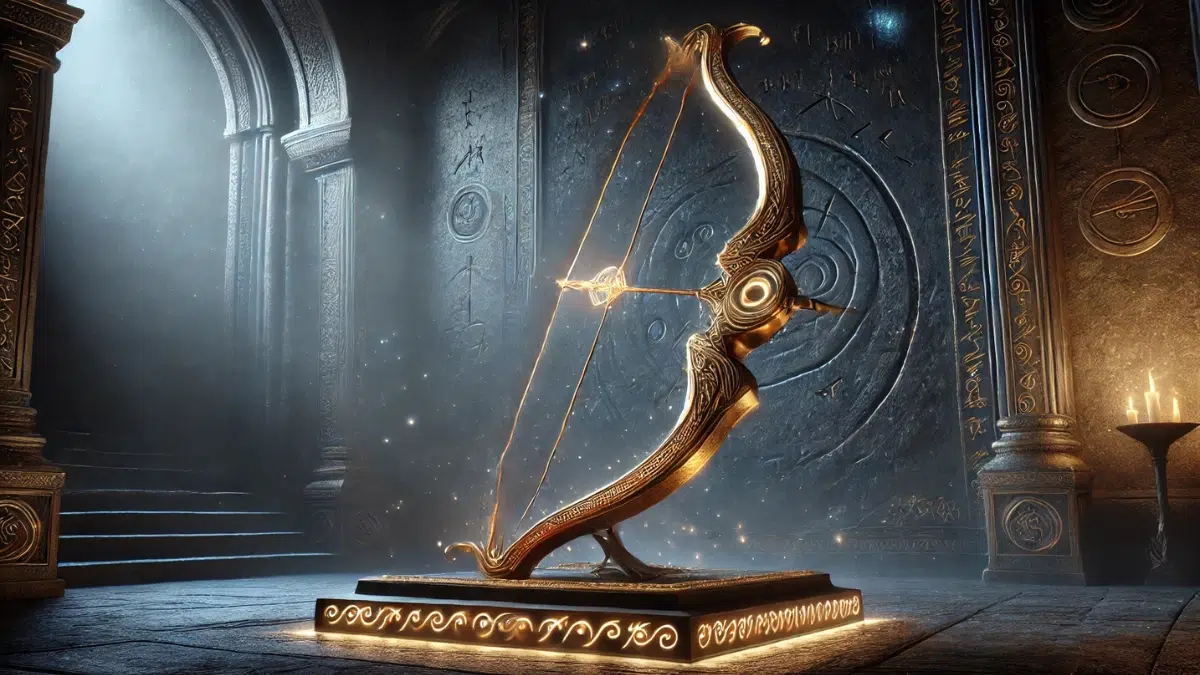
Imagine the Bow of Belgarion, said to hit its mark with the same certainty as Excalibur defeating evil. This bow, gifted by a mysterious sorcerer, would allow its wielder to protect Camelot from far away, striking down threats before they could harm the kingdom.
The Arrows of the Seraphim
The Arrows of the Seraphim could add an even more divine touch to these legends. Forged in the heavens, these arrows would never miss, carrying the power of gods to punish those who seek to destroy peace. A knight armed with such arrows could guard sacred lands or protect those who cannot defend themselves.
Dryadwood Bow
Another possibility is the Dryadwood Bow, crafted from sacred trees imbued with nature’s power. This bow could amplify the archer’s skills, giving them strength, precision, and focus. A knight using this bow would honour the balance of nature, showing respect for the world they fight to protect.
While these magical bows and arrows do not appear in original Arthurian legends, they fit perfectly into the imaginative world of Camelot. They could represent qualities like patience, wisdom, and harmony with nature—important values for a knight. Adding these weapons to Arthurian tales creates even more exciting stories, where archery becomes not just a tool of survival, but a symbol of the knights’ heroic spirits.
Conclusion
Archery tales from King Arthur’s knights show how history, myth, and culture blend together. These stories have deeply influenced our culture, mixing historical archery with Camelot’s mythical world. The knights’ adventures, from epic battles to archery skills, still inspire and captivate us.
The Knights of King Arthur are part of Arthurian legend. Most depictions of King Arthur and his knights place them in the early medieval period, the 5th and 6th centuries.
Arthurian tales were popularized much later, during the 12th to 15th centuries. Medieval writers like Geoffrey of Monmouth, Chrétien de Troyes, and Sir Thomas Malory added the ideals of knighthood that reflect the High to Late Middle Ages.
These stories are alive and not just old tales. They shape our culture now, affecting stories in literature, media, and even modern archery. The legacy of archery in Arthurian legends keeps showing the lasting power of bravery and heroism. It makes sure these stories stay alive for future generations.