Takemikazuchi: The Thunder God Who Conquered Japan
Who Is Takemikazuchi?
Takemikazuchi is not just a thunder god. He is the warrior who brought heaven’s authority to earth.
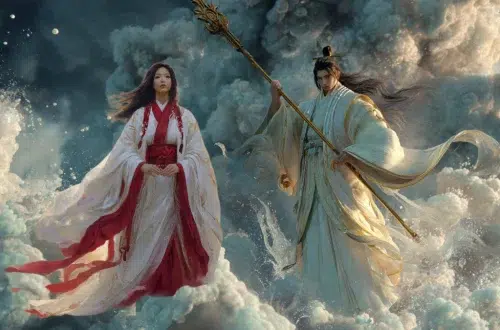
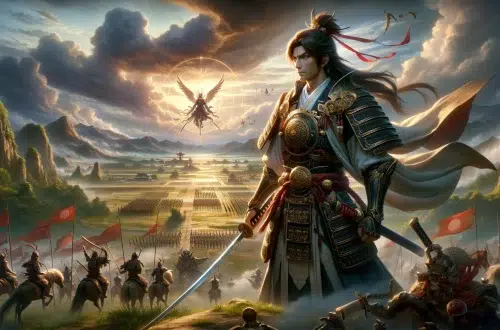
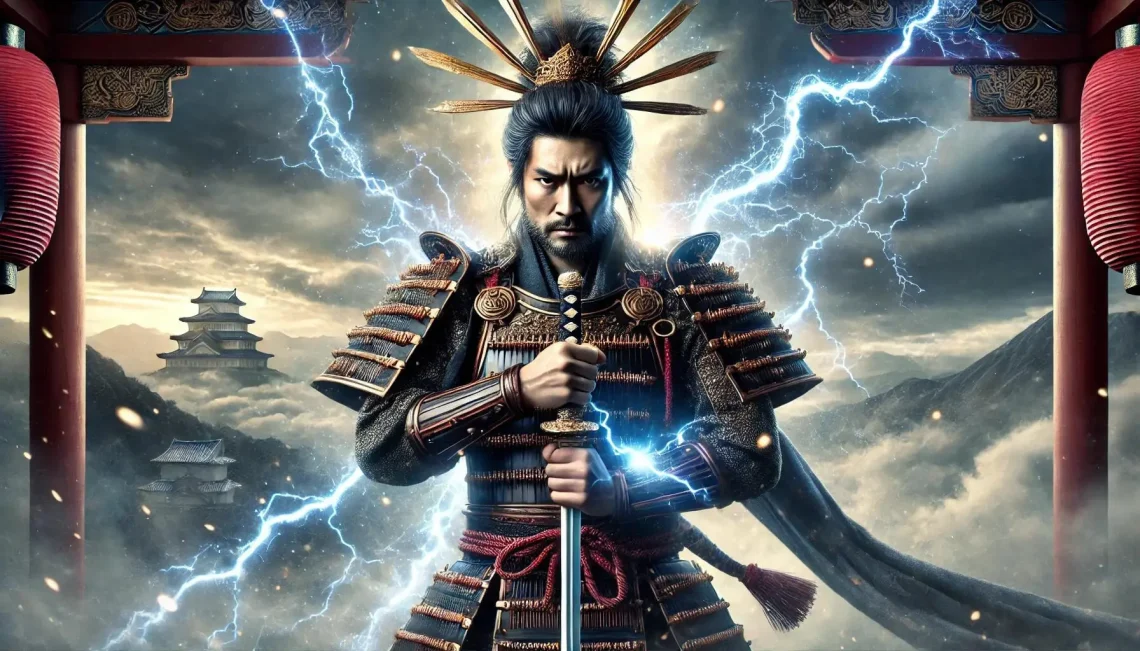
In Japanese mythology, Takemikazuchi descends from the High Plain of Heaven to subdue rival deities and secure the land for the imperial line. Armed with divine power and unmatched skill, he becomes both a thunder god and a god of martial arts.
He is feared for his strength.
Respected for his discipline.And remembered as one of the key enforcers of heavenly rule in Shinto belief.
Frequently Asked Questions About Takemikazuchi
Is Takemikazuchi a thunder god?
Yes. Takemikazuchi is associated with thunder and lightning in Shinto mythology. His power is linked to storms and divine force.
Is Takemikazuchi a war god?
Yes. He is considered a warrior deity and protector of Japan. He plays a key role in myths involving conquest and divine authority.
What sword has an association with Takemikazuchi?
He has links to the sacred sword Futsu-no-Mitama. The sword represents divine power and authority.
Is Takemikazuchi worshipped today?
Yes. He is still worshipped at major Shinto shrines, including Kashima Shrine in Japan.
Is Takemikazuchi connected to martial arts?
Yes. He is regarded as a patron of martial arts and warrior discipline, especially in traditional Japanese sword schools.
The Origins in the Kojiki and Nihon Shoki
Takemikazuchi’s story comes from old Japanese texts like the “Kojiki” and “Nihon Shoki.” These stories tell us how this powerful thunder god came to be.
Takemikazuchi’s dramatic origin is in the “Kojiki” and “Nihon Shoki,” two of Japan’s oldest chronicles. They say Takemikazuchi was born from Izanagi, a mighty god who helped create many other deities.
He was born from the blood of the fire deity Kagu-tsuchi, which was spilled when Izanagi decapitated Kagu-tsuchi with the Totsuka-no-Tsurugi sword. This event underscores Takemikazuchi’s association with swords and his role in justice and divine retribution.
He is seen as a brave warrior who tamed the land for humans. With his divine family, he made Japan a place of peace and plenty. He used a powerful sword to defeat evil spirits, bringing calm to the Earth.
His story tells us about his lasting impact and key role in Japanese myths. Takemikazuchi is known for his bravery and divine power. These traits show his big role in Japanese faith and culture.
Learning about Takemikazuchi helps us understand ancient Japan’s culture and beliefs. His stories are deep and meaningful. They have greatly influenced Japanese spirituality and history over time.
Takemikazuchi and Archery
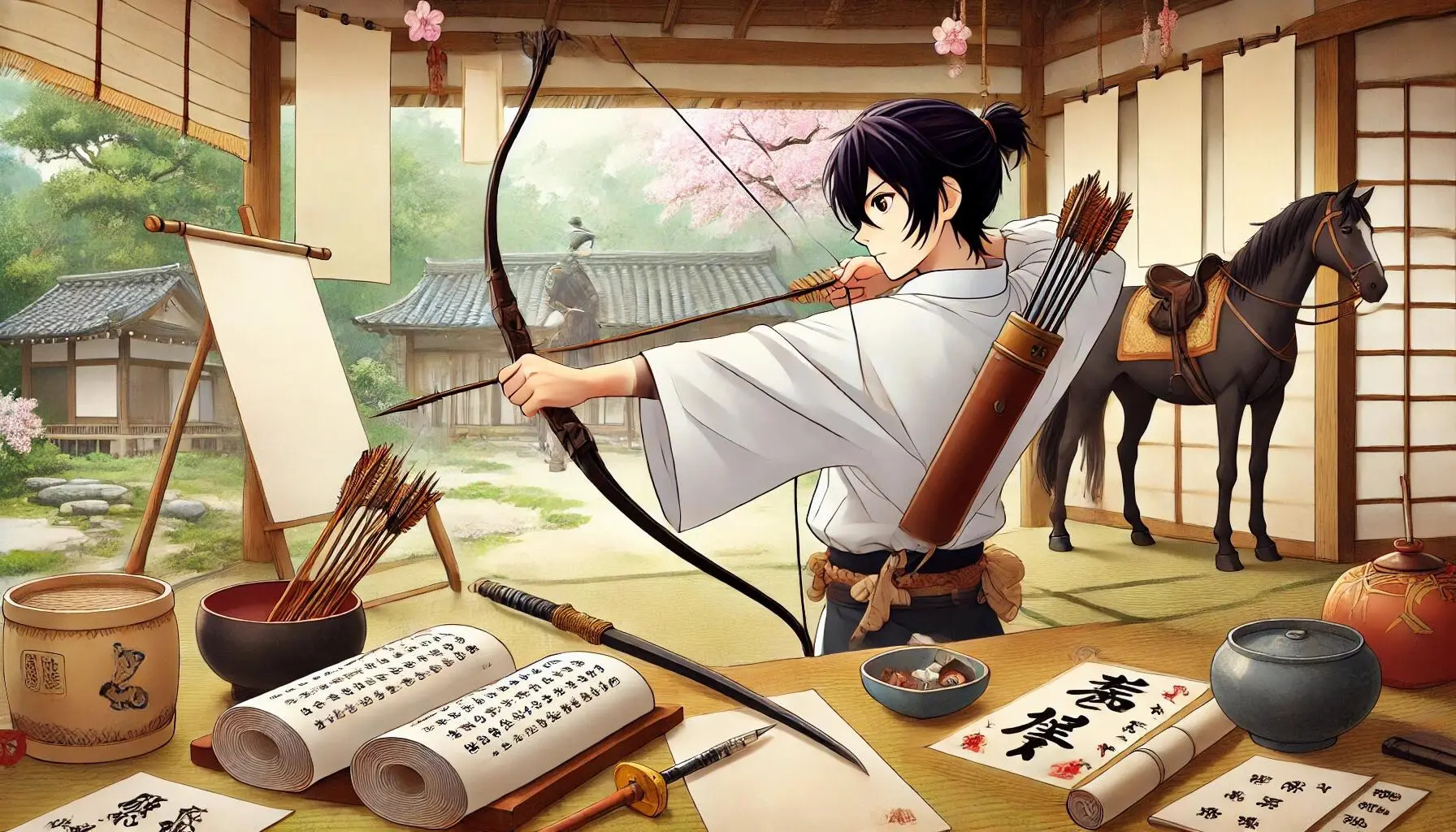
In the Noragami series, a modern take on Japanese deities, Takemikazuchi spends his childhood learning many skills, including archery. This portrayal shows archery as part of his early training, along with poetry, literature, calligraphy, and horseback riding.
While this depiction is fictional, it reflects the cultural idea that deities often excel in many martial and artistic disciplines.
The Role of Takemikazuchi in Japanese Culture
Takemikazuchi is very important in Japan, influencing traditional and modern life. He is celebrated in many Japanese festivals. These festivals feature colourful parades, detailed rituals, and fun re-enactments.
Takemikazuchi worship is common in Japan. Many people follow Shinto practices to honour the thunder god. These practices include purification rites, offerings, and prayers for protection and strength.
Takemikazuchi also impacts Japan’s martial traditions. He is the god of swords and warriors. Martial artists call upon his spirit for courage, perseverance, and smart tactics. His duel with Takeminakata shows his strength and protective nature.
Takemikazuchi’s story and influence show his lasting impact on Japan. He continues to shape the spiritual and cultural life of the country.
Takemikazuchi’s Relationship with Other Shinto Gods
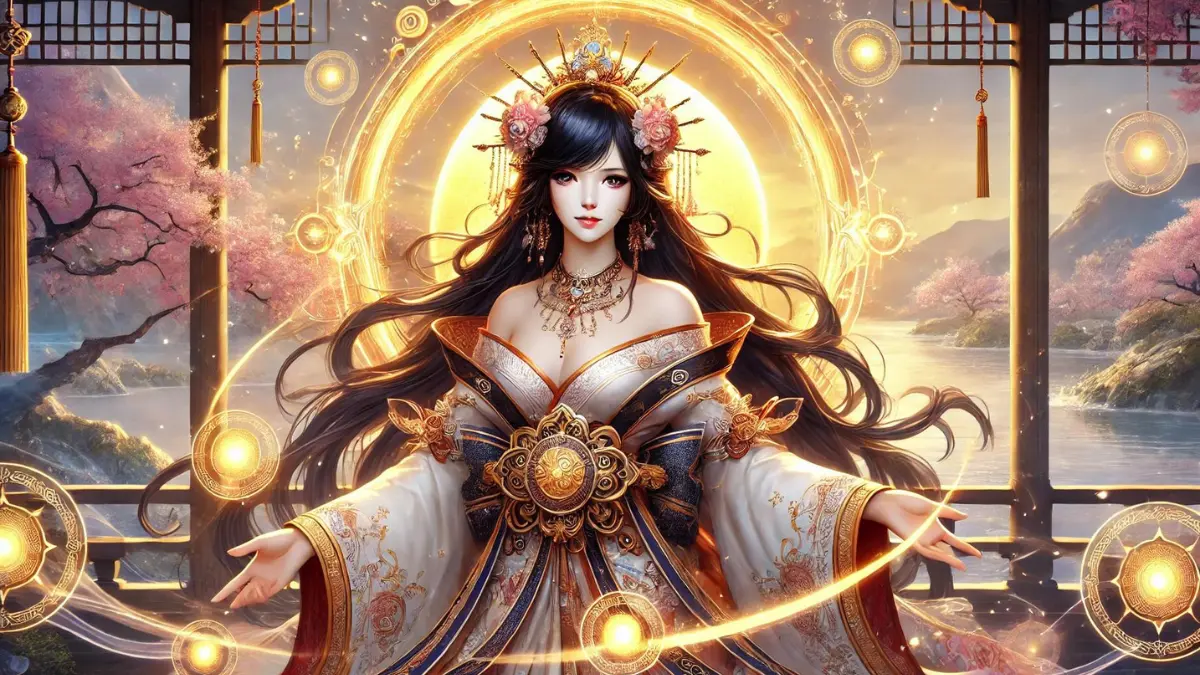
Takemikazuchi is a key figure in Shinto mythology. He has deep connections with other Shinto gods. These ties show us the spiritual order and bonds between deities in Japanese myths. Let’s look at some of these important relationships.
In a famous myth, Takemikazuchi confronts Takeminakata, Ōkuninushi’s son. Takemikazuchi defeats Takeminakata in a test of strength. This defeat leads to Takeminakata’s exile and worship as the chief deity of Suwa Shrine. This story shows Takemikazuchi’s martial prowess and his role in the divine hierarchy.
Takemikazuchi often serves Amaterasu, the sun goddess. He subdues rebellious earthly gods under her authority. This relationship underscores his role as an enforcer of celestial order.
Takemikazuchi often works with Futsunushi, another martial deity. Together, they subjugate earthly deities in the Kuniyuzuri (Transfer of the Land) myth. They demand the surrender of the land from Ōkuninushi and his descendants. This partnership helps establish the heavenly gods’ dominion over Japan.
Takemikazuchi’s relationship with Ōkuninushi is mainly adversarial. In the Kuniyuzuri myth, Takemikazuchi demands the surrender of the land from Ōkuninushi. While Ōkuninushi complies, his son Takeminakata challenges Takemikazuchi. This duel highlights Takemikazuchi’s role in consolidating heavenly authority over earthly realms.
These relationships show Takemikazuchi’s role in Shinto myths. They also highlight the deep traditions that make Japanese spirituality unique.
Other Thunder Gods
While Raijin is often seen as the chief thunder god, Takemikazuchi’s role as a thunder and sword god also stands out. His unique attributes and martial skills set him apart from other thunder deities like Raijin and Tenjin.
Takemikazuchi and Ame-no-Futodama-no-Mikoto work closely on divine tasks. Takemikazuchi also has a connection with Susanoo, the Storm God. They respect each other, showing their divine kinship.
In popular culture, especially in the anime and manga series Noragami, Takemikazuchi has a complex relationship with Yato, another god. This depiction, while fictional, shows Takemikazuchi’s lasting influence in modern stories of Japanese mythology.
Shrines Dedicated to Takemikazuchi
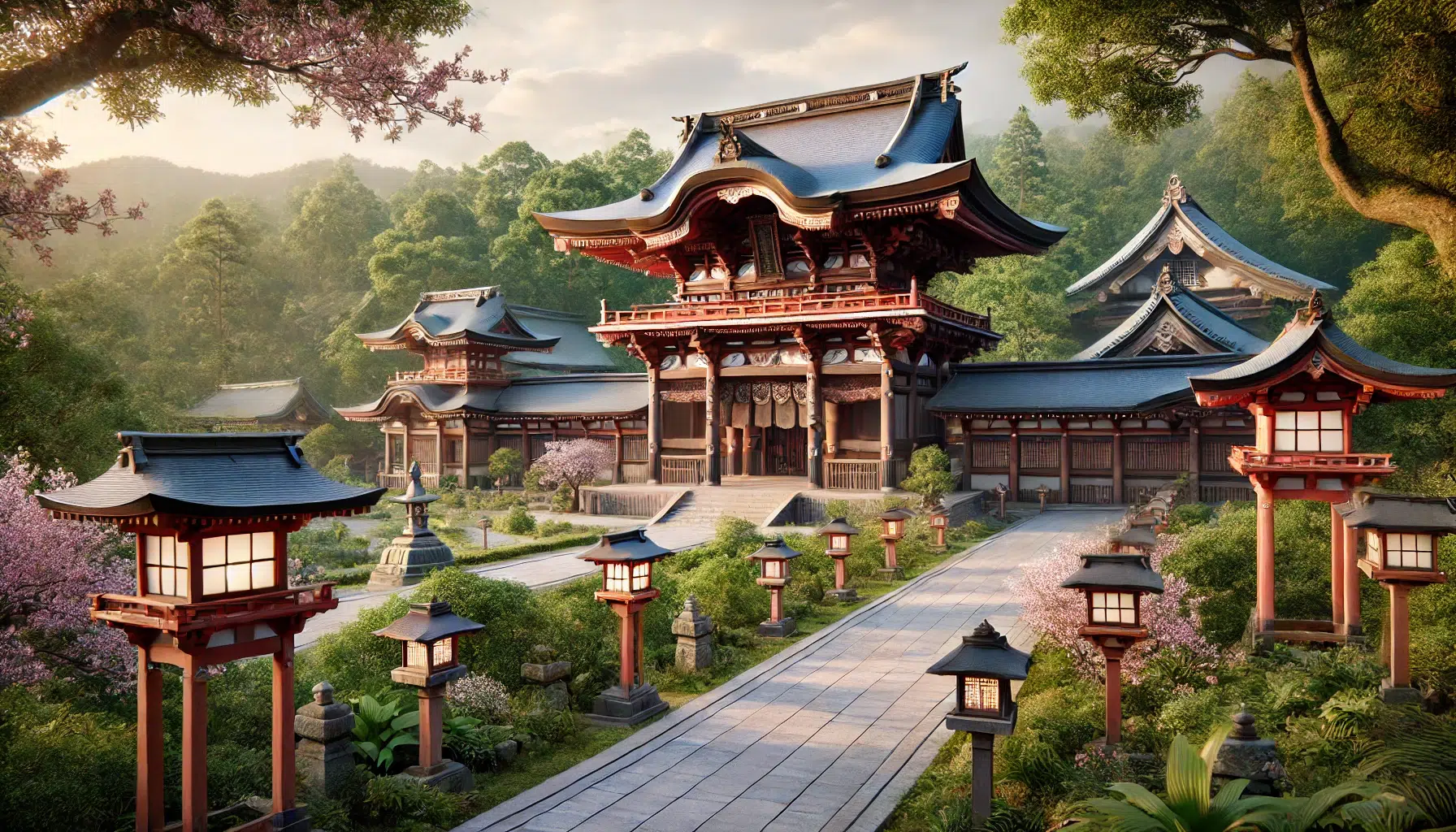
Takemikazuchi shrines are places of great reverence, drawing many visitors and pilgrims.
Kashima Shrine is the most notable. Established in 660 BCE, it holds a prominent place in Japanese religious and cultural history. Founded in Ibaraki Prefecture, Kashima Shrine is one of the oldest and most important Shinto shrines dedicated to Takemikazuchi. It has grand structures like the Romon Gate and the main hall, showing the beauty of traditional Japanese shrine design.
The shrine features several important structures, including the Honden (main sanctuary) and Okumiya, dating back to the early 1600s. Kashima Shrine also hosts the Grand Imperial Ofuna Festival every 12 years, attracting visitors from across Japan.
Katori Shrine, located in Katori, Chiba Prefecture, is another significant shrine. It is dedicated to Futsunushi, a deity closely associated with Takemikazuchi. Both deities are often mentioned together in myths and share similar attributes. Katori Shrine, like Kashima Shrine, holds the prestigious title of Jingū and has a long history of imperial patronage. It is also involved in the Grand Imperial Ofuna Festival, celebrating both deities.
Suwa Shrine, located in Nagano Prefecture, enshrines Takeminakata, the deity defeated by Takemikazuchi according to myth. These shrines serve as places of worship and cultural heritage sites, preserving and celebrating the rich mythology of Takemikazuchi and related deities.
Legendary Stories of Takemikazuchi
The stories of Takemikazuchi offer a peek into Japan’s ancient folklore. The most well-known story is about his fight with Takeminakata. The gods send Takemikazuchi to stop Takeminakata, who didn’t want to listen.
These stories have been told for many years and teach important lessons. They talk about bravery, strength, and using power wisely. Takemikazuchi is seen as a hero who fights for what’s right and upholds justice. These stories reflect the values of traditional Japanese culture.
Myth: Kuniyuzuri (Transfer of the Land)
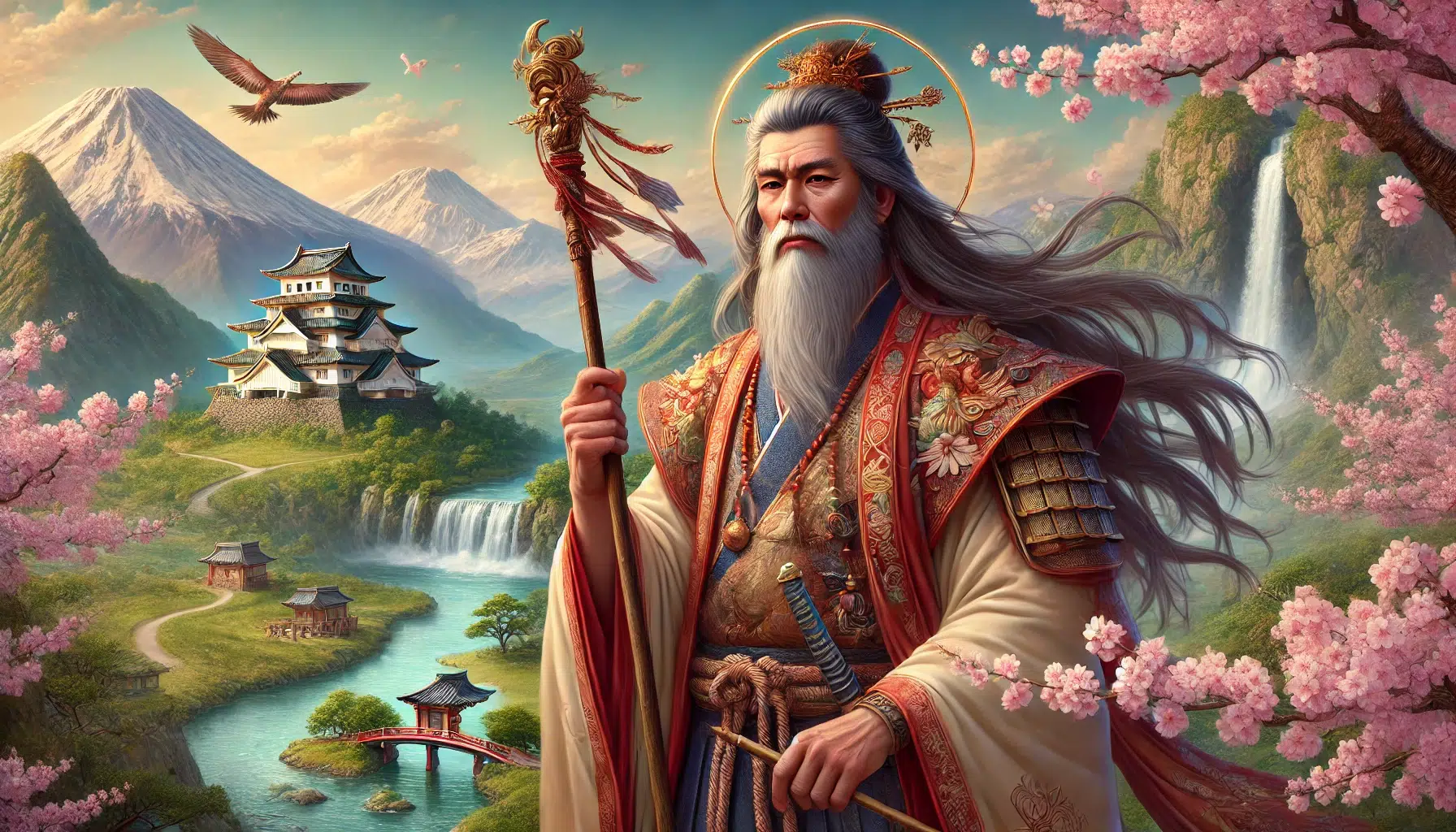
The Kuniyuzuri myth tells how the gods gave the land to humans. The story begins with the heavenly gods deciding who should rule the land. They chose Ninigi, the grandson of the sun goddess Amaterasu, to descend from the heavens.
Ninigi brought three sacred treasures with him: a sword, a mirror, and a jewel. These items showed his divine right to rule. When Ninigi arrived, he meets the earthly gods. These gods have to give up their land to Ninigi. Some agree easily, while others need persuasion.
One god, Okuninushi, first resisted but later stepped down. He helped the transfer by telling his sons to obey Ninigi. The heavenly gods’ plan succeeded. Humans began to live and thrive on the land. This myth explains the divine origin of Japan’s imperial family and their right to rule.
Myth: Birth from the Blood of Kagu-tsuchi
The myth of Kagu-tsuchi tells how new gods were born from his blood. Kagu-tsuchi, the fire god, caused his mother, Izanami, to die during his birth.
Izanagi, his father, became very angry and killed Kagu-tsuchi. As Kagu-tsuchi’s blood fell, it created new gods. Each drop of blood that hit the ground formed a new deity. These gods came from different parts of his body.
For example, gods of mountains, rivers, and valleys appeared. This myth explains the creation of many natural elements in Japan. The gods that came from Kagu-tsuchi’s blood have special powers over nature. They became important figures in Japanese beliefs.
This story shows how life can come from death and destruction. It teaches respect for nature and the gods that control it.
Myth: The Contest of Takemikazuchi and Takeminakata (The First Sumo Wrestling Match)
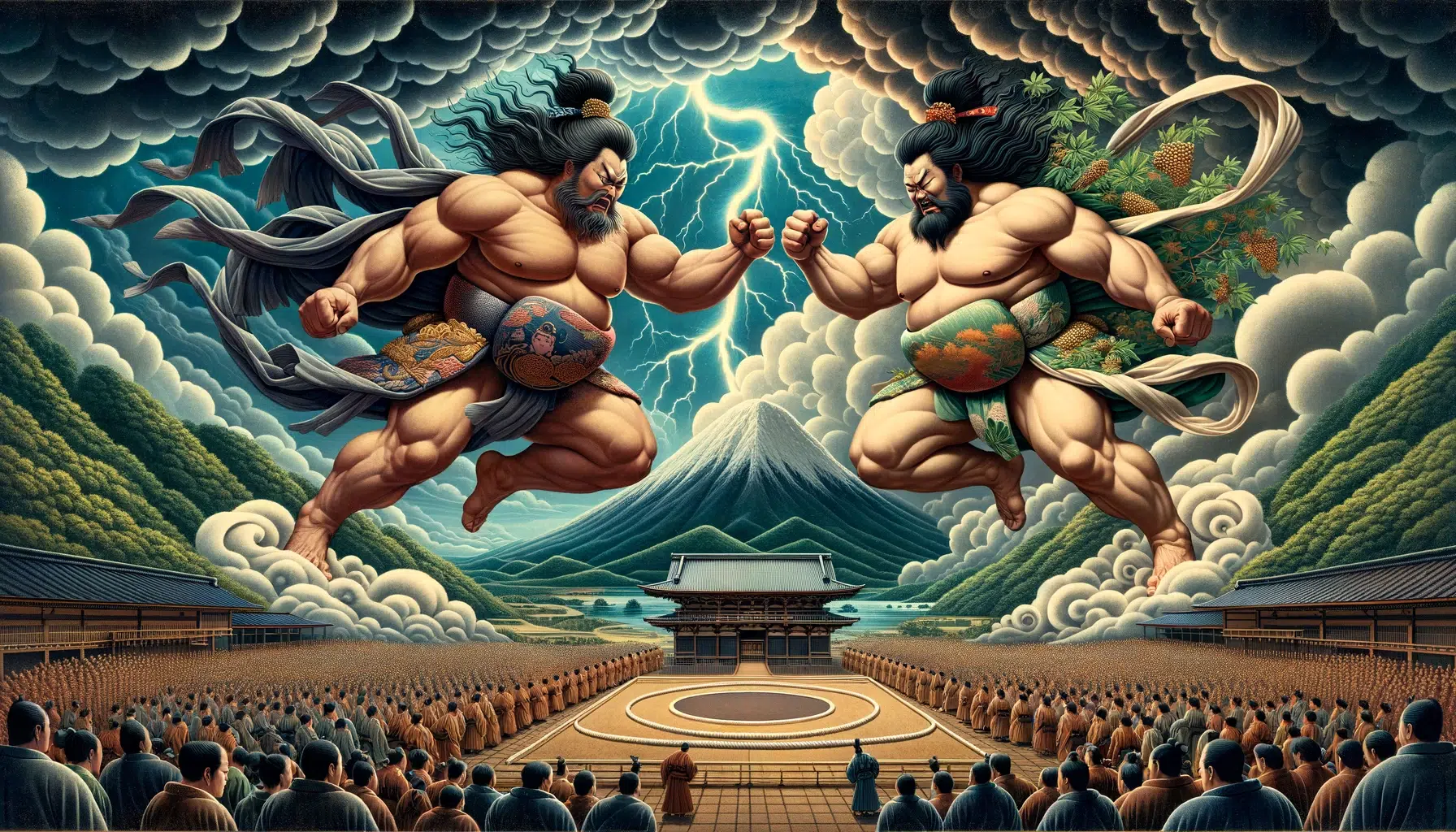
The first sumo wrestling match involves Takemikazuchi, the god of thunder, and Takeminakata, the god of wind and agriculture. The match took place to decide who would rule the land. Takemikazuchi represented the heavenly gods, while Takeminakata represented the earthly gods.
Both gods showed great strength and skill during the match. Takemikazuchi won by throwing Takeminakata to the ground. This victory proved the power of the heavenly gods. Takeminakata accepted his defeat and agreed to serve Takemikazuchi.
The match showed the importance of honour and strength in Japanese culture. It also highlighted the connection between the gods and sumo wrestling. Today, people still remember this myth as the origin of sumo wrestling. It teaches respect for tradition and the gods who protect the land.
Legend: Namazu-e (Earthquake Catfish)
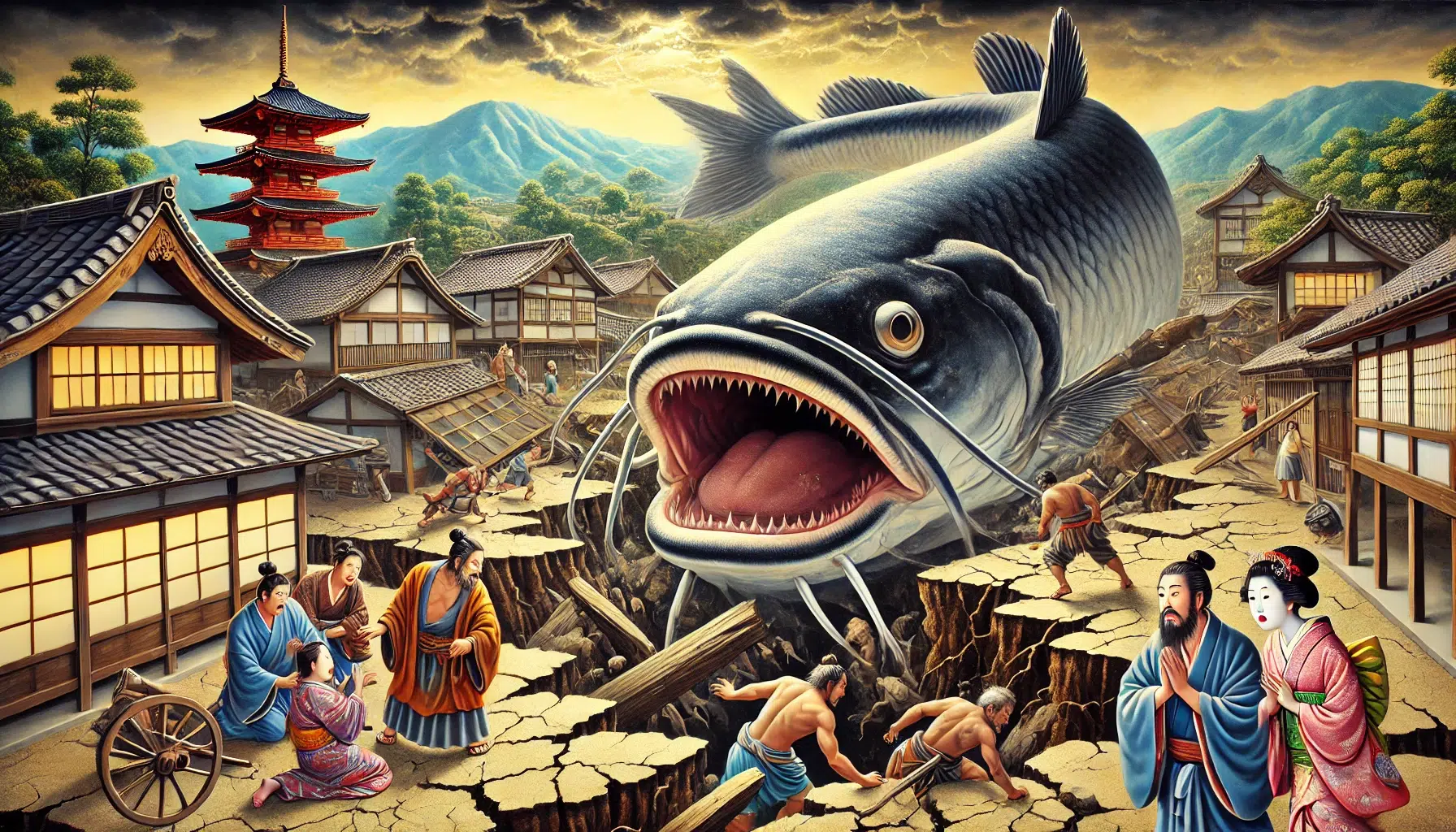
The myth tells how the gods controlled a giant catfish. Namazu, a giant catfish, caused earthquakes by thrashing about underground. People lived in fear of these earthquakes.
To stop the chaos, the god Takemikazuchi decided to subdue Namazu. Takemikazuchi pinned Namazu down with a giant stone. This stone, known as the Kaname-ishi, kept Namazu from moving. As a result, the earthquakes stopped, and peace returned.
The myth shows the power of the gods to control nature. It also teaches the importance of balance and harmony. People respected Takemikazuchi for his bravery and strength. They believed he protected them from the destructive forces of Namazu.
This story explains the cause of earthquakes and the role of the gods in maintaining order. It reminds us to honour and respect nature and its power.
Myth: Tenson Kōrin (Descent of the Heavenly Grandson)
Another famous story tells how Takemikazuchi helped bring peace to the land during the Tenson Kōrin. This event marks the descent of the heavenly grandson, Ninigi, to Earth.
The heavenly gods chose Ninigi to rule the land and bring order. Takemikazuchi, the god of thunder, played a key role. He went ahead to prepare the way for Ninigi. Takemikazuchi met the earthly gods and convinced them to accept Ninigi as their ruler.
With Takemikazuchi’s help, Ninigi descended with three sacred treasures: a mirror, a sword, and a jewel. These treasures showed his divine right to rule. The earthly gods accepted Ninigi, bringing peace and harmony to the land.
This story highlights Takemikazuchi’s strength and wisdom. It shows how cooperation between gods and humans can achieve great things. The Tenson Kōrin reminds us of the importance of peace and divine guidance.
Symbols and Iconography
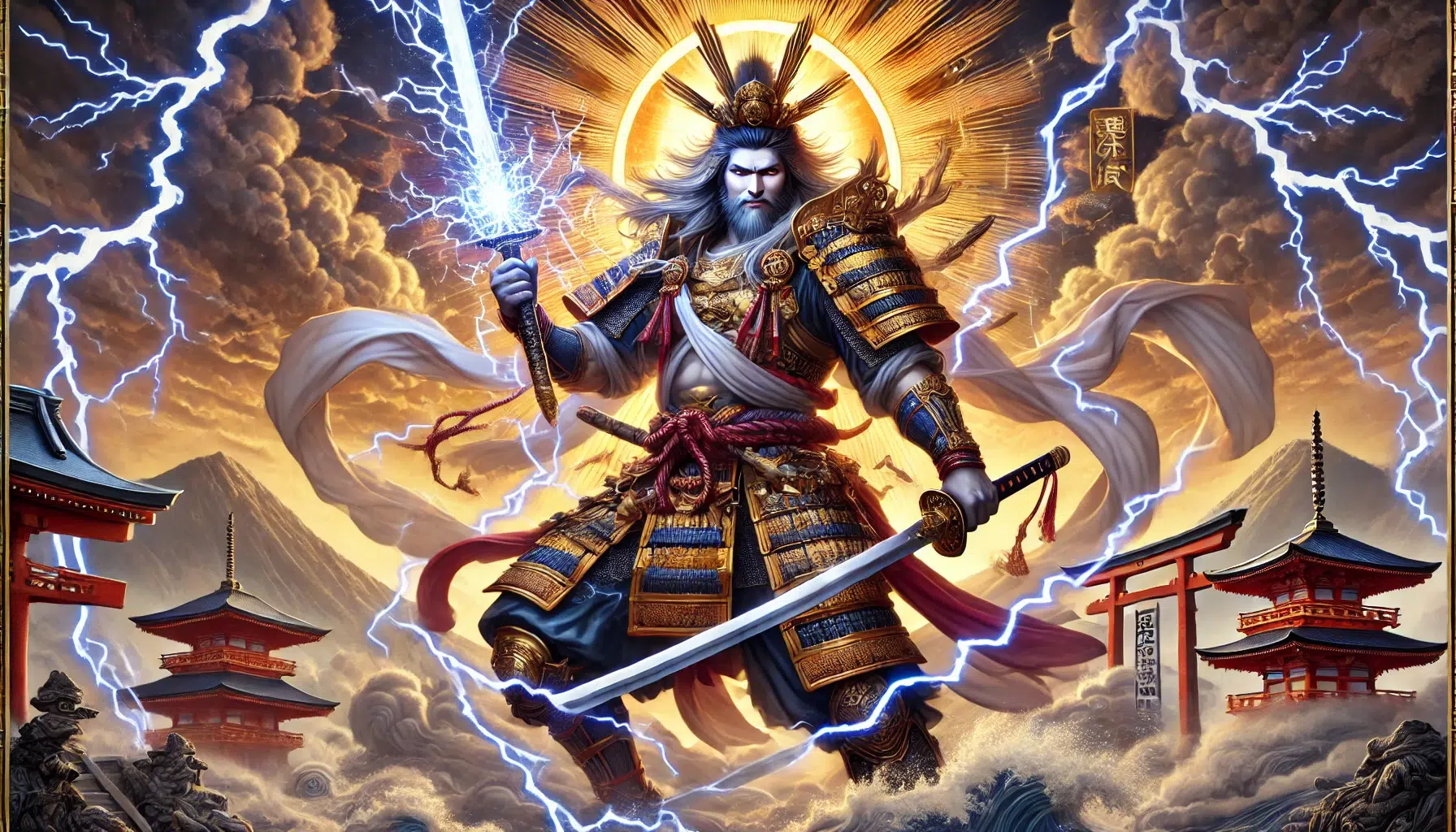
Takemikazuchi has been depicted in many ways over history, showing his important role in Shinto art. Artists have shown him in fierce battles or peaceful moments. These images range from ancient to modern, using materials like wood, stone, and metal.
Sculptures of Takemikazuchi are common, found in shrines for him. They often show him with a sword or standing tall, showing his role as a divine warrior. The details on these sculptures show the artist’s skill and Takemikazuchi’s high status in Shinto.
Paintings and other artifacts also play a big part in Takemikazuchi’s art. Traditional scrolls tell stories of his myths, showing both his exciting and calm sides. These pieces let artists use their creativity to bring the thunder god to life with symbols and colors.
Today, Takemikazuchi’s art keeps evolving, with modern artists taking inspiration from the past. These new works honor the old traditions but also bring new styles and mediums. This keeps Takemikazuchi’s image fresh and important in Shinto art.
Takemikazuchi’s art shows his lasting impact and the respect he gets from people. Whether it’s a detailed statue or a painting full of stories, his images still move and inspire us.
Symbolism and Traditional Art
Takemikazuchi often appears in art with symbols of thunder and martial skill. Common elements include thunder, lightning, and swords.
As the god of thunder, Takemikazuchi is frequently shown with thunder and lightning motifs. These symbols represent his power and the might of nature.
Swords are a key part of his imagery. He is often wielding a sword, highlighting his role as a warrior god. The sword represents honour, loyalty, and the samurai way, showing his importance in martial traditions.
The legendary “Ten Fist Sword,” sent from the heavens, symbolizes his role in martial valour and strategic warfare.
In traditional Japanese art, like paintings and woodblock prints, Takemikazuchi appears in various captivating scenes. One famous image shows him in a sumo wrestling match with Takeminakata, emphasizing his strength and martial skills.
In namazu-e (catfish prints) from the Edo period, Takemikazuchi tries to subdue Namazu, the giant catfish believed to cause earthquakes. This imagery often includes the kaname-ishi (pinning rock) used to immobilize Namazu, showing Takemikazuchi’s role in maintaining order and protecting the land from natural disasters.
Takemikazuchi in Modern Culture
Takemikazuchi’s influence extends into modern culture, where he appears in various forms of media.
In Anime and Manga, series like Noragami, DanMachi, and Persona 4, he features as a powerful and temperamental deity.
In games like Naruto Shippuden: Ultimate Ninja Storm 4, characters use moves named after Takemikazuchi. These artistic representations convey Takemikazuchi’s divine power and significance, evoking a sense of reverence and awe.
His connection with thunder and swords highlights his dual role as a protector and enforcer of justice, making him a central figure in Japanese mythology and cultural heritage
Takemikazuchi in Japanese mythology, as a thunder god shows the awe and respect ancient Japanese had for nature. His stories highlight his strength and his key role among Japanese gods.
Today, Takemikazuchi’s impact is seen in many parts of Japanese life. He is honoured in shrines and inspires art and literature. His lasting impact shows the strong cultural and spiritual ties between the Japanese people and their past.
Looking into Takemikazuchi’s stories and symbols helps us see his importance in Shinto and Japanese mythology. This journey lets us value the myths that shape our cultures and traditions. As we learn more about these stories, Takemikazuchi and Shinto will continue to capture our interest and respect.