Subutai: Mongol General for Genghis Khan
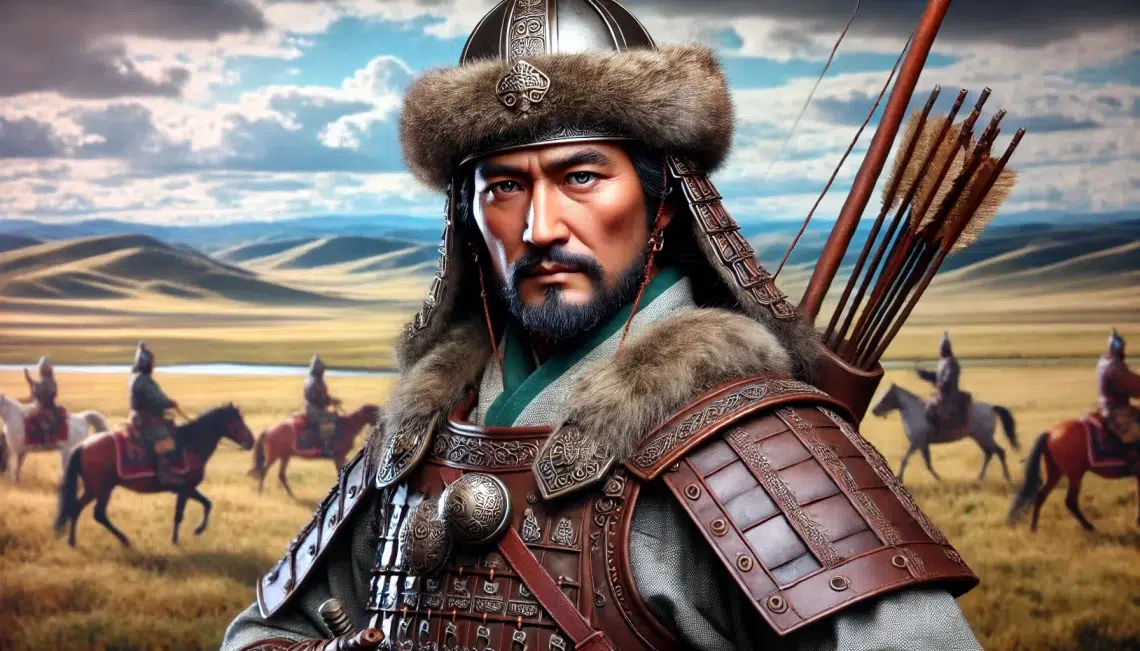
Subutai was a brilliant military strategist for Genghis Khan and Ögedei Khan. His strategies and tactics changed the course of history.
Subutai played a key role in expanding the Mongol Empire. His achievements include vast territories conquered and numerous battles won. Subutai’s legacy as a master tactician remains unparalleled. His skills and innovations in warfare continue to be studied today.
Subutai’s name symbolizes strategic genius and military prowess. He transformed the Mongol army into an unstoppable force. His contributions significantly shaped the Mongol Empire’s success. Subutai’s influence on military strategy endures through the ages.
Lifetime: 1175 – 1248
Main Role: Primary military strategist for Genghis Khan and Ögedei Khan
Notable Contributions: Directed over 20 campaigns, conquering vast territories and expanding the Mongol Empire
Subutai’s Early Life and Training
Birth and Family Background
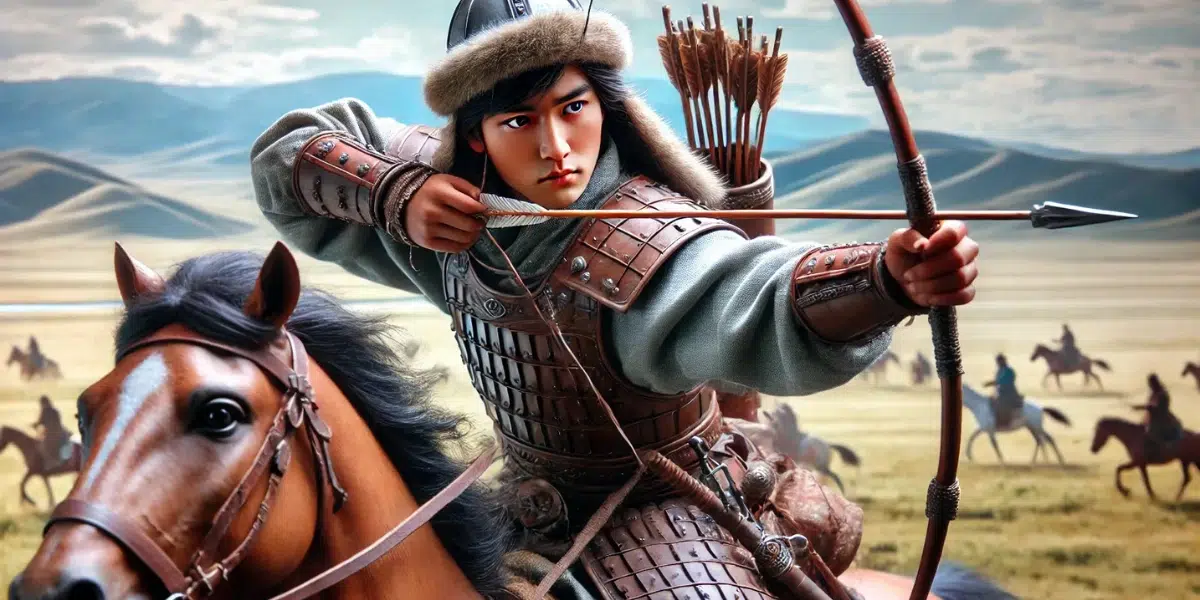
Subutai, born around 1175, came from the rugged landscapes near the upper Onon River in present-day Mongolia. He belonged to the Uriankhai clan, known as “forest people” by the Mongols.
His father, Jarchigudai, was a blacksmith, a respected occupation. Despite humble beginnings, Subutai’s family held honour in their community.
Subutai’s family had a longstanding association with Temujin’s family, who would later become Genghis Khan. Subutai’s great-great-grandfather, Nerbi, allied with Mongol Khan Tumbina Sechen, and his father supported Temujin during difficult times.
The Uriankhai people were known for their hunting skills.
Subutai’s early life involved learning these essential skills. His clan’s nomadic lifestyle taught him adaptability and survival. These traits became crucial in his later military career. Subutai’s family instilled values of loyalty and courage. His background shaped his character and future success.
Early Influences and Training
Subutai’s early influences included his father and his clan’s traditions. His father would teach him the art of blacksmithing. This skill developed his patience and attention to detail.
Unlike many Mongols, he lacks natural horsemanship from birth, initially making him an outsider. However, his family connections significantly influence his early development.
His elder brother Jelme, a general in Temujin’s army, saves Temujin’s life during the unification of the Mongolian plateau.
At 14, Subutai leaves his clan to join Temujin’s army, following his brother Jelme. He spends his early years in rigorous training, learning horsemanship, archery, and combat tactics.
His training is both physical and intellectual. Subutai shows an insatiable curiosity, studying military history and tactics with great dedication.
He also serves as Genghis Khan’s ger (yurt) door guard during his teen years participating in strategy meetings. This position allows him to build a close relationship with the Khan, who recognizes his exceptional talent and potential.
His Rise to Prominence
Subutai’s First Command
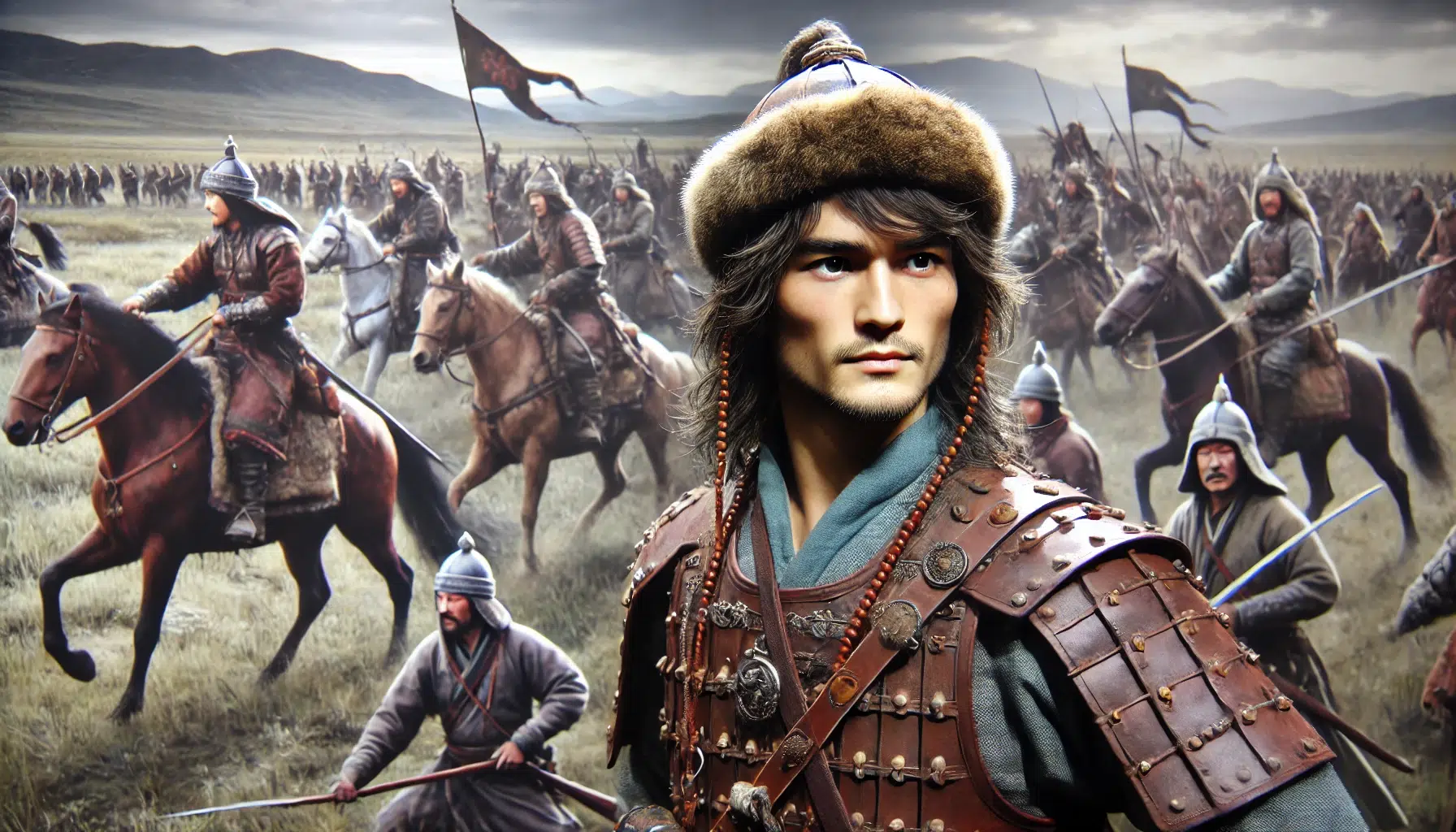
Subutai’s first command came in 1197 at 22 years old. Genghis Khan tasked him with leading the vanguard against the Merkit tribal people.
The Merkit, a significant tribal confederation, had a long-standing feud with the Mongols. Subutai’s mission aimed to weaken their power.
He infiltrates the Merkit camp by posing as a deserter, convincing them the main Mongol forces were far away. This deception leads the Merkit to lower their guard, reducing their patrols.
Subutai’s strategy allows the Mongol forces to launch a surprise attack. They encircle and defeat the Merkit at the Tchen River, capturing two of their generals.
Within a decade, he rose to become a general. Subutai commands one of the four tumens, units of 10,000 soldiers, in the Mongol army.
Subutai rises significantly due to his close association with Genghis Khan.
Defeat of the Naiman People
In 1204, Subutai led the vanguard against the Naiman tribal people, a formidable adversary allied with the Merkit. Jamukha, Genghis Khan’s former blood brother turned enemy, the Naiman poses a significant threat.
Although numerous and strong, their leader, Baibuka Tayang, was a weak general. Subutai plays a crucial role in dismantling this alliance.
He uses coordinated assaults and mobile shock troops to penetrate enemy lines and disrupt their formations. The battle ends in a decisive Mongol victory at Chakirmaut.
The Naiman forces, overwhelmed, retreated, with many warriors perishing in treacherous terrain. This victory ended their resistance and consolidated Mongol control over the region.
Subutai’s Recognition by Genghis Khan
Ascent Through the Ranks
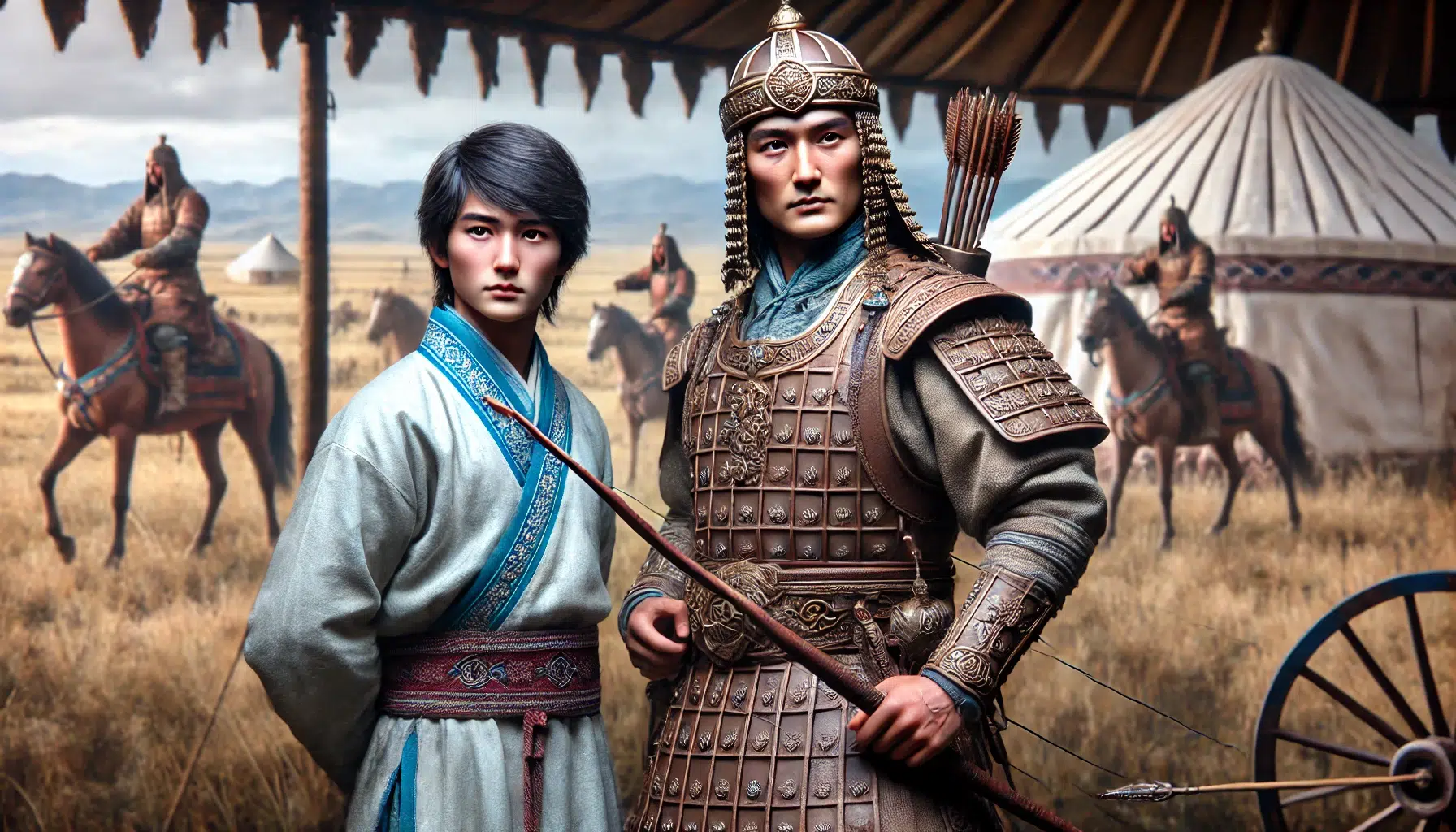
Subutai’s rapid rise began with his early military successes, notably against the Merkit and Naiman tribal people. He quickly caught Genghis Khan’s attention with his complex strategies.
Genghis Khan valued merit and skill over noble birth. Subutai’s early victories showcase his tactical brilliance and ability to inspire and lead troops effectively.
Genghis Khan, always seeking exceptional talent, recognizes Subutai’s unique abilities. He entrusts Subutai with increasingly significant responsibilities. Subutai consistently delivers victories, expanding and solidifying the Mongol Empire’s dominance.
One of Genghis Khan’s “Four Dogs of War”
Genghis Khan acknowledges Subutai’s prowess by appointing him as one of the “four dogs of war.” This title goes to his most trusted and capable generals. This elite group, including Jebe, Kublai, and Jelme, executes critical and challenging campaigns for the Mongol conquests.
The title signifies immense respect and trust, highlighting Subutai’s integral role in the Mongol military hierarchy.
As one of the “four dogs of war,” Subutai plays a pivotal role in key campaigns. His strategic genius shines during the invasions of the Khwarezmian Empire. He orchestrates brilliant manoeuvres, leading to the swift collapse of the Khwarezmian defences.
Subutai’s unmatched ability to coordinate large-scale operations over vast distances involves meticulous planning. His campaigns leverage speed, surprise, and psychological warfare.
Learn more about:
- Origins of Genghis Khan and the Mongol Empire
- Conqueror Bloodline: Genghis Khan’s Children
- Börte: Empress of Mongolia & Genghis Khan’s Wife
- Kublai Khan: Emperor & Grandson of Genghis
Conquests in Central Asia, Russia, and Europe
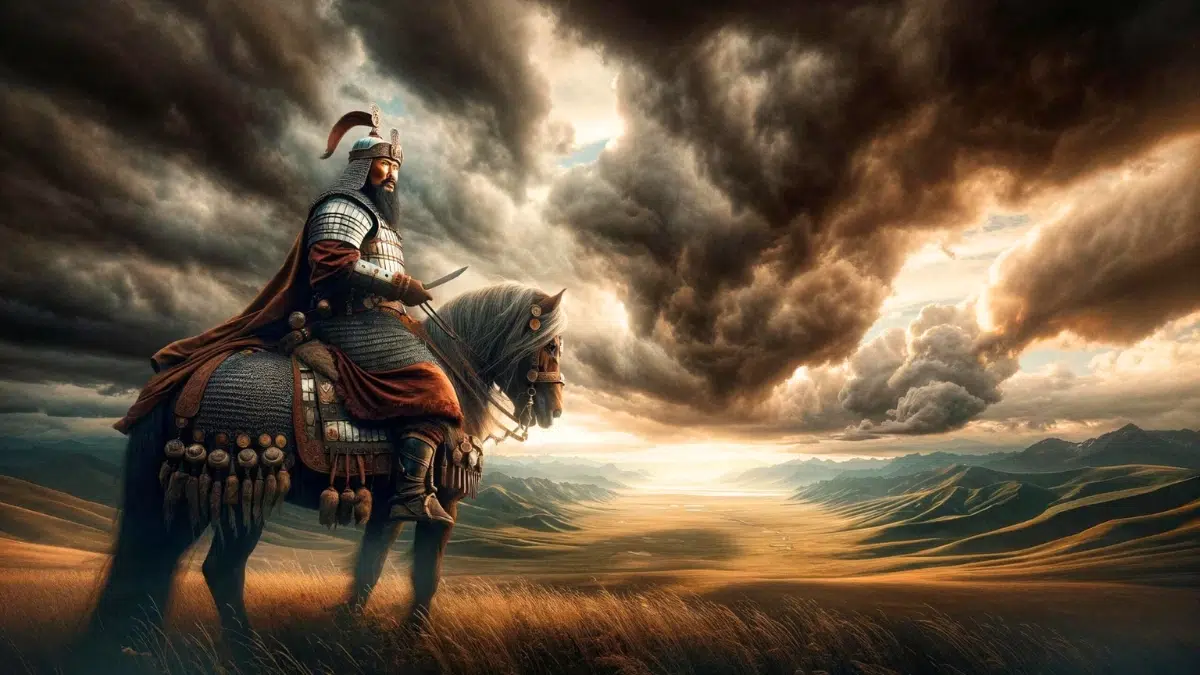
Genghis Khan trusts Subutai by granting him autonomy in planning and leading campaigns. Subutai’s reputation as a military genius grows with each victory.
Subutai’s military career includes extensive, successful campaigns across Central Asia, Russia, and Europe. He begins with defeating the Merkit and Cuman-Kipchak confederations in Central Asia. Subutai uses innovative tactics to outmanoeuvre these formidable foes. His campaigns in Central Asia set the stage for the Mongol Empire’s westward expansion.
In Russia, Subutai, alongside Jebe, leads the Mongol forces at the Battle of the Kalka River in 1223. The Mongols decisively defeat a coalition of Rus’ principalities and Cumans, showcasing Subutai’s strategic brilliance and ability to coordinate complex manoeuvres over vast distances.
Subutai’s European campaigns culminate in the invasion of Hungary in 1241. His forces achieve a significant victory at the Battle of Mohi, effectively crippling the Hungarian army and demonstrating Mongol military superiority.
Subutai’s Notable Battles
Battle of Kalka River (1223)
The Battle of Kalka River marks a pivotal moment in the Mongol invasion of Kievan Rus’.
Subutai and Jebe lure the Rus’ forces into a trap by feigning retreat, then decisively defeat them at the Kalka River. The Mongols use psychological warfare and tactical deception, resulting in a crushing victory, with most of the Rus’ coalition forces annihilated.
Battle of Mohi (1241)
At Mohi, Subutai orchestrates a masterful encirclement of the Hungarian forces. He creates a pontoon bridge and launches a surprise attack from multiple directions, overwhelming the Hungarians.
The Mongols use siege weapons, including catapults and trebuchets, to break the Hungarian defences, leading to a decisive Mongol victory.
Subutai’s Tactical innovations
Subutai’s success as a military commander comes from several key tactical innovations:
Sophisticated Strategies and Coordination of Armies Over Vast Distances
Subutai pioneers maneuver warfare, emphasizing speed, mobility, and surprise. He expertly coordinates multiple armies across vast distances, ensuring they converge on the enemy at the right time for a devastating blow.
This coordination requires meticulous planning and communication, which Subutai executes flawlessly.
Integration of Intelligence and Reconnaissance in Campaigns
Intelligence gathering and reconnaissance form the cornerstones of Subutai’s strategy. He uses a network of spies and scouts to gather detailed information about enemy positions, strengths, and weaknesses.
This intelligence allows him to plan his campaigns meticulously and strike where the enemy least expects. Subutai’s deceptive tactics, informed by precise and timely intelligence, amplify their effectiveness.
Adaptation of Siege Techniques and Incorporation of Engineering in Warfare
Subutai understands the importance of breaching fortified defences and incorporates advanced siege techniques into his campaigns. He employs various siege engines, including catapults and trebuchets, to break down walls and fortifications.
Additionally, Subutai introduces specialized engineering units within the Mongol army, tasked with building bridges, fortifications, and siege works. This holistic approach ensures the Mongols navigate diverse terrains and maintain a logistical advantage over their enemies.
Subutai’s Leadership Qualities
Adaptability and Strategic Vision
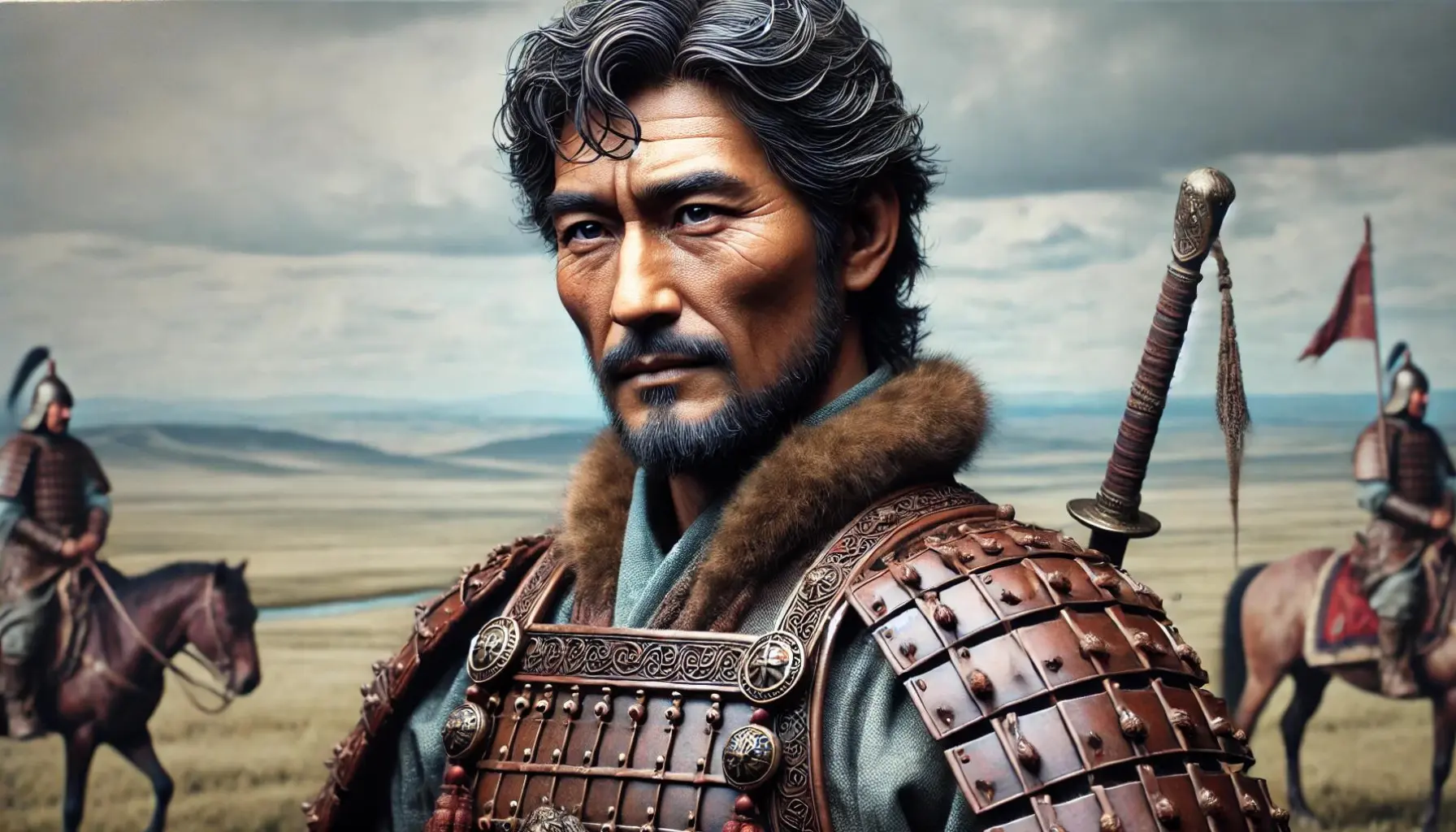
One of Subutai’s most remarkable qualities was his adaptability.
He demonstrated an unparalleled ability to adjust his tactics to the specific circumstances of each battle. Whether he is fighting in the arid deserts of Central Asia, the vast steppes of Mongolia, or the forests and rivers of Eastern Europe.
His strategic vision allows him to foresee the long-term consequences of his actions and plan accordingly. This foresight enabled Subutai to execute complex campaigns requiring meticulous planning and coordination over vast distances.
His ability to adapt to different terrains and enemy tactics was crucial in maintaining the Mongol Empire’s momentum during its expansive conquests.
Delegation and Inspiring Loyalty Among Troops
Subutai was a master of delegation, a critical skill that allowed him to manage large, dispersed armies effectively.
He trusts his subordinates to execute complex maneuvers independently, essential for the success of complicated strategies. This trust was reciprocated by his troops, who are inspired by Subutai’s leadership and tactical brilliance.
His ability to inspire loyalty and discipline among his soldiers is key to his success. Subutai ensures that his troops are well-provisioned and motivated. This instills a sense of purpose and unity that is critical to their success in diverse and challenging environments.
Influence on Later Military Strategy & Tactics
Study of Subutai’s Campaigns
Modern military scholars and leaders worldwide study Subutai’s innovative strategies and tactics.
His focus on manoeuvre warfare, deception, and coordinating dispersed forces impacts war theory and practice. Military academies examine his campaigns for insights into command, logistics, and integrating intelligence.
Subutai’s rapid, decisive movements and psychological warfare serve as exemplary models of military strategy.
Impact on Concepts Like Blitzkrieg and Deep Operations
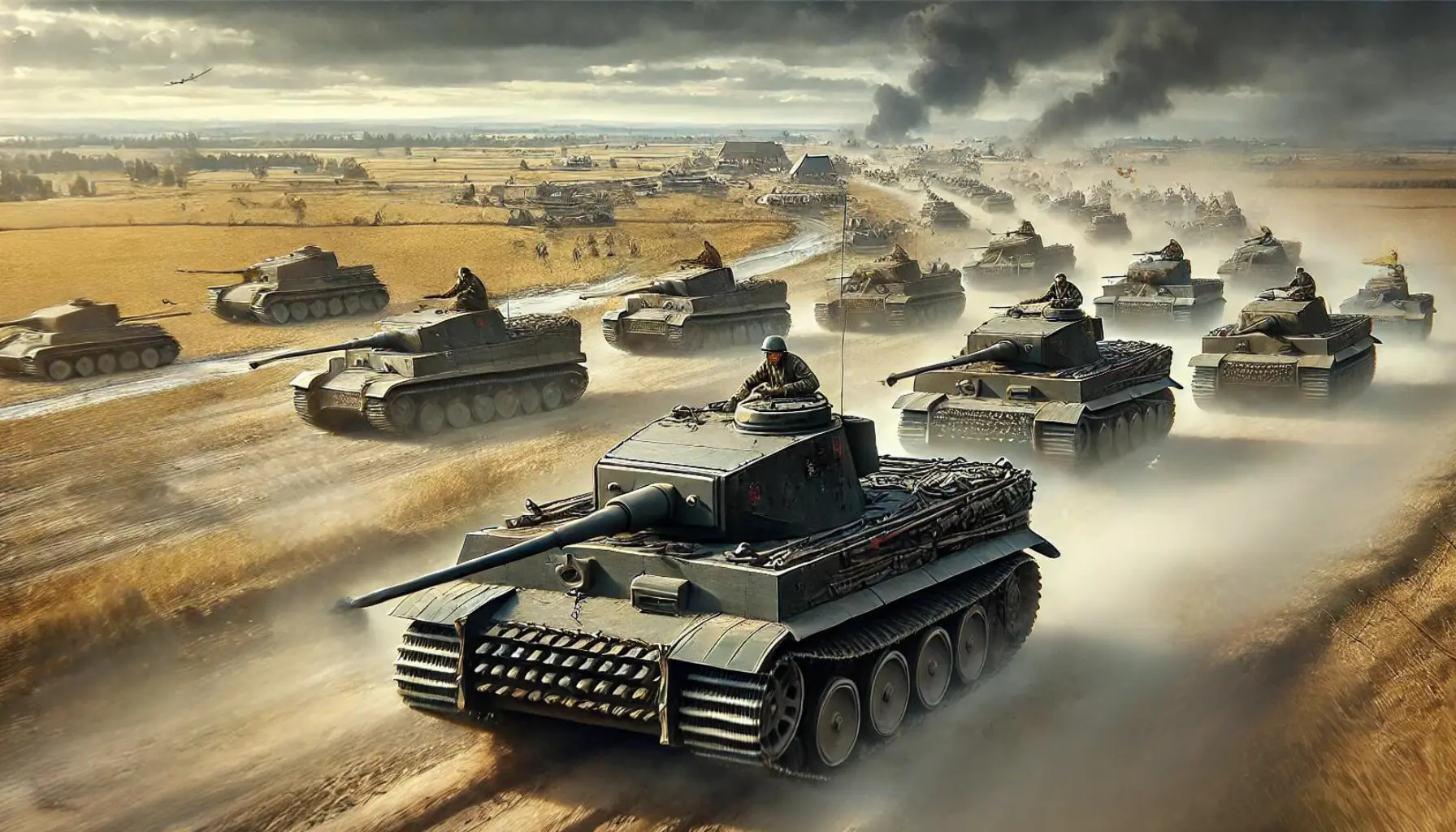
Subutai’s influence extends to modern military doctrines like blitzkrieg and deep operations.
His emphasis on speed, mobility, and surprise appears in the legendary Mongol leader used by the German Wehrmacht in World War II. The Soviet Union’s Deep Battle doctrine, which focuses on breaking through enemy lines and exploiting battlefield depth, also draws from Mongol strategies.
Soviet Marshal Mikhail Tukhachevsky, a key proponent of Deep Battle, studied Subutai’s campaigns. He would incorporate many of his principles into Soviet military strategy.
Tactics like smokescreens, rapid cavalry charges, and coordinated multi-front assaults trace their origins to Subutai’s innovations.
Legacy as a Military Genius and Strategist
Subutai’s legacy as a military genius and strategist endures today. He directs over 20 major campaigns and wins 65 pitched battles, conquering more territory than any other commander.
His innovative tactics, including psychological warfare, strategic feints, and coordinated multi-front assaults, gain admiration from military scholars for centuries. Subutai adapts to different terrains and enemy tactics, combining strategic vision and leadership to set new standards for military operations.
Subutai’s influence extends beyond his lifetime, impacting modern military doctrines like blitzkrieg and deep operations. His focus on speed, mobility, and integrating intelligence and reconnaissance shapes contemporary military strategies.
Despite his relative obscurity compared to the Khans he served, Subutai’s contributions to the Mongol Empire and his enduring legacy as one of history’s greatest military commanders remain undisputed.
Reasons for Relative Obscurity
Lack of Direct Family Ties to the Mongol Khans
Subutai’s relative obscurity in historical narratives stems partly from his lack of direct family ties to the Mongol Khans. Unlike many prominent figures, he was not a member of the aristocracy or directly related to Genghis Khan’s family.
He rose through the ranks based on merit. While this was impressive it meant his story was less likely to be preserved like those of royal family members. This lack of noble lineage often overshadowed his contributions compared to the Khans themselves.
Historical narratives of the Mongol Empire traditionally focus on the Khans, especially Genghis Khan and his descendants.
This approach means that the achievements of their generals, no matter how significant, often receive less attention. Subutai’s remarkable military career was crucial to the expansion and consolidation of the Mongol Empire. However, the historical focus on the Khans results in less attention to his individual contributions.
Limited Written Records from the Mongol Empire
The Mongol Empire, despite its vast expanse and impact, left relatively few written records compared to other contemporary civilizations.
Much of what we know about Subutai comes from external sources, like Persian, Chinese, and European chronicles. These sources often had their own biases and limitations, affecting the preservation and transmission of Subutai’s legacy.
The lack of detailed Mongol records contributes to the relative obscurity of many of their greatest generals, including Subutai.
Final Campaigns of Subutai
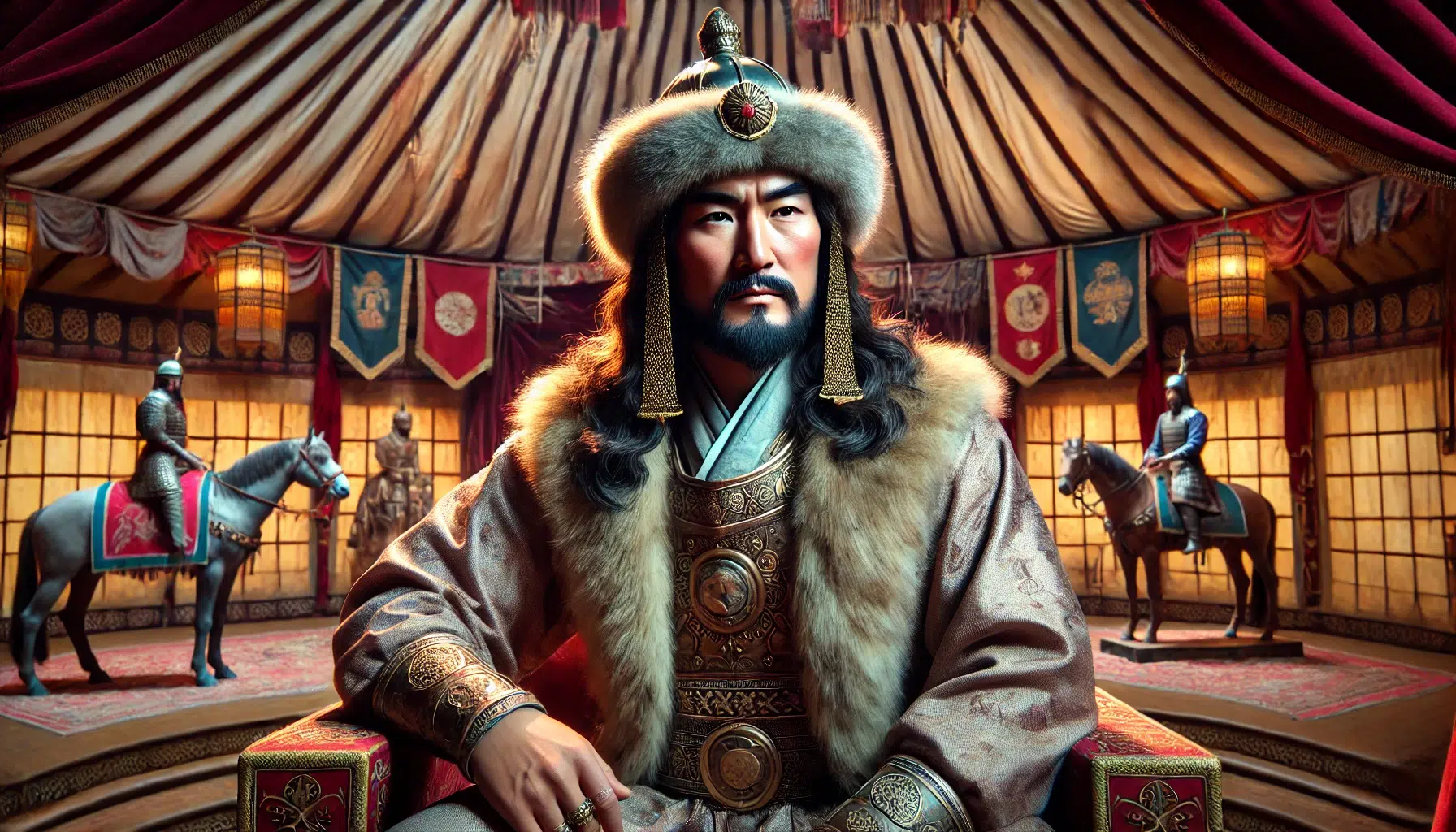
Removal from European Invasions by Guyuk Khan
After Ögedei Khan’s death in 1241, the Mongol expansion into Europe halted abruptly. Subutai, instrumental in the Mongol victories across Europe, was recalled to Mongolia.
Along with other princes and generals, he attended the kurultai to elect a new Great Khan.
Guyuk Khan, Ögedei’s son, ascended to the throne in 1246. Despite Subutai’s proven military prowess, Guyuk Khan removed him from the European theatre. Political manoeuvring and internal rivalries likely influenced this decision. Guyuk sought to limit Batu Khan’s power and influence by reassigning Subutai to other fronts.
Campaign Against the Song Dynasty
In 1246, at 71, Subutai led the Mongol campaign against the Song Dynasty in China.
This campaign was part of Guyuk Khan’s strategy to redirect Mongol military efforts towards consolidating power in East Asia. Subutai’s experience and strategic brilliance were on display as he led successful operations against the Song.
Despite his advanced age, his leadership was crucial in achieving significant victories, further expanding Mongol control in China. His campaign against the Song lasted until 1247, after which he returned to Mongolia.
Subutai’s Death in 1248
After his final campaign, Subutai retired to his homeland near the Tuul River, close to modern-day Ulaanbaatar. He spent his remaining days with his family and herds, living a relatively quiet life compared to his earlier years of relentless campaigning.
Subutai passed away in 1248 at 72. His death marked the end of an era for the Mongol military, as he was one of the last surviving generals who had served directly under Genghis Khan.
Subutai’s Career Compared to European Contemporaries
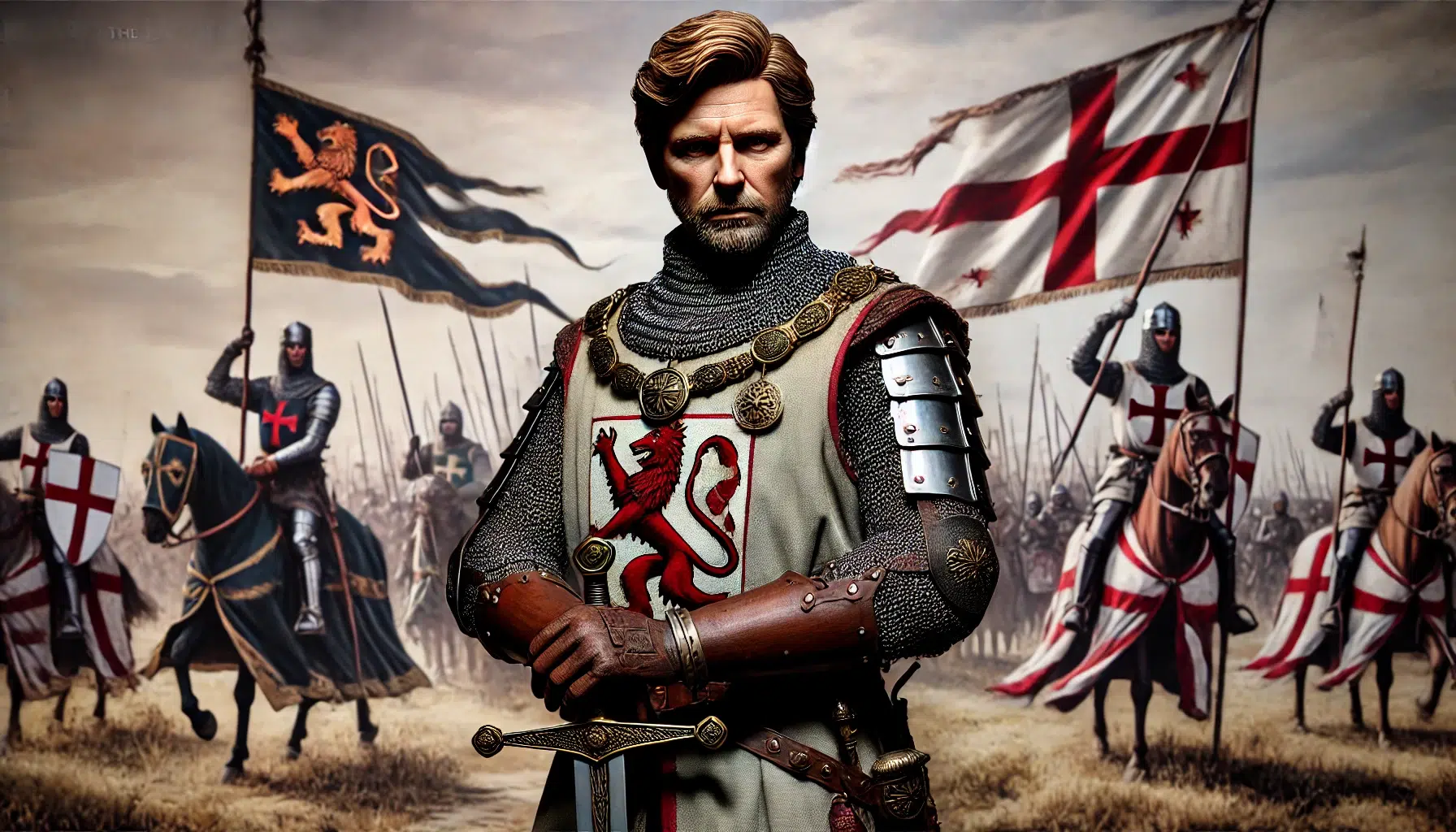
Subutai’s military career contrasts sharply with European leaders like Richard the Lionheart and Frederick II.
Richard the Lionheart, a key figure in the Third Crusade, was a formidable warrior and tactician. However, his campaigns focused on the Middle East.
Frederick II, Holy Roman Emperor, excelled in diplomacy and strategy but focused primarily on the Italian peninsula and the Crusades.
In contrast, Subutai’s campaigns spanned continents, from Central Asia’s steppes to Eastern Europe’s forests. His command and coordination of multiple armies over vast distances were unparalleled. This showcased a strategic depth and logistical prowess rare for his time.
Subutai’s adaptability to different environments and enemies set him apart from many contemporaries. While European generals often specialized in specific regions, Subutai showed unique versatility. He employed siege tactics against fortified cities, executed rapid cavalry maneuvers on open plains, and conducted complex, coordinated assaults with multiple army divisions spread across hundreds of kilometres.
Conclusion
Subutai significantly contributes to the Mongol Empire and military history with his innovative strategies and numerous victories. His ability to command multiple armies over vast distances sets new standards in military operations.
Subutai’s mastery of psychological warfare, deception, and adaptability showcases his exceptional leadership and strategic brilliance. His influence extends beyond his time, impacting modern military doctrines and practices.
Recognizing and studying Subutai’s achievements provides valuable insights into effective command and warfare strategies. As one of history’s greatest military commanders, Subutai’s legacy endures, offering lessons in leadership, adaptability, and strategic planning.
His contributions deserve recognition and continued study to understand the full scope of his impact on military history.