
Slavic Mythology: Spirits of the East
Slavic mythology is full of gods, goddesses, and magical creatures that fascinated ancient Slavs in Eastern Europe.
It includes Russian, Ukrainian, and Polish mythology that show how closely Slavs felt connected to a world beyond ours.
Key Takeaways
- Slavic mythology is a diverse collection of beliefs, gods, goddesses, and mythical creatures.
- Ancient Slavs had a strong connection to nature and the supernatural through their mythology.
- Russian, Ukrainian, and Polish cultures have their own unique mythological traditions within the broader Slavic context.
- Slavic mythology continues to inspire modern literature, art, and entertainment.
- The Tree of Life holds deep symbolism in Slavic mythology, representing the cycle of life and death.
Vilas – The Enchanting Fairies of Slavic Mythology
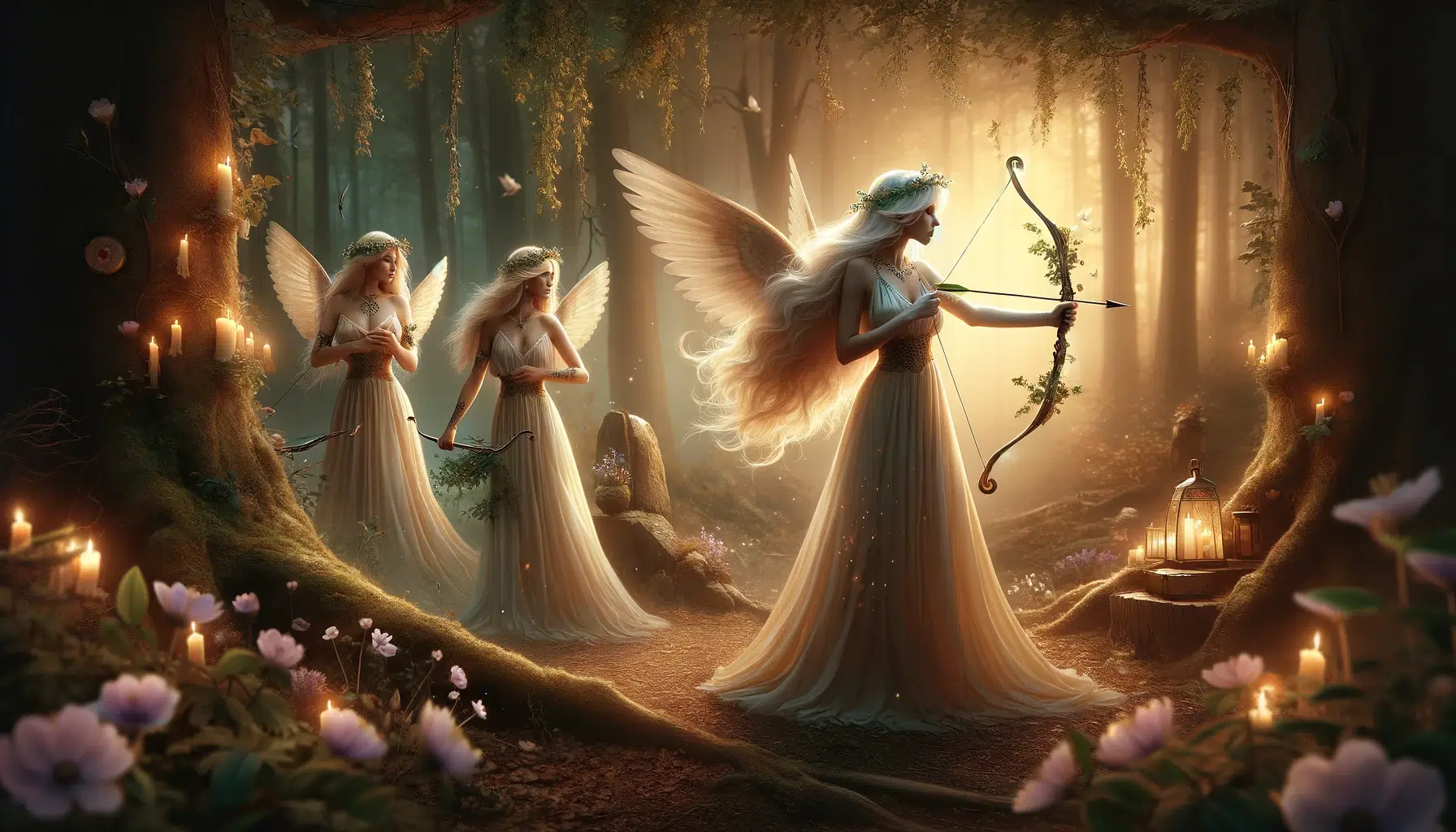
Similar to nymphs, they hold a prominent place in Eastern European folklore.
Vilas appear as eternally young, beautiful beings with wings and blonde hair.
They reside in the clouds, mountain woods, or waters, embodying the mysterious and enchanting aspects of nature.
Known for their benevolence towards humans, Vilas possess the ability to transform into various animals, further symbolizing their connection to the natural world.
In Slavic mythology, people revere these folklore creatures for their positive impact on the lives of those they encounter.
Characteristics of Vilas
- Eternally young and beautiful
- Wings and blonde hair
- Reside in clouds, mountain woods, or waters
- Benevolent towards humans
- Ability to transform into animals
The cult of Vilas was once widely practiced among South Slavs in the early twentieth century.
They were considered integral supernatural beings within the Slavic mythology.
Vilas’ ethereal appearance and connection to nature continue to inspire modern interpretations in literature, art, and entertainment.
Rusalka – The Water Nymphs of Slavic Mythology
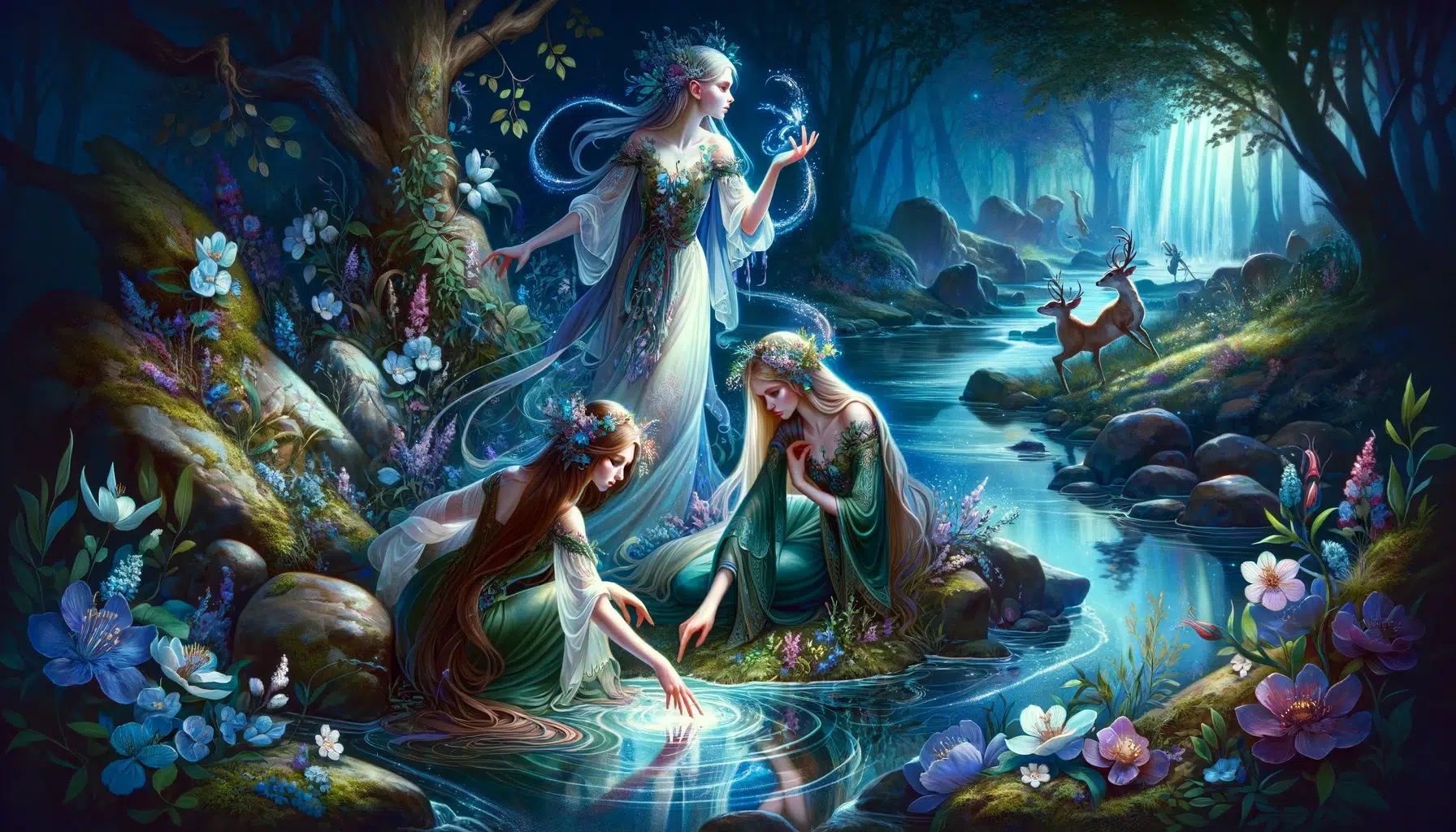
In Slavic mythology, a water nymph called Rusalka has links to rivers.
These mystical beings were believed to be spirits of the dead.
Including those who died by suicide, unbaptized children, or individuals who did not receive proper last rites.
Rusalki often appear as restless and dangerous, capable of harming humans.
They serve as a bridge between the world of the living and the underworld.
Characteristics of Rusalki
- Rusalki, supernatural creatures, closely connected to water bodies, especially rivers.
- Artists often depicted them as young and beautiful maidens with long, flowing hair.
- They had the power to sing and enchant unsuspecting victims with their captivating voices.
- They emerge in the warm summer months, especially during the traditional Slavic holiday of Ivan Kupala.
- People describe them as ethereal beings with translucent skin and haunting, mesmerizing eyes.
Legends and Mythology Surrounding Rusalki
Slavic folklore tells a tragic origin story for the rusalki.
People believed they were young women who drowned themselves in rivers due to unrequited love, betrayal, or other heart-wrenching situations.
They turned into restless spirits tied to the water.
Rusalki became known for their seductive nature and could lure unsuspecting men into the river depths.
These encounters often led to tragedy, drowning the victims.
To stay safe from rusalki, people would not swim in rivers during times when these nymphs were most active.
Myths and stories about rusalki differ across Slavic cultures.
Some tales describe rusalki as playful beings who liked to prank humans. Others saw them as vengeful spirits.
Depictions of Rusalki in Modern Culture
Rusalki continue to capture the fascination of people today and inspire various forms of art and literature.
They have been featured in novels, films, and even video games.
Captivating audiences with their haunting allure and rich mythology.
Vodyanoy – The Malevolent Water Spirit of Slavic Mythology

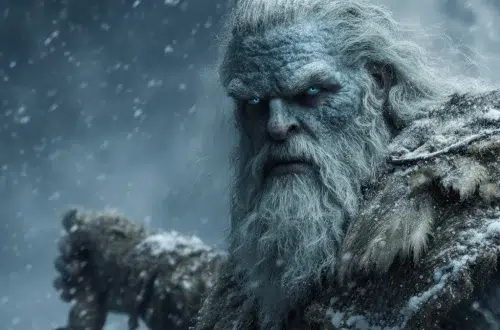
The vodyanoy, a male water spirit in Slavic mythology, is notorious for his malevolence.
Slavic folklore says the vodyanoy mainly drowns swimmers who make him angry.
This supernatural creature usually lives in deep pools near mills.
Different tales describe the vodyanoy’s look, often as a naked old man with a long, wild beard.
Some legends show him as a bloated, hairy figure covered in slime or scales.
The vodyanoy can also turn into a fish.
People associate him with unclean male spirits and fear him greatly.
The vodyanoy is famous for drowning humans and wreaking havoc near water.
Slavic culture has shared stories of the vodyanoy for generations, showing his importance in their folklore and beliefs.
Vodyanoy Myths and Legends
- Some vodyanoy myths depict him as a water demon who torments fishermen by tangling their nets and stealing their catch.
- Often, portrayals show the vodyanoy as unpredictable and dangerous, able to lure victims into the water.
- In some stories, the vodyanoy can control water and cause storms and floods.
- Legends advise against disrespecting or angering the vodyanoy, warning that it brings misfortune and tragedy to those who cross its path.
Bereginya – The Obscure Fairy of Slavic Mythology
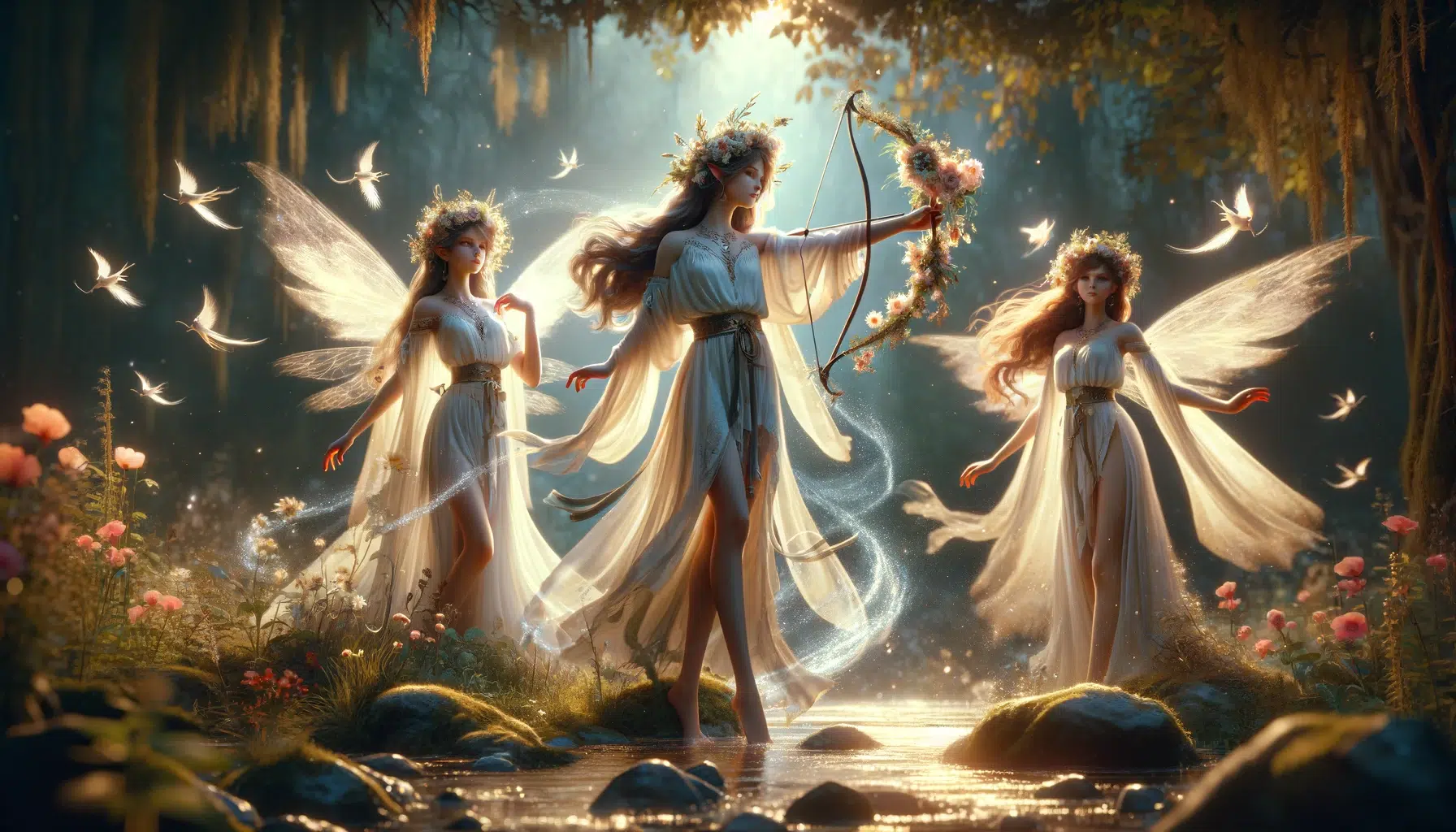
In Slavic mythology, bereginas, lesser-known fairies, occupy a special position among supernatural beings.
Slavs worshipped them even before they started following Perun.
Although bereginas’ true nature is a bit unclear, people often compare them to Slavic mermaids and believe they are kind.
Some Slavic neo-pagans even see Bereginya as a mighty pagan goddess.
Associations and Attributes
Bereginyas often stand for protection, fertility, and the defense of families and households.
People honored them as protectors of women, children, and home life.
Bereginyas had the power to make crops fertile and keep animals healthy.
These fairies play a key role in nature and major life events like childbirth and weddings.
Artists show bereginyas in different ways, but they usually look beautiful and otherworldly.
They often appear as young women in flowing white dresses, sometimes wearing flower wreaths.
Some pictures show them with wings or glowing with heavenly light, highlighting their divine link.
The Role of Bereginyas
Bereginas significantly influenced Slavic cultural beliefs, acting as go-betweens for humans and the spiritual world.
People revered these fairies for bringing good luck, protecting from evil spirits, and keeping the community prosperous and harmonious.
Many legends and stories highlight how bereginas stepped into daily life and affected nature.
They helped crops grow, kept livestock safe, and brought good luck to those who respected them.
People also called on bereginas to guard against bad luck, sickness, and harmful spirits.
Modern Interpretations
In contemporary culture, bereginyas continue to serve as symbols of feminine power and protection.
Their imagery can be found in various art forms, including paintings, sculptures, and jewelry.
Some modern pagans and folklore enthusiasts draw inspiration from bereginyas.
They revere the ancient Slavic traditions and seek to revive the practices associated with these mystical beings.
Key Attributes of Bereginyas
| Attributes | Description |
|---|---|
| Fertility | Bereginyas were associated with fertility, both in terms of agriculture and human reproduction. |
| Protection | These fairies were revered as protectors of women, children, households, and communities. |
| Connection to Nature | Bereginyas were deeply connected to the natural world, bringing harmony and prosperity to the environment. |
| Influence on Daily Life | Legends depict bereginas aiding in the growth of crops, safeguarding livestock, and guiding human prosperity. |
| Spiritual Intermediaries | Bereginyas served as intermediaries between humans and the spirit realm, protecting against evil and bringing good fortune. |
Modern Depictions of Slavic Mythology
Slavic mythology continues to inspire modern literature, art, and entertainment.
Many authors and artists have incorporated Slavic mythical creatures and beings into their works.
Examples include Katherine Arden’s Winternight trilogy, which draws upon Slavic mythology.
C. J. Cherryh’s novels are set in a world inspired by Russian folktales.
Slavic mythology has also influenced video games, such as the Witcher series, which features various creatures from Slavic folklore.
Mythical Characters, Spirits, and Creatures
Slavic mythology is a treasure trove of fascinating mythical characters, spirits, and creatures.
These enchanting beings are deeply rooted in the Slavic folklore, entwined with specific elements of nature and activities.
They played pivotal roles in the lives and beliefs of the ancient Slavic people.
Bannik – The Spirit of Bathhouses
The Bannik is a captivating spirit associated with bathhouses in Slavic mythology.
It is believed to reside in these steam-filled sanctuaries, protecting and watching over them.
The Bannik is both benevolent and mischievous, capable of bringing good luck or causing harm.
It often portrays an old man with a long beard, sometimes with hooves or a tail.
Leshy – The Forest Spirit

The Leshy is a prominent creature in Slavic mythology, embodying the spirit of the forest.
It is depicted as a tall, humanoid figure covered in foliage, blending seamlessly with the trees.
The Leshy is known for its shapeshifting abilities and mischievous nature.
It can guide lost travelers or lead them astray, depending on its mood.
Mermaids, Nymphs, and Water Sprites
| Mythical Being | Description and Characteristics |
|---|---|
| Mermaids | Beautiful aquatic creatures with the upper body of a human and the tail of a fish. They are often associated with rivers, lakes, and seas. Mermaids possess enchanting voices and are known for their ability to lure sailors to their watery demise. |
| Nymphs | Nymphs are ethereal and graceful beings linked to specific natural locations such as forests, mountains, and streams. They are believed to possess magical powers and are sometimes depicted as the daughters of gods. |
| Water Sprites | Water sprites are playful and mischievous spirits associated with bodies of water, including rivers, lakes, and springs. These supernatural beings are known for their pranks and tricks, often causing havoc for unsuspecting humans. |
Tutelary Deities – Guardians and Protectors
Throughout Slavic mythology, various deities serve as guardians and protectors of specific locations, activities, or concepts.
These deities are worshipped and called upon for guidance and assistance.
Some notable examples include:
- Dazbog: The sun god, associated with light, warmth, and agriculture.
- Perun: The god of thunder, lightning, and war, revered as the supreme deity.
- Mokosh: The goddess of fertility, women, and weaving, regarded as the guardian of household activities.
- Svarog: The god of fire, forging, and craftsmanship, considered the divine creator.
The mythical characters, spirits, and creatures in Slavic folklore depicts the relationship between humans and the supernatural realm.
These enchanting beings continue to captivate the imagination and reveal the cultural heritage of Eastern Europe.
The Tree of Life in Slavic Mythology
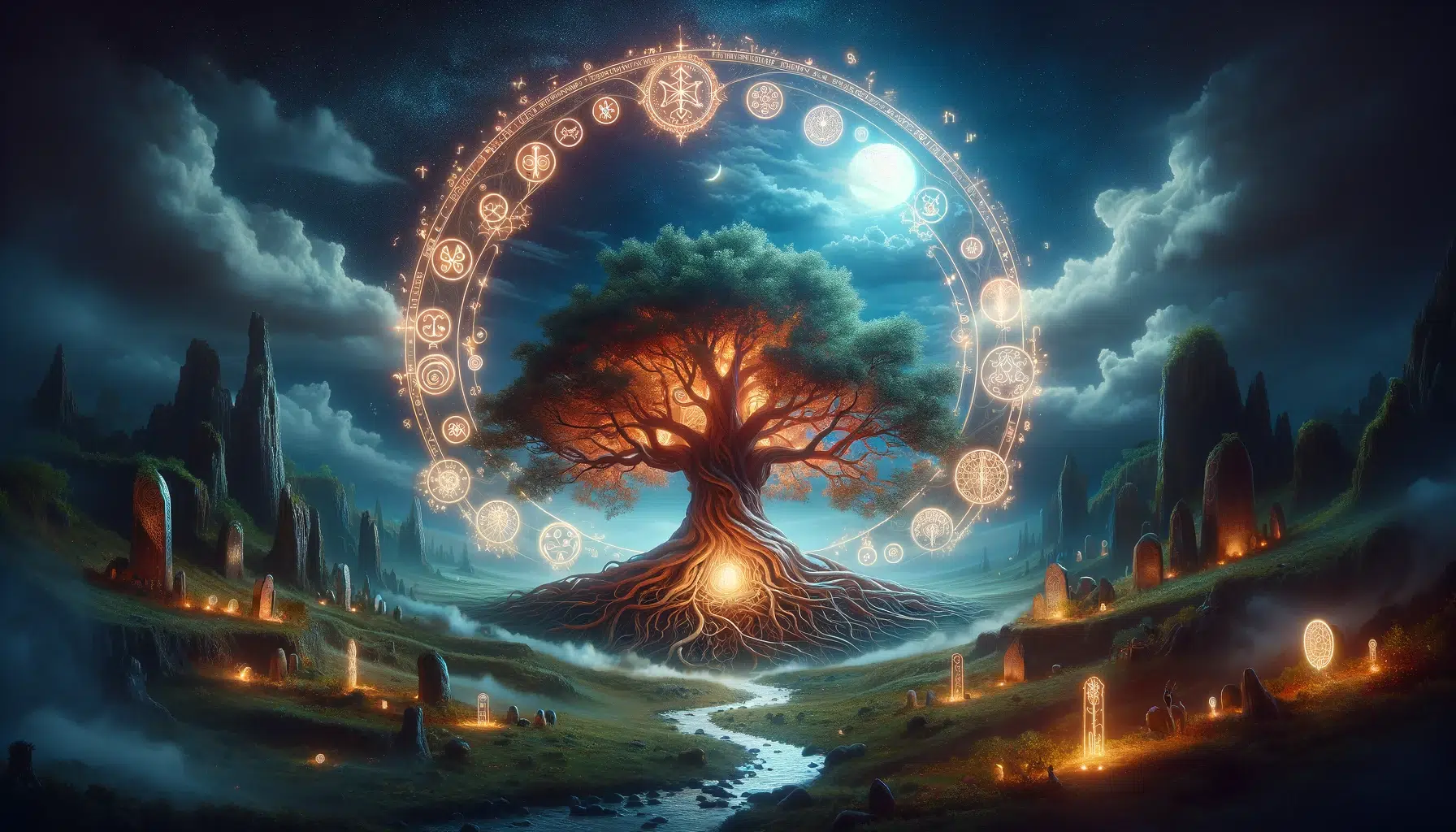
The Tree of Life holds a prominent place in Slavic mythology.
It symbolizes the cycle of life and death and served as a connection between different realms.
The roots of the tree represented the underworld.
The trunk symbolizes the earthly realm, and the top signified the realm of the gods.
This sacred tree connected with various deities and held profound significance in the ancient Slavs’ spiritual beliefs.
It represented the interconnectedness of all life and the cyclical nature of existence.
The tree would shed its leaves in the fall only to blossom again in the spring.
Thus mirroring the eternal cycle of birth, growth, death, and rebirth.
Symbolism of the Tree of Life in Slavic mythology extends beyond the physical realm.
It also represents the connection between the human world and the divine.
The branches reaching towards the heavens signified the spiritual aspirations of humans.
The roots delve deep into the underworld serving as a link to the realm of the ancestors and the collective unconscious.
The significance of the tree in Slavic mythology emphasizes its presence in various tales and folklore.
It is a central element in creation stories.
It acts as the axis mundi, the center of the world, around which all other beings and realms revolve.
Overall, the slavic tree of life holds a deep spiritual and symbolic meaning within Slavic mythology.
Its representation of the cycle of life, its connection to different realms, and its association with various deities make it a powerful and revered symbol in Slavic folklore.
Deities Associated with the Tree of Life
| Deity | Realm | Symbolism |
|---|---|---|
| Perun | Heavens | Guardian of celestial order and thunder |
| Mokosh | Earth | Goddess of fertility and abundance |
| Svarog | Underworld | God of crafting and divine fire |
Conclusion
Slavic mythology is full of exciting stories, gods, goddesses, and magical creatures that show us what ancient Slavs believed.
These stories highlight how closely Slavs felt connected to nature and the supernatural.
This mythology helps keep Eastern Europe’s cultural heritage alive.
It’s not just about old tales; people all over the world enjoy these stories today.
They pop up in books, art, and video games, making sure Slavic legends stay with us.
Slavic myths give us a peek into how ancient Slavs saw the world, nature, and mystical forces.
These stories are important because they teach us, entertain us, and bring different cultures together.
They prove how powerful and creative human storytelling can be.