The Perilous Tale of Scylla and Charybdis
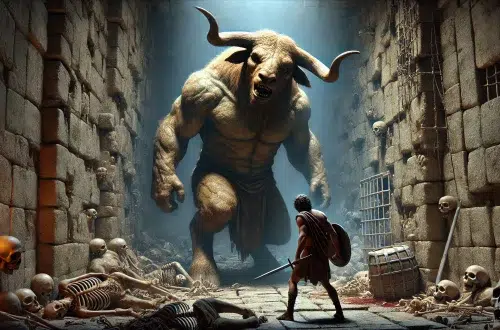
Two sea monsters, Scylla and Charybdis. One narrow passage. No easy way through.
Scylla and Charybdis are the most feared threats in Greek myth. They guard the Strait of Messina, a dangerous waterway between Sicily and Italy. Sail too close to one, and the other strikes.
These monsters first appear in Homer’s Odyssey. Odysseus must sail past them during his long journey home. Later writers, like Ovid, add more detail to their stories.
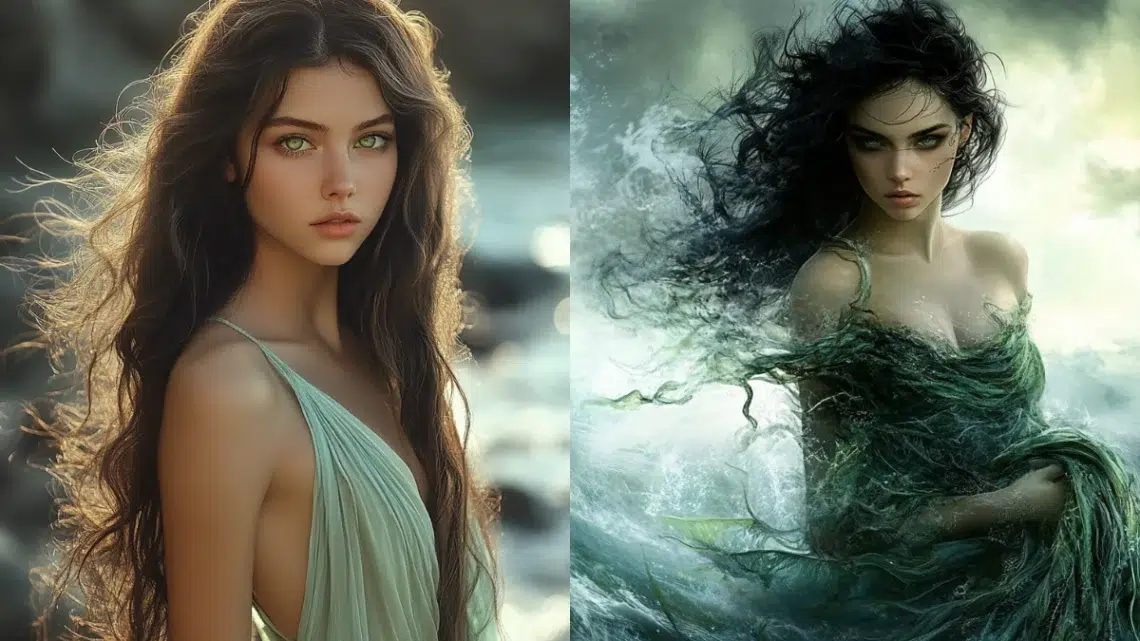
Scylla once held beauty and grace. Charybdis ruled the tides with power and hunger. Now both stand as symbols of impossible choices.
Their myth still echoes today. The phrase “between Scylla and Charybdis” means to face two bad options and pick the lesser evil.
Learn about more myths in Greek mythology:
Origins of Scylla and Glaucus
Scylla the Sea Nymph
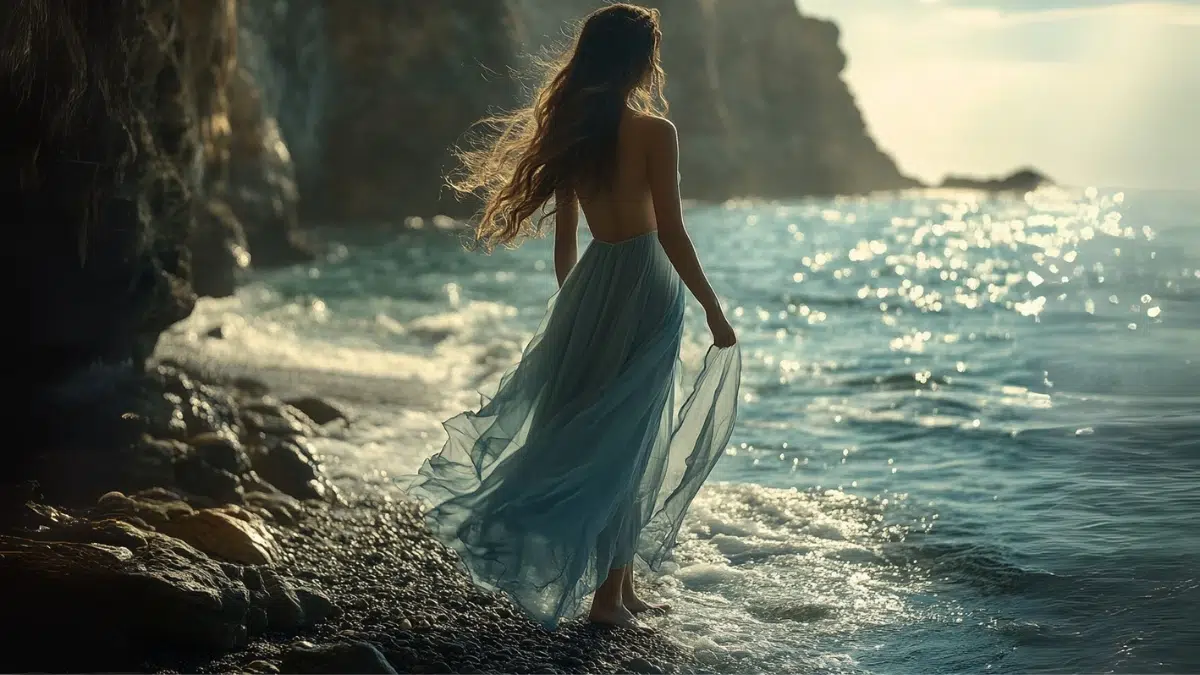
Scylla begins life not as a monster, but as a beautiful sea maiden. Some call her a nymph who dwells near rocky shores. Others describe her as a guardian of coastal waters.
Her parentage varies across ancient texts. In the Odyssey, Homer doesn’t mention her family. Later authors try to fill the gap.
One version says Scylla is the daughter of Phorcys and Ceto, ancient sea gods known for birthing sea monsters. Another says her mother is Crataeis, a sea goddess or sorceress, sometimes paired with Phorcys, Triton, or even Hecate.
Unlike the kind-hearted Nereids, Scylla stands apart. She doesn’t guide sailors or calm storms. Even before her curse, she carries an air of danger or mystery.
Some myths say she once lived in peace, watching the waves from the cliffs. But her fate shifts when love and jealousy pull her into a tragic transformation.
The Tale of Glaucus and the Magical Herb
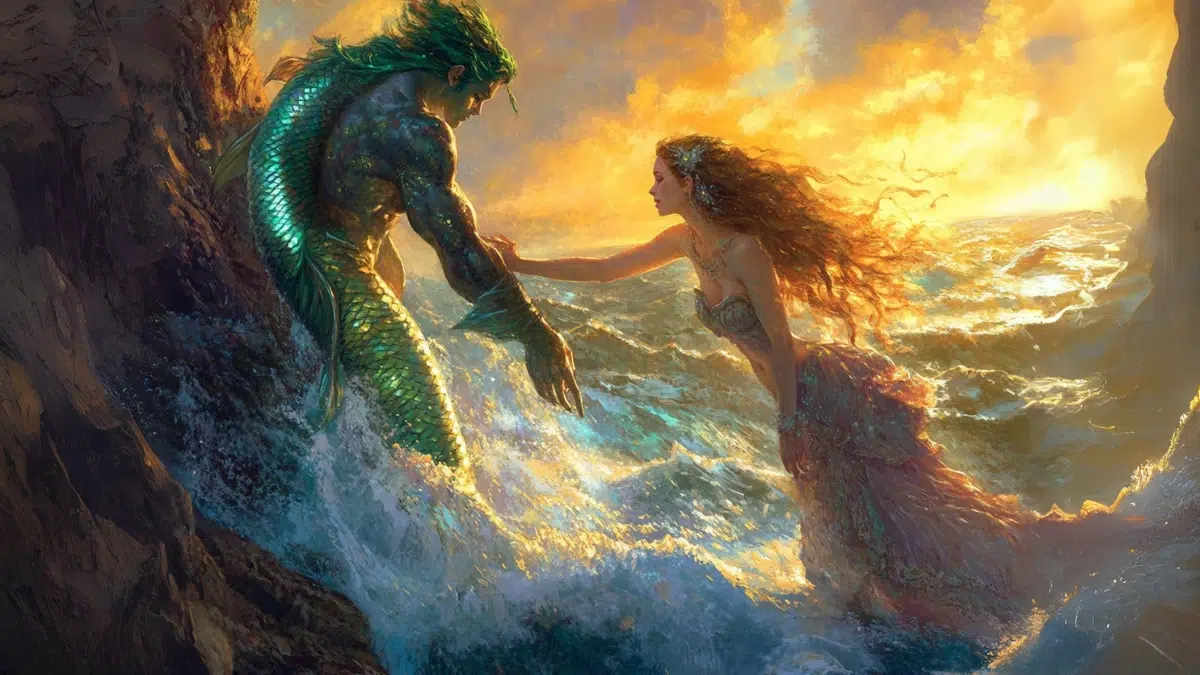
Glaucus begins as a mortal fisherman. He lives a quiet life by the sea, hauling in his daily catch.
One day, after pulling in his nets, he lays the fish on a grassy bank to rest. To his shock, the fish start jumping back into the water—as if the grass brings them to life.
Curious, Glaucus tastes the grass. The moment he eats it, he feels his body change. He loses all desire for mortal food or land. His legs fuse into a fish tail, and he plunges into the sea.
The gods of the sea welcome him. He becomes a minor sea god, often shown with green hair, a scaly tail, and a connection to prophecy and tides.
Later, Glaucus falls in love with Scylla, which leads him to Circe—and the tragic transformation of Scylla.
Glaucus and Circe: A Love Triangle
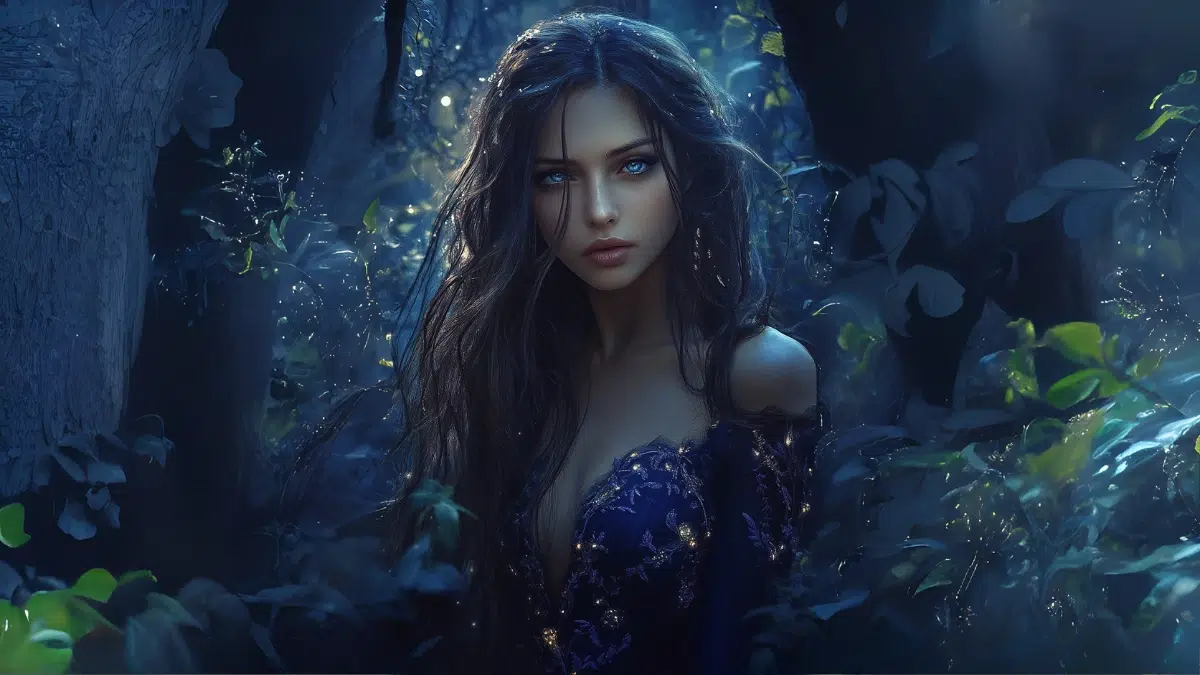
One day Glaucus sees Scylla on the shore and falls deeply in love. Her beauty stuns him.
Scylla rejects Glaucus because she’s not interested, not because she’s cruel or shallow. She values her freedom and doesn’t want to be claimed, even by a god.
Her rejection stings.
Desperate, Glaucus visits Circe, the enchantress known for her potions. He begs her to create a love spell.
Circe listens but soon falls for Glaucus herself. She offers her love, not magic. Glaucus refuses.
Hurt and angry, Circe takes revenge. She poisons the waters where Scylla swims. When Scylla steps in, the change begins.
Circe never attacks Glaucus directly. Instead, she destroys what he loves most. The monster Scylla becomes, now haunts Glaucus for the rest of time.
This tale of love, jealousy, and power shows how quickly desire turns to destruction. None of the three win. All suffer.
Charybdis: The Swallower of the Sea
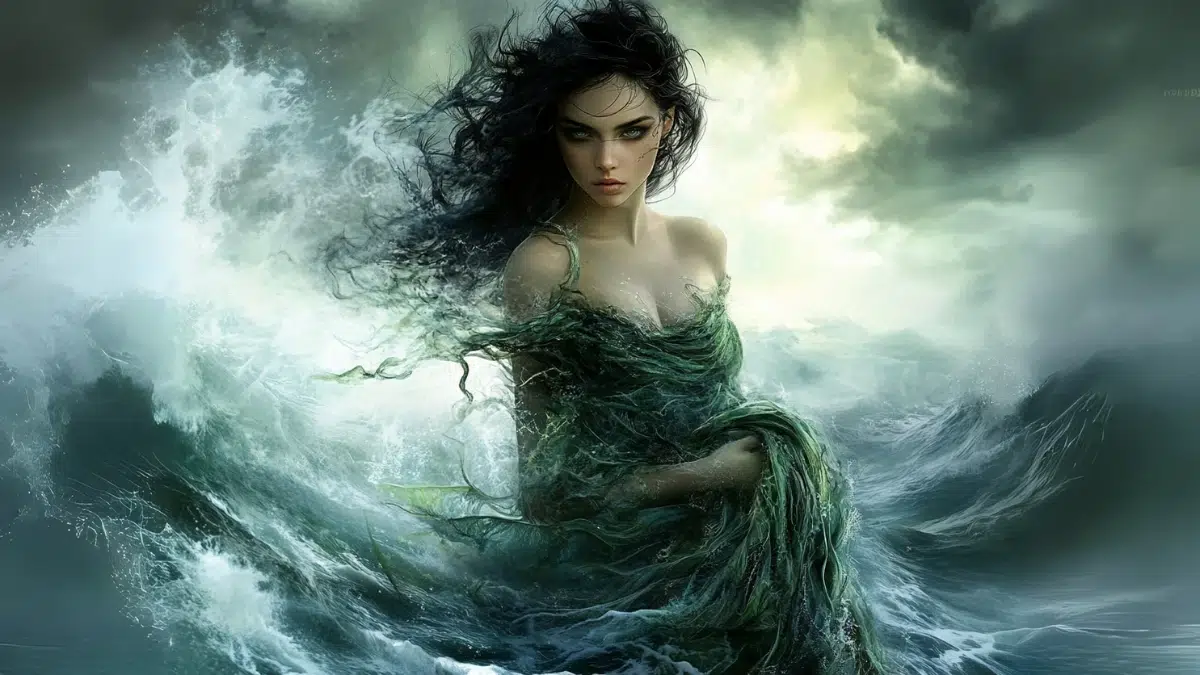
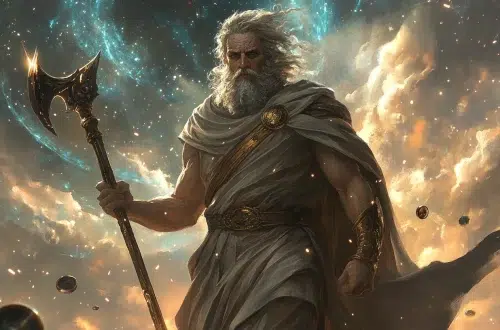
Some say she is the daughter of Poseidon and Gaia. Others call her a sea spirit cursed by Zeus.
When Poseidon fights Zeus for control of the seas, Charybdis helps her father. She floods lands and sinks ships. Zeus grows angry.
As punishment, Zeus strikes her with a thunderbolt. She swells and twists into a sea monster.

Charybdis becomes a massive whirlpool. Three times a day, she gulps down seawater and anything in it. Then she spits it back out with deadly force.
Ships caught in her pull rarely escape. Sailors fear her hunger more than any storm.
Unlike Scylla, Charybdis cannot be seen. Her power lies beneath the waves. Still, both monsters trap sailors in the same place.
They force all who pass to choose—face the jaws of Scylla or risk the pull of Charybdis.
Charybdis lives on the other side of the narrow sea. She lurks below the surface, waiting to strike.
The Strait of Messina: Between Two Horrors
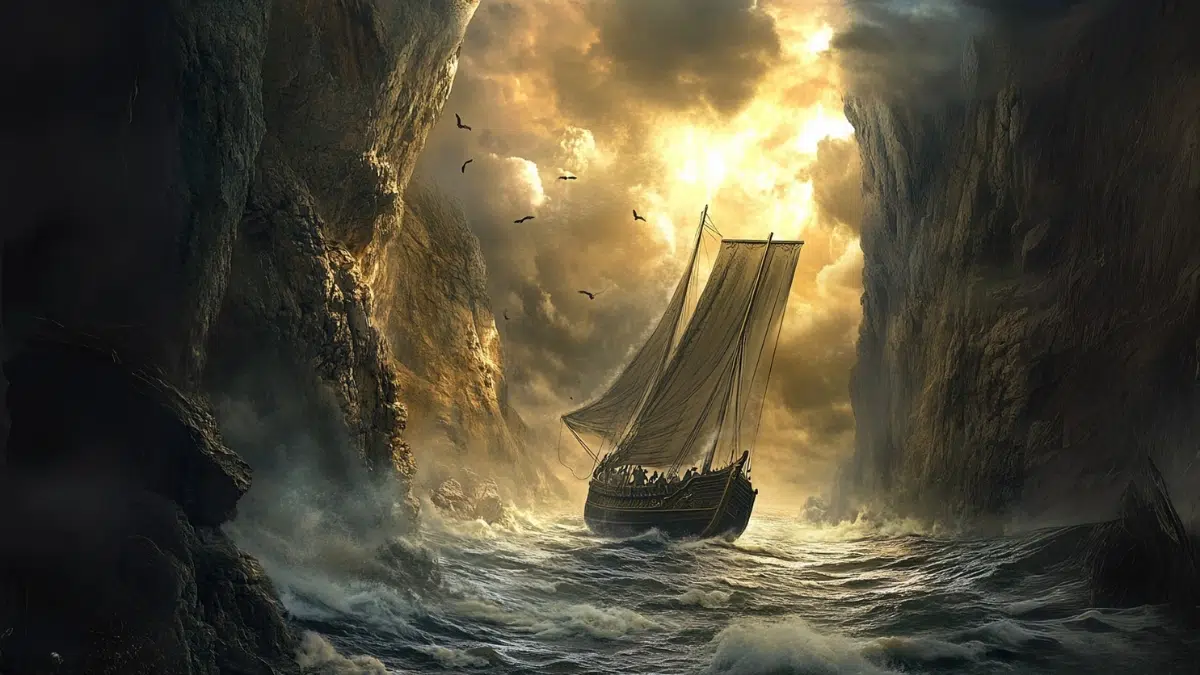
Scylla and Charybdis guard opposite sides of a narrow sea passage. This strait lies between Sicily and mainland Italy.
Waves crash against sharp cliffs. The water moves fast and wild. No ship passes without risk.
In Homer’s Odyssey, the hero Odysseus must sail through this passage. The enchantress Circe warns him: avoid Charybdis at all costs. Her whirlpool swallows everything.
Circe tells him to sail closer to Scylla. She may grab six men, but the ship survives. Odysseus listens. As they pass, Scylla reaches down and takes six sailors. Each head grabs one man. The rest escape.
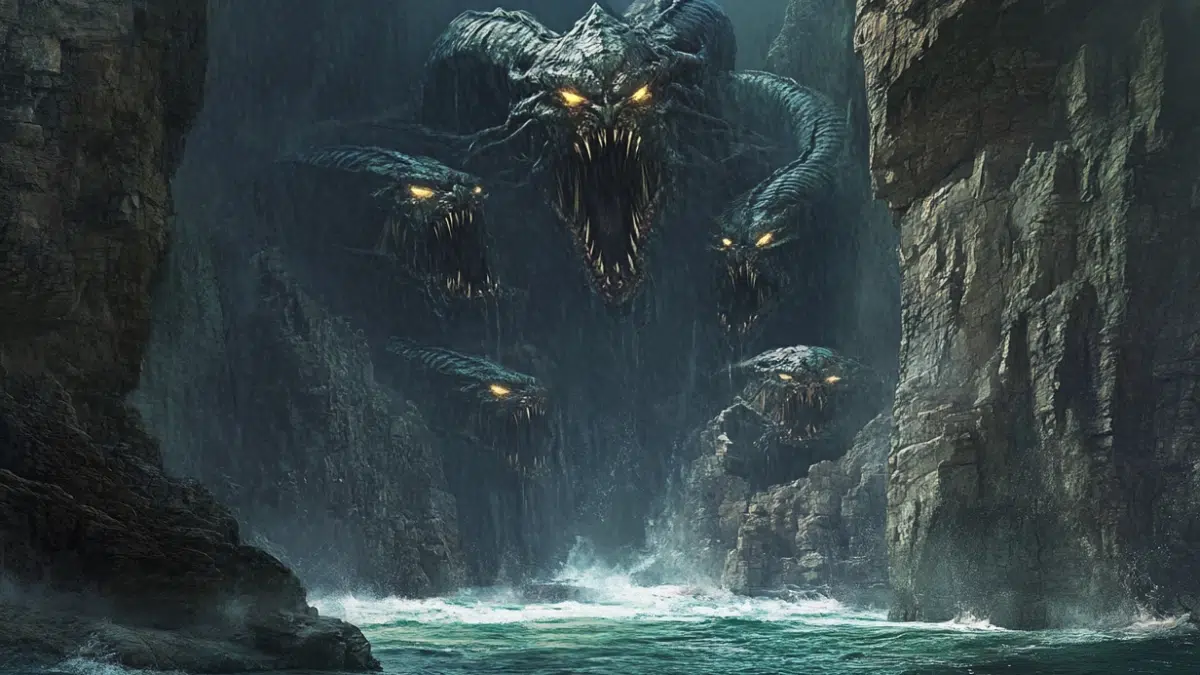
This moment becomes one of the most painful choices Odysseus faces. Save the many by sacrificing a few.
Jason and the Argonauts also face the same threat. But the goddess Thetis helps guide their ship through the deadly waters.
The strait becomes a symbol. It shows what it means to be trapped between two dangers. No easy answer. No safe path. Just hard decisions.
Literary Sources and Myth Variants
Scylla and Charybdis appear in many ancient texts. The most famous version comes from Homer’s Odyssey, written around the 8th century BCE. In Book 12, Odysseus sails past both monsters on his way home from Troy.
Ovid’s Metamorphoses, written in the 1st century BCE, adds more detail to Scylla’s backstory. Ovid tells how Circe, jealous of Glaucus’s love for Scylla, poisons the water and transforms her.
Apollonius of Rhodes includes the monsters in The Argonautica. Jason and his crew avoid the danger with help from the sea goddess Thetis.
Earlier versions show Scylla as a dragon or sea creature. Later myths give her a tragic past. Some say she keeps her beauty above the waist, with monster parts below.
Charybdis has fewer stories. She often appears as a giant whirlpool or gaping mouth in the sea. Most sources agree she is tied to Zeus’s punishment and Poseidon’s wrath.
Writers across centuries use these monsters to explore fear, fate, and difficult choices. Each version brings a new twist—but the core danger stays the same.
Symbolism and Legacy
Scylla and Charybdis are more than sea monsters. They represent hard choices with no perfect outcome.
To sail past Scylla means losing a few. To face Charybdis risks losing all. Ancient sailors feared the real Strait of Messina. Today, we use the myth as a warning.
The phrase “between Scylla and Charybdis” means trapped between two dangers. It’s like saying “between a rock and a hard place.”
Writers, poets, and artists use this story to show fear, risk, and sacrifice. Dante mentions them in The Inferno. Modern books and games still draw on their legend.
Scylla and Charybdis remind us that strength doesn’t always mean fighting. Sometimes, it means choosing the path that costs the least—even when it still hurts.
Their story stays with us because life often forces tough decisions. Like Odysseus, we must keep going, even when no choice feels right.
Conclusion
Scylla and Charybdis show how myths warn us about life’s toughest choices. Their story blends fear, beauty, jealousy, and survival.
Scylla begins as a nymph. Charybdis starts as a loyal daughter. Both face curses that twist their fate forever. Circe’s jealousy and Zeus’s punishment shape their monstrous forms.
Odysseus, Glaucus, and Jason each cross paths with them. None forget the danger.
This myth still speaks to us today. We all face choices with no easy answer. We must move forward, even when the cost feels high.
Between whirlpools and monsters, between risk and sacrifice—Scylla and Charybdis still guard life’s narrow straits.