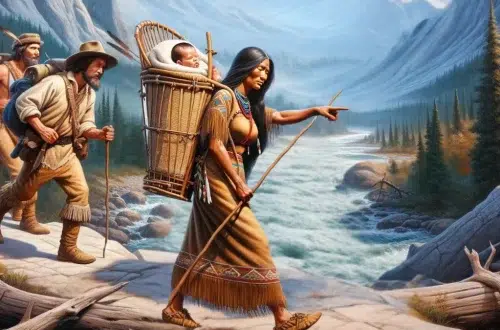
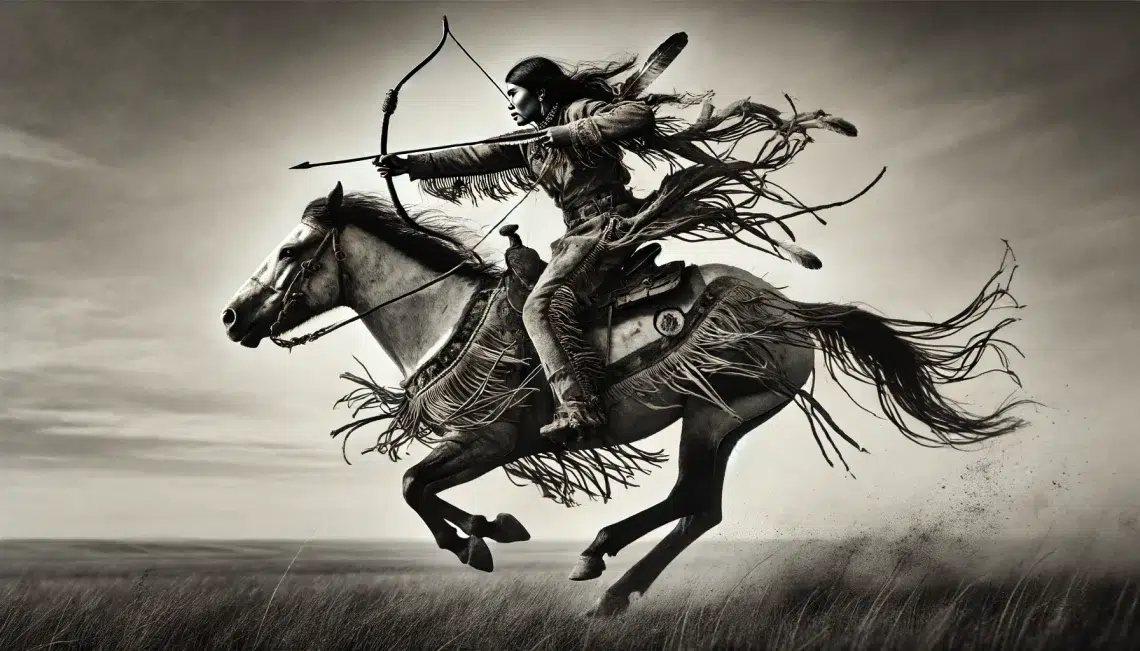
Running Eagle: Woman Warrior Defying Tradition
Running Eagle, a Blackfoot woman, was a war chief and warrior, who broke through the gender roles of her time.
She is also known as Pi’tamaka, or ‘Goes-to-War-Woman’.
Pi’tamaka, orignally named Brown Weasel Woman, became a strong figure in Native American history.
Born into the Piikáni people, she quickly showed her talent as a hunter and warrior.
Pi’tamaka’s hunting and fighting skills were extraordinary for a woman in her time.
She became even more famous after leading her group to capture hundreds of horses. This daring raid boosted her reputation.
Her people’s chief acknowledged her bravery, naming her Running Eagle.
This gave her a special place within her people and among female warriors in native cultures.
Pi’tamaka’s life story highlights key historical moments and cultural changes.
She is celebrated as a prominent figure in the history of Native Americans and the Piegan Blackfeet people.
Early Life of Running Eagle
Born in the 19th century, Brown Weasel Woman was part of the Piikáni of the Blackfeet Nation.
She lived in Southern Alberta, Canada and was the eldest of several children.
Early on, Brown Weasel Woman was different.
Preferring to play with the boys, she did not show interest in traditional women’s tasks.
She excelled in riding and shooting, competencies uncommon among girls of her people. By 12, she would wear what the boys did.
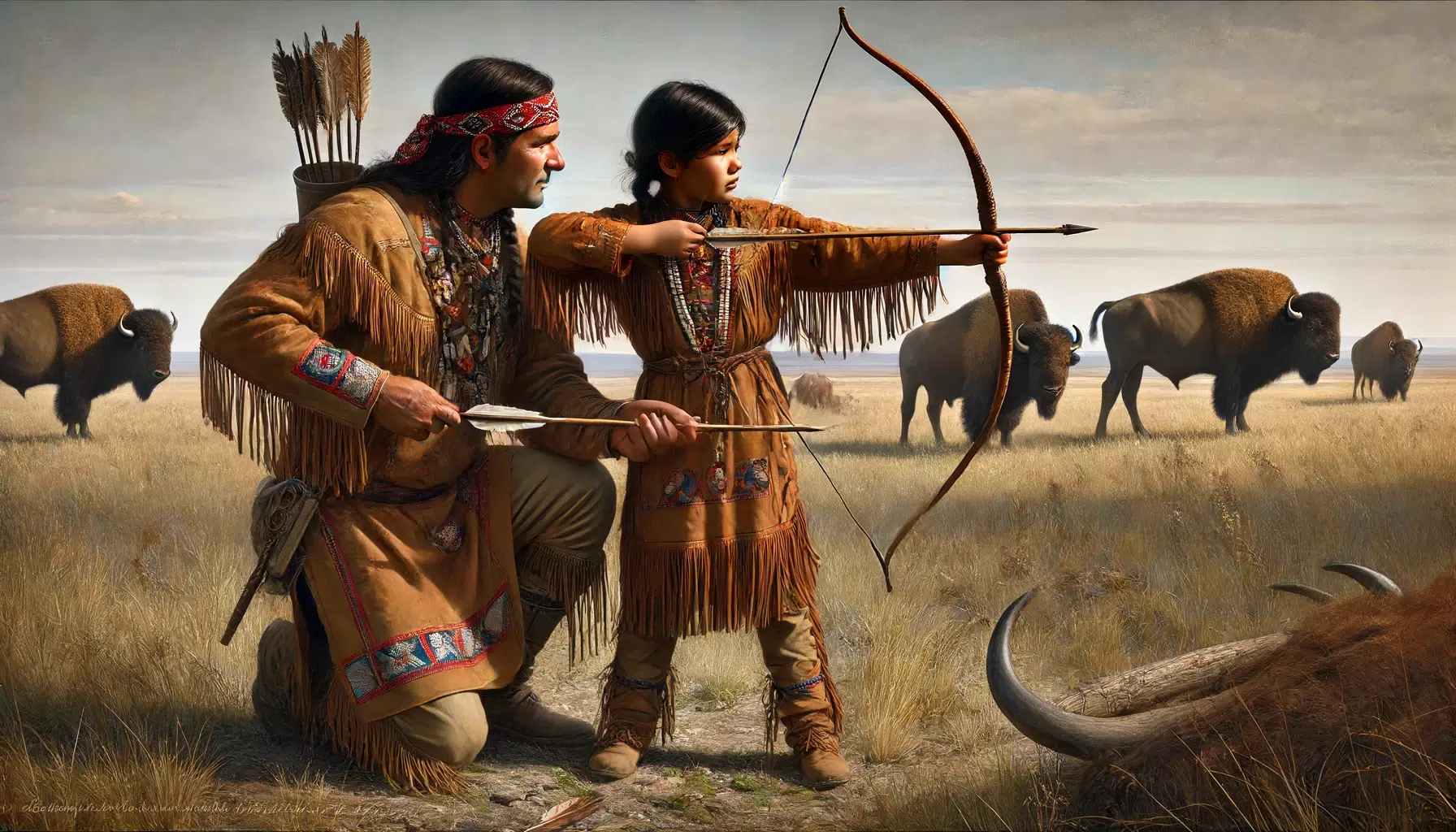
Her father, a notable warrior, taught her to hunt and fight, along with her brothers.
This training shaped her into a skilled hunter and warrior. She learned to hunt buffalo during expeditions.
Even as a child, her choices would challenge societal expectations.
This, setting a path that would cultivate her legend as a fierce warrior and respected chief of her people.
Her father died in a Crow battle and then shortly after, her mother got sick and died. This left Brown Weasel Woman in charge of her family.
Brown Weasel Woman’s early life was tough but showed her strength.
Saving her father from the Assiniboine made her known early on as a great warrior and hunter.
And she would be honoured for it.
Defying Gender Roles in the Piikáni People
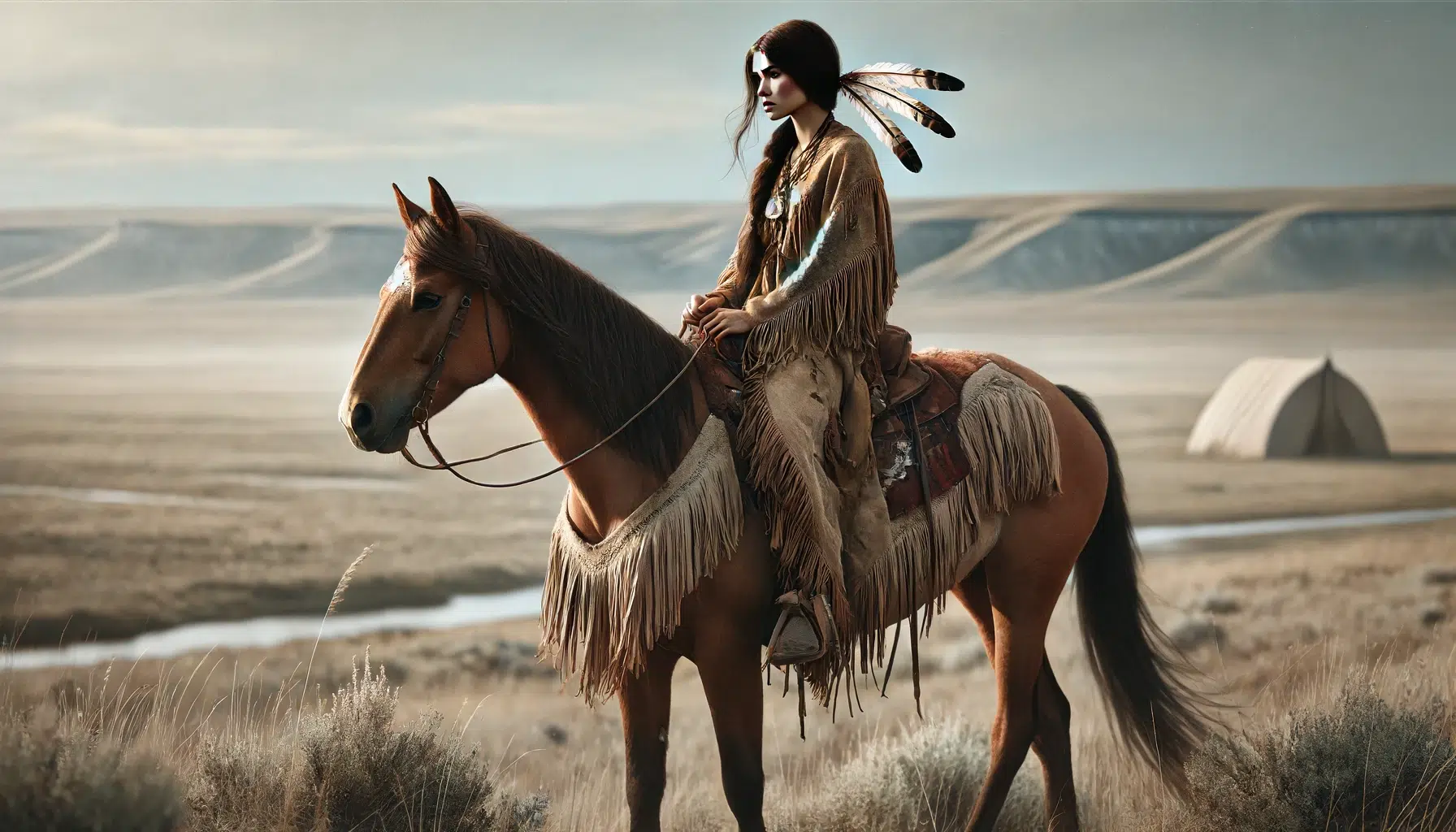
In the 19th century, Running Eagle, was remarkable in the Piikáni people.
Men typically serving as hunters and warriors, while women were responsible for gathering and processing food, and managing the camp.
However, the Blackfoot held a flexible view of roles, allowing for exceptions based on individual skills and spiritual calling.
Women could become influential leaders and even participate in warfare if they could demonstrate the necessary qualities and earn the community’s respect.
Running Eagle would step out of traditional female roles.
Her father was the first to see her potential. He supported her learning and taught her hunting and other activities usually done by men.
Because of her skills and courage, she earned high honour. The tribal chief asked her to talk about her successes.
This was a big deal and showed her fight against cultural norms.
She even went on missions to take horses from the Crow people.
These actions showed her people that she could skillfully protect them.
She would receive praise from the Piikáni chief for her courageous efforts, something not often given to women.
Running Eagle showed her people that women could be powerful and protect their people.
Running Eagle’s story breaks traditional views on gender and shows that anyone can be a leader.
Indigenous groups still respect and celebrate her for her courage and resilience.
Becoming Running Eagle or Pi’tamaka
Early Success
Running Eagle would lead successful war parties and hunts.
During a key horse raid, Running Eagle, or Pi’tamaka, would show her bravery.
In one raid, her team captured 11 enemy horses and defeated three foes.
Such actions made her stand out even among chiefs. Her smart strategies led to capturing hundreds of horses in one remarkable raid.
This sealed her place as a respected warrior.
This shows not only her fighting skills but also her clever planning and courage.
Vision Quest
Some say that Running Eagle had a husband. However when she was still young her husband was killed by the Crows.
Running Eagle wanted to avenge his death and become a warrior.
Vision quests were a rite of passage for warriors, a journey normally only taken by men.
However she went on the vision quest to prove herself as a warrior.
The quest involves traveling to a remote area, fasting and waiting for the spirits to appear and show the warrior their destiny in a vision.
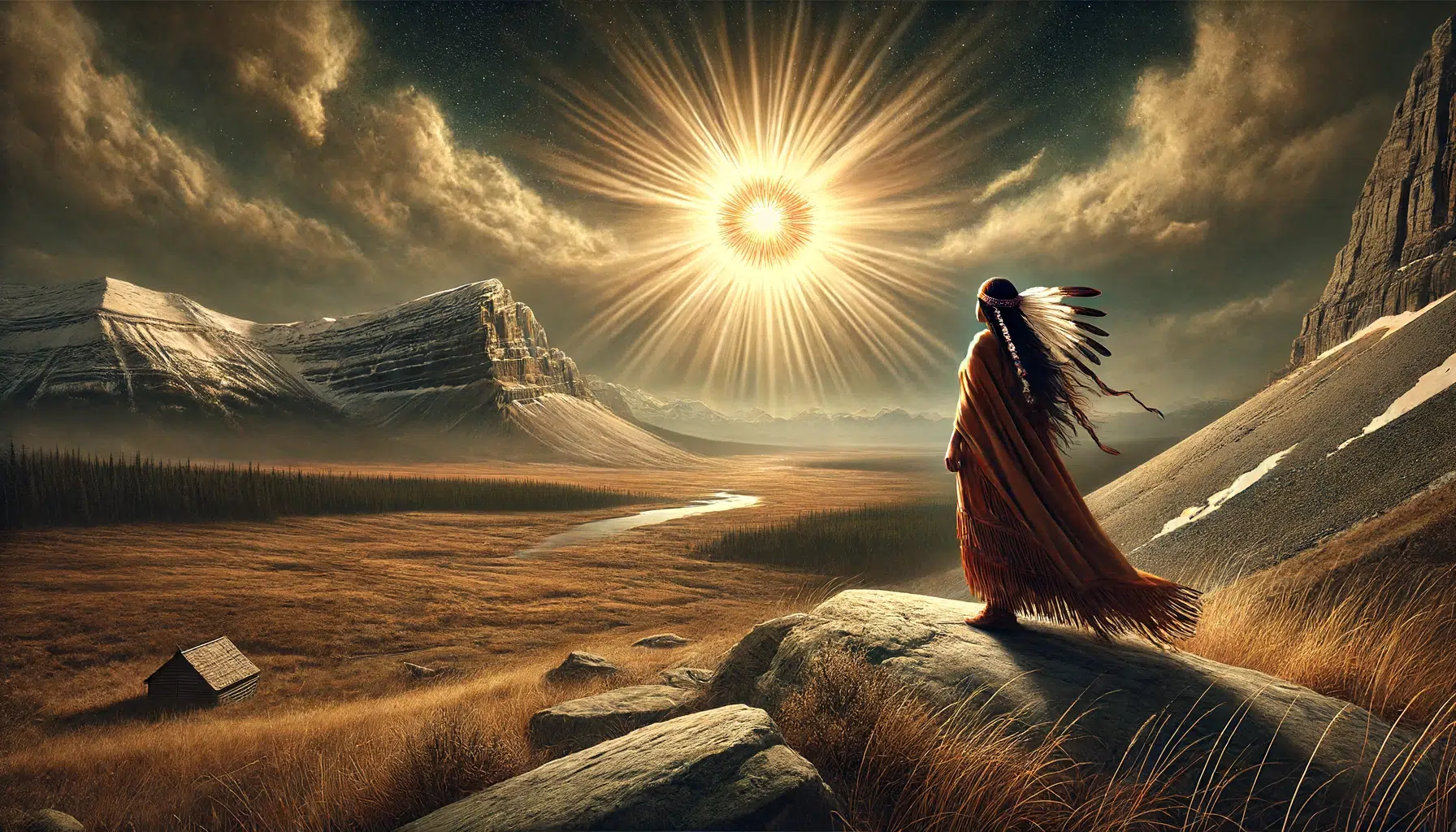
Running Eagle said she had a vision of the sun.
The sun would promises to give her great power in battle or war. But she was to promise to never be with another man.
This vow was to keep her power in battle and connected her deeply with her culture.
The Story of Saving Her Father
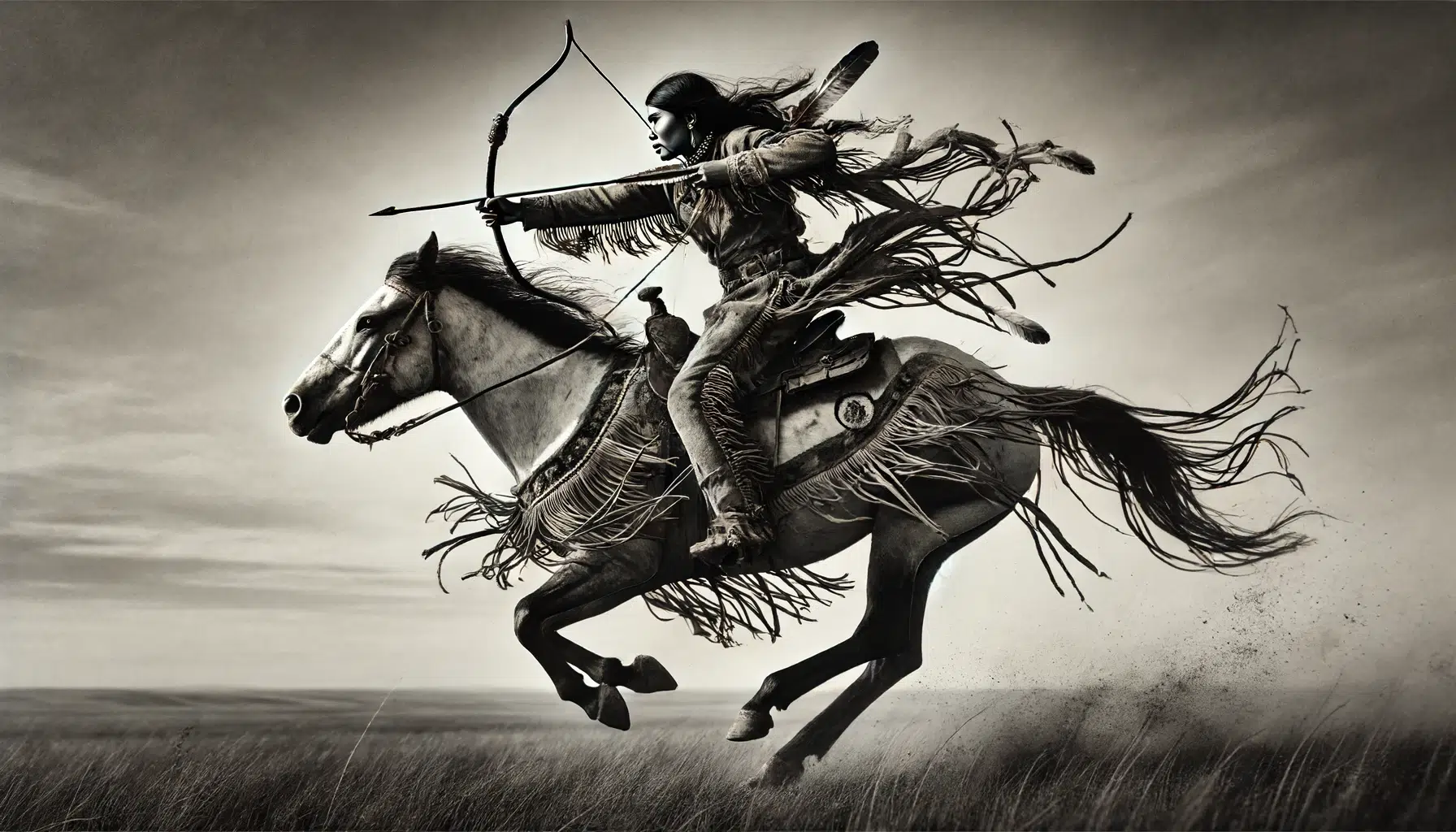
During a hunting expedition, the Piikáni group came under attack by the Assiniboine, the Hoehe or Nakota people, their enemy.
As the hunting party attempted to flee, her father’s horse was shot.
When Running Eagle saw this, she raced towards the enemy. She pulled her father onto her horse which would end up saving his life.
After this victory, she earned a rare honour.
She would be celebrated, allowing her to sing the Victory Song.
Then a Scalp Dance was held in her honour.
Running Eagle’s Naming
Running Eagle achieves a great feat by becoming Pi’tamaka, the first woman with this warrior name.
She was invited to join the men-only ceremony.
Chief Lone Walker would give her the name “Running Eagle” or Pi’tamaka, or ‘Goes-to-War-Woman’.
This was a name only given to the greatest warriors, and it was the first time it had ever been given to a woman.
It wasn’t just about her courage but also her smart and effective leadership.
Running Eagle’s story is one of great effort, bravery, and being recognized by her people.
Symbolism of Running Eagle
Eagles are emblematic of courage, freedom, and keen vision in many Native American cultures.
The prefix “Running” implies swiftness and relentless momentum.
Together, they reflect her swift rise to prominence and the swift impact she made in battle.
Her chosen name encapsulates her spirit, her capabilities, and her significance as a trailblazer, and it holds a deep-seated respect within her community.
Inspiring Future Generations
Running Eagle is a beacon of light for young Native Americans.
She breaks traditional rules and acts with courage.
Her story shows that women can do great things, just like men can.
She inspires all, especially young girls, with her achievements.
She uses her notoriety and leadership position to uplift and empower those in her community, especially young women and girls.
By doing so, she shifts the narrative around gender roles and provides a powerful role model for future generations.
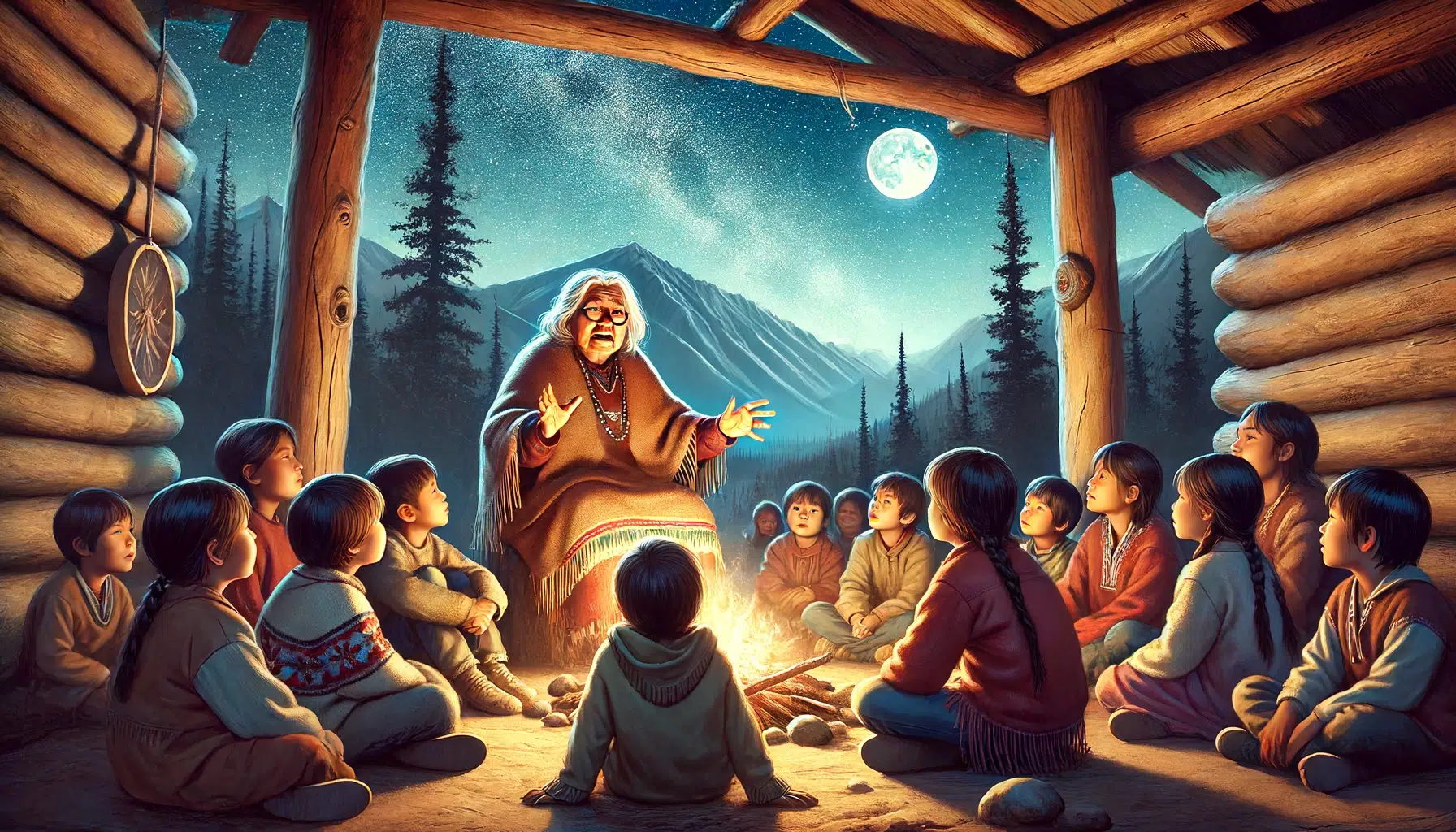
Through storytelling, direct mentorship, and the example of her own life, Running Eagle instills values of courage, strength, and independence in the youth.
- She shares tales of her adventures to inspire courage and resilience.
- Offers warrior training to others, breaking traditional gender barriers.
- Emphasizes the importance of strategy and foresight in battle and life.
- Encourages young girls to be assertive and challenge societal expectations.
Through these efforts, Running Eagle’s influence has reshaped her people’s view on the potential of women.
This is seeding change that would bear fruit for many years to come.
Running Eagle in Mythology and Folklore

Running Eagle, or Brown Weasel Woman, came from the Piikáni people in the 19th century.
She marks her place in Native American history with tales of her courage.
These stories make her a symbol of power and resilience in Running Eagle mythology.
She is both a legendary female warrior and a cultural heroine.
Running Eagle shows great bravery, saving her father during war and getting back stolen horses from the Crow.
Her actions show she was not bound by what was expected of her.
With these deeds, she became a notable figure in folklore.
Her story doesn’t end with her death in battle but continues as a legend.
In comparing Running Eagle to Norse myth’s eagle and Veðrfölnir, she stands out.
She is a respected figure in the world of folklore, comparable to iconic Norse myth creatures.
Scholars like John Lindow and Hilda Ellis Davidson have explored these connections.
They show how Running Eagle represents the valour of legendary female warriors in various cultures and times.
The Death of a Heroine
Running Eagle’s demise had profound effects on her people, the Blackfoot people.
The loss of such a formidable warrior and symbol of female prowess left a palpable void.
Her valiant leadership in battles had been instrumental.
Her untimely death at the hands of Flathead warriors was a stark reminder of the constant peril the Blackfoot faced from their adversaries.
Running Eagle dies on a horse raid after 1878.
The Flathead warriors heard that the war party advancing toward them was led by a woman.
It is said that a warrior named Zamalya killed Running Eagle.
In the aftermath:
- Tributes would commemorate her bravery and exceptional role in society.
- Stories of her deeds would elevate Running Eagle to legendary status in Blackfoot oral history.
- Her defiance of gender norms would inspire future generations of women to challenge societal expectations.
Running Eagle’s Legacy
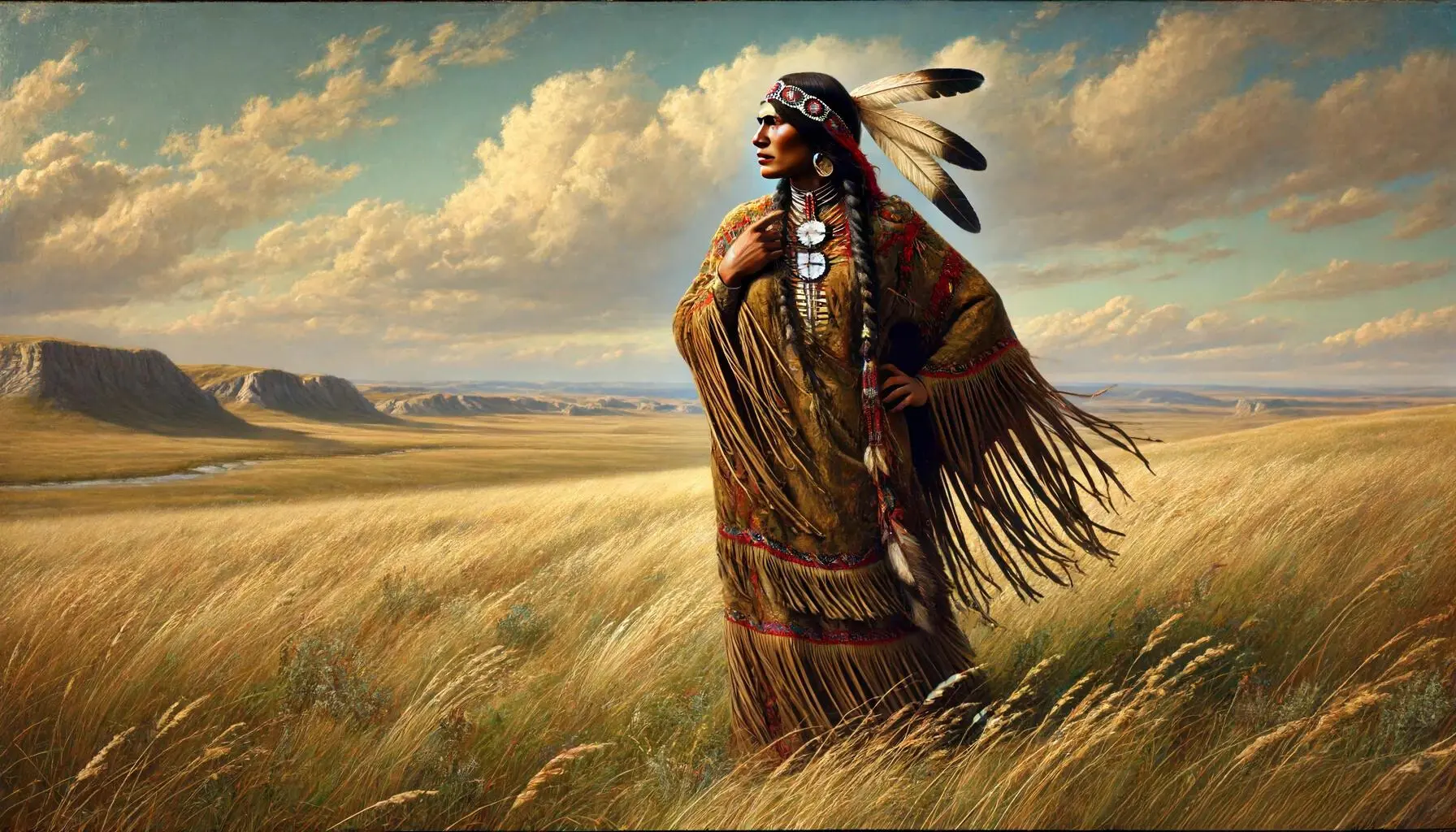
Among the Blackfeet, women’s roles did not traditionally include warfare, yet Running Eagle transcended these boundaries with remarkable prowess.
- As a young girl, she learns to hunt and ride, demonstrating exceptional skill.
- Running Eagle’s first taste of combat was a raid against the Crow, where her bravery was unmistakable.
- Earning her warrior name, “Running Eagle,” she shows a strategic mind and fearless spirit on the battlefield.
- She leads numerous successful raids, gaining respect and followers with each victory.
- Her fame spreads far beyond her own people, inspiring both awe and fear among allies and adversaries alike.
Running Eagle’s leadership and courage solidified her as an icon of defiance and excellence.
As a legendary Blackfeet warrior, Running Eagle serves as an enduring symbol of courage and defiance.
Her story inspires not only Indigenous peoples but all who learn of her remarkable life.
Running Eagle’s legacy and highlights of the pivotal role of women in history.
- Native American tales that continue to pass down her feats from generation to generation.
- Commemorative events and cultural gatherings that celebrate her leadership.
- A shift towards recognizing the diverse contributions of women in tribal communities.
- Educational materials that include her story, contributing to a richer, more inclusive history.
Memorials in Glacier National Park
Pitamakan Lake in Glacier National Park honours her leadership.
Parts of Glacier Park stand as a powerful tribute to Running Eagle’s legacy.
Places like Pitamakan Lake, Pitamakan Pass, and Running Eagle Falls bear her name. They keep her story alive in the heart of a stunning nature spot.
These locations are sanctuaries for thinking about the big difference she made.
They show she is still remembered in the Native American community. These natural spots honour her memory.
The Impact of Running Eagle
Running Eagle, born as Brown Weasel Woman, had a profound influence on Native American history.
She was a key warrior and hunter among the Piikáni.
Her story highlights the power of breaking gender roles and social norms.
She became famous after stopping two Crow warriors from stealing horses. The Piikáni chief even honoured her.
Given the name Running Eagle, is a sign of great respect in her community.
Her achievements go beyond her own story. Running Eagle shows us that anyone can be a leader, no matter their gender.
Today, places like Pitamakan Lake remind us of the ongoing strength and spirit of Native America.
Her story remains a key part of Native American history.