
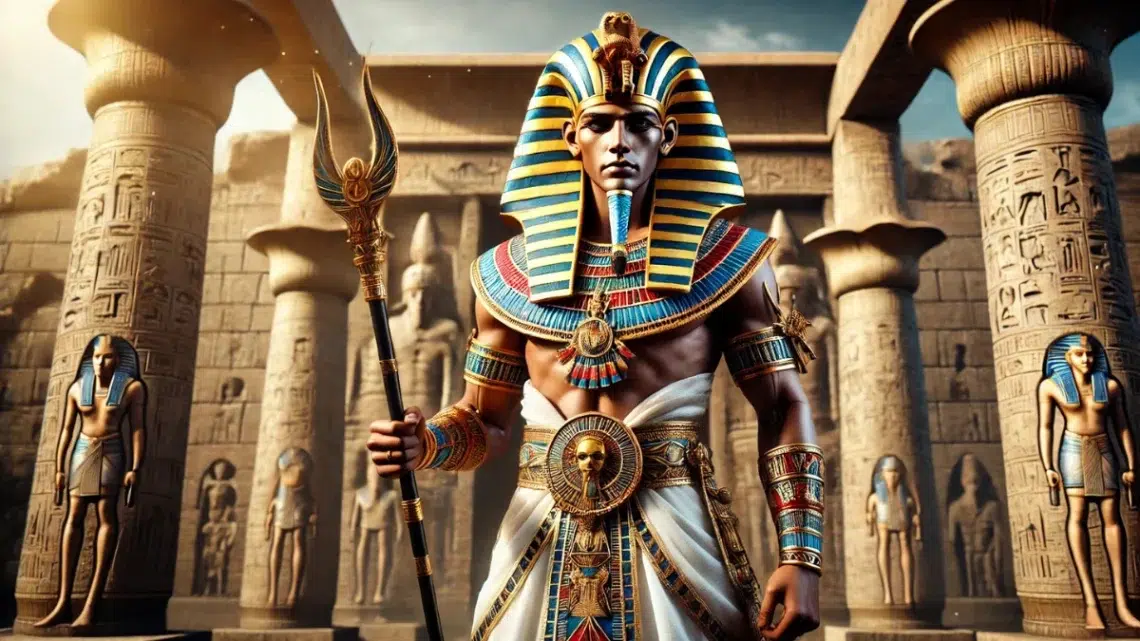
Ramses II Egyptian Pharaoh: Builder, Warrior and Peacemaker
Ramses II, also called Ramses the Great, ruled Egypt thousands of years ago. He led for 66 years, making him one of the longest-ruling pharaohs in history.
Ramses II: The Greatest Pharaoh in Ancient Egypt
Ramses II earned fame for his bravery, incredible monuments, and ability to keep Egypt strong. People admired him for building temples, statues, and cities that still amaze us today. His story shows what it meant to be a pharaoh, and why his name appears in history books everywhere.
Ramses II remains a symbol of leadership and greatness in ancient Egypt, making him unforgettable.
Why Is He Called “The Great”?
Ramses II earned the title “the Great” for his many achievements.
He built amazing monuments, such as the famous Abu Simbel temples. He also fought in famous battles, like the Battle of Kadesh, where he proved his courage. People across Egypt celebrated him for signing the first known peace treaty. His leadership kept Egypt safe, wealthy, and united.
Historians still call Ramses II “the Great” because he shaped ancient Egypt in powerful ways. His life inspires us to learn about ancient civilizations and how they shaped the world.
A Fun Fact About Ramses
Ramses II lived so long that many people in his kingdom only knew him as their pharaoh. Imagine growing up and seeing the same leader for decades!
He had a big family, with over 100 children, making him a proud father too. His life wasn’t just about battles and building; it also showed his love for his family and his people. His story helps us see why he stands out as one of history’s most fascinating leaders.
Ramses II’s Life as a Young Pharaoh
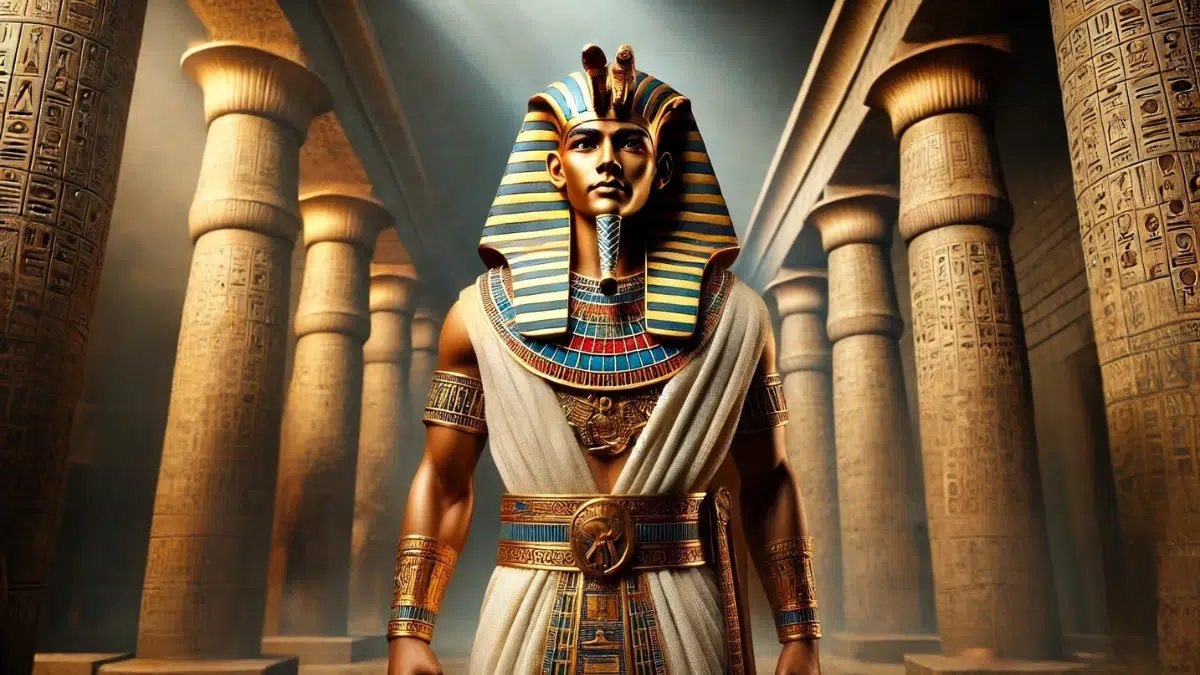
Born to Be a Leader
Ramses was born into royalty, with a father who prepared him to rule ancient Egypt.
His father, Seti I, trained him in leadership, strategy, and warfare from a young age. Ramses learned how to command armies and keep Egypt safe. He spent time with generals and advisers to understand how to lead a powerful kingdom.
As a prince, Ramses II showed great bravery and intelligence, making him a natural leader. His early lessons helped him succeed as one of Egypt’s greatest pharaohs. Ramses II’s story reminds us how training and preparation shape strong leaders.
Becoming Pharaoh
Ramses II became pharaoh in his twenties, stepping into one of the most important jobs in the world. As Pharaoh, he ruled over Egyptians, made laws, and protected the kingdom.
Pharaohs were not just leaders; they were also seen as gods by their people. Ramses II used his strength and knowledge to guide Egypt and earn respect. His ability to balance leadership and divine responsibility made him one of the most famous rulers of ancient Egypt.
His reign showed why pharaohs needed both power and wisdom.
Family and Legacy

Ramses II valued his family and built his legacy through his children. With over 100 children, he created a strong royal family that supported his kingdom. He honoured his wife, Nefertari, with beautiful monuments, showing his love and respect.
He understood that his family would continue his work and protect Egypt’s future. His dedication to both his family and his people made Ramses a symbol of strength and loyalty. His story teaches us the importance of family and how it shapes history.
Ramses the Builder

The Big Monuments
Ramses II built some of the most famous monuments in history, leaving a lasting mark on ancient Egypt. His masterpiece, the Abu Simbel temples, features four enormous statues of Ramses II carved into a mountain.
These statues showed his power and importance as a leader.
Ramses II also built the Ramesseum, a grand temple dedicated to his achievements. These monuments were not just beautiful; they were messages of strength and leadership. Ramses II wanted everyone to remember his greatness, and these monuments helped share his story.
Cities and Architecture
Ramses transformed cities to make Egypt more powerful and beautiful. His greatest city, Pi-Ramesses, served as his royal capital and a centre for trade and government. This city featured grand buildings, wide streets, and incredible statues.
Ramses believed that strong cities created a strong kingdom. He also repaired older temples and buildings to honour Egypt’s history. By improving cities and architecture, he helped Egypt thrive and stay united. His efforts made him one of the most successful pharaohs in Egyptian history.
Learn more about Queen Amina’s Walls: Queen Amina: The Warrior Queen of Nigeria
Writing His Story in Stone
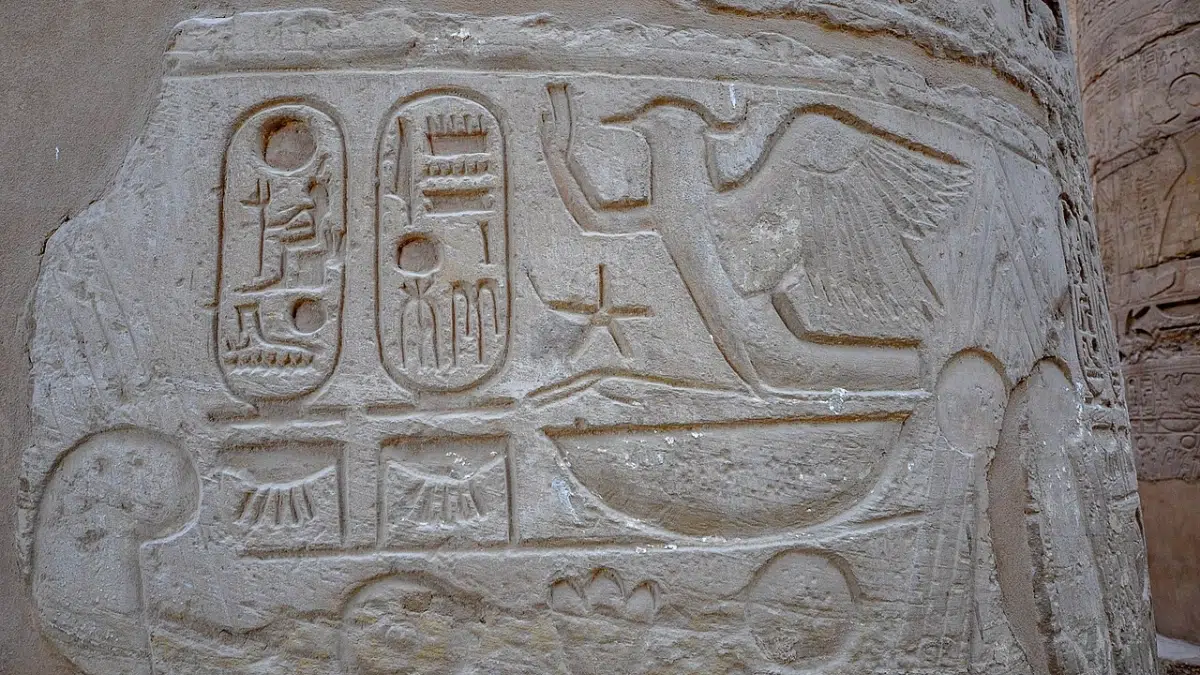
Ramses II used hieroglyphs and carvings to tell his story and share his victories. These inscriptions covered temples, monuments, and statues, showing battles, family life, and important events.
He believed in recording his achievements so future generations could remember him. These carvings not only celebrated his success but also taught others about Egyptian culture and history. Ramses II’s ability to share his story made him a lasting figure in the story of ancient Egypt. His words and images still inspire people today.
Ramses II, the Warrior
His Use of Composite Bows in Battle
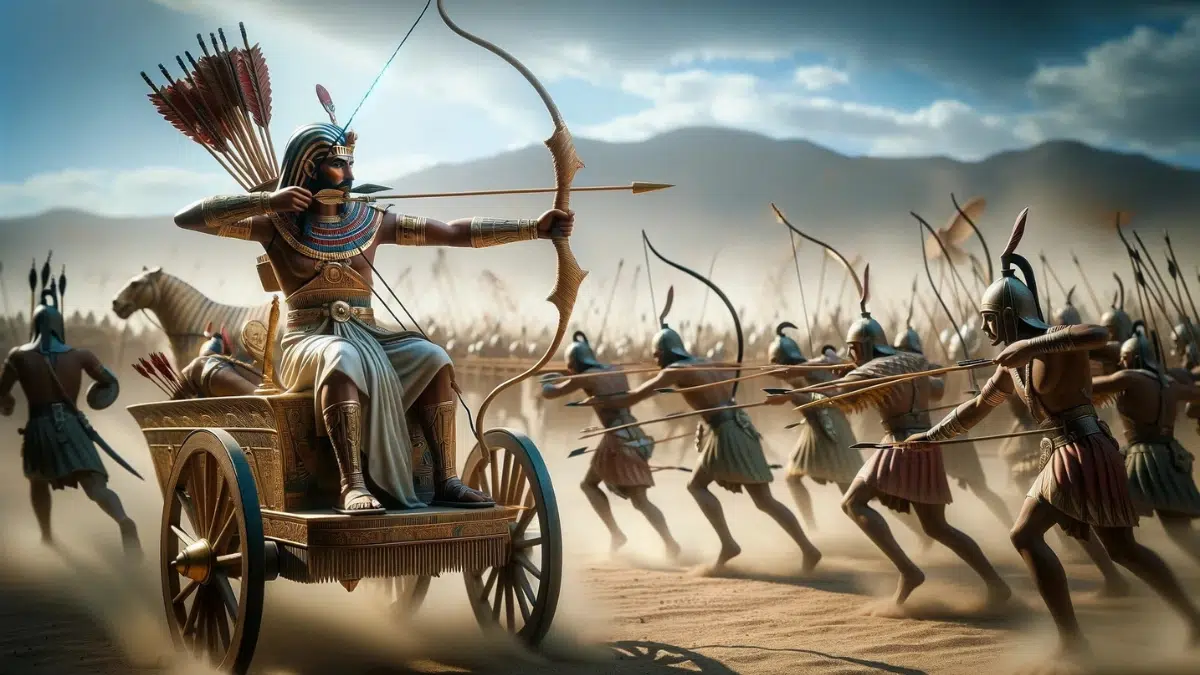
Ramses II is often associated with his role as a skilled warrior and leader. During battles like the Battle of Kadesh, Ramses II and his armies used composite bows, which were advanced weapons for their time.
These bows combined wood, horn, and sinew to create a powerful and flexible weapon. Unlike simple wooden bows, composite bows could shoot arrows farther and with more force, making them highly effective on the battlefield.
He likely used a chariot, which served as a mobile platform for archers. The composite bow’s compact size made it easy to handle while riding. This weapon allowed Ramses II’s soldiers to strike enemies from a distance before engaging in close combat.
Depictions of Ramses II in temple carvings often show him holding a composite bow, highlighting his role as a fierce and capable warrior. This imagery emphasized his strength, skill, and ability to protect Egypt. The composite bow’s use under Ramses II’s leadership demonstrates his innovative approach to warfare and his commitment to maintaining Egypt’s power.
The Battle of Kadesh
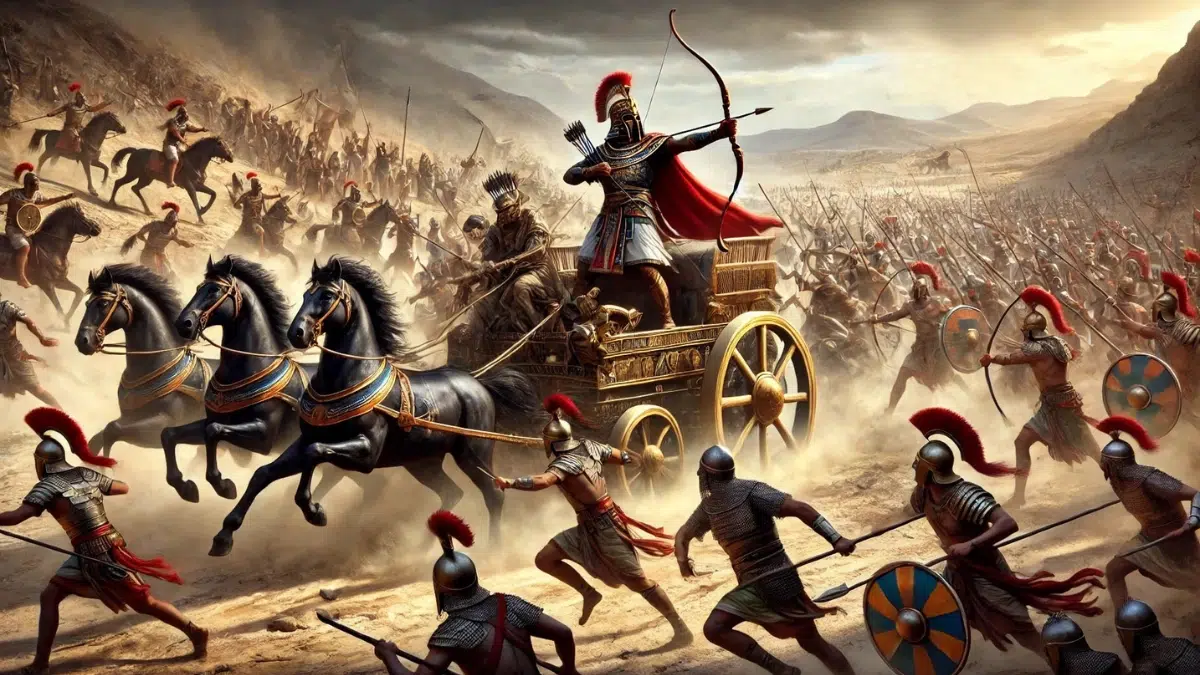
Ramses II became famous for his bravery during the Battle of Kadesh, one of the largest battles in ancient history.
He would lead his army against the Hittites, a powerful group challenging Egypt. The battle showed his courage and clever strategies, even when facing great danger.
He described the battle on temple walls, showing himself as a strong and fearless leader. Though the battle ended without a clear winner, Ramses turned it into a story of victory. His leadership at Kadesh proves why he is remembered as a great pharaoh and warrior.
Making Peace
Ramses II signed the world’s first known peace treaty after years of conflict with the Hittites. This agreement ended fighting and created friendship between the two powerful groups.
His treaty ensured Egypt stayed strong and avoided more wars. It showed his wisdom and ability to think beyond battles. This peace brought stability, allowing Egypt to focus on building its future.
The treaty also showed how Ramses wanted to be remembered as a peacemaker, not just a warrior. His actions shaped the way leaders worked together in ancient times.
Protecting Egypt
Ramses II built forts and walls to keep invaders out of Egypt. These defenses protected Egypt’s borders and made the kingdom safer.
He also led many military campaigns to stop threats and keep peace. His efforts ensured Egypt stayed powerful and united during his long reign. Ramses II’s focus on protection allowed Egyptians to feel secure and prosper. His role as a protector shows why people admire him as one of Egypt’s greatest pharaohs. His legacy as a warrior and defender remains strong even today.
Ramses II, the Legend

A Long, Powerful Reign
Ramses II ruled Egypt for 66 years, longer than most pharaohs in history. His long reign gave Egypt stability and strength. Ramses II used this time to build monuments, lead his people, and secure Egypt’s borders.
His leadership kept Egypt safe from enemies and allowed its culture to grow. Egyptians saw Ramses as a powerful and wise leader who cared for his kingdom. His long time as pharaoh helped him create a lasting legacy that people still admire today. Ramses II’s reign proves why he remains one of the greatest leaders of ancient Egypt.
His Tomb and Mummy
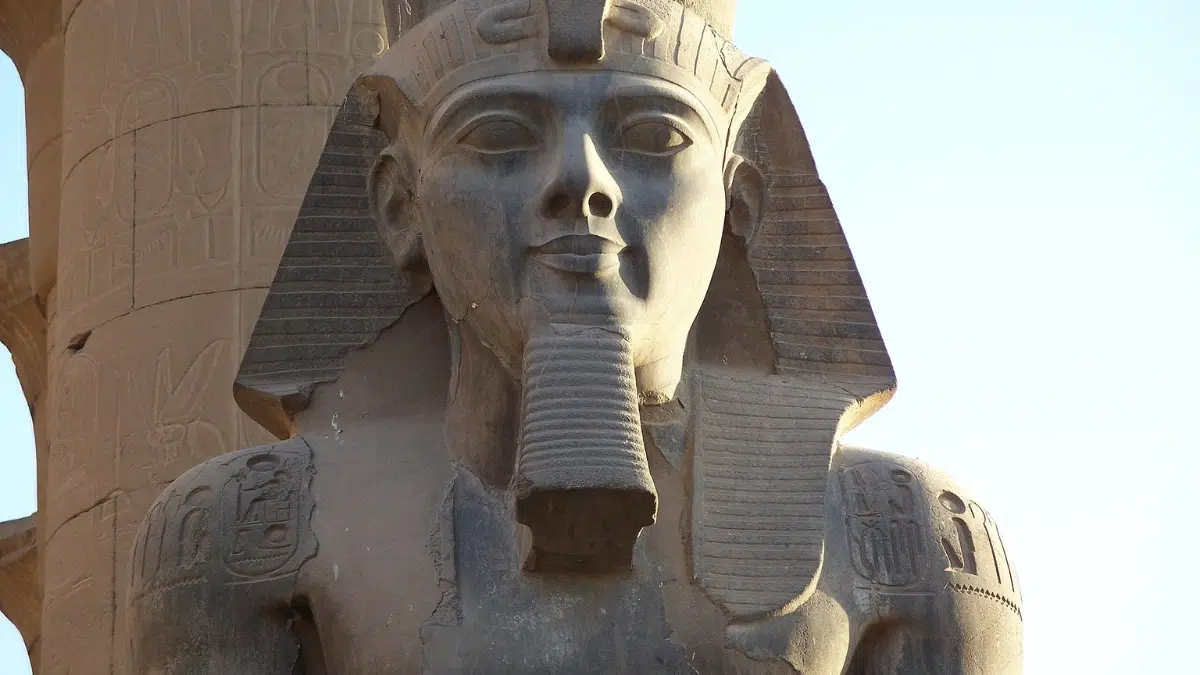
Ramses lies in the Valley of the Kings, a special burial place for pharaohs. His mummy, discovered thousands of years later, shows how much care Egyptians put into preserving their leaders.
Ramses II’s mummy helps us learn about his life, including his health and the way he looked. These discoveries bring us closer to understanding ancient Egyptian culture and its beliefs about the afterlife. His tomb and mummy continue to teach us about the great pharaoh and his time.
Why People Still Remember Him
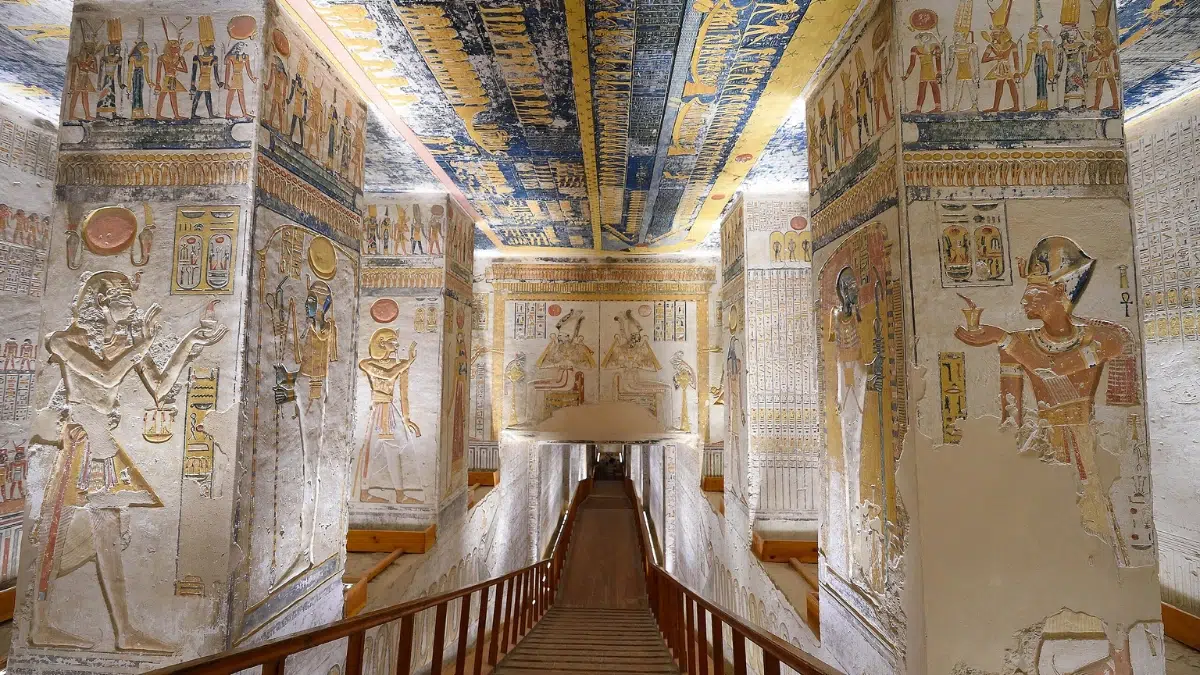
Ramses II is remembered as a builder, warrior, and peacemaker. His temples and statues stand as symbols of his greatness. People admire his ability to lead, protect, and inspire his kingdom.
His story appears in history books, art, and even movies, showing how much he influenced the world. He remains a symbol of leadership and success, inspiring people to learn about ancient Egypt. His incredible achievements ensure that his name will never be forgotten.
Interesting Facts About Ramses II
Ramses II Had a Big Ego
Ramses II loved showing off his achievements. He carved his name on temples, statues, and monuments across ancient Egypt. Sometimes, he even added his name to buildings created by other pharaohs!
Ramses II wanted everyone to know how powerful and important he was. This habit earned him a reputation as one of the most confident leaders in history. His ego wasn’t just for fun—it helped spread his legacy. His name and achievements became part of Egypt’s story, making sure people remembered him as “Ramses the Great.”
He Loved His Wife
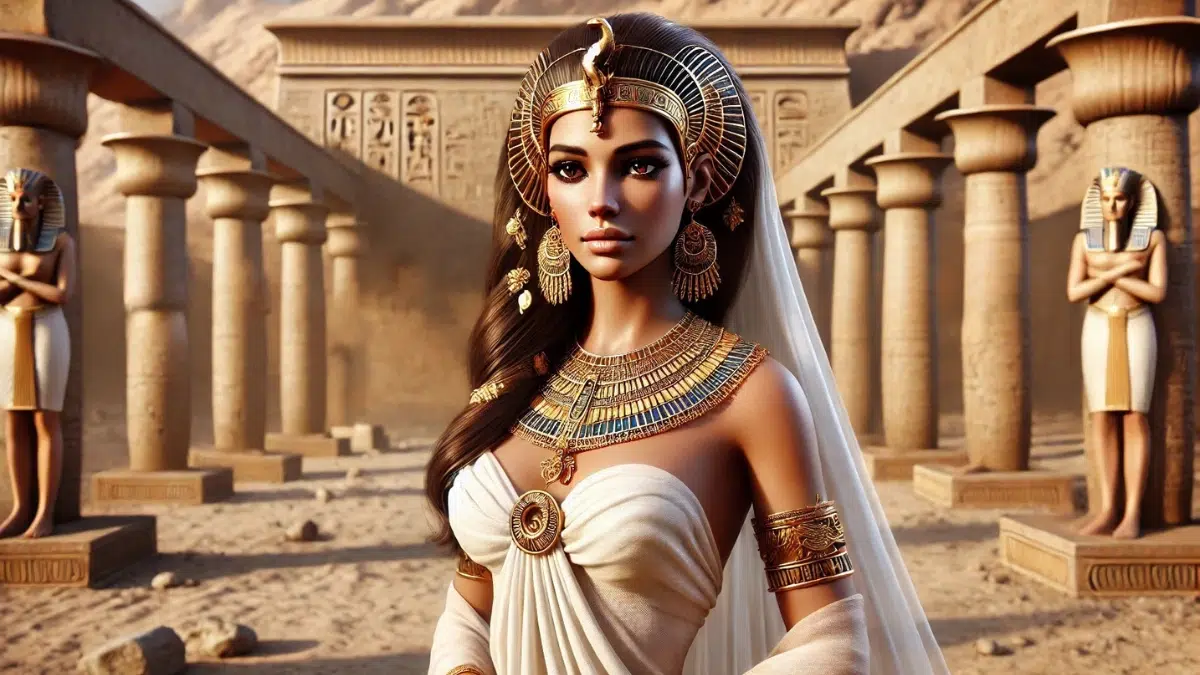
Ramses II’s favourite wife, Nefertari, held a special place in his heart. To honour her, he built a grand temple at Abu Simbel. This beautiful temple featured statues of Nefertari standing beside Ramses II, showing her importance.
Ramses even wrote love poems for her, calling her the “queen of all queens.” His devotion to Nefertari made their story one of the most famous love stories in ancient Egypt. Ramses II’s love for his wife shows that even powerful leaders had personal and emotional connections.
He Was a Master of PR
Ramses II knew how to control his image. He used hieroglyphs and carvings to tell his story as a brave warrior, wise leader, and great builder. His efforts made people admire and remember him for centuries. By sharing his victories and achievements on monuments, he ensured his legacy stayed alive. His skill in promoting himself proves why Ramses II remains one of the most famous pharaohs in history. His ability to manage his reputation makes him a pioneer in storytelling and public relations.
Why Ramses Matters Today
Ramses II, often called “Ramses the Great,” remains one of the most important figures in ancient Egypt. His achievements as a builder, warrior, and peacemaker show his incredible leadership.
Ramses monuments, like the Abu Simbel temples, inspire people with their size and beauty.
His role in the Battle of Kadesh and the first peace treaty teaches us about courage and diplomacy. Ramses II cared about his family, his people, and his legacy.
His name appears in history books, art, and museums worldwide. Ramses II’s story reminds us of the power of determination, hard work, and vision. Learning about his life helps us understand how ancient leaders shaped the world. Ramses II will always be remembered as one of the greatest pharaohs in history.