Yoshiko Kawashima: Manchu Princess Turned Spy for Japan
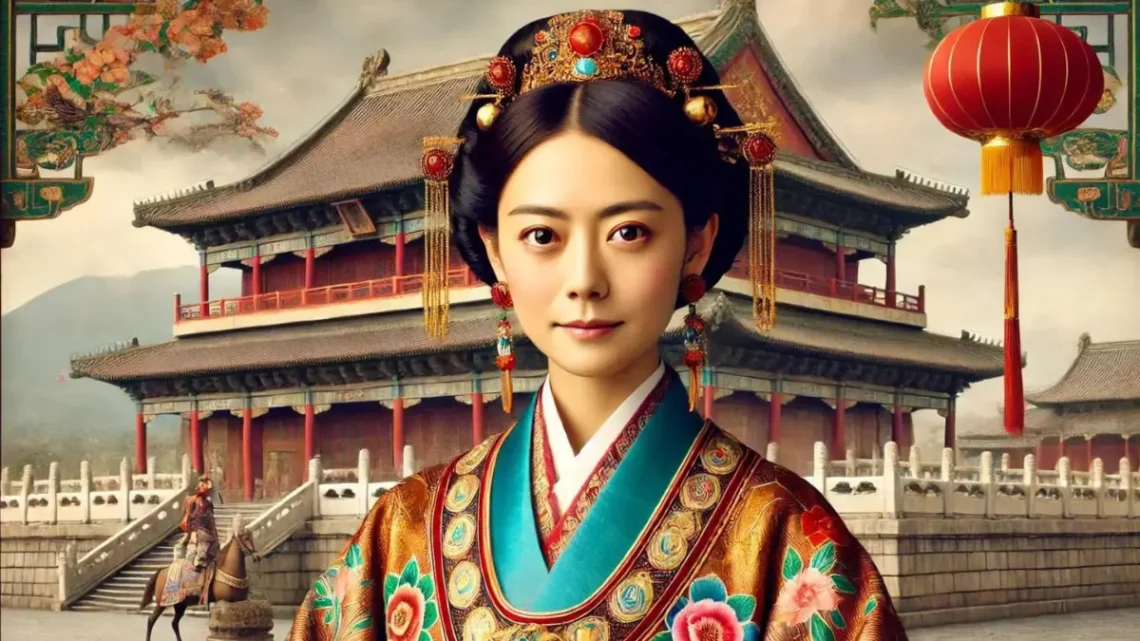
Yoshiko Kawashima, born Aisin Gioro Xianyu, was a notable figure in East Asian history. She was a Manchu princess turned spy, working for the Japanese during the Second Sino-Japanese War.
Her story combines intrigue, betrayal, and a complex identity struggle.
Kawashima’s life reflects the turbulent times in which she lived, making her a significant figure in understanding East Asian history.
Her actions and the controversies surrounding her legacy continue to captivate historians and the public alike, shedding light on the intricacies of espionage and loyalty during wartime.
Early Life and Background of Yoshiko Kawashima
Yoshiko Kawashima, originally named Aisin Gioro Xianyu, was born in Beijing in 1907. She belonged to the Aisin Gioro clan, the imperial family of China’s Qing dynasty. Her father, Prince Shanqi, was a prominent member of this ruling family.
Yoshiko was his 14th daughter, born into a life of privilege and power.
Adoption and upbringing in Japan
However, her early life took a dramatic turn when she was adopted by Naniwa Kawashima, a Japanese espionage agent. This adoption aimed to strengthen ties between Japan and China through fostering children of Chinese nobility.
Once in Japan, she received a new name, Yoshiko Kawashima, and began a different life in Tokyo.
Her upbringing in Japan exposed her to a blend of Chinese and Japanese cultures. She received education in traditional Japanese arts.
In addition to her training in judo and fencing, she also practiced archery. These skills were part of her extensive training in martial arts and combat, which contributed to her reputation as a formidable and versatile warrior.
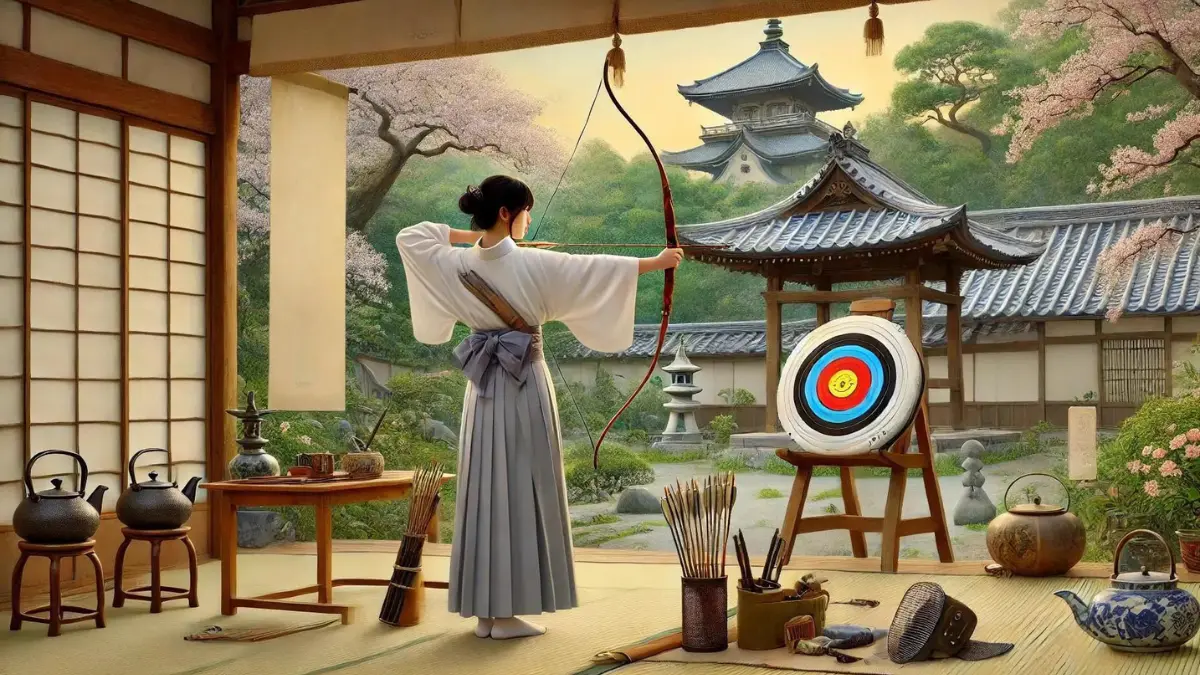
Her proficiency in these areas helped her in her espionage and military activities. This made her a valuable asset to the Japanese Kwantung Army and Manchukuo during her career as a spy and military commander.
These skills would later become crucial in her espionage activities.
Her upbringing focused on discipline and physical prowess, preparing her for the complex roles she would play in East Asian history.
Yoshiko’s dual heritage and unique upbringing set the stage for her controversial life. Her ability to navigate both Chinese and Japanese societies made her a valuable asset in the turbulent political landscape of the time. This blend of backgrounds gave her a unique perspective and skill set, influencing her later actions and making her a complex historical figure.
Learn more about Japanese archery:
- Nakano Takeko: Female Samurai in Edo Period
- Minamoto no Tametomo: Japan’s Fabled Warrior
- Japanese Mythology Gods: Explore the Pantheon
- Hachiman: God of War in Japanese Mythology
Transformation and Identity
Yoshiko Kawashima underwent a profound personal transformation and decides to dress in men’s clothing and adopt a male persona.
Kawashima’s struggles with identity and sexuality were complex. She often felt torn between her assigned gender and her true self. Her choice to live as a man was not just a disguise for espionage but a reflection of her inner conflict. She once stated, “I cannot pursue an ordinary woman’s goals in life.”
This decision marked a significant shift in her life. She publicly cut her hair and began living as a man, a bold move that shocked many.
The impact of sexual abuse by her adoptive father, Naniwa Kawashima, played a crucial role in her transformation. This traumatic experience deeply affected her, leading to multiple suicide attempts. The abuse likely influenced her decision to reject traditional female roles and embrace a male identity.
Kawashima’s life was a constant battle with societal norms and personal demons. Her transformation was both a means of survival and a statement of defiance. She navigated a world that often misunderstood her, yet she remained true to her chosen identity. Her story highlights the complexities of gender and the courage it takes to live authentically.
Espionage Career of Yoshiko Kawashima
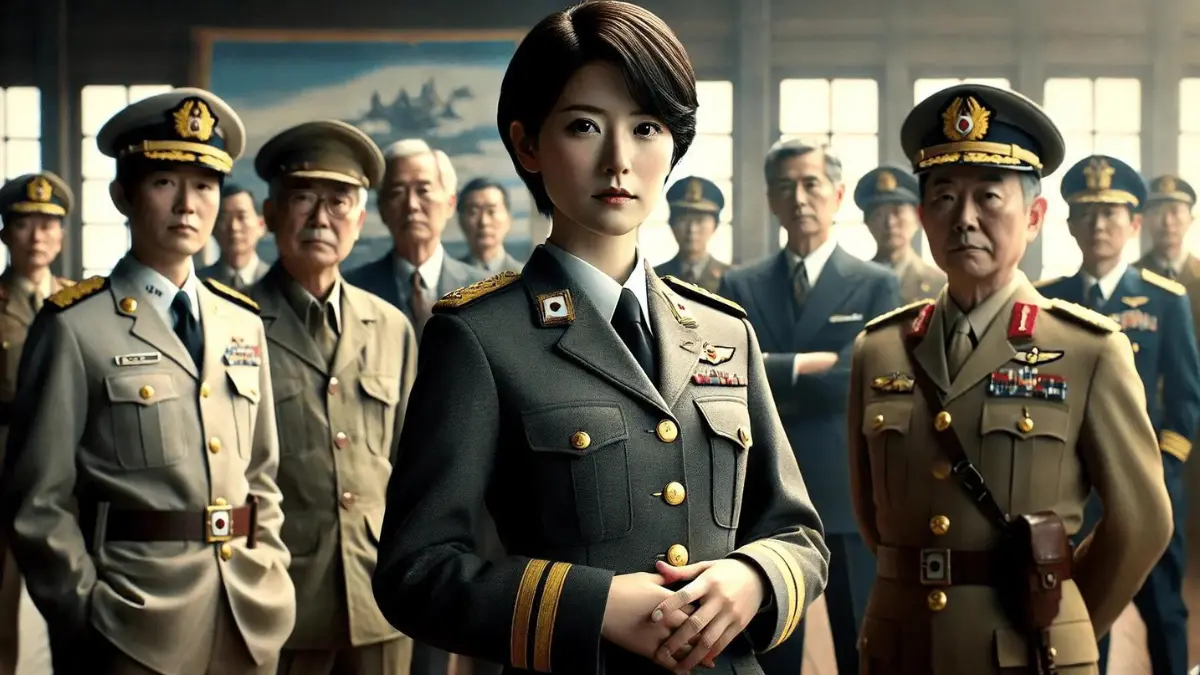
Yoshiko Kawashima became involved in espionage early in her life. Her marriage to Ganjuurjab, a Mongol prince, marked the beginning of her spy activities. However, the marriage did not last, and they soon divorced, allowing her to focus on her career in espionage.
In Mongolia and Manchuria, Yoshiko began her initial espionage activities. She gathered intelligence and built networks, gaining valuable information for the Japanese. Her skills and bravery earned her the title of Commander Jin. As Commander Jin, she took on a more prominent role, participating in several Japanese military operations.
Yoshiko commanded her own army, showing remarkable leadership and strategic thinking. Her involvement in the puppet state of Manchukuo highlighted her importance in Japanese plans. She worked closely with Japanese officials, helping to secure their control over the region.
Her activities in Manchukuo included gathering intelligence, planning military strategies, and executing operations. She played a crucial role in several key missions, demonstrating her value as a spy and a commander. Yoshiko’s unique position, with her knowledge of both Chinese and Japanese cultures, made her an indispensable asset.
Throughout her career, Yoshiko faced many challenges. She dealt with the dangers of espionage, the complexities of her dual identity, and the scrutiny of her peers. Yet, she remained resilient and dedicated to her cause.
Yoshiko Kawashima’s espionage career showcases her extraordinary abilities and her impact on East Asian history. Her work as a spy and commander left a lasting legacy, illustrating the complexities of loyalty, identity, and power during a tumultuous period. Her story continues to fascinate and inform, shedding light on the intricate world of espionage.
Public Persona of Yoshiko Kawashima
Yoshiko Kawashima’s media portrayal crafted a striking public image.
Known as the “Eastern Mata Hari” and “Joan of Arc of the Orient,” she became a symbol of intrigue and bravery. These nicknames highlighted her role as a spy and her daring nature.
In 1930s Shanghai, Tokyo, and Harbin, Yoshiko gained celebrity status. Newspapers and magazines frequently featured her, fascinated by her bold persona and unusual lifestyle. She often wore military uniforms and men’s clothing, challenging traditional gender roles and captivating the public’s imagination.
Yoshiko’s Associations with Powerful Figures
Yoshiko’s associations with powerful figures added to her mystique. She developed relationships with influential lovers and military leaders, further enhancing her public image. These connections allowed her to navigate the complex political landscape of the time and gain inside information.
Her close ties with high-ranking officials and military figures bolstered her reputation as a formidable spy. These relationships provided her with protection and resources, enabling her to carry out her missions effectively. The media often speculated about her romantic liaisons, adding an element of glamour to her story.
Yoshiko’s life in the public eye reflected the turbulent times she lived in. Her image as a daring spy and her association with powerful figures made her a subject of fascination and controversy. She skillfully managed her public persona, using it to further her espionage activities and maintain her influence.
Her media representation played a significant role in shaping her legacy. Even today, Yoshiko Kawashima remains a compelling figure, symbolizing the complexities of identity, power, and loyalty in a tumultuous era. Her story continues to intrigue and inspire, highlighting the enduring impact of her public persona.
Controversies and Legacy of Yoshiko Kawashima
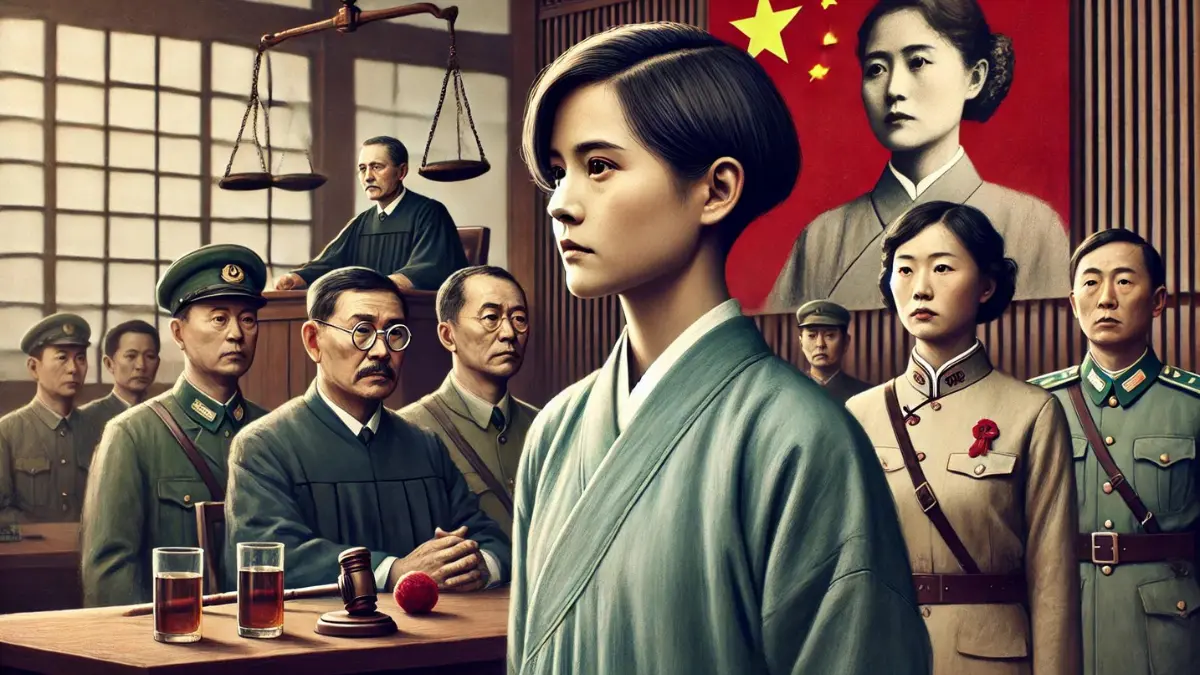
Yoshiko Kawashima faced execution for treason by the Republic of China in 1948. This event cemented her controversial legacy. In China, many viewed her as a traitor due to her espionage activities for Japan. Conversely, in Japan, some saw her as a sympathetic figure, a victim of her circumstances.
Historical debates continue to surround her. Scholars and historians often argue about her true role and motivations. Some see her as a victim of political machinations and personal trauma. Others view her as a willing provocateur who actively betrayed her homeland.
Conflicting Views
These conflicting views affect her legacy in both Chinese and Japanese historical memory. In China, Yoshiko’s story often serves as a cautionary tale of betrayal and the consequences of siding with foreign powers. In Japan, her narrative sometimes highlights the complexities of identity and loyalty during wartime.
Yoshiko’s impact extends beyond her life. Her story raises important questions about identity, loyalty, and the nature of espionage. It challenges simplistic views of heroes and villains, illustrating the nuanced realities of historical figures.
Her legacy remains divisive, reflecting the broader tensions between China and Japan. Yoshiko Kawashima’s life and actions continue to spark discussion and analysis, ensuring her place in history as a figure of enduring intrigue and controversy.
Cultural Impact and Depictions of Yoshiko Kawashima
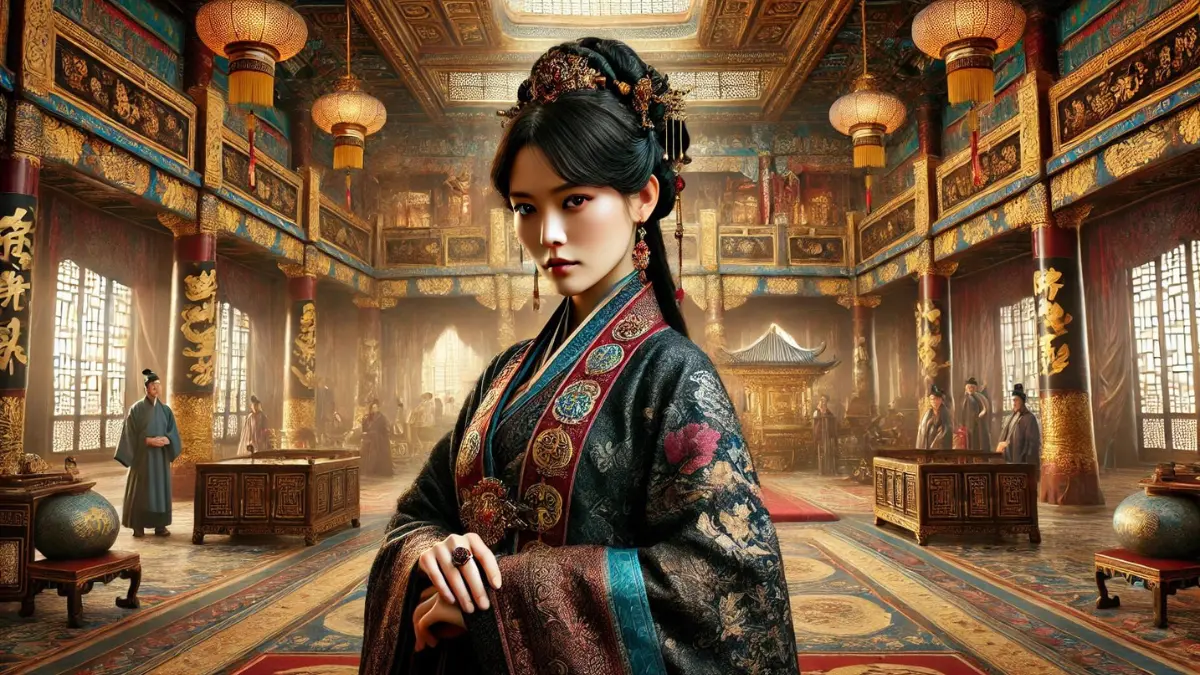
Yoshiko Kawashima appears in many forms of literature and media. Writers often make her the subject of novels, biographies, and articles. Her fascinating life story captivates authors and readers alike.
Films also portray her compelling character. One notable example is “The Last Emperor,” where her role adds depth to the narrative. These depictions explore her complex personality and controversial actions.
Her influence extends into popular culture. Yoshiko features in various books, movies, soap operas, and video games.
Yoshiko’s story continues to inspire new works. Creators draw on her life to craft intriguing plots and characters. This ongoing interest highlights her enduring cultural impact. Her unique blend of bravery, controversy, and mystery keeps audiences engaged.
Through these depictions, Yoshiko Kawashima remains a prominent figure. Her legacy lives on, influencing both historical perspectives and popular culture. The many portrayals of her life reflect the lasting fascination with her story.
Books About Yoshiko Kawashima
- “Manchu Princess, Japanese Spy: The Story of Kawashima Yoshiko” by Phyllis Birnbaum
- A detailed biography that explores her life as a cross-dressing spy who commanded her own army.
- “The Private Papers of Eastern Jewel” by Maureen Lindley
- A fictionalized account of Yoshiko Kawashima’s life, blending historical facts with imaginative storytelling.
- “The Beauty in Men’s Clothing” by Muramatsu Shōfū
- A partly-fictionalized novel published in 1933, later revisited by Shōfū’s grandson Tomomi in 2002.
Movies Featuring Yoshiko Kawashima
- “Kawashima Yoshiko” (1990)
- A Hong Kong historical drama directed by Eddie Fong, starring Anita Mui as Kawashima.
- “The Last Emperor” (1987)
- Directed by Bernardo Bertolucci, featuring Maggie Han as “Eastern Jewel,” a character based on Kawashima.
- “Sen’un Ajia no Joō” (1957)
- A Japanese film where Miyuki Takakura portrays Kawashima.
- “God of Gamblers III: Back to Shanghai” (1991)
- Wong Wan-sze plays Kawashima in this Hong Kong film.
- “Ri Kouran” (2007)
- A Japanese drama with Rei Kikukawa portraying Kawashima.
- “Dansō no Reijin: Kawashima Yoshiko no Shōgai” (2008)
- Meisa Kuroki stars as Kawashima in this Japanese drama.
- “Legend of the Fist: The Return of Chen Zhen” (2010)
- Shu Qi plays Kawashima in this Hong Kong film.
Video Games
- Shadow Hearts: Covenant (2004)
- Yoshiko Kawashima appears as a lieutenant colonel in the Japanese army. She serves as an antagonist in the game, involved in various espionage activities and military operations.
- Hearts of Iron IV (2016)
- In the “La Résistance” expansion, Yoshiko Kawashima is featured as an army general and spy for both Japan and Manchukuo. She plays a role in the game’s strategic and espionage elements.
These works collectively highlight Yoshiko Kawashima’s complex and intriguing life, ensuring her story continues to captivate audiences across different media.
Other Controversial Women in History

Marie Antoinette, Lucrezia Borgia, and Mata Hari , along with Yoshiko Kawashima, all live lives marked by controversy, intrigue, and public fascination. Each woman navigates complex social and political environments, using their unique positions and skills. Their legacies continue to evoke strong reactions and remain subjects of historical interest and debate.
Marie Antoinette: The last Queen of France before the French Revolution. Marie Antoinette is known for her rich lifestyle and the phrase, “Let them eat cake.” Like Yoshiko Kawashima, she faces intense public scrutiny and controversy. Both women face execution for perceived betrayals. Their stories show themes of luxury, scandal, and political downfall.
Lucrezia Borgia: An Italian noblewoman of the Renaissance. Lucrezia Borgia is often seen as a femme fatale involved in political plots and poisonings. Like Yoshiko Kawashima, Lucrezia’s life involves espionage and political schemes. Both women navigate complex political landscapes and use personal relationships to gain power. Their legacies remain covered in myth and speculation, with histories that fascinate and repulse.
Mata Hari: An exotic dancer and courtesan executed by the French for being a German spy during World War I. Mata Hari’s guilt remains debated. Yoshiko Kawashima shares similarities with Mata Hari, as both women serve as spies who use charm and intelligence to gather information. Their dual identities and controversial actions lead to dramatic ends. Both remain iconic figures in espionage history, symbolizing the allure and danger of the spy’s life.
Conclusion
Yoshiko Kawashima leaves a complex legacy marked by intrigue and controversy. Her impact on East Asian history and culture remains significant, reflecting her unique role in espionage and politics.
Yoshiko’s life story encourages us to explore and understand the multifaceted nature of historical figures. By examining her actions and motivations, we gain a deeper appreciation for the complexities of history.
Her legacy serves as a reminder that historical figures often embody both heroism and controversy, challenging us to think critically about the past.