
Parvati Goddess of Love in Hindu Mythology
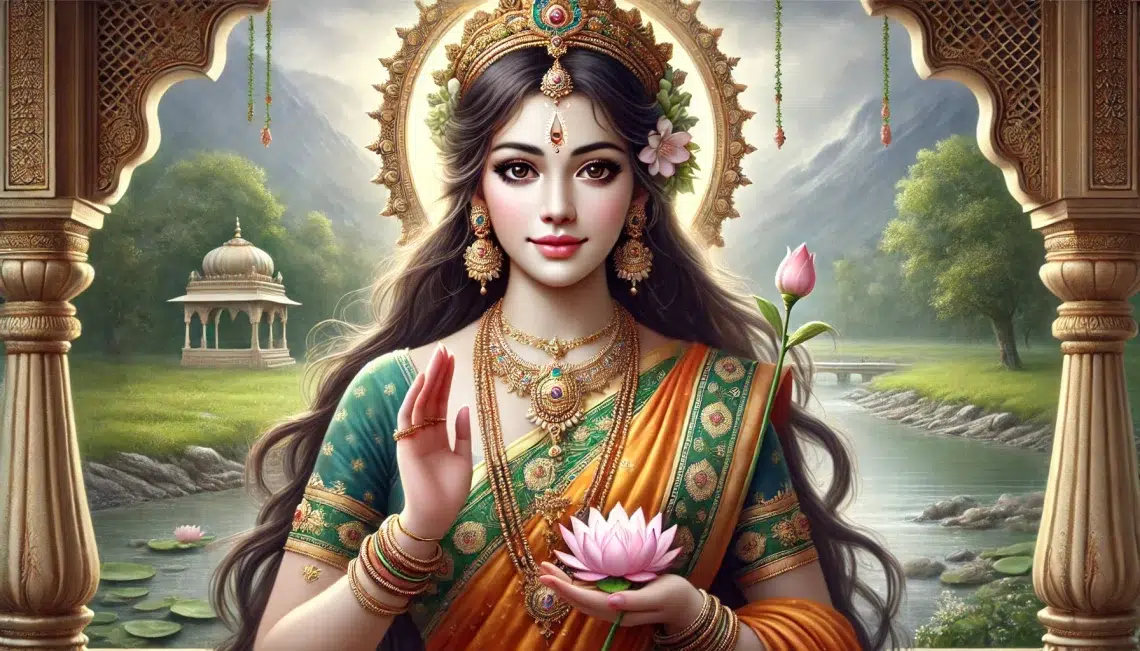
Parvati, Goddess of love, fertility, and devotion, is called the Divine Mother. She plays a big role in religious life, showing purity and care. As the wife of Lord Shiva, they form a powerful pair that shows the balance between ending and new beginnings.
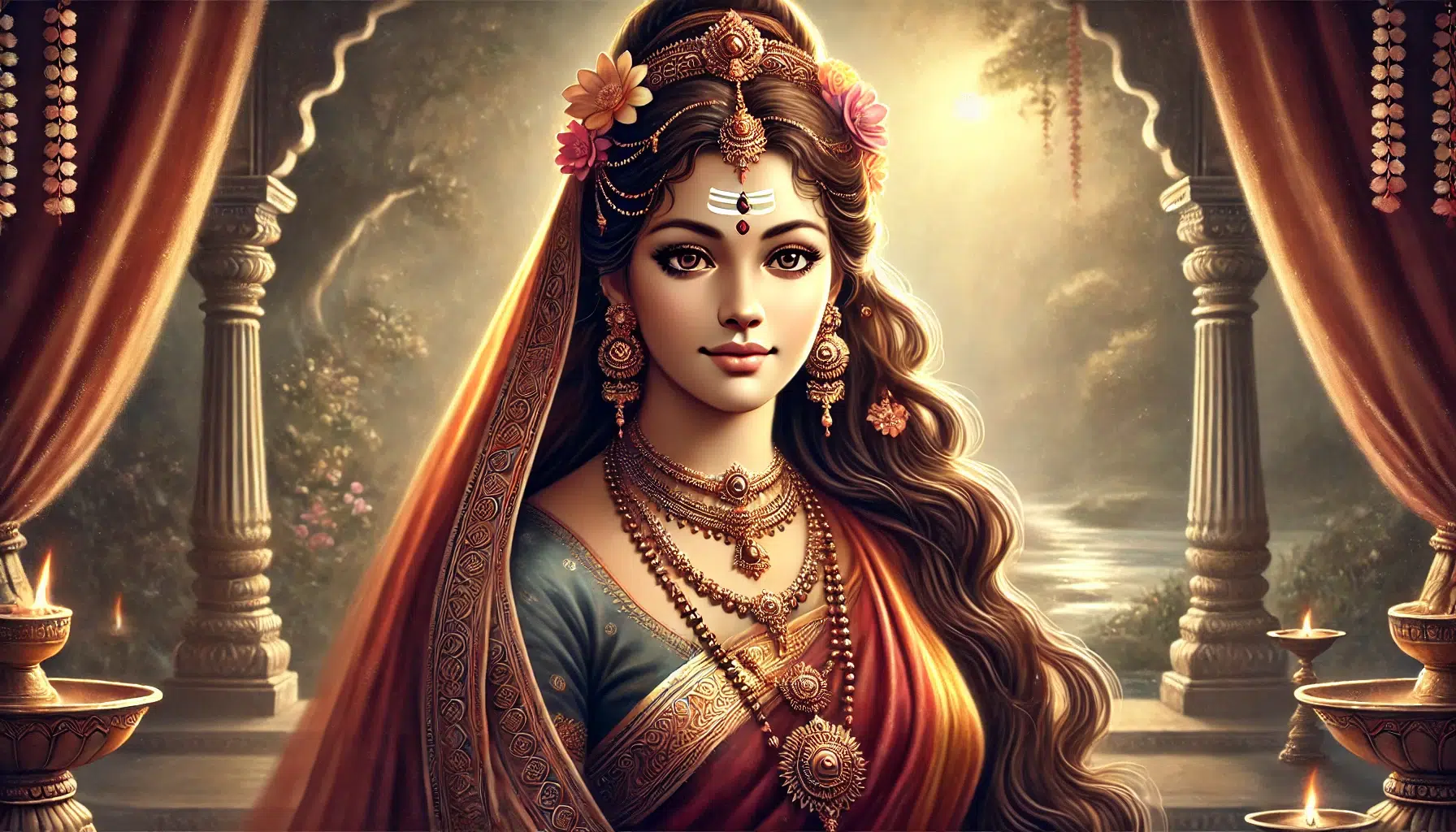
In Hindu mythology, Parvati’s story begins with ancient texts. She is the daughter of Himavan, the mountain king, and queen Mena. Her name, “daughter of the mountain,” shows her deep link to the Himalayas and nature.
Parvati appears as a rebirth of Sati, Shiva’s first wife. Her story focuses on her efforts to win Shiva’s love. She shows great devotion and patience, performing hard penance to earn Shiva’s love.
As the Mother Goddess, Parvati displays a caring and kind nature. She symbolizes the divine feminine energy. Hindu tradition deeply respects Parvati for her nurturing qualities.
The Symbolism of Parvati Goddess
Parvati Goddess of love, fertility, and devotion represents the sacred feminine energy. She is a symbol of nurturing and the Divine feminine. Her Parvati symbolism shows her as a goddess of fertility. She symbolizes fertility not just for the earth but also for ideas, sparking creativity and intellectual growth.
Parvati is often shown with two arms, meaning she is easy to reach and connect with. But sometimes, she has more arms, each showing different powers. This shows her Shakti power, the powerful force in the universe.
Parvati is linked to water, showing her role in purifying and sustaining life. Water is vital for both body and spirit. It highlights her as a protector and nurturer, showing the divine feminine power.
Parvati: The Embodiment of Shakti
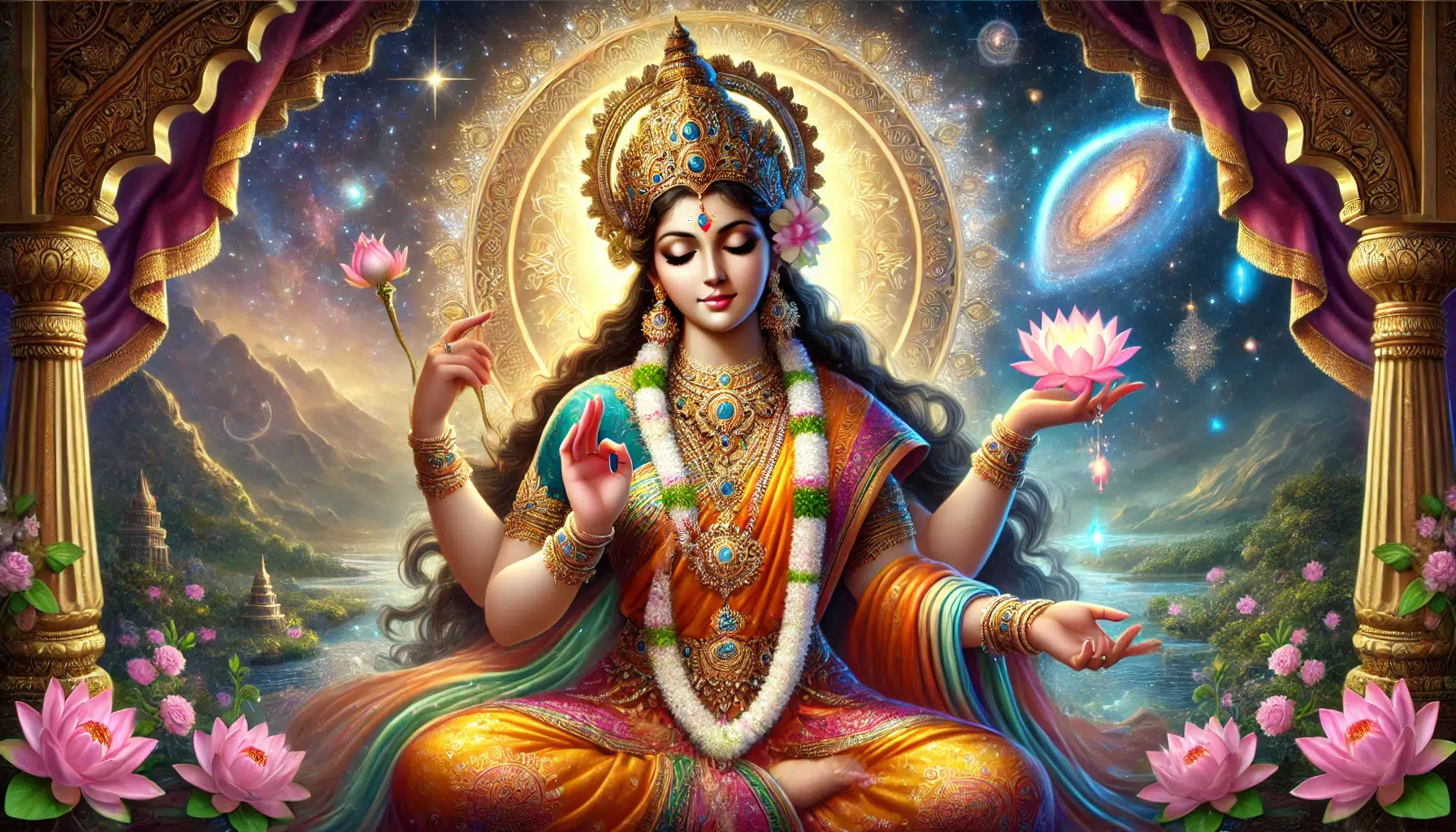
Parvati is the key figure of the Great goddess Shakti, showing the divine feminine power in the universe. She is the wife of Shiva and plays a crucial role in Hindu stories. She symbolizes the caring and supporting sides of life.
But Parvati is more than just a caregiver. She is a force of creation, preservation, and destruction. This shows her role as the embodiment of divine energy.
Parvati is not just kind and gentle. She also appears as the fierce goddess Durga and Kali. These forms show her strong side, fighting for what is right and destroying evil. She balances the caring and destructive parts of life.
Through Durga and Kali, Parvati shows the cycle of life and death. She keeps the universe changing and growing.
In Tantric practices and Shaktism, Parvati’s role as Shakti is key to spiritual growth. She is seen as the ultimate reality guiding people to enlightenment. Her energy is important in rituals and meditation for reaching higher consciousness.
So, Parvati, in all her forms, shows the powerful and wide-ranging energy of Shakti. She is a key figure in understanding the divine feminine in Hindu thought.
Parvati’s Various Forms and Avatars
Parvati Avatars show the goddess’s many sides, each with its own traits and virtues. The Navadurga and Mahavidyas are highly respected. They show her deep roles and cosmic duties in Hindu stories.
The Navadurga, or nine forms of Parvati, show how the human spirit grows from the start to enlightenment. Each form is loved for its special virtues and spiritual meaning. They help devotees face life’s challenges.
The Mahavidyas are ten goddess forms that show different kinds of wisdom and cosmic roles. They reveal various aspects of Parvati’s nature and her role in the universe. From Kali’s strong protection to Shodashi’s beauty and balance, each Mahavidya adds to the spiritual path of followers.
Each form of Parvati is honoured at different festivals and rituals. This highlights her many roles in Hindu worship. These forms let devotees connect with different virtues and ask for her blessings for different parts of life. This shows a full view of the divine feminine.
Myths and Stories Involving Parvati Goddess
Parvati, goddess of love, fertility, and devotion in Hindu mythology, is involved in many popular myths and stories. Here are some notable ones:
Story of the Marriage to Shiva
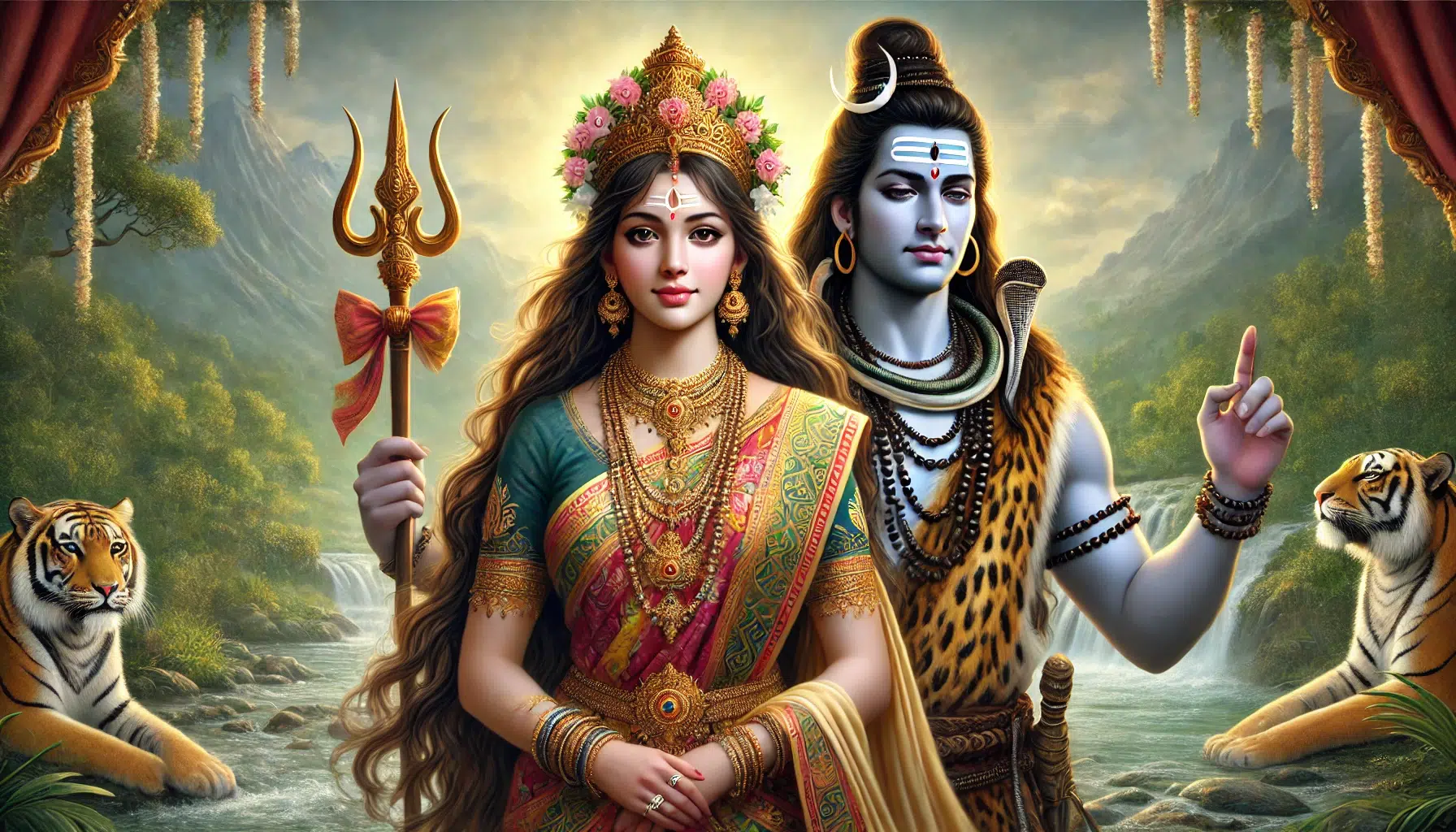
One of the most famous stories is Parvati’s marriage to Lord Shiva. Parvati, a goddess, loved Shiva deeply. She wanted to marry him, but Shiva was deep in meditation. To win his love, Parvati decided to do a great penance. She gave up food and water and focused only on Shiva. Her dedication impressed the gods and sages.
Shiva finally noticed Parvati’s devotion. He agreed to marry her. The gods and all the celestial beings were very happy. They arranged a grand wedding ceremony. Shiva arrived in a unique procession, surrounded by his followers. He looked wild and untamed, wearing animal skins and covered in ash.
Parvati’s family was worried about Shiva’s appearance. But Parvati loved him for who he was, not how he looked. She didn’t care about his wild look. She knew his true nature was kind and wise. The wedding took place with great joy and celebration. Their union symbolized the balance of nature and the divine forces.
This story teaches the importance of true love and dedication. It also shows that inner qualities matter more than outer appearances. Parvati’s love and devotion made her one of the most respected goddesses in Hindu mythology.
Birth of Ganesha
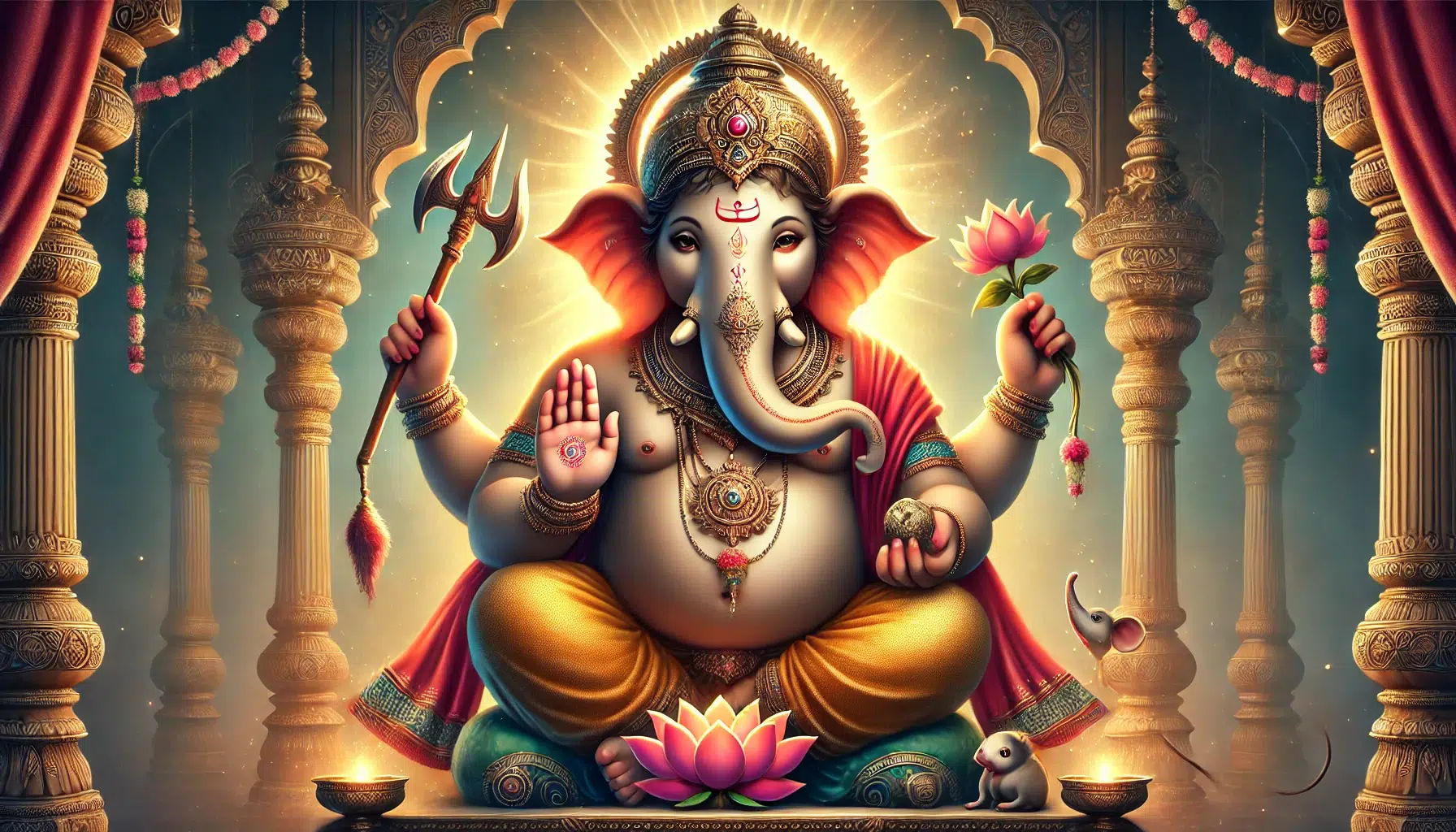
Parvati creates Ganesha from clay or turmeric paste and gives him life. She wants someone to guard her while she bathes. She makes Ganesha her protector and tells him not to let anyone in. Ganesha, being obedient, stands guard at the door.
Shiva, Parvati’s husband, comes home and tries to enter. Ganesha doesn’t know who Shiva is and stops him. Shiva becomes angry because Ganesha refuses to let him in. In his anger, Shiva cuts off Ganesha’s head.
Parvati becomes very upset when she sees what happened. She demands that Shiva bring Ganesha back to life. Shiva realizes his mistake and promises to revive Ganesha. He tells his followers to find the head of the first living being they see.
They find an elephant and bring its head back. Shiva attaches the elephant’s head to Ganesha’s body and brings him back to life. Ganesha becomes a god with an elephant head. Shiva and Parvati love him dearly.
Ganesha is known as the god of beginnings and remover of obstacles. This story shows the power of a mother’s love and the importance of family. It also teaches that even mistakes can be fixed with love and understanding.
The Story of Kumara (Kartikeya)’s Birth
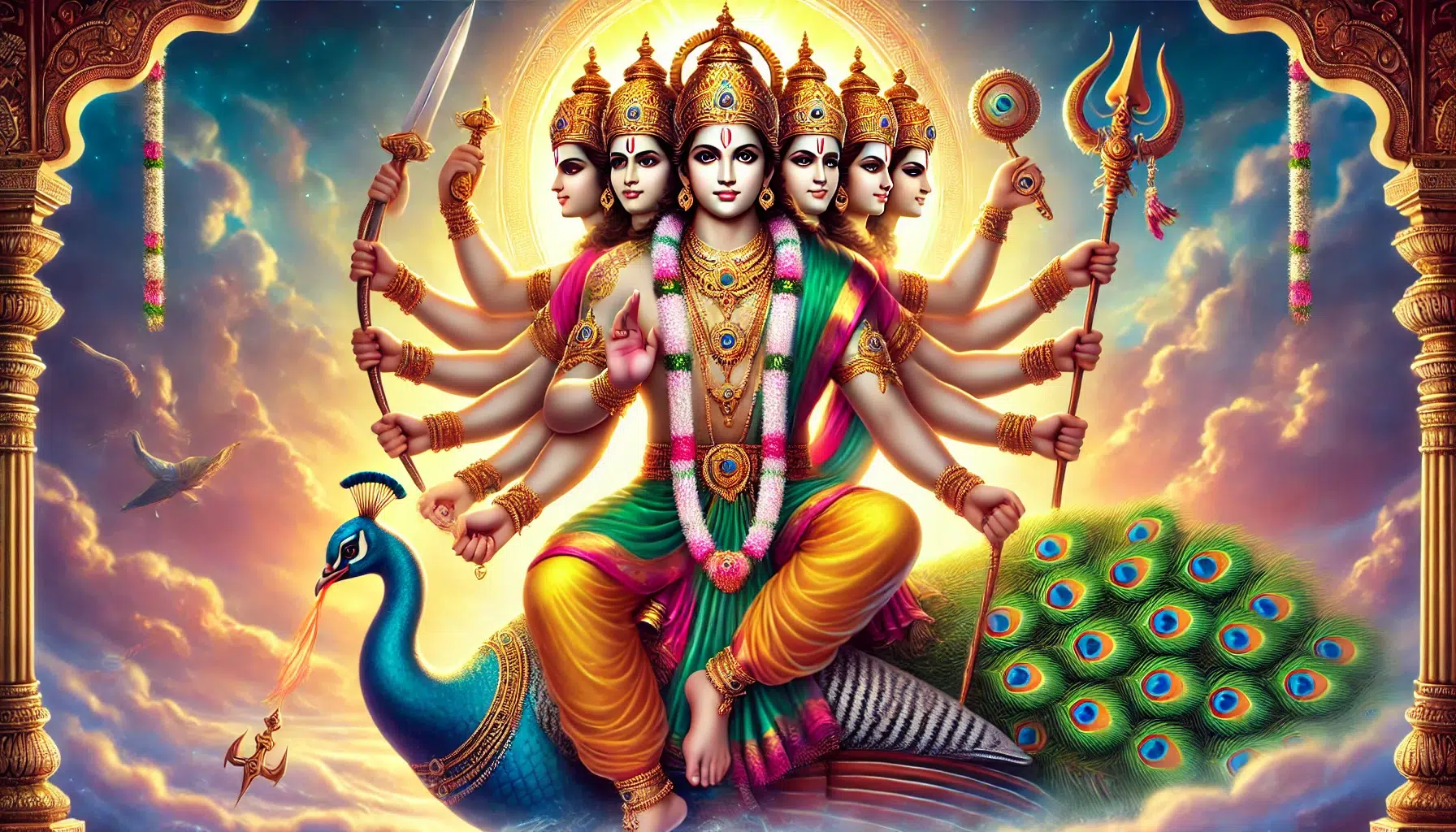
Parvati, the mother of Kartikeya (also called Murugan, Skanda, or Subramanya), helps create him with Shiva. They do this to defeat the demon Tarakasura, who terrorizes the world. The demon has a boon that only Shiva’s son can defeat him. However, Shiva and Parvati do not have a child yet.
The gods request Shiva and Parvati to have a child to save the world. Parvati agrees and performs a special ritual with Shiva. From this ritual, a divine spark emerges. The gods take this spark to the sacred Ganges River, where it becomes a baby.
This baby, Kartikeya, grows up quickly. He becomes a strong and brave warrior. The gods train him to fight and give him powerful weapons. Kartikeya leads the divine army against Tarakasura.
In a fierce battle, Kartikeya defeats Tarakasura and brings peace to the world. His victory earns him the title of the god of war. The people honour him for his courage and strength.
Kartikeya’s story shows the importance of bravery and duty. It also highlights the role of divine intervention in protecting the world. He remains a popular deity, especially in South India, where people worship him for protection and blessings.
The Story of Parvati and the Demon Bhandasura
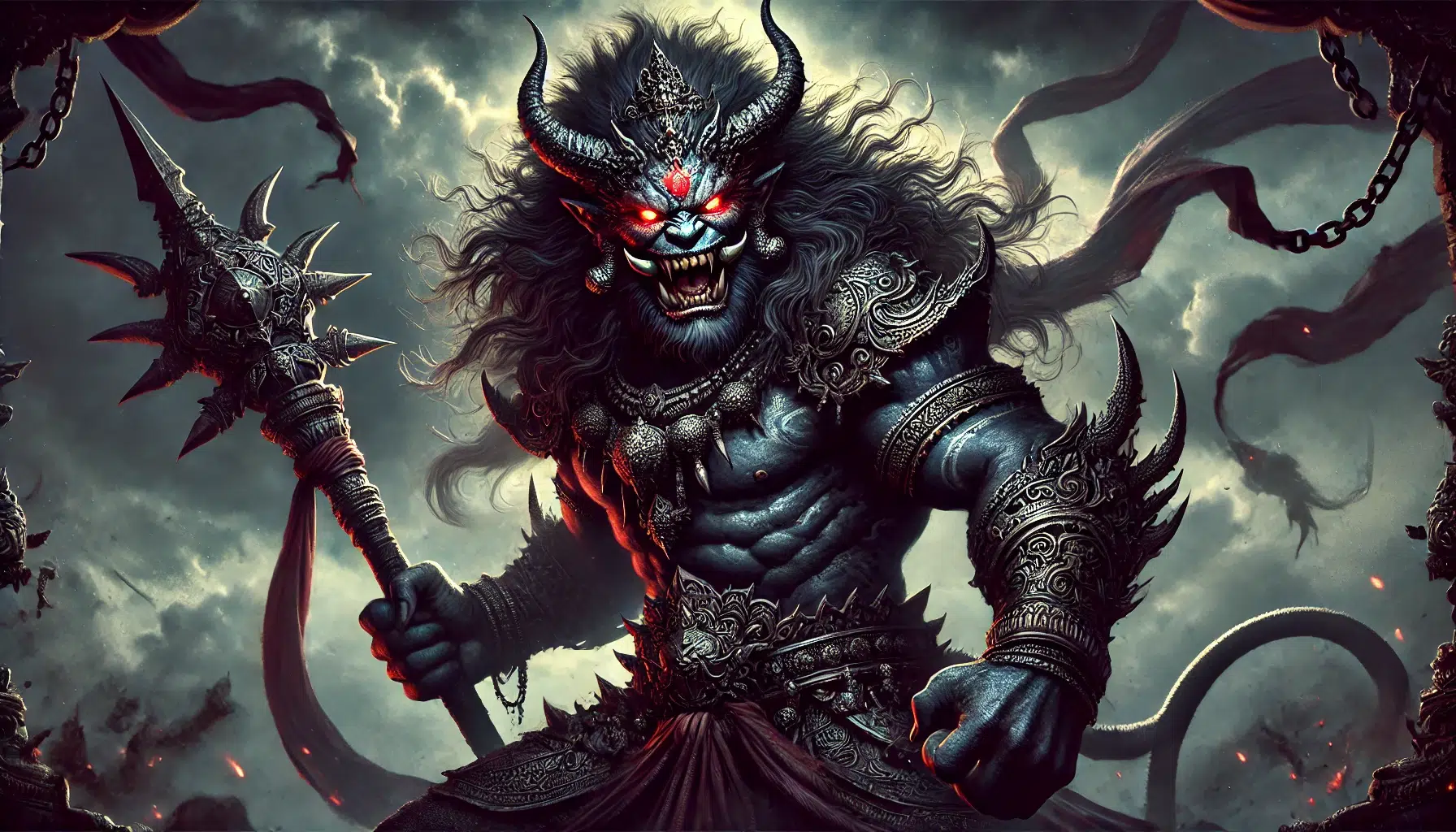
In the story of Parvati and the demon Bhandasura, Parvati takes the form of Lalita Tripura Sundari. She becomes a powerful goddess to defeat the demon. Bhandasura gains great power and terrorizes the universe. He uses his strength to harm the gods and disrupt the peace.
The gods, fearing Bhandasura’s power, ask Parvati for help. She agrees and transforms into Lalita Tripura Sundari, a beautiful and powerful goddess. With her consort, Shiva as Kameshwara, she leads the divine army. They fight against Bhandasura and his forces.
Parvati uses her wisdom and strength to weaken Bhandasura. She commands her army with great skill and bravery. In the final battle, she faces Bhandasura directly. Using her divine weapons and powers, she defeats the demon and destroys him completely.
The victory of Lalita Tripura Sundari brings peace and order back to the universe. The gods praise her for her courage and wisdom. She becomes a symbol of beauty, power, and compassion. This story shows the triumph of good over evil and the power of the divine feminine.
Parvati, as Lalita Tripura Sundari, teaches that strength and kindness can overcome any challenge. People honour her for protecting the universe and bringing harmony. This story reminds us of the importance of courage and justice in the face of darkness.
Ardhanarishvara
Parvati and Shiva appear as Ardhanarishvara to teach an important lesson. They want people to understand that neither male nor female is superior. Both energies are needed to create harmony in the universe. This form also symbolizes the unity of creation and destruction, as Shiva represents destruction and Parvati represents creation.
The image of Ardhanarishvara shows half of the body as Shiva and the other half as Parvati. One side has masculine features, while the other side has feminine features. This form is worshipped as a symbol of balance and unity.
Their marriage stories teach us about a relationship built on respect, devotion, and commitment. These tales are deeply rooted in culture and spirituality. They offer lessons on love and partnership that last forever.
Shiva and Parvati’s story covers many aspects of life, from being an ascetic to being sensual. Shiva is the yogi, and Parvati is the nurturing goddess. Together, they show the full range of life, from spiritual enlightenment to earthly love.
People who worship Ardhanarishvara believe in the importance of balance in life. They honour both male and female qualities and see them as complementary. This story reminds us that true strength comes from embracing both aspects of our nature.
Ardhanarishvara shows that the divine encompasses all aspects of life. This form encourages people to respect and value both genders equally. The story highlights the importance of balance and unity in the world.
The Birth of Ashokasundari

According to some stories, Parvati creates a daughter named Ashokasundari to ease her loneliness. She forms her from a tree, using divine powers. Parvati wants a companion, someone she can love and care for.
Ashokasundari grows up as a beautiful and kind-hearted girl. Her name means “the beautiful one who removes sorrow.” She brings joy and comfort to Parvati, who enjoys her company. Ashokasundari has a gentle and loving nature, which makes her special.
One day, a demon named Nahusha sees Ashokasundari and wants to marry her. She refuses, as she knows her destiny. She is destined to marry a prince named Nahusha, not the demon. The demon tries to force her, but she prays to her mother for help.
Parvati protects her daughter from the demon’s advances. She reassures Ashokasundari that her future husband, the real Nahusha, will come soon. Ashokasundari trusts her mother’s words and waits patiently.
Later, the real Prince Nahusha finds Ashokasundari. They fall in love and get married, fulfilling the prophecy. Their union brings happiness to both their families.
Ashokasundari’s story shows the power of a mother’s love and protection. It also teaches patience and faith in one’s destiny. Her tale reminds us that true love will find its way, no matter the obstacles.
The Story of Anasuya
Parvati, along with Saraswati and Lakshmi, decides to test Anasuya’s devotion. Anasuya is known for her great piety and kindness. The goddesses want to see if her devotion is genuine.
They disguise themselves as beggars and visit Anasuya’s home. The goddesses ask for food but with an unusual condition. They want her to serve them while she is unclothed. This strange request is meant to challenge her.
Anasuya, with her strong faith, agrees. She prays to her husband and the gods for help. Her pure devotion transforms the goddesses into babies. This way, she can serve them without breaking her modesty.
The goddesses, now babies, receive Anasuya’s care and love. She treats them with kindness and respect. Her actions show her unwavering devotion and purity. Afterward, the goddesses return to their true forms and bless Anasuya.
They praise her for her faith and kindness. Anasuya’s story teaches the importance of true devotion and purity of heart. It shows that genuine faith can overcome any challenge. Her kindness and compassion make her a respected figure in Hindu mythology.
Anasuya’s devotion earns her blessings and admiration from the gods and goddesses. Her story inspires people to stay true to their beliefs and values.
Parvarti Goddess Compared to Others in Mythology
Parvati, a central figure in Hindu mythology, shares similarities with goddesses in other mythologies, yet also has unique attributes.
Goddesses in Greek Mythology
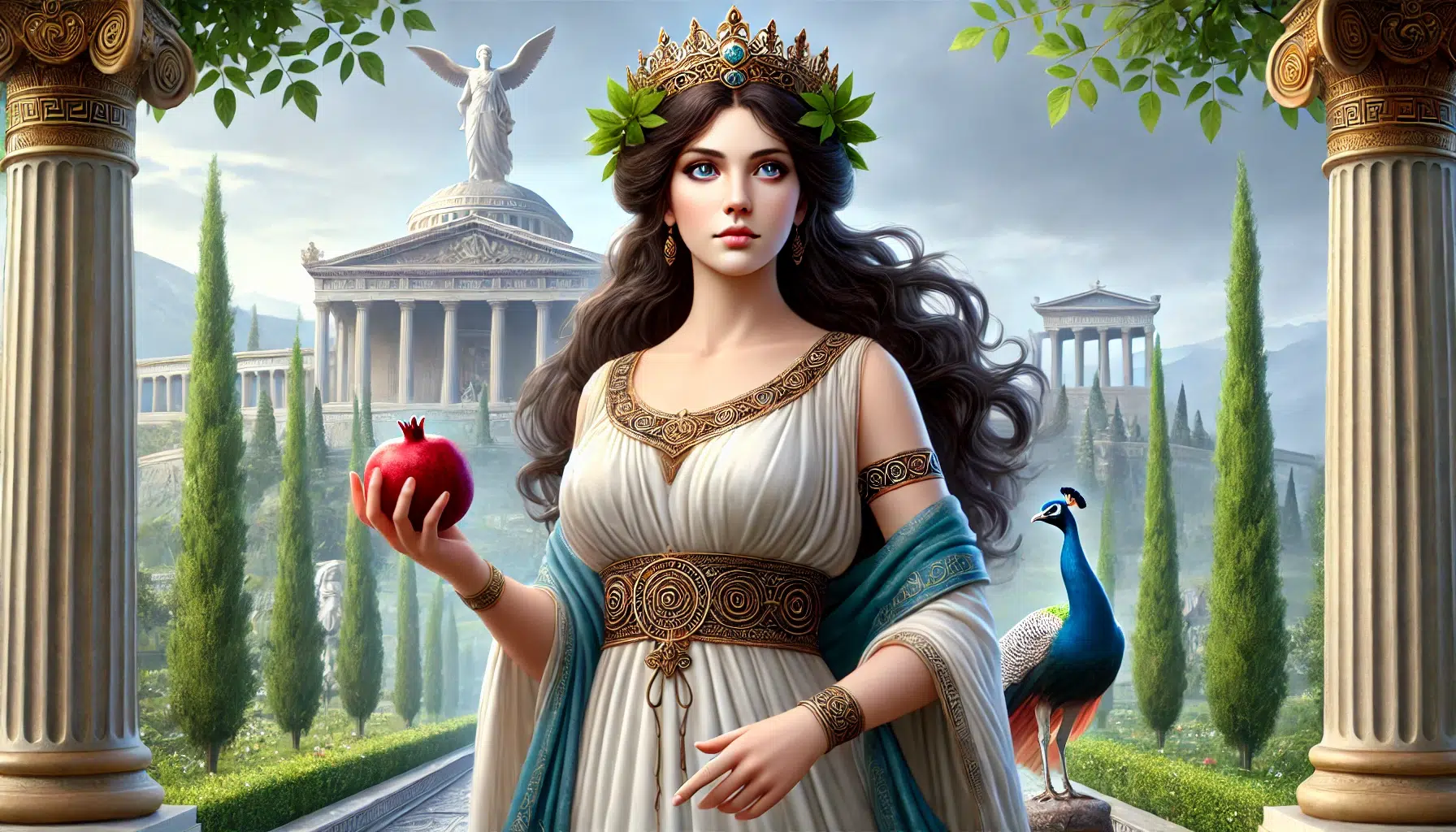
Parvati and Hera
Both Parvati and Hera of Greek mythology are known as powerful goddesses associated with marriage and family. Parvati is the consort of Shiva, and Hera is the wife of Zeus.
Hera often appears as jealous and vengeful, particularly towards Zeus’s lovers and offspring. Parvati, however, is depicted as nurturing, devoted, and patient, particularly towards her children and in her role as a mother.
Parvati and Demeter
Demeter and Parvati are goddesses of fertility and harvest. Parvati’s role in nature often links her to the abundance and nurturing aspects of life. Demeter is the goddess of the harvest and agriculture.
Demeter’s primary myth revolves around the loss and retrieval of her daughter Persephone, which explains the seasons. Parvati’s myths often focus on her relationship with Shiva, her children, and her different incarnations.
Parvati and Aphrodite

Parvati and Aphrodite are associated with beauty and love. Parvati is considered beautiful and is adored for her gentle and loving nature.
Aphrodite’s stories often focus on romantic love and relationships, sometimes involving manipulation and deceit. Parvati’s stories emphasize loyalty, family, and her role in cosmic balance.
Other Goddesses in Mythology
Parvati and Isis
Both Parvati and Isis from Egyptian mythology act as powerful maternal figures associated with fertility and motherhood. They serve as protectors and nurturers. Isis strongly connects with magic and resurrection. In contrast, Parvati focuses on cosmic balance and creation through her various forms, without a narrative of resurrection.
Parvati and Freyja
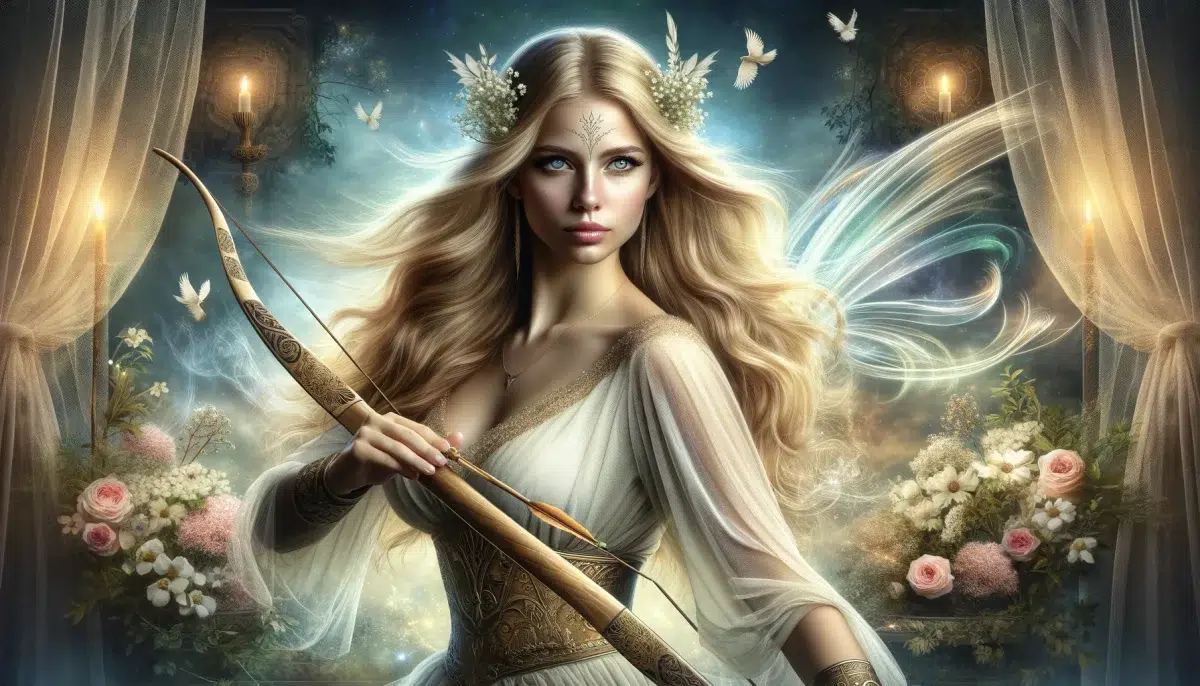
Freyja from Norse mythology and Parvati both embody beauty, love, and fertility. People revere them for their strength and connection to powerful emotions and motherhood. Freyja also relates to war and death, choosing half of the warriors slain in battle. Parvati, though possessing fierce forms like Kali and Durga, does not directly associate with death in the same way.
Parvati and Amaterasu
Amaterasu of Japanese mythology and Parvati are important female deities with a strong influence over the world. Amaterasu is the sun goddess and an essential deity in Shinto belief, while Parvati is a central figure in Hinduism with various forms and attributes.
Parvati’s various forms encompass a broader range of attributes, including her nurturing aspect as well as her fierce forms like Kali and Durga.
Pavarti Goddess’s Influence in Art and Culture
Parvati’s impact goes far beyond just religious worship. She has deeply influenced Hindu art and culture. Often shown with Shiva or their children, Ganesha and Kartikeya, she highlights the importance of motherhood and family.
Her stories are a big part of Indian dances like Bharatanatyam and Odissi. These dances are full of beautiful moves and costumes. They tell of her grace and divinity, showing her big impact on Hindu art.
Books also play a big role in sharing Parvati’s story. Old and new writings tell of her virtues and her role as a goddess. This shows how much she inspires people.
Parvati’s legacy is wide-ranging in Goddess-inspired art and culture. Her images, the dances that tell her stories, and her influence on literature all show her lasting impact. This effect is seen across many generations.
Festivals and Rituals Honouring Parvati
Parvati festivals are a big deal in Hindu worship, celebrating the goddess’s many sides and stories. The Navaratri celebration and Teej festival are especially notable.
Navaratri, which means “nine nights,” is a big festival for worshipping Parvati in her many forms, like Durga, Lakshmi, and Saraswati. It’s all about good winning over evil. People fast, chant, and do big ceremonies to honour the goddess. The Navaratri celebration shows Parvati’s strength and care for others.
The Teej festival is all about Parvati and Shiva coming together, celebrating love and loyalty. It’s mainly for women, who fast and do special rituals. They pray for their husbands’ health and for a good marriage if they’re not yet married. This festival shows the deep love and commitment of Parvati and Shiva.
At these Parvati festivals, people fast, chant, and make special offerings. These actions show how important Parvati is as a kind and helpful goddess. They help people feel close to Parvati, asking for her help with things like being happy, healthy, and peaceful.
Devotees’ Offerings and Practices
People show their love for Parvati in many ways. They do simple pujas at home and big ceremonies with the community. These acts celebrate and honour her kind and caring nature.
Offerings to Parvati include flowers, fruits, incense, and prayers. These gifts show love and respect. They tell us how much devotees admire and respect her. The offerings vary by region, showing the rich cultural diversity.
Chanting mantras like the “Devi Suktam” or “Durga Saptashati” is key to Hindu prayers. These chants call upon Parvati’s blessings. They help devotees find spiritual peace and protection.
Going on pilgrimages to Parvati’s temples is a big part of worship. These trips are seen as very lucky. Many go to seek blessings for good health, wealth, and happiness. Through these pujas and other acts of devotion, followers keep a strong bond with Parvati. They follow spiritual practices that have been important for centuries.
Conclusion
Parvati’s lasting impact in Hinduism shows her deep spiritual importance. She is the Goddess of love, fertility, and devotion. Her influence touches not just religious practices but also culture and art.
Her stories and teachings teach us about devotion, kindness, and balance. These lessons are still important today, showing Parvati’s wisdom is timeless. Through different forms and avatars, Parvati shows many sides of the divine feminine. This connects with many people and fans of culture.
Worshiping Parvati is a way to celebrate the divine feminine in Hinduism. Her complex nature reflects the depth of human feelings and experiences. It encourages people to find balance, love, and devotion in their lives.
Parvati’s lasting impact shapes and enriches spiritual and cultural life. She plays a key role in the rich world of Hinduism. Her story shows her importance in the spiritual and cultural life of many.