Nut: The Egyptian Sky Goddess Who Swallowed the Sun
Nut, the Egyptian goddess of the sky, was one of the most striking and powerful figures in ancient mythology. Often shown arching over the earth and covered in stars, she embodied the heavens themselves.
Her most famous myth describes how she swallowed the sun each evening, plunging the world into night, and birthed it again at dawn, symbolizing renewal and cosmic balance.
As the eternal canopy above Egypt, Nut represented the rhythm of life and death, the endless passage of time, and the mystery of the stars.
More than a celestial figure, she was also the mother of gods like Osiris and Isis. Thus connecting her to themes of resurrection and divine lineage. In Egyptian belief, Nut bridged the heavens and earth, embodying both protection and creation.
Her myths illuminate how the ancient Egyptians understood the cosmos, the afterlife, and their place within the vast, star-filled sky.
Origins of Nut: Daughter of Air and Moisture
Nut was central to Egyptian cosmology, personifying the sky and its endless expanse.
She was the daughter of Shu, the god of air, and Tefnut, the goddess of moisture. Making her part of the Ennead of Heliopolis—the divine family that shaped the world.
As the sister and wife of Geb, the earth god, Nut formed the essential balance between heaven and earth.
From her came five of Egypt’s most important deities:
- Osiris – God of the afterlife, resurrection, and fertility and Ruler of the Underworld
- Isis – Goddess of magic, motherhood, healing, and protection and powerful sorceress
- Set – God of chaos, deserts, storms, and violence
- Nephthys – Goddess of mourning, night, protection of the dead
- Horus the Elder – God of the sky, kingship, and war
This divine lineage tied Nut to both creation and the cycles of life and death.
Beyond the sky, Nut symbolized cosmic order and renewal. Her connection to the sun, stars, and heavens made her not just a celestial mother, but a guide for souls journeying to the afterlife, offering both shelter and hope.
What did Nut look like?
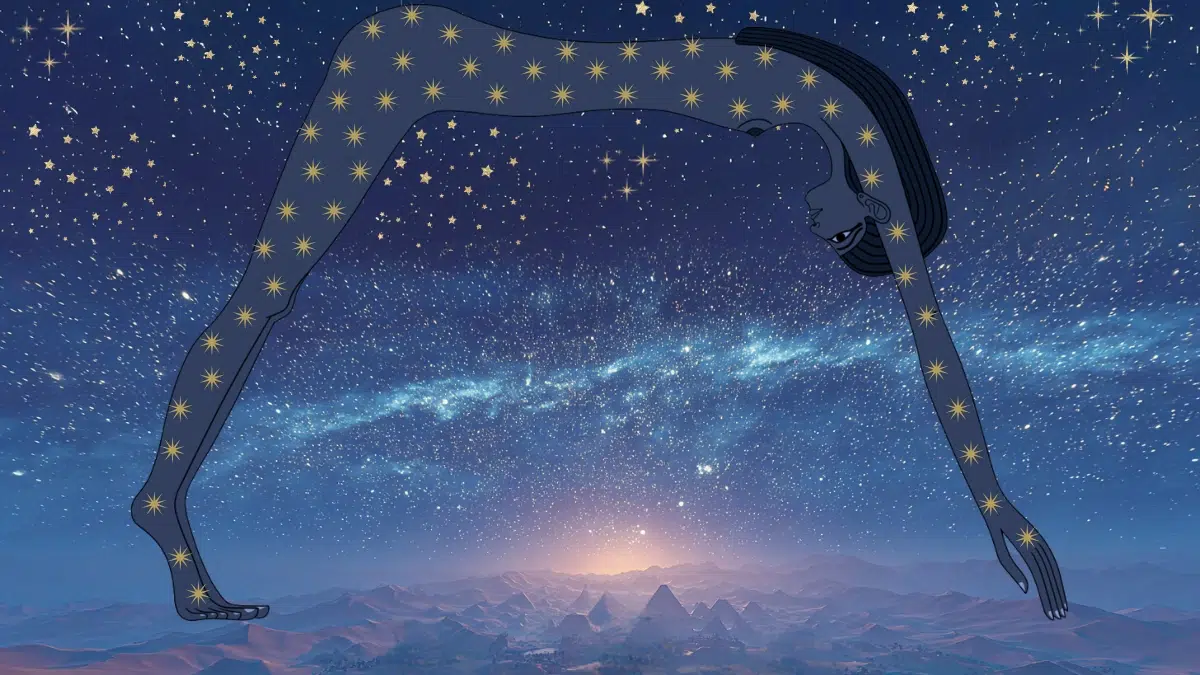
Nut was typically depicted as a tall, slender woman arching over the earth, her body forming the sky itself. Her fingertips and toes touching the horizon, with her starry form enclosing the world.
Her skin was often deep blue or black, symbolizing the night sky, and covered with golden stars. In many depictions, she stretches across the heavens, with her hands and feet touching the four corners of the earth, enclosing creation beneath her.
She is sometimes shown wearing a tight-fitting dress adorned with stars or a sky-blue gown representing the heavens.
Her head was often crowned with a waterpot hieroglyph or star emblem, symbols of her celestial role.
In funerary art, Nut is drawn in a protective pose, her arms outstretched, ready to embrace the dead and guide them into the afterlife.
Her graceful, elongated form—spanning from horizon to horizon—visually embodied her role as the living sky, sheltering both gods and mortals beneath her starry canopy.
The Myth of Nut: The Sky Goddess Who Swallowed the Sun
Swallowing the Sun: The Cycle of Night and Day
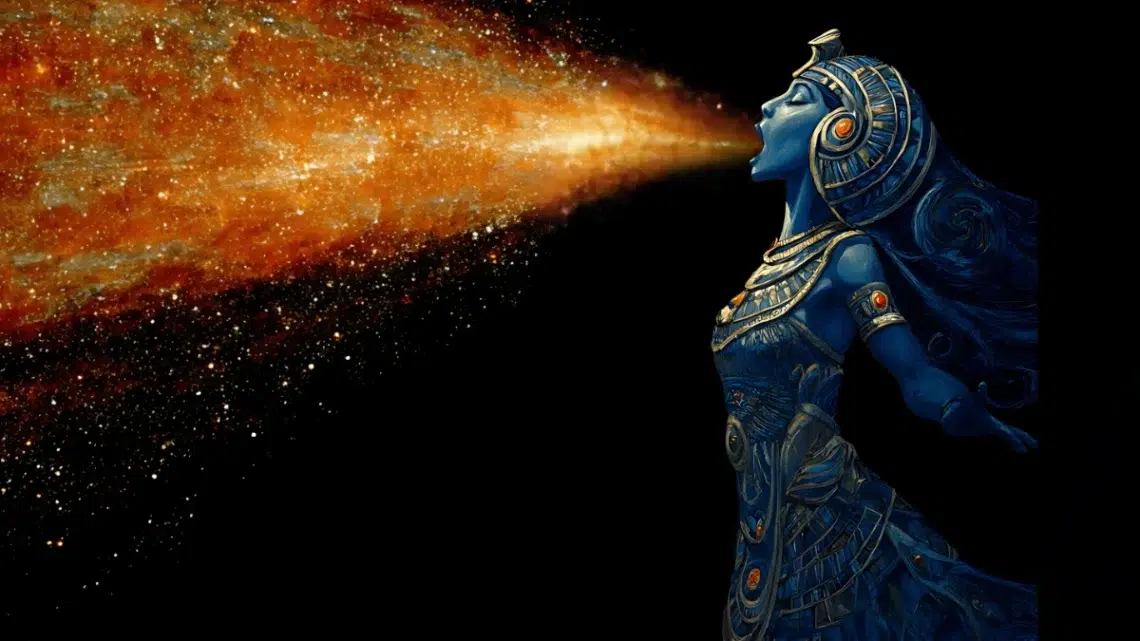
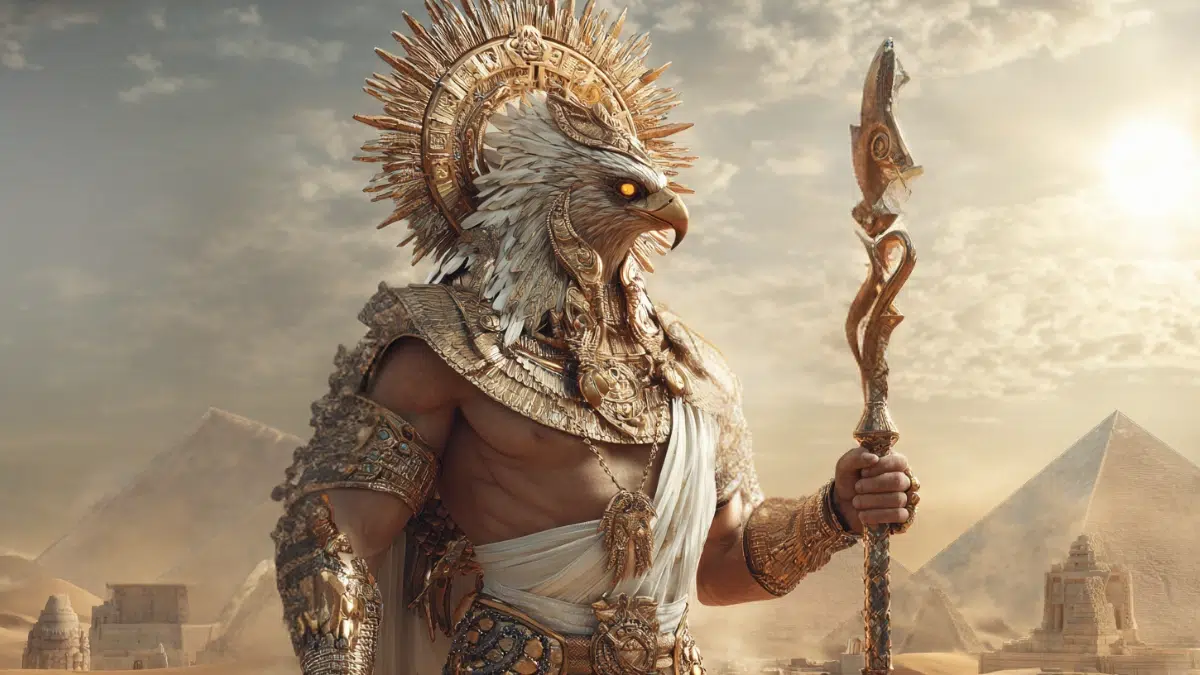
Every evening, Nut stretched her vast star-studded body over the world and swallowed the sun god Ra. This act plunged the earth into darkness, marking the arrival of night. Yet this was not an end—it was a transition.
Through the night, Ra journeyed within Nut’s body. Traveling through the underworld where he brought light to the dead and renewed his power for the dawn.
At sunrise, Nut gave birth to Ra, releasing him into the sky once more. This daily cycle symbolized renewal, rebirth, and the eternal rhythm of life and death.
To the ancient Egyptians, Nut’s actions explained the natural order. The sun’s disappearance at night, its reemergence each morning, and the balance between darkness and light.
Priests and astronomers aligned temples with celestial events, seeing Nut’s swallowing and birthing of the sun as divine proof of cosmic harmony. Her myth reinforced Ma’at—the principle of order that governed the universe.
Nut wasn’t just the sky; she was an ever-living force that upheld creation itself. Her role made her both a cosmic mother and a timekeeper, ensuring the sun’s endless journey across the heavens and affirming the promise that dawn would always follow night.
Mother of the Stars and Cosmic Order
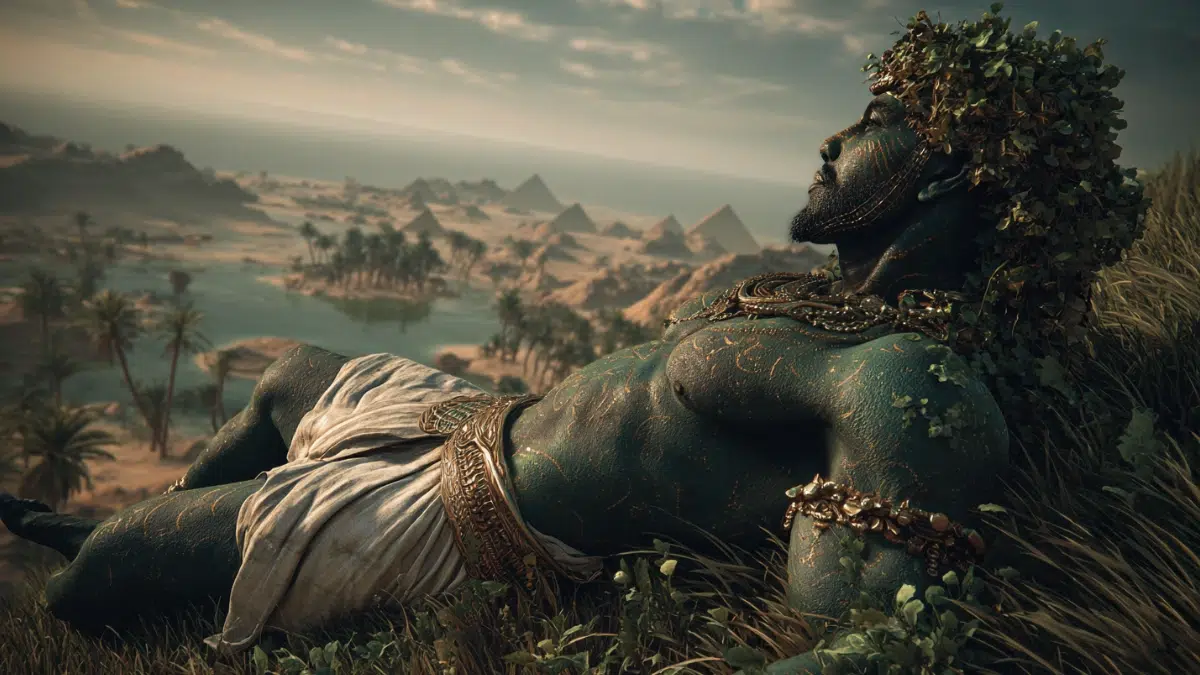
Nut’s starry body arched protectively over Geb, the earth, embodying the heavens themselves.
The ancient Egyptians believed the stars were her children, birthed each night and swallowed at dawn. This vivid imagery explained the motion of the stars: their disappearance during the day and their glittering return after sunset.
Nut’s celestial form dominated Egyptian art and belief. Tomb ceilings often showed her figure stretching overhead, with constellations painted across her skin to guide souls through the night sky.
Pharaohs believed they would become stars within Nut’s body after death, eternally reborn as part of the heavens she nurtured.
Her nightly dance with Ra and the stars represented order in a universe filled with mystery. Nut’s presence reassured the living that life and death were part of a cosmic cycle—a perfect rhythm that never faltered.
For Egyptians, looking up at the glittering sky meant witnessing Nut’s eternal embrace. She transformed the vast unknown into a protective, familiar presence, linking the celestial with the earthly in a single divine act of care.
Nut and the Birth of Egypt’s Great Gods
Nut’s myth deepened further with her role as the mother of five pivotal gods: Osiris, Isis, Set, Nephthys, and Horus the Elder.
Ra, fearful of her power, had forbidden Nut from giving birth on any day of the 360-day year
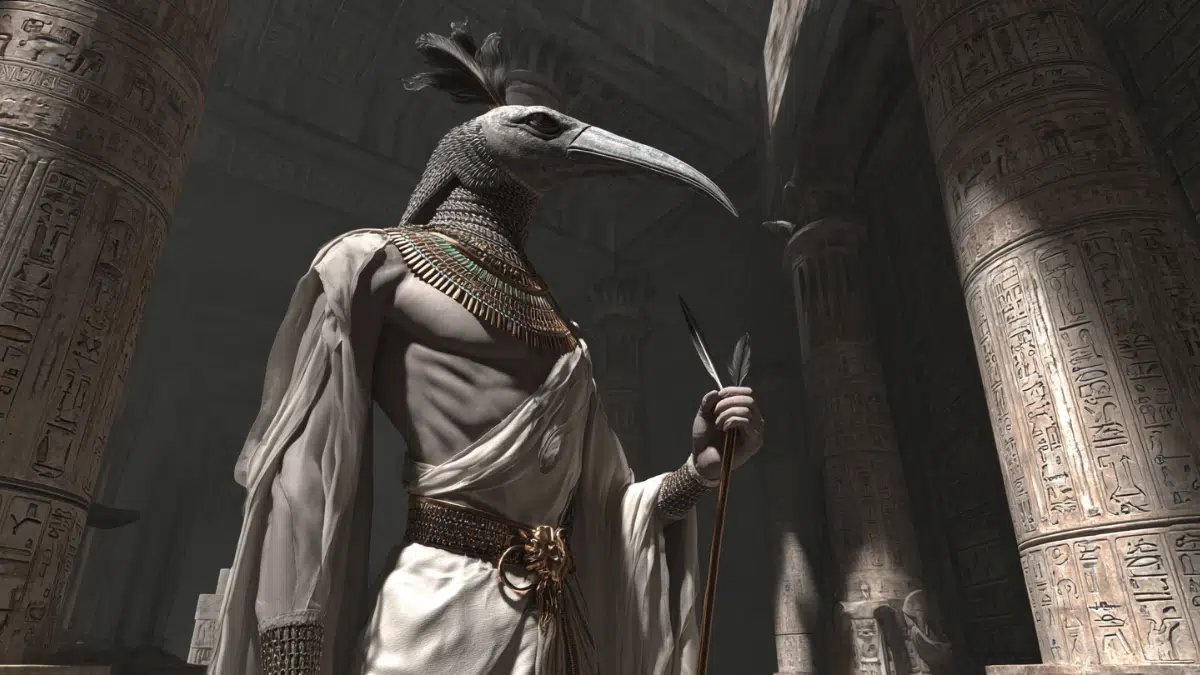
Determined, Nut turned to Thoth, the god of wisdom to help her and devised a clever plan.
He challenged Khonsu, the moon god, to a series of games of senet (an ancient Egyptian board game). Each time Thoth won, he claimed a portion of Khonsu’s moonlight.
Eventually, Thoth won enough light to form five extra days. These became the “epagomenal days,” added outside the existing calendar. Because these days were not part of the official year governed by Ra’s decree, Nut could safely give birth.
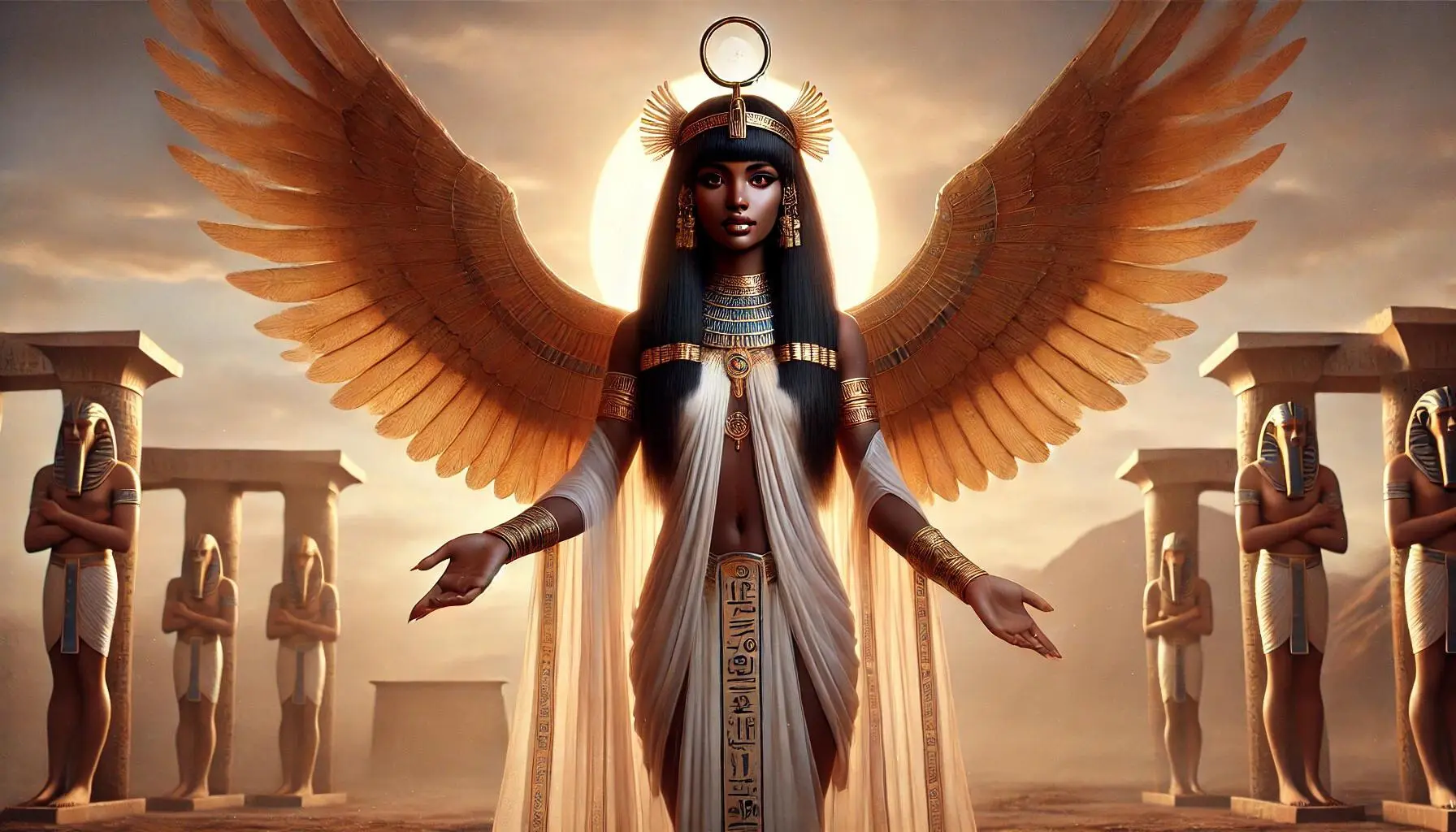
On these “epagomenal days,” Nut gave birth:
- Osiris on the first day, destined to become lord of the afterlife
- Horus the Elder on the second
- Set on the third, tied to chaos and storms
- Isis on the fourth, goddess of magic and motherhood
- Nephthys on the fifth, protector of the dead
This myth tied Nut to time and the calendar itself. The creation of those extra days explained Egypt’s 365-day year and linked celestial movements to divine events.
Nut’s defiance against Ra also showed her independence, positioning her as a goddess whose actions shaped both the heavens and human life. Through her children, Nut anchored herself in every major myth of Egyptian religion, weaving her presence through tales of kingship, death, and renewal.
Protector in Life and Death
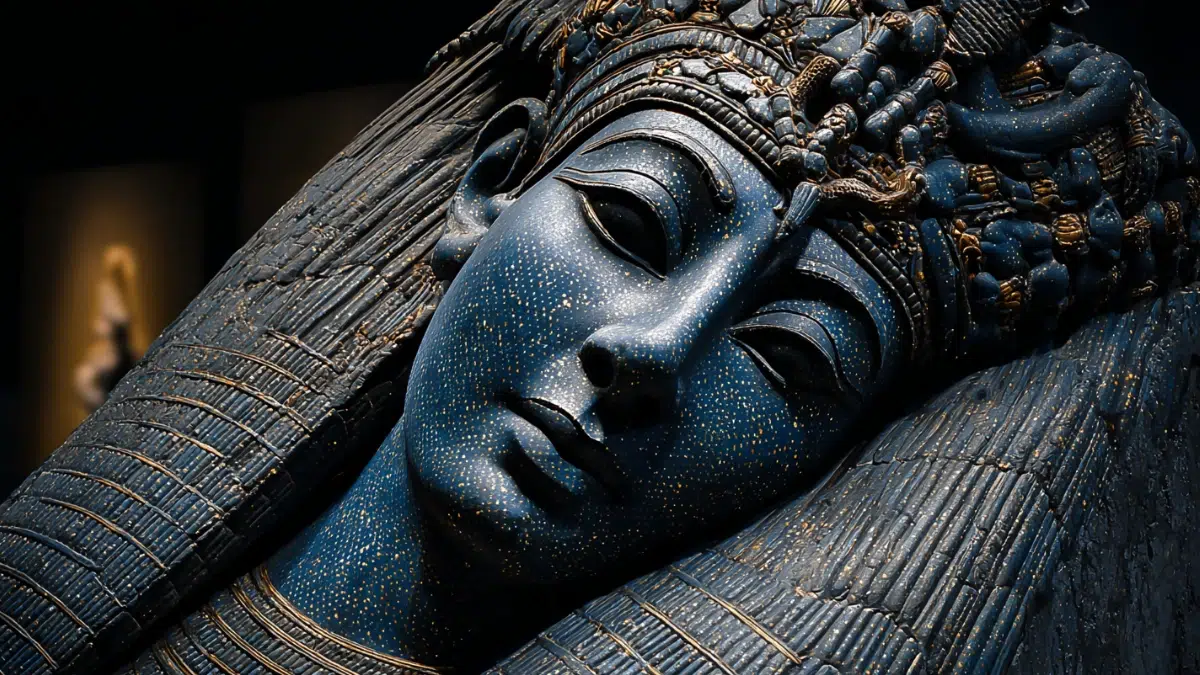
Nut’s connection to death and rebirth extended beyond the sun and stars.
She became a key figure in funerary beliefs, painted across tomb ceilings and coffins to embrace and protect the dead. Her starry form welcomed souls, guiding them safely through the afterlife as Ra traveled his nightly path through her body.
Texts describe Nut bending down to lift the deceased and place them among the stars within her body, granting them eternal life. This imagery was powerful: just as she birthed the sun each morning, Nut could “rebirth” souls into the heavens.
Pharaohs sought her favour to ascend as celestial beings, living forever in her care.
For ordinary Egyptians, Nut’s presence in burial practices was comforting. Coffins were often decorated with her figure, her arms outstretched in a protective embrace, ensuring safe passage through darkness.
In this way, Nut was both cosmic and intimate—a vast celestial goddess who also offered personal protection. Her myth transformed death into a return to her starry embrace, where the heavens themselves became home.
Symbols and Worship of Nut: Guardian of the Sky and Afterlife
Nut’s symbols reflected her celestial power and protective nature. She was most often shown as a woman arching over the earth, her body painted with stars. This imagery linked her to the heavens and the cycles of day and night.
In tombs and sarcophagi, Nut appeared stretched across ceilings or inside coffins, her outstretched arms ready to receive the dead.
She was a protector of souls, promising safe passage to the afterlife. Sarcophagi often featured prayers invoking her embrace, ensuring the deceased would be reborn like the sun each morning.
Her association with cosmic order also tied her to cows—sacred animals symbolizing nurturing and motherhood. Temples and funeral rites honoured Nut as both a sky goddess and a maternal figure, bridging life and death.
Nut and Similar Sky Deities Across Cultures

Nut’s dominion over the heavens connects her to other sky deities in world mythology:
- Uranus (Greek): Like Nut, Uranus personified the sky and was paired with Gaia (Earth), mirroring Nut’s bond with Geb
- Nótt (Norse): Goddess of night, riding across the sky and bringing darkness, akin to Nut’s swallowing of the sun
- Aether (Greek): The bright upper air deity linked to light and celestial order, echoing Nut’s ties to Ra and cosmic cycles
- Coelus (Roman): Roman adaptation of the Greek Uranus, another primal embodiment of the heavens
These parallels show how ancient cultures envisioned the sky as a living force—protective, eternal, and deeply connected to life’s cycles. Nut stands out for her maternal role, linking cosmic order, creation, and the afterlife in a uniquely Egyptian way.
Conclusion: Nut’s Eternal Embrace of the Sky
Nut was more than a sky goddess—she was a symbol of eternity, renewal, and cosmic order.
Her myth of swallowing the sun and birthing it again each morning reflected the Egyptians’ deep connection to celestial cycles and their understanding of life, death, and rebirth.
As the mother of gods like Osiris and Isis, Nut shaped Egypt’s most enduring myths and guided both divine and mortal destinies.
Her protective image adorned tombs and coffins, promising safe passage to the afterlife and eternal renewal under her starry arch.
Nut’s presence as both a nurturing mother and a powerful cosmic force made her a central figure in Egyptian belief.
Even today, her imagery—stars stretching across the sky—captures the awe and mystery of the heavens. It reminds us how the ancients found meaning in the eternal dance of night, day, and the endless sky.