
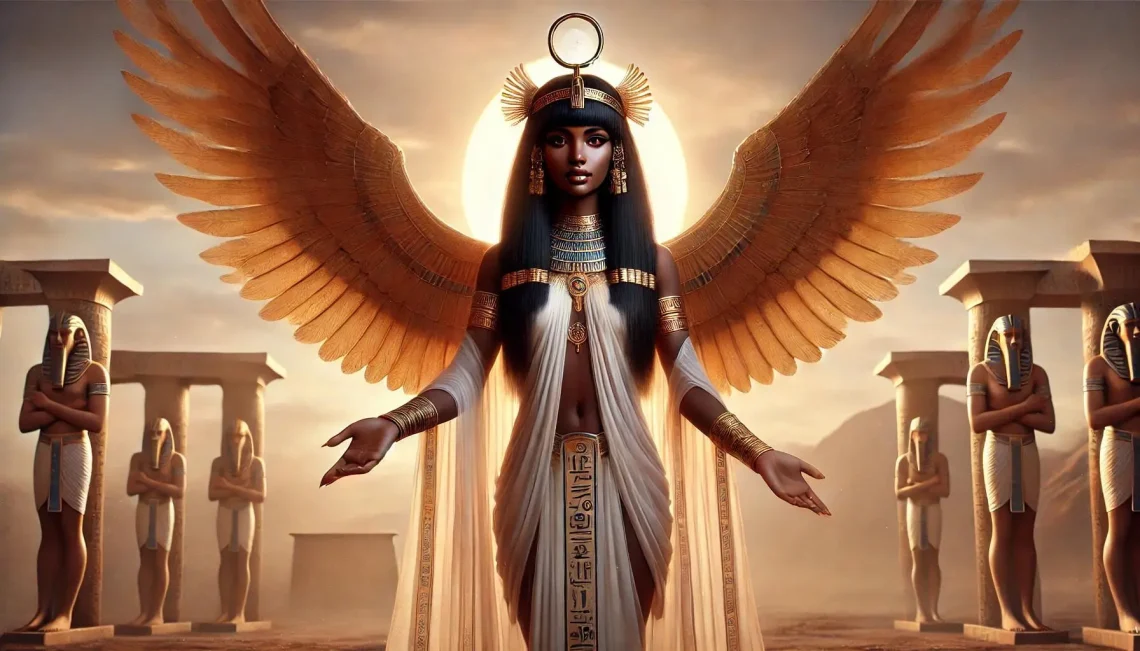
Nephthys: Ancient Egyptian Goddess of Protection
Nephthys is a key figure in Egyptian mythology, known for her role as a goddess of mourning and protector of the dead. She is the sister of Isis and the wife of Set. Her stories are in the important texts like the Pyramid Texts and the Book of the Dead.
Nephthys plays a big part in funerary practices and rituals about the afterlife. Her myths highlight her protective powers and her link to the afterlife. This makes her a vital goddess in ancient Egyptian beliefs.
People revered Nephthys for her role as a guardian and protector of the dead. Her importance shows the deep cultural and religious value placed on her in ancient Egypt.
Introduction to Nephthys
Nephthys serves as a key figure in Egyptian mythology, known as a goddess of protection. She plays a significant role in ancient Egyptian culture, especially in funerary rites. Her story closely ties to the myth of her family, as the sister of Isis and Osiris and the wife of Set.
This family connection elevates her importance among the gods. Tomb paintings and inscriptions highlight her valued status in the ancient world. She acts as a protector, aiding the dead on their journey after death.
Nephthys holds particular significance in funerary rites. She collaborates closely with her sister Isis to protect and restore Osiris. This story demonstrates her dedication and crucial role in helping souls transition.
Studying Nephthys reveals her lasting impact. Her stories and depictions in ancient texts and artifacts illustrate the high respect Egyptians held for her. She stands as a powerful protector and divine patroness.
Nephthys in Ancient Egyptian Mythology
Nephthys occupies a special place in ancient Egyptian mythology. She stands as one of the key Egyptian deities, deeply involved in the era’s stories and beliefs. She belongs to the Ennead of Heliopolis, a group of nine main deities.
Nephthys plays a significant role in the Osirian myth. As Osiris’ devoted sister, the god of the afterlife, her story is essential for understanding Egyptian views on life, death, and rebirth.
Her connections with other gods underscore her importance. She often appears with her sister, Isis, sharing roles in rituals and protection. Together, they represent balance and harmony among the gods.
In the Ennead of Heliopolis, Nephthys acts as a guardian, healer, and a key figure in the Osirian myth stories. Her stories and actions profoundly influence ancient Egyptian culture and mythology.
Attributes and Symbols of Nephthys
Nephthys’ symbols and attributes clearly define her roles in ancient Egyptian society. Her name, represented in hieroglyphs, connects her to protection and the afterlife. A common symbol for her is a basket on a house, indicating her role in family and home protection.
She also appears as a divine mourner, often depicted crying for her brother Osiris in temple art, highlighting her caring and protective nature. Symbols like wings associate with her, signifying her ability to protect the dead.
Nephthys frequently appears alongside Isis, reflecting their teamwork in reviving Osiris, which illustrates her crucial role in the afterlife narrative. Her presence with Isis emphasizes her significance in safeguarding the dead.
By studying hieroglyphs and symbols, we gain insights into Nephthys’ enduring impact and role in ancient Egyptian beliefs. Each symbol and attribute associated with Nephthys illuminates her vital part in maintaining cosmic balance and protecting the deceased.
Stories and Myths Involving Nephthys
Nephthys is an ancient Egyptian goddess associated with mourning, protection, and the afterlife. She appears in several myths and stories, often in connection with her sister Isis and brother Osiris.
Myth: The Osiris Myth
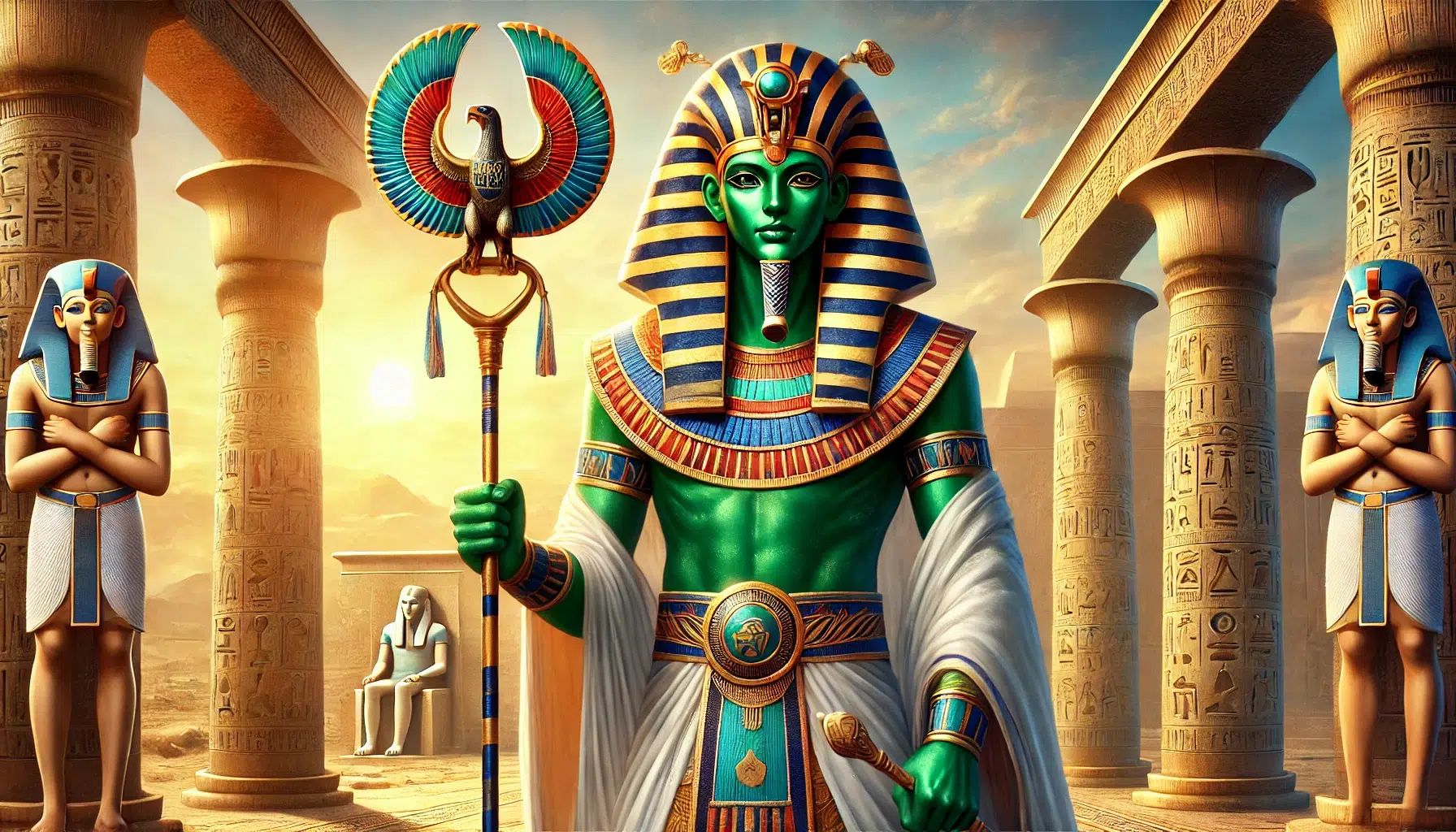
It tells how Osiris, a beloved god, is killed by his brother Set. Set, jealous of Osiris’s popularity, tricks and murders him. He cuts Osiris’s body into pieces and scatters them across Egypt.
Osiris’s wife, Isis, and his sister, Nephthys, work together to find the pieces. They use their magic to put Osiris back together. Nephthys helps Isis with the rituals needed to bring Osiris back to life. Their efforts revive Osiris, but he becomes the god of the afterlife instead of returning to the living world.
This myth explains the cycle of life, death, and rebirth. It also shows the importance of family loyalty and the struggle between good and evil. Nephthys’s role highlights her caring nature and protective qualities. She, alongside Isis, shows dedication to ensuring Osiris’s journey to the afterlife.
Myth: The Lamentations of Isis and Nephthys
The “Lamentations of Isis and Nephthys” is a story from Egyptian mythology. In this myth, Isis and Nephthys mourn the death of Osiris. They sing and weep together, expressing their deep sorrow. Their mourning helps guide Osiris’s soul to the afterlife.
Isis, the wife of Osiris, leads the lamentation. Nephthys, his sister, supports and comforts Isis. Together, they perform rituals to honour Osiris. These rituals show their love and devotion to him. They also demonstrate the importance of mourning and respect for the dead in Egyptian culture.
The lamentation highlights the role of women in religious practices. It also shows the power of words and emotions in helping the deceased. The story reflects the values of honouring the dead and maintaining family bonds. Nephthys and Isis’s actions offer comfort and hope to the living. They show that even in death, love and loyalty remain strong.
Myth: The Birth of Anubis
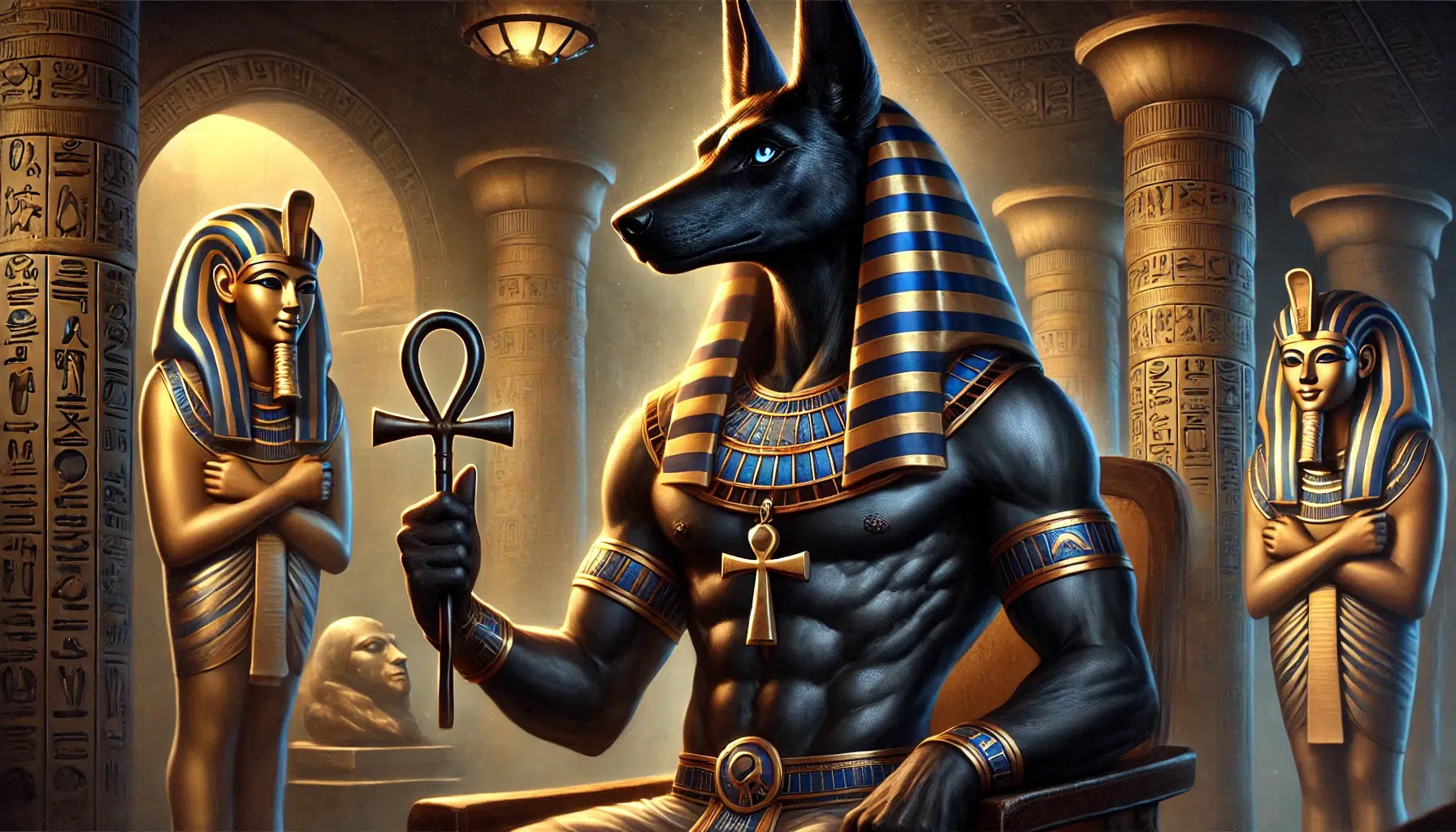
The Birth of Anubis is an important myth in Egyptian mythology. Anubis, the god of mummification and the afterlife, plays a key role in guiding souls. He is often shown with the head of a jackal.
The story begins with Nephthys, the goddess of mourning. She seeks comfort from Osiris, her brother, and together they conceive Anubis. Isis, Osiris’s wife, finds the child and raises him as her own. She loves Anubis and teaches him his divine duties.
Anubis grows up with a special connection to the afterlife. He helps guide and protect the souls of the dead. His jackal head represents his role in watching over graves. Anubis’s birth and life symbolize protection, guidance, and the importance of funerary rituals.
The myth shows the gods’ complex relationships and their impact on the world. It highlights the role of Anubis in Egyptian beliefs about death and the afterlife. The story also illustrates themes of loyalty and care in family relationships.
Myth: Protectress of the Dead
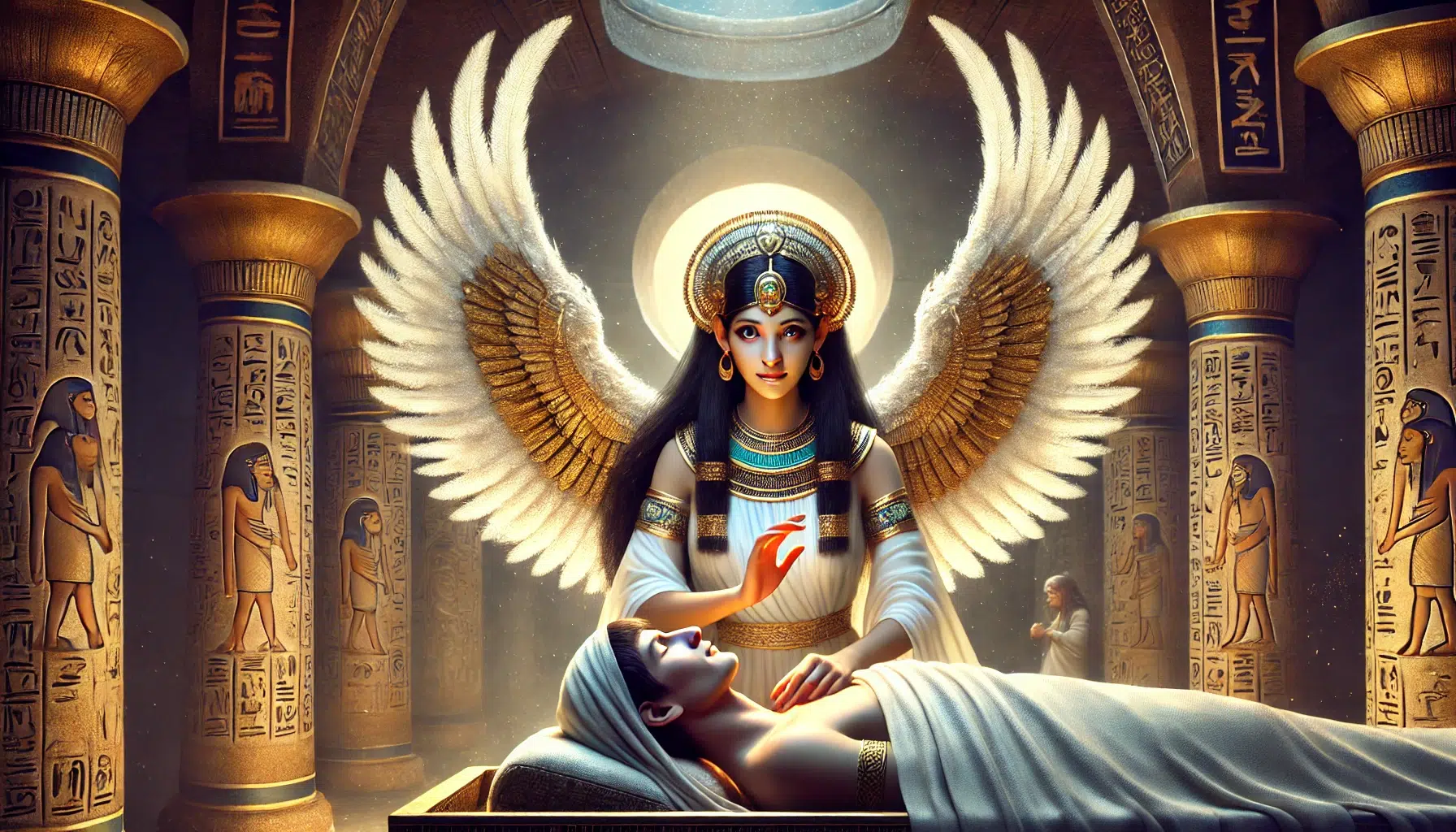
Nephthys, the goddess of mourning, plays a crucial role as the protectress of the dead in Egyptian mythology. She watches over the deceased and helps guide them to the afterlife. Nephthys is often seen as a caring and protective figure. She stands by the tombs, ensuring the dead rest peacefully.
People call on Nephthys during funeral ceremonies. She helps with the safe journey of souls to the afterlife. Her presence comforts the grieving and offers hope for the departed. Nephthys also assists in the mummification process, protecting the body from harm.
Nephthys’s symbols, like the basket and house, represent her role in protecting both the living and the dead. Her wings, often depicted in art, show her as a guardian. Nephthys’s actions highlight the importance of honouring and respecting the dead. Her protective nature shows the deep belief in the afterlife and the care for those who have passed away.
Myth: The Boat of Ra

In this myth, Nephthys is sometimes depicted as part of the divine entourage that travels with the sun god Ra on his nightly journey through the underworld. She helps protect Ra from the forces of chaos, represented by the serpent Apep.
The Boat of Ra is a central myth in ancient Egyptian religion. It tells the story of Ra, the sun god, as he travels through the sky in a boat. This journey happens every day, bringing daylight and life to the world.
During the day, Ra’s boat sails across the sky, shining light and warmth. At night, Ra enters the underworld, where he faces dangers. One of the biggest threats is the serpent Apep, who tries to stop the sun’s journey.
Ra’s companions on the boat help protect him. Gods like Nephthys and Set stand by Ra, fighting off Apep and other dangers. This battle symbolizes the fight between order and chaos. The safe journey of Ra’s boat represents the victory of light over darkness.
The myth shows the importance of the sun and the cycle of day and night in Egyptian beliefs. It also reflects the idea of protection and the struggle against evil forces. The Boat of Ra symbolises the daily renewal of life and the eternal struggle to maintain balance in the world.
The Relationship Between Nephthys and Other Deities
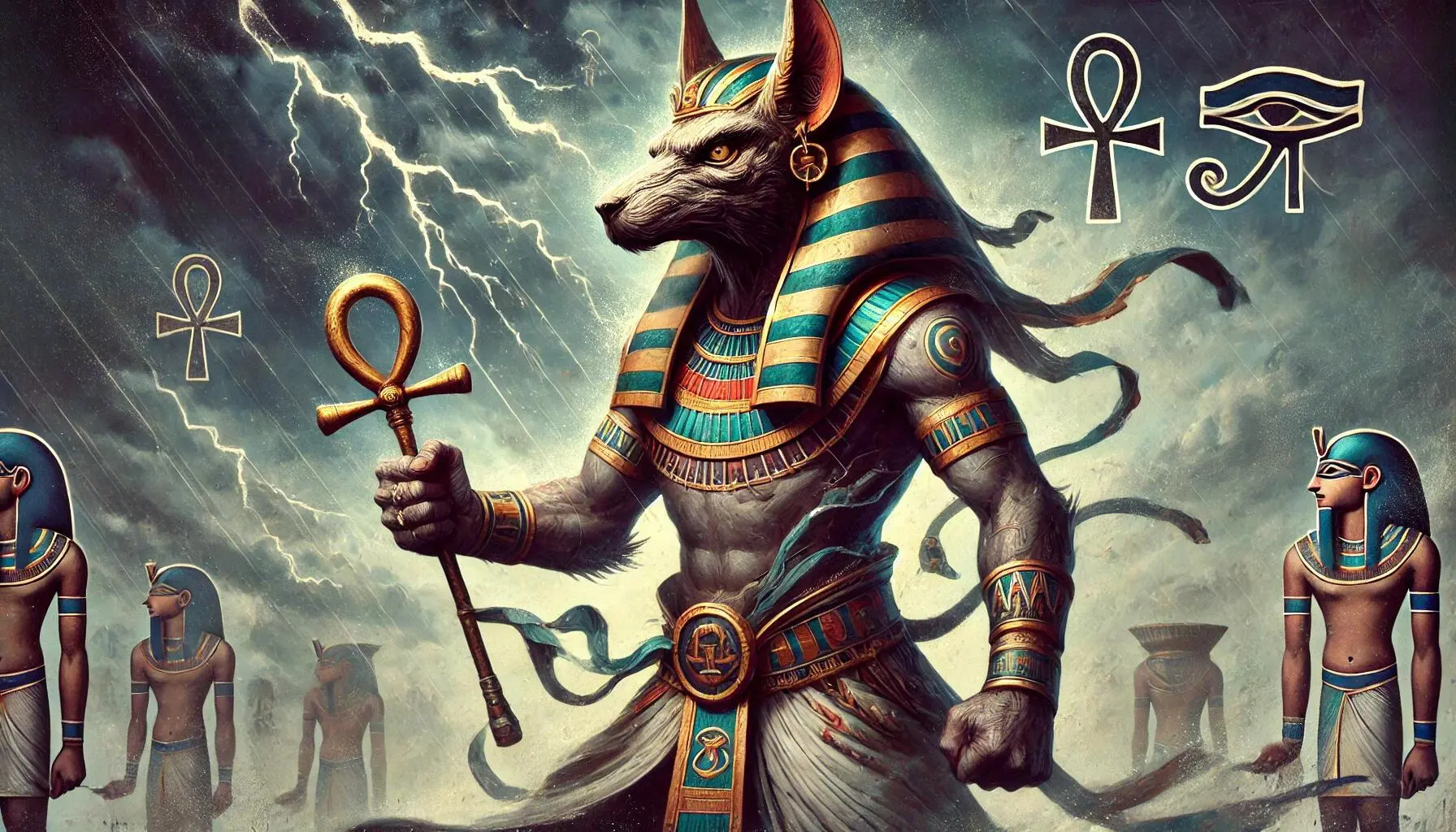
Nephthys plays a key role among the Egyptian gods and goddesses. She maintains complex relationships with her sister Isis, her husband Set, and her brother Osiris, demonstrating the interconnectedness and significant influence of these ancient beings on Egyptian beliefs and rituals.
She shares a close bond with her sister Isis, often appearing together in myths. They symbolize magic and protection, working to safeguard their loved ones and maintain balance in the world.
Osiris holds great importance to Nephthys. As her brother and the god of the afterlife, his death and resurrection are central to Egyptian stories. Nephthys assists Isis in reviving him, showcasing her caring and protective nature.
Set, Nephthys’ husband, represents chaos and destruction. Despite this contrast, their marriage is crucial for balance in the pantheon, illustrating the necessary coexistence of order and chaos.
Her connections with these Egyptian gods and goddesses highlight her complex character and significant role in ancient Egyptian society. Her relationships contribute to a larger narrative that continues to be studied and admired today.
Learn more about:
Nephthys’ Role in the Osiris Myth
Nephthys plays a key role in ancient Egyptian myths. She actively contributes to Osiris’s resurrection, demonstrating her power and commitment to justice. Her actions highlight her ability to balance life, death, and the afterlife.
When Set kills Osiris, the god of the afterlife, Nephthys, along with her sister Isis, works tirelessly to restore him. Their efforts result in Osiris’s resurrection and his subsequent rule in the underworld.
Nephthys plays a significant role in this narrative. Her magic and protective qualities are crucial in countering Set’s malevolence, establishing her as a goddess of protection who aids in funerals and guides the dead.
The stories of Nephthys and Osiris emphasize the deep bond between siblings and illustrate how order triumphs over chaos. Nephthys’s actions are vital in maintaining cosmic balance, reflecting the Egyptian belief in the interconnectedness of life, death, and the divine.
The Significance of Nephthys in Funerary Practices
Nephthys holds significant importance in ancient Egyptian funerals, fulfilling two key roles: mourning and protecting. She actively safeguards the deceased during the mummification process, ensuring the soul’s proper preservation.
The Egyptians, who strongly believed in the afterlife, regarded Nephthys as a vital figure. She actively protects both the body and the soul, with her spells and rituals essential for the soul’s safe journey to the afterlife.
Nephthys often appears with her sister Isis in funerary art, forming a powerful duo. Together, they provide comprehensive protection for the afterlife. The rituals involving Nephthys are considered crucial, reflecting the Egyptians’ deep respect for her role.
In essence, Nephthys plays a crucial role in ancient Egyptian funerals as a protector of the dead, ensuring they receive the proper rituals for eternal life.
Comparison of Nephthys with Other Protective Goddesses

Nephthys stands as a key figure in ancient Egyptian mythology, often compared to protective goddesses from other cultures. These comparisons highlight common themes in goddess worship, as female deities from various mythologies share similar traits and roles, revealing interesting parallels.
Nephthys, Hestia, and Hecate all serve as protective goddesses, but in distinct ways. Nephthys guards the dead and aids in funerary rites, focusing on the afterlife. Hestia from Greek mythology symbolizes domestic stability and harmony, representing the hearth and home. Hecate, associated with magic and crossroads, protects against evil spirits and guides souls through transitions. Each goddess embodies protection within her specific domain, highlighting varied aspects of guardianship.
Durga from Hindu mythology and Frigg from Norse mythology both serve as powerful protective goddesses, though their domains and attributes differ significantly. Durga stands as a renowned warrior goddess who battles evil forces, embodying strength and courage. She often rides a lion or tiger and wields weapons in her many arms, symbolizing her readiness to protect her devotees from harm.
In contrast, Frigg associates with marriage, motherhood, and the home. While she doesn’t engage in combat like Durga, she protects the family and upholds social and moral order. Frigg appears with symbols like the distaff and keys, emphasizing her role in maintaining domestic stability and foresight.
Both goddesses, however, reflect the essential protective and nurturing aspects that are pivotal in their respective mythologies, highlighting the diverse ways different cultures conceptualize the protective role of female deities.
These comparisons illustrate that goddess worship often centers around themes of protection and guidance. Exploring how Nephthys relates to other protective goddesses enhances our understanding of these figures and underscores their significant impact across various societies.
The Worship and Temples of Nephthys
Nephthys, the ancient Egyptian goddess, receives honors in many places, even though there aren’t many temples dedicated solely to her. She plays a significant role in daily religious activities and rituals, highlighting her importance in Egyptian spirituality.
Many temples dedicated to other gods and goddesses include Nephthys in their worship, reflecting the deep respect the ancient Egyptians had for her. These temples feature beautiful architecture that honors Nephthys, even if she isn’t the primary deity worshiped.
Key locations where Nephthys is venerated include:
- The Temple of Isis at Philae, where Nephthys is worshiped alongside her sister Isis.
- Abydos, a significant site for the Osiris cult, which features rituals and religious ceremonies honoring Nephthys for her role in the resurrection of Osiris.
- Hatshepsut’s Temple at Deir el-Bahari, which includes references to Nephthys in various wall reliefs and religious texts.
At these sites, she plays an integral part in daily rituals. The temple architecture depicts her with detailed carvings and statues, emphasizing her protective nature and her important place in the pantheon of gods. People show respect for her through chants, offerings, and other sacred acts.
Worship of Nephthys keeps her influence strong in Egypt, highlighting her protective and nurturing qualities.
Nephthys in Popular Culture
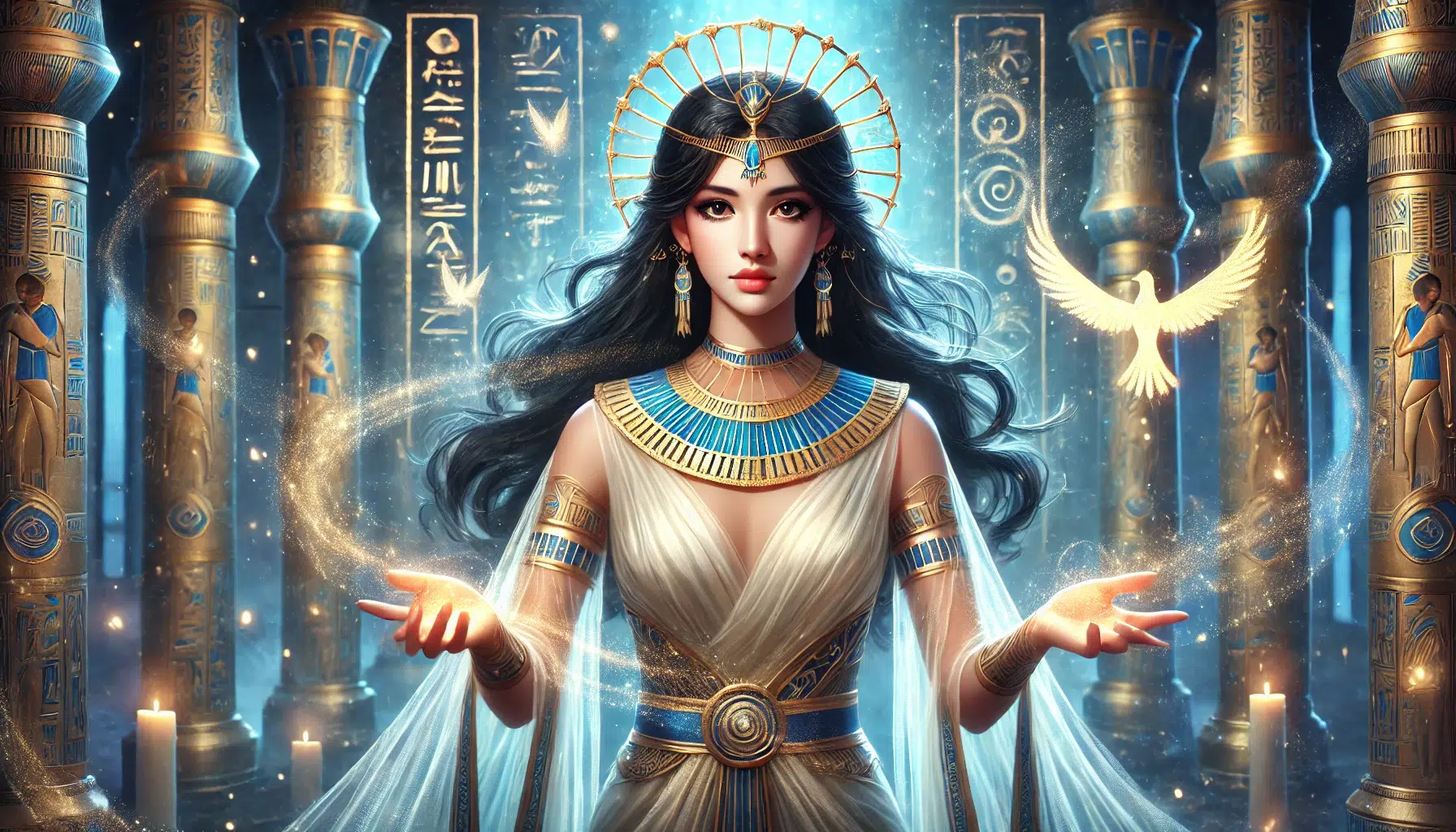
Nephthys makes a lasting impact on modern culture, appearing in movies and other media. Her roles in films often draw from her mythological background, portraying her as a guardian and protector and highlighting her deep cultural significance.
In games such as SMITE, Nephthys is sometimes represented as a playable character, embodying her protective and magical qualities.
In books, Nephthys frequently appears in stories about ancient myths, where writers reimagine her for contemporary narratives. These stories portray her as a mysterious and complex figure, blending historical elements with new interpretations.
She appears in novels and stories that explore Egyptian mythology, such as The Kane Chronicles by Rick Riordan, where she is depicted as a goddess with protective and nurturing aspects.
TV shows and comics also spotlight Nephthys, offering fresh perspectives on her character. These adaptations present her as a powerful and intriguing figure, maintaining her appeal for fans around the world.
Nephthys features in comic book series like Marvel Comics, where she appears as a character associated with the Egyptian pantheon. In Stargate SG-1, Nephthys is mentioned as one of the Egyptian gods, part of the show’s overarching mythological themes.
Representation of Nephthys in Art and Literature
Nephthys’s representation in art and literature reveals her deep role in Egyptian beliefs. Hieroglyphics frequently depict her with symbols that emphasize her caring and protective qualities. These symbols offer significant insights into her divine attributes.
Temple reliefs at locations like Abydos and Edfu depict her alongside her sibling gods, portraying her as a guardian close to Osiris, Isis, and Horus. These reliefs underscore her role in safeguarding the gods and the deceased.
She also plays a significant part in ancient Egyptian literature. In The Book of the Dead and other texts, she appears as a key figure guiding souls through the afterlife. These literary works and art pieces enhance our understanding of her protective role.
Overall, Nephthys’s portrayal in art and literature reflects her complex nature and the high regard in which the ancient Egyptians held her. Her enduring presence in these mediums confirms her important role in Egyptian mythology and religion.
Conclusion
Nephthys’ legacy shines as a beacon of protection and mystery in ancient Egyptian mythology. She plays a crucial role in stories like the Osiris myth, influencing many aspects of Egyptian culture, from religious beliefs to funerary practices.
Today, Nephthys continues to captivate people through her symbols and stories in art, books, and movies, reflecting a global fascination with ancient Egyptian culture. Learning about Nephthys offers insight into ancient Egypt’s values and beliefs, connecting us to our shared human history.
Nephthys’ enduring impact underscores her significance in ancient Egyptian myths and culture. Her stories of loyalty and protection remind us of the enduring power of ancient tales, illustrating their relevance in understanding history and mythology today.