

Nancy Ward: Nanyehi of the Cherokee Nation
Nancy Ward, known as Nanyehi, was a powerful Cherokee leader. She was born around 1738 and held the title of Ghigau, or “Beloved Woman.” This role gave her a voice in the Cherokee council.
Nanyehi also led warriors and negotiated peace treaties. Her leadership and wisdom earned her respect from both the Cherokee and American settlers.
Nancy Ward’s influence helped shape Cherokee history and American history. She stands as a symbol of strength and diplomacy in a time of conflict. Nanyehi’s legacy continues to inspire many today.
Learn more about: Native American Mythology
Early Life of Nanyehi
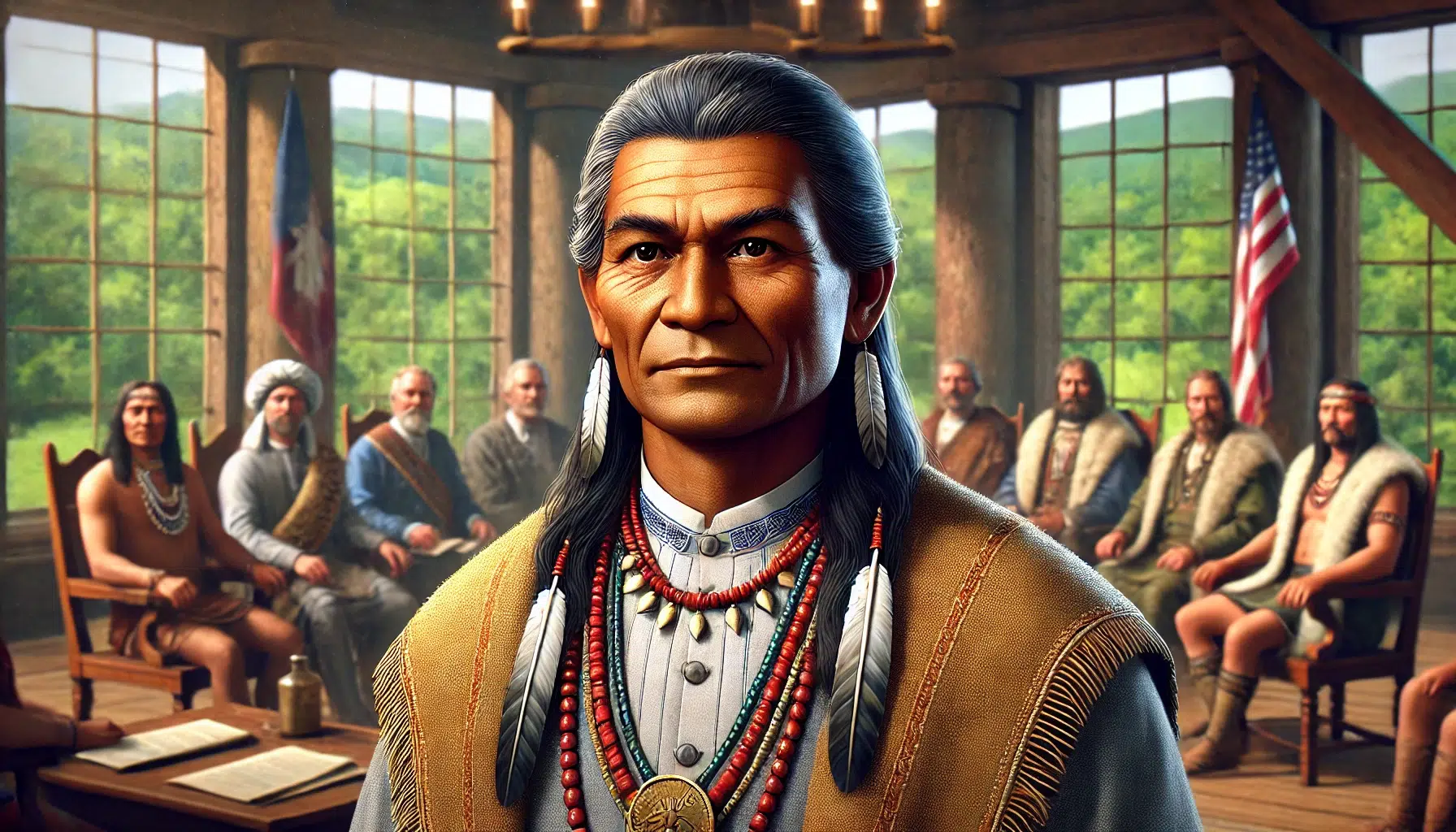
Nanyehi, later known as Nancy Ward, was born around 1738 in Chota, the Cherokee capital. Chota, located in what is now Monroe County, Tennessee, played a vital role in Cherokee life.
As a member of the Wolf Clan, Nanyehi grew up in a matrilineal society, meaning descent and inheritance passed through the mother’s line. Her family held significant influence within the Cherokee community. Nanyehi’s mother belonged to the Wolf Clan, one of the seven Cherokee clans.
Her uncle, Attakullakulla, was an important Cherokee chief. Attakullakulla, known for his diplomacy and leadership, greatly influenced young Nanyehi.
Growing up, Nanyehi learned the ways of her people, including traditional roles and responsibilities. Her early life immersed her in Cherokee customs, stories, and values. These experiences shaped her strong sense of identity and leadership skills.
Nanyehi’s connection to her family and clan instilled in her a deep sense of duty and honour. This upbringing prepared her for the significant role she would later play in Cherokee history. Her early years in Chota laid the foundation for her future as a leader, warrior, and peacemaker.
Nanyehi’s story starts with her roots in the rich cultural heritage of the Cherokee Nation.
Rise to Prominence

Nanyehi, also known as Nancy Ward, married Kingfisher, a Cherokee warrior. Together, they had two children: Catherine and Fivekiller. Nanyehi supported her husband and actively participated in their community. She learned the skills needed for daily life and leadership. Nanyehi’s strength and wisdom began to shine through her actions.
During a battle against the Creeks, Nanyehi fought bravely alongside Kingfisher.
Nanyehi’s leadership, courage, and dedication to her people helped her become a respected and influential figure. Her early family life and marriage to Kingfisher set the stage for her remarkable journey.
Role in the Battle of Taliwa (1755)

Nancy Ward, also known as Nanyehi, played a significant and heroic role in the Battle of Taliwa, which took place in 1755 between the Cherokee and Muscogee Creek tribal people.
The Battle of Taliwa in 1755 stands as a key event in Nanyehi’s life when she was only 17. This battle took place between the Cherokee and the Muscogee Creek people. Nanyehi played a significant role in this conflict. Her bravery during this battle helped secure her place in Cherokee history.
During the battle, Nanyehi fought alongside her husband, Kingfisher. During the battle, she chewed lead bullets to make them more deadly, a common practice believed to increase the bullets’ lethality.
As the fighting intensified, Kingfisher fell. Nanyehi, showing immense courage, picked up his weapon and continued to fight. She led the Cherokee warriors to victory against the Creeks. This act of heroism earned her the title of Ghigau, or “Beloved Woman.” The Cherokee awarded this title to women who demonstrated exceptional leadership and bravery.
Recognition and Honour
Due to her valor and decisive actions during the battle, Nancy Ward was awarded the title of Ghigau or “Beloved Woman,” one of the highest honours in the Cherokee Nation.
As Ghigau, Nanyehi gained a voice in the Cherokee council, allowing her to influence important decisions and advocate for peace. Her leadership during the Battle of Taliwa marked the beginning of her rise to prominence within the Cherokee Nation.
Nanyehi’s actions during the battle not only showcased her bravery but also her strategic thinking. The Battle of Taliwa had lasting effects on the Cherokee people. It solidified their control over the contested territory and strengthened their position against the Creeks.
Controversies and Debates
Some modern historians and researchers have questioned the historical accuracy of the Battle of Taliwa and Nancy Ward’s role in it. There are claims that the battle may not have occurred as traditionally described. They note some aspects of Nancy Ward’s life have been subject to mythologization and embellishment over time.
Despite these debates, the story of Nancy Ward’s bravery at the Battle of Taliwa remains a powerful symbol of her leadership and the respect she earned within the Cherokee Nation.
Role as Beloved Woman (Ghigau)

Nanyehi, known as Nancy Ward, earned the title of Ghigau, or “Beloved Woman,” after her bravery at the Battle of Taliwa. This prestigious title held great significance in Cherokee society. As Ghigau, Nanyehi held unique responsibilities and powers.
The title of Ghigau granted Nanyehi a respected position within the Cherokee Nation.
She participated in the Women’s Council and the General Council, where she helped make important decisions. Her voice carried significant weight, and she used her influence to advocate for her people.
As a leader in the Women’s Council, Nanyehi addressed issues affecting Cherokee women and families. She ensured their concerns received proper attention and care. In the General Council, she contributed to broader tribal decisions, helping shape policies and strategies.
One of Nanyehi’s key responsibilities as Ghigau involved authority over prisoners. She decided their fate, showing mercy or delivering justice. Her decisions balanced compassion with the needs of her people.
Nanyehi’s role as Ghigau also allowed her to act as a diplomat. She engaged in negotiations with American settlers and other tribal people, always striving for peace and mutual respect. Her efforts aimed to protect Cherokee lands and rights while fostering peaceful relations.
Through her leadership, Nanyehi demonstrated wisdom, courage, and dedication. Her role as Ghigau solidified her place in history as a powerful and respected Cherokee leader. Nanyehi’s legacy continues to inspire, reminding us of the vital role women play in leadership and decision-making. Her story highlights the importance of honour, valour, and dedication to one’s community.
Interactions with European Settlers

Marriage to Irish Trader Bryant Ward
Nanyehi, later known as Nancy Ward, married Bryant Ward, an Irish trader. This marriage connected her to European settlers and introduced new dynamics to her life. Through this union, she adopted the name Nancy Ward and had a daughter, Elizabeth.
Advocacy for Peaceful Coexistence
Nancy Ward’s interactions with European settlers showcased her diplomatic skills. She advocated for peaceful coexistence between the Cherokee and the settlers. Nancy used her position to mediate conflicts and build understanding between the two groups. Her efforts aimed to protect her people and maintain harmony in a time of change.
Nancy Ward played a crucial role in negotiating and communicating with settlers. She often acted as a bridge, translating and conveying messages between the Cherokee and the settlers. Her ability to speak both Cherokee and English made her an invaluable mediator.
One notable example of Nancy’s advocacy occurred when she warned settlers of impending attacks. By providing these warnings, she saved many lives and prevented further conflict. Her actions demonstrated her commitment to peace and her desire to protect all people.
Nancy’s efforts to mediate extended to her work in council meetings. She pushed for agreements that benefitted both the Cherokee and the settlers. Her diplomatic approach aimed to ensure fair treatment and mutual respect.
Throughout her life, Nancy Ward used her influence to promote understanding and cooperation. She believed in the possibility of peaceful coexistence and worked tirelessly to achieve it. Her interactions with European settlers reflected her dedication to her people and her vision for a harmonious future.
Actions During the American Revolution
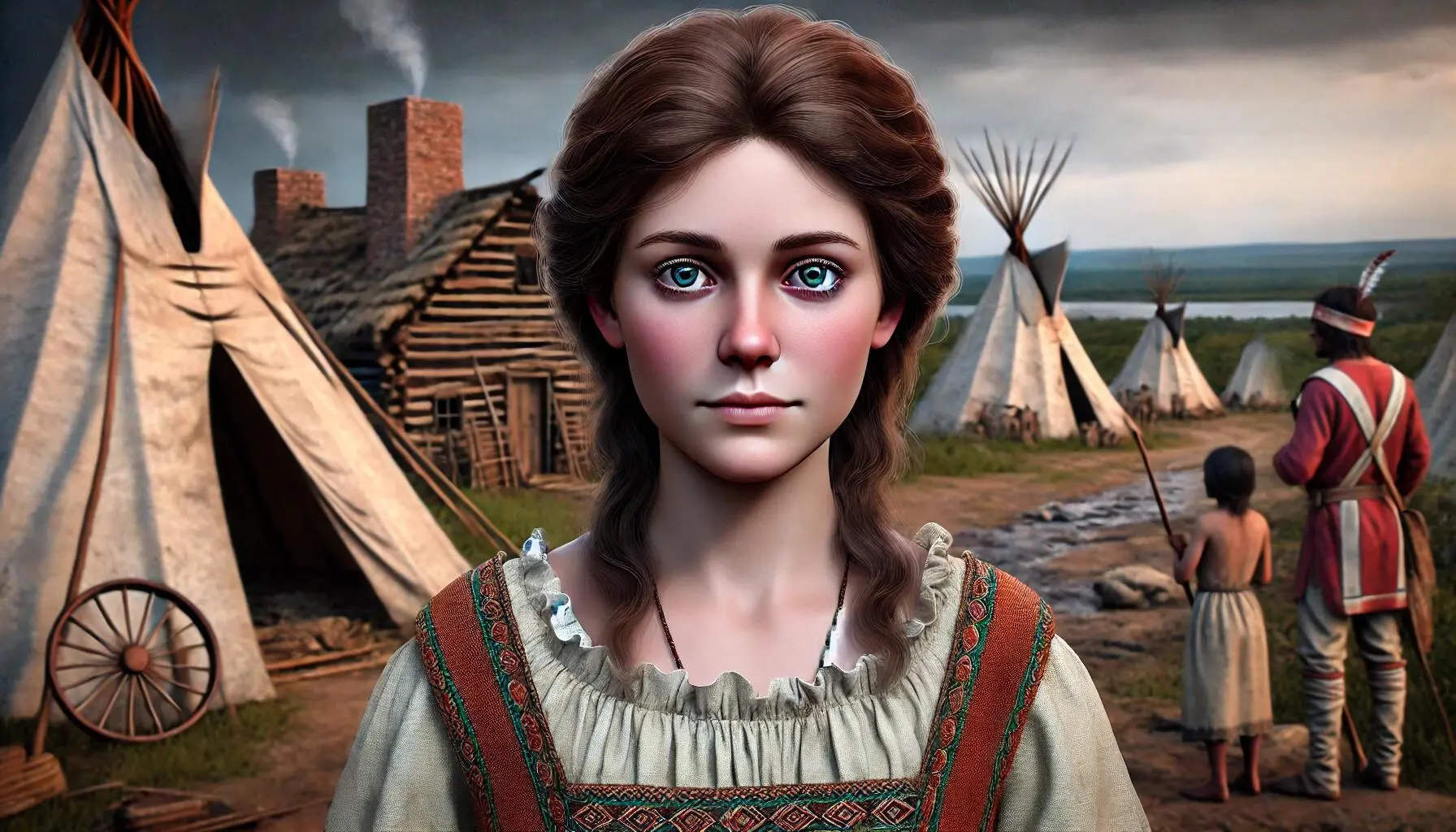
During the American Revolution, Nancy Ward played a vital role in promoting peace and saving lives. She used her position as Ghigau to act with compassion and bravery.
Nancy Ward released white prisoners, demonstrating her commitment to peace and humanity. She understood the importance of showing mercy, even during times of conflict. Her actions helped reduce tensions and promoted goodwill between the Cherokee and the settlers.
Saving a White Settler Lydia Bean
One notable incident involved Lydia Bean, a white settler captured by the Cherokee. Nancy intervened and saved Lydia’s life, preventing her execution. This act of kindness highlighted Nancy’s commitment to peaceful relations and her bravery in protecting others.
Nancy also warned settlers of impending attacks, saving many lives. By providing these warnings, she helped settlers prepare and avoid unnecessary bloodshed. Her efforts aimed to prevent violence and protect all communities involved.
Introduction to Dairy Farming
In addition to her peacekeeping efforts, Nancy introduced dairy farming to the Cherokee. After saving Lydia Bean, Nancy learned about dairy farming from her. She saw the potential benefits for her people and shared this knowledge with the Cherokee. This introduction of dairy farming improved the Cherokee’s food resources and demonstrated Nancy’s vision for her people’s future.
Nancy Ward’s actions during the American Revolution showcased her leadership, compassion, and commitment to peace. She used her influence to save lives, promote understanding, and bring new skills to her community. Her legacy continues to inspire, reminding us of the power of bravery and kindness in times of conflict.
Nancy’s story highlights the importance of acting with honour and valour, even in challenging times. Her efforts during the American Revolution left a lasting impact on both the Cherokee and the settlers. She remains a symbol of peace and courage.
Nancy Ward’s Involvement in Treaties
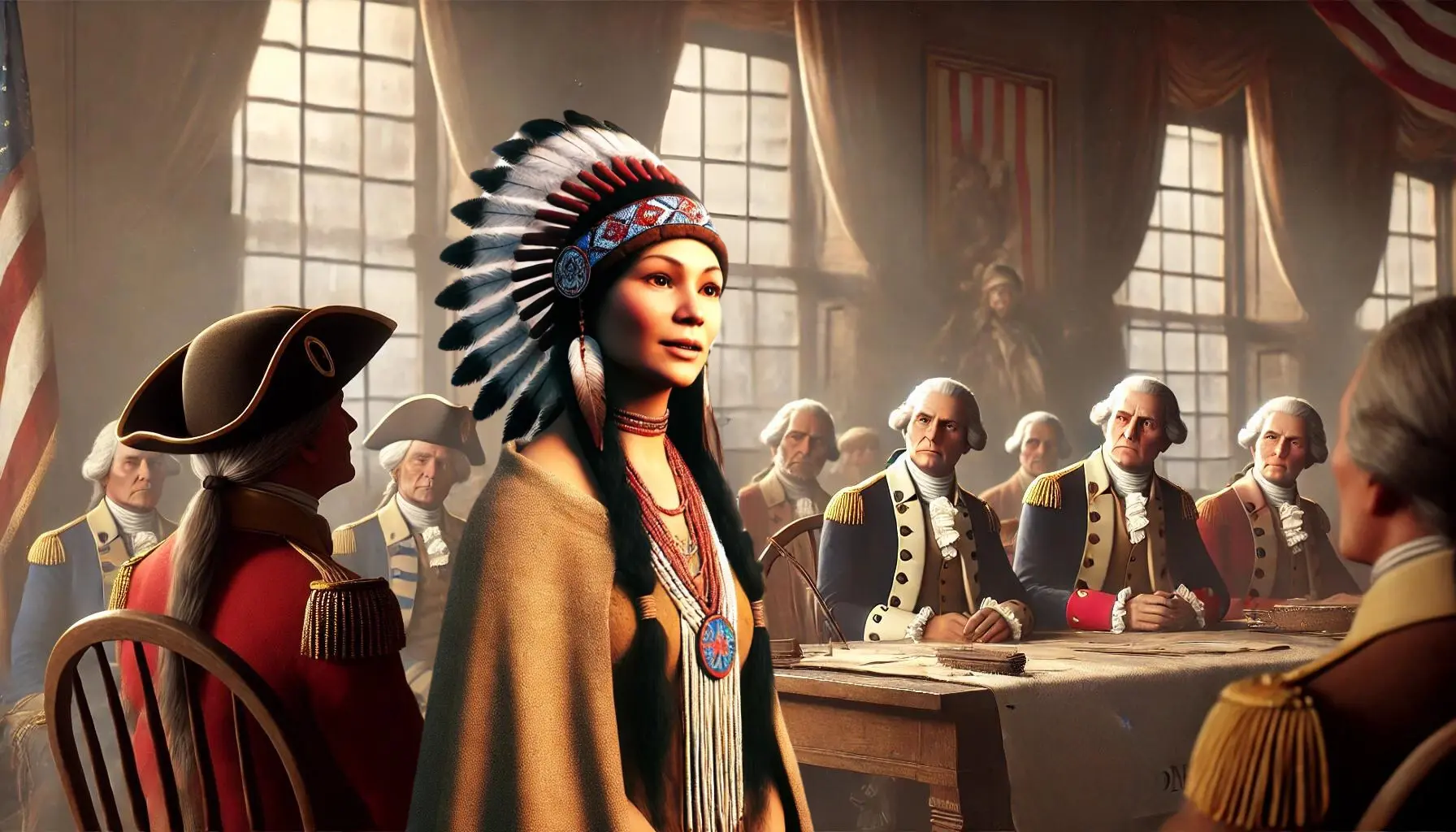
Nancy Ward was actively involved in several key treaties between the Cherokee Nation and the United States. Her involvement in these treaties highlights her role as a peacemaker and advocate for her people during a time of significant upheaval and change.
Her efforts to foster peaceful relations and protect Cherokee lands, although not always successful, left a lasting legacy.
Treaty of 1781
During the American Revolution, the Cherokee were divided on how to respond to the conflict. Nancy Ward, advocating for peace, played a crucial role in negotiations.
In 1781, she addressed U.S. treaty commissioners, urging for peace and coexistence between the Cherokee and white settlers. Her speech emphasized the importance of women in fostering peace and was notable for its emotional appeal.
It was met with some confusion by the American commissioners due to their unfamiliarity with women’s roles in public life.
Treaty of Hopewell (1785)
Following the American Revolution, the Treaty of Hopewell was one of the first treaties between the United States and the Cherokee Nation.
She played a crucial role in the Hopewell Treaty of 1785, which aimed to establish boundaries and ensure peace. Her presence at these negotiations highlighted her dedication to her people’s rights.
Nancy Ward participated in the negotiations and made a dramatic plea for continued peace. She invited the commissioners to smoke her pipe of peace and expressed hope that the “chain of friendship” would remain unbroken.
Despite her efforts, the promises made in the treaty were not fully honoured by the settlers.
Hiwassee Purchase (1819)
This treaty involved the cession of Cherokee lands north of the Hiwassee River to the United States.
Although Nancy Ward was not directly mentioned in the negotiation of this treaty, her earlier advocacy against further land cessions and her influence in Cherokee politics were significant. She had urged her people to hold onto their lands and continue their traditional ways of life.
Despite the increasing pressure to cede Cherokee lands, Nancy remained steadfast in her advocacy. Her leadership provided a strong voice for her people, even in the face of adversity. Nancy’s ongoing mediation efforts promoted understanding and peaceful coexistence between the Cherokee and settlers.
Her Work Beyond Treaties
Her work extended beyond treaties. Nancy continued to mediate conflicts and promote understanding between the Cherokee and settlers. She used her influence to encourage peaceful coexistence and mutual respect.
Nancy Ward’s post-war efforts showcased her unwavering dedication to her people. Her participation in treaty negotiations and ongoing advocacy for peace highlighted her resilience and leadership. Nancy’s legacy serves as a powerful reminder of the importance of standing firm in the pursuit of justice and honour.
Her story continues to inspire, illustrating the enduring impact of one individual’s commitment to their community. Nancy Ward’s contributions during this challenging time underscore her significant role in Cherokee history.
Nancy Ward’s Final Years and Death

- Forced relocation after land cessions
- Operated an inn on the Ocoee River
- Death around 1822, burial near Benton, Tennessee
In her final years, Nancy Ward faced forced relocation due to land cessions. Despite these hardships, she remained resilient and resourceful.
Nancy operated an inn on the Ocoee River, providing a place for travellers to rest. Her inn became a centre of hospitality and community, reflecting her enduring spirit. She continued to support her people and promote understanding between the Cherokee and settlers.
Even as relocation efforts increased, Nancy maintained her commitment to her community. Her inn served as a meeting place and a symbol of perseverance. Nancy’s actions during these years demonstrated her unwavering dedication to her people.
Around 1822, Nancy Ward passed away. She found her final resting place near Benton, Tennessee. Her burial site remains a place of honour, commemorating her significant contributions to Cherokee history.
Nancy Ward’s legacy continues to inspire. Her resilience and leadership in the face of adversity highlight her remarkable character. She stands as a symbol of courage, honour, and dedication to her people. Nancy Ward’s story reminds us of the enduring impact one individual can have on their community and history.
Legacy As a Symbol of Resistance and Peace

Nancy Ward remains a symbol of resistance and peace. Her legacy endures through various monuments and historical recognitions. These commemorations honour her contributions to Cherokee history and her role as a peacemaker.
Monuments dedicated to Nancy Ward exist in several locations. These sites serve as reminders of her bravery and leadership.
The Nancy Ward Monument in Benton, Tennessee, marks her burial place and celebrates her life. Another notable site is the Nancy Ward Gravesite in Polk County, Tennessee.
Historical markers and educational materials also preserve her legacy. Schools, books, and museums tell her story, ensuring future generations understand her impact. These efforts highlight her significance and keep her memory alive.
Other Diplomatic Women in History
Comparisons to other diplomatic women in history often include Pocahontas and Sacagawea. They also bridged cultural divides and promoted peace. Her efforts to mediate between the Cherokee and settlers demonstrate her diplomatic skills. She used her influence to advocate for her people and maintain harmony.
Other women in history also played key roles in diplomacy. These women, like Nancy Ward, used their positions to influence and foster peace.
- Eleanor Roosevelt: Served as a diplomat and human rights champion
- Marie de’ Medici: Acted as a powerful regent and mediator in France
- Catherine the Great of Russia: Engaged in numerous diplomatic initiatives to strengthen her empire
Women in History Noted for Their Resistance
Other women in history, similar to Nancy Ward, are noted for their resistance.
- Joan of Arc: Led the French army during the Hundred Years’ War
- Harriet Tubman: Escaped slavery and led others to freedom through the Underground Railroad
- Emmeline Pankhurst: Led the British suffragette movement, fighting for women’s right to vote
- Boudica: Led a revolt against Roman occupation in ancient Britain
- Sophie Scholl: Resisted the Nazi regime in Germany as part of the White Rose movement
Nancy Ward’s legacy extends beyond her lifetime. Her actions inspire continued efforts for peace and justice. Her story shows the power of leadership, compassion, and dedication. Nancy Ward remains a shining example of how one person can make a difference. Her memory continues to inspire and guide those who strive for a better world.
Learn more about Nancy Ward:
- “Beloved Woman: The Life of Nancy Ward” by Helen M. Post
- It provides detailed insights into her personal history, contributions, and the context of her actions within the Cherokee Nation and interactions with settlers.
- “Nancy Ward / Dragging Canoe: Cherokee Chieftainess / Cherokee-Chickamauga War Chief” by Pat Alderman
- It covers both Nancy Ward and her cousin Dragging Canoe, providing a broader perspective on Cherokee leadership and conflicts.
- Museum of the Cherokee Indian
Conclusion
Nancy Ward significantly impacted Cherokee and American history. She promoted peace, protected her people, and fostered understanding. Her leadership and bravery during times of conflict left a lasting legacy.
Today, her story teaches us the importance of courage, honour, and diplomacy. Nancy Ward’s legacy continues to inspire, reminding us to strive for peace and justice in our communities.
Her life exemplifies how one person’s dedication and compassion can make a difference. Nancy Ward’s lessons remain relevant, encouraging us to act with valour and integrity.