Melinoë: Greek Goddess of Ghosts and Nightmares
Who Is Melinoë in Greek Mythology?
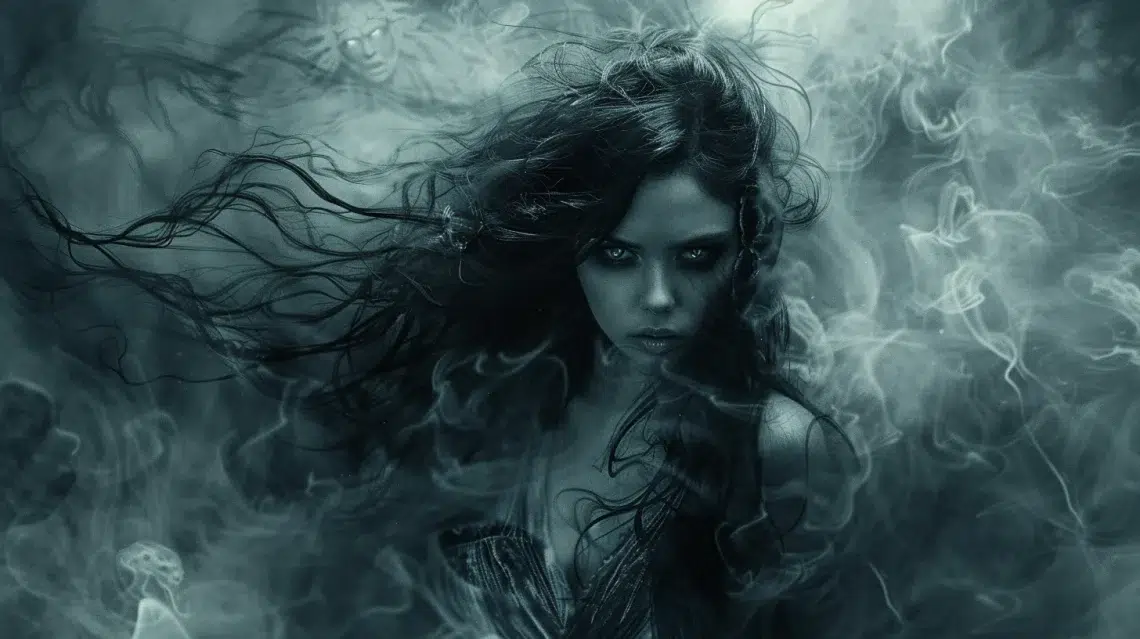
Melinoë is a mysterious Greek goddess linked to ghosts, nightmares, and restless spirits.
Described as the daughter of Persephone and either Zeus or Hades, she moves between the world of the living and the dead. Unlike Hades, she does not rule the underworld.
Instead, she haunts dreams and unsettles mortals, representing the darker edges of divine power.
What Is Melinoë the Goddess Of?
Melinoë is associated with:
- Ghosts and wandering spirits
- Nightmares and visions
- Madness and fear
- The boundary between life and death
Who Were Melinoë’s Parents?
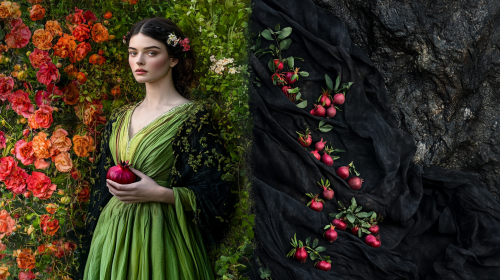
Melinoë’s origin is both strange and mysterious.
Most myths name her as the daughter of Persephone and Zeus. But Zeus didn’t appear as himself. He took the shape of Hades, Persephone’s husband. This trick led to Melinoë’s birth in secret.
Some ancient texts call Melinoë a “phantom-bringer.” That fits with how she came into the world through deception, shadow, and the underworld.
Other versions suggest she might be the daughter of Hades himself. But that changes depending on the region and writer.
Orphic Hymns and Melinoë Myths
The most famous source for her myth is the Orphic Hymns.
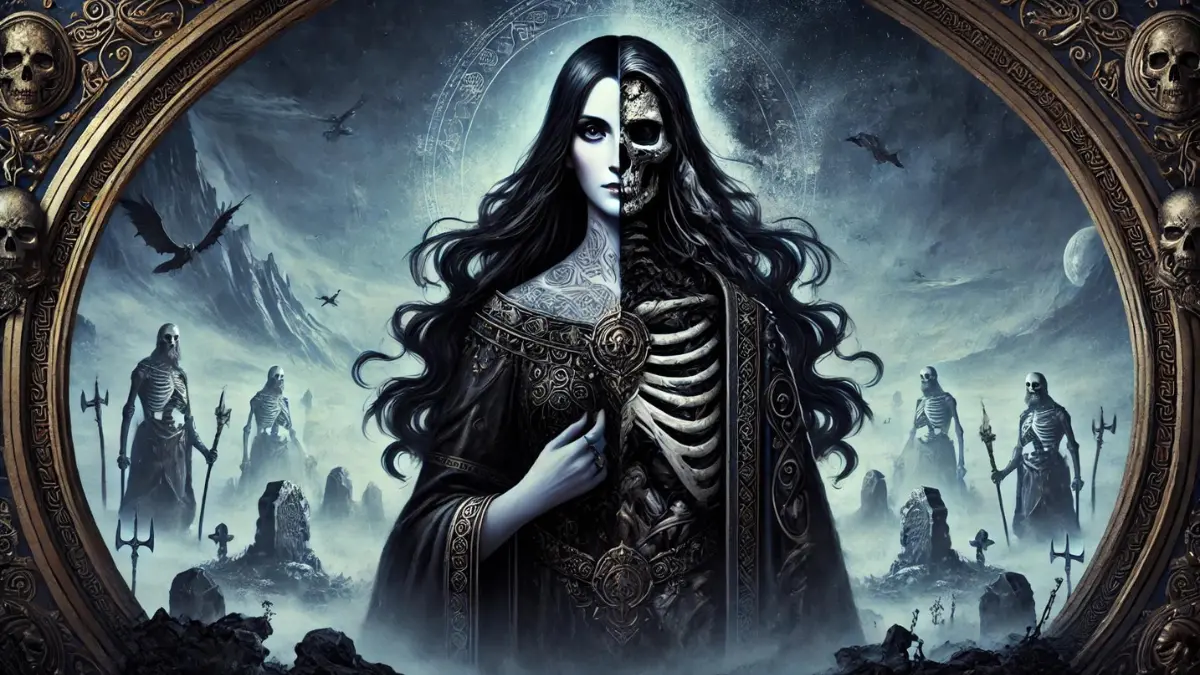
These poems mix religion, magic, and mystery. The Hymn to Melinoë describes her strange body.
One side shines bright. The other stays dark like night. This shows her link to both life and death, sleep and waking, dreams and nightmares.
Unlike many gods, Melinoë does not belong to Mount Olympus.
She lives in the spaces between. She is not one of the major gods, but her power runs deep. She touches both the mortal mind and the spirit world.
Her dual nature likely comes from her mixed parents, gods of light and shadow.
Persephone rules part of the underworld but also returns each spring. Zeus rules the sky but tricks others with shape-shifting. These pieces shape Melinoë into a goddess of mystery, dream, and fear.
Melinoë’s name means “dark-minded” or “gentle darkness.” This fits her ghostly power. She is not evil, but she brings unease—guiding spirits, showing visions, and stirring fear.
What Powers Did Melinoë Have?

Melinoë often appears as a spirit in the night. She brings strange dreams and guides wandering souls.
Her symbols reflect this ghostly power.
The most well-known is her two-toned body which is half light, half dark. This shows her dual nature. She lives between two worlds: the realm of the living and the land of the dead.
In the Orphic Hymn to Melinoë, she carries a torch. This lights her way through the shadows.
Some say she also holds a snake, linking her to underworld magic and rebirth.
Others imagine her with a veil or hood, hiding her face as she moves through dreams and darkness.
Unlike other gods, Melinoë does not rule over a domain like the sea or the sky.
Instead, she influences thoughts, fears, and ghostly visions. She walks through dreams and may even cause madness if angered. Her visits feel like haunting chills or strange whispers at night.
People once called on her during rituals to calm the dead. She could help restless spirits move on or scare them away. Some saw her as a protector against ghostly harm. Others feared her visits, believing she punished wrongdoers with visions or nightmares.
Melinoë’s role is quiet but powerful. She doesn’t battle monsters or throw lightning bolts. Instead, she works behind the scenes. She makes you question what is real. She opens the door between this world and the next.
Her myths remain few, but her meaning is deep. She reminds us that fear, memory, and the unknown all shape how we see the world—even in sleep.
Where Does Melinoë Appear in Myth?

Melinoë appears mainly in the Orphic Hymns, ancient poems used in secret rites.
These hymns offer clues about lesser-known gods. In one hymn, she rises from the underworld with a glowing torch, her body half white and half dark.
The poem calls her “melancholy-faced” and speaks of her causing madness in those she haunts. This haunting quality links her to night fears and ghostly dreams.
Some believe she’s the daughter of Persephone and Zeus—but not in the usual way.
The myth says Zeus tricked Persephone by taking the shape of her husband, Hades.
This strange union led to Melinoë’s birth. Because of this, she carries traits from both gods. She walks between life and death, light and dark, truth and illusion.
Unlike more popular gods, Melinoë doesn’t have grand myths.
But her presence still echoes through mystery rites and dark corners of stories. Some modern readers compare her to Hecate, another goddess of ghosts and magic. Both guide spirits and protect against harm.
But while Hecate uses power and fire, Melinoë slips into dreams. Her touch is softer, but just as eerie.
Artists and poets today often show Melinoë as a symbol of mental health, dreams, and hidden trauma. Her myths may explain why people feel fear in sleep or sense things they cannot see.
She reminds us of shadow thoughts—grief, guilt, and quiet fears that rise when we close our eyes.
Her tale offers mystery and space for deeper meaning. Whether real or not, her myth shows how ancient people made sense of nightmares, ghosts, and the world beyond.

Key Points About Her Mythological Role
- She is invoked in the Orphic Hymns as a chthonic goddess, meaning she comes from the underworld
- The hymn says she wanders the night with a torch, terrifying mortals with ghostly apparitions and madness
- Her dual nature (half black, half white) represents her mixed heritage (Zeus and Persephone, or possibly Hades)
- She is not tied to any major myths or heroic tales but plays a role in ritual and psychological symbolism
Because she lacks a traditional myth, writers and scholars see Melinoë as a symbolic figure rather than a character in action.
Her only “story” is really her existence: a haunting spirit born of deception, tied to dreams, death, and hidden fears.
How Is Melinoë Different From Hecate or Persephone?
Melinoë shares traits with other underworld or dream-associated gods, especially those who bridge light and darkness.
1. Hecate (Greek)
Both rule aspects of the night and underworld. While Hecate governs magic, crossroads, and spirits, Melinoë represents ghosts and madness. Some scholars even see Melinoë as an aspect or shadow of Hecate.
2. Persephone (Greek)
As Melinoë’s mother, Persephone also moves between worlds. Persephone governs seasonal death and rebirth, while Melinoë leans into fear and illusion—more psychological than agricultural.
3. Morpheus (Greek)
Morpheus rules over dreams and sleep, while Melinoë haunts them. If Morpheus brings peaceful sleep, Melinoë brings restless visions.
4. Hel (Norse)
Hel, like Melinoë, is a half-light, half-dark figure who rules the dead. Both evoke fear not through violence but through presence and mystery.
5. Sedna (Inuit)
Sedna rules the sea and spirits of the drowned. Like Melinoë, she’s not a goddess of hope, but of reckoning—a symbol of the unknown and misunderstood.
These comparisons help place Melinoë within a wider tradition of shadow deities—those who dwell in the edges, in fear, transformation, and the unconscious mind.
Why Is Melinoë Still Relevant Today?
Melinoë may not appear in many myths, but her role stands out.
She represents fear, illusion, and the uneasy boundary between life and death.
As the daughter of Persephone and Hades—or possibly Zeus in disguise—she carries deep symbolic weight.
Her half-dark, half-light form reflects her power to haunt dreams and stir madness. Unlike gods who offer comfort or justice, Melinoë reminds us of the unknown. She walks among spirits, shadows, and restless thoughts.
Through her, we glimpse the side of the underworld rarely seen—one ruled not by punishment, but by memory, sorrow, and fear. Melinoë offers no clear lessons. But her presence warns us: even the gods leave echoes in our dreams.