
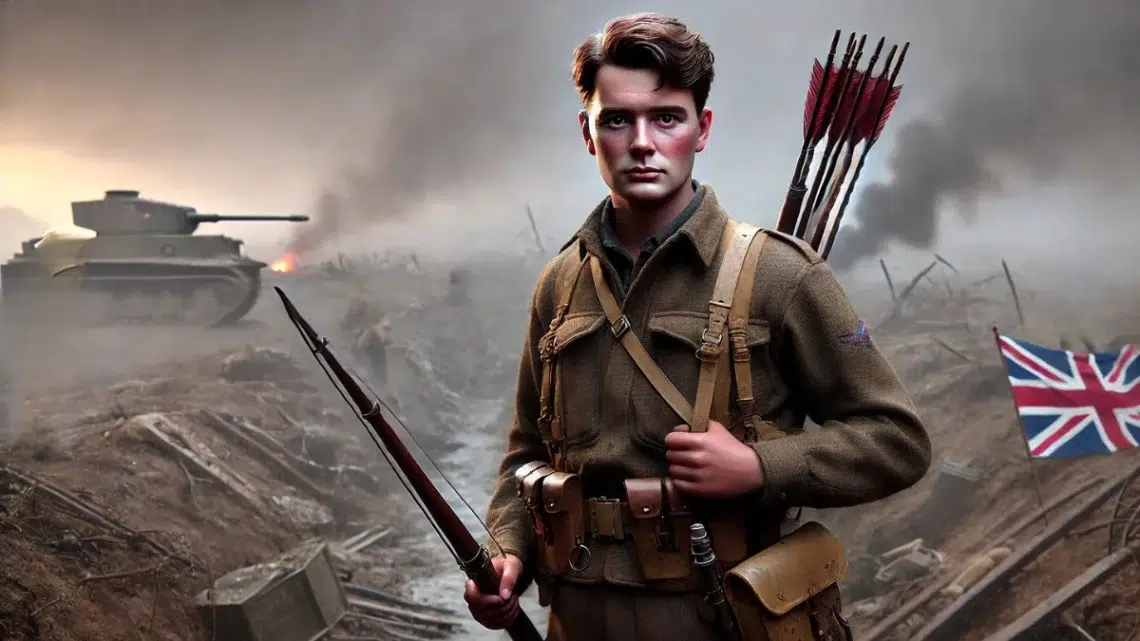
“Mad Jack” Churchill WWII Eccentric Hero and Archer
British Army Officer Lieutenant Colonel John Malcolm Thorpe Fleming “Mad Jack” Churchill (1906-1996) was a true wartime legend, He would lead campaigns during WWII in France, Norway, Italy, Yugoslavia and Burma, and post-war in British Palestine.
He was known for his unique style and bravery during World War II. While other soldiers wielded modern rifles, Churchill stayed true to his interests, carrying historical weapons into battle. He earned respect and admiration for his skills, courage, and personality.
“Mad Jack” Churchill is one of history’s most unique and memorable soldiers. Known for his fearless approach and distinctive choice of weapons, Churchill used a longbow, a Scottish broadsword, and even bagpipes in World War II.
Through biographies, military records, and expert analysis, his legend lives on. It celebrates his bold combat style and fearless leadership.
Introduction to John “Mad Jack” Churchill
John “Mad Jack” Churchill was a legendary World War II figure, known for his bold actions and unique approach. His early life hinted at his future adventures, filled with spirit and a love for drama. Churchill enjoyed archery, music, and adventure as a young man.
Churchill’s life story shows he was meant for greatness beyond being just a regular soldier. Joining the British Army let his unique personality shine. He was famous for carrying a longbow, a Scottish broadsword, and even playing the bagpipes in battle. This made him a standout British commando leader, admired for his bold tactics and leadership.
Churchill’s WWII military career was full of remarkable and daring moments, from his choice of weapons to the battles he fought. As we look into his life, his role as a British commando leader will be clear, proving his status as an iconic World War II figure.
It gives a full view of a man who was both a legend and a hero.
Early Life and Background
“Mad Jack” Churchill was born in Ceylon (now Sri Lanka) on September 16, 1906, where his father worked for the British Civil Service.
The family eventually returned to Surrey, England in 1917 after spending a few years in British Hong Kong.
His family encouraged his adventurous spirit from a young age. Growing up with the English countryside at his doorstep, he developed a love for the outdoors and physical activity.
As a child, Churchill enjoyed sports, exploring, and outdoor games, which helped build the strength and determination he became famous for. His upbringing fostered a sense of courage and individuality that stayed with him throughout his life.
As a young man, Churchill carried this confidence and drive, which later fueled his unique approach to military service. By the time he joined the army, Churchill was ready to face any challenge that came his way, even if it meant standing out.
Growing Passion for Archery
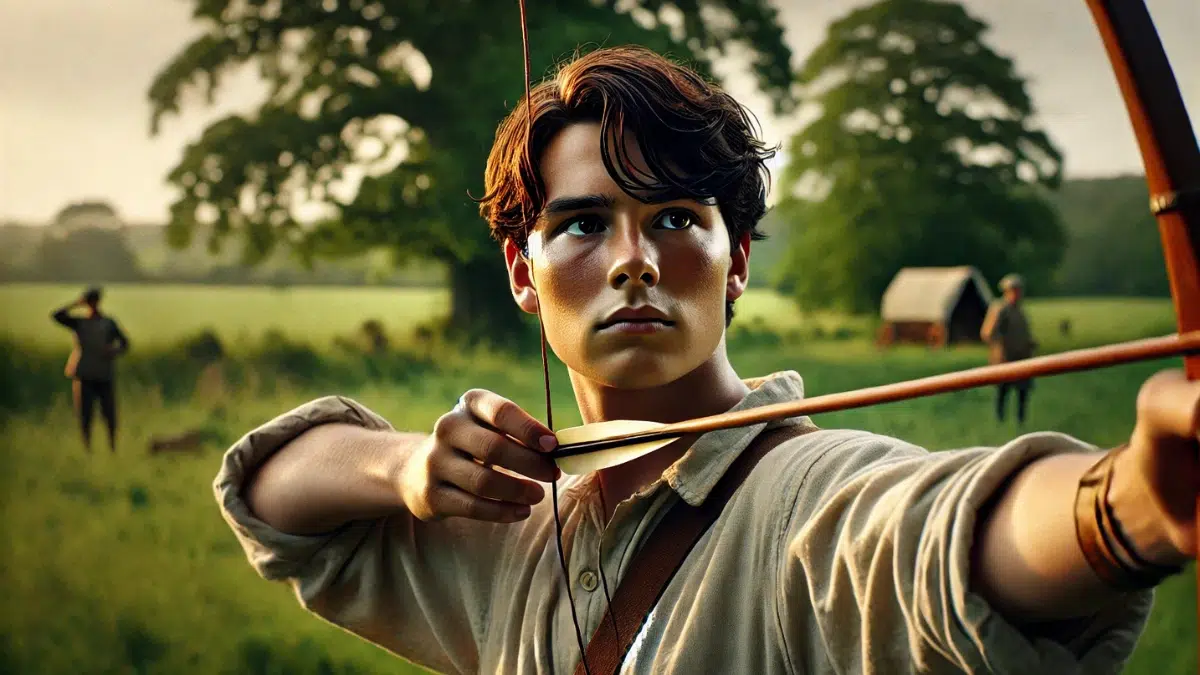
Churchill’s fascination with archery began as a teenager.
Drawn to the skill, focus, and precision it demanded, he practiced with a longbow in the fields and forests around his home.
This wasn’t a casual hobby—Churchill took archery seriously, developing impressive skills over time. By his twenties, he had become a dedicated archer, and he even competed in tournaments and events. Archery required focus, a steady hand, and strength, all of which Churchill had.
Churchill’s dedication to archery went beyond the technical aspects; he loved the history and tradition associated with the longbow. Using it felt like connecting with ancient warriors, which resonated with his adventurous spirit.
His commitment to archery would later help him stand out as a soldier, showing the world that traditional skills still had a place in modern warfare.
Royal Military Academy Training
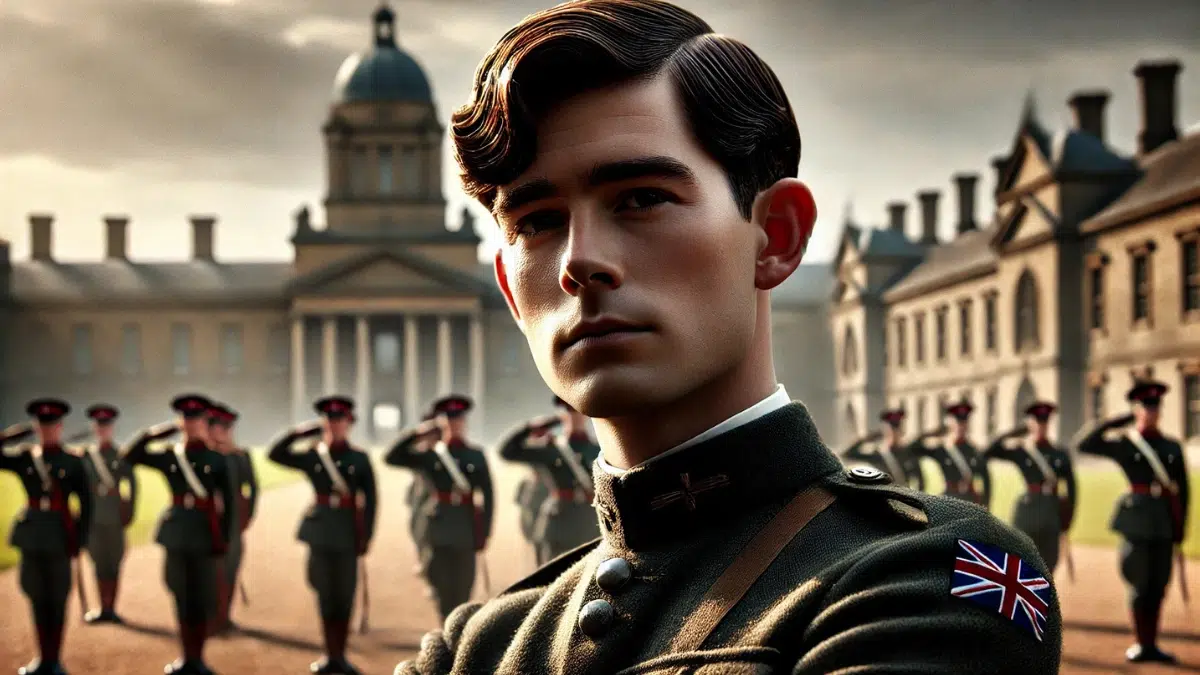
Churchill’s journey in the British Army began with training at the prestigious Royal Military Academy Sandhurst, where he learned the essentials of military tactics, discipline, and leadership.
At Sandhurst, Churchill met other young men who shared his ambition, and he took every opportunity to build his skills. He stood out for his energy and unconventional approach to training, always ready to take on new challenges.
“Mad Jack” Churchill graduated from the Royal Military College, Sandhurst, in 1926. He would join the British Army serving in Burma (Myanmar, bordering India) with the Manchester Regiment.
Fascinating Life of “Mad Jack” Churchill Before World War II
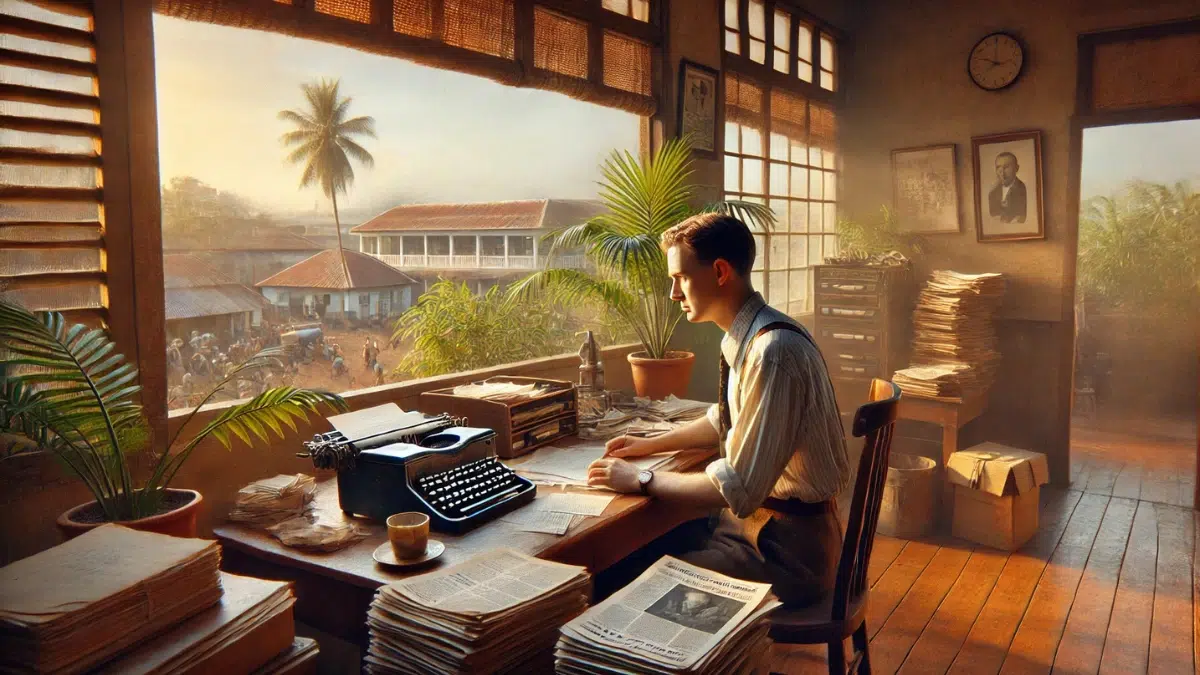
Churchill left the army in 1936 to pursue other interests.
He briefly worked as a newspaper editor in Kenya for the British Army journal, providing him with an opportunity to share his wartime experiences and perspectives. This role allowed him to use his communication skills and reach a broad audience with insights from his unique military background.
As well as being a newspaper editor, he would even act in some movies. He used his archery and bagpipe stills to secure a small role in the Thief of Bagdad in 1924. He also appeared in the 1938 film, A Yank at Oxford.
John also enjoyed quieter hobbies like designing houseboats and writing poetry.
Continuing with his interest in bagpipes, he participated in a military piping competition in 1938, earning 2nd place.
And his interest in archery continued to be a passion, entering the World Archery Championships in Oslo representing Great Britain in 1939. However his life would change in the fall of 1939.
The Outbreak of WWII in 1939
When Germany invaded Poland in September 1939, Churchill resumed his commission with the British army. He was again assigned to the Manchester Regiment and went to France.
He didn’t hesitate to bring his archery skills into the field, proving his commitment to both tradition and military service.
As he progressed, he began incorporating archery into his military persona, often practicing with his bow and inspiring curiosity among his comrades.
Churchill was unique in that he didn’t just see the bow as a weapon; he saw it as part of who he was as a soldier.
His Unique Weapons: The Longbow & Broadsword
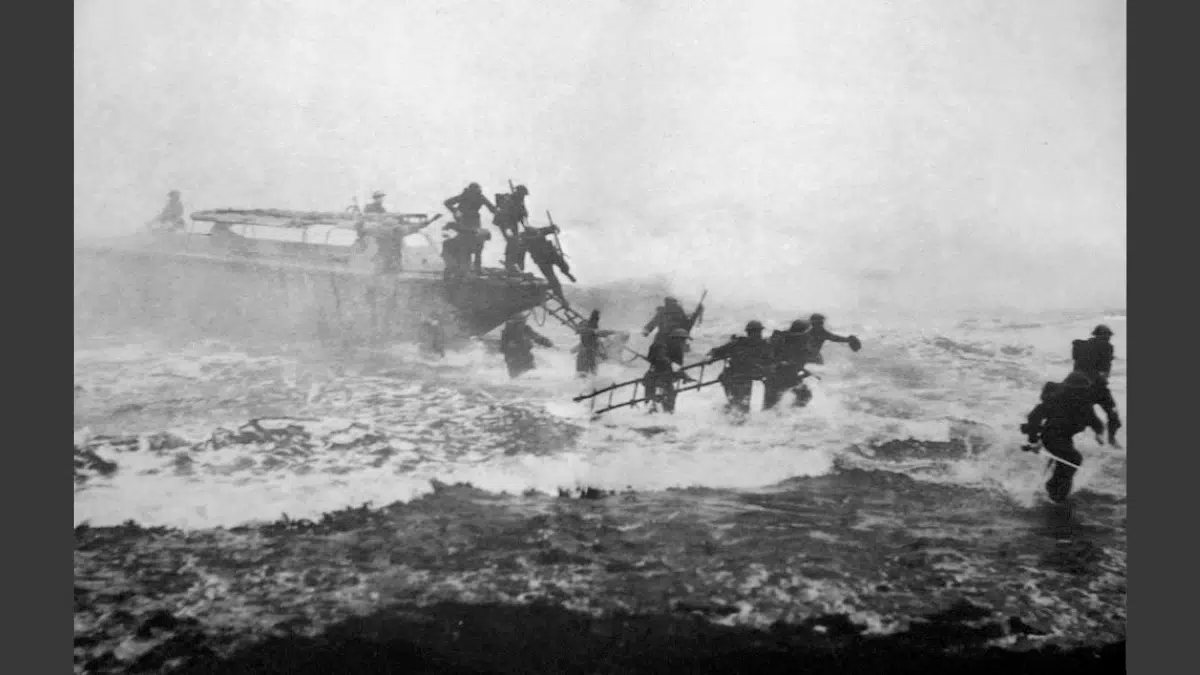
John “Mad Jack” Churchill was known for his unique choice of weapons. In addition to his rifle, he brought along a Scottish broadsword, a longbow, and his bagpipes.
Churchill chose the longbow for a reason. It was silent and deadly, giving him an edge in battle. Experts say the longbow’s scary reputation added to the surprise factor in attacks.
Churchill also used a Scottish broadsword. This sword was from another time but became a part of his fighting style. Experts believe it made Churchill seem unpredictable and powerful.
This blend of historical weapons with modern combat tools was unheard of, making Churchill a legend among his fellow soldiers. He used the longbow in multiple missions, including the famous Dunkirk evacuation, where he helped protect retreating Allied forces.
His broadsword became another iconic symbol, as he often led troops with the sword in hand, ready for close combat. This showed his respect for history and his smart tactics.
Courage and Strategy in Warfare
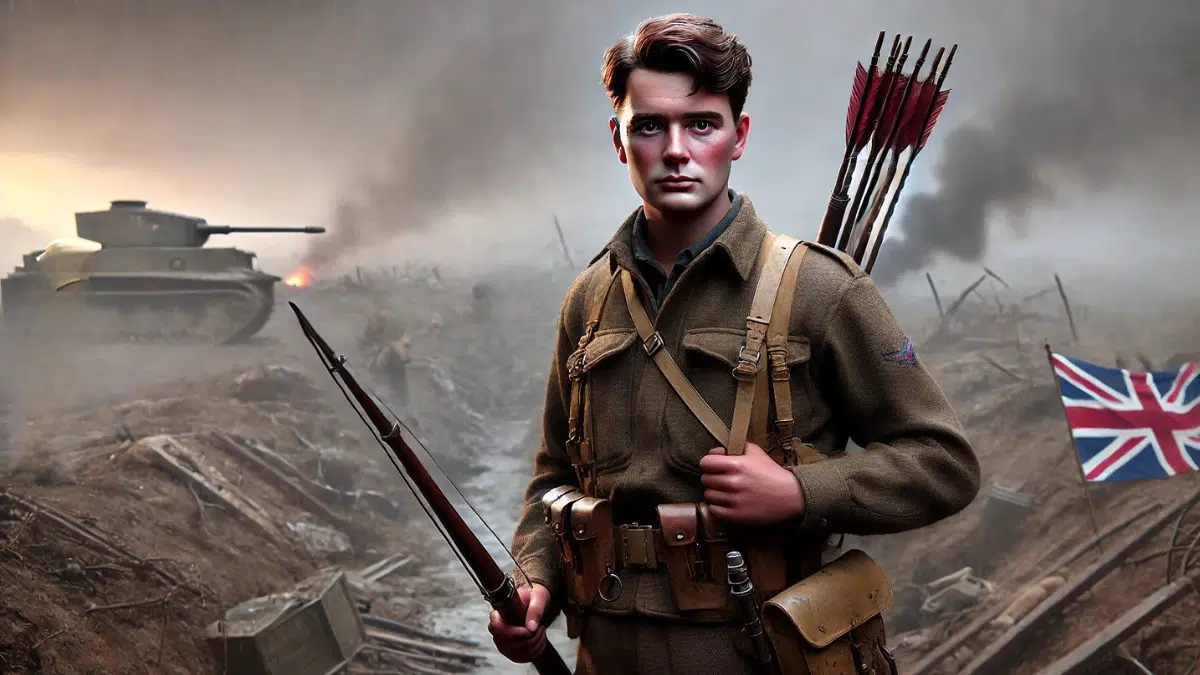
Churchill’s use of these weapons wasn’t just a stylistic choice; it was strategic. He showed how combat bravery and strategic leadership can work together. His unique way of fighting in WWII was a mix of courage and smart planning.
In tight, unexpected situations, his sword and bow provided flexibility and stealth, especially when ammunition ran low.
On missions, Churchill inspired other soldiers with his bravery, standing unflinching amid heavy fire. He once famously said, “Any officer who goes into action without his sword is improperly dressed.” His dedication to traditional weaponry made him an icon and added a layer of pride and courage to every mission he led.
His bravery and smart fighting ways made unconventional warfare work well. This led to big wins that lifted the spirits of his allies.
Churchill liked to do things differently, taking bold steps instead of following the usual rules. This made him a standout in the military world. This choice showed his unique style and tactical thinking.
Churchill’s weapons were more than just tools for fighting. They symbolized his spirit and his way of fighting. His use of these ancient weapons in modern war is still admired and studied by historians.
Studies show that his bold tactics often led to victory. His fearless leadership was clear in many battles. He faced enemy forces head-on, showing his combat bravery.
Stories from WWII tell us how effective Churchill’s methods were. His bold actions inspired his troops and often changed the course of battles. His mix of WWII heroics and smart planning showed what a true leader looks like.
Heroics at Dunkirk in 1940
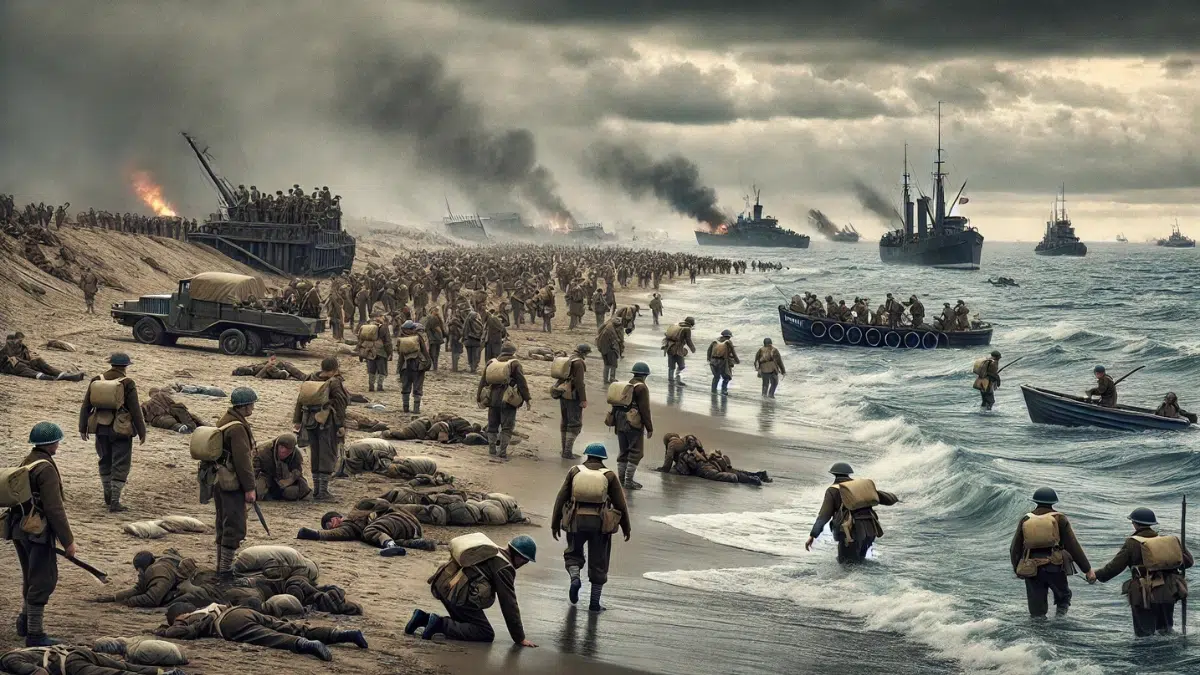
John “Mad Jack” Churchill, a true WWII hero, shone in many key battles and skirmishes. His unique approach and spirit changed the game for Commando operations.
At the Dunkirk evacuation, Churchill stood out.
The Dunkirk Evacuation, known as Operation Dynamo, occurred between May 26 and June 4, 1940.
It was a pivotal moment in World War II, where thousands of Allied troops were trapped on the beaches of Dunkirk, surrounded by German forces. The operation aimed to evacuate these soldiers to safety across the English Channel.
Armed with a longbow and bagpipes, he helped protect and boost the morale of retreating Allied troops. Soldiers who fought with him remember his bravery under heavy fire.
Among the British soldiers holding off enemy forces during this intense evacuation was Lieutenant Colonel John “Mad Jack” Churchill.
Churchill’s actions at Dunkirk showcased his bravery and unusual approach to warfare.
With his longbow and broadsword in hand, he provided both protection and morale to his fellow soldiers. Churchill famously used his longbow in combat here, marking the last recorded instance of a longbow being used in wartime.
Standing among the troops with bagpipes blaring, Churchill’s presence became a source of courage. As soldiers awaited evacuation, he played traditional Scottish tunes, lifting spirits amid the chaos and fear.
Churchill’s willingness to use medieval weapons not only served as a morale booster but also made him a legendary figure. The sight of him standing tall with his unconventional weapons during the evacuation deeply impacted those who witnessed his courage.
Impact on Fellow Soldiers
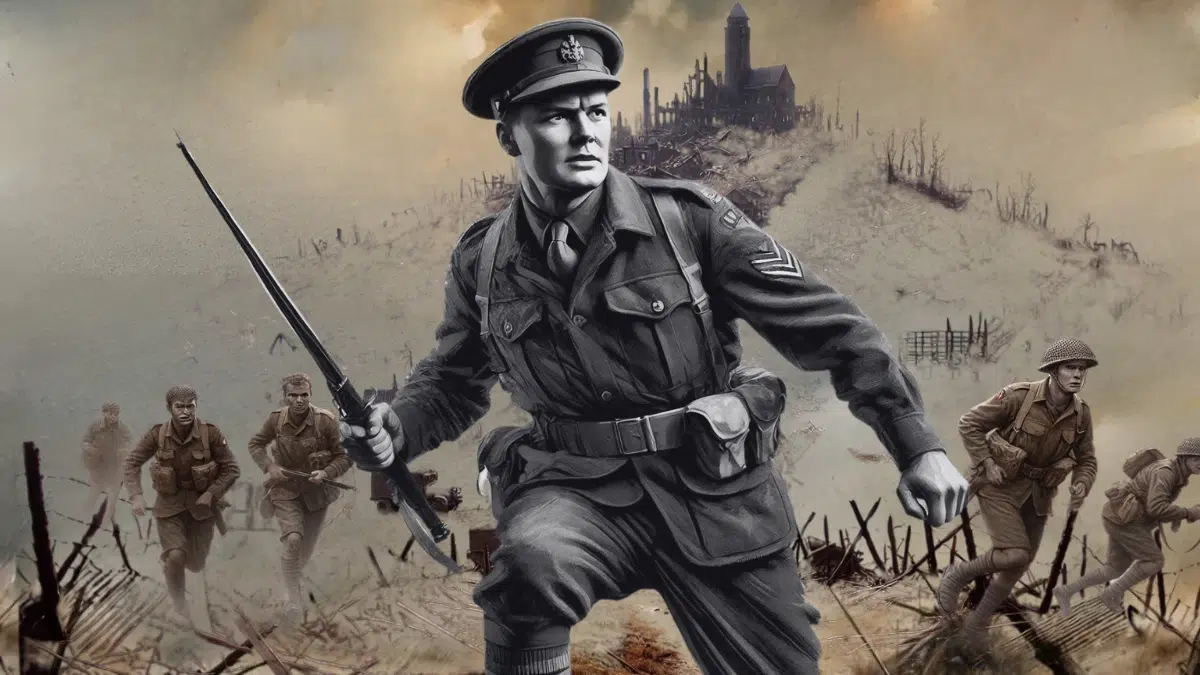
Churchill’s unique style and fearless attitude made him an inspiration to soldiers around him.
In battle, his bagpipes echoed across the battlefield, lifting spirits and encouraging resilience among troops. The sight of Churchill charging into battle with a sword and longbow left a lasting impression, as soldiers felt a deep respect for his willingness to stand apart. His unique presence on the battlefield reminded soldiers of their purpose and gave them courage to push forward.
Churchill’s actions became legendary stories shared among his comrades, many of whom recounted his bravery long after the war ended. They admired not only his choice of weapons but also his courage and loyalty.
For those around him, Churchill embodied the ideal of a fearless leader, ready to give his all for his comrades and his country. Soldiers who fought alongside him found strength in his presence, knowing they had someone they could count on in the most challenging situations.
Captured in Yugoslavia by the Germans in 1944
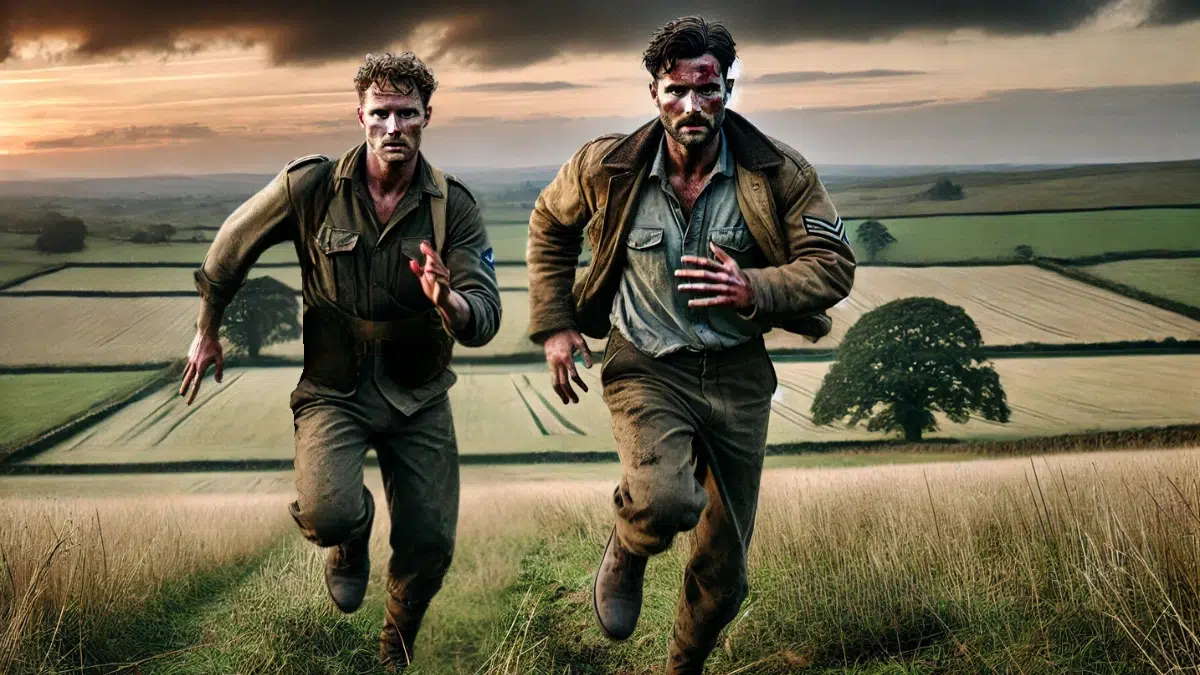
In May 1944, during a mission in Yugoslavia, John “Mad Jack” Churchill faced an unexpected turn in his legendary career.
While leading a commando raid supporting Yugoslav partisans, Churchill’s unit was surrounded by German forces.
Running low on ammunition, Churchill continued to fight, however when injured and unconscious, he was captured.
He was taken as a prisoner of war and transported to Sachsenhausen, a high-security concentration camp in Germany.
Churchill’s captivity, however, didn’t quell his daring spirit. Known for his unbreakable resolve, he attempted escape multiple times.
He attempted an escape with RAF officer Bertram James. The two prisoners dug a tunnel under the camp fence and managed to get outside. They traveled approximately 150 miles toward the Baltic coast before the German authorities recaptured them.
This escape attempt highlights Churchill’s courage and tenacity, as he didn’t let the harsh conditions of captivity deter him from seeking freedom.
These escapes were referenced in:
- “Churchill’s Ministry of Ungentlemanly Warfare” by Giles Milton – covers various unconventional warfare efforts during WWII and including details about Churchill’s escape attempts
- Imperial War Museums (IWM) Archives – holds records on John Churchill’s military service, including accounts of his time in Sachsenhausen and his escape attempts
Later, as the war neared its end, Churchill was transferred to a camp in Austria. When Allied forces finally liberated the camp in 1945, Churchill was freed, ending nearly a year of imprisonment.
This period of captivity highlighted his resilience and unyielding courage, adding yet another remarkable chapter to his extraordinary life.
Recognition and Awards of “Mad Jack” Churchill
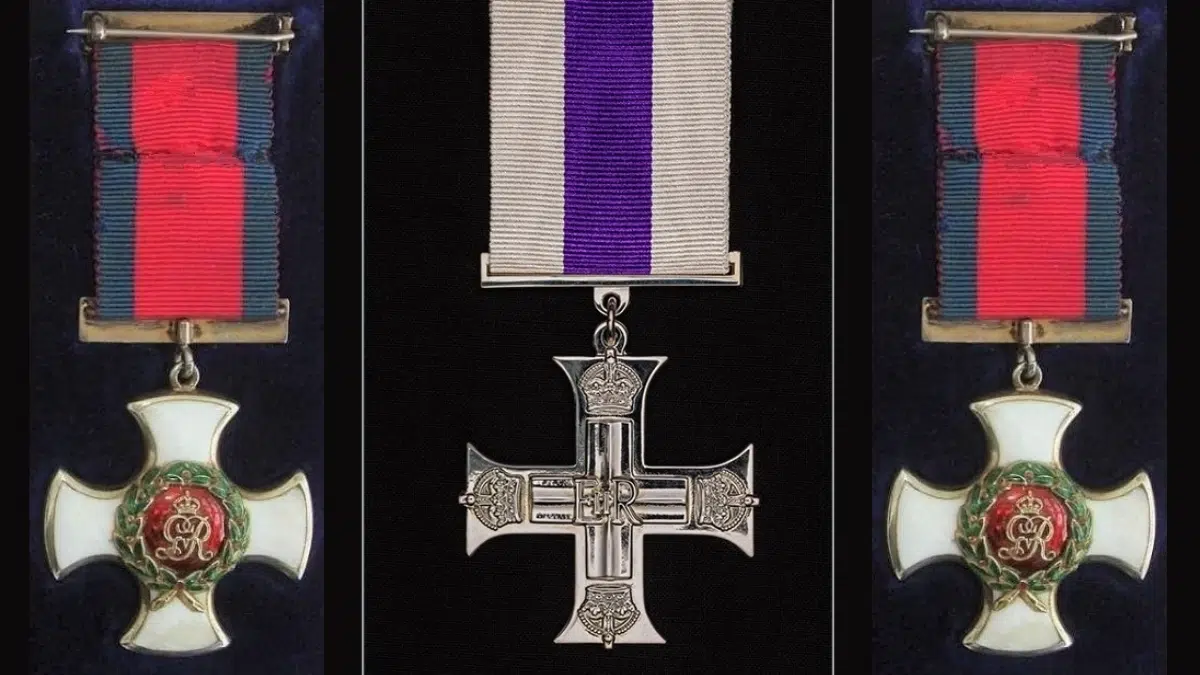
John “Mad Jack” Churchill’s bravery and unique style in combat won him many honours and awards. These honours celebrate his bold actions during World War II. Churchill’s courage was honoured with special awards, documented in British military records.
These awards mean more than just praise for Churchill. They show a heroism that inspired many in the military. Each medal Churchill got shows his bravery and the high value of such honours.
After he passed away, Churchill’s work is celebrated with more tributes and honours. These honours keep his spirit and impact on military history alive. Historians and the media still praise his unique service, making sure his legacy lives on.
Distinguished Service Order (DSO)
“Mad Jack” Churchill received the Distinguished Service Order (DSO) not just once but twice—a rare achievement that highlights his exceptional bravery and leadership.
The DSO is awarded to officers who demonstrate remarkable leadership in combat, and Churchill’s performance in several high-risk operations more than qualified him for this honor.
His first DSO recognized his leadership during the Dunkirk evacuation, where he famously defended Allied troops with his longbow, broadsword, and bagpipes.
By inspiring his comrades and showing courage under fire, Churchill played a vital role in holding off the enemy during the chaotic withdrawal. His tactical decision-making and willingness to put himself in harm’s way were vital to the survival of many troops.
The second DSO honoured his extraordinary bravery and tactical skill in the Italian Campaign. Churchill led his unit in a daring night raid, capturing multiple enemy positions with minimal losses. His boldness, combined with an understanding of unconventional warfare, allowed his unit to successfully disrupt enemy operations.
The award emphasized his fearlessness and strategic mind, which made him one of the British Army’s most remarkable officers.
Military Cross (MC) and Bar
Churchill also earned the Military Cross (MC) with a Bar, a distinction awarded for gallantry in battle. The addition of a “Bar” to a Military Cross is significant, as it signifies that he was awarded this honour twice.
This commendation highlighted his fearless approach, often facing the enemy with little more than his longbow and broadsword.
Churchill received his first Military Cross for his valour during fierce engagements in France, where he used his unique weapons to lead his men and inspire them under difficult circumstances.
The Bar was awarded for further acts of courage, likely during his missions in Italy, where he continued to make bold moves that often placed him on the front lines. Known for charging into battle with bagpipes playing and sword raised, Churchill’s extraordinary style and combat prowess earned him admiration and respect from his comrades and higher command alike. His actions exemplified the courage and ingenuity the Military Cross aims to recognize.
Additional Medals of Valour
In addition to the DSO and Military Cross, Churchill received numerous other medals and awards for his bravery, devotion, and outstanding service. These medals highlighted his dedication to duty and his ability to inspire and lead, even in the most challenging situations. As a decorated officer, Churchill exemplified the courage and selflessness that distinguished him throughout his military career.
Among his medals were campaign ribbons from multiple theaters of war, recognizing his service in both Europe and North Africa.
Each of these honours served as a testament to the profound impact Churchill made, not only as a soldier but as a morale-boosting figure in the British Army.
His legacy of bravery and unusual tactics lives on, inspiring generations who see him as a symbol of courage, ingenuity, and an unwavering commitment to his comrades and country.
Influence on Modern Military Tactics
John “Mad Jack” Churchill changed the way we fight with his bold tactics in WWII. His use of creativity and flexibility showed the power of thinking differently in war. This has made a lasting impact on how we plan battles today.
Churchill mixed old and new tactics to great success. This mix has made modern leaders think creatively, using new ways to fight that go beyond traditional methods.
Many military schools teach Churchill’s tactics today. His ideas are seen as key to winning in war, pushing students to be flexible and creative in battle.
Modern military books often talk about Churchill’s influence on war. They share his creative tactics and bold leadership. This keeps Churchill in the spotlight as a military icon.
Educational programs and war reenactments also honour Churchill. They teach young people about World War II heroes like him. These events let people see his strategies and bravery up close.
Leaders today often talk about how Churchill’s ideas shape their strategies. His bold and unique approach teaches the value of being unpredictable and resourceful. These skills are key in today’s complex battles.
Looking at WWII and today’s military tactics shows Churchill’s lasting impact. His ideas focus on making quick decisions, using new tactics, and surprising the enemy. These ideas help shape how we fight today, keeping Churchill’s influence strong in modern warfare.
“Mad Jack” Churchill’s Post WWII Life
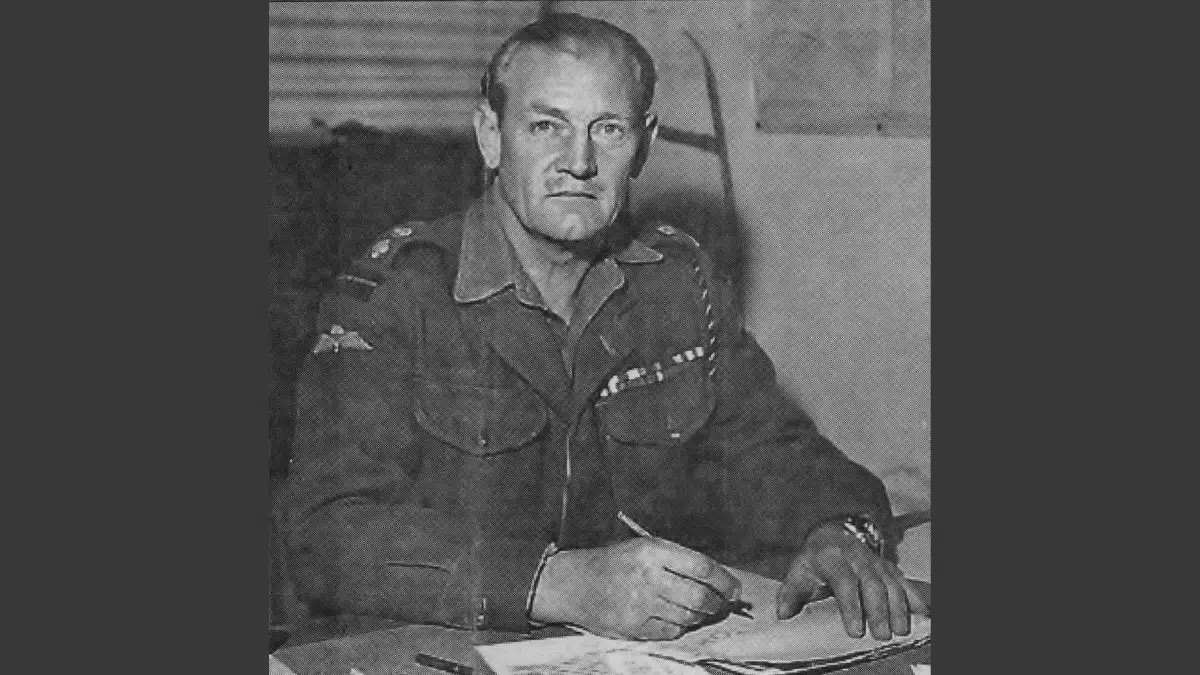
After World War II ended, Churchill qualified as a parachutist and was posted in British Palestine.
Churchill remained in the British army until his retirement in 1959.
Churchill’s family life provided a balance to his adventurous spirit, and he remained close to his family throughout his life. Despite his incredible wartime experiences, he is remembered as a dedicated husband and father.
Even in his later years, Churchill kept his love for adventure alive. He took part in various sports and activities, such as surfing and sailing.
His post-war life was filled with new pursuits and quiet accomplishments, yet he always remained true to his values of courage, uniqueness, and resilience. His legacy endures as a celebrated figure in British military history, as well as a symbol of individuality and strength in civilian life.
Churchill kept making a big impact even after leaving the military. He loved sailing, surfing and was a great family man. His life after the war showed how well he could adjust and make a difference.
He stayed close to the military, helping out with veterans’ groups. John Churchill was often at events remembering World War II. This showed how much respect he had from others and his own dedication.
The Myth and Enduring Legacy of John “Mad Jack” Churchill
Churchill’s legacy as “Mad Jack” continues to inspire people today.
His daring choices in battle, love for adventure, and dedication to archery make him one of history’s most fascinating figures.
Churchill represents the idea that one can honour tradition while facing modern challenges, a quality admired by history enthusiasts and military leaders alike. His story reminds us that individuality and courage can leave a lasting impact, no matter how unusual they may seem.
Today, “Mad Jack” Churchill is remembered as an extraordinary soldier, a champion of tradition, and a unique personality.
John “Mad Jack” Churchill’s story shows the strength of storytelling. His legendary status comes from his bold actions and how stories shape our view of heroes. As his story is told and retold, the line between what really happened and what we imagine stays interesting.
Legacy of a Hero
Churchill’s story touches on big themes in military stories. Interviews with historians reveal that making heroes out of soldiers is a common way to tell war stories. These stories inspire and motivate, showing us what it means to be brave and clever.
Movies, books, and documentaries have made him even more famous. They show him as a bold character, known for his bravery. These stories have made Churchill a hero in many people’s eyes. They tell of him playing bagpipes in the middle of battles, adding to his legend. Experts in cultural studies say these stories show how history and imagination mix to create heroes.
In March 2014, the Royal Norwegian Explorers Club published a book featuring Churchill as one of the greatest adventurers ever.
Churchill’s life remains a testament to the power of courage and staying true to one’s passions, even in the most challenging circumstances.
His impact on the military is seen in museums and memorials worldwide. These places show off his skills and his love for a longbow and claymore in battle. They make sure we remember his role in history.
Churchill’s spirit of bravery and originality is still celebrated in military culture. As years go by, John “Mad Jack” Churchill keeps inspiring and affecting history and popular culture. His legacy is kept alive through constant recognition and study.
Conclusion
John “Mad Jack” Churchill is a legendary example of bravery, individuality, and passion.
His story of courage and commitment to his unique style continues to captivate and inspire people today.
From his early life to his heroic acts in WWII, Churchill’s journey shows the importance of following one’s passions and staying true to oneself. His legacy is a reminder that great achievements often come from embracing what makes us different.
His bold actions and unique approach have made him unforgettable. He is known for using a longbow and sword, and for leading charges with bagpipes.
Churchill’s bravery and creative strategies have inspired many. His military career would be marked by daring actions from the start to the end. He showed us what it means to be fearless in war.
Historians and scholars often look back at Churchill’s life and work. They see him as a true hero of the war. His bravery and unique way of fighting are still studied and admired today.
Keeping the stories of heroes like Churchill alive is important. They help us understand history better. Churchill’s story teaches us about the bravery and creativity of those who fought in war.
By remembering Churchill and others like him, we learn about the complexity of war. Their stories inspire us to value bravery and innovation. This helps us appreciate the sacrifices made during difficult times.


