Macha: The Triple Goddess of War, Sovereignty, and Prophecy
Introduction: Who Is Macha?
Macha is a powerful goddess from Irish mythology. She appears in many stories as a fierce warrior, a symbol of the land, and a bringer of prophecy. People often see her as part of the triple goddess along with Badb and Morrigan.
She represents war, justice, and the power of women. Macha is also tied to horses and speed. In her stories, she races against men, curses kingdoms, and stands for fairness.
Her myths come from Ulster, one of the four provinces of ancient Ireland. Over time, she became a symbol of strength, pain, and endurance. Through her, we learn how deeply the Irish connected nature, war, and magic to their land and people.
Background and Role in Irish Mythology
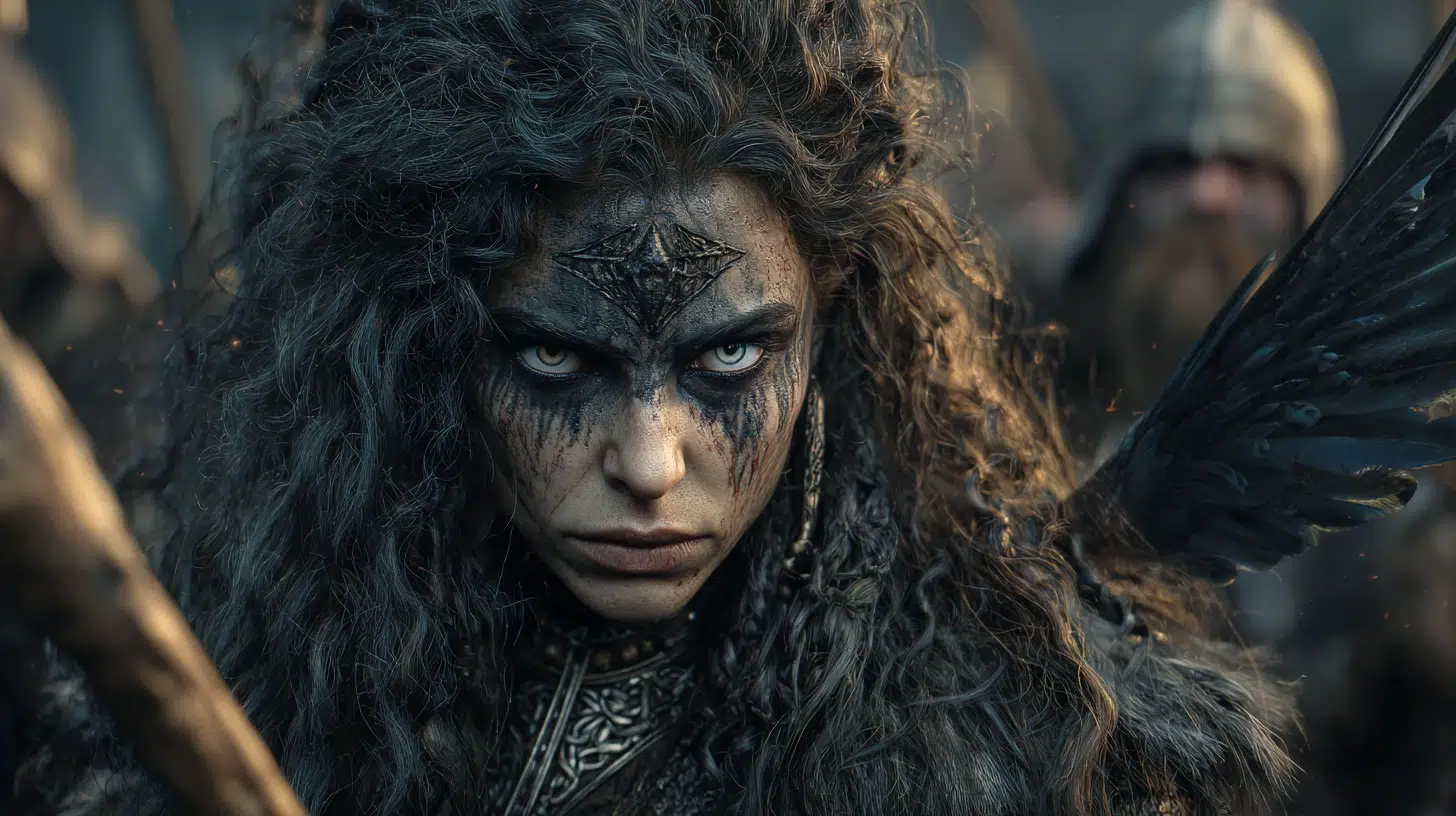
Macha is one of the most complex goddesses in Celtic lore. She is often linked to themes of war, land, justice, and sovereignty. In some myths, she appears as a single goddess. In others, she is part of the triple goddess with Badb and Morrigan, forming a powerful force of prophecy and battle.
Her name is tied to the land itself. The ancient capital of Ulster, Emain Macha, is named after her. This shows how deeply people connected her to the physical world.
She represents both the fertility of the land and the fury of battle. Macha’s dual nature makes her unique. She can be a nurturing figure and a fearsome warrior at the same time.
Macha also protects women and the weak. She brings punishment to those who abuse power. Her myths often warn against pride, cruelty, and injustice. She does not just fight in war—she fights for what is right.
In Irish tradition, goddesses often shape fate and destiny. Macha does this through her words and actions. Her curses carry power. Her presence shapes the outcome of battles. She acts as a voice for the land and its people.
Macha’s Myth: The Curse of Ulster
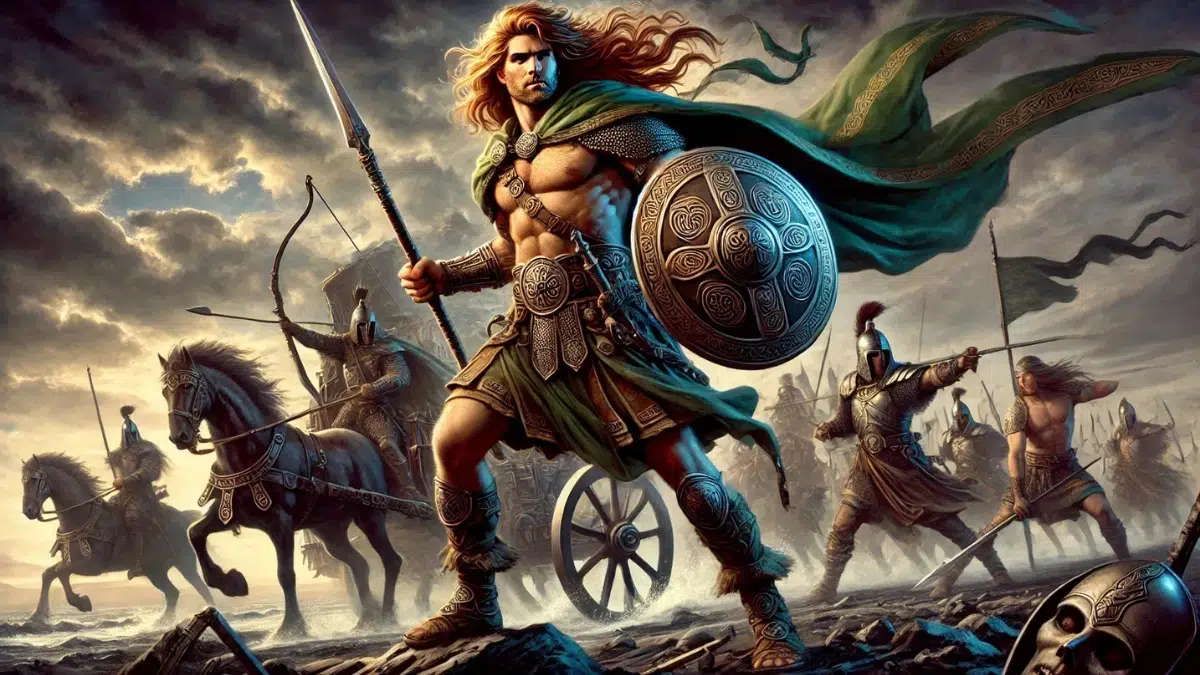
One of the most well-known stories of Macha appears in the Táin Bó Cuailnge (Cattle Raid of Cooley), part of the Ulster Cycle of Irish mythology.
In this tale, Macha, a mysterious woman, appears at the home of a wealthy man named Crunniuc. After his wife dies, she comes to his house uninvited, cleans it, and begins living with him.
Crunniuc accepts her presence, and she becomes his partner. Macha brings prosperity and peace to his home. However, she asks him to keep her identity and powers secret.
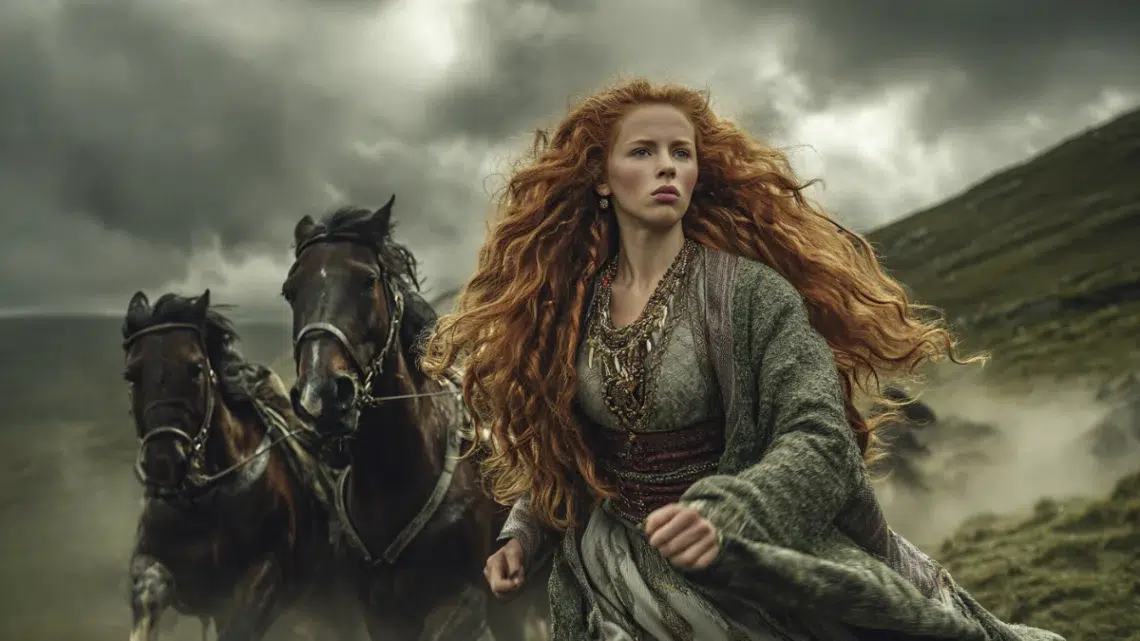
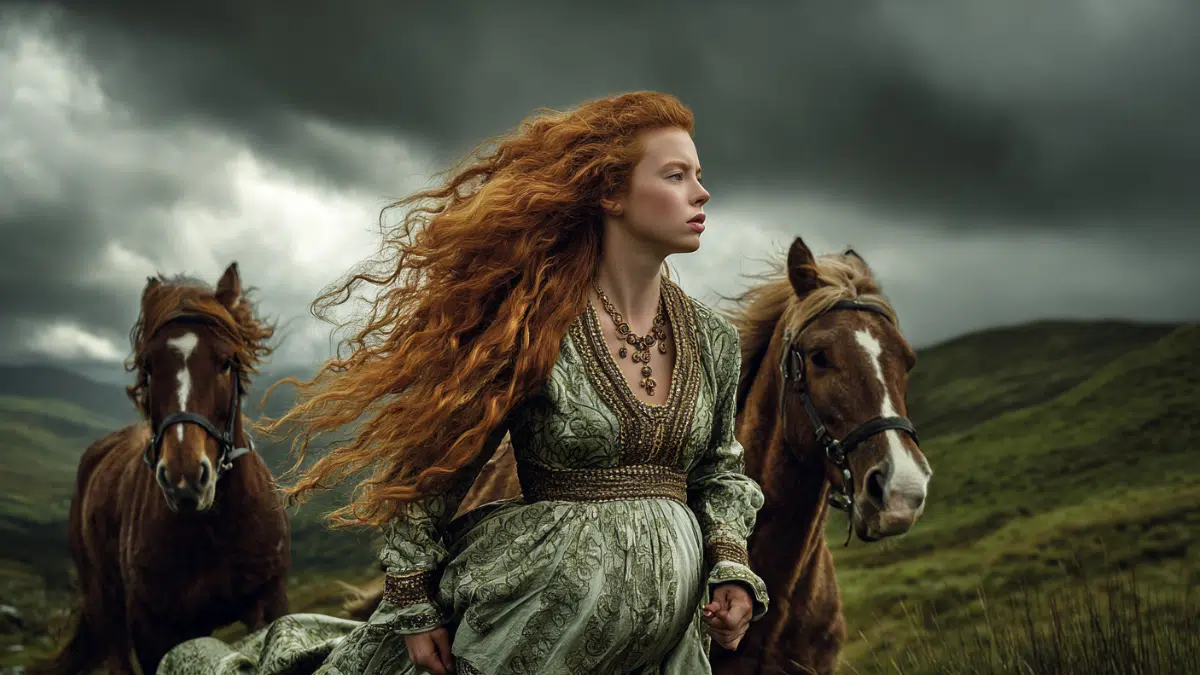
Later, Crunniuc boasts to the king of Ulster that his wife can run faster than the king’s fastest horses.
The king, angered by this claim, demands that Macha race the horses to prove it. She pleads to be excused because she is heavily pregnant, but the king refuses and threatens to kill Crunniuc if she doesn’t run.
Forced to compete, Macha wins the race, then collapses in pain. She gives birth to twins on the racetrack and curses the men of Ulster.
Her curse is severe: whenever Ulster faces invasion, its warriors will be struck with birth-like pains for five days and four nights.
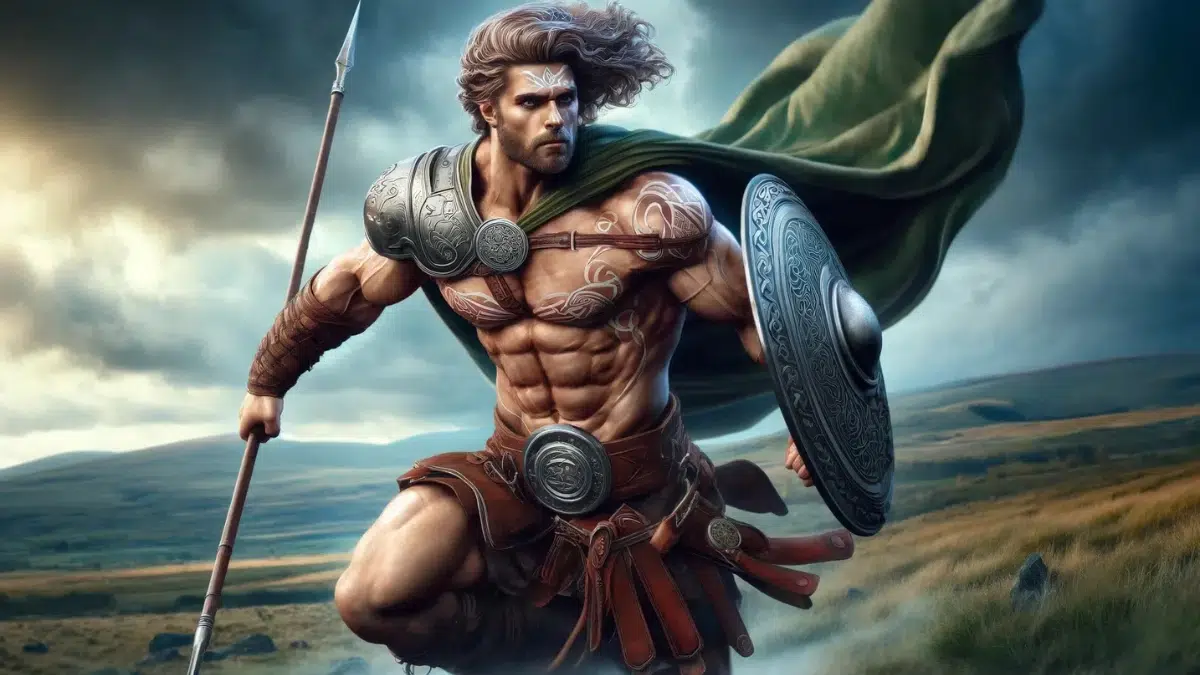
Only one warrior, Cú Chulainn, is exempt because he was born after the curse.
This myth highlights injustice, the suffering of women, and the consequences of arrogance and cruelty.
Macha’s story blends themes of divine power, feminine strength, and retribution. Her curse becomes a defining part of Ulster’s history in Irish lore.
Other Myths or Mentions of Macha
While the curse of Macha is the most well-known tale, she may appear in three different forms throughout Irish mythology. Scholars often group her with the Morrígna, a triad of war goddesses (Morrígan, Badb, and Macha), though the line between them can be blurry.
Macha as a goddess of battle may be seen hovering over the battlefield, inspiring fear or predicting death, much like the Morrígan.
Some legends describe her as a daughter of Ernmas, making her sister to Badb and Morrígan. In this form, she’s less human and more divine — a spirit of war and sovereignty.
She is also linked to Macha Mong Ruad, the only queen in the list of High Kings of Ireland. Though likely a different character, the name association reflects how the legacy of “Macha” carried power and royal symbolism.
Symbolism and Interpretation of Macha
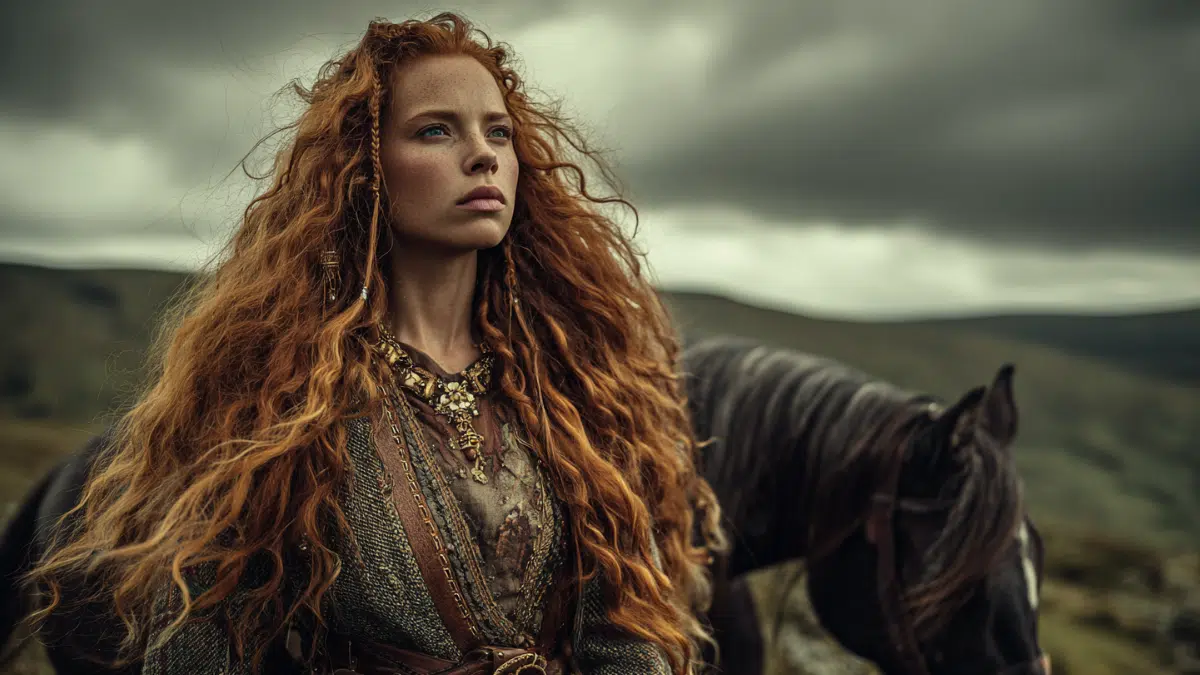
Macha stands as a powerful symbol of female strength, fertility, and justice. Her name often links to horses and sovereignty, two potent symbols in Celtic mythology.
The act of racing horses while pregnant under duress not only shows her physical and supernatural strength, but also exposes the violence and exploitation of women by patriarchal systems.
Her twins represent fertility, abundance, and the continuation of life, while the curse she delivers represents righteous anger and divine punishment. The suffering she inflicts upon the men of Ulster for their cruelty toward her reflects a recurring theme in mythology—divine retribution for human arrogance or injustice.
The image of a woman giving birth in pain while being forced to compete becomes a metaphor for how women’s strength is often overlooked or taken for granted. Macha turns this moment of suffering into power, shifting the balance between mortals and gods.
In a broader sense, she also represents the land itself—fertile, powerful, and deserving of respect. Many scholars view her as a sovereignty goddess, a figure tied to the right of kingship, suggesting that rulership must be aligned with justice and compassion, or else the land (and its goddess) will retaliate.
In all versions of her story, Macha asserts her will—not with armies, but with truth, pain, and curses that carry cosmic weight. She remains a reminder that the land remembers, and so do the goddesses who guard it.
Similar Figures in Other Mythologies
Durga (Hindu Mythology)
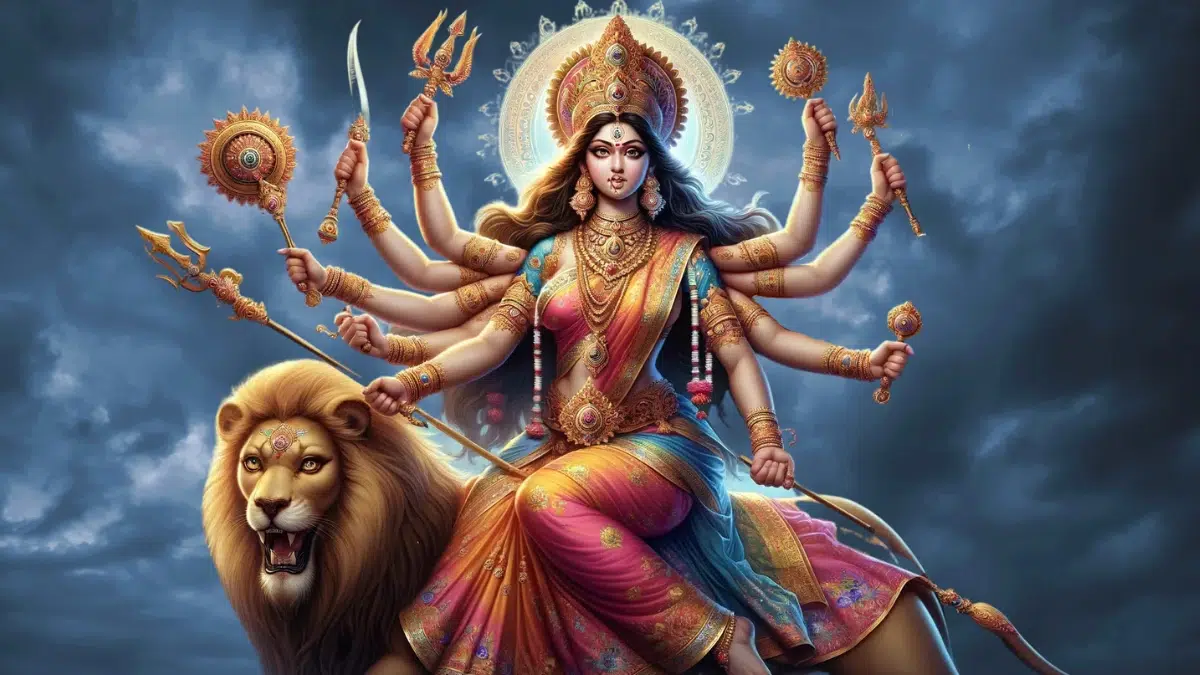
Durga embodies divine strength, riding into battle against demonic forces. Macha’s image as a supernatural woman who resists oppression has similar energy. Both figures use their power not for chaos but to restore balance, offering justice and protection to the innocent.
Athena (Greek Mythology)
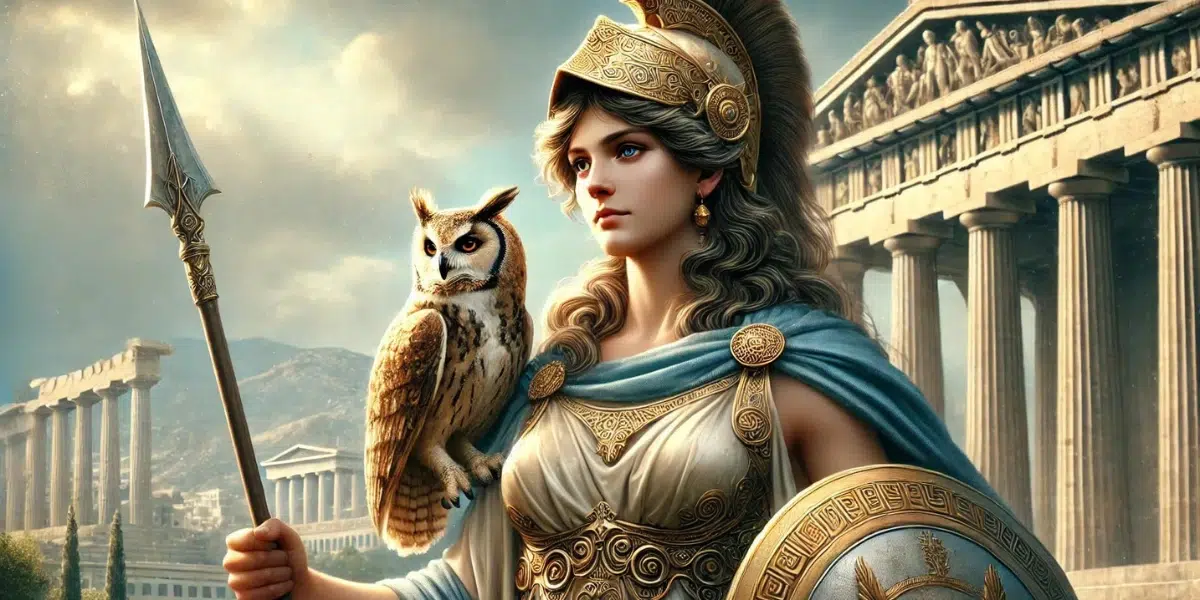
Athena represents wisdom and warfare, like Macha. Both goddesses defy traditional gender roles by entering the domain of battle. While Macha faces injustice and uses her curse as a tool for balance, Athena often steps in with strategic guidance. Both symbolize feminine power in a masculine space, commanding respect in war.
Sekhmet (Egyptian Mythology)
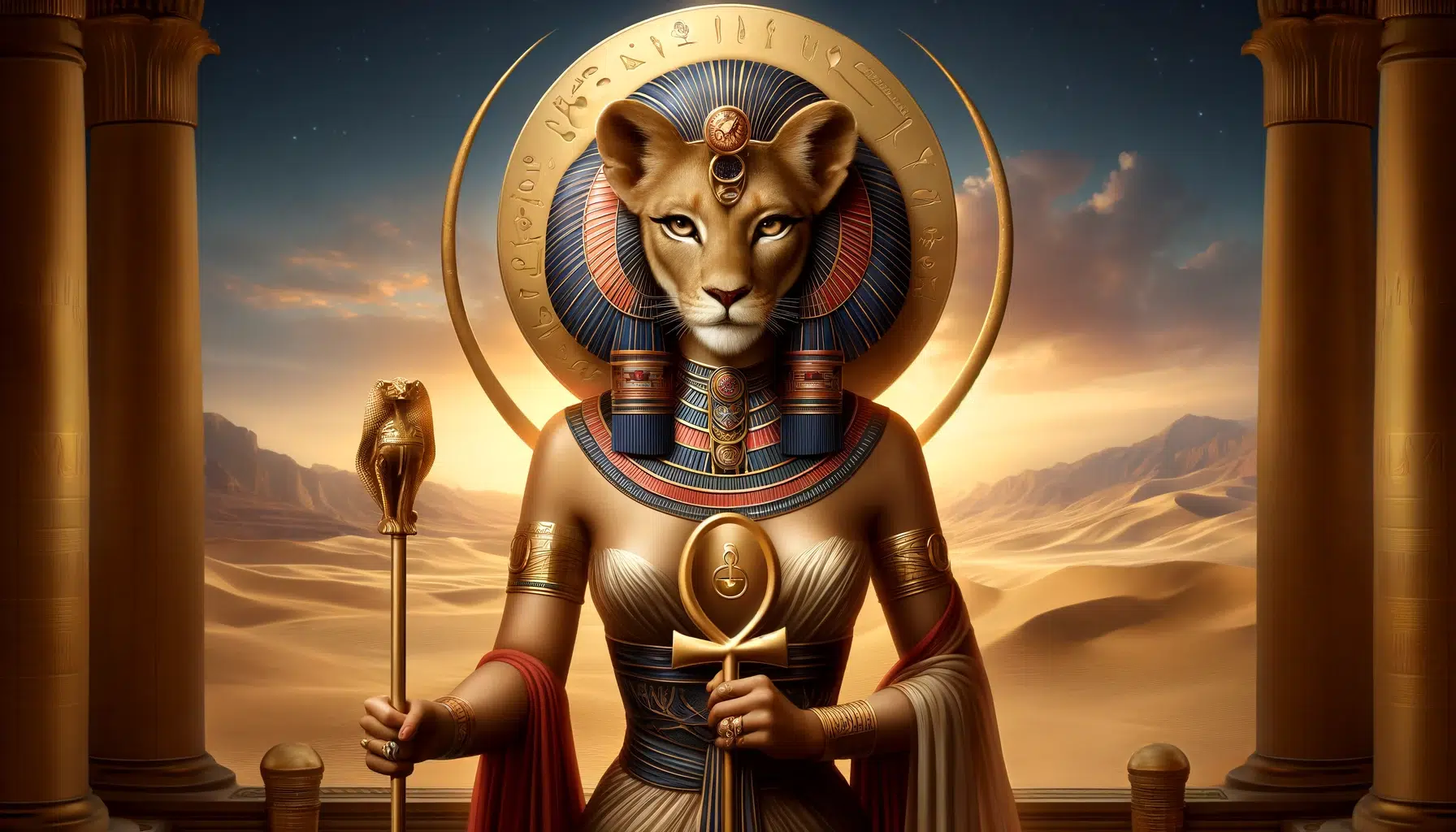
Sekhmet, the lion-headed goddess of war and vengeance, echoes Macha’s fierce protection and justice. Like Macha, she defends sacred values and punishes wrongdoing. Sekhmet unleashes wrath upon those who upset divine order, while Macha curses a kingdom to expose its cruelty.
The Morrigan (Celtic Mythology)
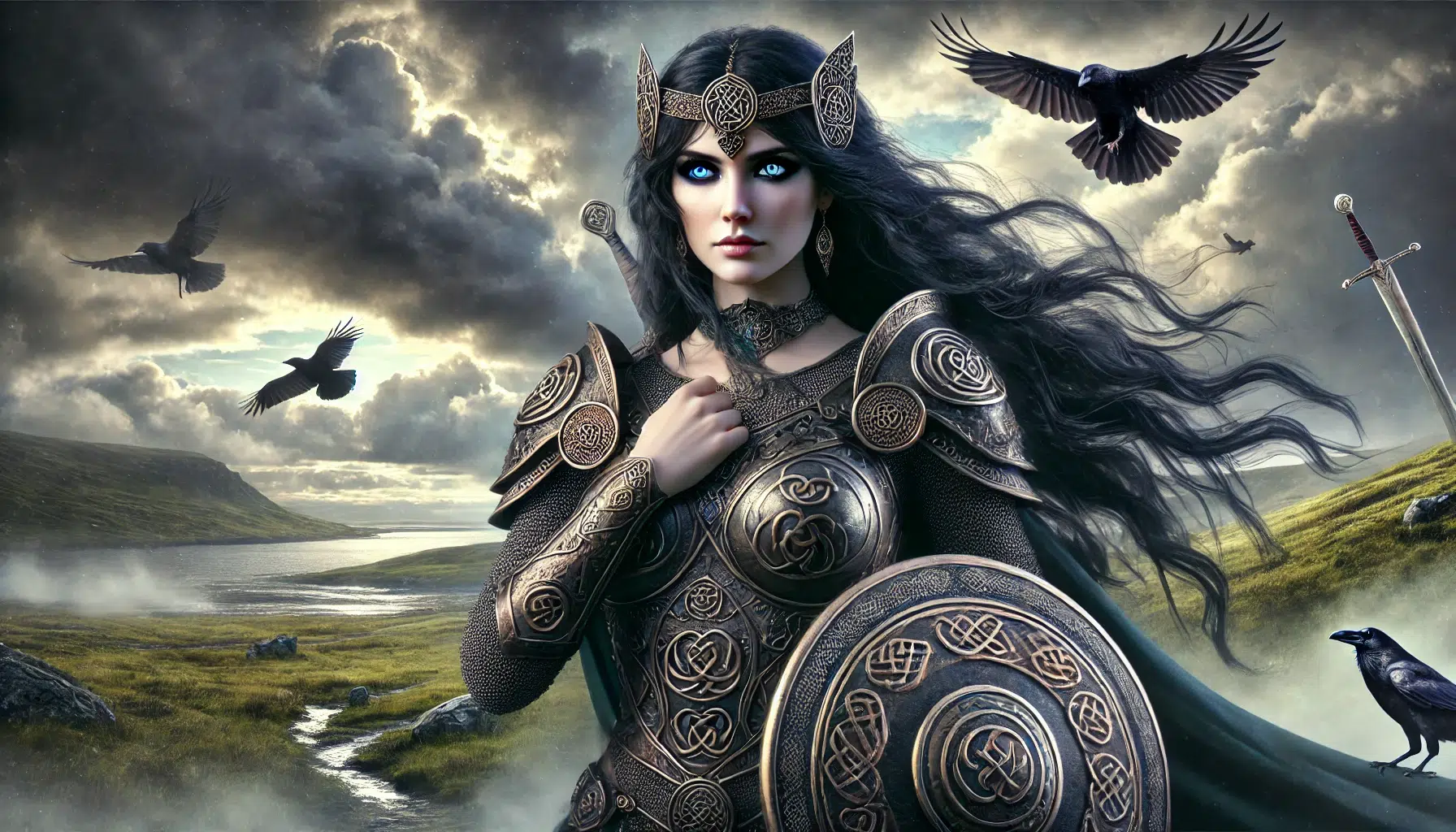
Macha is often linked to the Morrigan, and some scholars believe she may be an aspect of this triple goddess. Like Macha, the Morrigan foretells doom, influences battle outcomes, and represents fate. Their connection strengthens Macha’s role as a divine enforcer of justice and balance.
Conclusion: The Legacy of Macha
Macha stands as a fierce and layered figure in Celtic mythology. She commands both reverence and fear, embodying the dual nature of life and death, power and suffering. Her story reflects themes of injustice, divine retaliation, and the strength of women in a society that often tries to silence them.
As a goddess of war, sovereignty, and fertility, Macha symbolizes resilience. Her myth continues to resonate today as a reminder that power does not always roar. Sometimes it curses quietly and reshapes kingdoms. Through her strength, she secures her place among the most compelling divine figures in myth.