Kartikeya: God of War and Wisdom in Hindu Mythology
Kartikeya is a key figure in Hindu mythology, known for being both a fierce god of war and a wise sage. He is a powerful Hindu deity with stories that highlight his bravery and deep wisdom. These stories are an important part of Hindu traditions, showing the balance between strength and knowledge.
By looking into Kartikeya’s stories, we learn more about the spiritual and moral teachings of Hinduism. There are many stories and meanings of Kartikeya God of War in Hindu mythology.
Origins and Birth of Kartikeya
The story of Kartikeya, also known as Skanda, is a key part of Hindu mythology. It tells how he came to be, with a connection to Lord Shiva and the fire god Agni. The tale is full of divine events involving the six Krittikas, who are seen as the Pleiades constellation.
Myth: Birth of Kartikeya
The story begins with the gods in need of a powerful warrior to defeat the demon Tarakasura. Tarakasura is a powerful demon (asura) in Hindu mythology who has great strength and is a formidable power. He can only who be slain by Shiva’s offspring.
However, at the time, Shiva was deep in meditation and not involved in worldly affairs. The gods approach Kamadeva, the god of love, to help kindle desire in Shiva’s heart for Parvati, a goddess deeply devoted to him. Kamadeva succeeded in his task, but at the cost of being incinerated by Shiva’s fiery gaze.
As Shiva and Parvati unite, their combined energies created a powerful seed. However, this seed was too potent to be carried by Parvati or any other being. The fire god Agni is entrusted with carrying the seed. Unable to bear its intense heat, Agni deposits the seed in the sacred river Ganga. But even Ganga found the seed too hot to handle and transfers it to a nearby forest of reeds, known as Sara Vana.
In the forest, six celestial nymphs, the Krittikas, find the seed and nurture it. The seed transforms into a beautiful baby boy, who had six faces and is cared for by each of the six Krittikas. He is also called Kartikeya, deriving his name from them.
As the child grows, he becomes known for his extraordinary strength and valour. The gods soon recognize him as their long-awaited saviour.
Kartikeya, also known as Skanda or Murugan, is eventually raised to lead the divine army against Tarakasura. With his leadership and martial prowess, he fulfilled the prophecy by defeating the demon, restoring peace to the heavens and earth.
Kartikeya’s Family and Lineage
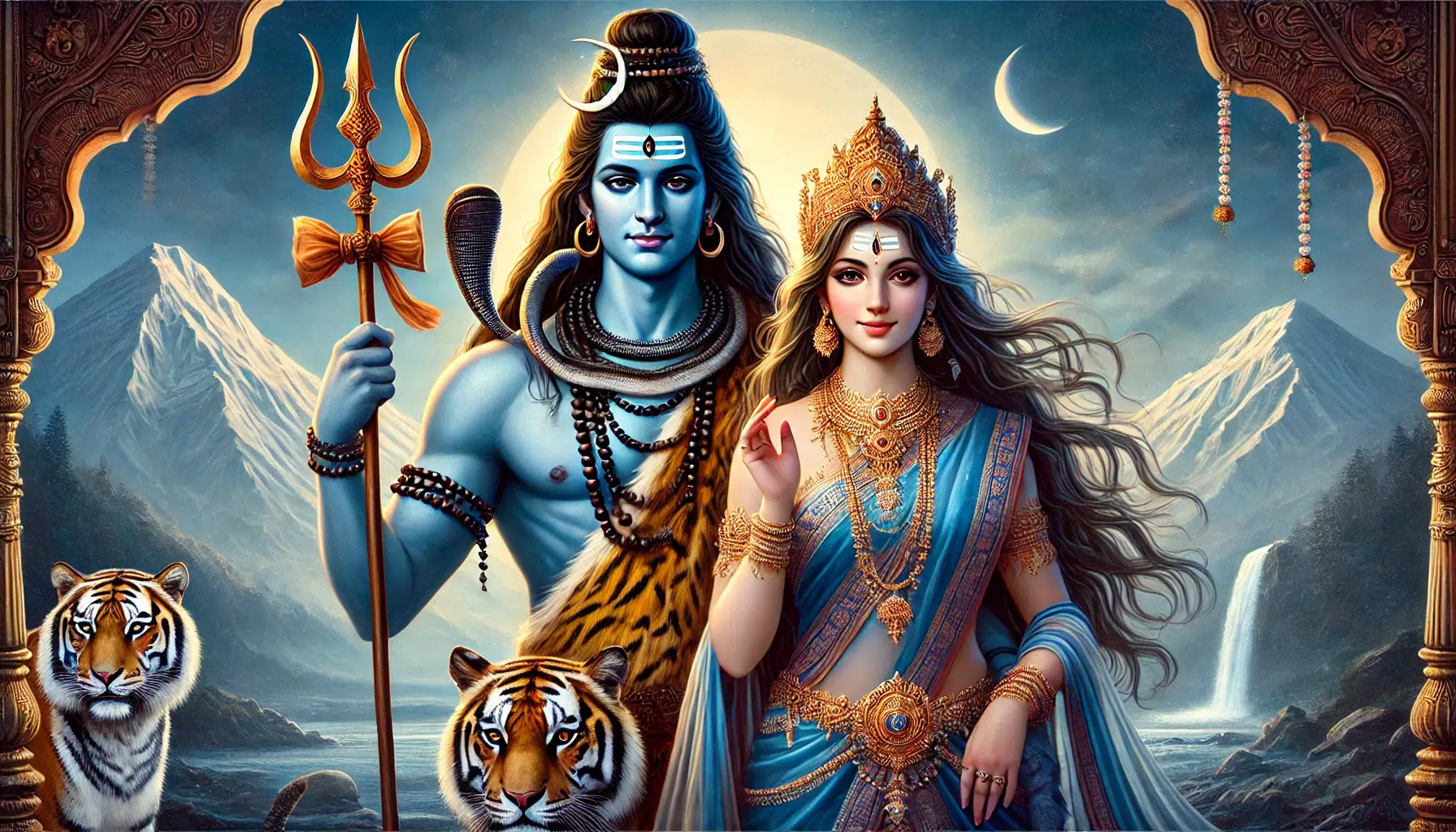
Kartikeya plays a key role in Hindu mythology as a member of the divine family of Shiva and Parvati. His story highlights the interconnectedness of the gods in the Hindu pantheon.
Kartikeya shares a strong bond with his brother, Ganesha. Despite their different roles, they support each other well. This bond reflects the deep connections present in Hindu myths.
Shiva and Parvati, Kartikeya’s parents, shape his character in Hinduism. Kartikeya inherits bravery from his father, Shiva, and a caring nature from his mother, Parvati. This combination makes him both strong and wise in the Hindu pantheon.
Kartikeya’s family ties weave a complex and deep narrative. The divine family greatly influences him. Understanding his family helps us grasp his role in Hindu myths better.
Names and Titles of Kartikeya
Kartikeya, a revered Hindu god of war and wisdom, holds many names and titles. These names reflect the different aspects of this god and the ways people honour him, offering insights into Kartikeya’s cultural and spiritual importance.
The name Skanda is well-known for Kartikeya. It comes from the Sanskrit word ‘skand,’ meaning ‘to leap or attack,’ highlighting his role as a fierce warrior. In Hindu stories, Skanda leads the gods’ army and helps defeat demons.
Subramanya is another name for Kartikeya, especially in South India, like Tamil Nadu. ‘Subramanya’ means ‘good Brahman’ or the Absolute, representing the god’s divine power and goodness.
Murugan is a beloved title in the Tamil tradition. ‘Murugan’ means ‘youthful one,’ reflecting Kartikeya’s youthful and energetic nature. Tamil devotees cherish this name, seeing it as a symbol of the god’s kindness and vitality.
Guha connects to Kartikeya’s spiritual aspect. ‘Guha’ means ‘cave’ in Sanskrit, symbolizing the god’s mysterious and hidden nature. This name emphasizes Kartikeya’s association with secret knowledge and spiritual mysteries.
These names, like Skanda, Subramanya, Murugan, and Guha, each highlight a different facet of Kartikeya. They enrich the stories about him and show how he is perceived in various cultures and communities.
Other Gods of War:
- Ares Quick Tempered Greek God of War
- Athena Goddess of Wisdom & Strategic Warfare
- Morrigan: Celtic Goddess of War, Fate and Death
- Hachiman: God of War in Japanese Mythology
Symbolism of Kartikeya God of War
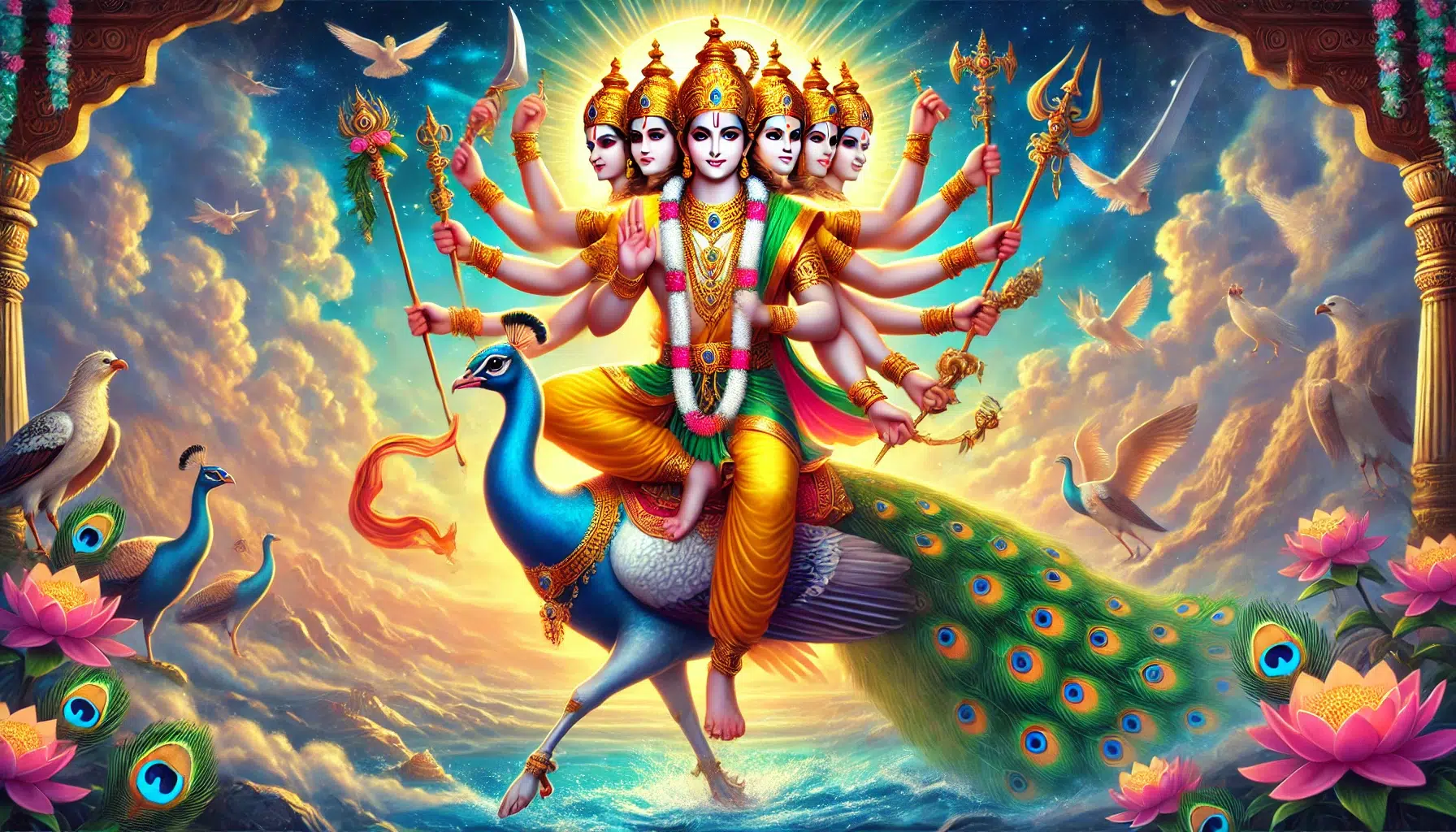
Kartikeya’s art brims with deep symbolism. Each part of his depiction conveys spiritual lessons. His peacock mount, called Paravani, stands out, symbolizing beauty and grace, and represents his triumph over evil.
He rides the peacock, indicating his victory over ego and ignorance. The spear (Vel) he holds is a crucial symbol, representing wisdom and the battle against evil forces.
This spear cuts through illusions and brings light to those who follow him. It signifies that Kartikeya is a divine warrior, fighting against darkness and chaos.
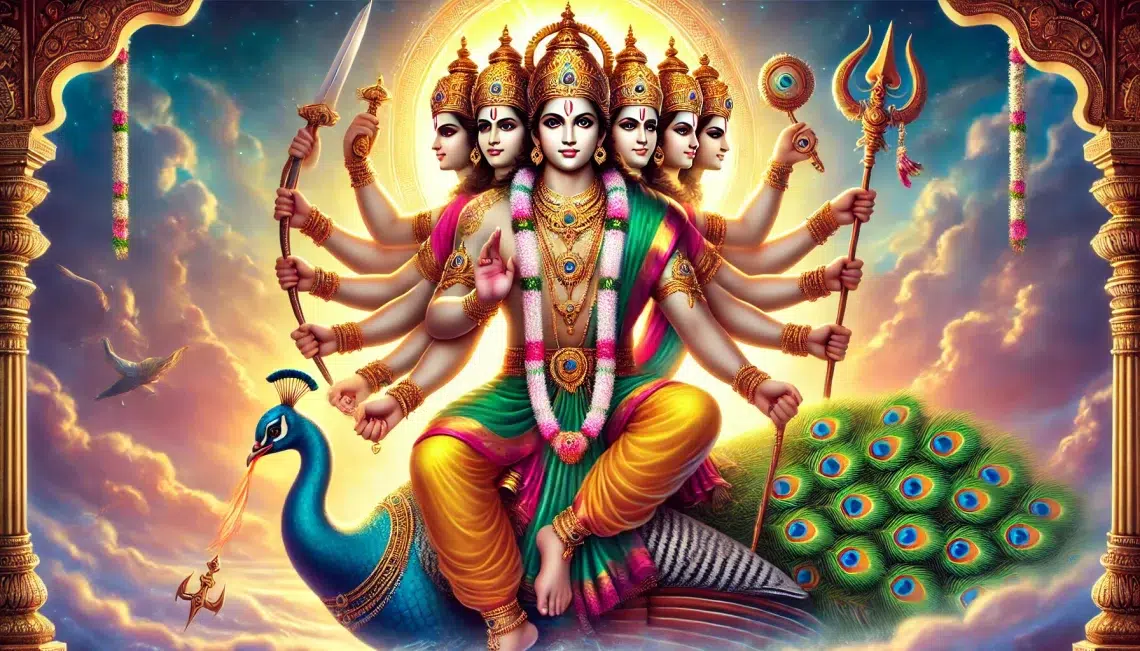
Kartikeya is often depicted with six heads, known as Shanmukha. Each head represents a different aspect of him and his powers, illustrating his ability to see in all directions and his profound knowledge.
His six heads together signify his great wisdom and intelligence, which are essential for leading divine armies.
Many depictions also feature the sacred syllable Om with Kartikeya. Om symbolizes the ultimate reality and consciousness, highlighting Kartikeya’s deep connection to the divine and his role as a spiritual guide.
These symbols in Kartikeya’s art not only add beauty but also teach spiritual lessons. The peacock, spear (Vel), and six heads showcase his wisdom, strength, and purity.
Stories or Myths about Kartikeya
Kartikeya is a key figure in Hinduism, known as the god of war and wisdom. He is a major part of the Mahabharata, showing his role in the epic battle and his divine qualities. The Skanda Purana tells of his birth, bravery, and spiritual teachings in detail.
In these texts, Kartikeya is a warrior god full of courage and smarts. His stories in the Mahabharata and the Skanda Purana teach deep lessons. They’re not just about bravery but also about the value of wisdom and strong faith.
Learn more about Hindu Epics and Mythology:
Myth: War with Tarakasura
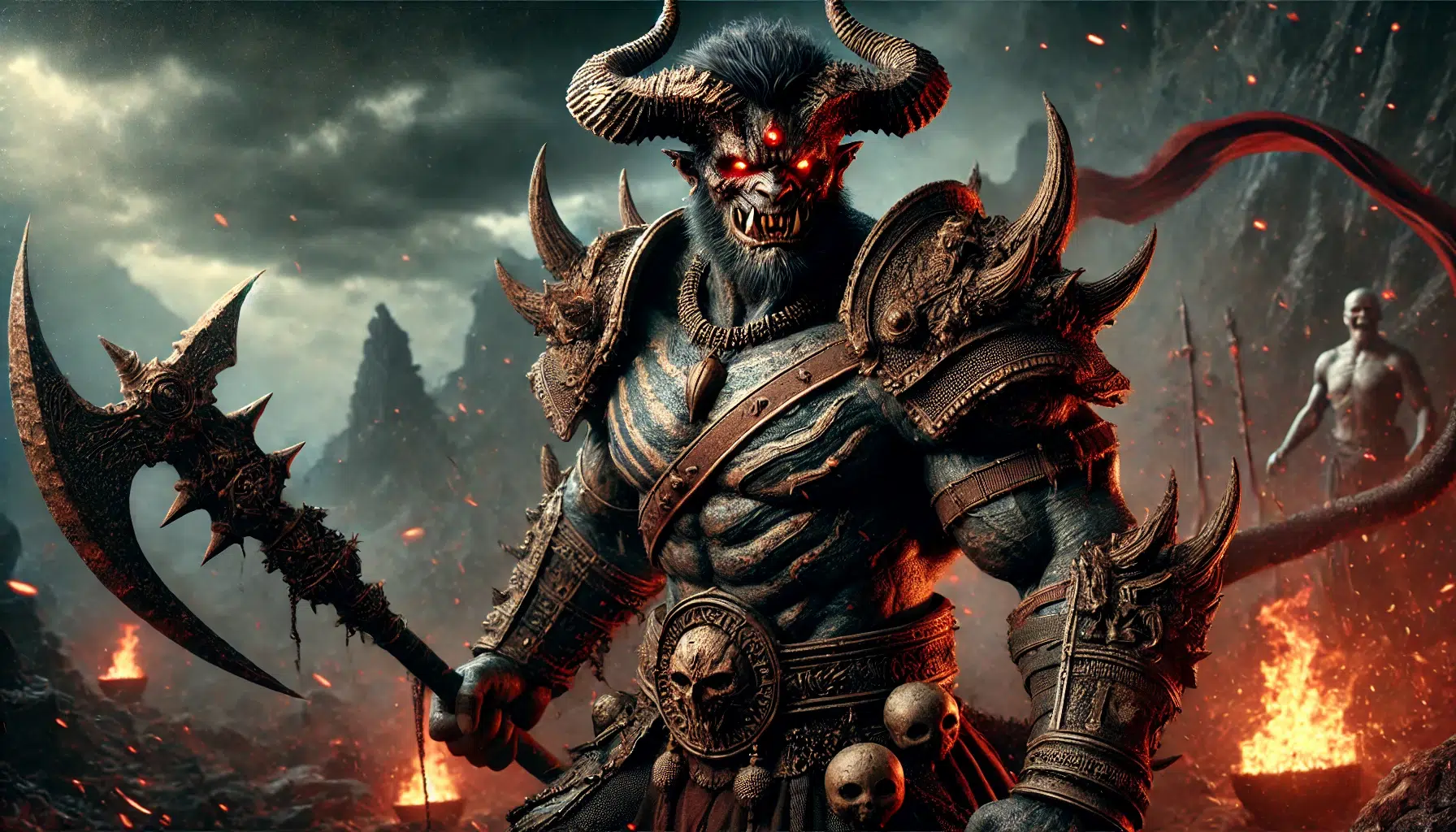
Kartikeya leads the gods’ army against the fearsome demon Tarakasura. Tarakasura, blessed with a boon that only Shiva’s son could defeat him, causes chaos across the universe. The gods need a saviour, and Kartikeya steps up. He is ready, with divine weapons and armour.
The battle between Kartikeya and Tarakasura is fierce and intense. Kartikeya’s strategies and combat skills are unmatched. He commands the army with authority and confidence. Despite Tarakasura’s immense power, Kartikeya fights bravely. He strikes with precision and uses his divine spear, the Vel, to weaken the demon. Kartikeya’s army supports him with unwavering loyalty. The clash lasts for many days, shaking the heavens and earth.
Finally, Kartikeya delivers the decisive blow, defeating Tarakasura. The victory restores peace and order to the universe. The gods rejoice and celebrate Kartikeya’s heroism. This battle cements Kartikeya’s status as a powerful deity and protector. His victory shows the power of good over evil.
People honour Kartikeya for his bravery and dedication. The story of this war becomes a legend, inspiring future generations.
Myth: Kartikeya and the Mango
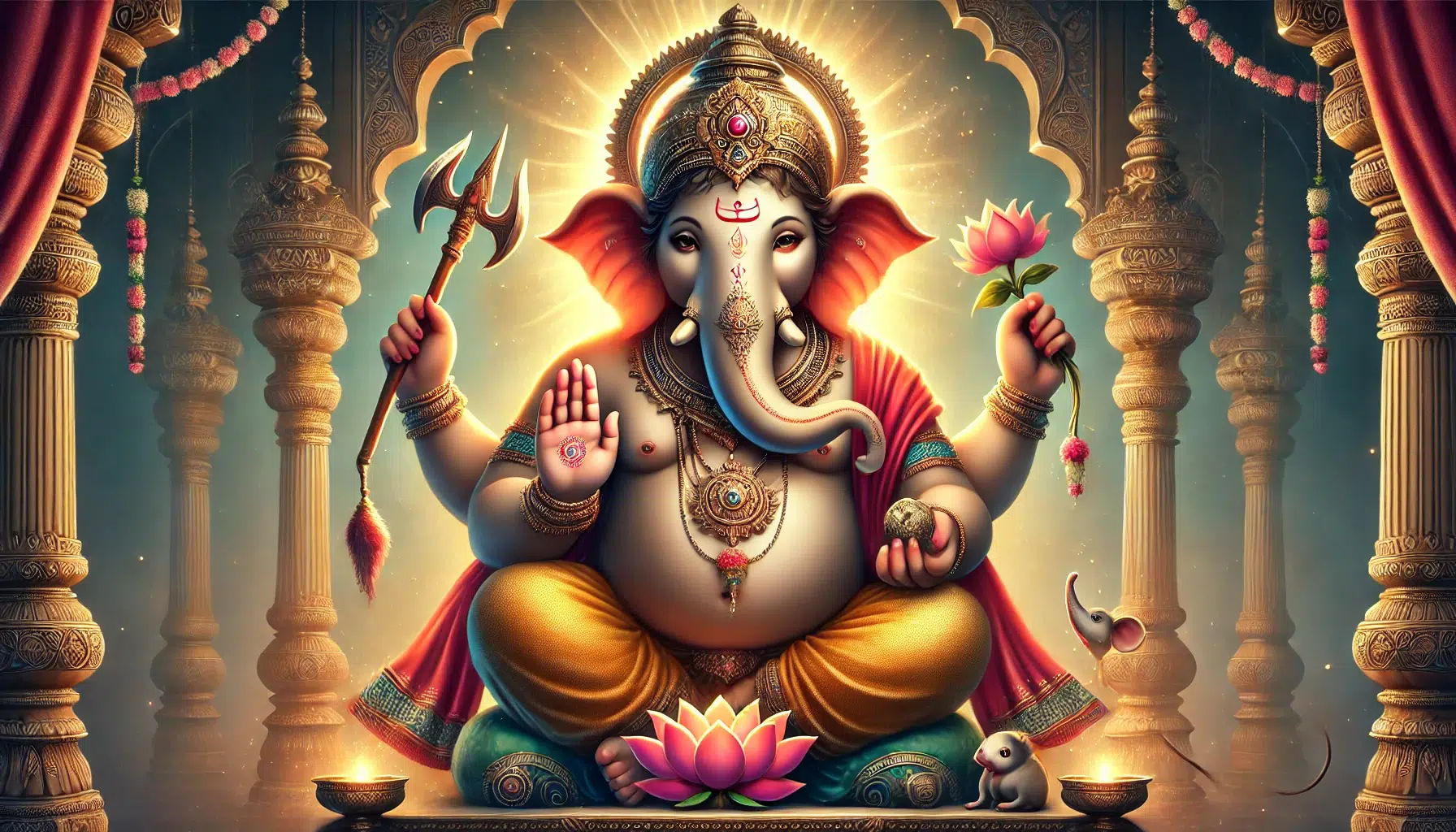
Kartikeya and Ganesha, sons of Shiva and Parvati, often compete with each other. One day, their parents give them a challenge. The winner, who circles the world first, will receive a special mango. Kartikeya eagerly mounts his peacock, determined to win. He sets off to travel around the physical world.
Ganesha takes a different approach. Instead of circling the world, he walks around his parents. He believes that Shiva and Parvati are his world. Ganesha completes his “world” tour quickly and wins the mango. Kartikeya returns, surprised and disappointed to find that he lost.
Kartikeya respects Ganesha’s cleverness and wisdom. The story teaches an important lesson: sometimes, wisdom and perspective matter more than physical strength. Kartikeya learns that winning isn’t always about speed or strength; it’s also about understanding and insight.
People love this story for its humour and moral lesson. It shows that intelligence can sometimes outshine physical power. The tale also highlights the close bond and friendly rivalry between the two brothers. This story is often told to children to teach them the value of smart thinking and respect for others’ perspectives.
Myth: Marriage to Valli and Devasena
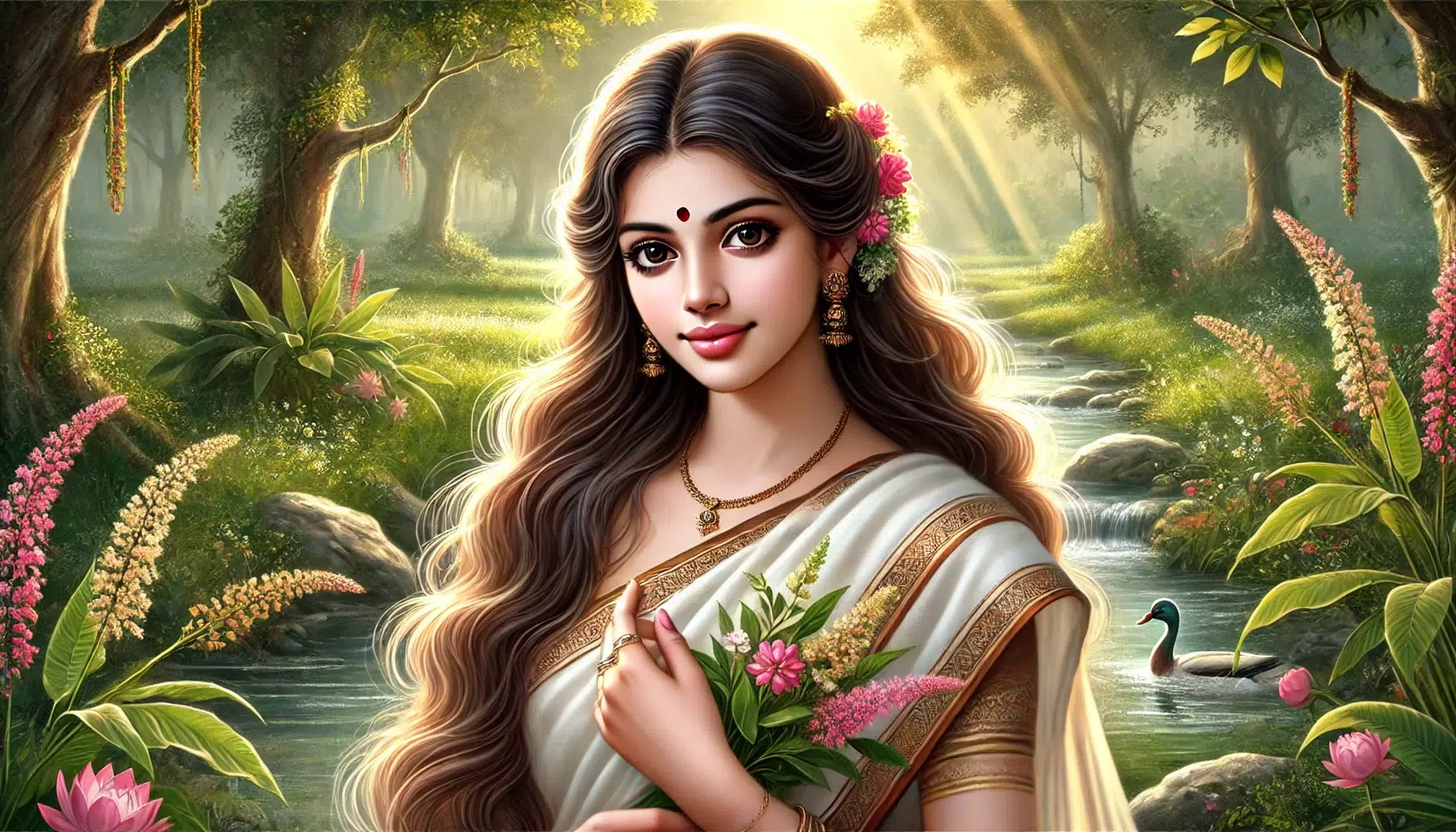
Kartikeya’s marriages to Valli and Devasena are well-known in South Indian folklore. These unions symbolize different aspects of life and duty. Valli, a beautiful girl from a community of people, represents love, devotion, and simplicity. Devasena, a celestial being, stands for duty, power, and responsibility.
The story of Kartikeya and Valli is romantic and adventurous. Valli falls in love with Kartikeya, and he loves her back. They face many challenges, including opposition from Valli’s family and suitors. Despite these obstacles, Kartikeya’s love for Valli remains strong. He disguises himself and wins her hand in marriage, showing his love and devotion.
Kartikeya’s marriage to Devasena is more formal and duty-bound. Devasena, the daughter of Indra, marries Kartikeya to support his role as a divine warrior. This marriage symbolizes Kartikeya’s commitment to his divine duties and responsibilities.
Through these two marriages, Kartikeya balances personal love with public duty. He shows that it is possible to honour both aspects of life. These stories are celebrated in festivals and temples, highlighting Kartikeya’s roles as a loving partner and a dutiful leader. People admire him for keeping harmony between love and duty.
Myth: Kartikeya’s Abstention
Some stories describe Kartikeya as a celibate god who abstains from marriage. He focuses on his spiritual and martial duties. This choice shows his deep commitment to his divine responsibilities. Kartikeya chooses to avoid worldly pleasures to stay pure and strong. He dedicates himself to meditation and warfare, becoming a model of discipline. His followers respect his decision to stay celibate. They see him as a symbol of self-control and dedication.
Kartikeya’s choice also highlights the importance of focusing on one’s duties. He becomes a protector of the universe, free from personal desires.
This version of his story is especially respected in some traditions. People admire Kartikeya for sacrificing personal pleasures for the greater good. His life teaches a lesson in prioritizing duty and spiritual growth. Followers find inspiration in his example, striving to live disciplined and dedicated lives.
The story of Kartikeya’s celibacy reminds us of the value of sacrifice and devotion. It shows that true strength comes from within, through self-control and focus on higher goals.
Temples and Festivals Dedicated to Kartikeya
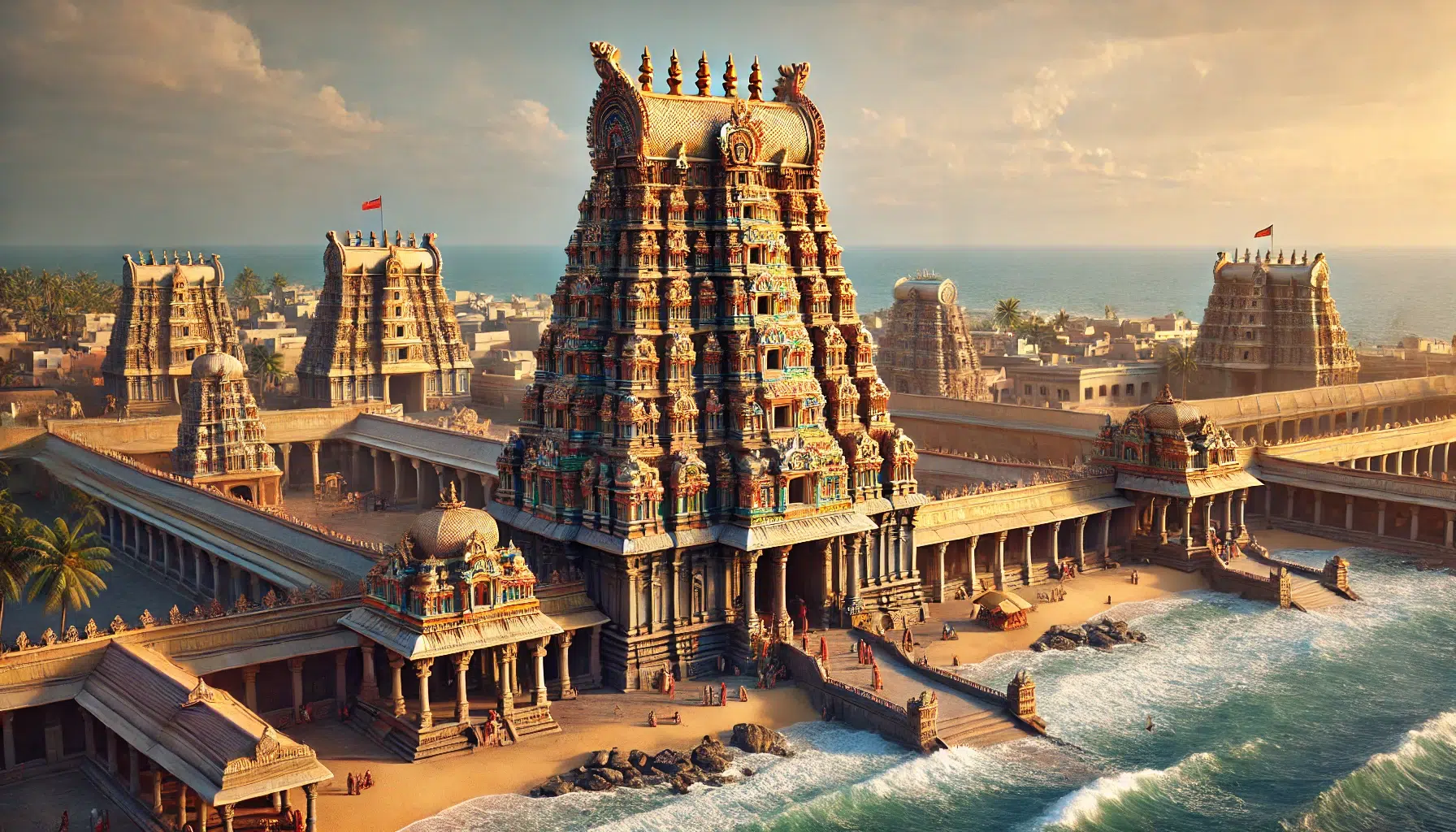
In India and South Asia, many Hindu shrines honor Kartikeya. Each shrine tells its own story and holds spiritual significance. The Palani temple, located in the hills of Tamil Nadu, serves as a top pilgrimage spot. Millions visit annually, highlighting Kartikeya’s divine aspect.
The Thiruchendur temple, situated by the Bay of Bengal, also stands as a key site. Known for its beauty and spiritual power, it attracts people for rituals and blessings, demonstrating Kartikeya’s deep impact.
These temples play a crucial role in devotees’ spiritual journeys. They act as centers of faith, drawing pilgrims from all over. People come to honor Kartikeya and participate in the cultural traditions of these sacred places.
From Palani’s hills to Thiruchendur’s coast, Kartikeya’s temples showcase his lasting legacy. They serve not only as places of worship but also as cultural icons, uplifting and inspiring many devotees.
Festivals Celebrating Kartikeya God of War
Festivals for Kartikeya hold a significant place in Hindu traditions. They bring people together, showcasing devotion and ritual observance. Thaipusam and Skanda Sashti stand out for their grand celebrations and profound emotions.
Thaipusam, primarily celebrated by the Tamil community, honors Kartikeya with large processions and acts of self-mortification. Devotees carry kavadis, elaborate structures, on their shoulders, demonstrating their devotion and seeking blessings. This festival takes place during the Tamil month of Thai and embodies faith and endurance.
Skanda Sashti is another major festival, lasting six days, celebrating Kartikeya’s victory over the demon Surapadman. It includes fasting and dramatic performances depicting the divine battle. The festival culminates in a grand celebration, symbolizing the triumph of good over evil and the power of devotion.
The Hindu festivals observe with great dedication and respect in India and around the world. They highlight the strong community spirit and cultural richness within these traditions. The colourful blend of rituals, stories, and community unity reflects the deep reverence devotees have for Kartikeya.
Kartikeya in Modern Culture
Kartikeya, the Hindu God of War and Wisdom, is still a big part of modern culture. He is worshiped in many temples around the world, drawing people from different cultures. This shows how much respect and relevance he has in the Hindu community.
Every year, festivals like Thaipusam and Skanda Shashti are held in his honour. These festivals bring together many followers, showing their deep devotion to him.
Kartikeya’s stories have made their way into movies, TV shows, and books. Bollywood and regional Indian films often tell his heroic stories, focusing on his bravery and wisdom. Now, animated series and online platforms are sharing his myths with a new generation and people outside Hinduism.
His impact goes beyond just worship, touching art, music, and fashion. Modern artists use his symbols in their work, mixing old and new styles. Musicians add Kartikeya chants to their songs, mixing traditional with modern sounds. Fashion designers also use his style in their clothes, linking the past with today.
Through all these ways, Kartikeya’s influence is clear in today’s culture. His stories and symbols show his lasting appeal and the deep respect he has.