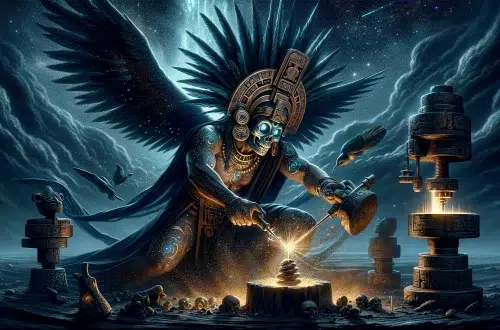
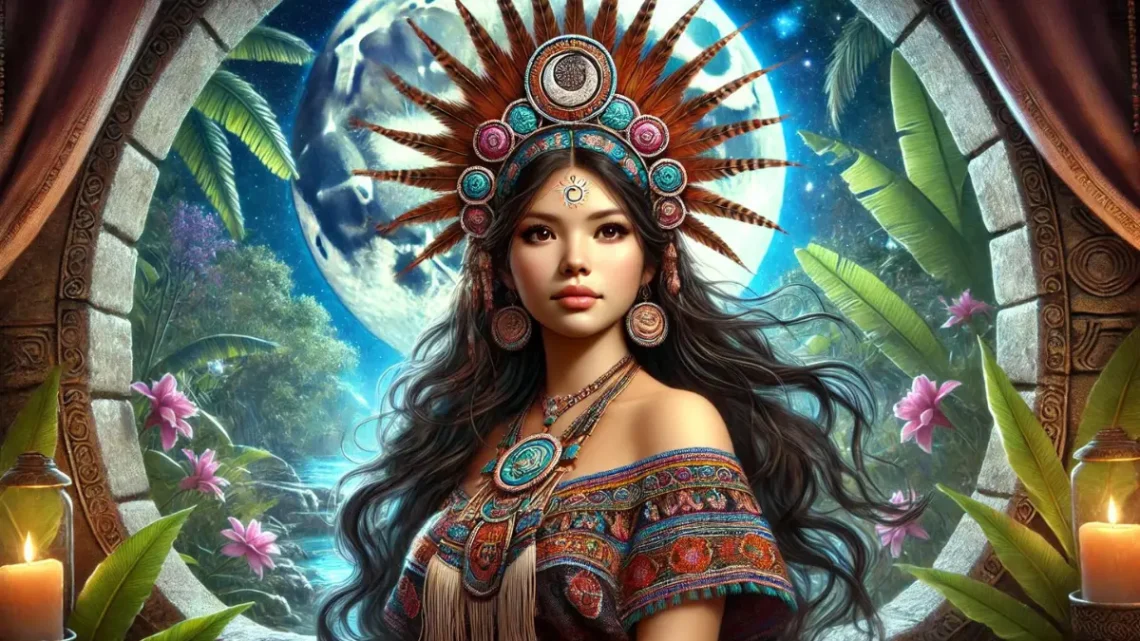
Ix Chel: Ancient Maya Goddess of the Moon & Fertility
Ix Chel is an important goddess in ancient Maya mythology. She is known as the goddess of fertility, childbirth, and medicine. People often picture her as an older woman, showing wisdom and a caring nature. Ix Chel connects to the moon, water, rainbows, and the cycles of life and death. She represents the ongoing renewal of life.
The name “Ix Chel” means “Lady Rainbow,” which shows her link to water and earth’s fertility. She often holds a serpent, symbolizing her role in medicine and healing. She may also have a rabbit, showing her connection to the moon. Ix Chel is a protector of women and children. She is also a patroness of weaving.
In Maya stories, Ix Chel sometimes appears as the partner of the sun god, Itzamna. Together, they are thought to have created the world. Maya religious practices often centred around her worship. People offered rituals and gifts to ask for her blessings. They hoped for healthy crops, safe childbirth, and general well-being.
Temples dedicated to Ix Chel, like those on the island of Cozumel, were key pilgrimage sites. Many Maya women visited these places to seek her protection and guidance. Her influence in Maya culture remains significant, highlighting her vital role in their mythology and daily life.
Roles and Associations of Ix Chel
Ix Chel, also known as Ixchel, holds many important roles in Maya mythology. She embodies different aspects of life and nature.
- Goddess of the Moon
- Her name, meaning “Lady Rainbow” or “She of the Pale Face,” connects her to the moon. She governs the moon’s cycles, which are linked to fertility, water, and harvests.
- Goddess of Fertility and Childbirth
- Ix Chel oversees pregnancy, childbirth, and plant growth. Women often invoke her for help with fertility and protection during childbirth.
- Goddess of Medicine and Healing
- As a healer, Ix Chel is associated with medicinal plants and midwifery. Healers and shamans often call upon her for her knowledge of natural remedies and healing.
- Goddess of Weaving and the Arts
- Ix Chel is also the patroness of weaving, textiles, and creative arts. She represents the connections between life and creativity.
Deities Similar to Ix Chel Outside of Aztec Mythology
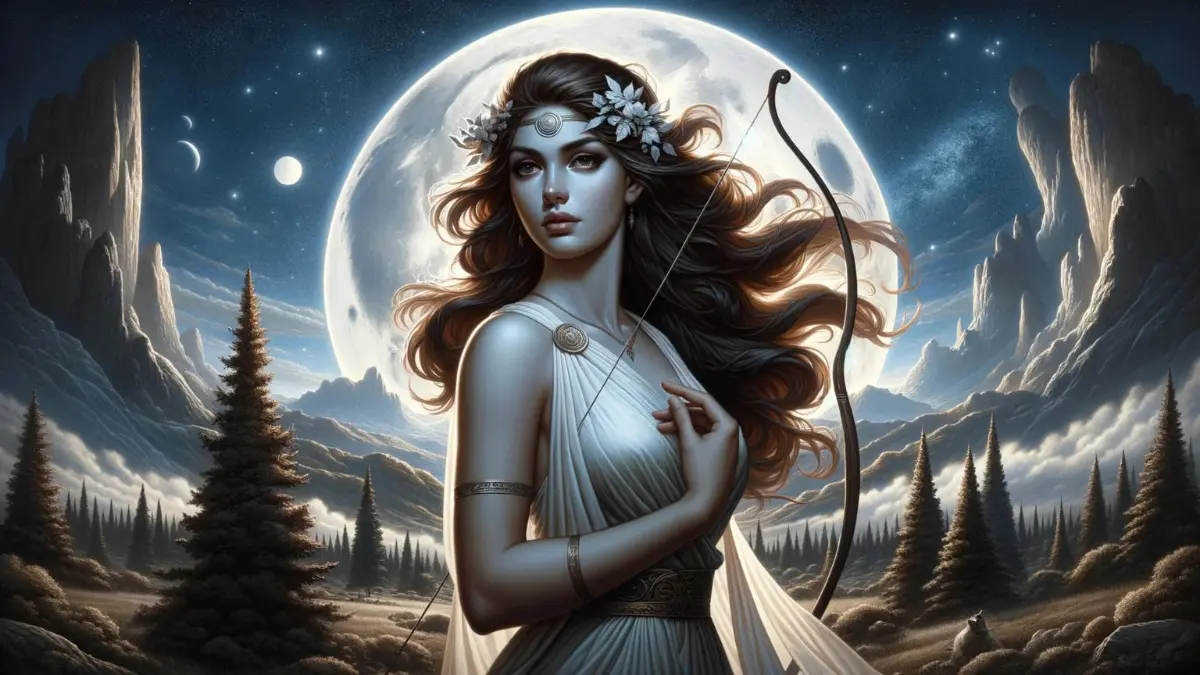
Ix Chel, the Mayan goddess of the moon, fertility, medicine, and weaving, shares attributes with deities from various cultures. In Greek mythology, Artemis is the goddess of the hunt, wilderness, and childbirth, known for protecting women during childbirth and being associated with fertility. Similarly, Hera is the goddess of marriage, family, and childbirth, called upon for the safety of women and infants.
In Egyptian mythology, Isis is revered as the goddess of magic, fertility, motherhood, and healing, known for her protective nature and role in childbirth. Hathor, another Egyptian goddess, represents love, beauty, music, motherhood, and fertility, nurturing children and caring for mothers.
Norse mythology features Frigg, the goddess of marriage, motherhood, and fertility, who is associated with family life and protection. Eir, another Norse goddess, is recognized for her medical skills and healing abilities.
In Celtic mythology, Brigid is the goddess of healing, fertility, and motherhood, also linked to poetry and domestic arts. In African mythology, specifically within the Yoruba tradition, Oshun is the goddess of fertility, love, and fresh water. Oshun is associated with both creation and destruction, and people invoke her for health and prosperity. These goddesses, like Ix Chel, embody aspects of life, protection, and nurturing.
The Symbols of Ix Chel
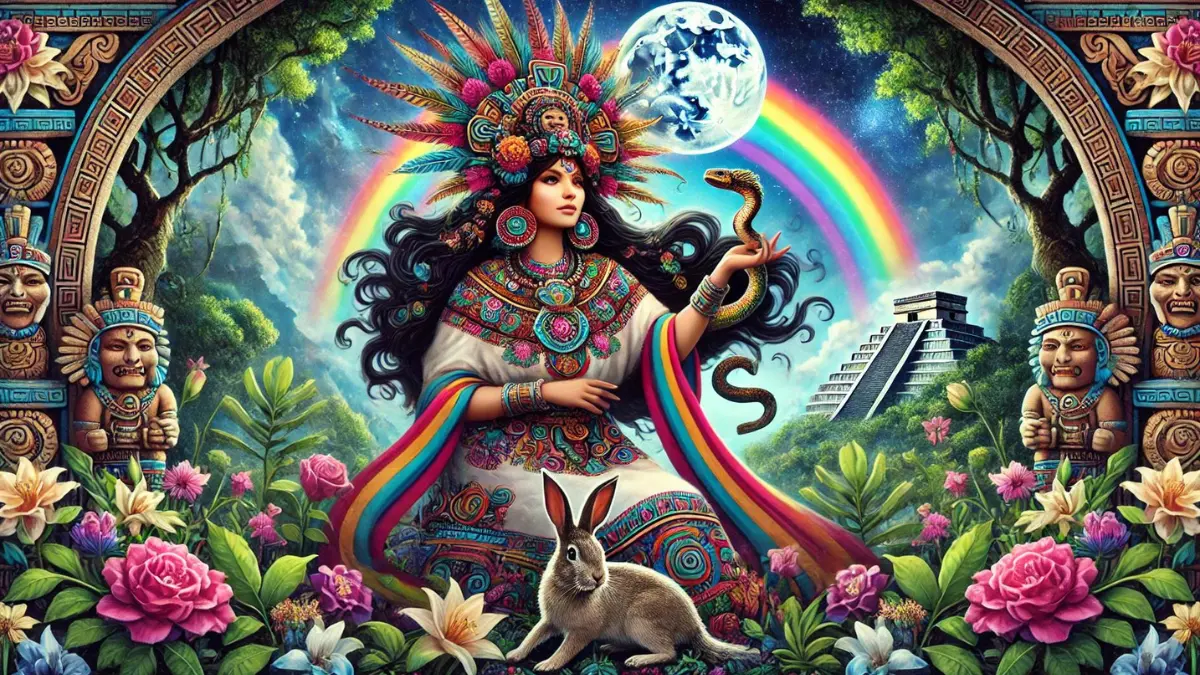
Ix Chel is a major goddess in ancient Maya mythology, with many symbols connected to her. As the goddess of fertility, childbirth, and medicine, her symbols reflect these roles. She appears in different forms, from a young maiden to an old woman. Common symbols include a rabbit, a snake, and a water jug.
The rabbit often represents the moon and stands for abundance and fertility. This connection ties back to Ix Chel’s role as a fertility goddess. The snake, or serpent, symbolizes transformation, rebirth, and divine communication. She often has a snake on her head, showing her powers and link to the earth. The serpent also shows her role in medicine and childbirth.
Animals like jaguars, dragonflies, and vultures are linked to Ix Chel. The jaguar symbolizes power, stealth, and fertility. It also connects to her ability to transform and her association with the night. Dragonflies and vultures represent renewal and the cycle of life and death.
Ix Chel’s symbols also include objects and elements. Crossbones on her skirt represent death, rebirth, and her dual nature as a life-giver and destroyer. Bones show her role in the life cycle and her protection over the dead. The moon symbolizes her connection to cycles and change, while water and rainbows relate to life and renewal.
Other Symbols
As the patroness of weaving, Ix Chel is often connected with weaving tools like looms and spindles. These symbols represent her creative and nurturing sides. Colours like red, white, black, and yellow represent the four directions of the universe and her link to the earth’s cycles.
Other symbols include gemstones like agate and carnelian and scents like almond and vanilla. Water symbols like jugs and basins show her control over water and rain. Ix Chel often appears with a water jug, symbolizing her role in fertility and abundance. This jug also represents the womb and her powers of creation and healing.
Ix Chel’s symbols reveal her character and importance in Maya mythology. They show her as a nurturing and protective figure with powers over life and creation. Understanding these symbols helps us appreciate the honour she received from the Maya people. Her influence touched many parts of their daily lives and spiritual beliefs.
The Five Suns in Aztec Mythology
In Aztec mythology, the world has gone through five different eras, called “Suns.” Each Sun represents a different world created and destroyed by the gods. These eras show the Aztec belief in cycles of creation and destruction.
The First Sun, called “Four Jaguar,” ended when jaguars ate everyone. The Second Sun, “Four Wind,” ended in a hurricane that swept people away. The Third Sun, “Four Rain,” involved fiery rain that destroyed everything. The Fourth Sun, “Four Water,” ended in a great flood that turned people into fish.
The Fifth Sun is the current era. The gods created it after much struggle. The Sun god Tonatiuh needed human hearts and blood to keep the world alive. This belief led to the practice of human sacrifice, which the Aztecs saw as essential to maintaining the balance of the universe.
Each era ended because people and the gods didn’t live in harmony. The story of the Five Suns teaches that the world can end if people fail to respect the gods. It shows the importance of balance and the belief that the gods’ power shapes the universe. The Aztecs used these myths to explain natural disasters and their cultural practices.
Ix Chel Connection to the Fourth Sun
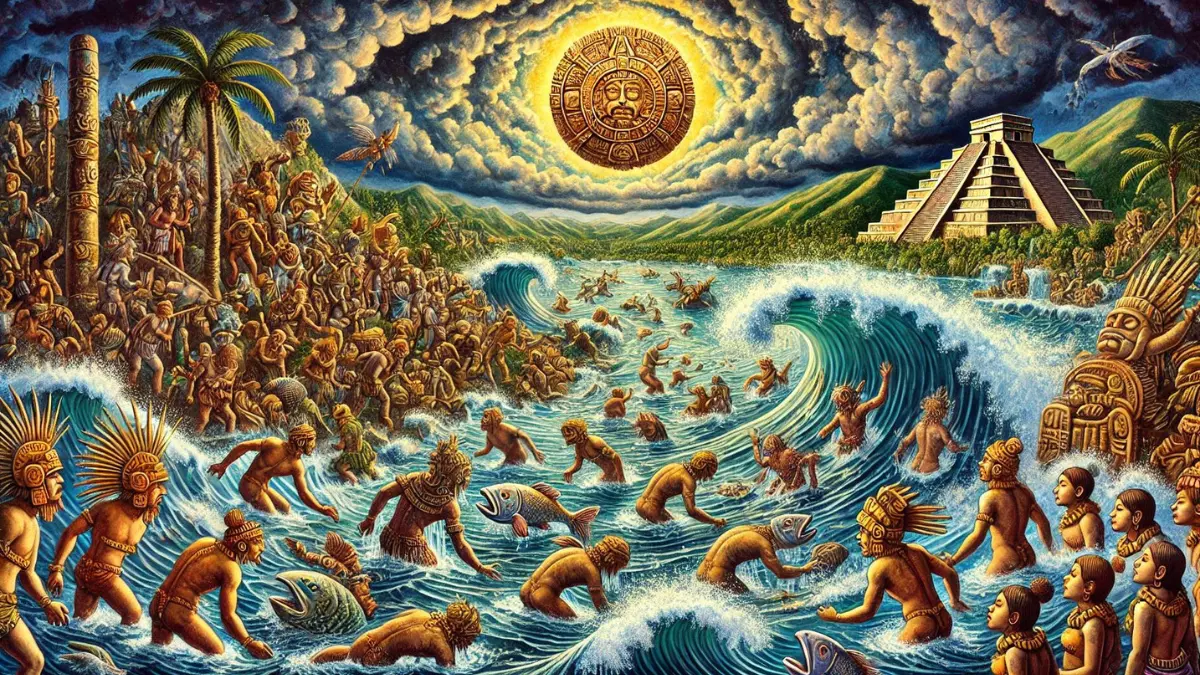
Ix Chel’s role and attributes can link her to the broader concept of the Fourth Sun. She controls water and the moon, which are essential elements for life. In the context of the Fourth Sun, her connection to water is particularly important. The Fourth Sun, according to Aztec belief, ends with a great flood. This destructive flood transforms people into fish, showing the power of water.
As a goddess with control over water, Ix Chel can be seen as a figure who influences life and death through natural elements. Her dual nature, which includes both creation and destruction, mirrors the cycle of the Suns. Just as each Sun era ends with a catastrophe, Ix Chel’s powers can bring both nurturing rain and dangerous floods.
Ix Chel’s role as a healer and protector also fits with the idea of rebirth after destruction. After the end of the Fourth Sun, the world needed renewal, which aligns with Ix Chel’s ability to heal and support new life. Her influence over childbirth symbolizes new beginnings, just as the Fifth Sun represents a new era.
While Ix Chel is primarily a Maya goddess, her attributes connect her to the themes of the Fourth Sun. Her control over water and her dual nature reflect the cycles of creation and destruction in Mesoamerican mythology. This connection shows the shared cultural ideas about the balance of life and the forces that shape the world.
Myths and Stories of Ix Chel
Myth: Ix Chel and Itzamná
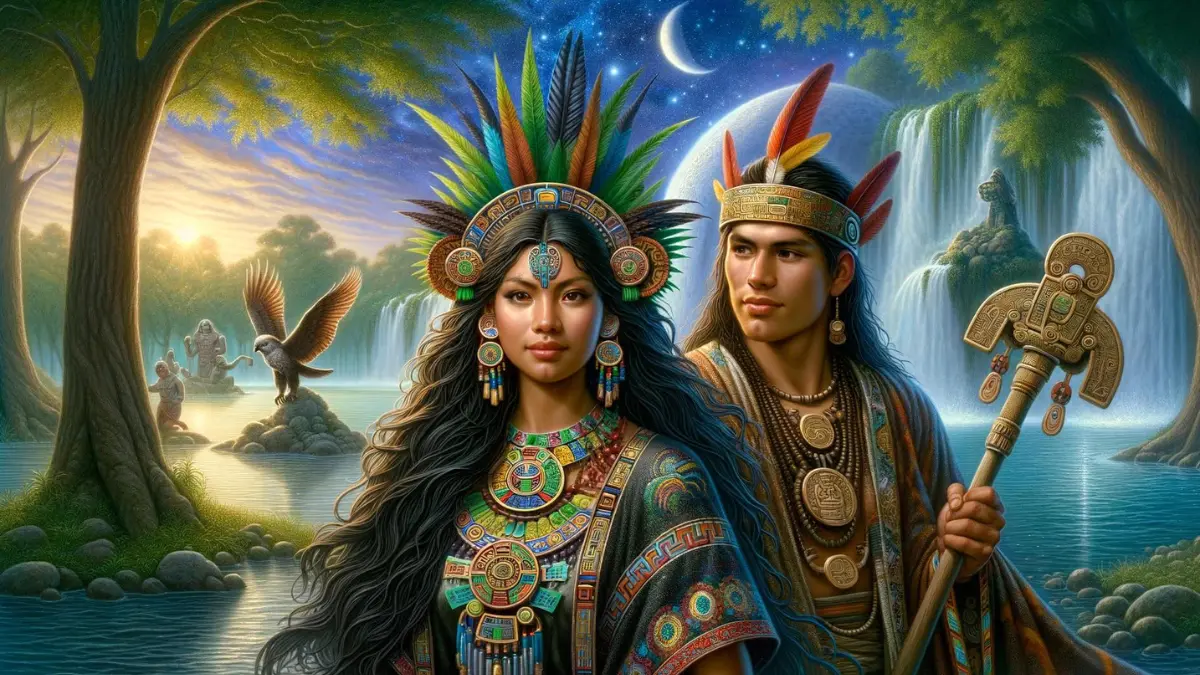
Ix Chel and Itzamná have an important relationship in Maya mythology. Itzamná, the god of the heavens, wisdom, and knowledge, is one of the most important deities in the Maya pantheon. Ix Chel, known for her nurturing qualities, governs fertility, life, and healing. Their partnership symbolizes a balance between feminine and masculine energies, combining Ix Chel’s nurturing aspects with Itzamná’s intellectual and cosmic powers.
Together, they are believed to have created the world and established order. Ix Chel controls the natural cycles of life, while Itzamná oversees the cosmos and the spread of knowledge. This partnership shows the interconnectedness of life, nature, and the universe, with both playing complementary roles.
In some myths, Ix Chel and Itzamná have four sons known as the Bacabs. These jaguar gods are linked to the four cardinal directions: north, south, east, and west. They hold up the sky at its four corners, keeping the cosmos stable. The Bacabs also influence weather patterns, like rain and storms, which are crucial for agriculture.
The roles of the Bacabs highlight the importance of balance and harmony in the universe, a central idea in Maya beliefs. Their duties show how interconnected natural elements and forces are, maintaining order in the world.
Ix Chel and Itzamná’s relationship also reflects the Maya belief in duality and the balance of opposites. Ix Chel’s connection to the moon and water contrasts with Itzamná’s link to the sun and sky. This duality represents the balance needed for life to thrive.
Their partnership influences Maya society’s roles and values, showing the importance of cooperation and mutual respect. The Maya saw their divine union as a model for harmony between nature and intellect, emotion and reason, and creation and order.
Myth: Ix Chel and Kinich Ahau

In Maya mythology, Ix Chel is a powerful goddess with associations with the moon, fertility, and medicine. She often interacts with other gods, including Kinich Ahau, the sun god. Kinich Ahau, also known as God G, rules over the day and the sun. He represents life, warmth, and growth.
The relationship between Ix Chel and Kinich Ahau is complex and significant. While Ix Chel governs the night and the moon, Kinich Ahau controls the day and the sun. Their connection symbolizes the balance between night and day, darkness and light. This balance is crucial for the natural cycles of the world, such as the growth of plants and the passage of time.
Ix Chel’s role as the goddess of fertility and childbirth links her to the life-giving aspects of the moon. She influences the tides and water, essential for agriculture. Kinich Ahau, on the other hand, provides the sunlight necessary for crops to grow. Together, they represent the harmony of natural forces that sustain life on earth.
In some myths, Ix Chel and Kinich Ahau share a romantic relationship. This relationship highlights the interplay between the moon and the sun, two opposing yet complementary forces. Their union is essential for maintaining balance in the world. It shows how different elements can work together to create harmony.
The myth of Ix Chel and Kinich Ahau teaches the importance of balance and cooperation. It reflects the Maya people’s deep understanding of nature and the universe. The Maya saw these gods’ interactions as a model for harmony and respect in their own lives. By honouring both Ix Chel and Kinich Ahau, they recognized the vital roles each played in the natural order.
Story of Ix Chel’s Dual Nature
Ix Chel is a fascinating goddess in Maya mythology, known for her dual nature. She represents both creation and destruction, showing how life often has two sides. As a goddess of fertility, she brings life and helps plants grow. She also aids women during childbirth, making her a protector of life and growth.
However, Ix Chel also has a darker side. She can bring storms and floods, showing her power to destroy. This aspect of her nature reminds people that life includes both nurturing and destructive forces. The Maya people respected this duality and believed it kept balance in the world.
Ix Chel’s connection to the moon highlights her dual nature. The moon has phases, changing from full to new, just like her changing aspects. These phases reflect the cycles of life, including birth, growth, death, and rebirth. As the moon controls the tides, Ix Chel influences water, an essential element for life but also capable of destruction.
In art, Ix Chel is sometimes shown as an old woman, symbolizing wisdom and the end of life. At other times, she appears as a young woman, representing youth and the start of life. This contrast emphasizes her role in all stages of life.
The story of Ix Chel’s dual nature teaches that life is full of contrasts. It shows that creation and destruction are both necessary for balance. The Maya people honoured her for both aspects, understanding that she represented the full cycle of life. By acknowledging her dual nature, they showed respect for the complexities of the world and the forces that shape it.
Ix Chel and the Rabbit
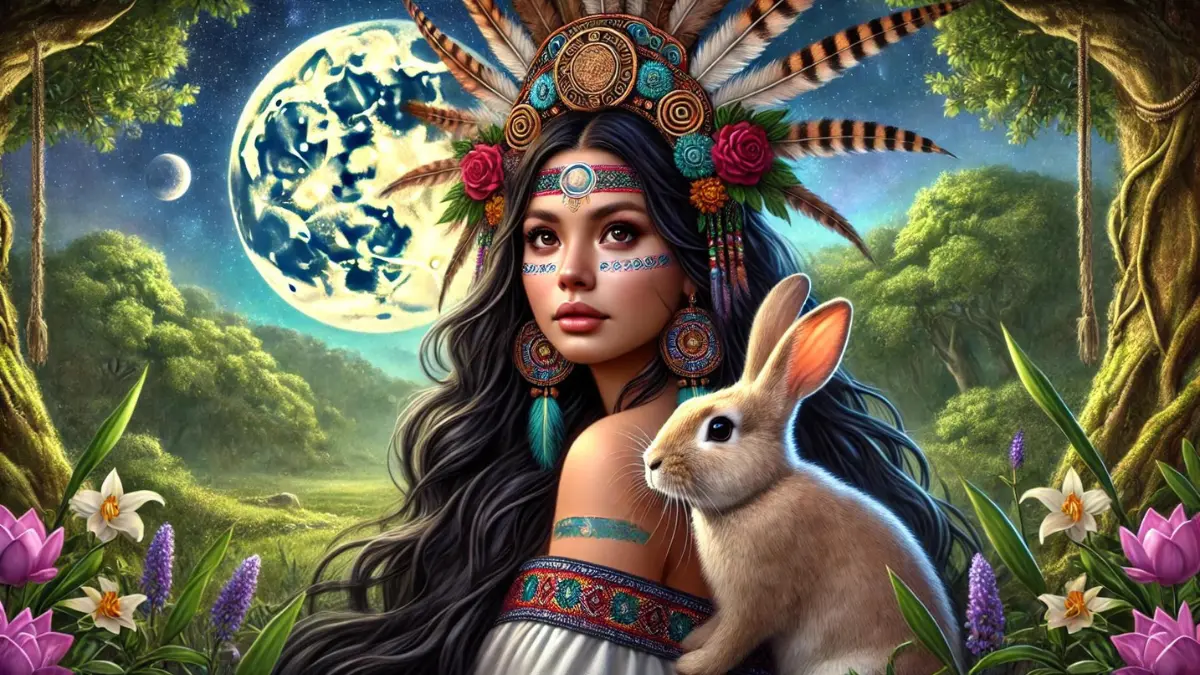
In Maya mythology, Ix Chel is a powerful goddess with connections to the moon, fertility, and medicine. One of her symbols is the rabbit, which has an interesting story.
The rabbit represents the moon and fertility. In the myth, Ix Chel once found a small rabbit during a stormy night. The rabbit seemed scared and cold, so she decided to help. She wrapped it in her cloak and kept it safe. The rabbit felt grateful and wanted to repay her kindness.
To thank Ix Chel, the rabbit offered to stay with her as a companion. Ix Chel agreed and kept the rabbit by her side. Over time, the rabbit became a symbol of the moon and fertility because of its connection to Ix Chel.
The rabbit’s link to the moon comes from its role in the story and its natural behaviour. Rabbits are known for their quick reproduction, making them a perfect symbol for fertility. The Maya people saw the rabbit’s presence with Ix Chel as a sign of her power over growth and life.
In art, Ix Chel is sometimes shown with a rabbit, emphasizing her connection to the moon. The rabbit often sits by her side or rests in her arms, reminding people of her nurturing nature. The story of Ix Chel and the rabbit highlights her caring and protective qualities.
This myth teaches the importance of kindness and the bond between living beings. It shows how even a small act of compassion can create strong connections. The rabbit’s loyalty to Ix Chel and her care for it symbolize the harmony and balance in nature. The Maya people respected this relationship, seeing it as a lesson in cooperation and mutual respect.
Ix Chel and the Natural World
Ix Chel has deep links to the earth’s cycles and its fertility. She shows the caring side of nature and teaches about the balance of the natural world.
Her impact was felt across many areas of Maya life. This shows a deep understanding of nature’s cycles and how everything is connected.
- Phases of the Moon: Ix Chel has ties to the moon. Her phases control the cycles of nature important for farming. The changes in the moon were thought to affect growth and harvest times.
- Impact on Rainfall: Being a goddess of water and rain, Ix Chel’s mood changes the weather. This is key for the earth’s fertility.
- Agricultural Fertility: Ix Chel is seen as a symbol of fertile soil. People pray to her for a good harvest and sustainable farming.
- Ancient Ecological Practices: The Maya respect the earth thanks to Ix Chel. They use smart farming methods like terracing and crop rotation helping to keep the soil fertile and increase food production.
Ix Chel’s bond with nature shows her importance as more than just a god. She is a symbol of ancient wisdom in ecology. Her legacy proves the Maya’s deep respect and knowledge of nature’s balance and connections.
Worship and Rituals Dedicated to Ix Chel
The ancient Maya goddess Ix Chel is honoured through traditions like Maya rituals, pilgrimages, and Ix Chel temples. These traditions show how important Ix Chel is, especially for fertility and healing. Learning about these rituals helps us understand Maya culture better. It also shows the spiritual and community roles these ceremonies had.
Followers of Ix Chel took part in big ceremonies during the moon’s phases. They saw these phases as showing Ix Chel’s different sides. They made offerings of textiles and ceramics, which stood for fertility and creation. These are key themes in Ix Chel worship.
Places like Isla Mujeres were key pilgrimage spots. The temples there were very sacred. They were not just for worship but also for social and ceremonial events. This made them centers of deep community feeling.
Rituals like casting objects into cenotes were done to get Ix Chel’s favor. These ceremonies had chants, dances, and music that went from night till morning. They showed how devoted her followers were.
Going to places like Cozumel was a big deal for Ix Chel’s followers. These trips were seen as important steps in life. They helped the community feel closer to the divine. This was key for believing in Ix Chel’s power and kindness.
Learning about these rituals shows us how big a part they played in Maya life. It shows their respect and deep bond with the goddess Ix Chel.
Conclusion
Ix Chel’s story shows how much the ancient Maya rever their gods. Her importance goes beyond being a goddess of fertility. She plays a big role in their beliefs, art, and everyday life.
The Maya civilization’s many artifacts and ruins tell us about Ix Chel. These pieces show her power over life and her deep bond with nature. Her story is still alive today, thanks to these remnants.
Her legend has become part of history, showing how much the Maya values their gods and the world around them. Through art and architecture, we can see the deep spirituality of the Maya people. Ix Chel’s worship shows the key role of female deities in their beliefs and rituals.
Ix Chel’s story fascinates scholars, history lovers, and everyone else. It’s a reminder of the timeless wisdom in ancient stories. Her impact is huge, keeping the Maya civilization’s legacy alive. It shows how they blended belief, nature, and society perfectly.