Itzpapalotl the Aztec Obsidian Butterfly Warrior
Itzpapalotl, known as the “Obsidian Butterfly,” is one of the most striking figures in Aztec mythology.
She blends beauty and terror, appearing as both a fierce warrior and a divine guardian. Her name comes from itzli (obsidian) and papalotl (butterfly), linking her to sharp blades and transformation.
Introduction to Itzpapalotl
Itzpapalotl rules over Tamoanchan, a paradise for those who die in childbirth and for infants who pass away too soon. She leads the Tzitzimime, star demons feared during eclipses, yet she also protects women and symbolizes rebirth.
This dual nature makes her unforgettable—part deadly warrior, part nurturing spirit. Her myths speak of creation, death, and the powerful balance between destruction and renewal. With skeletal wings edged in obsidian and claws like a jaguar, she embodies both danger and divine strength.
Exploring Itzpapalotl means stepping into a world of fearsome beauty and deep symbolism in Aztec belief.
Origins of Itzpapalotl
Itzpapalotl comes from Aztec mythology and holds a unique place as both a fearsome warrior and a guardian spirit.
Her name means “Obsidian Butterfly,” combining itzli (obsidian) and papalotl (butterfly). This ties her to sharp, volcanic stone and to transformation, themes deeply rooted in Aztec belief.
What is Obsidian?
Obsidian is a naturally occurring volcanic glass. It forms when lava cools quickly, hardening into a dark, shiny stone. It has a sharp edge when broken and was widely used by ancient cultures, including the Aztecs, to make blades, arrowheads, and ritual tools.
In Aztec culture, obsidian symbolized:
- Power and warfare – It armed warriors with razor-sharp weapons.
- Spiritual strength – It was used in rituals and believed to hold protective qualities.
- Death and sacrifice – Its cutting edge linked it to blood offerings and the gods.
For Itzpapalotl, being called the “Obsidian Butterfly” ties her to both deadly sharpness and transformation, blending danger with beauty.
A Goddess of Death and Rebirth
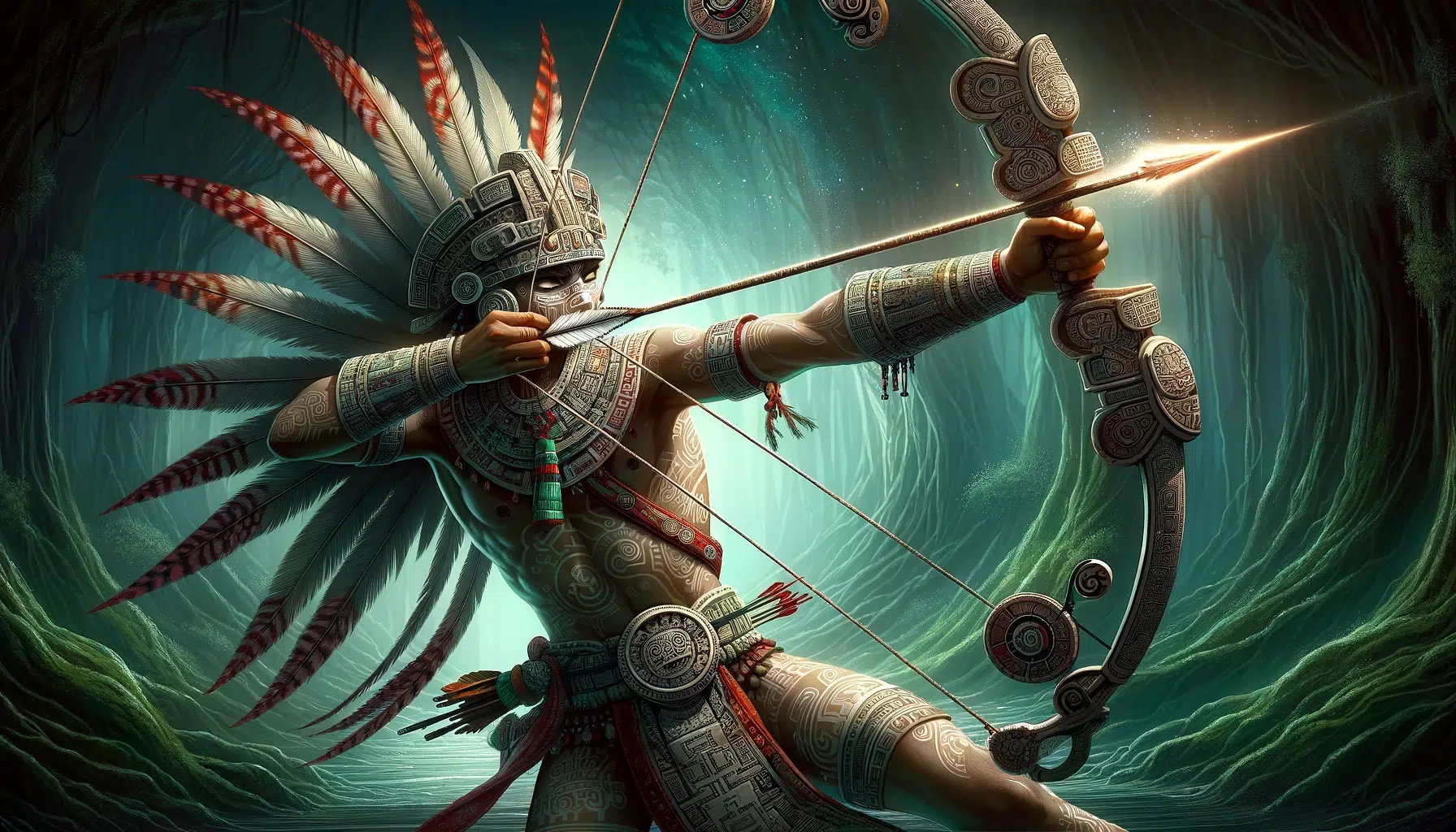
She is a leader of the Tzitzimime, celestial star demons who descend during eclipses and threaten the world. These beings embody cosmic danger but also serve as symbols of power. Despite her fearsome nature, Itzpapalotl has a nurturing side. She rules over Tamoanchan, a paradise for the souls of infants and women who die in childbirth. This dual role connects her to both death and protection, making her one of the most complex Aztec deities.
Some myths link her to Mixcoatl, the god of hunting and the Milky Way, suggesting she may be his consort or even his mother in certain versions. This relationship reinforces her ties to creation myths and the origins of humanity.
As part of Aztec cosmology, she bridges terrifying celestial forces and the hopeful promise of rebirth. Her role reflects a worldview where life, death, and renewal remain inseparable. This balance defines her as both a destroyer and a motherly protector in Aztec tradition.
Appearance and Symbolism
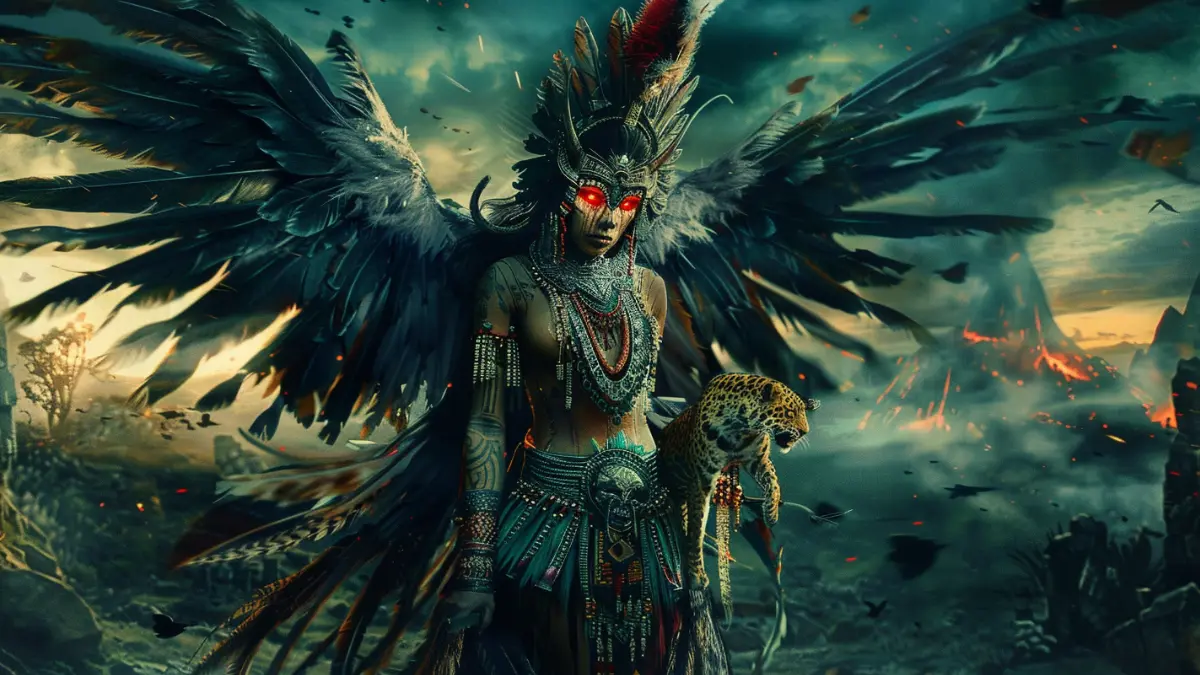
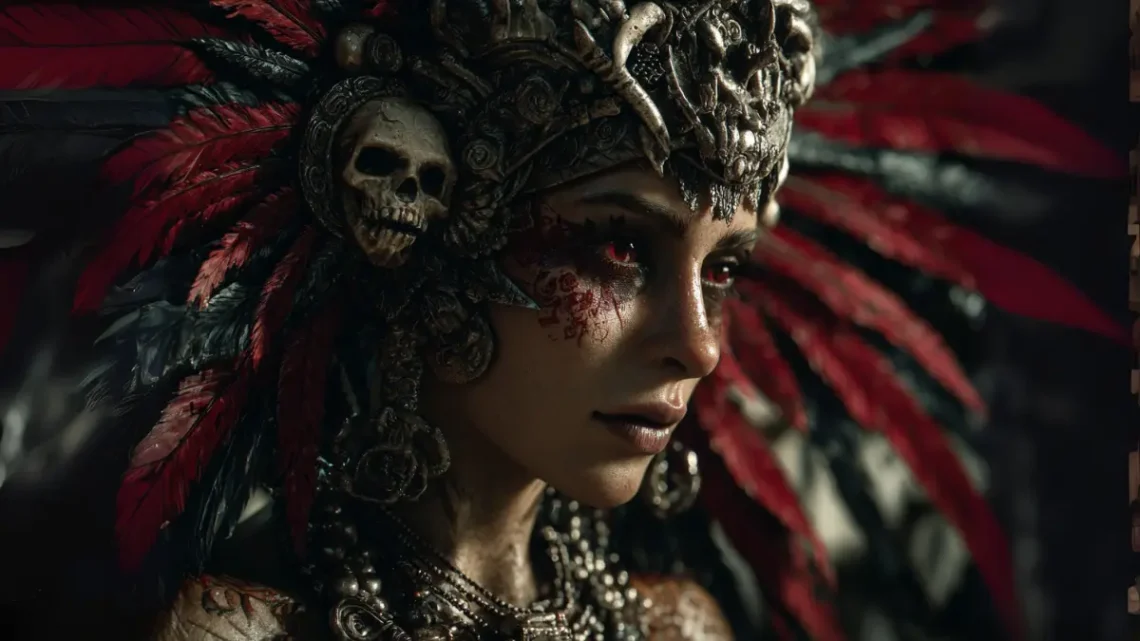
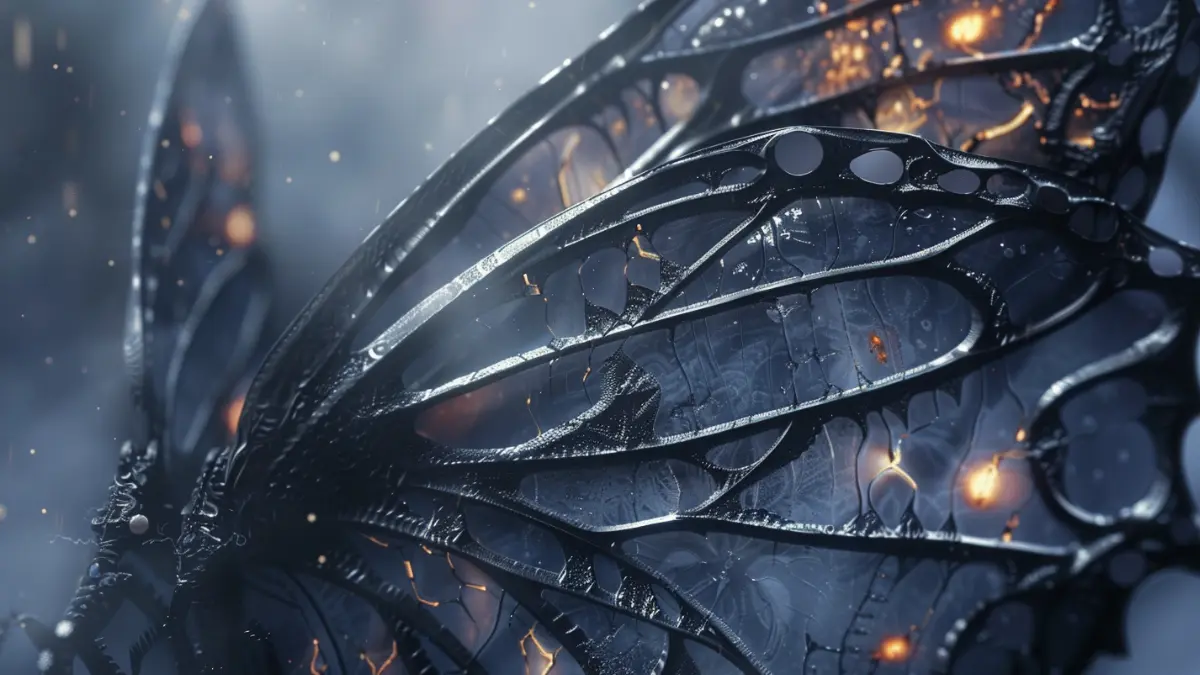
Itzpapalotl has one of the most striking appearances in Aztec mythology. She is often shown as a fearsome skeletal figure with wings lined in sharp obsidian blades, giving her the title “Obsidian Butterfly.” These wings symbolize both transformation and deadly power. In some depictions, her wings resemble bat wings or carry jagged, blade-like edges, reinforcing her connection to danger and warfare.
Her hands and feet feature jaguar claws, tying her to predatory strength and the night. In certain myths, she disguises herself as a beautiful woman to lure prey, then reveals her terrifying true form. This ability to shift between beauty and terror reflects her dual nature as both a deadly warrior and a divine mother.
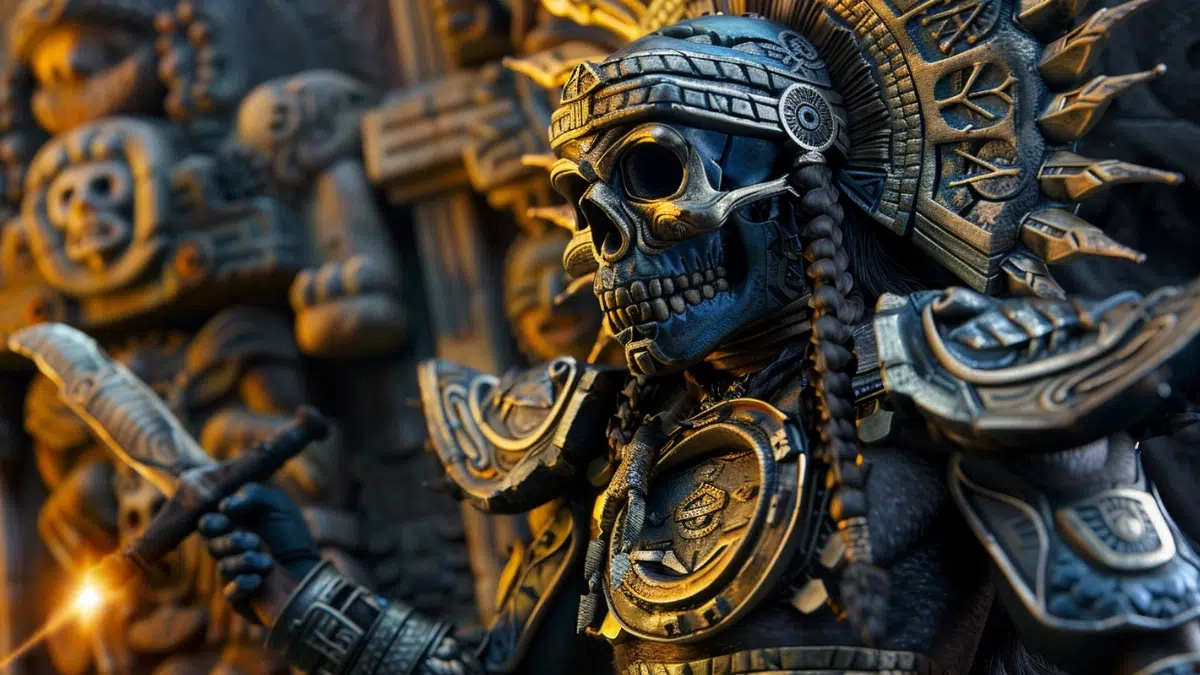
Itzpapalotl’s skeletal features link her to death and the underworld, but her butterfly aspect connects her to rebirth and transformation. In Aztec culture, butterflies often symbolized the souls of fallen warriors and women who died in childbirth, both of whom earned honour in the afterlife.
She also carries celestial symbolism through her role as a Tzitzimime leader, representing the dangerous yet powerful forces of the stars. Her appearance blends fearsome imagery with sacred meaning, making her a perfect embodiment of Aztec beliefs about life, death, and cosmic balance.
Roles and Influence of Itzpapalotl
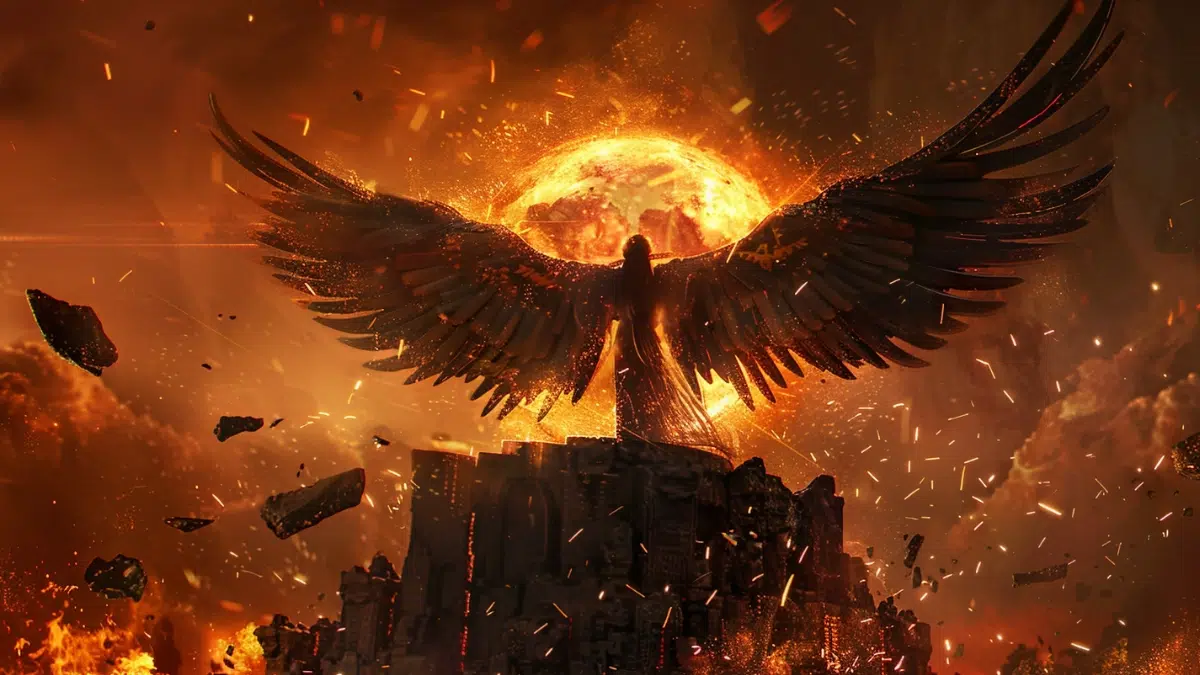
Itzpapalotl plays an active and complex role in Aztec belief, blending fearsome cosmic power with protective and nurturing qualities. She is most feared during solar eclipses, when the Tzitzimime—star demons she leads—were believed to descend and attack the earth. During these events, people performed rituals to appease her and ward off disaster, showing how deeply she influenced both religion and daily life.
She also holds authority over Tamoanchan, the paradise for infants and women who die in childbirth. This role elevates her as a protector of sacred souls and ties her directly to ideas of rebirth and honour. In Aztec culture, women who died giving birth were seen as warriors, making her both their guardian and symbol of valor.
Her warrior symbolism extends further through butterflies, which represent the spirits of fallen soldiers. Rituals often used butterfly imagery to honour the dead and invoke her transformative power. This duality—destruction during eclipses and renewal through death—shows how she bridges life’s opposing forces.
Depictions of Itzpapalotl in codices and temple art highlight her jagged obsidian wings and jaguar claws, reinforcing her fearsome role. Through myth and ritual, she stands as a powerful reminder of nature’s danger, divine protection, and the cycle of life and death central to Aztec belief.
Myths of Itzpapalotl
The Fall from Heaven: Leader of the Tzitzimime
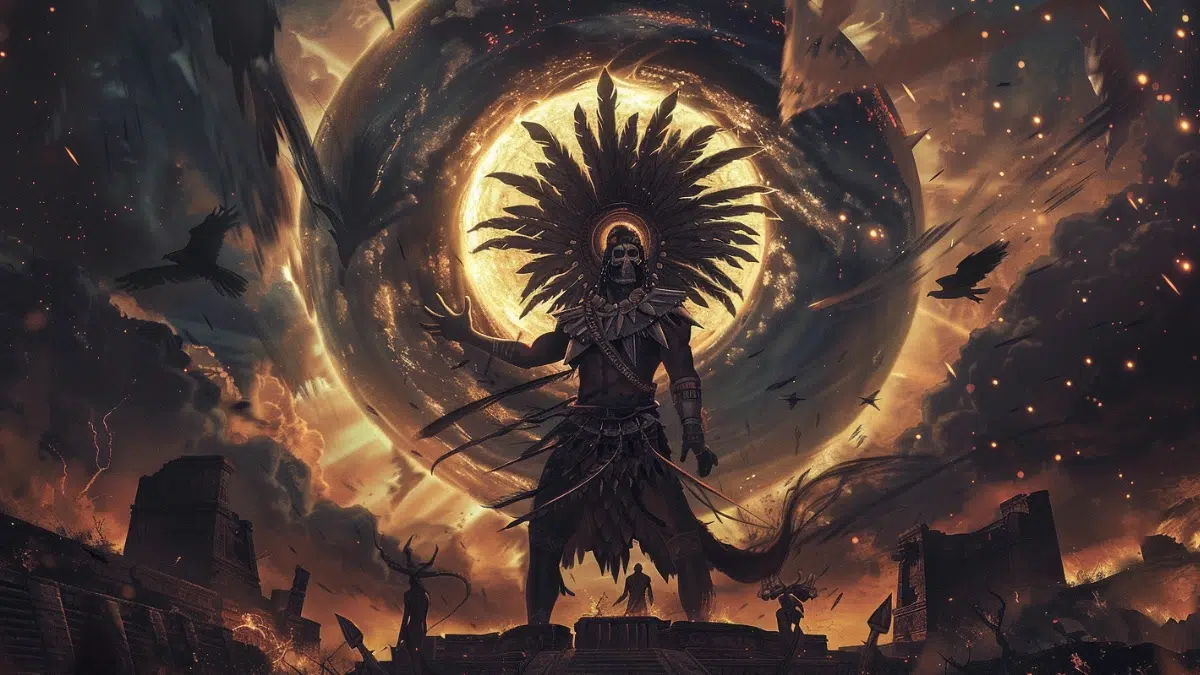
Itzpapalotl is most feared during solar eclipses, when she leads the Tzitzimime, celestial star demons. The Aztecs believed that during these rare moments, when the sun disappears, these fierce beings descend to earth to devour humans and plunge the world into chaos. Itzpapalotl, with her obsidian-edged wings and skeletal form, stands at the front of this terrifying army.
People feared eclipses as signs of cosmic imbalance, believing the Tzitzimime attacked the sun to destroy it. In these moments, priests performed urgent rituals, offering sacrifices to appease Itzpapalotl and protect the sun. Ordinary people banged drums, shouted, and created loud noises to scare away her demons.
This myth reflects her cosmic role as both destroyer and reminder of human dependence on divine balance. Despite her fearsome side, her power also ensures the continued movement of the heavens. Without her, eclipses—and the rituals they inspire—would lose their meaning.
Itzpapalotl’s leadership over the Tzitzimime ties her to the stars, death, and celestial danger. Yet, these same forces reinforce her importance: only through respecting her could the Aztecs restore harmony after an eclipse. Her myth shows how fear of destruction and reverence for divine power walked hand-in-hand in Aztec belief.
The Seduction and Devouring of Xiuhnel
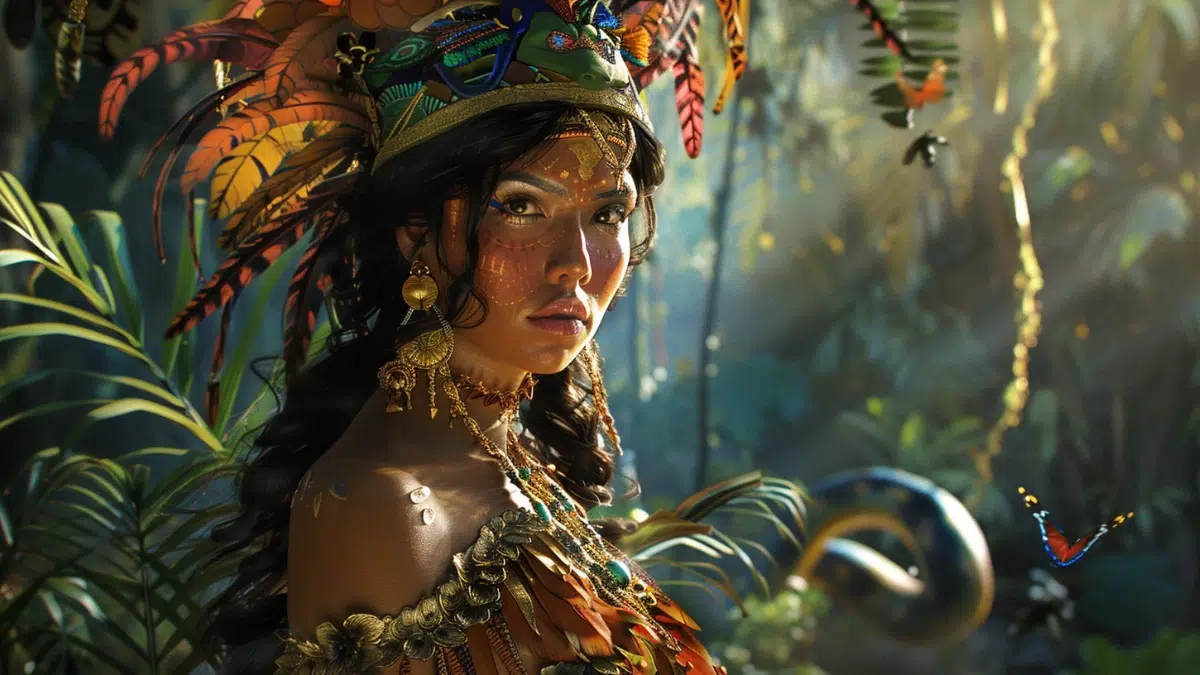
One of Itzpapalotl’s most vivid myths tells of her encounter with Xiuhnel, a cloud serpent god. Disguising herself as a stunning woman, she seduces Xiuhnel, luring him into her domain. When he surrenders to her charms, she reveals her true terrifying form: skeletal, winged, and armed with obsidian claws. With swift, deadly precision, she devours him, leaving only his bones behind.
This story showcases her dangerous duality. She embodies both beauty and death, using allure as a weapon. Her jaguar-like features and butterfly symbolism reinforce this theme of predation and transformation. Like a butterfly emerging from its cocoon, she shifts from graceful disguise to her fearsome, divine nature.
Aztec culture viewed this myth as a lesson about the peril hidden within temptation. It also tied Itzpapalotl to jaguar imagery, a symbol of night, hunting, and fierce predation. Through this tale, she is not only a warrior but also a cosmic predator, linked to both sky and earth.
This myth deepens her identity as a goddess who blurs the line between mortal fear and divine power. It warns of how beauty, when entwined with death, can transform both gods and humans alike in Aztec storytelling.
Guardian of Tamoanchan: Paradise of Lost Souls
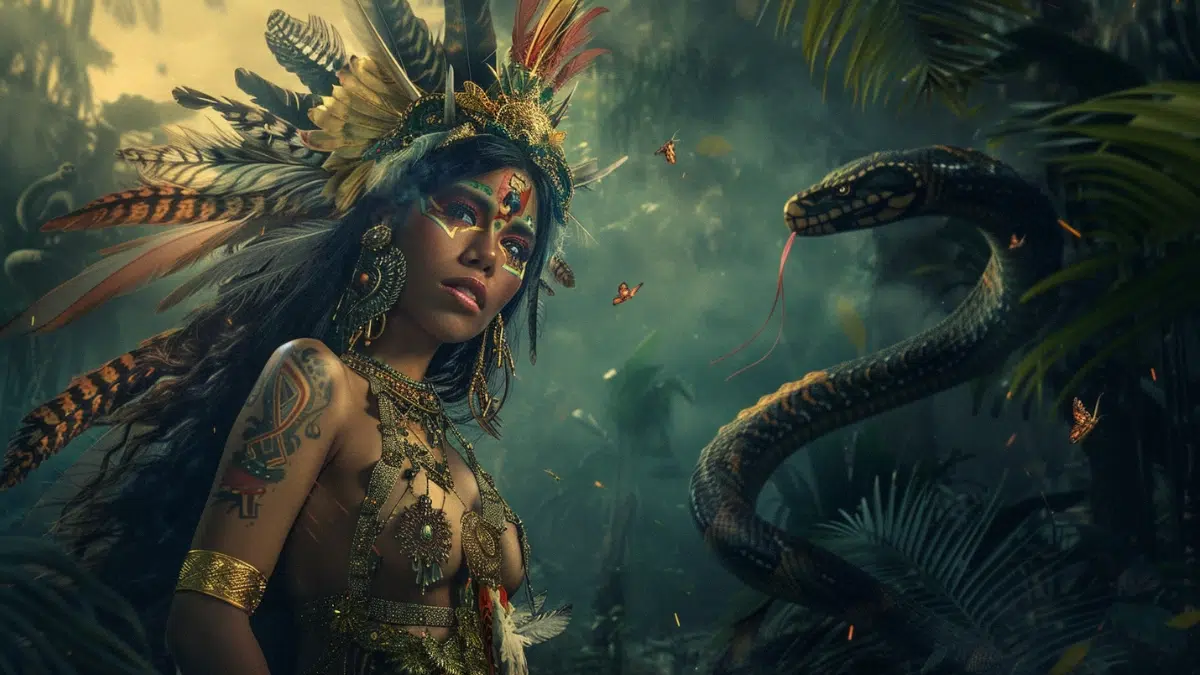
Beyond her fearsome myths, Itzpapalotl also serves a nurturing role. She rules Tamoanchan, a heavenly paradise reserved for infants who die young and women who perish in childbirth. In Aztec belief, women who die giving birth are honoured as warriors, their spirits as revered as those of fallen soldiers.
Within Tamoanchan, these souls find comfort under Itzpapalotl’s care. Here, she shifts from predator to guardian, guiding spirits and offering protection in a place free from pain and hardship. This paradise also connects to rebirth and renewal—the butterfly symbolism tied to her name reflects the belief that death leads to transformation.
Rituals honouring Itzpapalotl often involved offerings to ensure safe passage for these sacred souls. Her association with butterflies reinforces this link: butterflies symbolized both fleeting beauty and the souls of the honoured dead taking flight.
This myth highlights her dual nature—both feared and revered. She can lead star demons in eclipses yet also serve as a compassionate guide for the most vulnerable spirits. Through Tamoanchan, she represents the Aztec belief that death is not an end but a gateway to honour and renewal, placing her at the heart of their understanding of life and the afterlife.
Interesting Facts About Itzpapalotl
1. Her Name Symbolizes Danger and Transformation
The name Itzpapalotl means “Obsidian Butterfly,” combining sharp volcanic glass with the delicate image of a butterfly. Obsidian represents warfare, sacrifice, and danger, while butterflies symbolize transformation and the souls of the dead. This pairing shows her dual nature as both deadly and divine.
2. Linked to Solar Eclipses and Cosmic Fear
Itzpapalotl leads the Tzitzimime, feared star demons said to descend during solar eclipses. The Aztecs believed these events threatened the sun’s survival, so rituals and sacrifices were performed to appease her and restore balance. Her connection to eclipses tied her directly to cosmic order and celestial danger.
3. Guardian of Warrior Souls and Childbirth Spirits
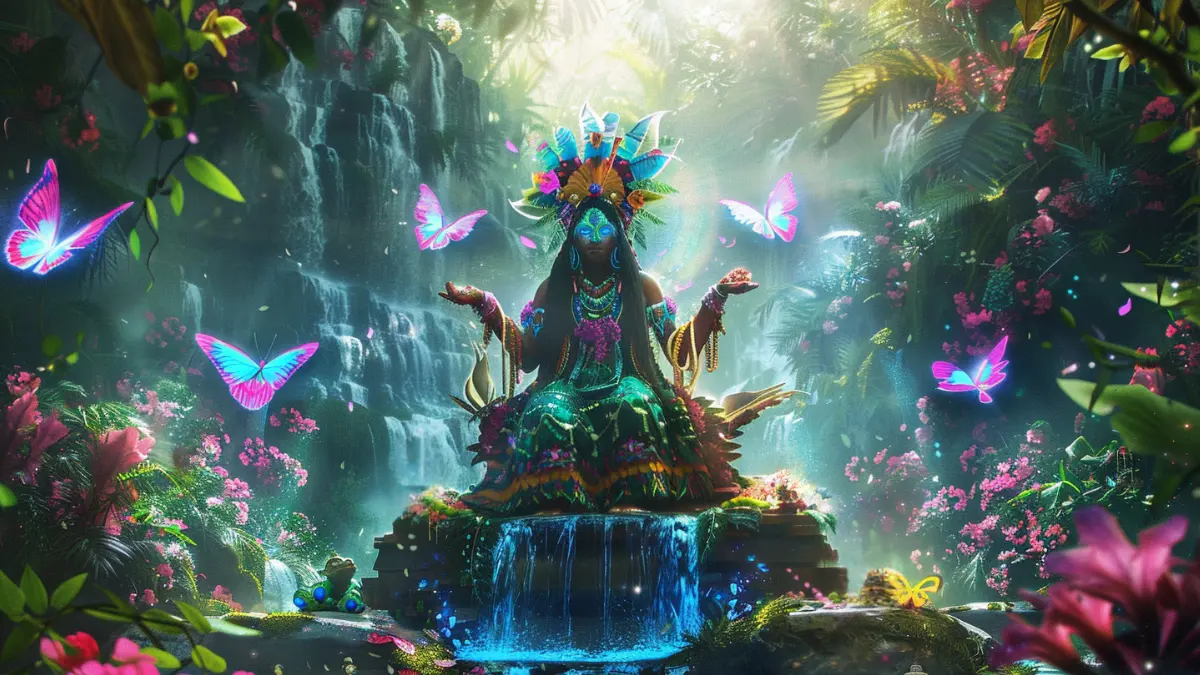
She rules Tamoanchan, a paradise for infants who die young and women who die in childbirth—both groups considered sacred warriors in Aztec culture. This role highlights her protective and maternal side, balancing her fearsome reputation.
4. Associated with the Rothschildia Orizaba Moth
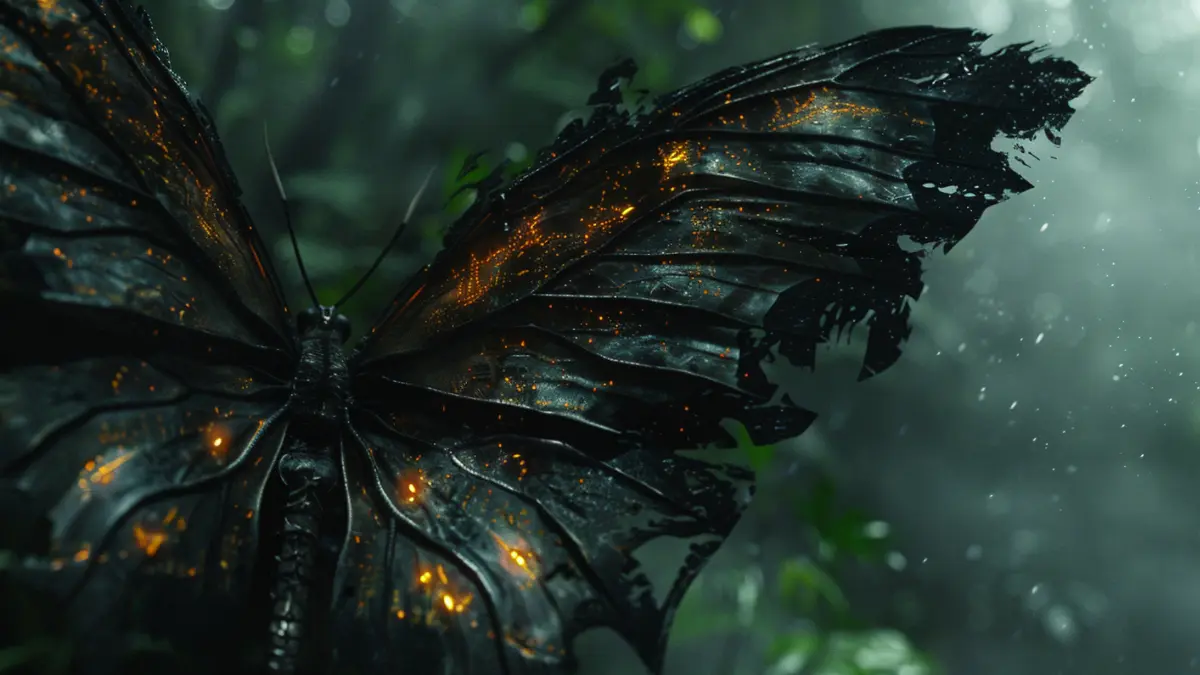
Some researchers link her imagery to the Rothschildia orizaba moth, a large species native to Mexico. Its jagged wing edges resemble obsidian blades, mirroring her depiction in Aztec codices and temple art.
5. Influence on Modern Culture
Itzpapalotl appears in literature, fantasy games, and art, symbolizing fierce feminine strength and duality. A volcanic peak in Mexico even bears her name, reflecting her lasting ties to obsidian and volcanic landscapes.
These facts show how Itzpapalotl blends fear, protection, and transformation. She remains one of the most compelling figures in Aztec mythology, embodying both life’s danger and the promise of renewal.
Conclusion
Itzpapalotl, the “Obsidian Butterfly,” stands out as one of the most powerful and complex figures in Aztec mythology. She embodies both fear and protection, blending the sharp edges of death with the gentle promise of rebirth. As leader of the Tzitzimime during eclipses, she represents cosmic danger and the fragile balance between humans and the gods. Yet, as guardian of Tamoanchan, she cares for the souls of infants and women who die in childbirth, showing her nurturing side.
Her myths—ranging from terrifying seduction to celestial battles—reveal a goddess who commands respect and awe. Her obsidian wings and butterfly symbolism remind us that in Aztec belief, death was not only an ending but also a transformation.
Even today, her image endures in art, culture, and the landscapes of Mexico. Itzpapalotl continues to fascinate because she embodies duality: beauty and danger, destruction and renewal. Through her stories, we see how Aztec mythology weaves life and death into one unbroken cycle, where even the most fearsome deities hold the promise of protection and transformation.