
Ulster Cycle: Myths of Cú Chulainn During Ireland’s Iron Age
Introduction to the Celtic Ulster Cycle
The Four Cycles of Irish Myths
Mythological Cycle
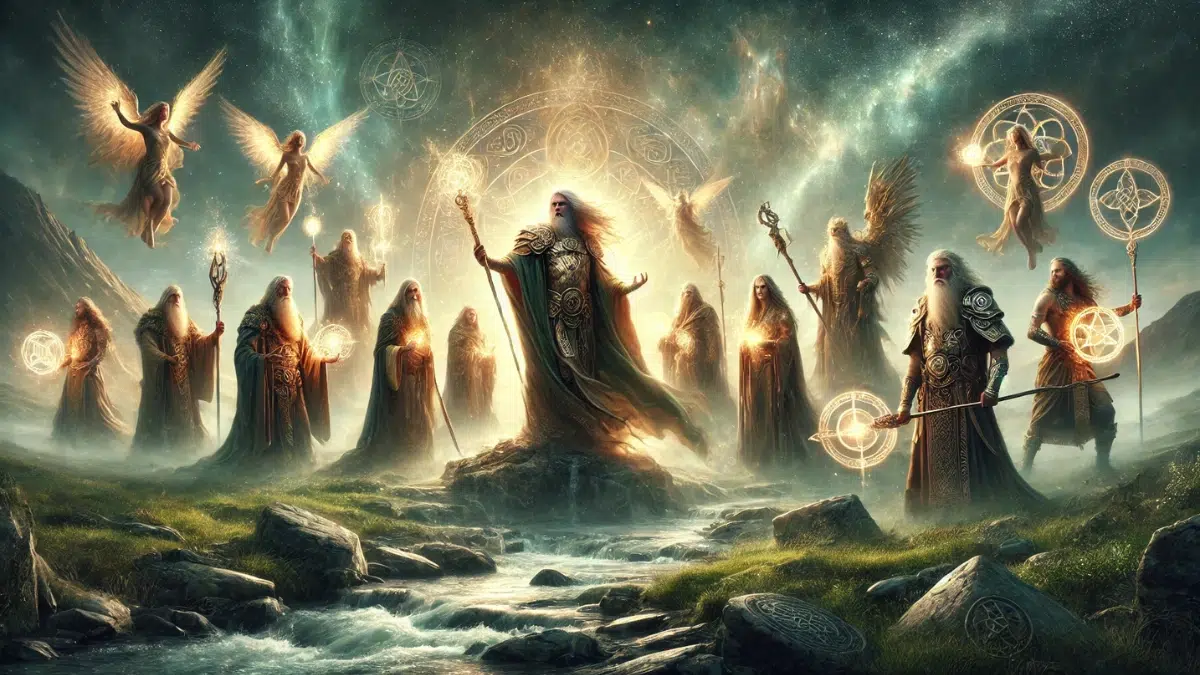
The Mythological Cycle tells stories about Ireland’s gods and its first inhabitants. These myths explain the origins of the Irish people and their connection to the divine. The Tuatha Dé Danann, a magical race with incredible powers, feature prominently. Key tales describe battles between the Tuatha Dé Danann and their enemies, the Fomorians. These stories focus on themes like creation, magic, and the fight to balance light and darkness.
The myths in this cycle are the oldest, dating to Ireland’s pre-Christian Celtic era (about 1000 BCE–300 CE). They come from oral traditions and reflect early Irish beliefs about the cosmos and divine power. Christian monks recorded many of these stories during the Middle Ages, blending them with Christian symbolism.
Ulster Cycle
The Ulster Cycle features heroic stories of warriors, loyalty, and intense battles. It centres on Cú Chulainn, a brave and skilled fighter. These tales happen in the kingdom of Ulster, focusing on dramatic conflicts and personal sacrifices. One famous story, The Cattle Raid of Cooley, tells of Queen Medb’s quest for a prized bull and Cú Chulainn’s defence of Ulster. Themes of bravery, honour, and loyalty define this cycle.
This cycle reflects the Iron Age (about 400 BCE–400 CE) and highlights a society led by warriors. It preserves Celtic traditions through characters and events in northern Ireland, especially around Armagh. Written versions, like those in The Book of Leinster (12th century), capture these oral traditions.
Fenian Cycle
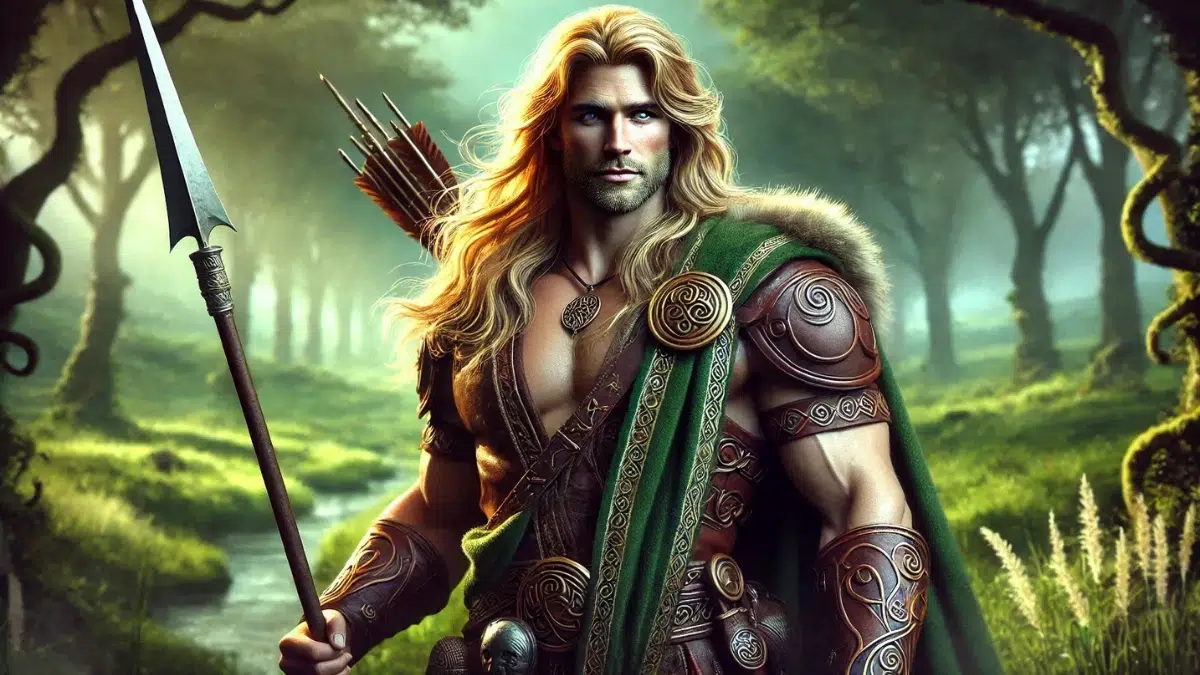
The Fenian Cycle focuses on Fionn mac Cumhaill and the Fianna, his loyal band of warriors. These stories highlight loyalty, courage, and adventure. Fionn’s wisdom and leadership stand out as the Fianna protect Ireland and tackle supernatural challenges. Tales like The Pursuit of Diarmuid and Gráinne weave love, loyalty, and betrayal into their narratives. This cycle often explores the bonds between humans and nature.
These myths come from the early medieval period (about 300–900 CE) and focus on Leinster and Munster in southern Ireland. They include adventure and romance, a shift from the warlike Ulster Cycle. Stories like The Acallam na Senórach (12th century) preserve these myths while adding Christian elements.
Historical Cycle
The Historical Cycle, also called the Cycle of Kings, tells stories about Ireland’s legendary rulers. These myths blend historical accounts with legendary elements, exploring kingship, justice, and destiny. Famous tales like The Story of Cormac mac Airt and The Tragic Tale of Conaire Mór highlight themes of leadership and the costs of breaking sacred laws.
These myths date to the early medieval period (about 300–1200 CE). They connect Ireland’s legendary kings to heroic or divine ancestry. The stories often centre on the High Kingship at Tara and aim to link Ireland’s history with its mythology. This cycle highlights leadership, power, and the lasting impact of great rulers.
Ulster Cycle Myths
Centred on the hero Cú Chulainn and the kingdom of Ulster, this cycle highlights themes of heroism, loyalty, and warfare. It features dramatic tales of battles and personal sacrifice.
The Birth of Cú Chulainn
Cú Chulainn, one of Ireland’s greatest heroes, begins life as Setanta. His story reveals strength, bravery, and destiny. Setanta grows up in the kingdom of Ulster, where tales of warriors and battles inspire him. As a child, he shows incredible skill and courage, earning admiration from Ulster’s leaders.
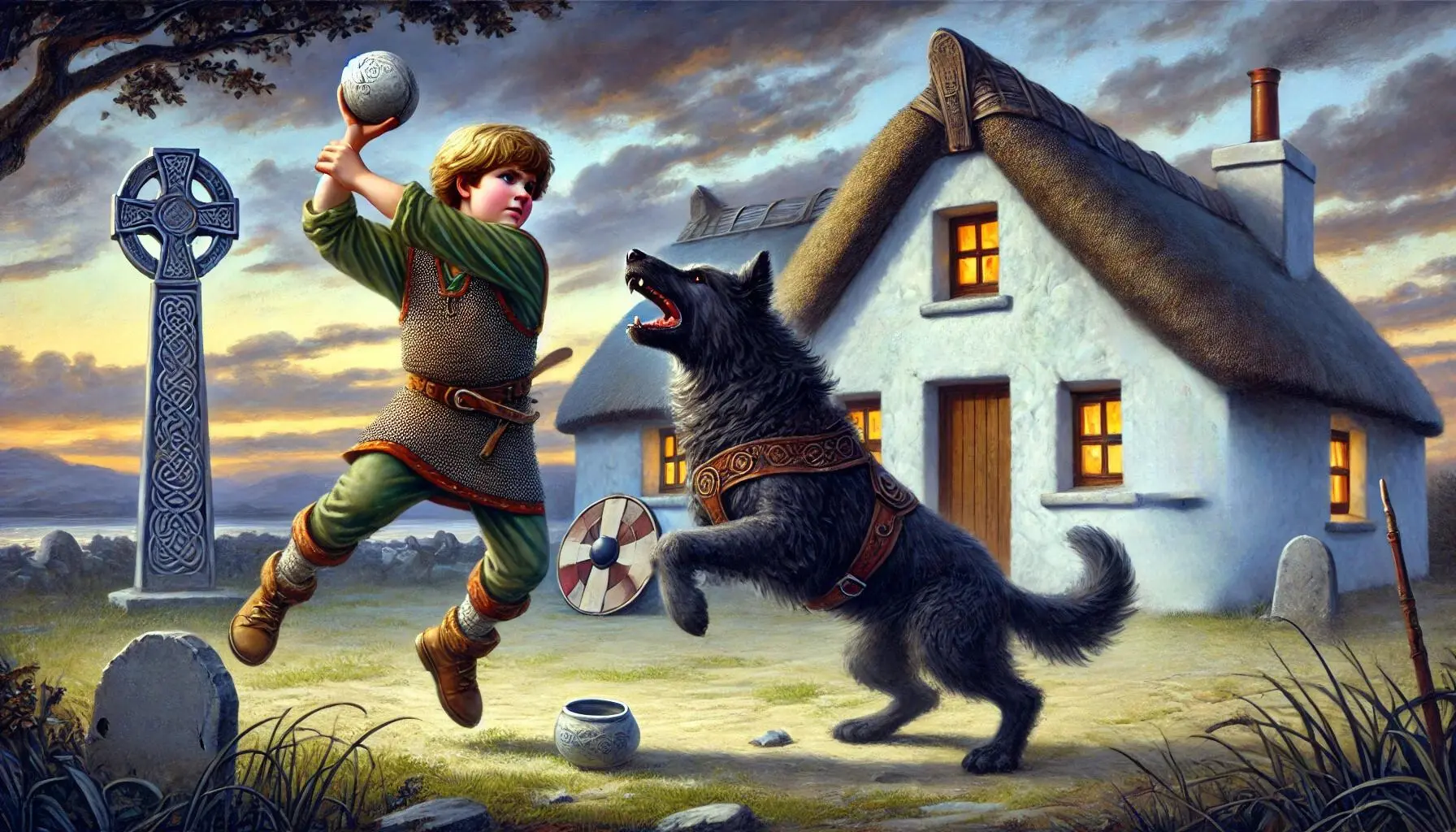
One key moment in his story occurs when Setanta visits a feast hosted by Culann, a wealthy smith. Setanta plays a game with other boys and arrives late to the feast. Not knowing Setanta is still outside, Culann releases his fierce guard dog to protect the house. The dog attacks Setanta, who defends himself with a hurley stick and ball. He kills the dog with one blow, saving himself and the guests inside.
Feeling remorse for killing Culann’s prized hound, Setanta promises to replace it. He offers to protect Culann’s home until a new guard dog is trained. This act earns him the name Cú Chulainn, meaning “Hound of Culann.”
The story of Cú Chulainn’s birth highlights his courage, quick thinking, and sense of honour. It sets the stage for his journey as a legendary warrior of the Ulster Cycle. His name and deeds continue to inspire tales of heroism in Irish mythology.
The Boyhood Deeds of Cú Chulainn
The boyhood deeds of Cú Chulainn reveal his extraordinary courage, strength, and quick thinking from an early age. Even as a young boy, Cú Chulainn amazes the people of Ulster with his unmatched abilities.
One famous story tells how Cú Chulainn, eager to prove himself, travels alone to join the Red Branch Knights, the elite warriors of Ulster. Along the way, he faces dangerous challenges but refuses to give up. When he arrives, he impresses the warriors by defeating several boys in a game of hurling. His skills, bravery, and determination earn him a place among Ulster’s finest fighters.
In another tale, Cú Chulainn defends Ulster from an attack while the warriors sleep under a magical spell. He single-handedly protects the kingdom, using his speed and strength to defeat the enemy. This act earns him great respect and solidifies his place as Ulster’s champion.
The boyhood deeds of Cú Chulainn also include the first display of his ríastrad, or “battle frenzy.” When angered, his body transforms, giving him superhuman strength. This power makes him unstoppable in battle but difficult to control.
These stories highlight Cú Chulainn’s early rise as a hero. They set the foundation for his legendary status in the Ulster Cycle. His deeds inspire tales of bravery and loyalty that continue to captivate audiences.
The Curse of Macha (The Pangs of Ulster)
The Curse of Macha explains the tragic weakness that strikes Ulster’s warriors during times of crisis. This curse connects to the goddess Macha, a powerful figure associated with sovereignty and protection. The story begins with Macha’s arrival in Ulster, disguised as a mortal woman.
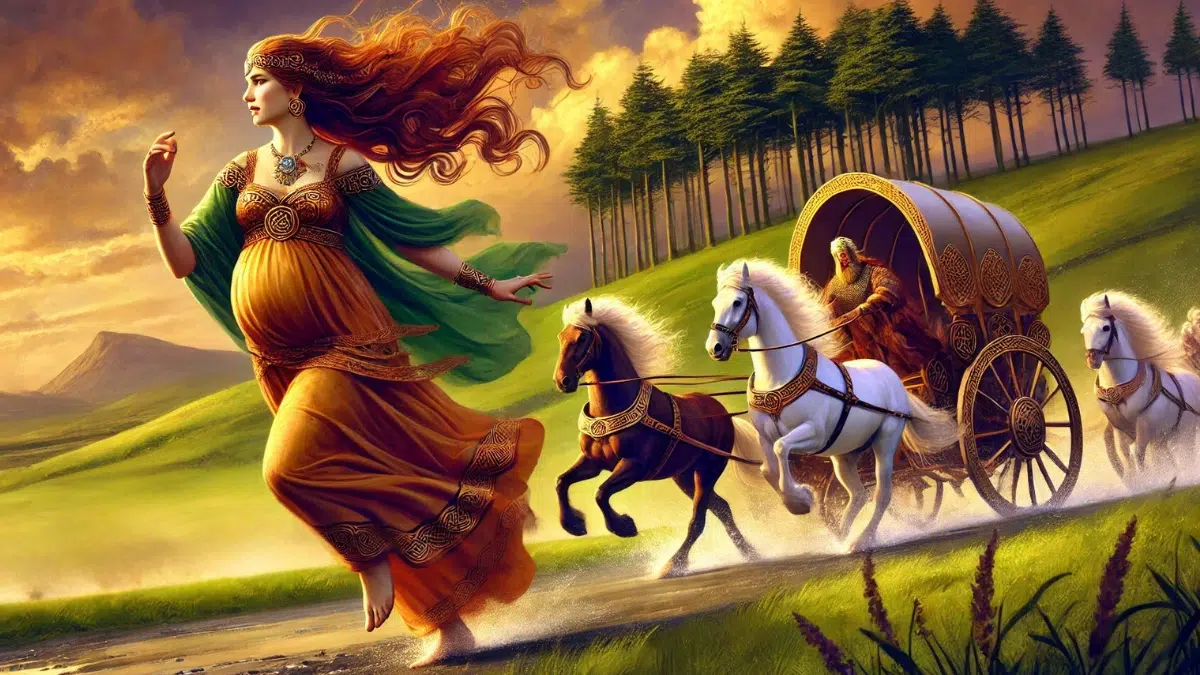
Macha lives with a farmer and brings prosperity to his home. Her beauty and strength attract attention, and she marries a man named Crunniuc. During a festival, Crunniuc boasts that Macha can outrun the king’s fastest horses. The king demands proof, forcing Macha to race against his chariot. Macha agrees but warns the king of the consequences.
Macha, heavily pregnant, wins the race despite her pain. After crossing the finish line, she collapses and gives birth to twins. In her anger, she curses the men of Ulster. She declares that during times of great need, they will feel the same pangs of weakness she endured.
The curse leaves Ulster’s warriors defenceless for days whenever enemies attack. This weakness creates challenges for Ulster and sets the stage for many stories in the Ulster Cycle, including The Cattle Raid of Cooley.
The Curse of Macha highlights themes of injustice, pride, and the consequences of cruelty. It reminds audiences of the importance of compassion and respect for others.
The Cattle Raid of Cooley (Táin Bó Cúailnge)

The Cattle Raid of Cooley stands as one of the most famous stories in the Ulster Cycle. It tells the tale of Queen Medb of Connacht and her quest to steal the prized Brown Bull of Cooley. Medb wants the bull to equal the wealth of her husband, King Ailill, and prove her superiority.
Medb gathers a massive army to invade Ulster and claim the bull. However, the men of Ulster cannot defend their land because of the Curse of Macha, which leaves them weakened. Only Cú Chulainn, Ulster’s young champion, can fight. He faces Medb’s army alone, using his incredible strength and skill to delay their advance.
Cú Chulainn challenges the enemy warriors to single combat, defeating each one in turn. His heroic efforts protect Ulster while its warriors recover. Despite Cú Chulainn’s bravery, Medb’s army eventually captures the bull. However, the story ends with tragedy as the Brown Bull fights Medb’s White-Horned Bull, leaving both animals dead.
This tale highlights themes of pride, loyalty, and sacrifice. It celebrates Cú Chulainn’s unmatched courage and his willingness to defend Ulster against impossible odds. The Cattle Raid of Cooley remains a powerful story of heroism and the challenges of war in Irish mythology.
Deirdre of the Sorrows
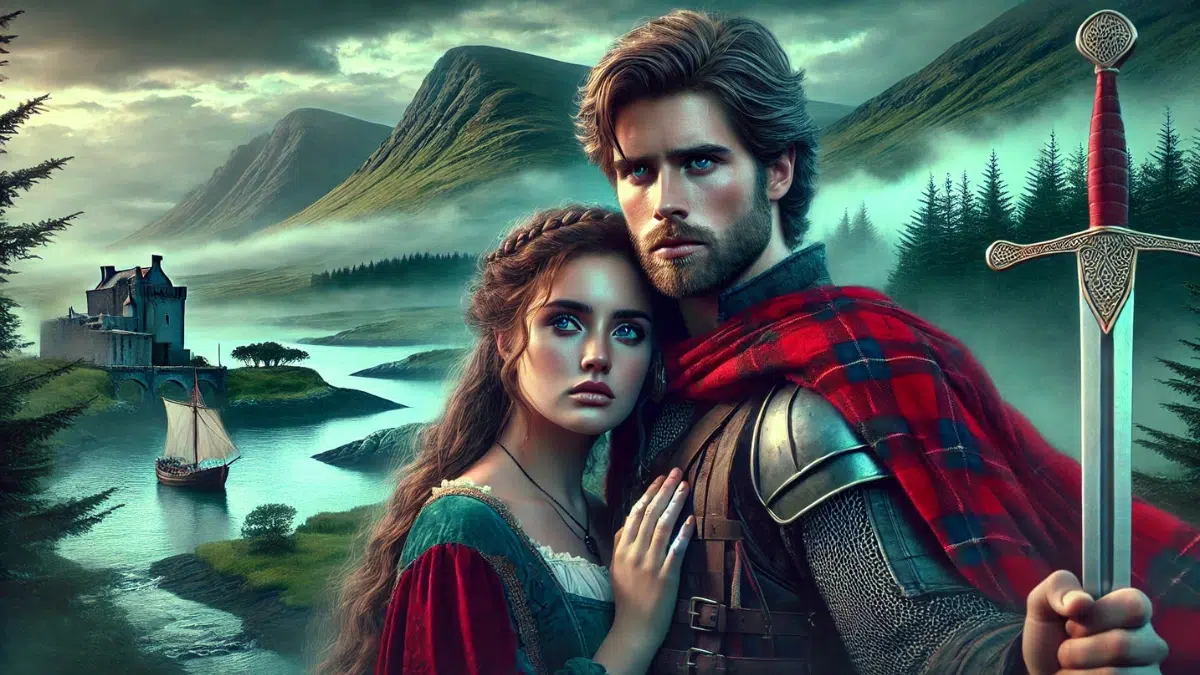
The story of Deirdre of the Sorrows is one of the most tragic tales in Irish mythology. Deirdre, known for her incredible beauty, becomes a symbol of love, fate, and loss. Her tale begins with a prophecy at her birth, predicting that her beauty will bring great conflict and sorrow to Ulster.
King Conchobar of Ulster decides to raise Deirdre in isolation so she can later marry him. However, Deirdre falls in love with Naoise, a handsome warrior of the Red Branch Knights. Unable to stay apart, Deirdre and Naoise escape with his brothers and seek refuge in Scotland. There, they live peacefully until Conchobar tricks them into returning to Ulster.
Conchobar pretends to forgive them but betrays Naoise and his brothers. He orders their deaths, leaving Deirdre heartbroken. Forced to return to Conchobar’s court, Deirdre refuses to accept her fate. In her grief, she takes her own life, ensuring she will never belong to the king.
Deirdre’s story explores themes of love, betrayal, and the consequences of unchecked power. It warns against selfishness and highlights the importance of honour and loyalty. Known as one of Ireland’s greatest tragedies, Deirdre of the Sorrows continues to inspire reflection on the complexities of human emotion and destiny.
The Death of Cú Chulainn
The Death of Cú Chulainn tells the heroic but tragic end of Ireland’s greatest warrior. As the champion of Ulster, Cú Chulainn faces many challenges, but his courage never wavers. His final battle takes place during a time of betrayal and overwhelming odds.
Enemies of Ulster unite to destroy Cú Chulainn and his kingdom. Knowing he cannot avoid his fate, Cú Chulainn prepares for his final stand. He refuses to hide and chooses to face his enemies with honour and bravery. Despite being outnumbered, he fights fiercely, using all his strength and skill.
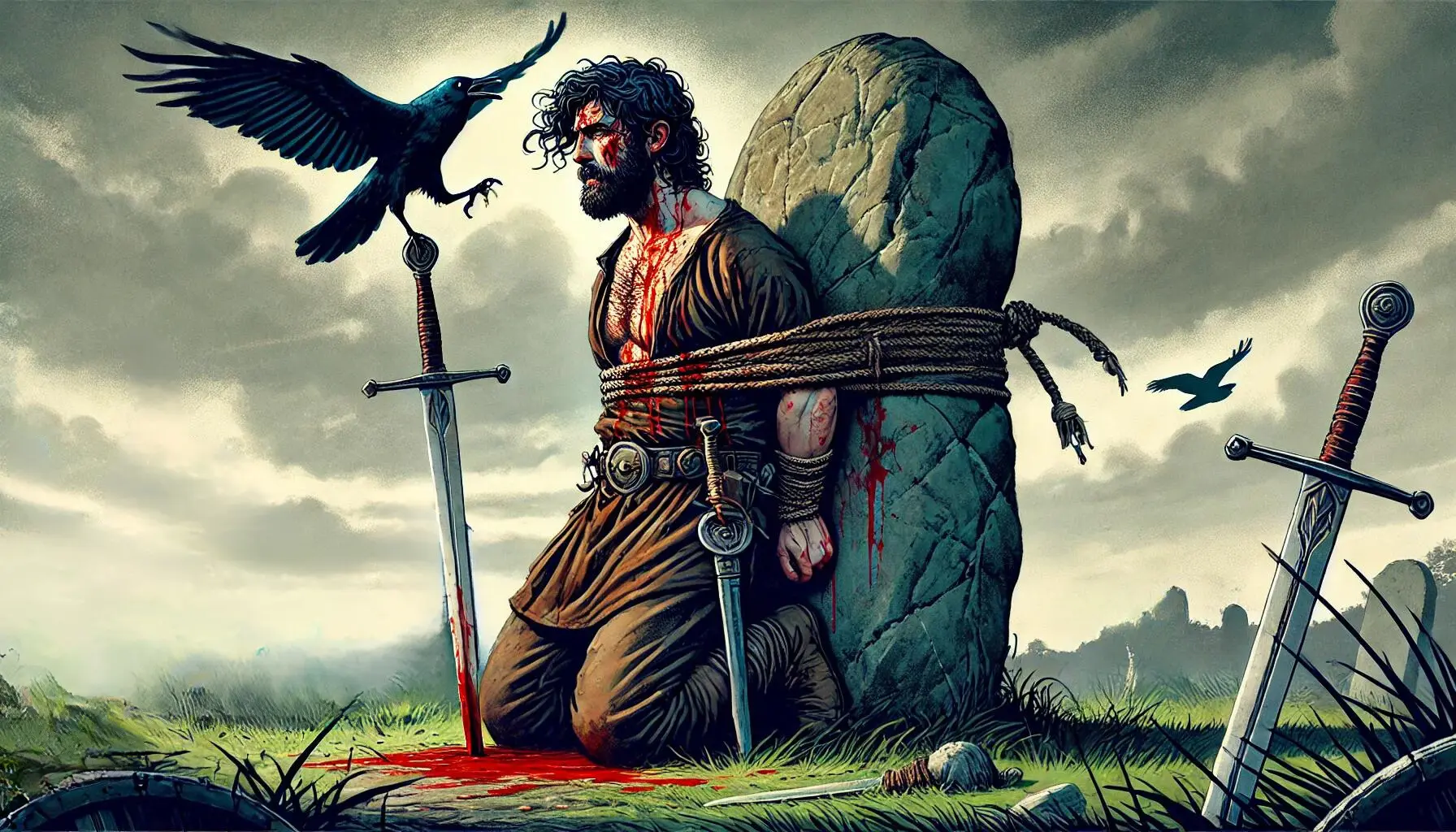
During the battle, a spear strikes Cú Chulainn, severely wounding him. Determined not to die on the ground, he ties himself to a standing stone so he can face his enemies even in death. His enemies fear approaching him until a raven lands on his shoulder, signalling that he has passed.
Even in death, Cú Chulainn inspires awe and respect. His story highlights themes of honour, loyalty, and the strength to face destiny with courage. The Death of Cú Chulainn remains a powerful reminder of the sacrifices heroes make for their people. His legend continues to symbolise bravery and the enduring spirit of Ireland.
Conclusion to the Celtic Ulster Cycle
The Ulster Cycle captures the spirit of a warrior society, highlighting themes of courage, loyalty, and sacrifice. These stories reflect the values of ancient Ireland, where strength and honour shaped leadership and community. They explore the struggles of heroes like Cú Chulainn, who defend their people against impossible odds.
The tales from this cycle continue to inspire because they reveal timeless lessons about bravery and personal responsibility. They celebrate loyalty to family, friends, and the greater good, showing the importance of standing firm in the face of challenges.
The Ulster Cycle also preserves the cultural traditions of Celtic chieftains and their warrior class. These myths connect modern audiences to Ireland’s rich history and mythology. Written versions, like those in The Book of Leinster, help keep these powerful stories alive.
By sharing these myths, we honour the strength and legacy of Ireland’s heroic past. The Ulster Cycle remains a treasure of storytelling, offering lessons and inspiration for all generations.