
Hermes: Greek God of Speed, Trickery, and Messages
Hermes is one of the most fascinating gods in Greek mythology. He is the god of speed, travel, and messages. The Greeks believed Hermes moved quickly between the heavens, Earth, and the underworld. His role was to carry messages between gods and help humans with trade, travel, and luck.
Hermes is also a trickster. He loves playing pranks and bending the rules. Unlike serious gods like Zeus or Hades, Hermes enjoys fun and mischief. He is also a guide for lost souls, leading them safely to the afterlife.
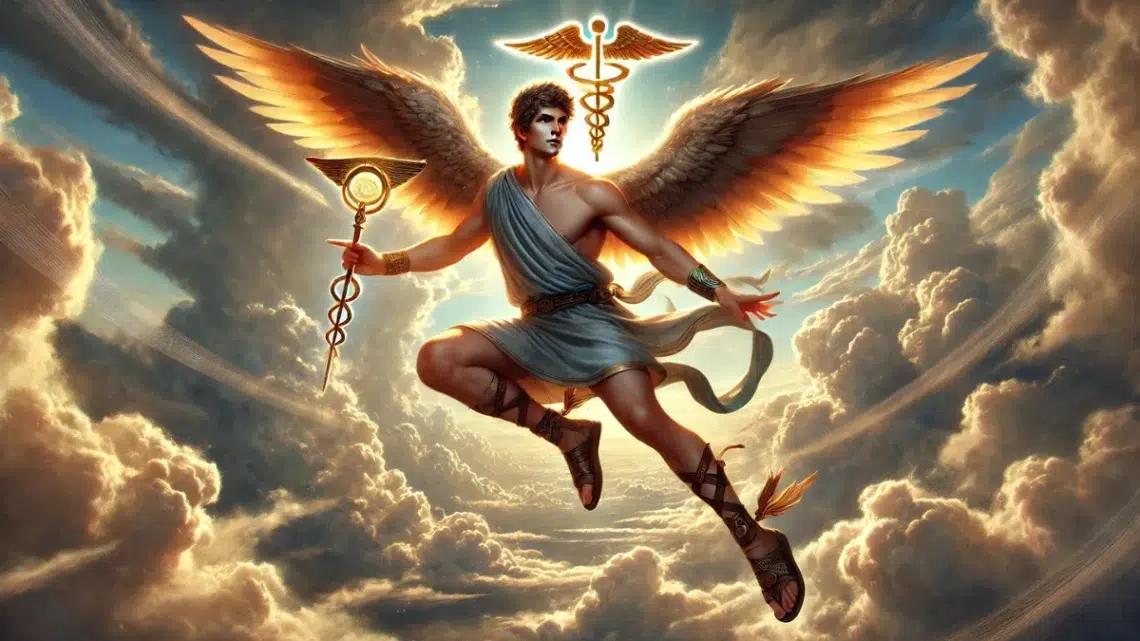
Because he is always moving, Hermes is rarely still. The Greeks pictured him with winged sandals, which let him fly anywhere. Some stories also say he wears a winged hat and carries a magic staff called the caduceus.
People worshipped Hermes for many reasons. Merchants prayed to him for success in trade. Travelers asked for protection on long journeys. Even thieves admired him for his clever tricks. Hermes is one of the most helpful gods, always on the move to assist those in need.
Parents and Family of Hermes Greek God

Hermes is the son of Zeus, the king of the gods, and Maia, a mysterious and quiet goddess. Maia is one of the Pleiades. The Pleiades are a group of seven nymphs and daughters of the Titan Atlas. She lives in a hidden cave on Mount Cyllene in Arcadia, far from the busy world of Olympus.
Zeus visits Maia in secret, and Hermes is born in her cave.
Unlike other gods who grow slowly, Hermes is clever and active from the start. He starts exploring the world right after birth, showing his quick-thinking and mischievous nature.
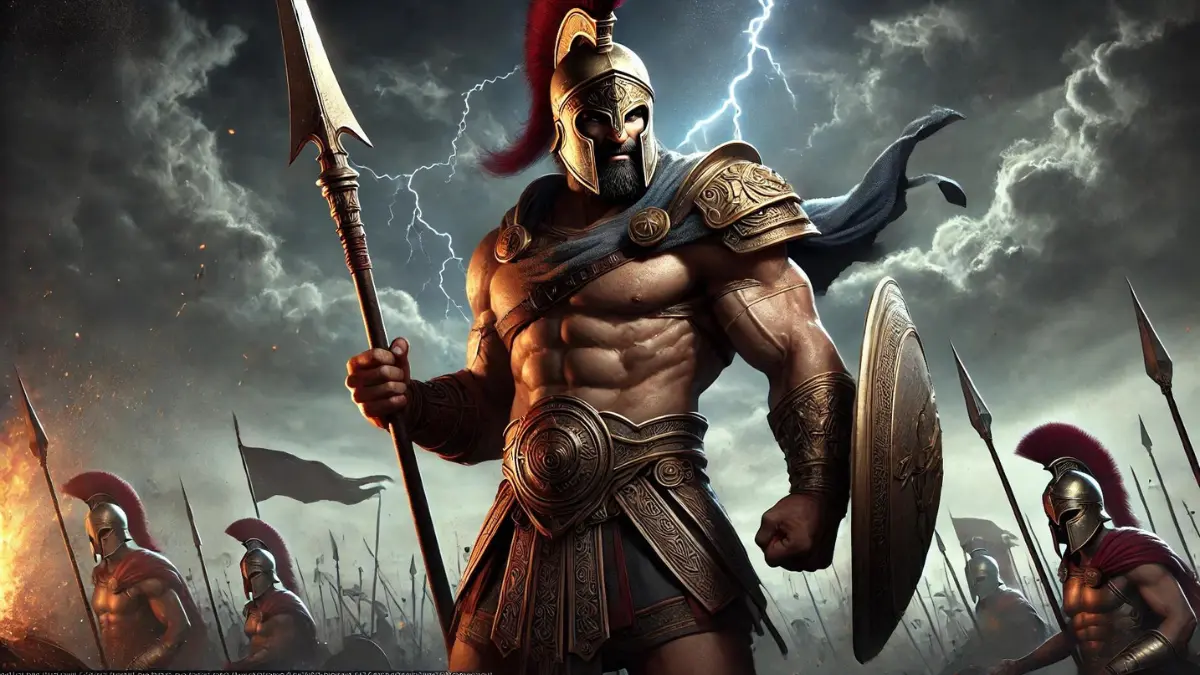
Hermes has many powerful siblings. His half-brother Apollo is the god of music, prophecy, and the sun. Another sibling, Ares, is the fierce god of war. Athena, the goddess of wisdom, is also his half-sister. Despite their differences, Hermes and Apollo share a close bond.
As the messenger of the gods, Hermes moves between Mount Olympus, Earth, and the underworld.
He carries news from Zeus to other gods and mortals. Because of this, he has strong connections to many Olympians. Hera, Zeus’s wife, does not always trust him because of his tricky nature, but most gods respect his skills.
Hermes also helps guide souls to the afterlife, working closely with Hades, the ruler of the underworld. Unlike other gods, he is welcome in all three realms—heaven, Earth, and the underworld. This makes him one of the most unique and versatile gods in Greek mythology.
Symbols and Special Powers of Hermes Greek God

Hermes is one of the most recognizable gods in Greek mythology. His symbols show his speed, intelligence, and ability to travel between worlds. Each item he carries has a special meaning and power.
Winged Sandals (Talaria)
Hermes wears winged sandals called talaria. These golden sandals allow him to move faster than any other god. They help him fly over mountains, oceans, and even into the underworld. Because of them, he can deliver messages and help mortals in an instant.
Winged Helmet (Petasos)
Hermes sometimes wears a winged helmet, known as a petasos. It makes him even faster and helps him stay hidden when he doesn’t want to be seen. Some myths say the helmet gives him the power of invisibility, letting him sneak past enemies or trick the gods.
Caduceus – The Magic Staff
One of Hermes’ most famous symbols is the caduceus, a golden staff with two snakes wrapped around it. Some stories say Apollo gave it to him as a gift. The caduceus represents peace, balance, and trade. Many people today mistake it for a medical symbol, but in Greek mythology, it is more about communication and diplomacy.
The Power of Speech and Trickery
Hermes is a master of words, persuasion, and deception. He can talk his way out of trouble and convince gods and mortals to listen to him. He is also the protector of thieves, merchants, and travelers. Because of this, people see him as both a helpful guide and a mischievous trickster.
Hermes is one of the few gods who can travel between Mount Olympus, Earth, and the underworld without restrictions. This makes him a messenger, a guide for lost souls, and a powerful negotiator among the gods.
Interesting Myths About Hermes Greek god

Hermes appears in many Greek myths, often as a clever and mischievous god. He plays tricks, helps heroes, and even invents new things. Here are three of his most famous stories.
Myth: The Baby Thief – Stealing Apollo’s Cattle
On the day Hermes is born, he crawls out of his mother’s cave and starts causing trouble. He finds a herd of sacred cattle belonging to Apollo and decides to steal them. To hide his tracks, he makes the cows walk backward so their footprints point in the wrong direction.
Apollo eventually tracks down Hermes and demands his cattle back.
Instead of getting angry, Hermes plays innocent and offers a gift, as a way to avoid punishment. He comes across a tortoise near his mother’s cave and gets an idea.
Hermes hollows out the tortoise’s shell and stretches cow gut strings across it. He plucks the strings and creates the first lyre, a beautiful musical instrument. When Apollo catches Hermes, he is ready to punish him, but Hermes plays the lyre, and its music amazes Apollo.
Apollo loves the music so much that he forgives Hermes and trades the cattle for the lyre.
Instead of staying angry, Apollo trades the cattle for the lyre, making Hermes the first god of music. From then on, the lyre becomes one of Apollo’s symbols, but Hermes remains known as its inventor.
Myth: Hermes Rescues Ares from the Aloadae Giants
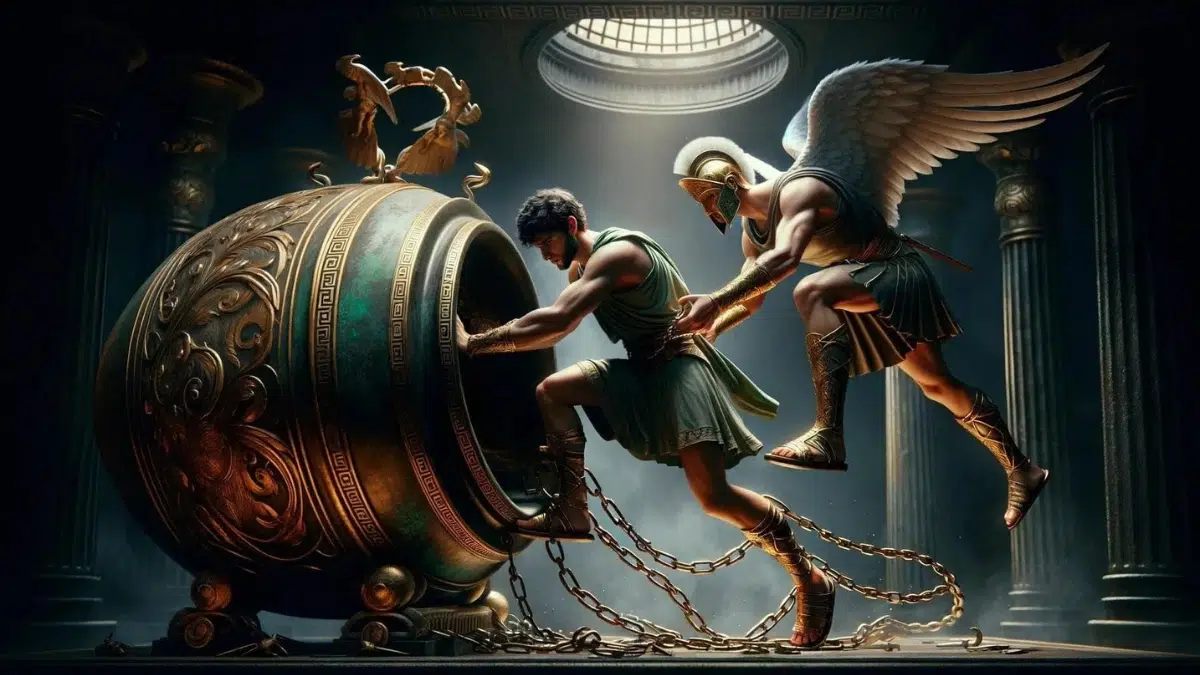
The Aloadae, twin giants Otus and Ephialtes, were incredibly strong and wanted to overthrow the Olympian gods. They managed to trap Ares, the god of war, in a bronze jar (or cauldron) for thirteen months. The giants kept him imprisoned to weaken him, preventing him from causing war.
While trapped, Ares suffered greatly, unable to escape on his own. The goddess Eris (Strife), or in some versions, his stepmother Hera, noticed his absence. She alerted Hermes, the fastest and most cunning of the gods.
Using his speed and intelligence, Hermes would sneak past the giants, unlock the jar, and free Ares without being caught. This act showed Hermes’ ability to outsmart powerful enemies and rescue even the strongest gods when needed.
Myth: Ares and Aphrodite Caught in Hephaestus’ Trap

Aphrodite, the goddess of love, was married to Hephaestus, the god of blacksmiths. However, she had a secret love affair with Ares, the god of war. Hephaestus suspected the affair, so he crafted an unbreakable golden net and set a trap in their bed.
One day, Ares and Aphrodite met in secret, unaware of the trap. As soon as they lay together, the net sprang shut, capturing them. Hephaestus then called all the gods to witness their humiliation.
Hermes, along with Apollo and Poseidon, was among those who watched and laughed at the scene. Some versions of the myth say that Hermes joked with Apollo, saying he wouldn’t mind being caught in a trap himself—as long as Aphrodite was with him!
In the end, Poseidon convinced Hephaestus to release Ares and Aphrodite, but the affair remained one of the most famous love scandals in Greek mythology.
Myth: Helping Odysseus with a Magical Herb
During Odysseus’ journey home from Troy, he and his crew stop on the island of the witch Circe. Circe uses magic to turn men into animals, and Odysseus’ crew falls into her trap.
Hermes comes to warn Odysseus before he reaches Circe’s palace. He gives Odysseus a special herb called moly, which protects him from her spells. Thanks to Hermes, Odysseus resists Circe’s magic and forces her to free his men. This allows them to continue their journey safely.
Myth: The Guide to the Underworld

Hermes is not just a messenger but also a psychopomp—a guide for souls. When people die, he leads their spirits to the underworld, making sure they reach Hades’ realm safely. Unlike other gods, Hermes moves freely between the living world and the land of the dead.
This role makes him one of the kindest gods, helping lost souls on their journey. Because of this, some Greeks would pray to Hermes for a peaceful passage to the afterlife.
Similar Gods in Other Mythologies

Many cultures have gods like Hermes—messengers, tricksters, or guides between worlds. Here are three gods from other mythologies that share similarities with Hermes.
1. Mercury – The Roman Equivalent of Hermes Greek god
The Romans worshipped Mercury, a god almost identical to Hermes. He had winged sandals, a winged helmet, and a caduceus. Like Hermes, he was the god of messages, trade, and travel.
Roman merchants prayed to Mercury for good business. He was also known as a trickster, just like Hermes. The main difference is that Mercury became even more connected to commerce and money in Roman culture.
2. Loki – The Norse Trickster God
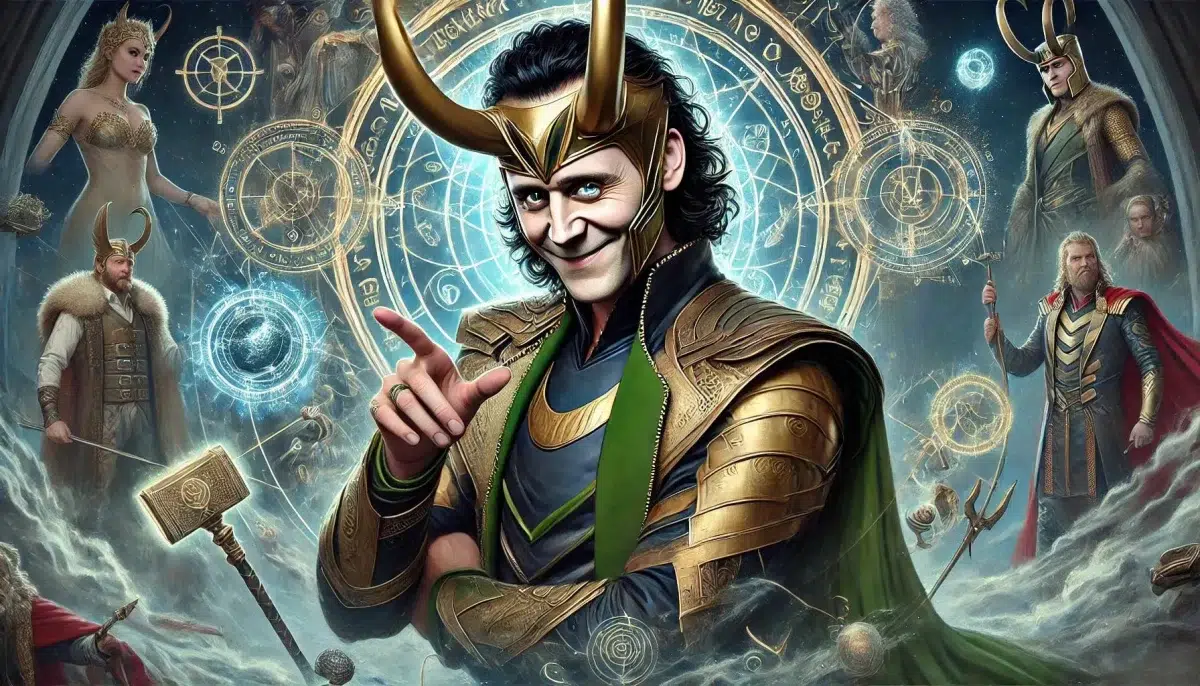
In Norse mythology, Loki is the closest match to Hermes. He is a shapeshifter, trickster, and fast thinker. While Hermes plays clever but mostly harmless tricks, Loki’s tricks often lead to chaos.
Both gods can talk their way out of trouble and move between different worlds. However, Loki is not a messenger like Hermes—his role is more about mischief and deception.
3. Thoth – The Egyptian God of Wisdom
In ancient Egypt, Thoth was the god of writing, knowledge, and magic. He was not a trickster, but he was a divine messenger, like Hermes. Thoth recorded laws and helped guide souls in the afterlife. He even had the power to speak words that became reality. Unlike Hermes, Thoth was usually shown as a man with the head of an ibis, a long-beaked bird.
Each of these gods has some part of Hermes’ role—whether as a messenger, trickster, or guide between worlds.
Hermes Greek God Conclusion
Hermes is one of the most fascinating gods in Greek mythology. He is fast, clever, and full of mischief. As the messenger of the gods, he connects the heavens, Earth, and the underworld. He is also a protector of travelers, merchants, and even thieves.
His myths show his tricky nature, creativity, and helpfulness. From stealing Apollo’s cattle to inventing the lyre, Hermes always finds a way to come out on top. Similar gods in other cultures, like Mercury, Loki, and Thoth, share his speed, intelligence, and connection to messages or wisdom.
Even today, Hermes’ influence remains strong. His symbols appear in medicine, business, and even storytelling. Whether seen as a trickster, guide, or protector, Hermes will always be remembered as one of the most interesting gods in Greek mythology.