Harmonia: The Cursed Necklace of Greek Mythology
Harmonia is a tragic figure in Greek mythology, known for her ill-fated marriage and the cursed necklace that haunted her family for generations.
As the daughter of Ares, the god of war, and Aphrodite, the goddess of love, she embodied beauty and balance.
Introduction to Harmonia
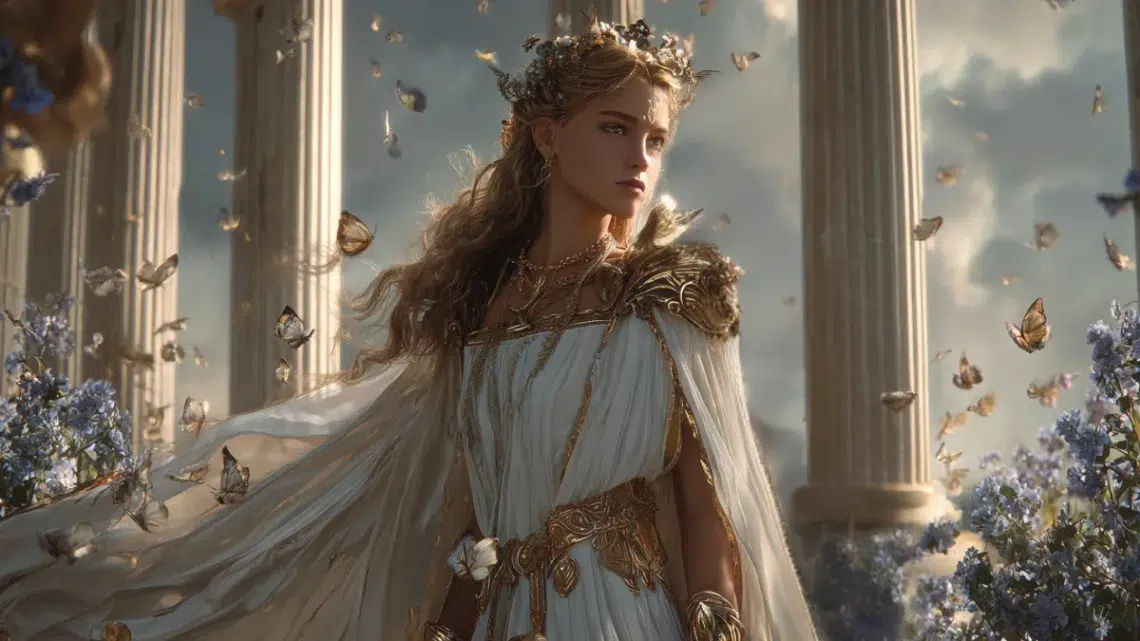
Yet her wedding to Cadmus, founder of Thebes, became a turning point marked by divine gifts that carried hidden doom.
The necklace of Harmonia, given to her by the gods, brought disaster not only to her but to her children and descendants, including figures like Oedipus. Her story blends love, betrayal, and the belief that even the gifts of gods could carry ruin.
Through Harmonia, the Greeks explored fate’s power and how one cursed object could shape generations.
Harmonia Origins
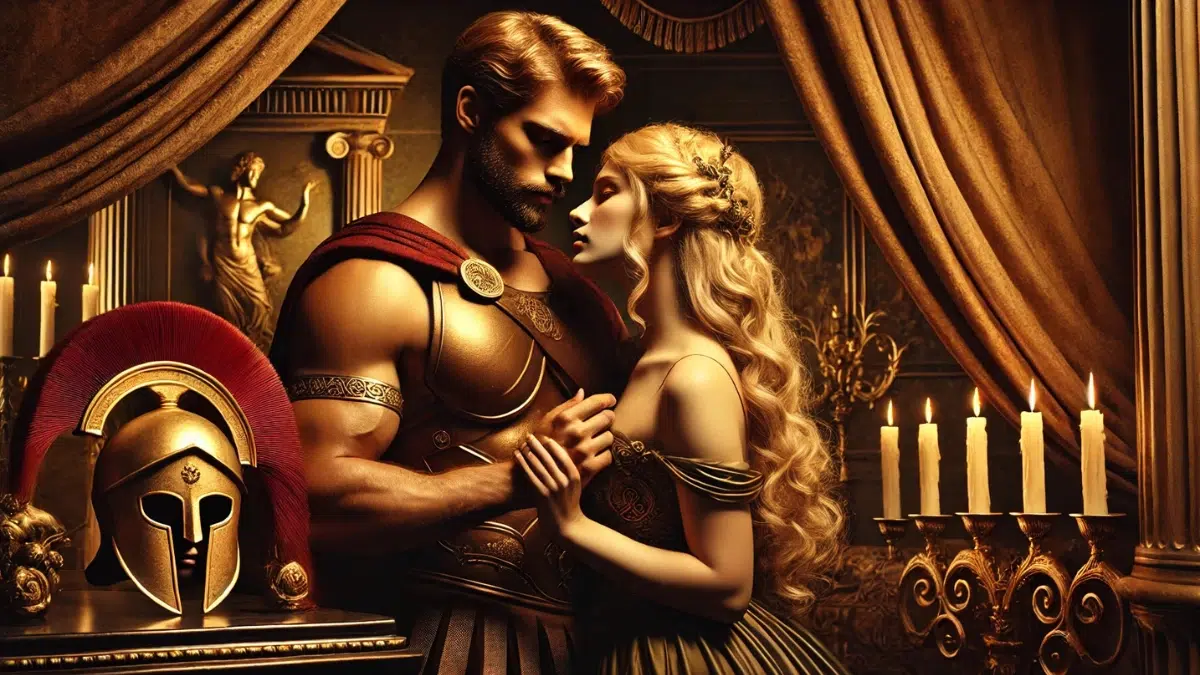
Harmonia was the daughter of Ares, god of war, and Aphrodite, goddess of love and beauty.
Her birth united two opposing forces: conflict and desire. This blend of her parents’ domains gave her a unique nature. She often appeared as a figure of grace, known for her calm presence and beauty that reflected her mother’s charm tempered by her father’s strength.
Her name itself, Harmonia, meant “harmony” or “balance,” reflecting her role as a figure who brought peace and order.
The Young Goddess Harmonia
As a young goddess or divine figure, Harmonia was often associated with concord and unity.
She represented the resolution of conflict, a counterbalance to her father’s warlike spirit. Ancient sources describe her as graceful and poised, admired for her beauty and calm presence.
She was also linked to the concept of social order, embodying the bond between families and alliances, which made her a fitting bride for Cadmus, the founder of Thebes.
Before her marriage, Harmonia likely lived among the gods of Olympus, surrounded by splendour and privilege.
As the child of two powerful Olympians, she would have been familiar with divine politics, rivalries, and intrigues.
Her lineage placed her in the middle of significant divine tensions. Her father’s fierce temperament and her mother’s famed affairs including Aphrodite’s union with Ares that angered Hephaestus. It created the backdrop for her own fate.
Her Marriage to Cadmus
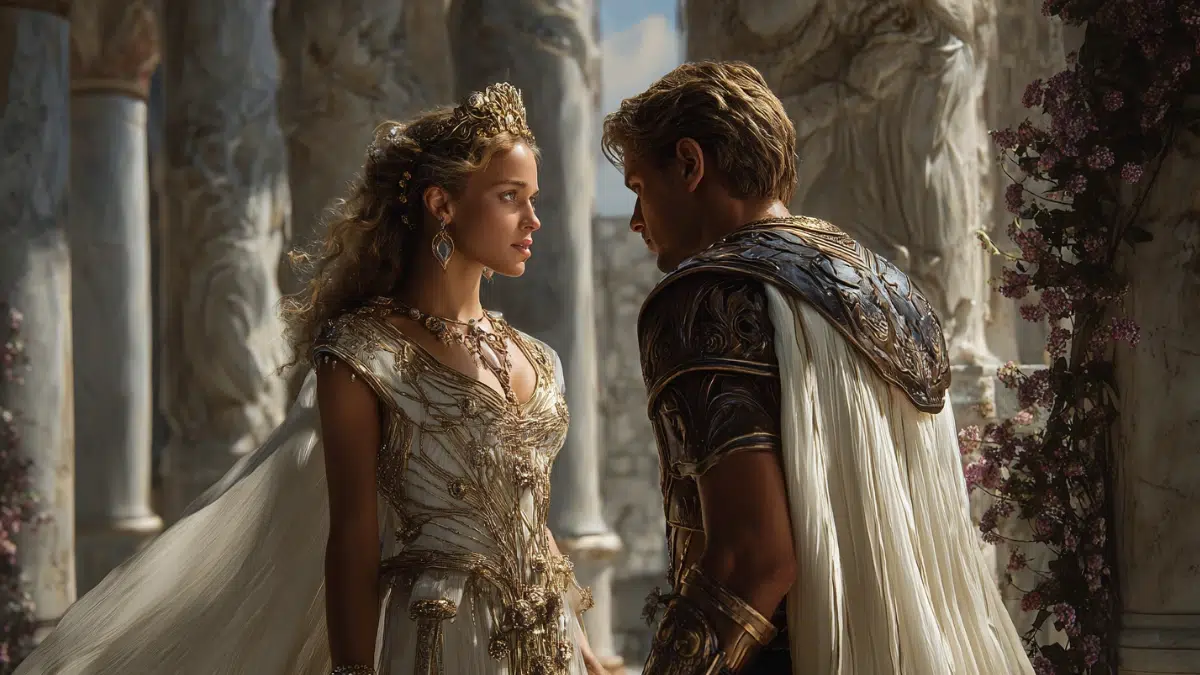
Harmonia’s betrothal to Cadmus, a mortal hero and king-to-be, was not just a love match but a divine arrangement.
It served as a union between gods and mortals, symbolizing order and civilization. This wedding would bring prestige to Cadmus and solidify Thebes as a city blessed by the gods.
To honour their union, all the Olympians attended their wedding.
However, this union also carried the seeds of doom, for it was at this wedding that Harmonia received the cursed necklace from Hephaestus—a gift that linked her divine heritage to mortal tragedy.
The Gift
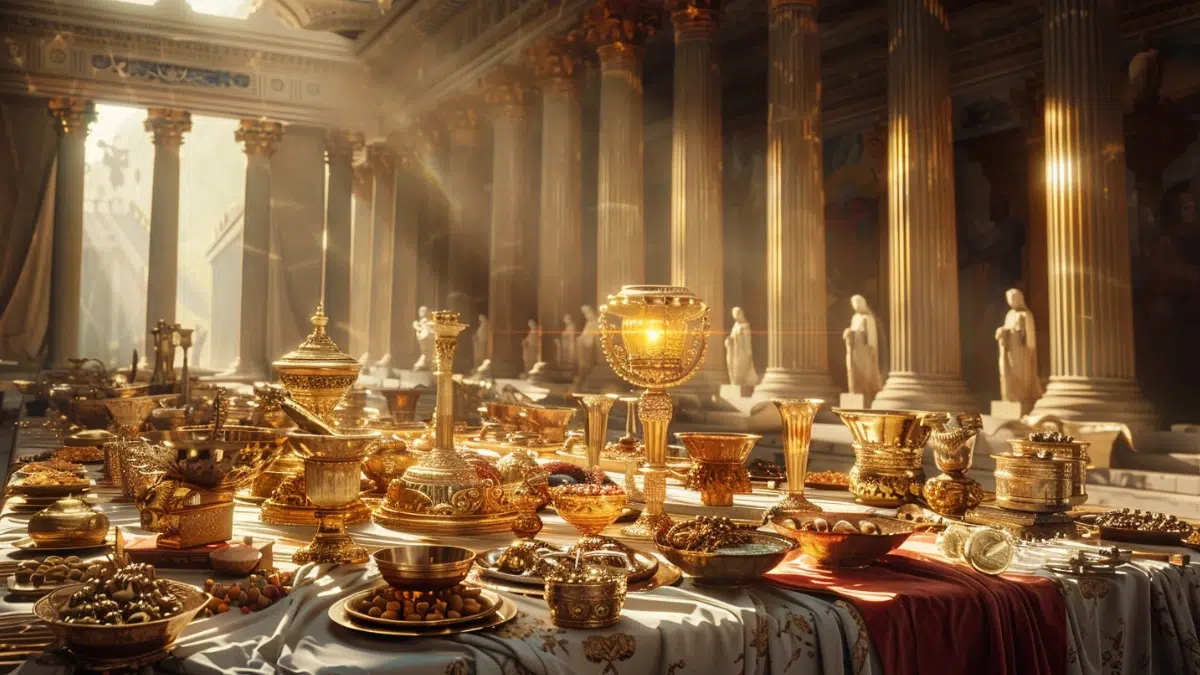
It was here that Harmonia received her fateful gift: the Necklace of Harmonia, crafted by Hephaestus, the god of metalwork.
According to myth, Hephaestus forged it out of spite, as revenge against Aphrodite for her affair with Ares. Though stunning, the necklace carried a curse that would bring ruin to anyone who wore it.
The necklace was meant to symbolically bind Harmonia’s beauty and status, but instead, it tied her life and her descendants’ lives to endless tragedy.
Despite its elegance, it was an object of doom, connecting divine grudges with mortal suffering.
The Myth of Harmonia and the Cursed Necklace
At her wedding to Cadmus, Harmonia received several divine gifts, but none more infamous than her cursed necklace.
Crafted by Hephaestus, it gleamed with gold and precious stones, radiating beauty.
Yet hidden within was a curse born of vengeance: Hephaestus forged it to punish Aphrodite for betraying him with Ares, passing that anger down through their child.
Harmonia accepted it unknowingly, and her marriage soon fell under its shadow.
Though Cadmus and Harmonia initially ruled Thebes peacefully, misfortune followed their family.
Their children suffered violent fates:
- Semele became the mortal mother of Dionysus and died by Zeus’s lightning, and
- Ino descended into madness, leaping into the sea
The necklace itself passed through generations, spreading disaster.
When Polynices, Harmonia’s descendant, sought support to reclaim Thebes, he used the necklace to bribe Eriphyle, whose betrayal led to the deadly Seven Against Thebes war.
Later, the necklace reached Alcmaeon, cursed to wander in torment after murdering his mother, further deepening its legacy of ruin.
Eventually, overwhelmed by tragedy, Cadmus and Harmonia left Thebes.
They wandered far until they prayed to the gods for release.
The gods transformed them into serpents, symbols of renewal and eternity, allowing them to escape their cursed legacy. Some saw this as a mercy: a way for Harmonia and Cadmus to shed their human suffering and live in peace together.
Harmonia’s tale is both personal and generational. Her cursed necklace became a vessel for divine anger, intertwining the fates of mortals and gods.
Through her, the Greeks explored how beauty, love, and vengeance could shape destiny, with consequences felt long after her time.
Learn more about Greek myths:
- Famous Greek Myths: Love, Conflict and Tragedy
- Most Popular Greek Myths in Greek Mythology
- Greek Myths About the Stars: Orion to Sagittarius
Symbolism of the Necklace
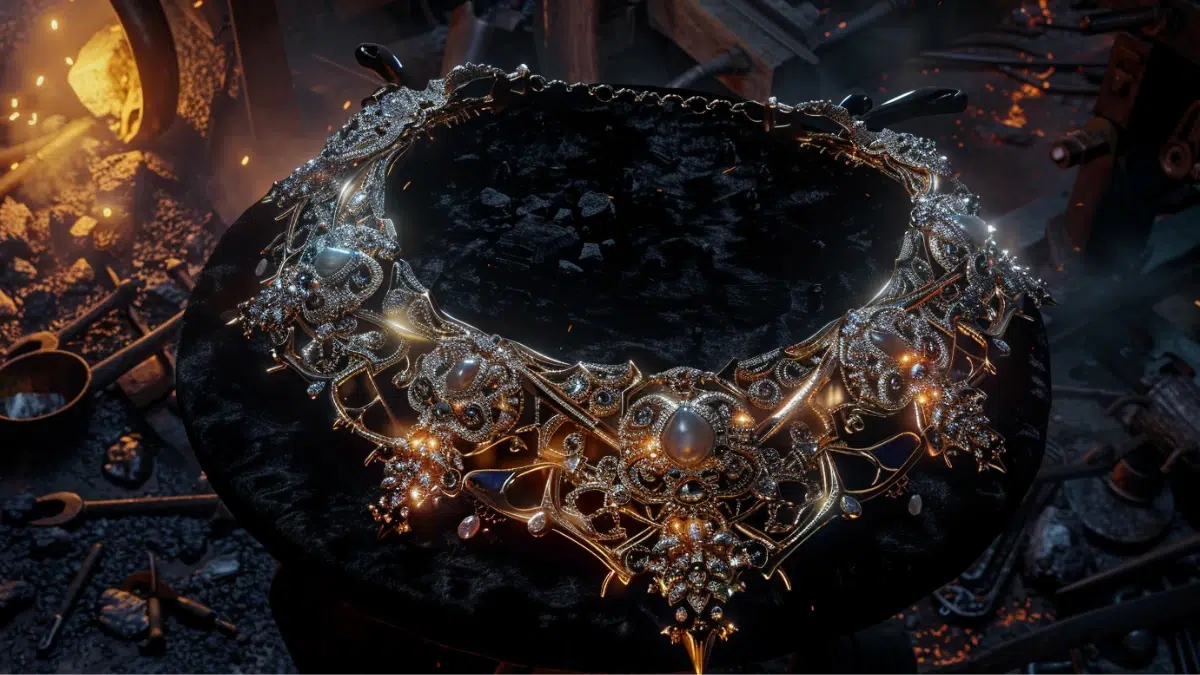
The Necklace of Harmonia is one of the most infamous objects in Greek mythology, symbolizing how beauty and wealth can hide danger.
Though stunning, its origins in Hephaestus’ jealousy turned it into a weapon of divine vengeance. It showed that even gifts from gods could carry hidden consequences, binding mortals to curses far beyond their control.
The necklace represented fate’s inescapable power.
Once Harmonia wore it, her life and the lives of her descendants became entwined in tragedy.
Each new bearer repeated the cycle of misfortune, proving that curses could outlast generations. This made it a powerful warning in Greek myth: what comes from the gods cannot be avoided, no matter how alluring it appears.
It also symbolized the clash between love and betrayal. Forged by Hephaestus after Aphrodite’s affair with Ares, it carried the lingering resentment of a broken union.
By placing it on Harmonia—Aphrodite and Ares’ daughter—it became both a personal and generational punishment.
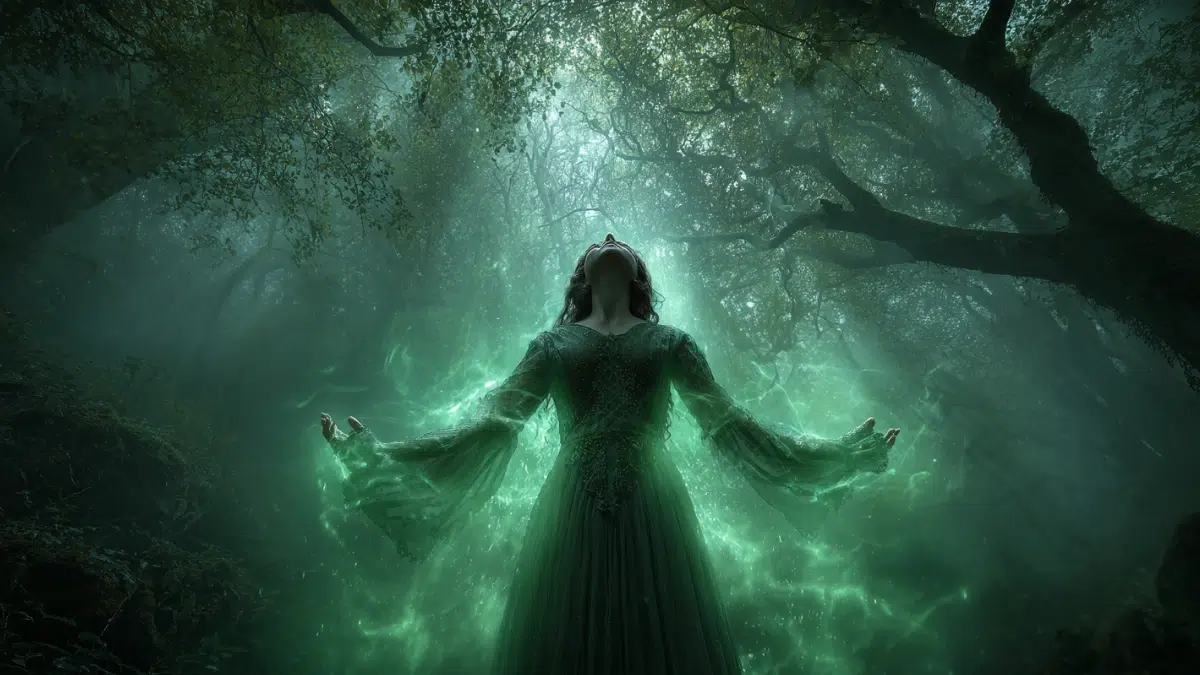
In a broader sense, the necklace tied mortal and divine worlds together. It passed through kings, queens, and warriors, influencing wars like the Seven Against Thebes.
Its beauty tempted those who sought power, yet its curse destroyed them, showing how greed and ambition often led to ruin.
Even Harmonia’s final transformation into a serpent reflected the necklace’s theme: escape only came by shedding her human form entirely. The Necklace of Harmonia became a lasting reminder that beauty could conceal danger, and that divine wrath, once set in motion, spared no one.
Comparisons to Other Greek Goddesses

Harmonia’s role as a goddess of unity and balance places her alongside similar figures across mythologies.
In Greek myth, she resembles Eirene, the goddess of peace, and Hestia, guardian of the hearth. While Eirene represented peace in society and Hestia maintained harmony in the home, Harmonia bridged these ideas, symbolizing both social order and marital unity.
- Eirene (Irene) – Goddess of peace
- Like Harmonia, Eirene personified calm and stability
- Both were viewed as gentle deities who represented order in contrast to the chaos often caused by the Olympians
- Hestia – Goddess of the hearth and domestic harmony
- Hestia maintained balance in the home, while Harmonia embodied balance between divine and mortal realms, especially through marriage alliances and unity
- Peitho – Goddess of persuasion and agreements
- Peitho’s role in fostering social bonds through persuasion complements Harmonia’s role in maintaining unity and resolving conflict
Comparisons to Other Deities
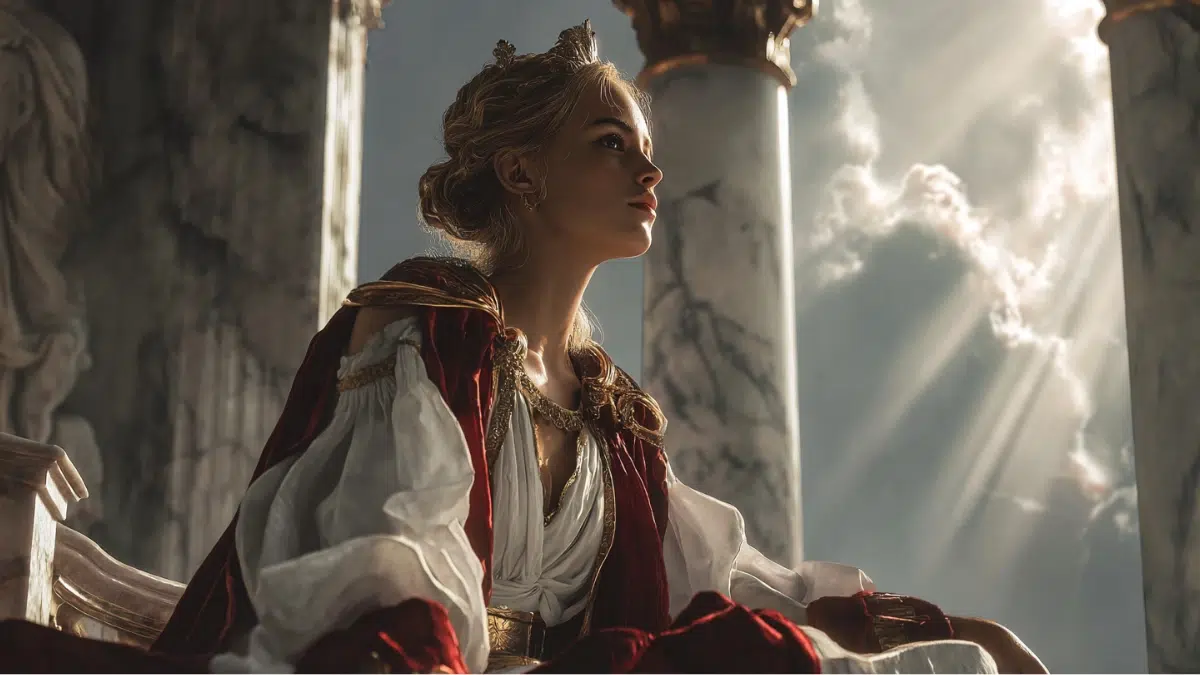
Her closest parallel comes from Roman mythology: Concordia, the goddess of agreement and harmony.
Concordia’s worship focused on political stability and social cohesion, much like Harmonia’s symbolic role in linking mortals and gods through her marriage to Cadmus.
Outside Greece and Rome, Harmonia’s qualities echo Ma’at in Egyptian mythology, who embodied balance and order in the cosmos, and Frigg in Norse mythology, who represented family harmony and foresight.
These connections show how cultures personified the ideal of balance, often through gentle, stabilizing goddesses who countered more chaotic forces.
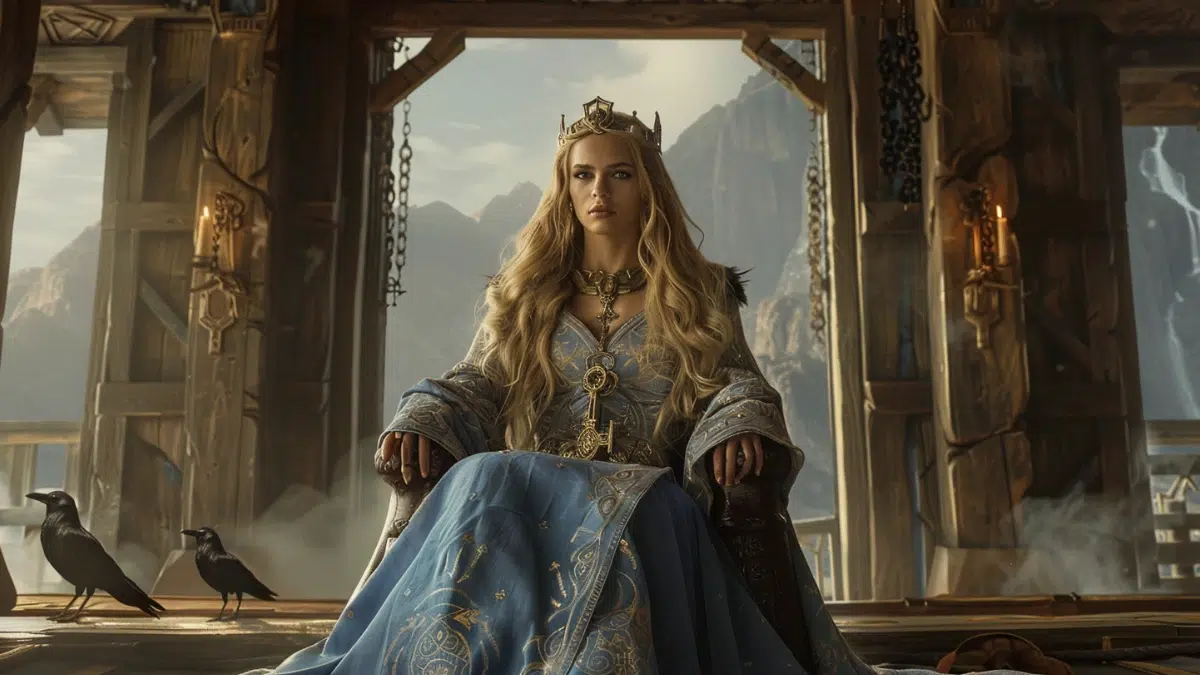
- Frigg (Norse Mythology)
- The wife of Odin and goddess of foresight
- Frigg was associated with marriage, family unity, and order, paralleling Harmonia’s role as Cadmus’s queen and a stabilizing figure
- Shakti (Hindu Mythology)
- As the feminine energy balancing male deities, Shakti embodies harmony and power combined
- Similar to Harmonia’s balance between her parents: war (Ares) and love (Aphrodite)
- Ma’at (Egyptian Mythology)
- Goddess of truth, balance, and cosmic order
- Ma’at’s focus on maintaining harmony within the universe mirrors Harmonia’s symbolic role in maintaining social and divine order
Harmonia’s unique position as the daughter of Ares and Aphrodite set her apart. She embodied the reconciliation of love and conflict, proving that even opposing forces could unite—a theme found across many mythologies but rarely personified so clearly.
Conclusion
Harmonia’s story is one of beauty marred by divine vengeance.
Born to Ares and Aphrodite, she stood at the centre of both love and war. Her cursed necklace bound her and her descendants to a cycle of misfortune, touching legendary figures like Semele, Polynices, and Alcmaeon.
Even her transformation into a serpent with Cadmus served as an escape from relentless tragedy.
The Necklace of Harmonia became one of mythology’s darkest symbols, proving that even divine gifts carried a price. Her tale warns that fate, once set in motion, could not be escaped—even by those born of gods.