Guide to Measuring Archery Arrow Length
![]() Introduction to Archery Arrow Dynamics
Introduction to Archery Arrow Dynamics
Before diving into measuring your perfect arrow, grasp the basics of arrow dynamics. Understanding the correct arrow length is essential for archery success.
In archery, how the arrow flies is critical. It’s influenced by:
- Shaft length: Too long causes wobble; too short affects the power stroke.
- Spine: The stiffness or flex of the arrow must match bow draw strength.
- Weight: Heavier arrows offer better penetration but may reduce speed.
- Fletching: These stabilize the arrow in flight; size and shape impact trajectory.
- Nock: Ensures the arrow stays attached to the string during the draw and release.
Understanding these elements aids in selecting an arrow that will sail true to your target.
Importance of Correctly Measuring
Choosing the correct length is crucial for an archer’s success and safety. An arrow that’s too short can slip off the bow, creating a hazardous situation. Conversely, excessively long arrows might reduce performance, causing inaccuracy and reduced power upon release.
Proper length ensures a smooth draw, optimal flight stability, and maximum accuracy.
Consider the archer’s draw length, as shooting arrows matched to personal measurements optimizes form and results. Always prioritize a safe, comfortable draw over shorter arrow temptations, despite potential speed gains.
Essential Tools for Measuring the Correct Length
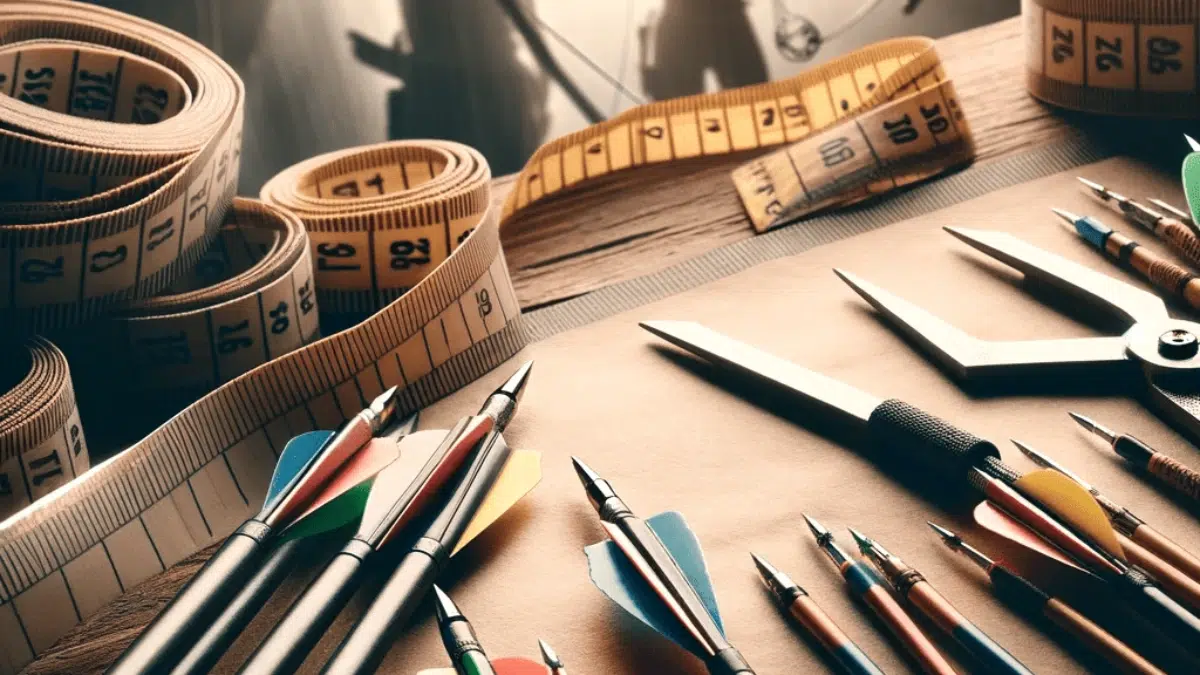
When it comes to measuring arrows accurately, having the right tools on hand is a game-changer. Here are a few essential items:
- Arrow Length Measuring Device: This specialized ruler determines the exact length of an arrow from the throat of the nock to the end of the shaft.
- Bow Square: Also known as an archery T-square, this tool helps archers measure the brace height and for aligning nocking points.
- Nock Tool: It allows for precise nock placement and ensures consistency in nock orientation.
- Measuring Tape: A flexible measuring tape is handy for measuring arrow length, especially for those without a specialized device.
- Marking Tools: Pencils or markers are necessary for marking the arrow shaft before cutting it to the desired length.
Determining the Ideal Length of Your Arrow
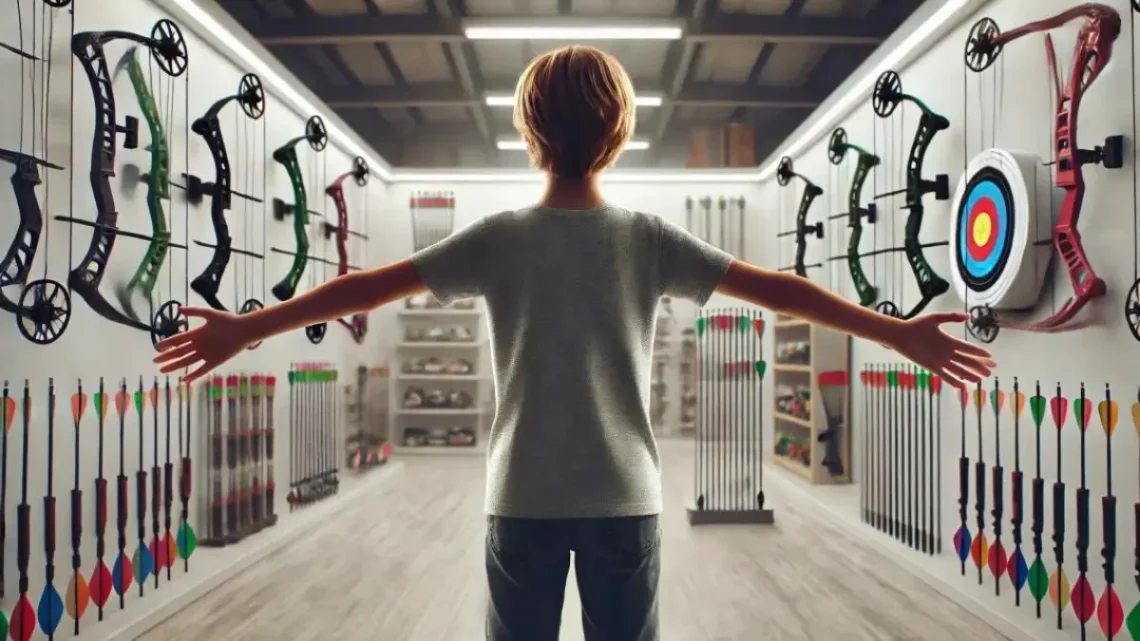
- Arm Span Measurement:
- Stand with your arms outstretched and palms facing forward.
- Have a friend measure from the tip of one middle finger to the other.
- Divide this number by 2.5 to estimate your draw length.
- Using a Draw Arrow:
- Visit an archery shop and use a marked arrow specifically designed to measure draw length.
- Pull the draw arrow back on a bow, anchoring normally.
- The archery shop assistant will mark your draw length on the arrow.
- Consult with Professionals:
- Professional help ensures accurate measurements and advice tailored to your physique and style.
Remember, customized fitting can greatly enhance your archery experience and performance. Choose wisely and shoot with confidence!
Tips for Fine-Tuning Arrow for Optimal Performance
- Test Different Lengths: Shoot arrows of various lengths to feel what works best for your draw and release style.
- Consult with Pros: Seek advice from experienced archers or coaches—sometimes a second set of eyes can spot issues you can’t.
- Observe Arrow Flight: Monitor the arrow in flight; a properly tuned arrow flies straight without fishtailing or porpoising.
- Check Arrow Spine: Match your arrow spine to your bow’s draw weight—a mismatch can affect the needed arrow length.
- Use Arrow Cutters: If you need a precise length, invest in a good arrow cutter rather than relying on rough cuts.
- Consider Arrow Components: Remember that the length of the nock and point can influence the overall dynamic spine.
- Record Changes: Keep a logbook of adjustments and results to ensure consistent replication or re-tuning.
Troubleshooting Common Issues with Arrow Selection
Selecting the right arrow length is critical, yet many archers encounter problems. Here are some common issues and how to resolve them:
- Arrow too long: If the arrow extends too far beyond the arrow rest, it can affect accuracy. Trim the arrow carefully or consult a professional.
- Arrow too short: Arrows that are too short can be dangerous, as they may slip off the rest when drawing the bow. You’ll need to get longer arrows.
- Inconsistent draw length: Your draw length must be consistent to select the proper arrow length. Practice your form or use a bow with a draw stop.
- Incorrect measuring: Ensure you’re measuring from the throat of the nock to the end of the shaft, excluding the tip. If you’ve measured incorrectly, redo it.
Always remember, safety first. If in doubt, consult an expert to avoid injuries or damage to your equipment.
The Impact of Arrows on Accuracy and Safety
When it comes to archery, the length of your arrow can make a significant difference. Too short, and the arrow may slip off the rest, posing a real safety risk. An overly long arrow won’t hurt, but it can hamper your accuracy.
Long arrows behave with less stiffness upon release. This affects the flight path and where the arrow ultimately lands.
To maintain accuracy and ensure safety, measuring for the correct arrow length is key. It’s a balance: enough length for stability without compromising on precision.
Read more about: Essential Archery Safety Rules to Know
Conclusion: Integrating Knowledge into Your Archery Practice
Understanding the correct arrow length is pivotal for archery success. Experienced archers know that incorporating this knowledge meaningfully into practice sessions can greatly improve technique and accuracy. One should:
- Regularly measure draw length as skill progresses, considering potential changes in form.
- Experiment with arrows of varying lengths to find the most comfortable and efficient option.
- Keep a log of performance with different arrow lengths to analyze and optimize shooting efficacy.
- Consult with peers and coaches, exchanging insights on how different arrow lengths affect performance.
By diligently applying arrow length knowledge, archers can ensure their practice is as effective as possible, fostering consistent improvement and precision in the sport.