
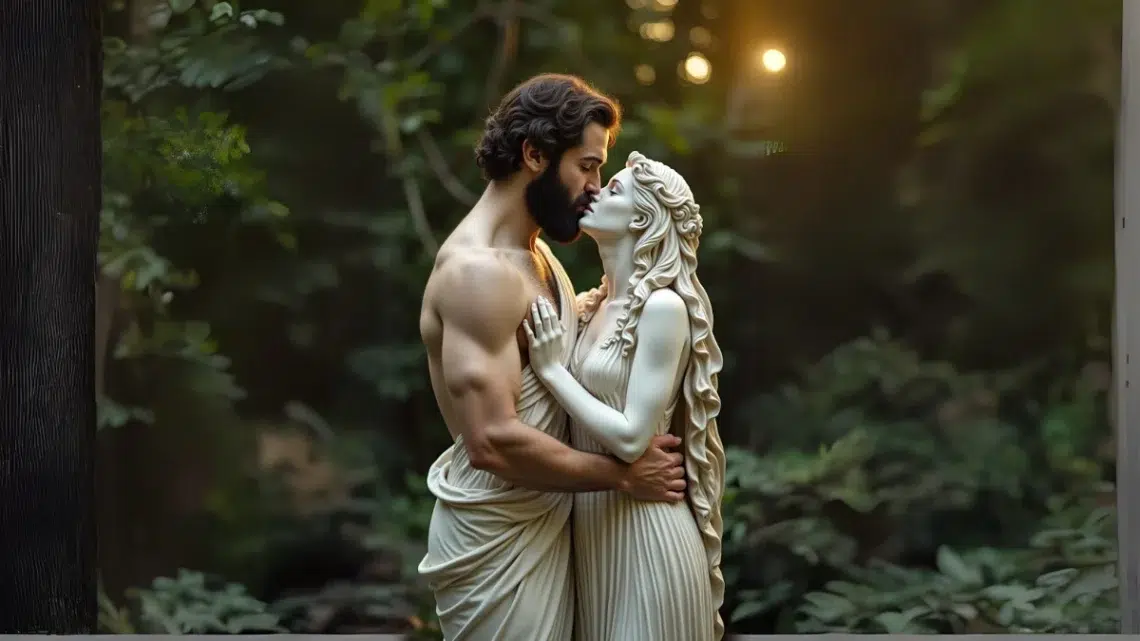
Galatea and Pygmalion: A Love Carved from Stone
Look at a beautiful statue. It seems almost alive. What if love could bring it to life?
Long ago, there was a man named Pygmalion. He was a great sculptor. He made statues from stone. One day, he made a statue more beautiful than any other. He named her Galatea.
Pygmalion looked at her. He felt his heart change. He wished she could be real. This is the story of how love and hope can work magic.
Who Was Pygmalion?

Pygmalion was a man who loved art. He lived on the island of Cyprus. As a sculptor he worked with stone and carved statues. He made faces, hands, and smiles from marble.
But Pygmalion saw the world around him. Many people were selfish or unkind. He did not want to marry and chooses to live alone. He spent his time with his art.
Then, one day, he began to carve a new statue. This one was different. He poured his heart into it. He worked day and night. Slowly, the statue took shape.
The Beautiful Statue Galatea
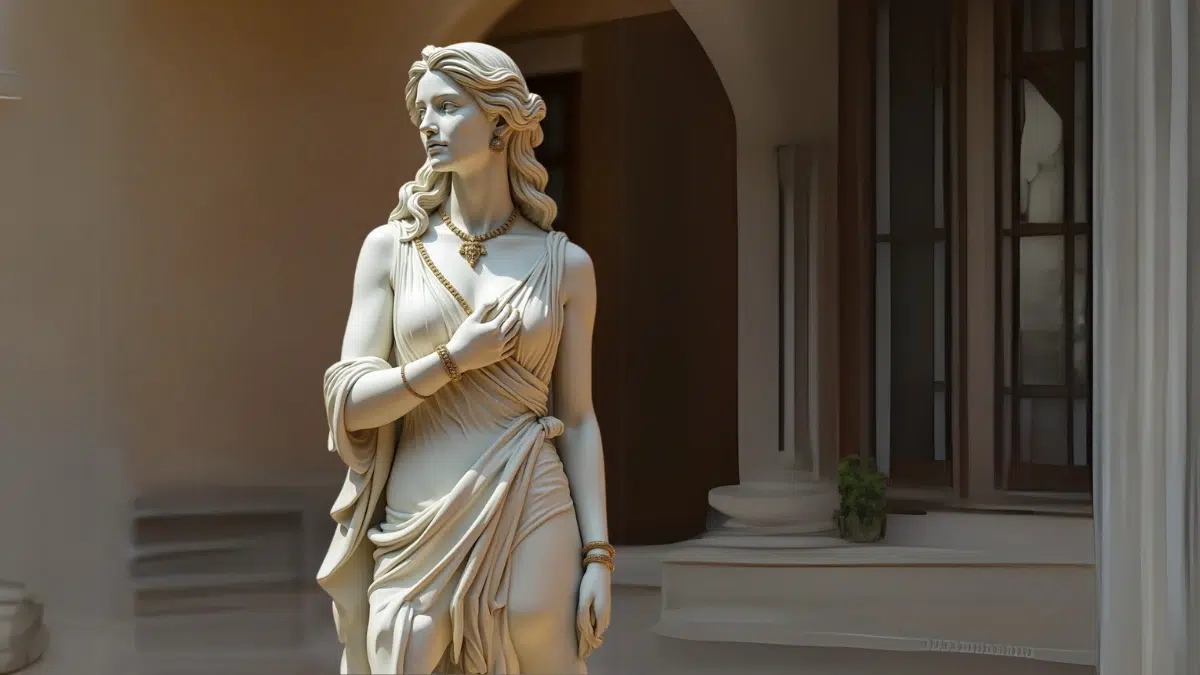
The statue was a woman. Her skin looked soft and her hair flowed like silk. Her eyes sparkled and her smile looked real.
Pygmalion named her Galatea. He looked at her with wonder and touched her hand. It felt smooth and cool.
But Pygmalion’s heart began to change. He felt love for the statue and brought her gifts. He kissed her lips and would speak to her.
But Galatea did not move. She was only stone. This made Pygmalion sad. He wished she were alive.
The Goddess Aphrodite’s Help
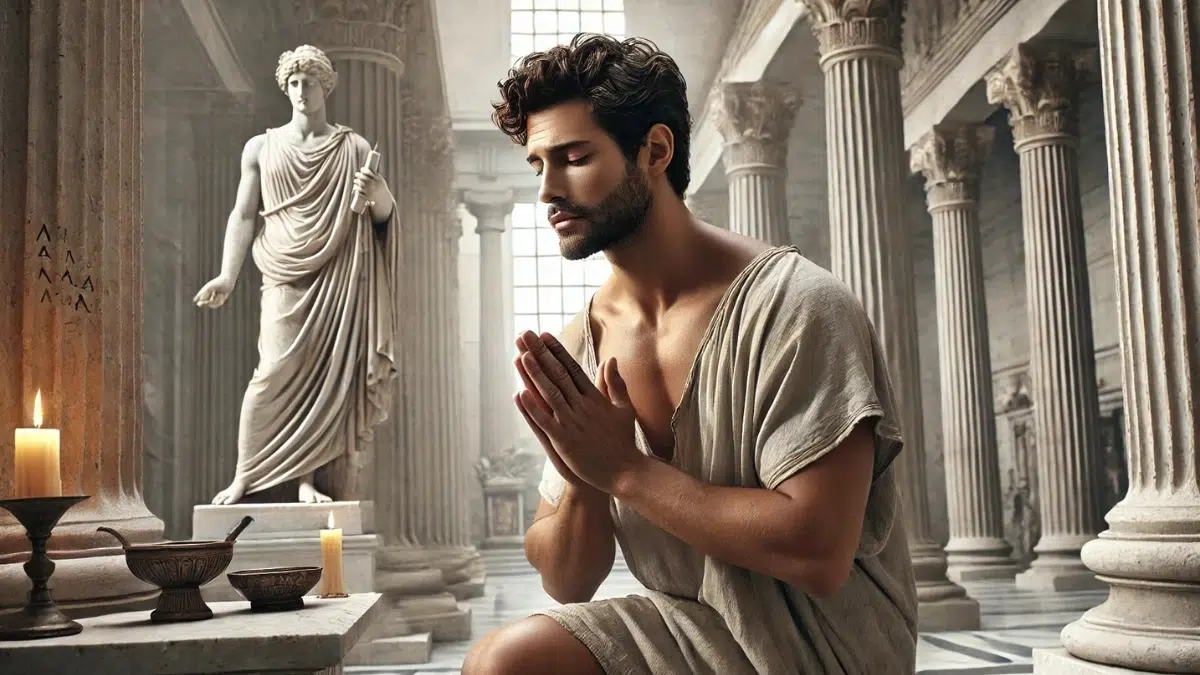
A great festival for Aphrodite, the goddess of love, came. People prayed at her temple.
Pygmalion went too. He made an offering. In his heart, he made a wish. He asked, “Please, goddess, let me find a woman like my statue.”
Aphrodite heard his wish. She knew his heart was true and she smiled, wanting to help.
Pygmalion went home. He touched Galatea’s hand. It felt warm. He kissed her lips. They were soft. The statue began to move! Her eyes opened. She smiled.
Pygmalion’s wish had come true. Galatea was alive.
The Meaning of the Galatea Myth

This story shows the power of love and hope. Pygmalion believed in his dream. He wished with all his heart.
It also shows how art can inspire life. Pygmalion’s love gave life to his statue. His hope changed the world.
Many people still tell this story. It inspires poets, painters, and writers. The famous playwright George Bernard Shaw wrote a play called Pygmalion. It became a movie and a musical, My Fair Lady.
Today, people use the word “Pygmalion effect.” It means that believing in someone can help them grow and change. Just like Pygmalion’s love brought Galatea to life.
Other Greek Myths:
- Selene & Endymion: Timeless Love Story Beneath the Moonlight
- Famous Greek Myths: Love, Conflict and Tragedy
- Greek Myths About the Stars: Orion to Sagittarius
- Most Popular Greek Myths in Greek Mythology
Conclusion
Pygmalion’s story teaches us that love, hope, and belief can make magic happen. His dream seemed impossible. But the goddess of love helped him.
Now, many people remember this story. They believe in the power of dreams. They know that love can change things.
When you see a beautiful work of art, think of Pygmalion and Galatea. Some stories live forever. Just like love.