
The Afterlife Elysium in Greek, Roman & Norse Mythology
The idea of life after death shapes many myths and cultures. In ancient Greece, one of the most peaceful afterlife realms is Elysium.
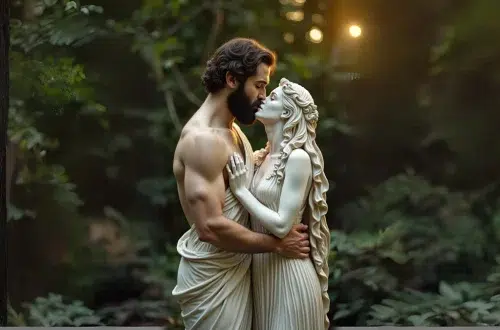
Sometimes called the Elysian Fields, this place offers rest, joy, and honour to those who live noble or heroic lives. Unlike gloomy realms for ordinary souls, Elysium provides sunlight, music, and endless peace.
What Is Elysium in Greek Mythology?
Elysium is a mythical afterlife realm in Greek and Roman mythology.
It exists as a place of peace and reward, separate from the gloomy Underworld where most souls go.
Tartarus
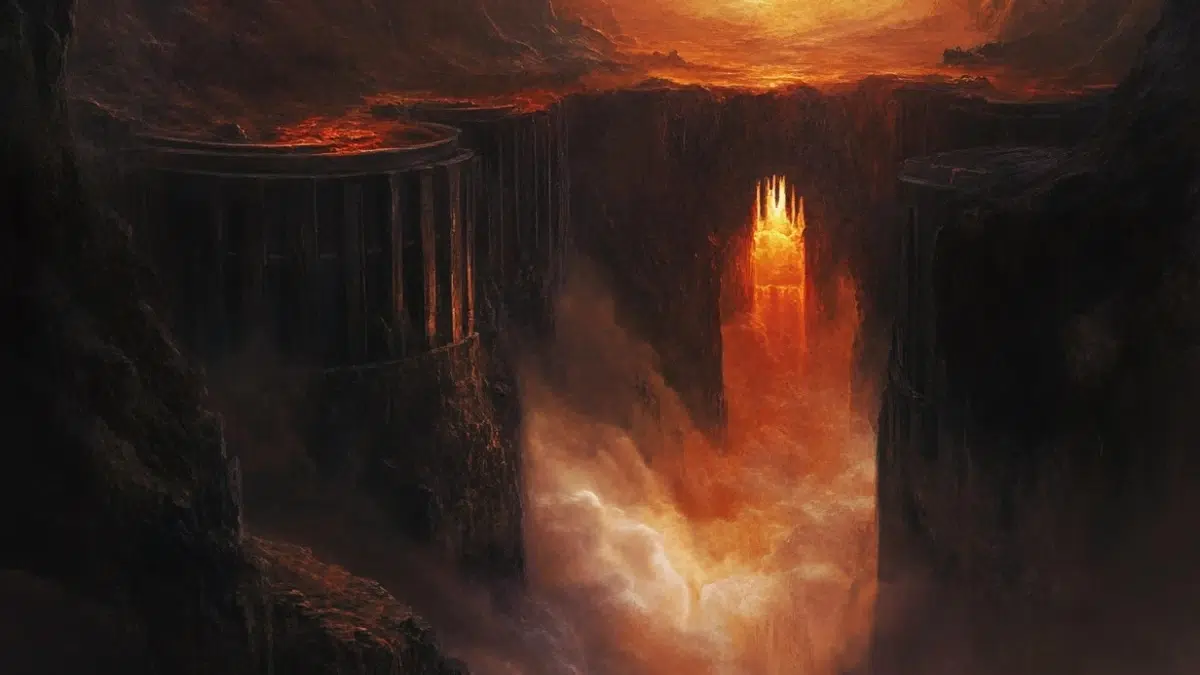
Tartarus is the deepest, darkest part of the Greek Underworld.
It serves as a prison for the wicked, defeated gods, and eternal punishment. Unlike Hades, which holds most souls, Tartarus exists far below and holds only the worst offenders—like Titans and traitors.
Surrounded by gates of bronze and guarded by monsters, it represents divine justice and fear. Tartarus shows that not all souls find peace after death.
Asphodel Meadows

The Asphodel Meadows hold the souls of ordinary people—those who live neither heroic nor evil lives.
This part of the Greek Underworld is grey, quiet, and shadowy. Souls here wander without pain but also without joy. Unlike Elysium or Tartarus, the Asphodel Meadows offer no reward or punishment. It reflects a neutral afterlife, where most souls simply exist.
In some myths, memories fade here, leaving spirits in a calm but forgotten state.
Elysium

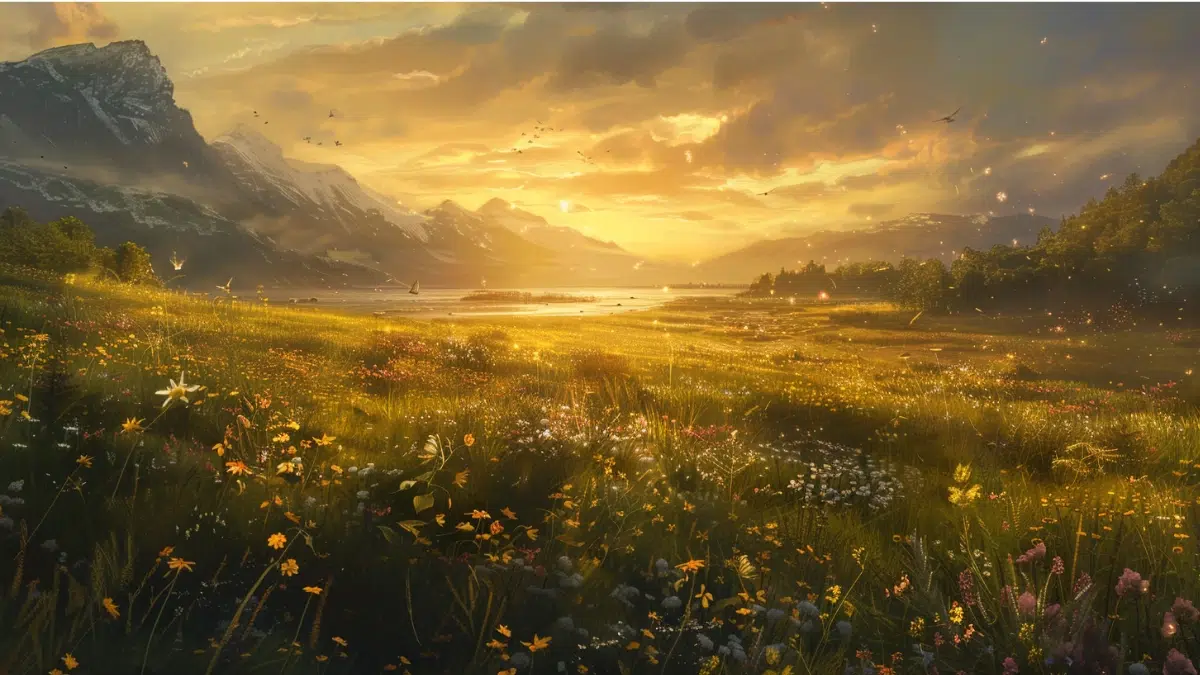
Elysium, or the Elysian Fields, is a bright and peaceful realm in the Greek afterlife.
Reserved for heroes, poets, and the righteous, it offers joy, music, and eternal rest. Souls here live in sunlight, surrounded by green fields and soft breezes. Unlike other parts of the Underworld, Elysium rewards virtue, not just bravery.
Some souls may return to life and earn a place in the Isles of the Blessed—an even higher reward within Elysium’s paradise.
In early Greek texts, Elysium appears as a physical paradise on the western edge of the world, sometimes called the Isles of the Blessed.
Later traditions place it within the Underworld itself but set apart from suffering and sorrow. This shift shows how beliefs about the afterlife evolve over time.
Elysium becomes more than just a reward for war heroes. Philosophers like Pindar and Plato describe it as a realm for the just, wise, and pure of heart. In some stories, those who live righteously across three lifetimes may earn a permanent place there.
Elysium in Roman Mythology
The concept of the afterlife held a significant place in Roman mythology. The Romans firmly believed in the existence of a realm beyond death, and their beliefs and practices surrounding the afterlife were complex and multifaceted.
Central to Roman afterlife beliefs were the spirits of deceased ancestors, known as Manes. Ancestral worship and rituals played a crucial role in Roman culture as they believed that honouring and venerating ancestors had implications for the well-being of both the living and the spiritual realm.
The Roman home served as a sacred space where both the living and the dead coexisted. Guardians known as Lares and Penates protected the household and its inhabitants, ensuring harmony between the two realms.
The Elysian Fields (Campi Elysii) appear in The Aeneid by Virgil, where Aeneas visits the peaceful domain to see his father.
The Roman version emphasizes honour, duty, and civic virtue—a reward for soldiers, statesmen, and those who serve the empire well.
Elysium in Norse Mythology
In Norse mythology, there is no direct equivalent to Elysium, but similar themes appear.
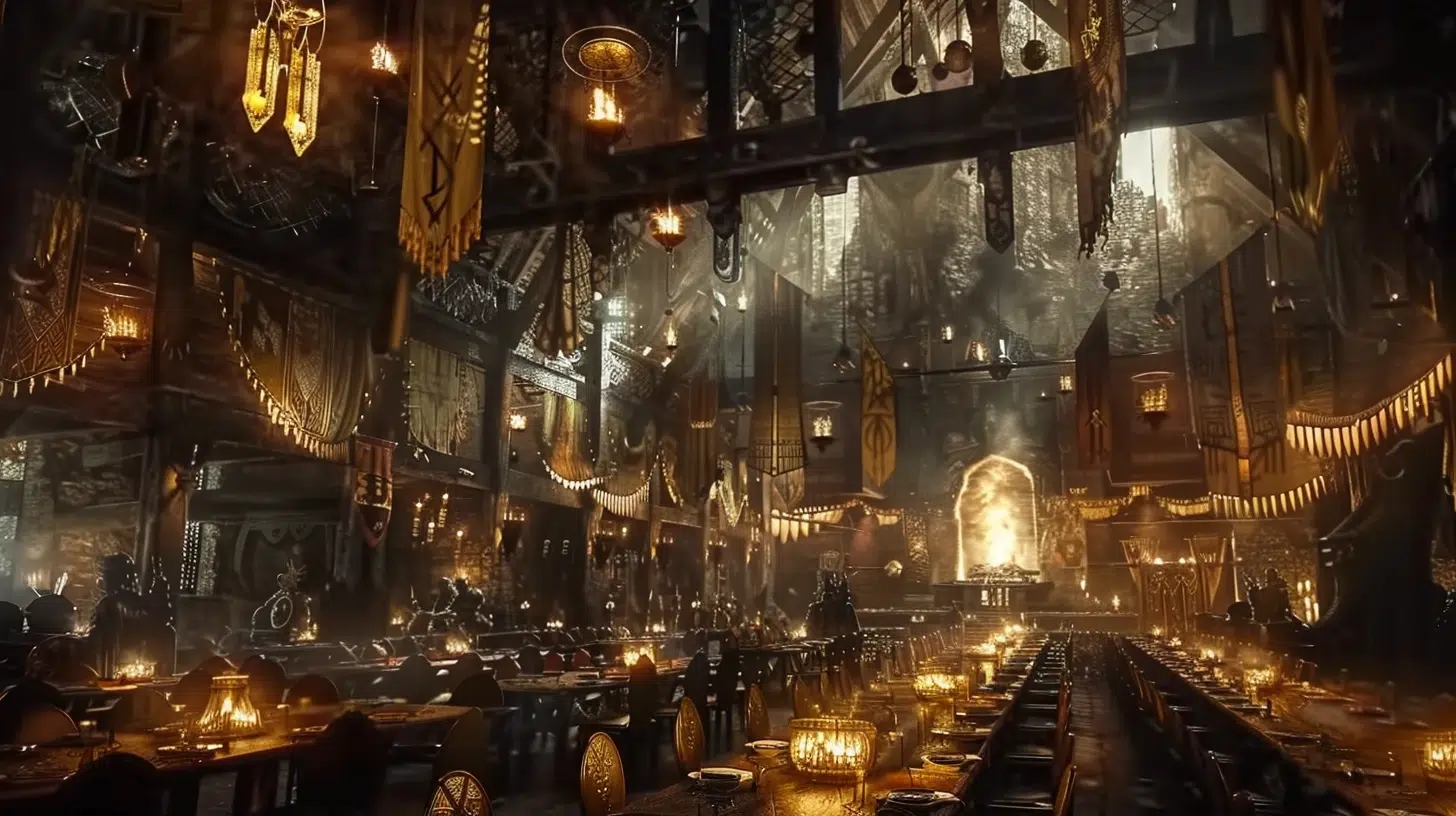
Odin, the Allfather, rules Asgard, the realm of the gods, and presides over wisdom, war, poetry, and death. He is associated with the afterlife, welcoming brave fallen warriors into Valhalla, where they prepare for Ragnarök, the end of the world.
Freyja is one of the most important goddesses in Norse mythology, associated with love, beauty, fertility, magic (seiðr), war, and death. She belongs to the Vanir, a group of gods linked to nature and prosperity, but later lives among the Aesir after a truce between the two groups.
Freyja rules over Fólkvangr, a peaceful afterlife realm where she receives half of those who die in battle, while the other half go to Odin’s Valhalla.
These realms focus more on battle honour and preparation for Ragnarök, the final war.
Unlike Elysium, which offers peace and completion, Norse afterlives continue the cycle of conflict.
Comparing Elysium in Greek and Roman Mythology
| Concept | Greek Mythology | Roman Mythology |
|---|---|---|
| Afterlife Realm | Elysium | Elysian Fields |
| Nature | Paradise-like | Beautiful and tranquil |
| Eligibility | Blessed and heroic individuals | The righteous |
| Rewards | Eternal bliss and happiness | Eternal rest and freedom from pain |
| Punishments | No notable punishments associated with Elysium in Greek mythology | Punishments assigned to other realms, such as Tartarus |
Gods and Guardians of the Afterlife
Beliefs about the afterlife often connect to powerful gods and guardians. These deities help judge souls, guide them, or rule the realms beyond death. Elysium may be peaceful, but it still belongs within a larger spiritual system shaped by divine forces.
To reach Elysium, a soul may need to pass these judges. If a person lives a virtuous life three times and chooses righteousness each time, they may finally enter the Isles of the Blessed—an advanced form of Elysium.
Greek Mythology and the Afterlife
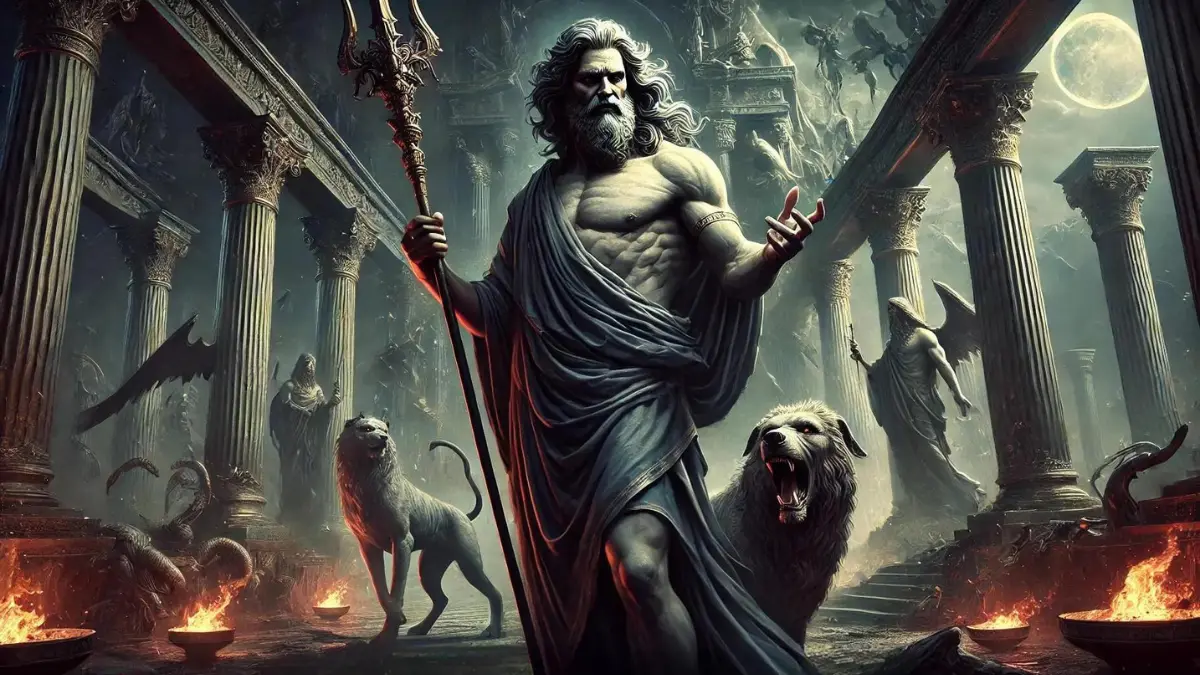
In Greek mythology, the afterlife is complex, and several gods play key roles. Hades ruler of the Underworld is not an evil figure but as a firm and neutral ruler. His queen, shares his domain and brings seasonal change through her return to the living world.
Hermes acts as a psychopomp leading souls safely to their final resting place.
A psychopomp is a spiritual guide who leads souls from the world of the living to the afterlife. The word comes from Greek—psyche meaning “soul” and pompos meaning “guide” or “conductor.”
Other mythologies have psychopomps too:
-
In Roman mythology, Mercury takes this role
-
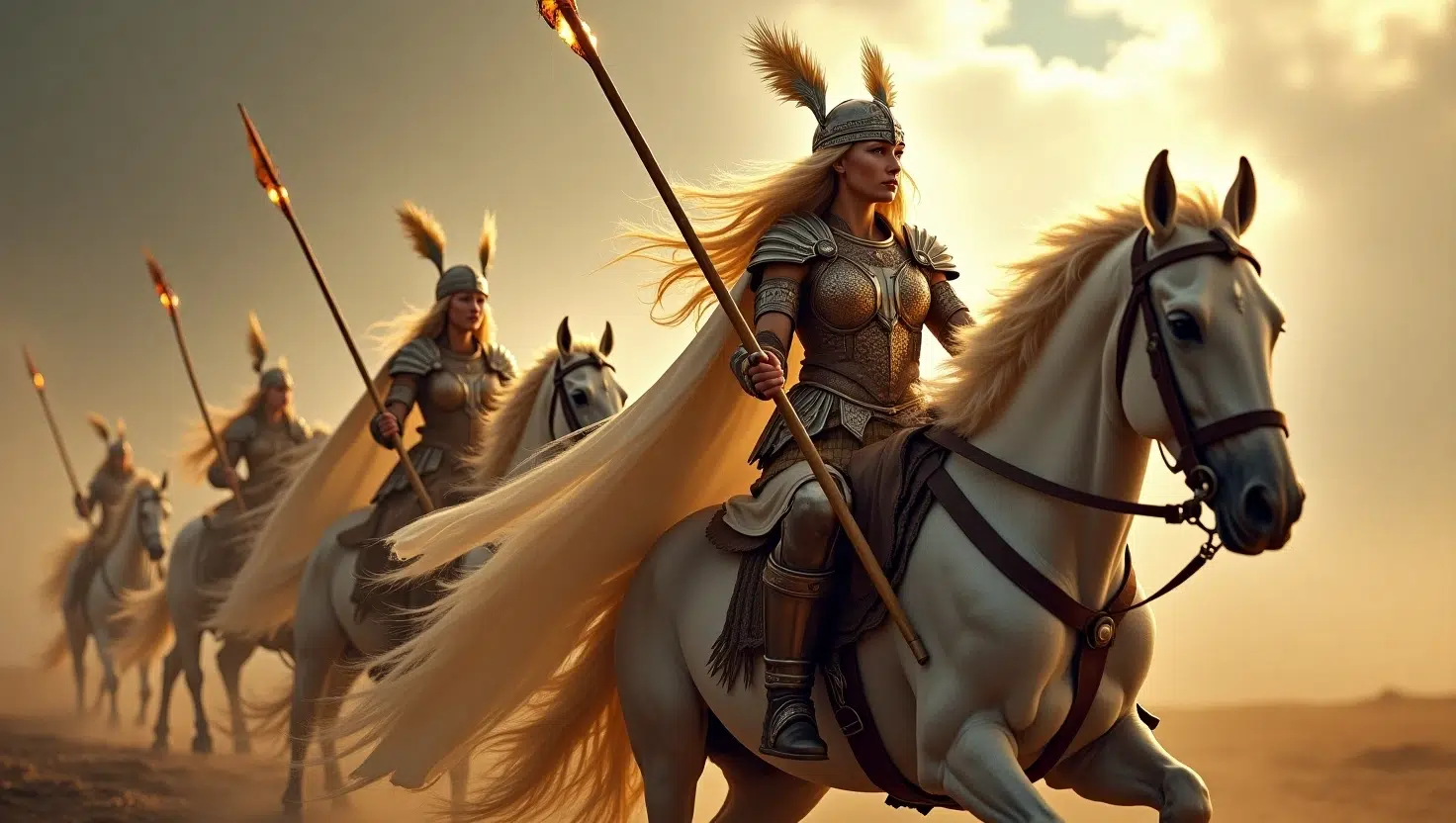
In Norse mythology, Valkyries guide warriors to Valhalla or Fólkvangr
-
In Egyptian mythology, Anubis guides and weighs the soul
Three judges decide each soul’s fate, choosing between :
- Tartarus – dark prison for the wicked
- Asphodel Meadows – a place for ordinary souls
- Elysium – offers beauty, light, and comfort
Greek Gods Associated with the Afterlife
These gods maintain the order of death, reward, and rebirth, shaping the soul’s journey after life ends.
-
Hades does not judge souls directly but maintains balance and ensures the dead stay in their proper place
-
Persephone shares in ruling and allows brief visits between the living and the dead
-
Hermes acts as a messenger guiding souls safely to the Underworld
-
The judges, Minos, Rhadamanthus, and Aeacus, decide if a soul belongs in Tartarus, the Asphodel Meadows, or Elysium
-
The Moirai (the Fates) control a person’s life span, which ends before the afterlife journey begins
Roman Mythology Gods Associated with the Afterlife
Religion played a central role in shaping Roman afterlife beliefs. The traditional Roman gods, as well as the introduction of Eastern mystery religions, influenced the concept of the afterlife. These beliefs and practices provided comfort and guidance to the Romans, offering them hope and reassurance in the face of mortality.
In The Aeneid, Anchises explains the process of reincarnation and how souls reach the Elysian Fields after purification.
The concept of Elysium was closely associated with the belief in a just and fair afterlife. The Romans believed that the righteous would be rewarded for their virtuous actions, while the wicked would face appropriate punishments.
| God | Area of Influence | Notes |
|---|---|---|
| Pluto | Ruler of the Underworld | Roman name for Hades; rules over the dead and the hidden wealth of the earth (metals, minerals) |
| Dis Pater | Chthonic deity, wealth and death | Older Italic god absorbed into Roman belief, later equated with Pluto as ruling the Underworld and controlling subterranean wealth |
| Proserpina | Cycle of life and death | Roman equivalent of Persephone, Queen of the Underworld, tied to seasonal change and rebirth |
| Mercury | Psychopomp (guide of souls) | Roman version of Hermes, leads souls to the afterlife but does not judge |
| Fortuna | Fate and fortune | Determines life’s outcomes, not a direct death god, but tied to destiny and how a soul might be judged |
| Fides | Trust, loyalty, ancestral ties | Symbolic in afterlife contexts, especially with legacy, vows, and the spiritual weight of tradition |
Overall, Roman afterlife beliefs were a testament to the importance of ancestral worship, the sacredness of the Roman home, and the influence of gods associated with the afterlife. These beliefs continue to offer valuable insights into the religious and cultural practices of ancient Rome.
Norse Mythology Gods Associated with the Afterlife
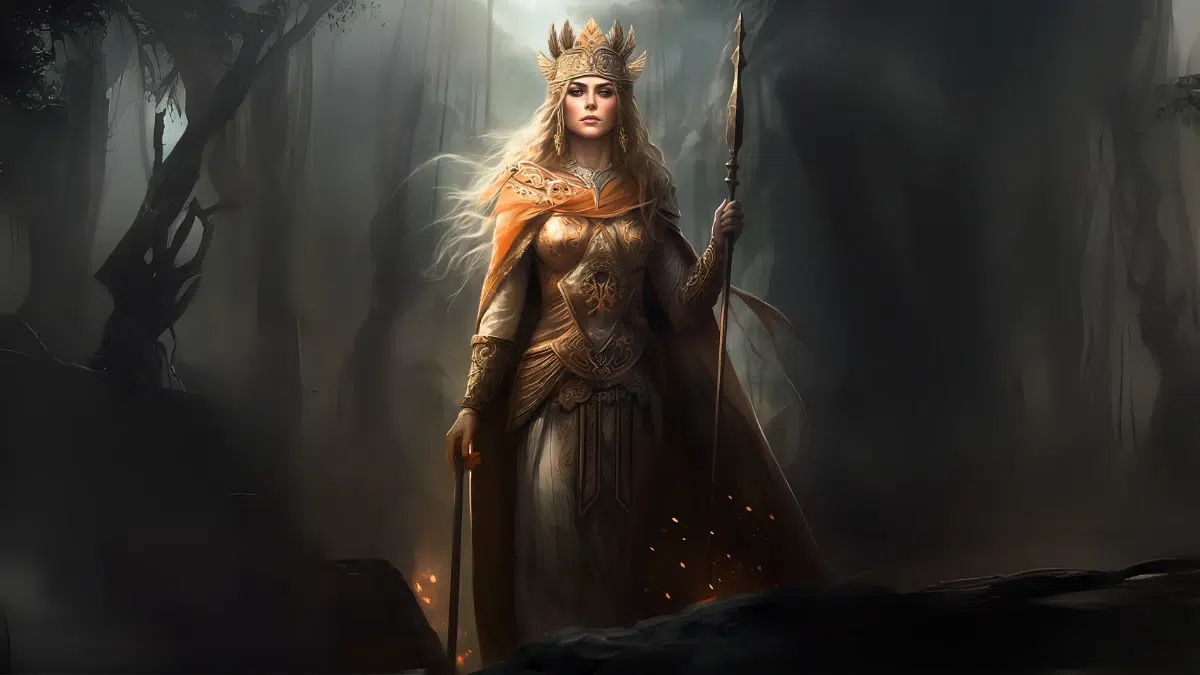
In Norse mythology, the afterlife depends on how a person dies, not just how they live. Several gods oversee different realms for the dead.
Odin welcomes fallen warriors to Valhalla, while Freyja chooses others for Fólkvangr. Hel, daughter of Loki, rules Helheim, where those who die of sickness or old age go. These gods shape honour, rest, or shadow in the Norse view of death’s journey.
The Norse divide the afterlife between several realms, each ruled by different deities.
| Realm | Ruling Deity | Notes |
|---|---|---|
| Valhalla | Odin | Home to brave warriors who die in battle and feast and train for Ragnarök. Chosen by Valkyries |
| Fólkvangr | Freyja | Peaceful realm for honourable souls, Freyja selects half of those slain in battle |
| Helheim | Hel | Noy evil, realm for those who die of illness, old age, or natural causes |
Each mythology reflects its own cultural values. Greeks and Romans focus on virtue, fate, and divine reward. The Norse highlight bravery and honour in battle. Still, in all three traditions, gods guide or govern the soul’s final journey—whether to Elysium, Valhalla, or another realm beyond life.
Greek Myths Connected to Elysium
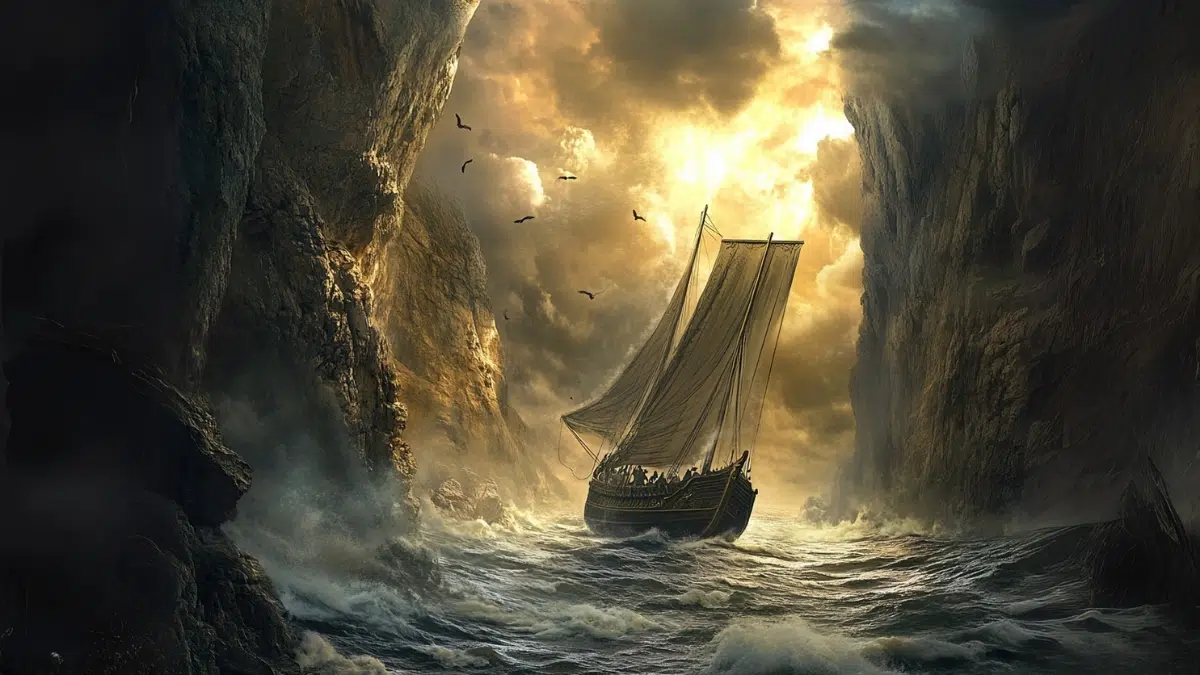
Elysium appears in several myths, either directly or through its themes of peace, reward, and the soul’s journey after death.
The Odyssey
-
Odysseus’s Journey: In The Odyssey, the prophet Tiresias tells Odysseus of a peaceful end far from war and hardship. Some scholars interpret this as a reference to Elysium or the Isles of the Blessed—rewarding him not through battle, but through destiny and wisdom.
- Menelaus (The Odyssey, Book 4):
After death, Menelaus does not go to Hades but is destined for Elysium because he is married to Helen, daughter of Zeus. The gods consider him favoured, and he will live in Elysium where “life flows easily, and there is no snow, nor storm, nor rain.”
Other Myths
-
Orpheus and Eurydice: Orpheus travels to the Underworld to rescue his wife, Eurydice. While the story doesn’t take place in Elysium, it shows the contrast between love, loss, and the harshness of death. Elysium, by contrast, represents peace and hope beyond tragedy.
-
Achilles (The Isles of the Blessed):
Some myths say that after his death, Achilles reaches the Isles of the Blessed (considered part of Elysium). He earns this fate not just for his skill in battle, but because he lives with honour and passion. In The Odyssey, however, his spirit expresses regret and longs for life. -
Harmonia and Cadmus (Theban myths):
After long struggles, the gods transform them into serpents and send them to the Isles of the Blessed. This act shows divine reward after a life of hardship and loyalty. -
Hesiod’s Works and Days (Myth of the Five Ages):
Hesiod describes the Heroic Age, whose heroes live in Elysium after death. This includes mythic figures who fight at Thebes and Troy. The gods grant them peace for their noble deeds. -
Heracles (Hercules):
After his death and apotheosis (becoming a god), Heracles spends time among the gods on Olympus, but some versions say his mortal soul travels to Elysium. This shows a dual reward—divinity and eternal peace.
Roman Myths Connected to Elysium
-
Aeneas in the Underworld (The Aeneid, Book 6):
The clearest Roman reference to Elysium comes from Virgil’s Aeneid. Aeneas journeys through the Underworld guided by the Sibyl. He crosses the River Styx and meets his father, Anchises, in the Elysian Fields. Anchises shows him the souls preparing for rebirth, revealing Rome’s future greatness. This scene mirrors Greek ideas but adds Roman values like duty, ancestry, and empire. -
Anchises’ Speech:
Anchises explains the cycle of purification, where souls undergo cleansing before returning to Earth. Only the just and noble eventually reach Elysium or the Isles of the Blessed, echoing Greek reincarnation beliefs. -
Romulus (Founder of Rome):
Though not directly stated as entering Elysium, Romulus disappears in a storm and is believed to ascend to the heavens. Later myths suggest he becomes the god Quirinus, showing divine reward and heroic status after death.
Norse Myths Connected to the Afterlife
-
The Death of Baldur:
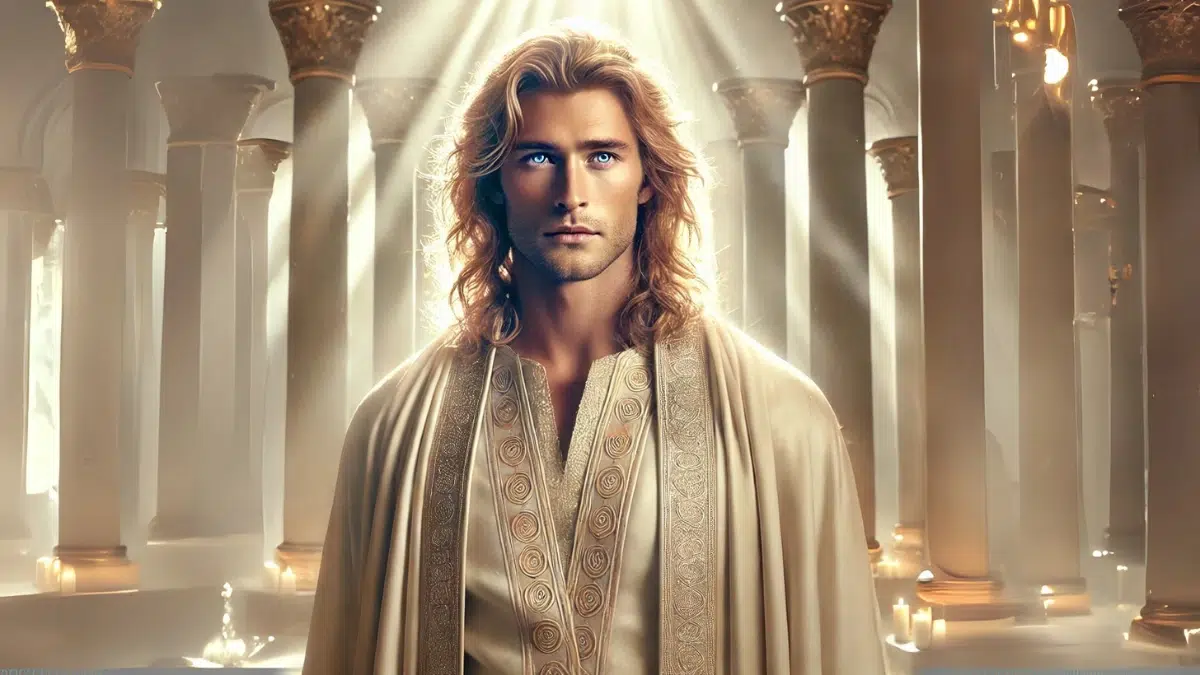
Baldur, the beloved god, dies and travels to Helheim. His death marks the start of cosmic imbalance. Though Helheim lacks torment, it still carries sorrow. His story shows that even gods can journey to the afterlife and that honour does not always bring a glorious death. -
Ragnarök Prophecies:
At the end of time, warriors from Valhalla and Fólkvangr rise to fight beside the gods in Ragnarök. These realms act as both afterlife rewards and staging grounds, combining peace with future purpose. It reflects Norse ideas of glory, honour, and duty beyond death. -
The Valkyries and the Chosen Dead:
Valkyries choose warriors to join Odin in Valhalla or Freyja in Fólkvangr. While not myths themselves, these figures appear in many Eddic poems and tales, showing how fate and bravery determine a soul’s destination.
Why Elysium Matters
Elysium represents hope. It offers a reward for goodness, bravery, and wisdom.
In every version, it stands as a gentle end—proof that life’s struggle leads to peace. Whether in Greek tales, Roman epics, or Norse warrior halls, the idea of a noble afterlife comforts those who seek meaning beyond death.