Tips for Choosing the Right Recurve Crossbow
![]() Understanding the Basics of Recurve Crossbow
Understanding the Basics of Recurve Crossbow
Recurve crossbow are characterized by their distinctive curved limbs, which sweep away from the archer.
This design provides a mechanical advantage, allowing the bow to store more energy and release it more efficiently than straight-limbed bows.
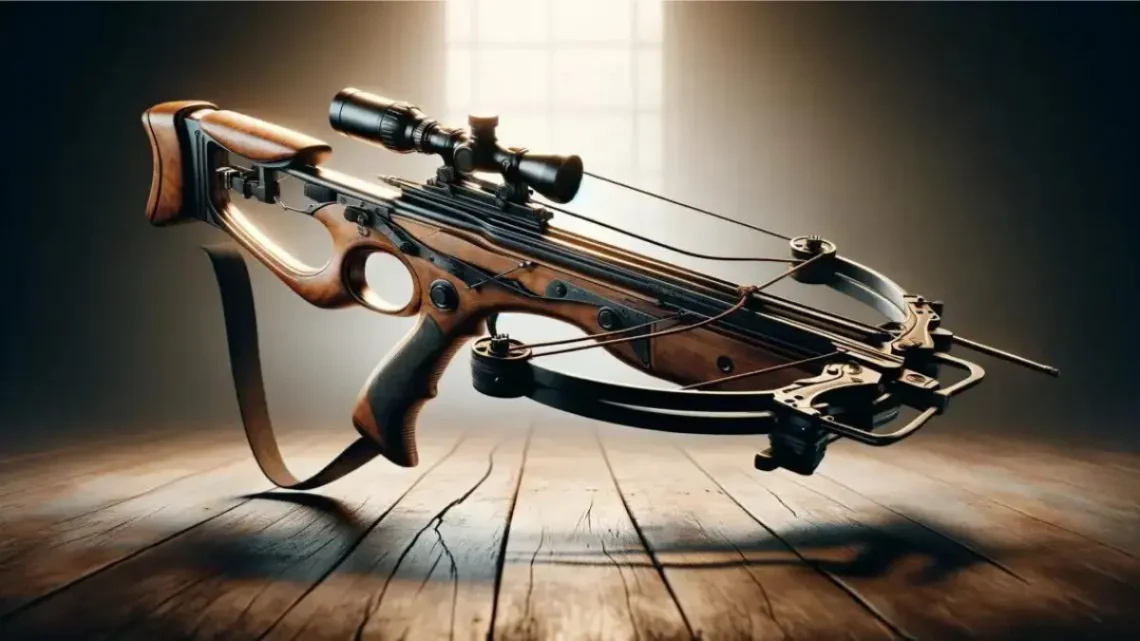
The key components of a recurve crossbow include:
- Limbs: The limbs are the flexible parts that bend when the crossbow is cocked.
- Riser: The riser is the central part of the crossbow where the limbs are attached.
- String: The string connects the limbs and transfers energy to the arrow when released.
- Stock: The stock supports the bow’s mechanism and provides a shoulder rest for the archer.
- Trigger: The trigger mechanism holds the string in place and releases it to fire the arrow.
These essential parts work in harmony to provide the functionality and power that make recurve crossbows a preferred choice for many archery enthusiasts.
Considering Draw Weight for Your Needs
When selecting a recurve crossbow, the draw weight—the amount of force needed to pull the bowstring back—plays a crucial role. It determines the power and, consequently, the velocity of the bolt when shot. Prospective buyers should consider:
- Their physical strength
- The intended use of the crossbow (hunting, target shooting, etc.)
- Local regulations for hunting draw weights
- The compatibility with their physical capabilities to ensure regular use without strain
Choosing the appropriate draw weight maximizes efficiency, ensures safety, and enhances the overall crossbow experience.
Learn more about: Bow Draw Weight in Archery – Part 2
Importance of Selecting the Appropriate Draw Length
Choosing the right draw length is critical for operating a recurve crossbow efficiently. It affects:
- Accuracy: The correct draw length ensures that arrows are released consistently, improving precision.
- Comfort: An appropriate draw length helps prevent strain and fatigue, allowing for prolonged use without discomfort.
- Power: Draw length corresponds to the power stroke, influencing the energy transfer to the arrow. Incorrect draw length can lead to decreased power and effectiveness.
- Safety: A draw length that is too long can cause overextension, while too short may lead to snapping or loss of control—both presenting safety risks.
Archers must measure their draw length and choose a crossbow accordingly to optimize performance and safety.
The Role of Crossbow Weight and Maneuverability
When choosing a recurve crossbow, the weight is a critical factor affecting endurance and shooting accuracy.
A heavier crossbow might provide stability but can lead to fatigue, affecting a hunter’s ability to aim over extended periods.
Conversely, a lighter crossbow enhances maneuverability and ease of handling, which is especially beneficial in dynamic hunting scenarios or when tracking targets through dense terrains.
Moreover, maneuverability is not solely influenced by weight but also by the crossbow’s design.
A well-balanced crossbow, with the weight evenly distributed, offers a smoother shooting experience.
Archers should therefore seek out a recurve crossbow that feels comfortable to hold and is appropriately weighted for their strength and hunting style, ensuring a blend of stability and ease of movement.
Examining the Quality of Construction and Materials
When choosing a recurve crossbow, investigating the build and material quality is crucial.
A robust frame, often made from aluminum or carbon, ensures longevity and consistent performance.
Limbs crafted from high-quality fiberglass or composite materials contribute to power and durability.
Pay attention to the tightness of the fittings and the finish of the surfaces.
A crossbow with poorly fitted parts or rough edges can indicate substandard manufacturing.
Always inspect for any defects or inconsistencies in materials that could compromise the crossbow’s functionality or safety.
A well-constructed crossbow will enhance accuracy, provide reliable use, and withstand the rigors of frequent shooting.
Additional Features to Look For: Sights, Grips, and Accessories
When selecting a recurve crossbow, one must consider:
- Sights: Opt for integrated sights or scopes that enhance accuracy. Red-dot sights and multi-reticle scopes are popular choices for precision aiming.
- Grips: An ergonomic grip can improve comfort and stability. Check for adjustable or textured grips that match your hand size and shooting style.
- Accessories: Investigate additional options like quivers, cocking devices, and noise-dampening systems. These can elevate the hunting experience by increasing convenience and reducing the crossbow’s sound profile.
Making an Informed Decision: Price vs. Quality
When selecting a recurve crossbow, balancing cost and craftsmanship is crucial.
Price can often reflect the quality of materials and manufacturing precision.
However, higher-priced models do not always guarantee superior performance.
Budget-conscious buyers should seek mid-range crossbows that offer durability and reliability without the high price tag.
Conversely, experienced archers may invest in high-end models for advanced features and enhanced accuracy.
Ultimately, one must assess their skill level and needs against the crossbow’s build quality and cost to ensure a value-packed purchase.