Journey and History of Archery: Combat to Recreation
The journey and history of archery has been interesting. From prehistoric hunters to mythical heroes, the bow and arrow have been loyal companions across millennia. These tools rose from practical hunting instruments to revered weapons of war, leaving a sharp mark on legends and battlegrounds alike. They whispered secrets of survival to early humans and echoed the might of emperors conquering distant lands.
The bow’s gentle curve and the arrow’s determined flight have been etched into our collective history. It demonstrates both ingenuity and our intrinsic love for stories, legends that leap from the pages of history and occupy a hallowed place in our imaginations.
Thus let’s explore the journey and history of archery from combat to recreation.
A Historical Perspective: Archery in the Ancient World
Archery has been a critical skill since prehistory.
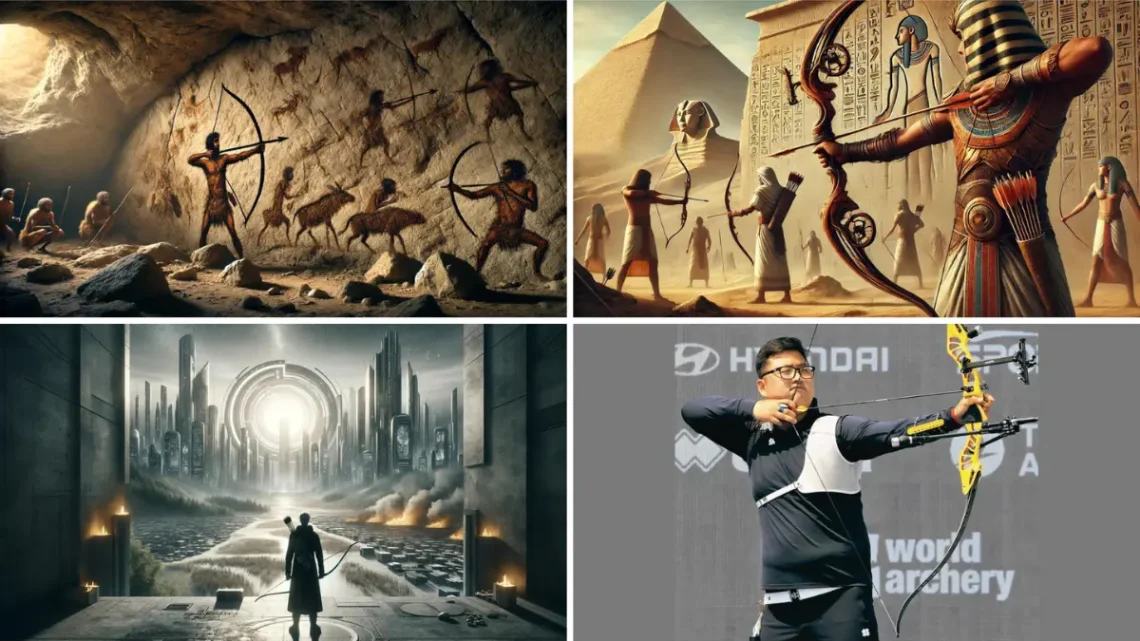
Cave paintings depict hunters armed with bows, striking down game. Archers in ancient Egyptian society enjoyed high social standing as protectors and hunters, while in China, skill with a bow was essential for military examinations.
The archery tradition in Greece dates back to at least the Trojan War, where heroes like Odysseus and Achilles were famed for their prowess.
Bows in battle were significant for ancient Persians, and the skill was even a measure of nobility in some cultures. In the Americas, Indigenous archers used the bow for sustenance and war.
History of Archery From Simple Bows to Compound Designs
Archery has come a long way from rudimentary sticks and strings. Early hunters fashioned simple bows from wood and animal sinew. As civilizations progressed, so did archery gear.
The Egyptians used composite bows, which combined different materials for increased strength. Centuries passed, and the longbow, famed for its height and power, dominated medieval battlefields.
In the 20th century, innovation surged.
American engineer Holless Wilbur Allen birthed the compound bow in the 1960s, revolutionizing archery. Its pulley and cam system lessened the strength needed to hold a full draw.
Today, compound bows flaunt advancements in precision, materials, and design, offering archers unparalleled performance.
History of Archery in Warfare: A Tool for Conquest and Defense
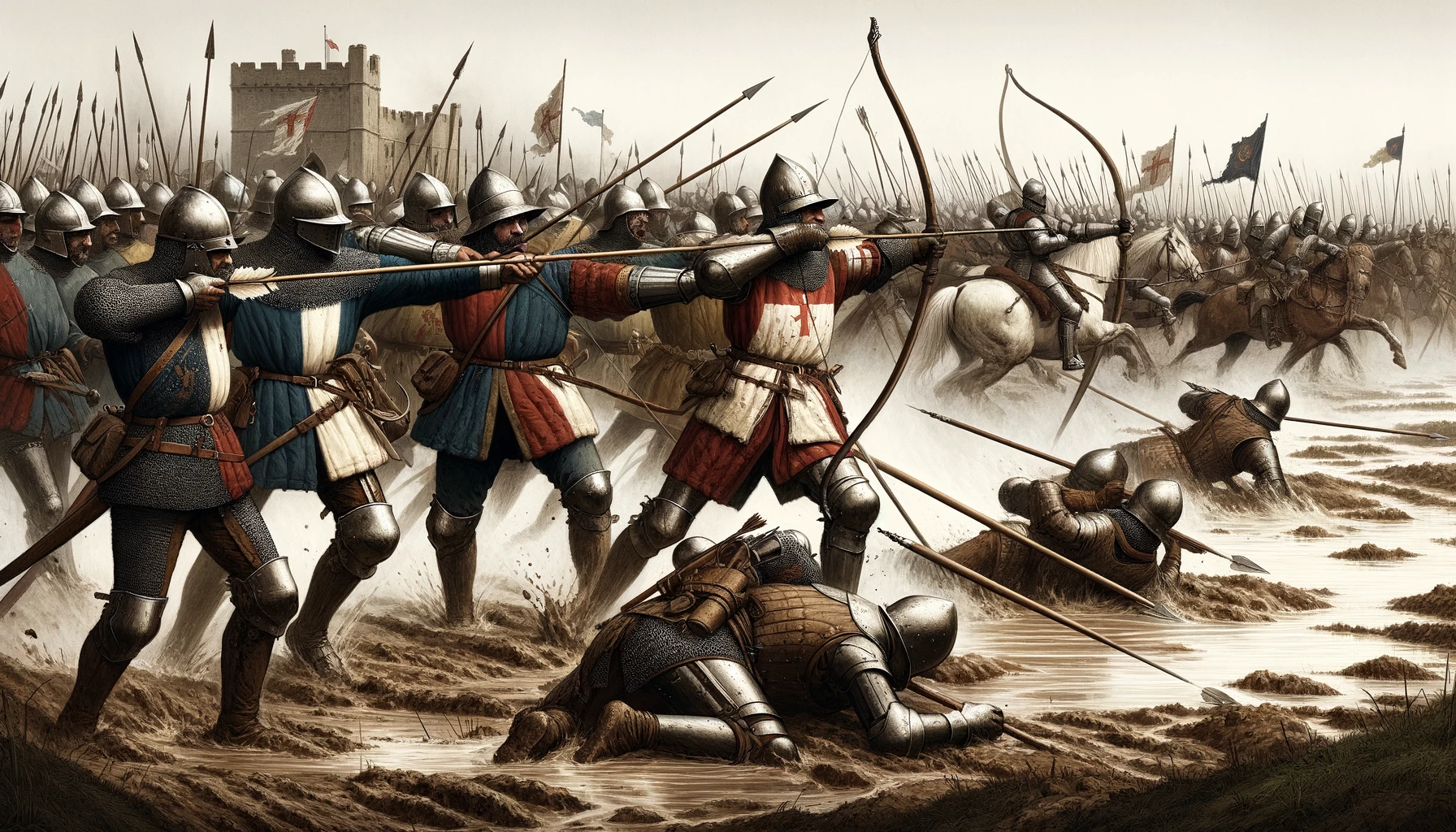
Throughout history, archers have played a pivotal role in combat. Armed with bows, these warriors struck from a distance, a tactical advantage on both open fields and behind fortress walls.
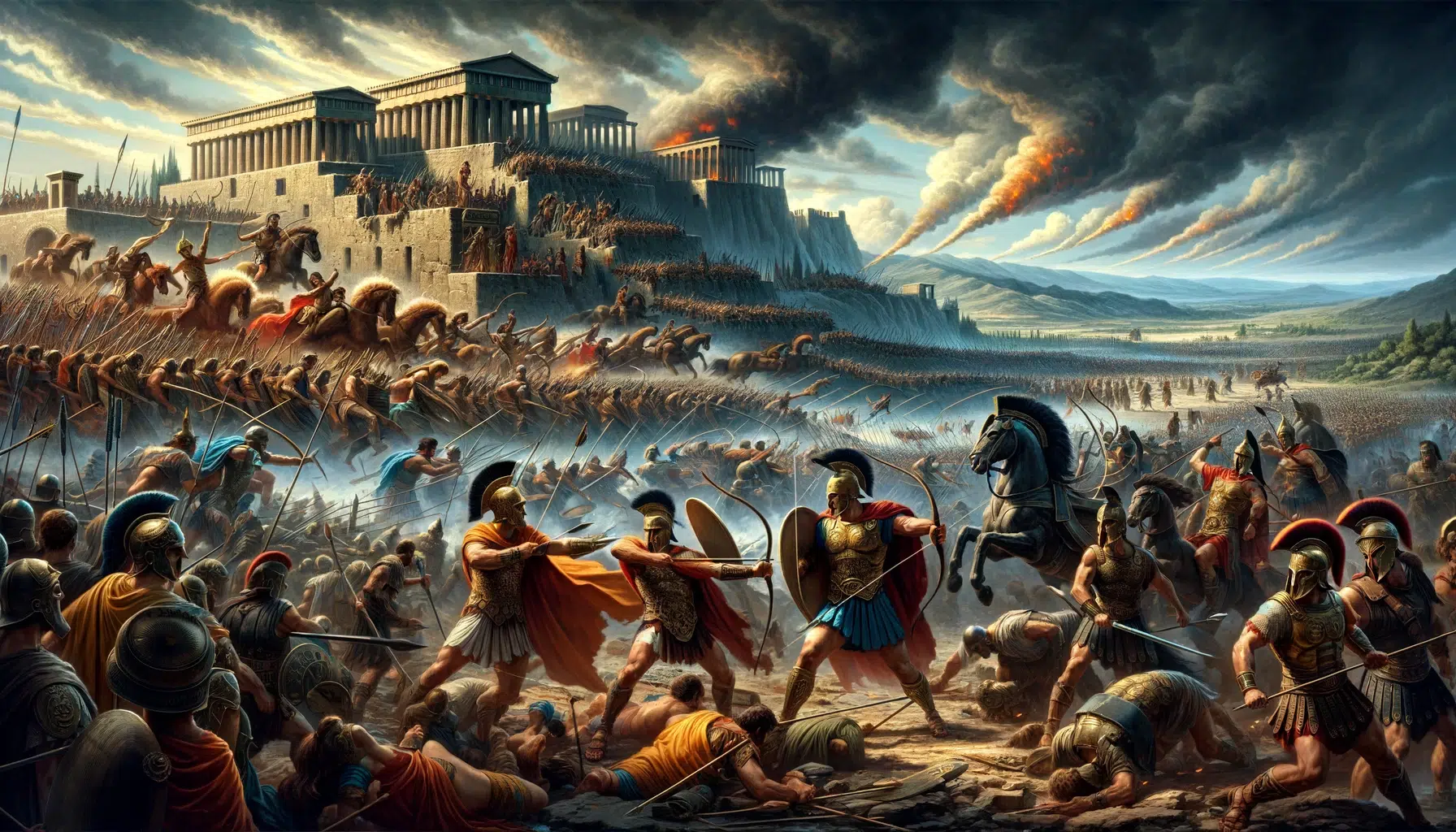
In ancient times, coordinated volleys of arrows blackened skies, decimating enemy ranks before swordsmen clashed. Defensive stands often hinged on archers repelling sieges, their quivers emptying as relentless streams of arrows rained down upon would-be conquerors.
From the nimble horseback archers of the Mongol hordes to the legendary English longbowmen at Agincourt, archers shaped the outcomes of countless battles, engraving their prowess into the annals of military history.
Sacred Arrows: The Importance of Archery
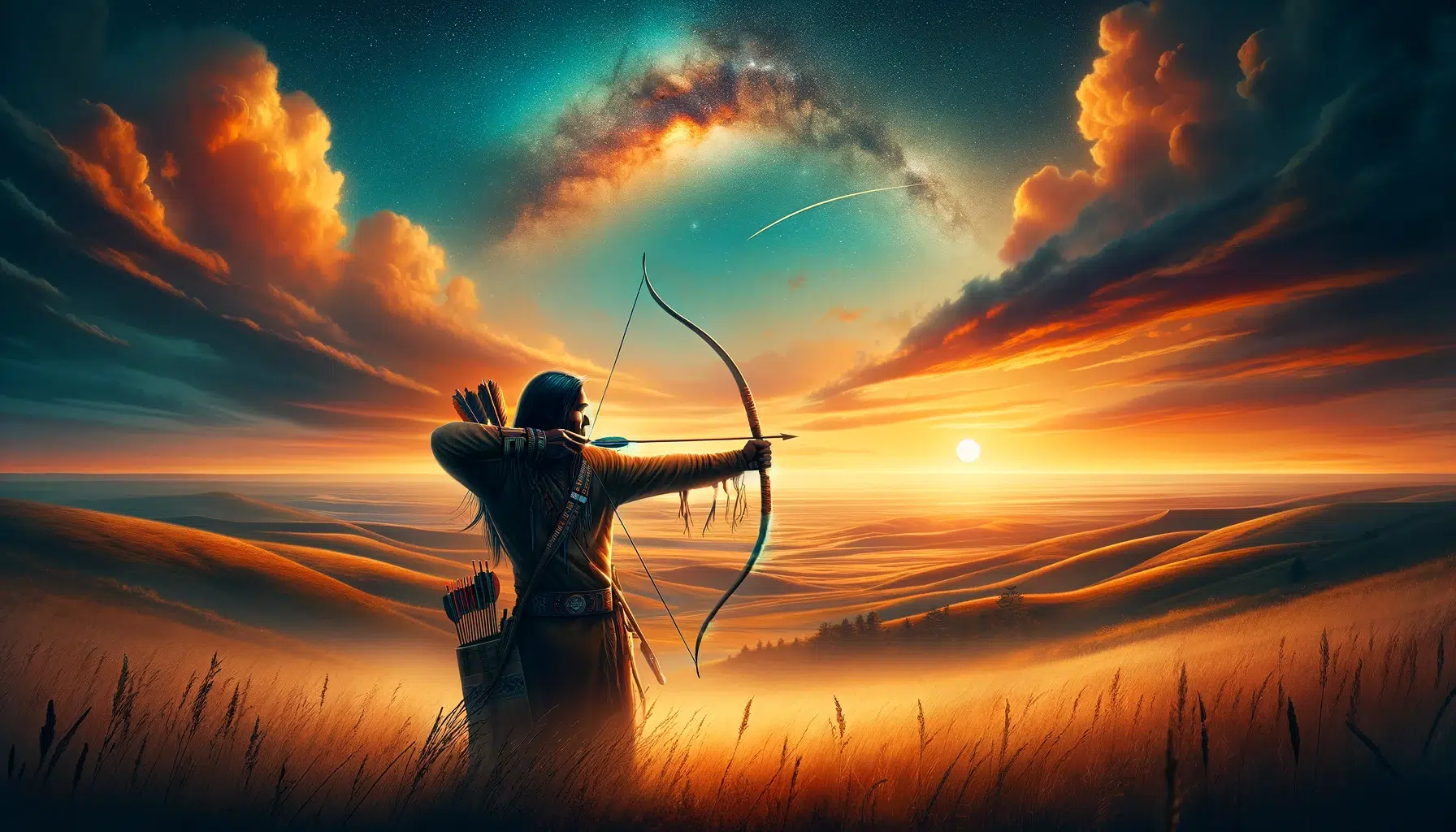
In many societies, archery extends beyond the battlefield—into the realm of the sacred.
Indigenous peoples of North America, for instance, hold the arrow as a symbolic object, representing life’s path or communication with the divine. Special arrows are crafted for spiritual ceremonies, their flight believed to carry prayers to the heavens.
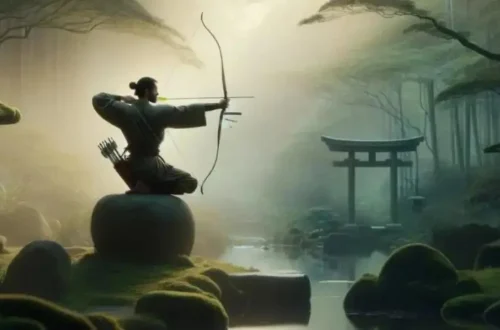
Similarly, in Japan, the art of Kyūdō—literally meaning “The Way of the Bow”—is a disciplined practice imbued with Shinto and Zen philosophies. Archers aspire to spiritual clarity, releasing arrows with a purity of heart and mind. The bow, in this context, transforms into an instrument of meditation and self-reflection.
Across the globe, festivals like Bhutan’s Paro Tshechu feature archery prominently, celebrating skills and invoking blessings. These cultural expressions underscore archery’s ceremonial weight, etching rich narratives into every drawn string and released arrow.
From Necessity to Sport: The Transformation in the Middle Ages
Initially, archery in medieval times boiled down to survival and warfare. Every arrow nocked was a means to hunt or to defend. However, as societies stabilized, the skill transcended its utilitarian roots.
- By the late Middle Ages, archery contests cropped up, often at local fairs.
- England, recognizing the military value, encouraged practice through mandatory archery laws.
- The longbow, once a war staple, became a sport icon, pushing archery towards recreational realms.
- Skills were showcased not on battlefields, but in competitive tournaments with grand audiences.
This cultural shift embedded archery firmly within the fabric of leisure and sport.
The History of Archery: Revival and Decline in Europe
Following the Middle Ages, Europe experienced a renewed interest in archery, often celebrated in festivals and embraced by nobility for sport rather than warfare. Archery societies flourished, cultivating skill and camaraderie among enthusiasts.
However, as firearms evolved, archery’s significance waned, leading to its decline.
By the late Renaissance, bows were more a symbol of tradition and pastimes than a tool of power. Still, the bow’s lasting legacy echoes through cultural lore, hinting at its former glory and the skill of those who held it.
The History of Archery: Traditional Bow-making Techniques
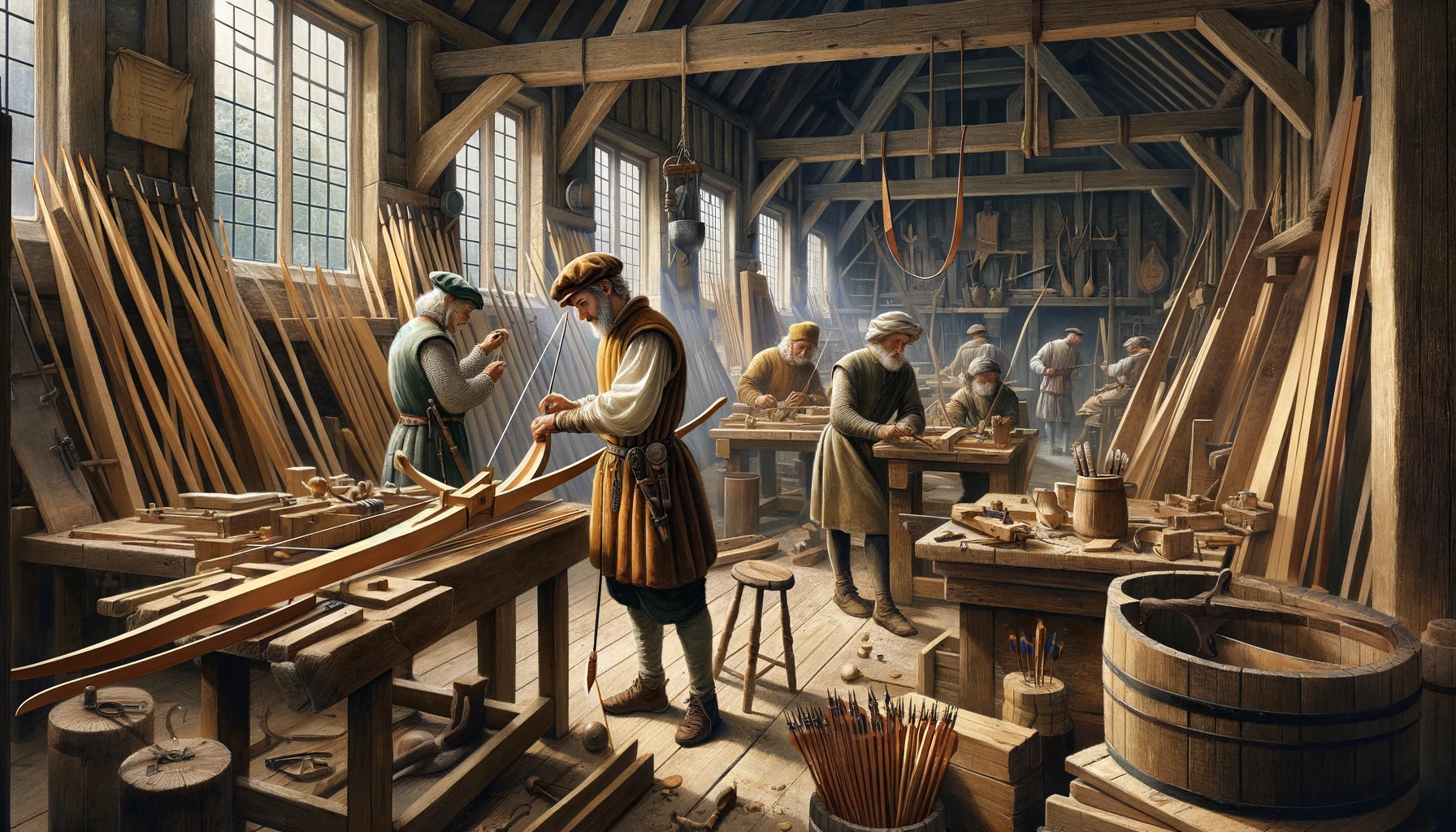
Traditional bow-making is an intricate art passed down through generations. Bowyers select wood like yew or ash, appreciating grain for enduring flexibility.
Tools are simple: knives, drawknives, and scrapers shape the stave. Sinew, horn, and glue craft composite bows. Nocking points are meticulously carved, and the bow’s limbs are tillered, ensuring even bend and optimal force.
The string, often made from animal hide or plant fibers, is twisted with skill. Each bow, a blend of natural material and careful handwork, is a testament to the archer’s craft.
Archery as a Modern Competitive Sport

In modern times, archery has hit the bullseye as a competitive sport governed by strict rules.
Target archery, notably featured in the Olympics, showcases archers shooting at stationary circular targets at varied distances. Athletes compete in head-to-head matches or in team events where precision and composure are key.
Rules set by the World Archery Federation dictate equipment regulations, scoring methods, and competition formats. On the Olympic stage, archers strive for gold through a ranking round followed by an elimination process, engaging audiences with each tension-filled arrow released.
Technological Advances and Innovation on Archery
Archery has witnessed a remarkable transformation due to scientific progress. High-tech materials like carbon fiber now craft lighter, more durable bows and arrows, drastically enhancing precision and range.
Compound bows, with innovative cam systems, have revolutionized shooting mechanics, making it easier to draw heavy weights. Electronic sights and stabilizers equip modern archers with unprecedented aiming capabilities.
From Olympic stages to hunting trails, technology infuses archery with cutting-edge efficiency, forever changing this ancient practice’s landscape.
Archery’s Popularity in Popular Culture and Media
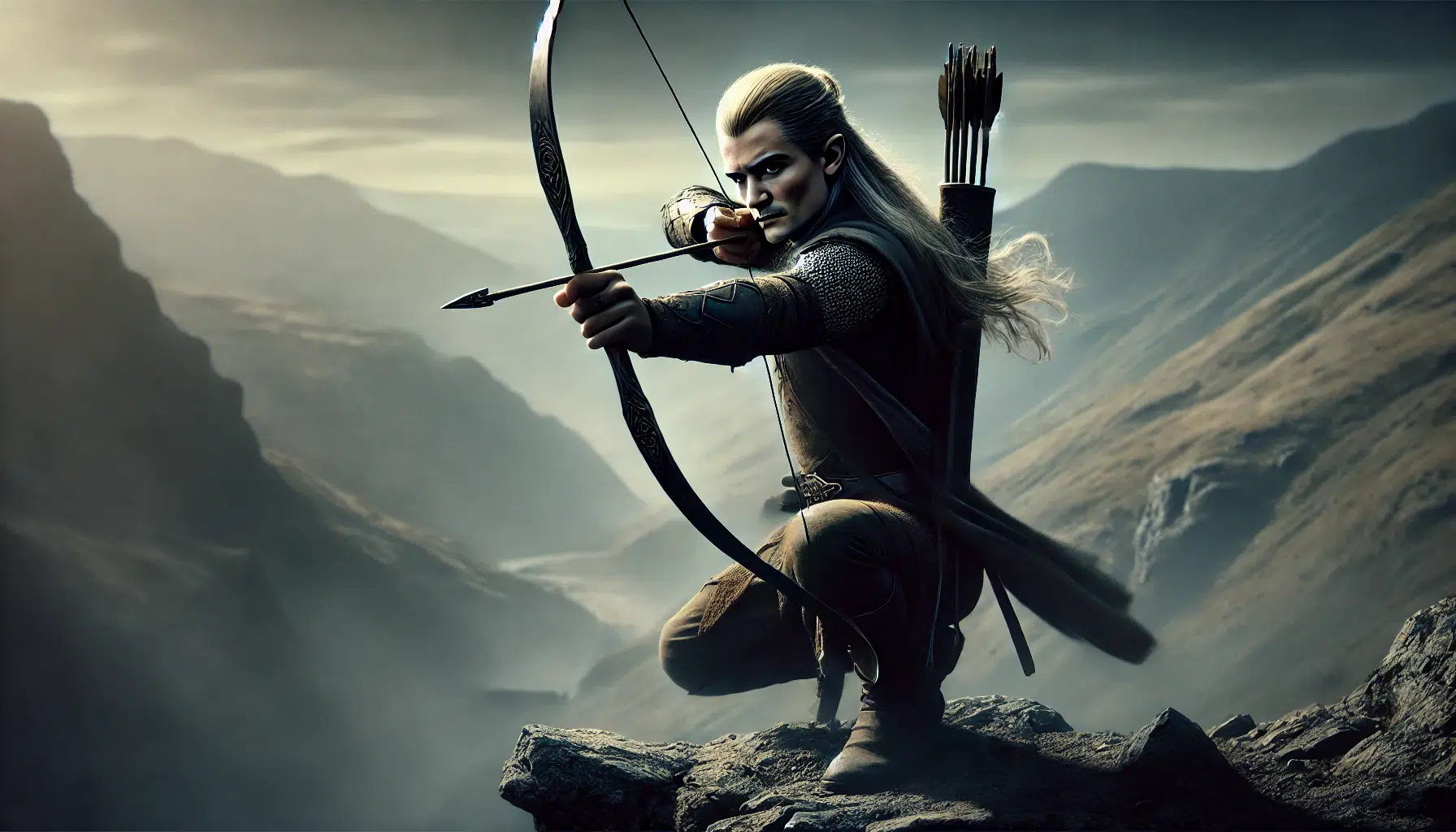
Archery has captured the imagination of many through various forms of media. Iconic figures like Legolas, portrayed by Orlando Bloom in “The Lord of the Rings,” showcase elven precision. Katniss Everdeen, from “The Hunger Games,” inspires with her rebellious spirit and bow.
On television, Oliver Queen in “Arrow” fights crime with his archery skills, while historical dramas like “Vikings” portray legendary archers in warfare.
Video games also offer a slice of archery action, with characters like Link from “The Legend of Zelda” series. These depictions have helped to maintain archery’s allure and relevance in contemporary culture.
Preservation of the Tradition
Across the globe, indigenous cultures keep the ancient art of archery alive, not just as a historical footnote but as a living tradition.
In North America, Native Americans craft longbows and partake in archery competitions that showcase both skill and cultural pride.
The Bhutanese continue to honor archery as their national sport, with traditional bamboo bows still in use during festive tournaments.
Similarly, the San people of Southern Africa, pass down bow-making techniques and hunting skills, preserving their heritage. Through these practices, archery remains a vibrant part of indigenous culture, more than a mere sport—a connection to ancestors and the land.
The Development of Archery Safety Equipment
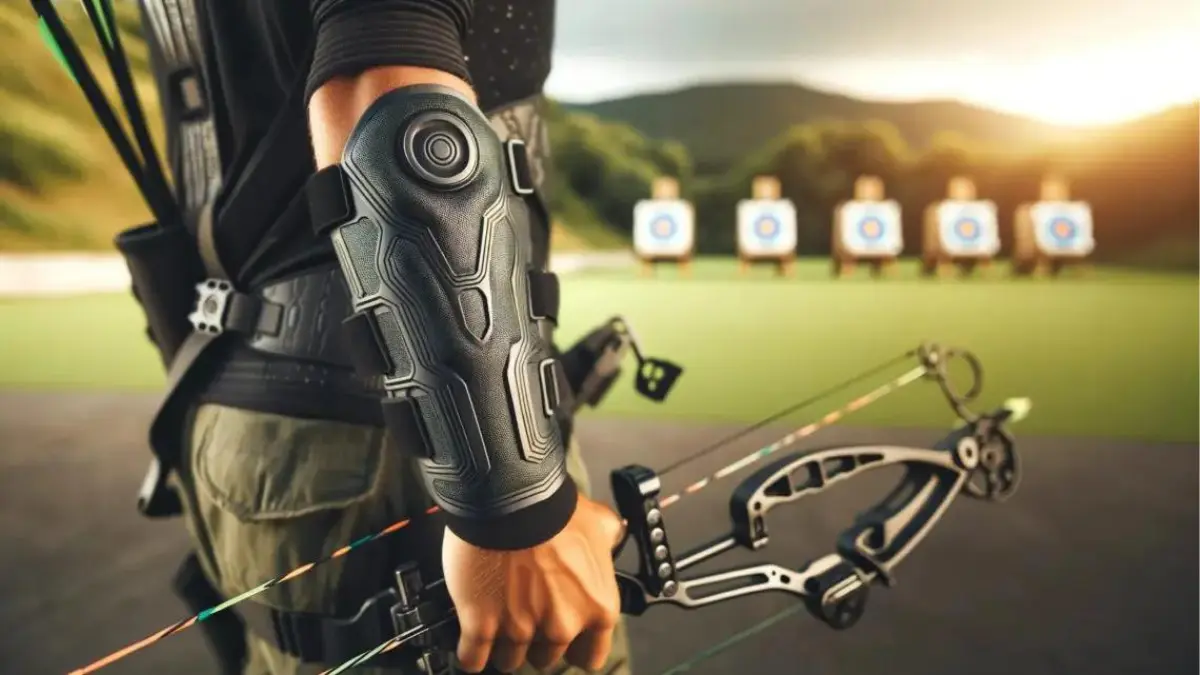
As archery evolved, so did the focus on safety. Initial gear was rudimentary, often fashioned from natural materials offering basic protection.
In the 20th century, however, safety took a leap forward.
The development of arm guards, now made from advanced synthetic materials, helps prevent string slaps. Finger tabs and gloves protect from repetitive strain, while the modern bowstring has incorporated anti-snap technology.
Chest guards ensure a smoother, safer draw. Most importantly, the use of sturdy, full-coverage helmets and eye protection has become recommended for archers, reflecting an increased awareness and priority on the safety of participants in this ancient sport.
History of Archery’s Role in Modern Recreation and Fitness
Archery, an ancient practice, has found its modern niche in recreation and fitness. In cities, archery ranges attract diverse crowds, offering a mix of social interaction and competition.
As a low-impact exercise, it’s excellent for building upper body strength and improving focus and coordination. Corporate events often feature archery as team-building exercises, signifying its versatility.
Moreover, pop culture has reignited interest with heroic archer portrayals, inspiring individuals to take up the bow. Consequently, archery has gracefully transitioned from historic battlefields to a refined recreational pursuit and fitness activity.
Learn more about getting started in archery: Get Started with Beginner Archery – Part 1
History of Archery’s Lasting Legacy and Future Directions
Archery weaves through history, connecting cultures with a common thread. The legacy persists, not only in tales of legendary figures but in its modern resurgence.
As technology advances, so too does archery, blending ancient skills with innovative equipment. Initiatives to keep traditions alive, alongside inclusive programs, enrich archery’s tapestry.
Future generations will carry the quiver, ensuring the arrow of archery’s heritage flies true into tomorrow.