
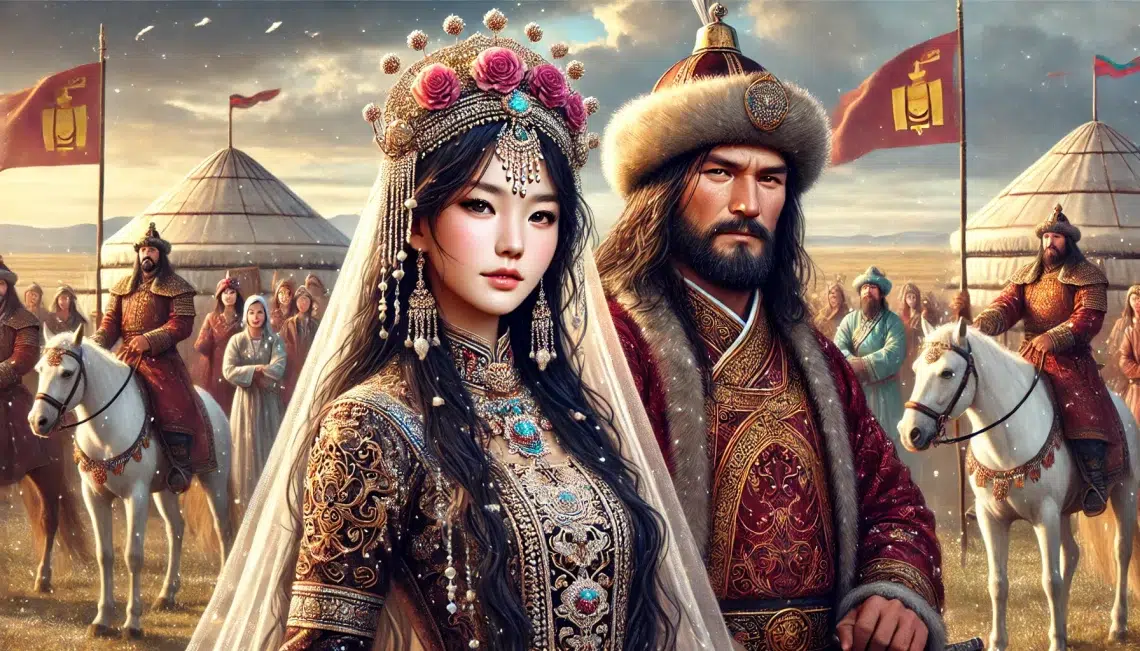
Empress Börte the Woman Behind Genghis Khan
Börte was more than the wife of Genghis Khan. She was kidnapped, rescued, and later became Empress of a rising empire.
Married to Temüjin before he became Genghis Khan, her abduction by a rival tribe forced him into his first major military campaign. That rescue changed history.
As Empress, Börte advised her husband, secured the legitimacy of their sons, and helped stabilize the early Mongol state.
This is the story of the woman behind the conqueror.
Frequently Asked Questions About Börte
Who was Börte?
Börte was the first wife of Genghis Khan and Empress of the Mongol Empire.
Was Börte kidnapped?
Yes. She was abducted by the Merkit tribe and later rescued by Temüjin (Genghis Khan).
Did Börte influence Genghis Khan?
Yes. She supported his rise and secured the succession of their sons and was a valuable advisor to Genghis Khan.
How many children did Börte have?
She had four sons who became key leaders in the Mongol Empire and five daughters who had strategic marriages.
Learn more about:
- Origins of Genghis Khan and the Mongol Empire
- Conqueror Bloodline: Genghis Khan’s Children
- Kublai Khan: Emperor & Grandson of Genghis
Early Life of Börte
Börte came from the Olkhonud tribe of the Khongirad. She was born around 1161 as the daughter of Dei-Sechen and Chotan.
Her parents were from a well-known tribe with many beautiful women. She looked remarkable, with “a fair complexion” and “fire in her eyes,” showing her wit and charm.
In the Olkhonud people, Börte learned the ways of a nomadic life. She mastered horseback riding, archery, and managing the home. Young Börte took care of chores like milking animals, weaving, and watching over younger family members. These early lessons helped build her strong character for the life she’d live with Genghis Khan.
Coming from the Olkhonud people, Börte was known for her beauty. This made her a good fit for marriage and led to her union with the future Genghis Khan, Temüjin. Her early years would pave the way for her later role as the Empress of the vast Mongol Empire. She took on this position with dignity and power.
Marriage to Temüjin Who Became Known as Genghis Khan

Börte’s marriage to Temüjin, who later became Genghis Khan, would change her life and affect the Mongol Empire’s beginnings.
At just nine, Yesügei, Temüjin’s father, sought a wife for his son. He chose Börte’s father, Dei-Sechen, from the Onggirat tribe. Dei-Sechen agreed to marry his ten-year-old daughter Börte to Temüjin. This marriage would be key in forming a strong tribal alliance.
In 1178, after being apart for seven years, Temüjin would reunite with Börte. They marry, create their home, and start a family.
Börte gave birth to nine children, four of whom were sons. These sons would later help with the expansion of the Mongol Empire.
Börte plays a big role in Temüjin’s life, becoming his chief wife. She manages a large household with over a thousand people, including many wives and soldiers. Her solid support and wise advice were crucial as Temüjin conquered lands and formed an enormous empire.
Kidnapped by the Merkit Tribe

Not long after she married Temüjin, Börte faced a frightening experience. The Merkit tribe, known for their strength in the Mongolian Plateau, takes her. Temüjin feels very upset when his wife vanishes. He asked his friend, Ong Qan, for help to find her.
The Merkit were powerful and had troubled the Mongols for a while. Temüjin and Ong Qan boldly went to the Barqujin area to save Börte. After eight months of struggle, they succeeded in bringing her back. Temüjin was determined to make those who hurt his wife pay. He later destroyed the tribe but kept their women as slaves.
Börte’s capture would deeply affect Temüjin, who later became Genghis Khan. This event was a tough test of their love and the Mongols’ strength. It marked the start of their victories over rivals. The story of Börte’s rescue is a key part of Mongol history and legend, highlighting their rise to power.
Reign as Empress
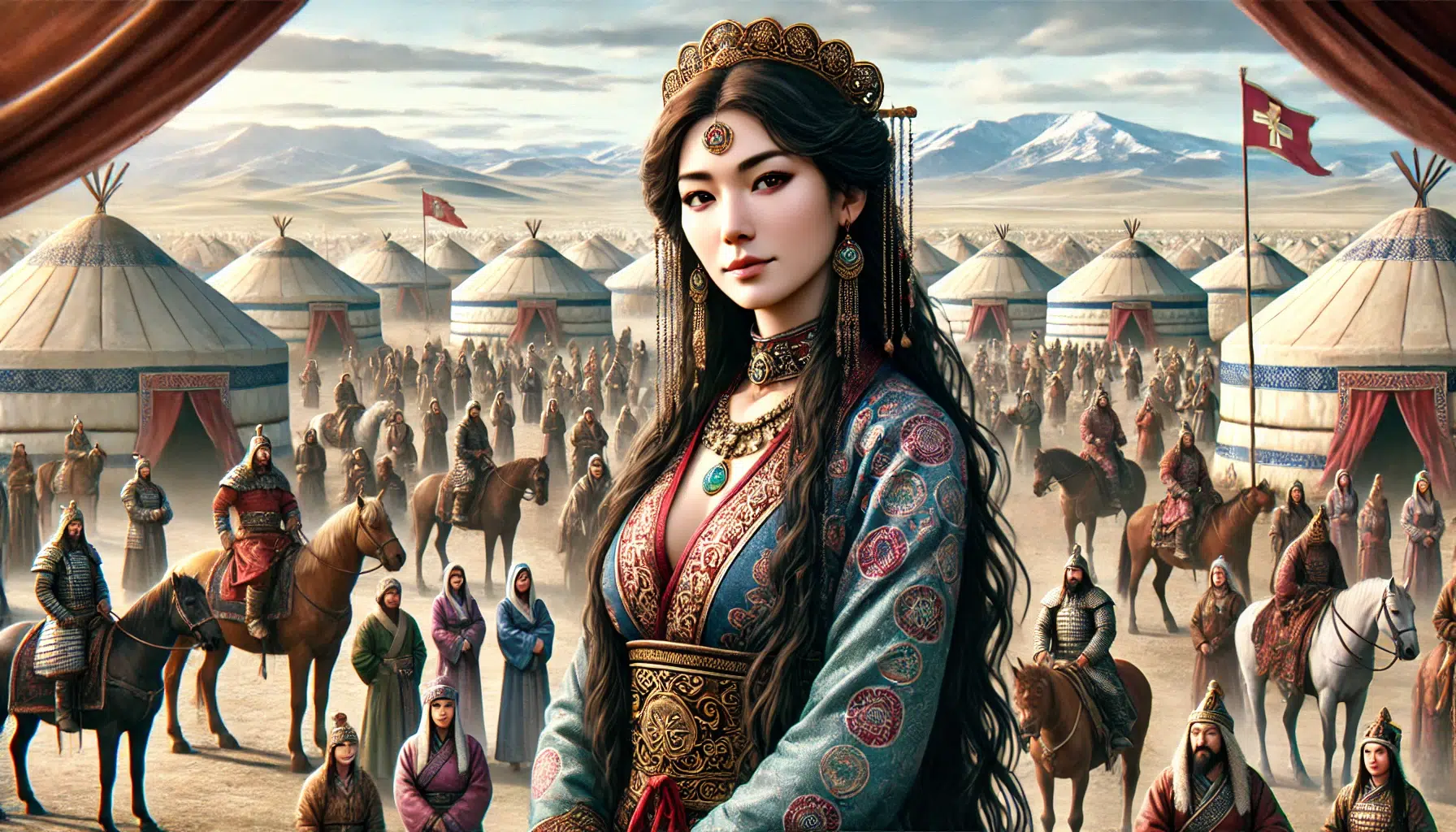
With the marriage to Genghis Khan, Börte would be a powerful figure in the Mongol Empire.
The size and wealth of the empresses’ homes showed their influence. Börte had nine children with Genghis Khan in the first sixteen years. This made her even more powerful.
Her title, Grand Empress, gave her great influence. She was important in making decisions and running the empire.
Börte came with her own wealth and intellect. She understood the Mongol people well. Börte and her mother-in-law managed many resources together. They took care of people, animals, and the economy of the Mongol camp.
She led a big camp with many people. This included other wives, animals, and guards. The empresses controlled large households. They were very important in society and politics.
Her cleverness and political skills were admired by many. The Mongols respected her, especially after her husband became Genghis Khan. Börte advised on war and how to talk with other countries.
Börte also made sure her daughters married well. She married her daughters to local rulers’ sons helping the Mongols keep peace and friendship with other places. Her daughters would help keep the Mongol Empire strong by acting as diplomats.
Börte left a huge mark on the Mongol Empire through her family. Over 16 million people were direct descendants of Genghis Khan because of her. Her sons were trained by her to lead the Mongol Empire after Genghis Khan.
Börte’s Children and Legacy
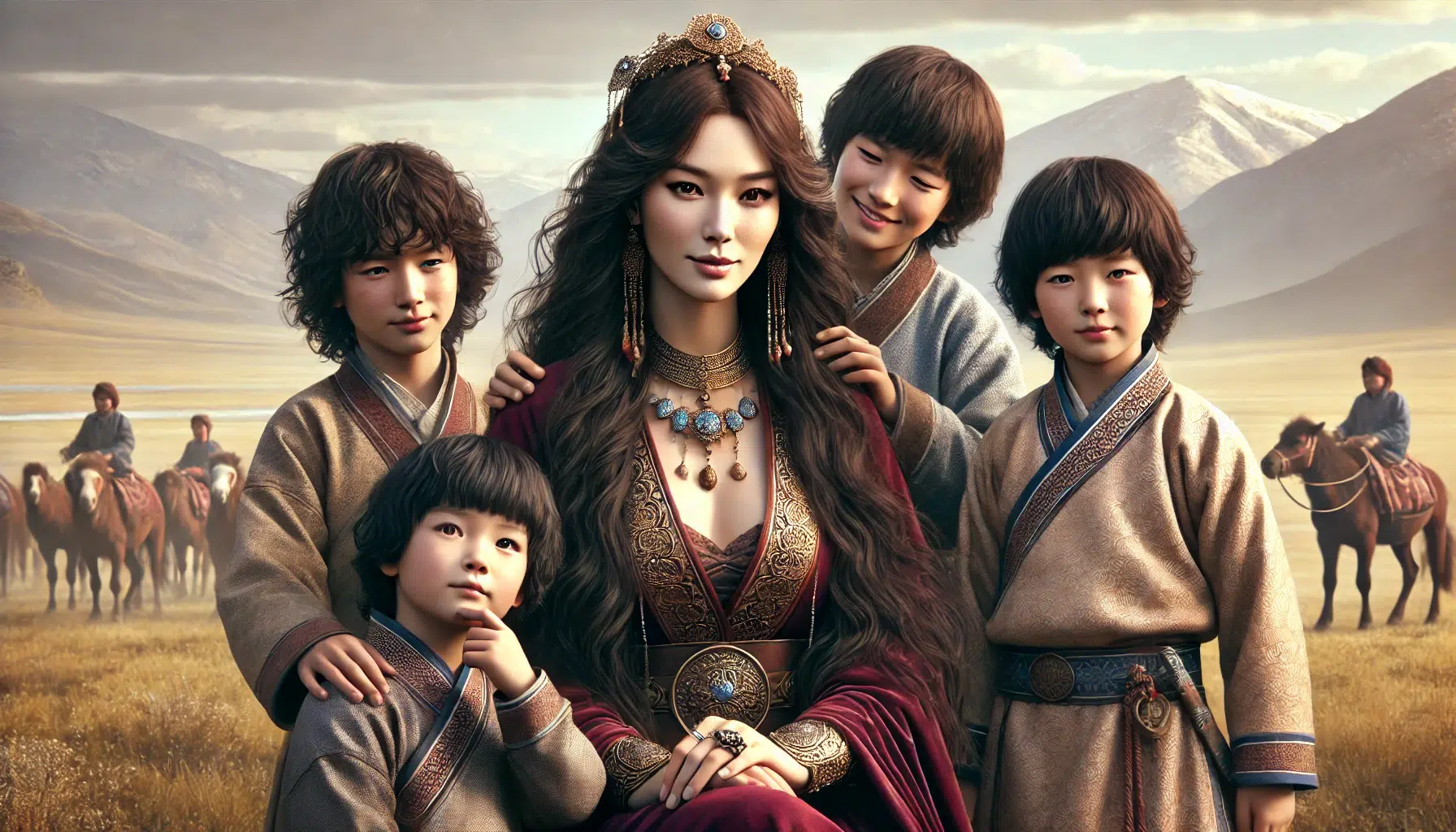
Börte was Genghis Khan’s wife and the Empress of the Mongol Empire.
Her nine children would help Genghis Khan become powerful and expand the Mongol Empire.
Her four sons with her eldest son being Jochi (1182 – 1227).
It was unclear as to whether Jochi was in fact the son of Genghis Khan. He was born shortly after Börte was rescued, after being held captive for 8 months. Genghis Khan would accept him as his own son anyway.
Börte had three more sons:
- Chagatai (1183–1242)
- Ögedei (1186–1241) – became the 2nd ruler of the Mongol Empire
- Tolui (1191–1232)
Börte was also the mother to five daughters and would arrange for them to marry important allies to improve relations and to make the Mongolian empire stronger.
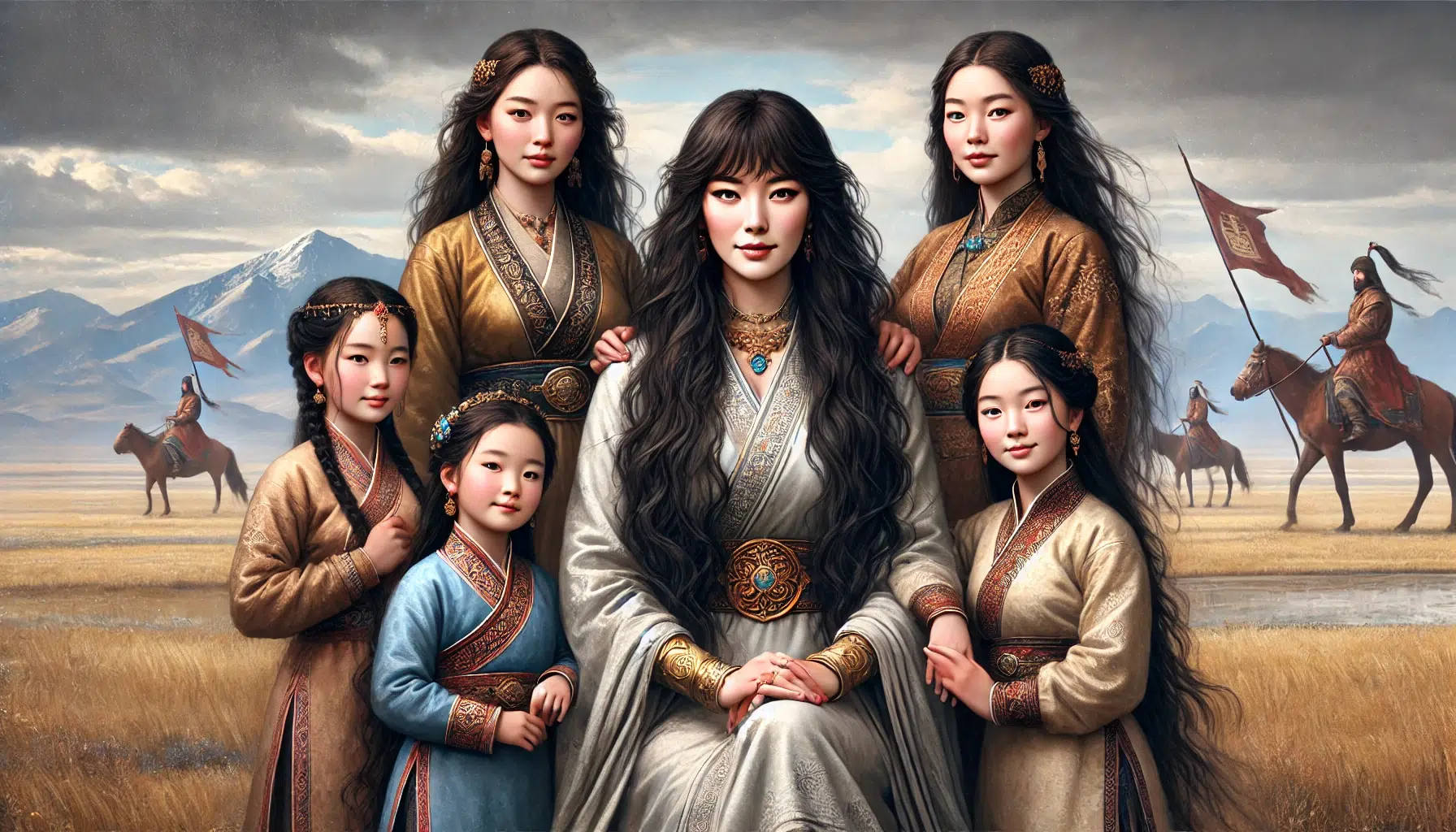
Börte’s five daughters:
- Qojin
- Checheikhen – would marry and govern the Oirat people; giving the Mongols control over the northern trade routes
- Alakhai Bekhi (1191) – was in charge of the territories in China conquered by her father
- Tümelün, and
- Altalun
Genghis Khan also would have many other children with other wives. However they were excluded from the succession. Only Börte’s sons were considered to be his true heirs.
Genghis Khan trusted his children with his land and wealth setting them up for future success. This choice helped the Mongol Empire last long after both Börte and Genghis Khan had passed away.
Their grandson Kublai Khan even became the first Emperor of the Yuan Dynasty in China.
The Many Wives of Genghis Khan
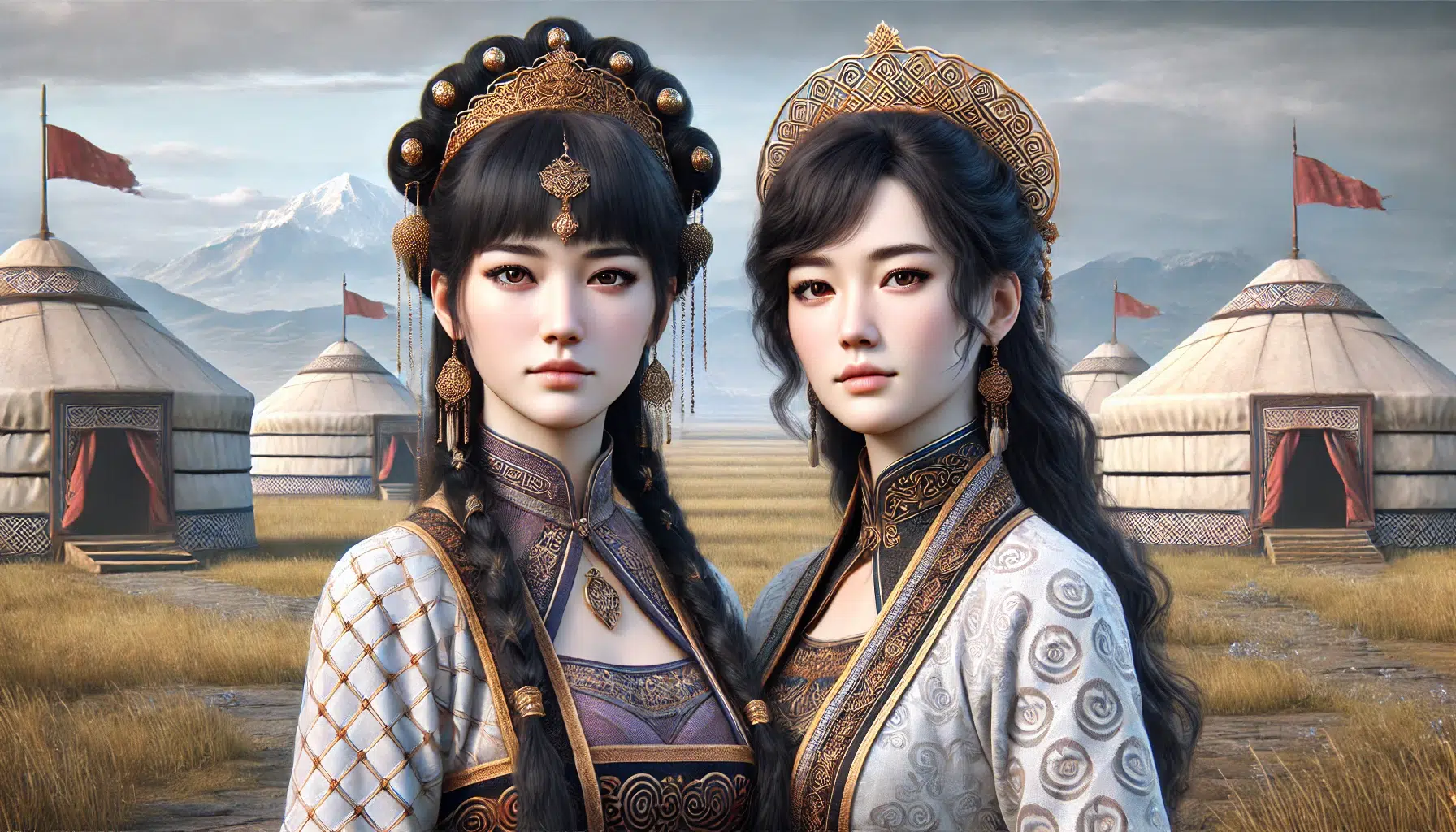
Genghis Khan, the great Mongolian leader, had many wives.
He married eight junior wives from peoples they had conquered to strengthen alliances. Even though Börte was the top wife, these other women had power too. They could still make important choices for their families.
Many of Genghis Khan’s wives came from noble backgrounds of conquered tribes to legitimize his rule over the newly aquired territories.
- Khulan – She was from the Merkit tribe, which Genghis Khan defeated. She became one of his wives to cement the alliance.
- Yesugen and Yesui – Both were princesses from the Tatar tribe and their marriages followed the conquest of the Tatars.
- Ibaqa Beki – A princess from the Onggirat tribe would have her marriage arranged to strengthen tribal ties.
- Gunju Khatun – From the Khongirad tribe, her marriage also served to strengthen tribal alliances.
- Gurbesu – From the Naiman tribe, her union with Genghis Khan followed the conquest of the Naimans.
Many of these marriages were strategic, aiming to integrate and stabilize the newly conquered regions by connecting Genghis Khan directly to the noble families of those areas.
These women, often of noble descent, played crucial roles in the administration and cultural integration of the empire.
Genghis Khan’s wives would manage their own camps and held significant power. They oversaw large households, including children, servants, and livestock. These women played crucial roles in society and politics. Their wisdom and leadership being highly respected.
The wives also contributed to the empire’s expansion. They advised Genghis Khan on various matters, including military strategies and governance. This support helped Genghis Khan achieve his goals and maintain control.
Börte’s Influence on Genghis Khan

Börte, Genghis Khan’s wife, had a big impact on his political moves and military plans. Genghis Khan valued her advice a lot. He often followed her suggestions closely when making decisions.
One time, Börte told Genghis Khan to end his alliance with Jamqua. She saw that it was hurting, not helping, his efforts. This advice made Genghis Khan’s position stronger. She also told him to challenge Teb Tenggeri, a shaman who was causing trouble. Genghis Khan did what she suggested.
Börte’s understanding and advice were key for Genghis Khan. With her help, he could deal with the many political challenges of his empire. Her wisdom played a big part in his successes on the battlefield and in growing the Mongol Empire.
Börte was a vital advisor to Genghis Khan, highlighting the significant roles that women played in the Mongol Empire. Her contributions show that Genghis Khan’s achievements were not his alone. Mongol women, too, greatly influenced the empire’s path.
Unsung Heroines: Women of the Mongol Empire
The Mongol Empire’s men were known for their battles and victories, but the women had a key part too. They ran the daily aspects of the empire, whether in war camps or as the empire grew. These women, though often not recognized, were essential to keeping things going.
Börte, Genghis Khan’s wife, was more than an empress. She was a diplomat, advisor, and manager. Along with other Mongol women, she helped the empire in many ways. They worked in diplomacy, managed the camps, and kept things running smoothly.
Their duties were not just at home. They also worked in the empire’s administration and on its diplomacy. Many served as ambassadors, working for their nation’s interests. Without them, the Mongol Empire might not have managed its many alliances and negotiations so successfully.
The women in the Mongol Empire had real power. They were admired for their intelligence and skill in solving problems. This made them important in maintaining the empire’s rule. These influential women changed the course of Mongol history. They make sure the empire flourished and lasted.
Börte’s Later Years and Death
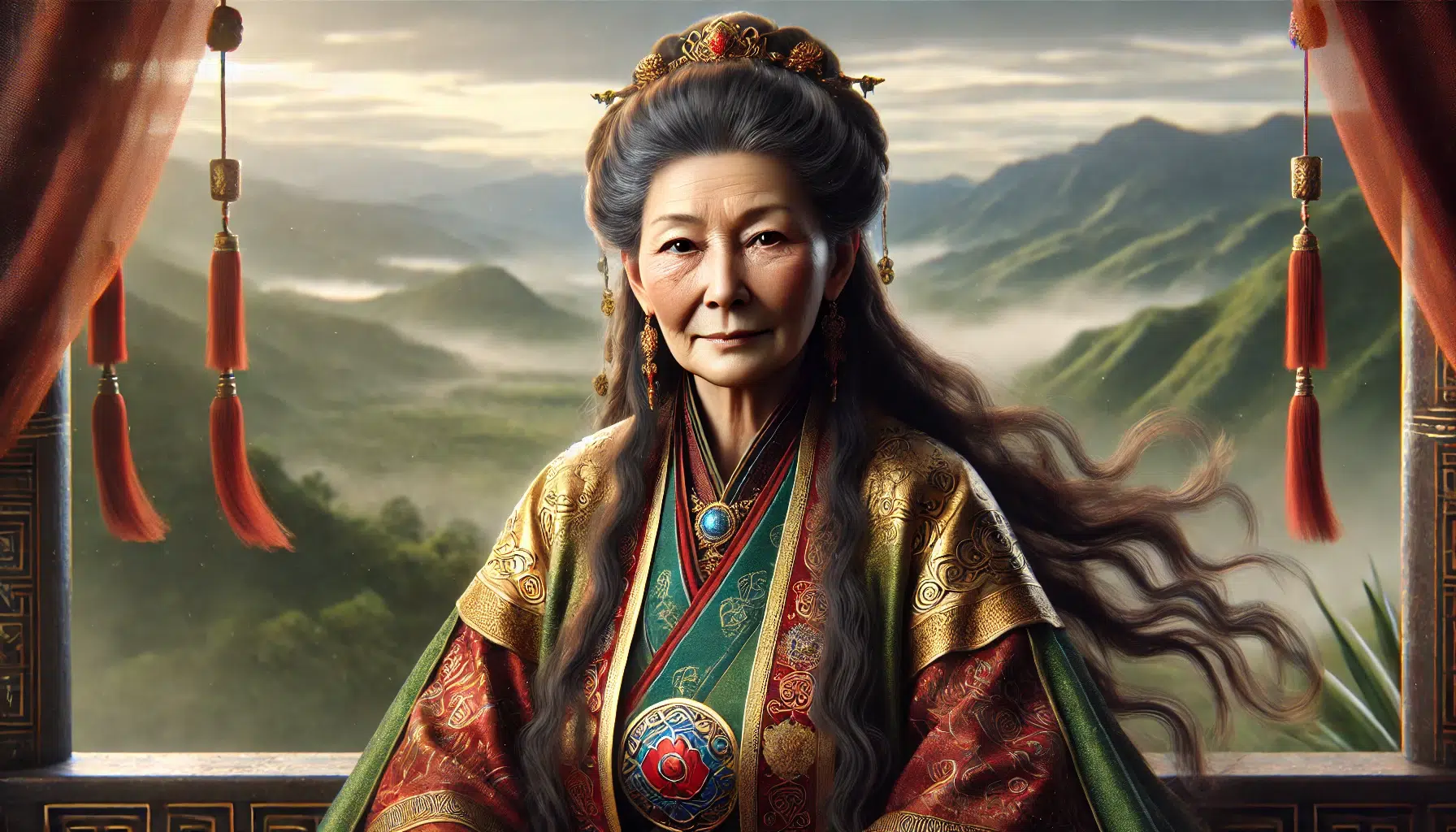
While Genghis Khan was growing his Mongol Empire, his wife Börte was at home. There, she helped his brother rule. Börte was known for her love of family and adopted many children. This made her beloved among the Mongols.
She was a valued advisor for Genghis Khan. Her advice was crucial in leading the Mongol Empire. Börte was respected for her intelligence and for supporting her family and nation.
In 1230, Borte passed away at nearly 70 years old. She is remembered as the first wife of Genghis Khan and a strong Mongol empress. Börte’s influence on Genghis Khan’s life and the empire’s expansion remains a key part of Mongol history.
Why Börte Still Matters Today
Börte’s legacy is huge as Genghis Khan’s main wife and first empress. She greatly impacted Mongol history by advising her husband on politics and war.
She also managed their home and resources. Börte was key to the Mongol’s success. Her work helped them conquer.
With other Mongol women, Börte is seen as a hidden hero. Her story shows how important women were in history. It’s important to honor their work.
The Mongol Empire’s achievements are well-known. This includes the leadership of people like Genghis Khan. Börte’s story helps us see more of the Mongol Empire. It shows us the big role women played.