Bellerophon and Pegasus: Hero and Winged Horse in Mythology
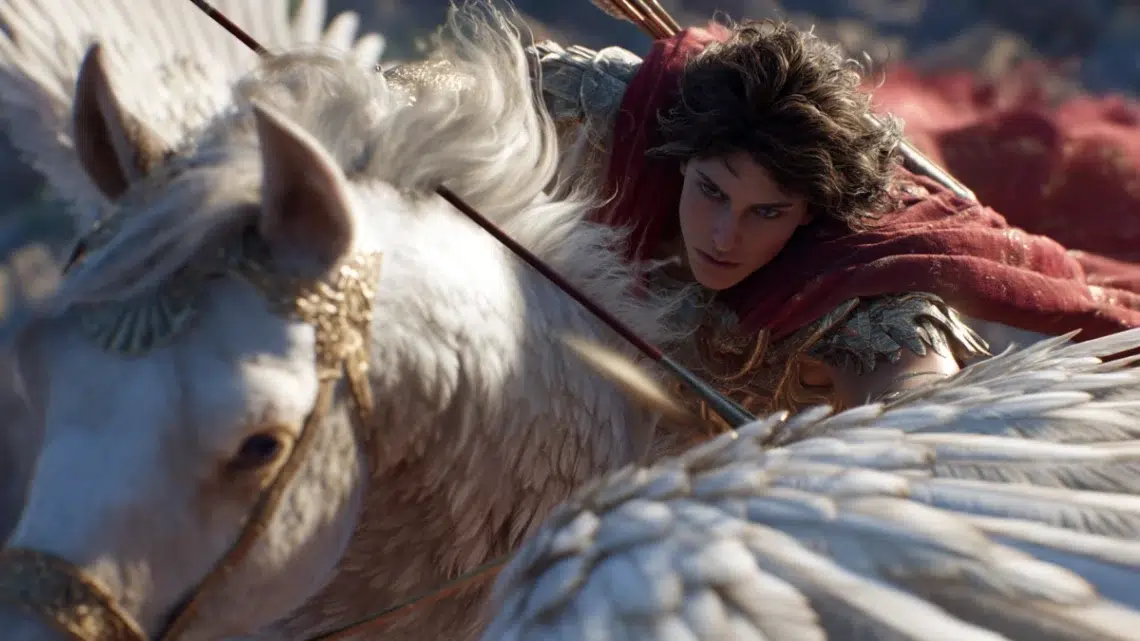
Bellerophon and Pegasus share one of the most dramatic partnerships in Greek mythology.
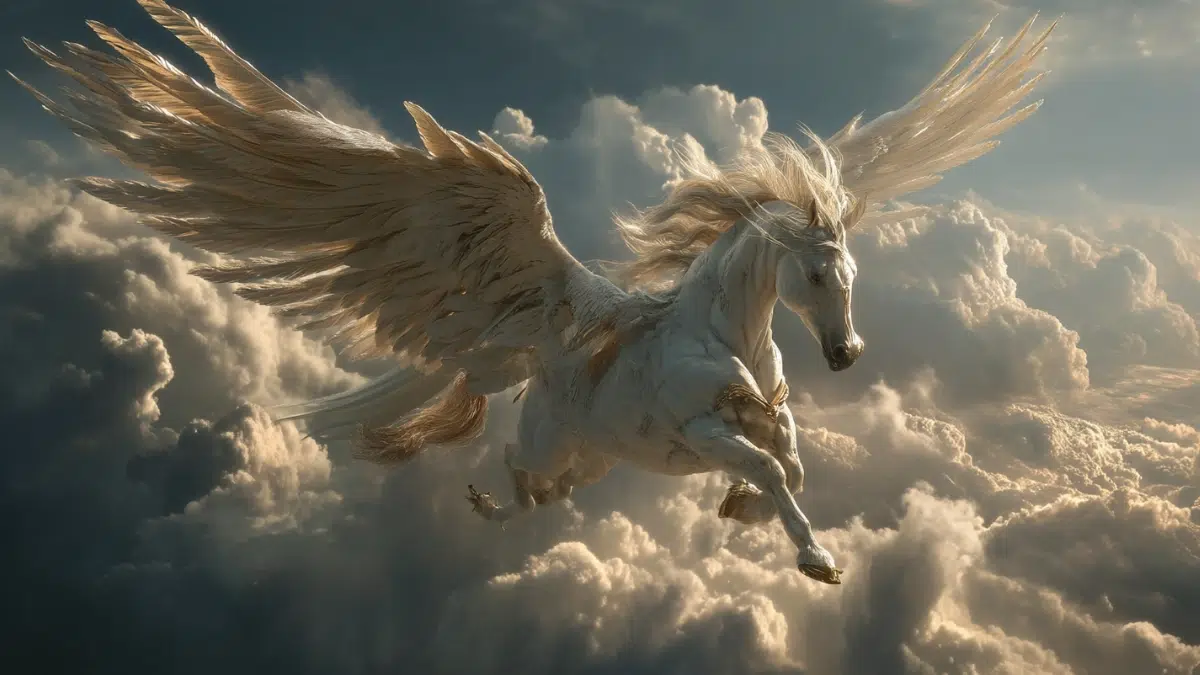
Pegasus, the winged horse, stands as a symbol of freedom and divine power.
Bellerophon, a hero with both mortal and divine blood, rises to greatness with Pegasus at his side.
Together they face monsters and win victories that no ordinary warrior could imagine. Yet the story does not end in triumph. Bellerophon reaches too high, and his pride leads to a steep fall.
The myth shows both the heights of courage and the dangers of forgetting human limits.
Background: Hero and Horse
Bellerophon’s story begins with mystery. Some traditions call him the son of Poseidon, god of the sea, and a mortal woman named Eurynome.
Others say he is the son of Glaucus, king of Corinth. Whatever his origin, most accounts agree he carries a spark of the divine. This blend of human and godlike power sets him apart from other mortals.
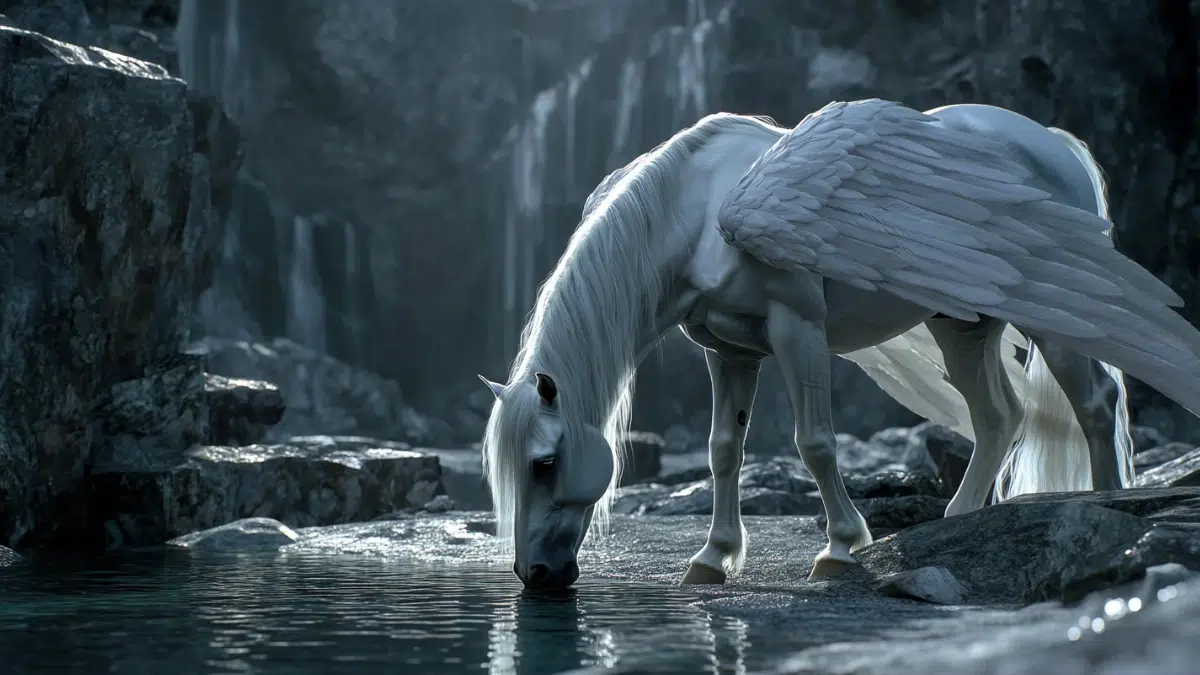
Pegasus, on the other hand, comes from blood and wonder.
When Perseus slays Medusa, the winged horse springs from her severed neck. Pegasus soars into the sky, untamed and untouchable. His beauty and freedom inspire awe, but no one can ride him—until Bellerophon.
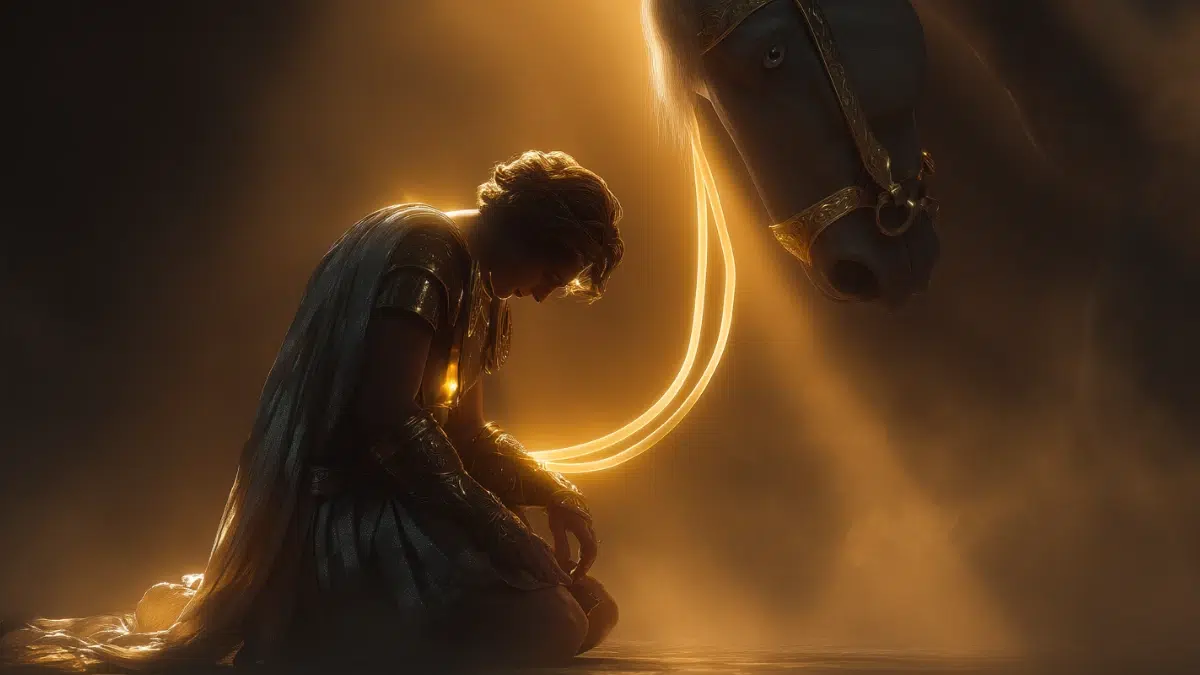
The two meet with the help of the goddess Athena. She gifts Bellerophon a golden bridle, a charm strong enough to control the winged horse.
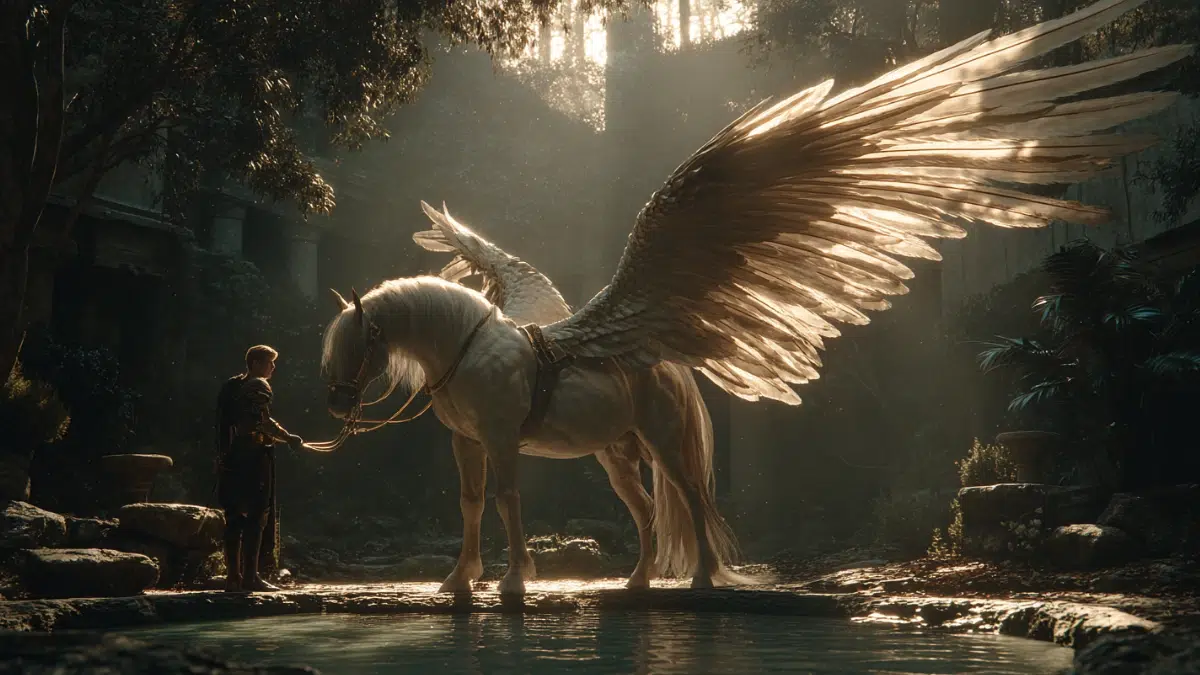
With this, the young hero approaches Pegasus as he drinks from a spring. The horse resists at first, but the bridle’s divine power calms him.
For the first time, Pegasus accepts a rider. This moment seals a bond that carries them into battle against monsters, armies, and even the will of the gods.
The Quests Begin
Bellerophon does not seek glory on his own. His trials begin when he is sent to the court of King Iobates in Lycia.
Another ruler, King Proetus of Tiryns, wants Bellerophon gone but cannot kill him outright, since the hero is a guest.
Instead, he sends him to King Iobates with a sealed message.
The letter secretly asks Iobates to arrange Bellerophon’s death.
Iobates faces the same problem—he cannot murder a guest without angering the gods.
So he chooses another path. He gives Bellerophon a series of quests so dangerous that survival seems impossible.
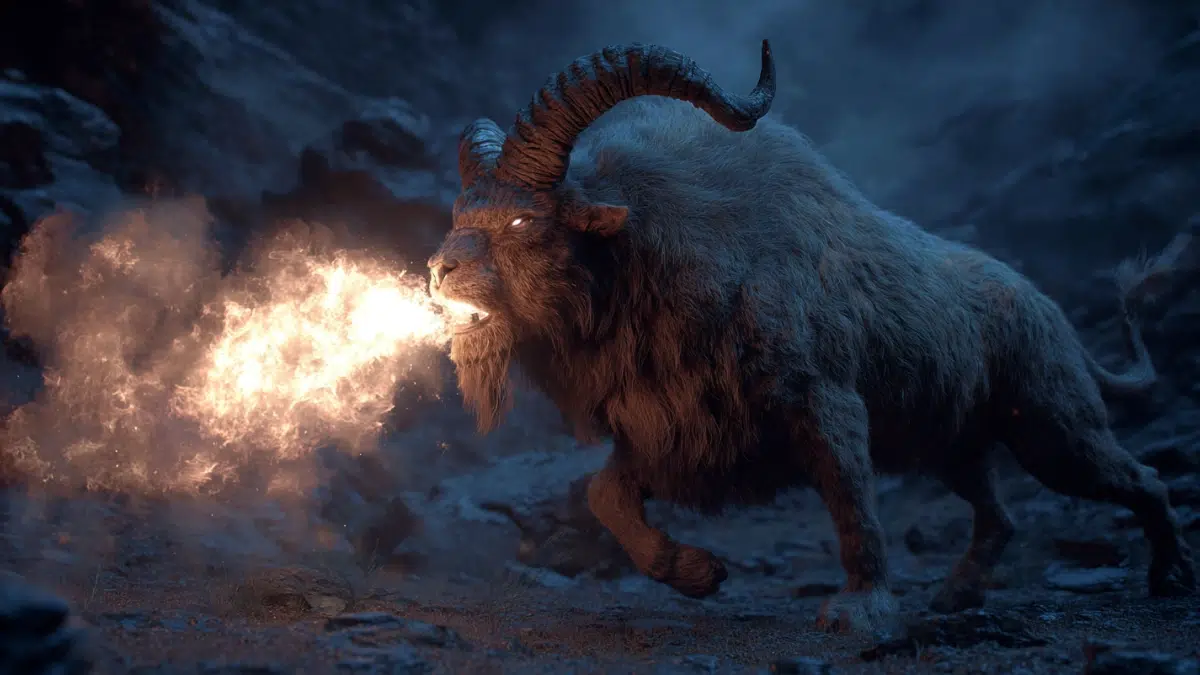
The first of these is to slay the Chimera, a monster with the body of a lion, a goat’s head rising from its back, and a serpent for a tail. Fire pours from its mouth, and it leaves ruin wherever it goes.
This impossible task sets the stage for Bellerophon’s partnership with Pegasus. Without the winged horse, the hero cannot hope to win.
With Pegasus, he can take to the skies and strike from above. The bond between them becomes the key to his victories, but also the seed of his final downfall.
The Myth of Bellerophon and Pegasus
With Pegasus at his side, Bellerophon rides into legend.
First Challenge
His first challenge is the Chimera, a monster unlike any other. It has the body of a lion, a goat’s head growing from its back, and a serpent’s tail. Worse still, it breathes fire.
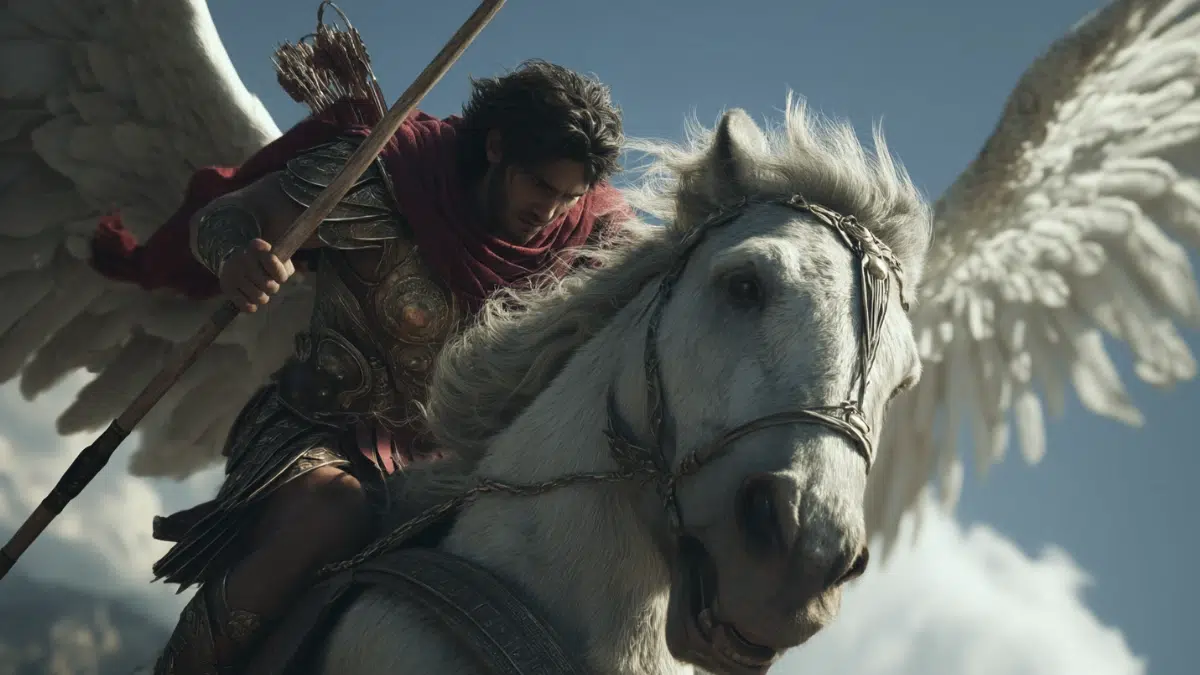
On foot, no warrior can survive such a foe. But Pegasus lifts Bellerophon high into the sky.
From above, the hero rains down arrows and spears. The Chimera roars and spits flame, but it cannot touch him.
At last, Bellerophon drives a long spear into the beast, ending its terror.
The Challenges Continue
The victory shocks King Iobates. He gave the hero an impossible task, yet here stands Bellerophon, alive and proud.
So the king sets more trials.
Bellerophon rides Pegasus into battle against the Amazons, fierce warrior women known for their skill in war.
Once again, the winged horse gives him the advantage. He soars above the battlefield, striking from a place no enemy can reach.
The Amazons fall, and Bellerophon claims another unlikely win.
Bellerophon Challenges Warriors
Still, Iobates is not finished. He orders Bellerophon to fight the strongest warriors of Lycia itself.
The king hopes sheer numbers will end the hero. Yet Bellerophon and Pegasus charge into the fight with courage and speed.
Victory comes once again, and Iobates finally accepts that the gods clearly favour his guest.
But triumph turns to pride. Riding Pegasus fills Bellerophon with a sense of power no mortal should hold.
He begins to believe he deserves a place among the gods themselves.
Bellerophon Challenges the Gods
So he tries the ultimate act—he urges Pegasus upward, aiming for Olympus, the home of Zeus and the immortals.
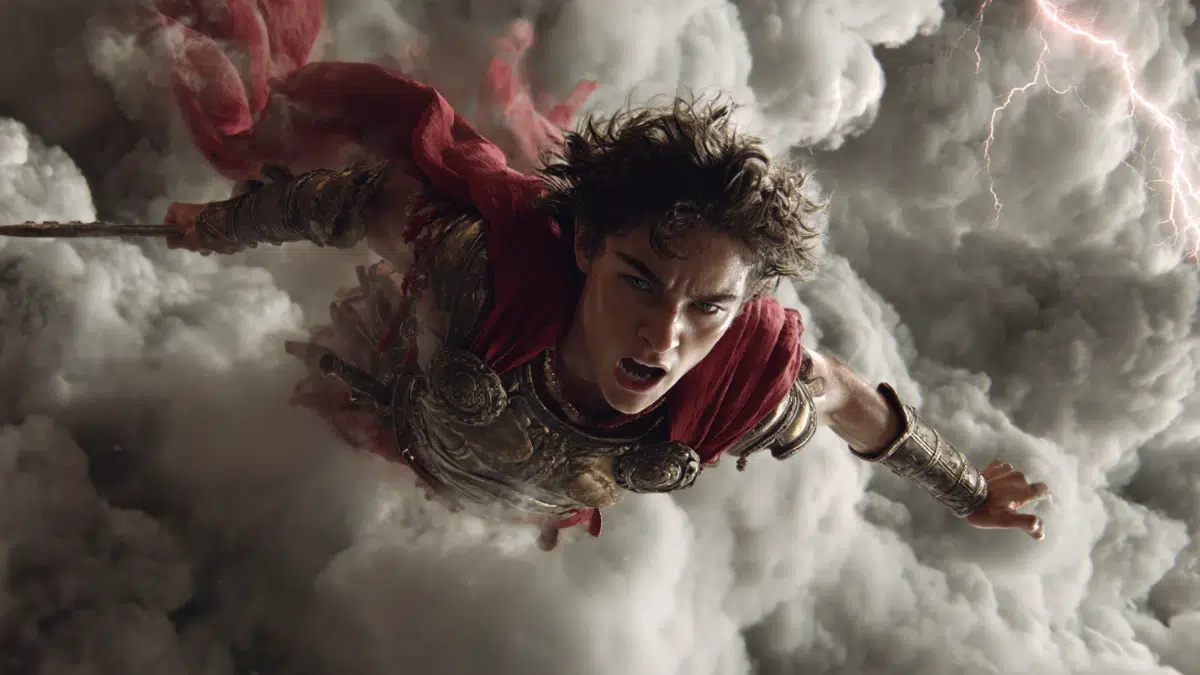
Zeus does not allow this. The king of the gods strikes Bellerophon down, sending him tumbling back to earth.
Some stories say he survives, injured and alone, wandering until death.
Others say he dies instantly from the fall. Pegasus, however, does not suffer. The winged horse continues upward and finds a place among the gods, carrying Zeus’s thunderbolts.
The story ends with a sharp lesson. Bellerophon proves that courage and skill can win even the hardest battles.
But pride and overreach bring ruin. Pegasus soars on as a symbol of freedom and inspiration, while Bellerophon becomes a warning against forgetting mortal limits.
Symbolism and Lessons of Bellerophon and Pegasus
The story of Bellerophon and Pegasus holds layers of meaning. Each figure in the tale represents ideas that still speak to us today.
Pegasus stands for freedom, inspiration, and the ability to rise above limits.
With wings, he moves between earth and sky, mortal and divine. Later poets even see Pegasus as a symbol of creativity and the soaring power of imagination.
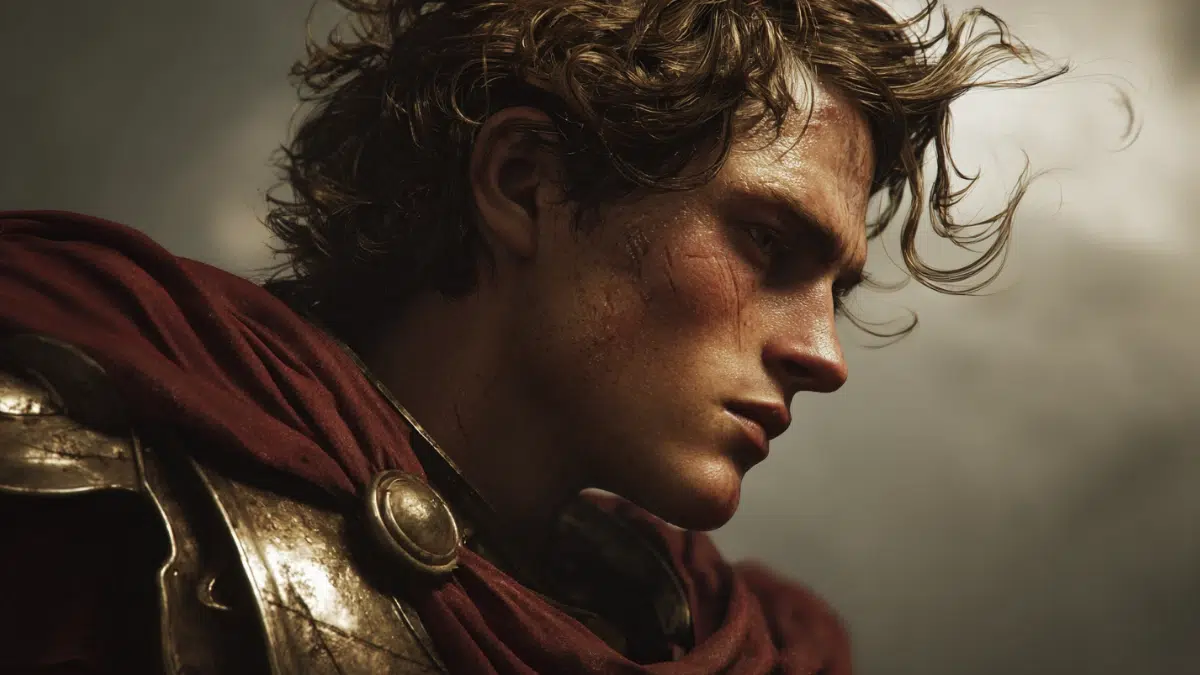
Bellerophon represents courage, skill, and ambition. He is clever and brave enough to tame Pegasus, and bold enough to face monsters like the Chimera. Yet he also shows the danger of pride.
His attempt to reach Olympus reflects the human desire to climb higher than our place allows. The fall that follows reminds us that ambition must balance with humility.
The Chimera symbolizes chaos and destructive power.
A beast of many parts, it embodies danger that ordinary strength cannot defeat. Only with Pegasus, the gift of the gods, can Bellerophon win. This suggests that divine help or inspiration is needed when facing challenges larger than ourselves.
The myth also warns of hubris, the act of overreaching or challenging the gods. Many Greek stories carry this theme: mortals who forget their limits invite disaster. Bellerophon mirrors figures like Icarus, who also fell from the sky after aiming too high.
Taken together, the myth blends triumph with caution. Pegasus inspires us to dream and rise. Bellerophon reminds us to respect boundaries. The Chimera warns of dangers that demand more than brute force.
Together, the story speaks to the balance between courage, creativity, and humility.
Comparison: Heroes, Horses, and Myths Across Cultures

Bellerophon’s story shares echoes with other myths, both within Greece and beyond.
In Greek tradition, the closest parallel is Icarus. Like Bellerophon, Icarus flies high with help not meant for mortals. His wax wings melt in the sun, while Bellerophon falls when Zeus strikes him down.
Both stories show how ambition can lift a hero to greatness but also bring disaster when pride replaces caution.
Pegasus also has companions in other mythologies.
In Norse myth, the god Odin rides Sleipnir, an eight-legged horse that moves between worlds. Sleipnir, like Pegasus, links the human and divine realms.
In Persian tradition, the hero Rostam rides Rakhsh, a horse of extraordinary power and intelligence. These stories remind us that a noble steed often acts as more than transport—it becomes a partner, a guide, and a bridge to higher realms.
Within Greek myth itself, Pegasus ties back to Perseus. Perseus never rides Pegasus, but the horse is born when Medusa dies at Perseus’s hand.
This link creates a thread between heroes: Perseus opens the way, Bellerophon takes the gift, and both carry stories about courage and divine favour.
Bellerophon can also be compared to Perseus and Heracles. All three slay monsters that terrorize the land. But unlike Perseus and Heracles, Bellerophon’s tale ends in tragedy. He teaches not only the glory of conquest but also the fall that follows pride.
Placed beside these other figures, Bellerophon and Pegasus stand out as symbols of both triumph and caution. Their story blends the thrill of flight and victory with the sobering truth that even heroes must respect divine order.
Conclusion
The myth of Bellerophon and Pegasus blends wonder, courage, and tragedy. Together they defeat the Chimera, conquer armies, and prove the power of divine gifts.
Pegasus rises as a lasting symbol of freedom and inspiration, a reminder that imagination can take us beyond our limits.
Bellerophon shows both sides of human ambition—strength in facing danger, but ruin in reaching too far. His fall warns us to keep humility close, even at our highest moments.
In the end, the winged horse soars among the gods, while the hero’s tale endures as a lesson in balance.