Beginners Tips for Young Archers
For young archers embarking on a new archery journey, we’ll review the fundamentals of archery. , from choosing your first bow to mastering the basics of shooting. Whether you’re aiming to compete, hunt, or simply enjoy a new hobby, these beginner tips will help you start on the right foot, ensuring a safe, enjoyable, and rewarding experience.
Understanding the Essentials of Archery for Beginners
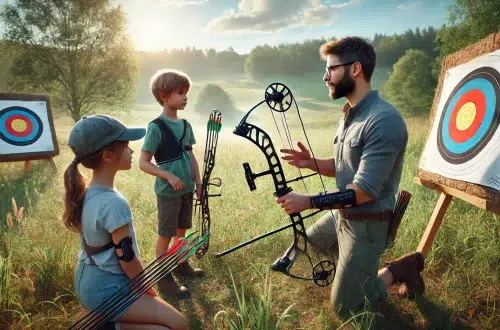
For those embarking on the journey of archery, mastering the fundamentals is critical. Working with a coach or getting some lessons can be really helpful when starting.
Your coach will ensure beginners:
- Learn proper stance, with feet shoulder-width apart for stability.
- Understand nocking the arrow, placing it on the bowstring with care.
- Focus on grip technique, holding the bow handle with a relaxed hand to avoid torque.
- Practice drawing the bow, pulling the string to the same anchor point consistently.
- Prioritize aiming, seeking to align the eye, arrow, and target.
With these essentials, young archers lay a solid foundation for skill development.
Create a Positive and Encouraging Experience
Craft a nurturing atmosphere is vital for the growth of young archers. Coaches should prioritize:
- Communication: Offer clear, constructive feedback that focuses on improvement rather than criticism.
- Inspiration: Highlight the achievements of each archer, no matter how small, to motivate and build confidence.
- Support: Foster a team spirit where archers encourage each other, celebrating successes and learning from setbacks together.
- Respect: Treat all archers with equal respect and attention, creating a safe space for them to express themselves and ask questions.
- Enjoyment: Keep practice enjoyable through varied exercises and games that maintain high interest levels while learning.
Such an environment enables young archers to thrive, build self-esteem, and develop a lasting passion for the sport.
Establishing Fundamental Archery Techniques
Coaching young archers requires a solid foundation built on fundamental techniques.
Start by teaching the correct stance, which ensures stability and balance. Focus on a consistent anchor point, which is where the hand meets the face, to promote shot accuracy.
Developing a repeatable, smooth draw and release is crucial as well.
Encourage a relaxed grip on the bow to avoid torquing and affecting shot precision. Reinforcing these basics early on lays the groundwork for advanced skills and fosters a lifelong appreciation for the sport of archery.
Emphasizing Safety First: Equipment Handling and Range Rules
When coaching young archers, prioritize safety by establishing strict rules for handling equipment and behavior on the range. Coaches must:
- Encourage the use of appropriate protective gear, such as arm guards and finger tabs.
- Teach proper bow handling, ensuring archers carry and store equipment safely.
- Designate clear shooting lines and boundaries to maintain a structured shooting environment.
- Enforce range rules consistently, such as waiting for commands before shooting or retrieving arrows.
- Instill a culture where safety infractions are addressed immediately, and archers feel responsible for their own and others’ safety.
Repetition and reinforcement of these principles are crucial for fostering a secure archery practice.
Customize Your Young Archer’s Experience
It’s important to understand the developmental stages of children. is vital to tailor Coaching techniques should be adapted to the age group.
Appropriate archery development:
- Preschoolers (ages 3-5): Use simple, game-based instructions to maintain engagement. Ensure safety with lighter equipment.
- Children (ages 6-12): Introduce technical fundamentals with positive reinforcement. Encourage group activities for social development.
- Teens (ages 13-17): Focus on refining technique and developing a personal shooting style. Set goals to motivate and challenge.
- Young Adults (18+): Offer advanced strategies and mental training to enhance competitive performance. Encourage self-analysis and autonomy.
Setting Achievable Goals for Young Archers
When coaching young archers, it’s crucial to set clear and attainable goals. These objectives give them direction and motivation.
Start by:
- Assessing Skills: Understand their current level and set realistic targets.
- Short-Term Milestones: Break down the journey into smaller, manageable achievements.
- Celebrate Progress: Acknowledge each goal reached, fostering a sense of accomplishment.
- Progressive Complexity: Gradually increase the difficulty of goals to challenge their developing skills.
- Personal Bests: Encourage them to improve their own record, rather than comparing with others.
Regularly review and adjust the goals to align with the young archers’ growth and enthusiasm in the sport.
Incorporating Fun, Engaging Drills into Practice Sessions
Coaching young archers requires a blend of focus and fun. To keep practice sessions lively, introduce a variety of games.
For example:
- Balloon Pop: Attach balloons to the target and challenge archers to pop them.
- Color Call-Out: Designate different point values to colored areas on the target; shout out colors for archers to aim at.
- Tic-Tac-Toe: Draw a grid on the target and have archers shoot to claim squares.
- Round Robin: Archers take turns shooting; the one with the closest arrow to the center wins that round.
Such activities not only enhance aiming skills but also build camaraderie and maintain high enthusiasm levels.
Learn more about: Archery Targets: Best Ones for Your Sessions
Recognize Progress and Provide Constructive Feedback
Coaching young archers involves more than teaching technique; it also encompasses fostering a supportive environment. It’s crucial to recognize each archer’s personal progress, as individual milestones motivate and build confidence. Celebrate even the small achievements, showing athletes that their efforts do not go unnoticed.
Simultaneously, constructive feedback is a cornerstone of improvement. Focus on the following:
- Be Specific: Identify exact areas of improvement, tying them to achievable goals.
- Stay Positive: Phrase feedback to emphasize what can be done, rather than what was done wrong.
- Encourage Self-assessment: Teach archers to analyze their performance, promoting autonomy and critical thinking.
- Follow Up: After giving feedback, revisit the points in subsequent sessions, reinforcing learning and adaptation.
By maintaining this balance, coaches can create an environment where young archers can thrive and grow along their sporting journey.
The Role of Mental Preparedness in Young Archers
Mental preparedness is crucial for young archers, much like honing physical skills.
Coaches should prioritize:
- Mindset Training: Encouraging a growth mindset helps archers overcome obstacles and improve.
- Focus Techniques: Teaching focus keeps young archers concentrated during practice and competition.
- Anxiety Management: Young archers must learn to cope with nerves, maintaining composure under pressure.
- Visualization Practices: Implementing mental imagery can enhance performance, allowing archers to mentally rehearse their shots.
- Goal Setting: Setting achievable targets motivates and increases the sense of accomplishment.
Developing these mental skills early on equips young archers for the demands of the sport, promoting resilience and consistency.
Learn more about: Enhancing Focus with Mindful Archery Practices
Nutrition and Physical Fitness: Building the Foundation for Future Success
For young archers to achieve their potential, a solid foundation in nutrition and physical fitness is essential. Coaches should:
- Educate on the importance of a balanced diet, rich in nutrients, for energy and focus.
- Encourage hydration, as it is crucial for peak mental and physical performance.
- Implement fitness routines that bolster core strength, flexibility, and stability, each vital for maintaining form and preventing injury.
- Recommend rest and recovery periods to promote muscle growth and repair.
- Foster a lifestyle that combines activity with restorative practices, as these habits established early pave the way for lifelong health and success in archery.
Encouraging Parental Involvement and Support
Coaches should create an inviting atmosphere for parents, emphasizing their role in their child’s archery journey. Strategies to consider:
- Host introductory meetings that explain the sport’s fundamentals and outline how parents can help.
- Develop a communication plan, such as newsletters or a group messaging app, to keep parents informed and connected.
- Organize parent-child sessions, where families can engage in activities together, strengthening their understanding and appreciation for archery.
- Encourage volunteer roles, like assisting with events or maintenance of equipment, to foster a community spirit.
- Provide resources on equipment and nutrition, ensuring parents can support their young archers adequately at home.
Effective parental involvement enhances a young archer’s development and fosters a supportive community.
Overcoming Common Challenges Faced by Young Archers
Young archers often face a series of challenges that can impact their development and enjoyment of the sport. Coaches can play a pivotal role in helping young archers overcome these common obstacles:
- Equipment Issues: Ensure that young archers have access to properly sized equipment. Ill-fitting bows and arrows can lead to poor form and frustration.
- Technique Troubles: Emphasize the basics of good form from the start. Use drills and positive reinforcement to correct common technical errors like improper grip or stance.
- Focus and Concentration: Help archers develop their concentration through breathing techniques and mental exercises, promoting a calm and focused approach to shooting.
- Dealing with Pressure: Teach young archers to manage competitive pressures by encouraging a process-oriented mindset rather than a sole focus on outcomes.
- Staying Motivated: Keep practice sessions varied and fun. Setting achievable goals and celebrating progress can maintain a high level of motivation and enthusiasm.
By addressing these challenges thoughtfully, coaches can ensure young archers enjoy a positive start in their archery careers.
Resources and Equipment: Making Smart Choices for Young Archers
Selecting the right equipment is crucial for young archers. Coaches should ensure that:
- Bows are appropriate for the archer’s size and strength.
- Arrows are matched in length and tip weight to the bow being used.
- Safety gear, including arm guards and finger tabs, fits well and provides proper protection.
- Targets are of varied types to maintain interest and challenge skill levels.
Invest in durable, user-friendly gear to facilitate a positive learning experience. It’s essential to educate young archers on maintaining their equipment to cultivate responsibility and respect for the sport.
Read more about: Essential Archery Safety Rules to Know
Conclusion: Fostering a Lifelong Passion for Archery
Instilling a lifelong passion for archery in young archers hinges on the approach taken by coaches. Enthusiasm, patience, and effective communication create an engaging environment where novices can grow.
Tailoring coaching styles to individual needs ensures a positive experience that sparks a lasting love for the sport. Celebrating small victories and setting attainable goals keep motivation high.
By creating a foundation of fun, respect, and continuous learning, coaches can inspire a permanent ardor for archery in their young students.