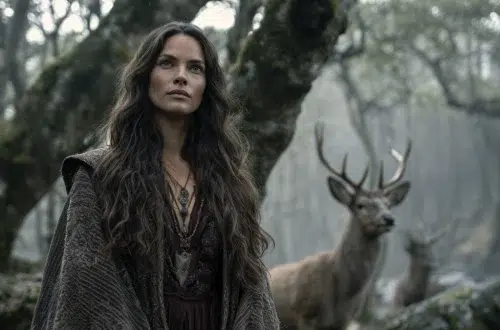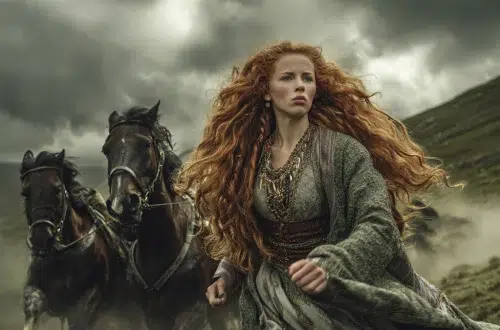
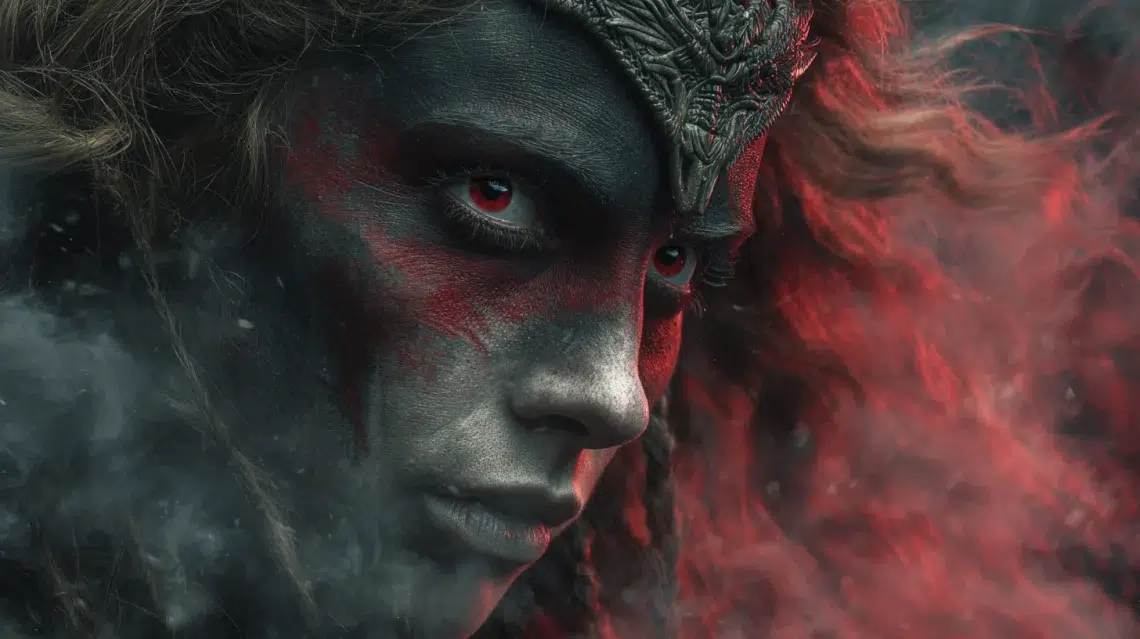
Badb: The Raven War Goddess of Battle and Prophecy
Badb is one of the most fearsome figures in Irish mythology.
Known as the Raven War Goddess, she is tied to battle, death, and fate. Her name means “crow” or “battle raven,” and her presence was both dreaded and revered. Warriors believed seeing or hearing her cries meant death was near.
Badb is part of the Morrígna, a trio of powerful war goddesses that includes her sisters Macha and Nemain. Together, they influenced the course of battles, stirring fear and chaos among enemy forces. Badb’s role was unique—she moved between the physical and supernatural worlds, soaring over battlefields in raven form and haunting soldiers with visions of doom.
Her myths reveal her as a goddess of prophecy, war, and destruction. Yet, she was not evil. Badb embodied the raw truth of warfare and mortality. For the Celts, her presence reminded warriors of their bravery and the cost of conflict.
Origins and Family of Badb

Badb was a daughter of Ernmas, a mother goddess of the Tuatha Dé Danann, the divine race in Irish myth.
She was part of the Morrígna, a triad of battle deities that included her sisters Macha and Nemain, as well as connections to Morrígan herself.
Her family represented war, sovereignty, and prophecy. Together, they personified the chaos and destiny tied to combat. Badb, in particular, was linked with death’s inevitability on the battlefield.
Her symbols centred on ravens and crows, birds that fed on fallen warriors.
This imagery cemented her role as a harbinger of death. Badb was both a literal and spiritual force, tied to the carnage of war and the supernatural fate awaiting those who fought.
Badb in the Myths
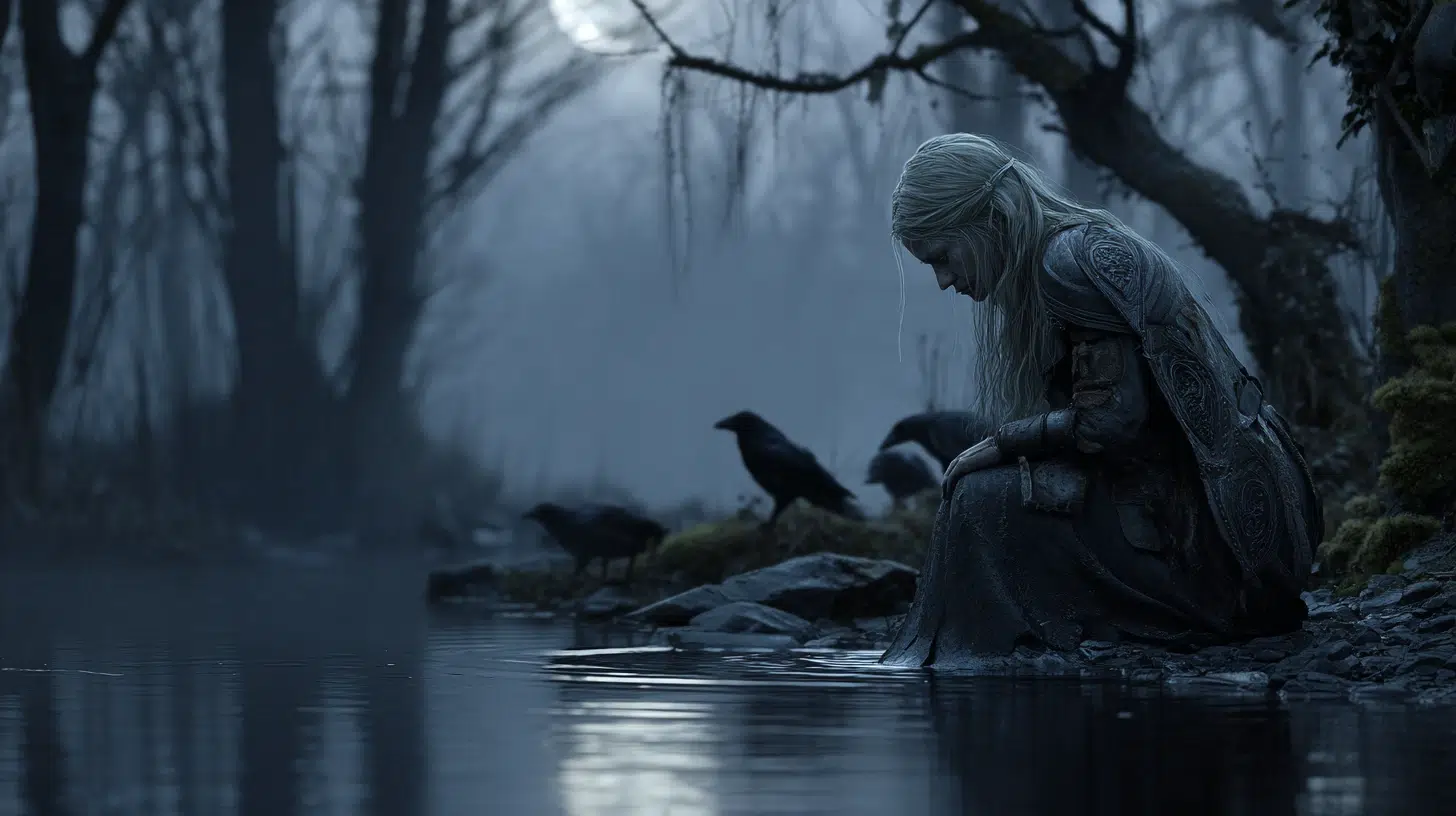
The Washer at the Ford
One of Badb’s most haunting myths describes her as the “washer at the ford.” She appeared at rivers or streams before battles, disguised as an old woman.
There, she washed blood-soaked armour and clothing. Those who saw her knew the armour belonged to them, marking their certain death.
This eerie omen terrified warriors. Badb’s silent act was more powerful than any words.
It connected water, death, and prophecy—an unsettling reminder that fate could not be escaped. Her presence at the ford symbolized the threshold between life and death. For the Celts, rivers often represented crossings into the Otherworld, making her role even more ominous.
The image of Badb as the washerwoman became one of her defining aspects. It reinforced her role not only as a war goddess but also as one who revealed unavoidable truths. Her warning was not cruel but inevitable.
Seeing Badb at the ford was a sign of destiny, a reminder that death walked closely beside warriors in every battle.
The Battle of Mag Tuired
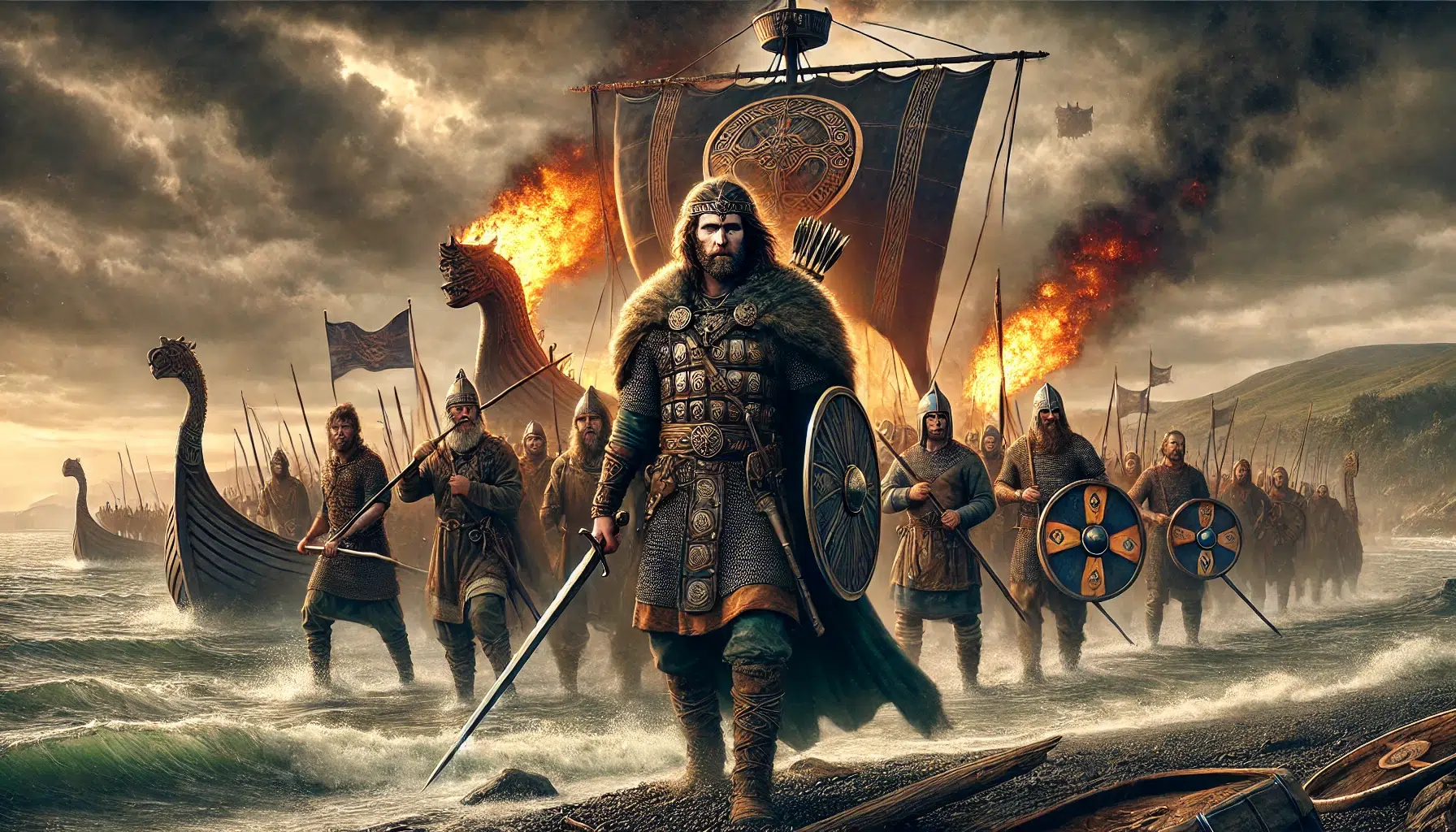
Badb played a dramatic role in the legendary Battle of Mag Tuired, fought between the Tuatha Dé Danann and the Fomorians. As the clash raged, she soared above the battlefield in raven form. Her chilling cries filled the air, striking terror into the hearts of the Fomorian army.
Badb was more than an observer.
Her magic created confusion among the enemy, turning their fear into chaos. Her shrieks were said to drive men mad, making them easier to defeat. The Tuatha Dé Danann, strengthened by her presence, pressed forward to victory.
After the battle, Badb did not bring relief. Instead, she prophesied the end of the world, speaking of rivers running with blood and a future shrouded in death.
Her words linked war and fate, showing that even triumph carried an ominous cost. Through this myth, Badb’s dual nature is clear: she was both a source of victory and a voice of doom.
Badb’s Voice of Prophecy
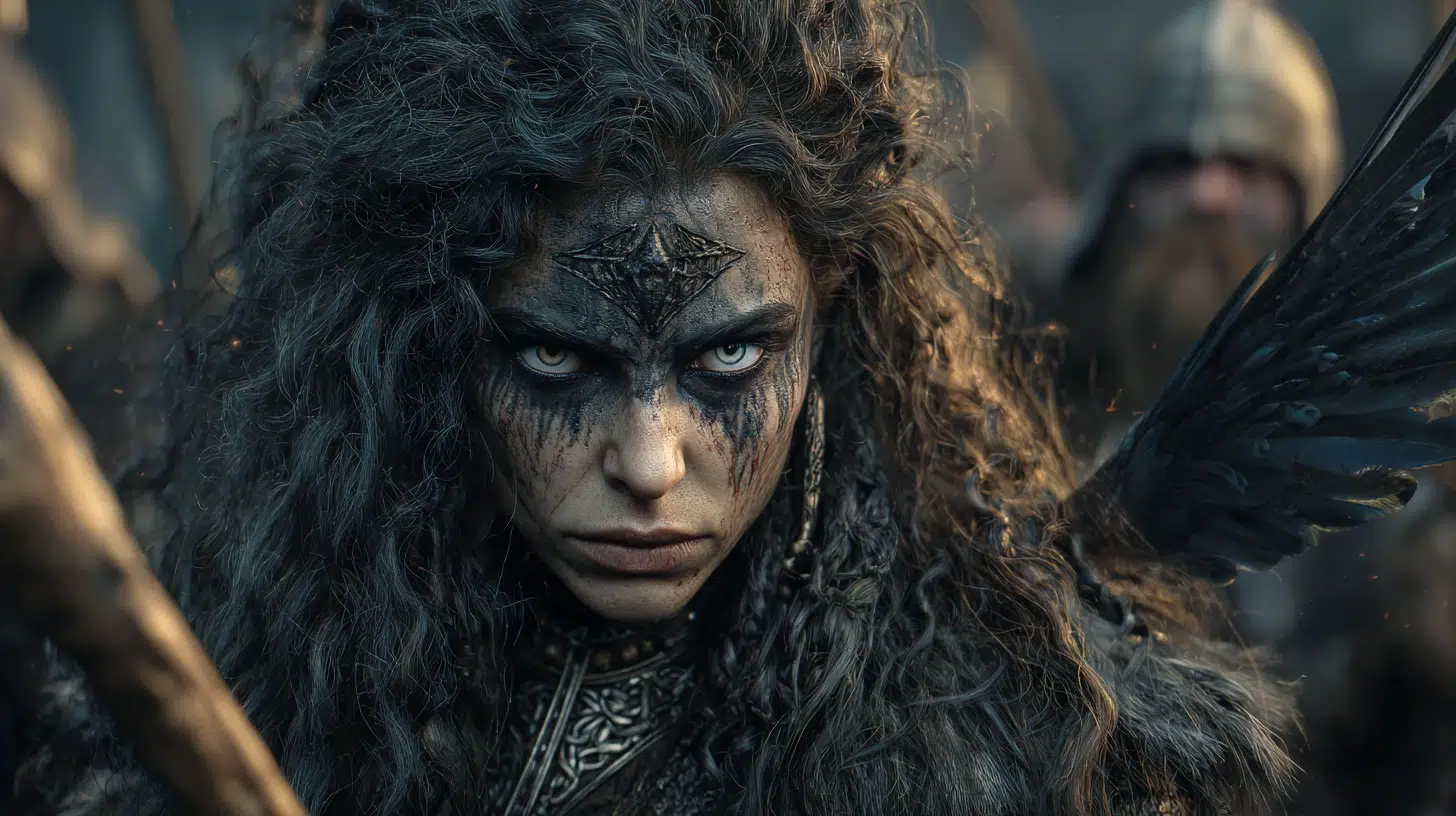
Badb’s voice was as fearsome as her raven form. Her cries rang out across battlefields, sharp and unrelenting, filling the air with dread. Warriors believed her shrieks foretold death, and hearing them often signalled their end.
She was not only a messenger of doom but also a goddess who shaped events. Her cries created panic, driving enemies into chaos. The sound of her voice could weaken even the bravest, breaking morale before the first clash of swords.
For Celtic warriors, her voice was both supernatural and inescapable—a reminder that fate had already chosen its victims.
In some myths, Badb’s prophecies went beyond individual deaths. She spoke of the end of kings, the fall of clans, and even visions of a dying world.
After battles, she was said to appear, calling over the fields where the dead lay. Her presence turned victories hollow, reminding the living of war’s relentless cost.
Badb’s prophetic power set her apart. She was not simply a goddess of war; she was a living force of destiny. Her cries bridged the mortal and spiritual realms, blending fear and inevitability.
Through her voice, Badb revealed what warriors already knew deep down—that death and war walked hand in hand.
Symbols and Depictions of Badb
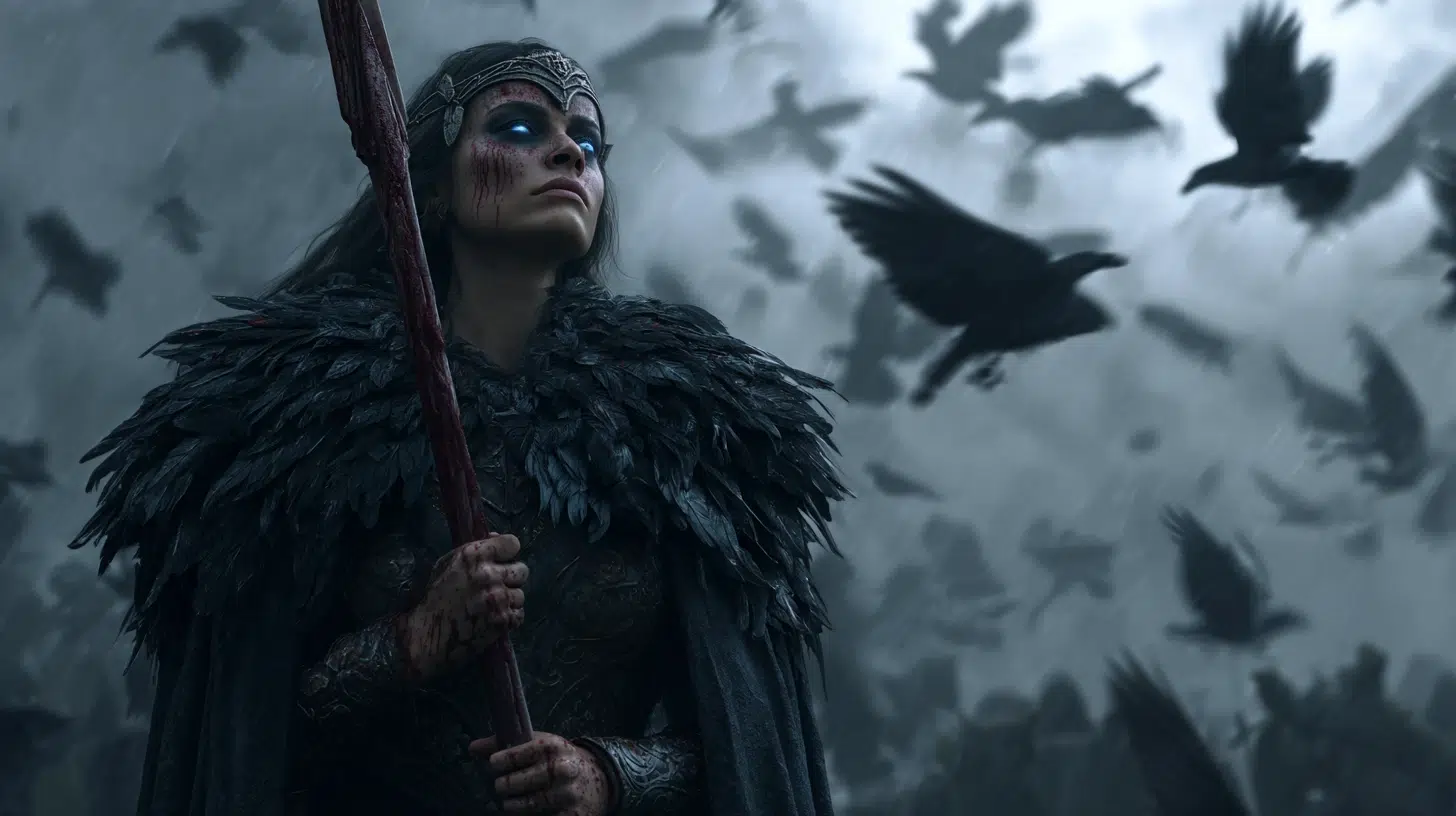
Badb’s symbols reflected her fearsome role in Irish mythology. She was most often associated with ravens and crows, birds that circled battlefields and fed on the fallen. Seeing these birds before a fight was considered a dire omen, a sign that Badb was near.
In art and storytelling, Badb sometimes appeared as a raven flying over armies, her wings casting a shadow of death across the land.
Other times, she took the form of a hag or washerwoman, washing blood-stained armour by rivers. This unsettling vision tied her to death’s certainty and to the Otherworld.
Her presence was inseparable from the battlefield. Warriors believed that where the ravens gathered, Badb watched. She was not merely a goddess of conflict but a living embodiment of war’s aftermath, seen in the carrion birds and haunted cries that followed every fight.
Even her name, meaning “battle crow,” reinforced her link to death and carnage. Badb symbolized prophecy, chaos, and the cost of combat. For the Celts, she was a reminder that every victory was paid in blood and every warrior’s path led toward fate’s end.
Similar Goddesses Across Cultures
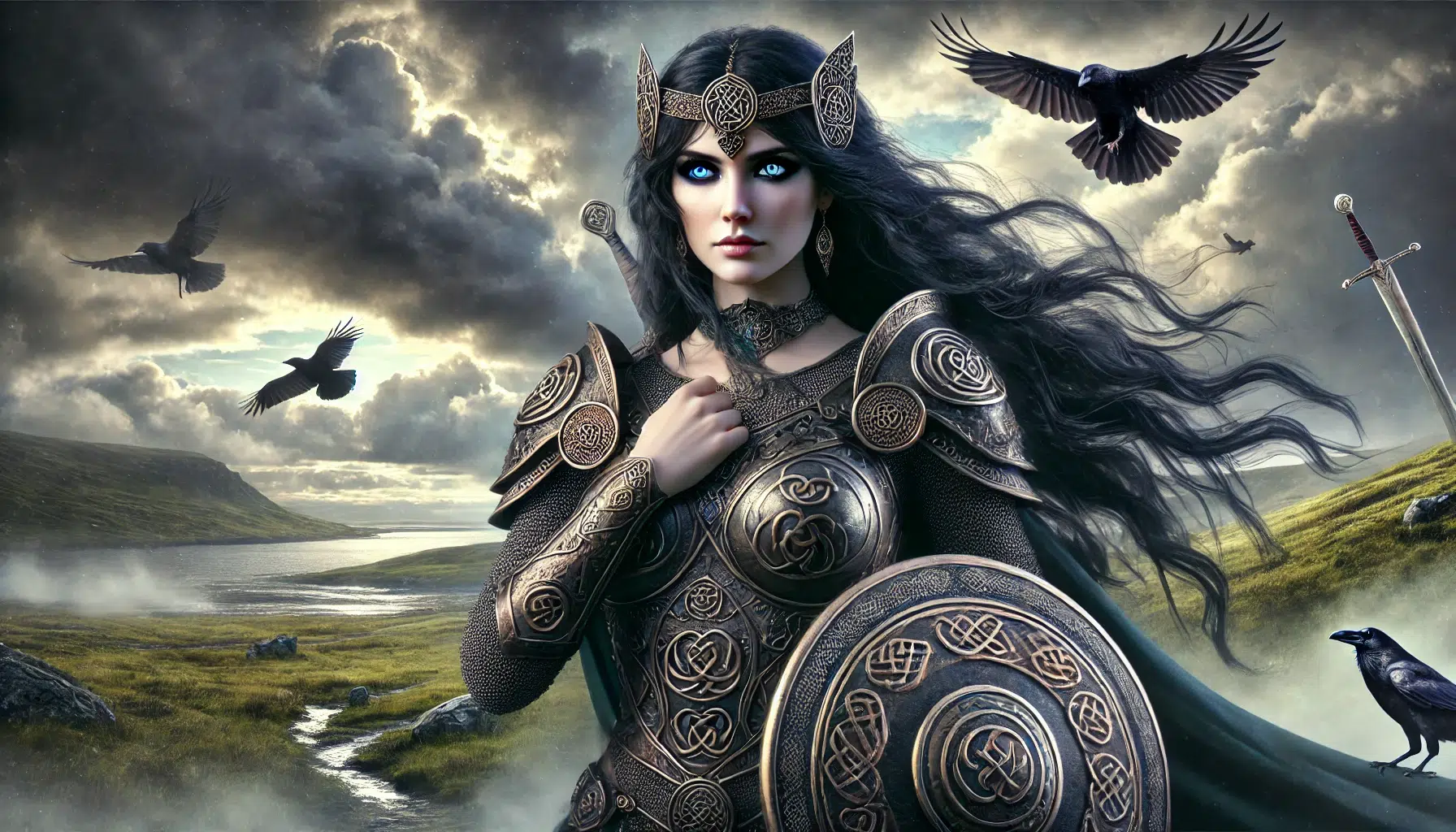
Badb shares traits with several war and death deities from other cultures. Her link to battle, fate, and ravens places her alongside powerful figures across mythologies.
In Irish myth, she is often intertwined with Morrígan, who is sometimes depicted as a single goddess encompassing Badb, Macha, and Nemain.
Like Badb, Morrígan influenced battles and foretold doom, reinforcing their shared roles in Celtic belief.
In Norse mythology, Badb mirrors the Valkyries, fierce warrior spirits who chose which warriors lived or died. Both swept over battlefields and carried messages of death. Ravens also connected them, with Odin himself accompanied by the prophetic birds Huginn and Muninn.
In Breton folklore, figures like Ankou—a personification of death—shared Badb’s ominous presence, appearing before lives ended. Each embodies the inevitability of mortality and the fear it inspires.
These parallels show a universal theme: war goddesses and death spirits often overlap. They connect combat, fate, and the supernatural, reflecting how ancient cultures explained death in battle.
Badb stands out for her raw, haunting presence and prophetic cries. She was not just an omen; she was fate made flesh and feather.
Conclusion: Badb’s Fearsome Legacy
Badb is one of the most haunting figures in Irish mythology. As the Raven War Goddess, she embodies battle’s chaos, death’s certainty, and prophecy’s power. Her cries struck fear into armies, while her visions foretold doom long before swords clashed.
Her myths reveal the Celtic view of war—not only as conflict but as destiny intertwined with the supernatural. Badb did not simply witness battles; she shaped them. Her presence reminded warriors that courage came with a cost, and fate always loomed above.
Even today, Badb’s image endures. The raven circling overhead or the eerie cry before a storm still echo her legend. She stands as a symbol of the thin line between life and death, and of the unseen forces guiding both. Through Badb, we glimpse a world where prophecy and war walked side by side, and where every warrior faced her shadow.