Attila the Hun: Empire‑Builder and Scourge of Rome
Attila the Hun stands out as one of history’s most feared leaders. Known as the “Scourge of God,” he builds a powerful empire that stretches across Europe and Asia. His name alone brings fear to both the Eastern and Western Roman Empires.
Attila uses both force and negotiation to gain land, riches, and power. He leads his people with skill, moving quickly from one victory to the next.
Ancient writers describe him as bold, clever, and relentless. Yet his story is more than battles and fear. His life shows how one leader can change the course of history. By looking at his background, his empire, and his mysterious death, we see why Attila still captures attention today.
His legend continues to grow, mixing fact and myth in ways that keep people fascinated.
From Steppes to Power the Rise of Attila the Hun
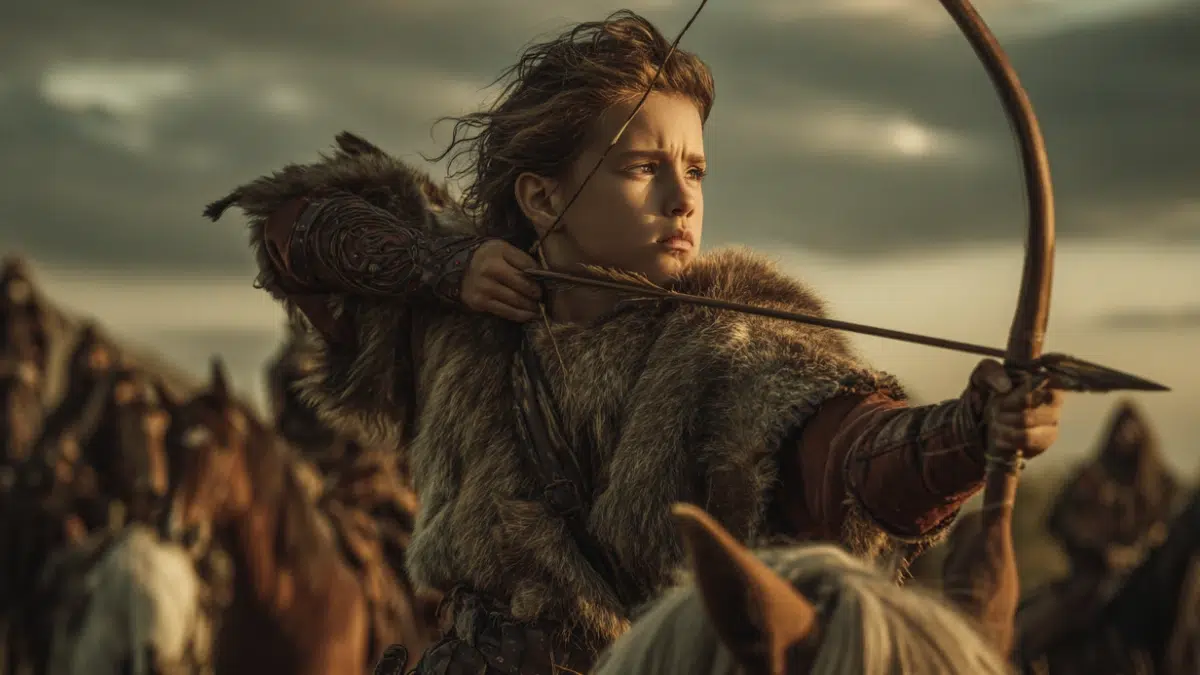
Attila the Hun comes from the grasslands of Pannonia, in what is now Hungary.
Born around 406 CE, he grows up in a world of nomadic tribes skilled in horseback riding and archery. These tribes, known as the Huns, migrate west from Central Asia, mixing with other groups across Europe.
Historians connect them to the Xiongnu, an earlier nomadic people from Mongolia, linking Attila’s roots to both Asian and European lands.
Attila shares leadership with his brother Bleda in 434 CE. Together, they rule a growing Hunnic confederation, uniting scattered clans into a single force. Life among the Huns focuses on speed, mobility, and survival. Their culture values strength, loyalty, and the ability to fight. Young men, including Attila, train early in horseback riding and archery, preparing for raids and warfare.
His rise comes during a time of weakness for Rome. Both the Eastern and Western Roman Empires face political struggles, invasions, and shrinking armies. Attila seizes this moment, using sharp tactics and powerful cavalry to pressure Rome. His leadership style combines fear and respect, holding his diverse followers together through both rewards and strict control.

This period takes place nearly 700 years before Genghis Khan, another famous steppe leader. While both share nomadic roots and fearsome reputations, Attila’s Huns rise during the fall of Rome, long before the Mongol Empire shapes the medieval world.
This background shapes Attila into a fierce and determined ruler. His knowledge of nomadic warfare and his skill in leadership prepare him to challenge Rome itself.
Appearance of Attila the Hun
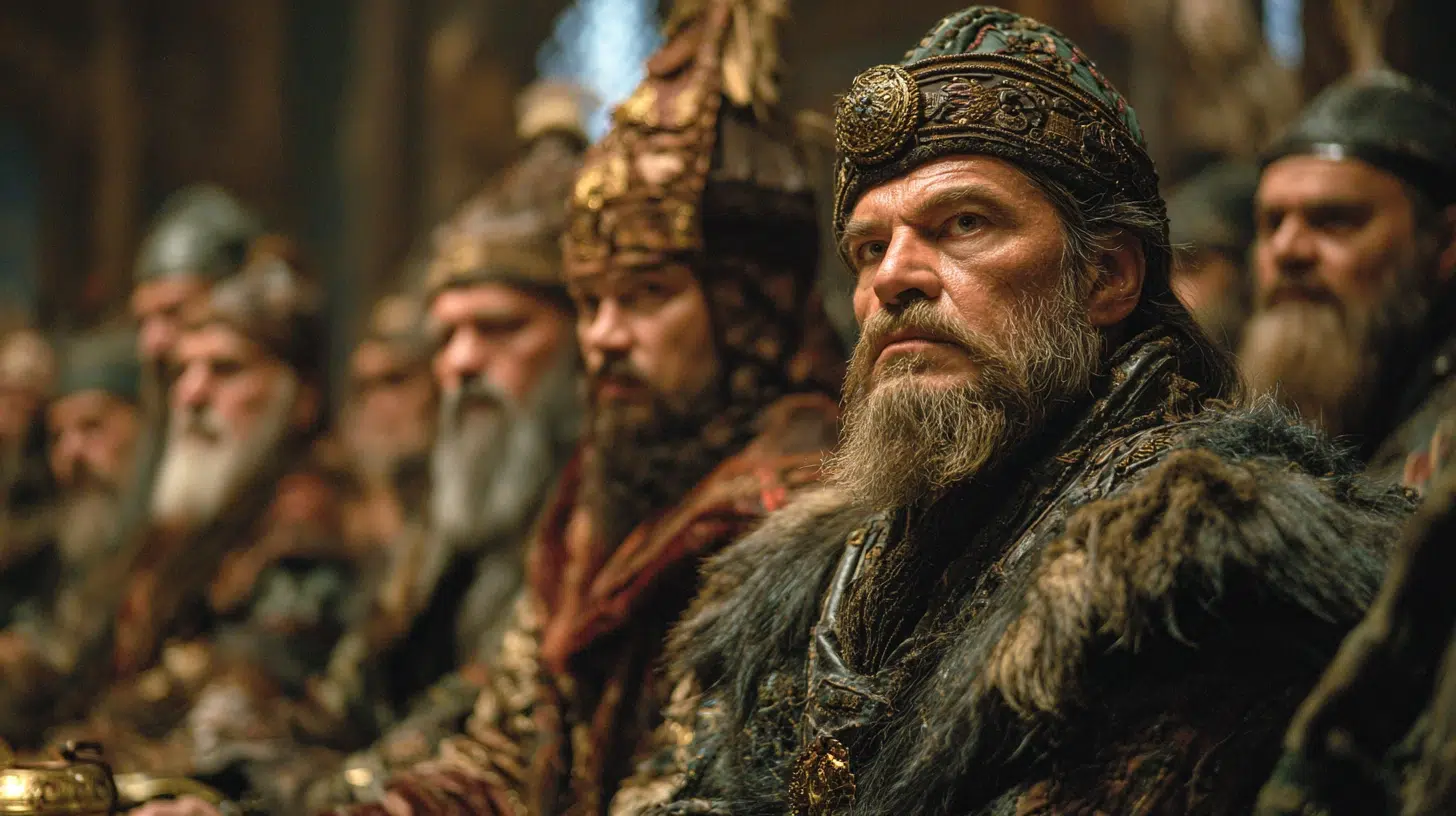
Attila the Hun does not match the heroic image seen in Roman art.
Historian Priscus, who meets him in 449 CE, describes him as short and broad, with a large head and deep-set, small eyes. He has a flat nose, tanned skin, and a thin beard streaked with grey. His plain clothing and lack of ornament stand out compared to his richly dressed followers.
His appearance reflects his nomadic roots. Many scholars link his features to the Huns’ Central Asian ancestry, blended with traits from groups they absorb while moving west. This mix gives Attila a distinct look that Romans view as unusual. His simple style also shows his preference for practicality over display, a trait that strengthens his image as a leader focused on power rather than luxury.
Priscus notes Attila’s sharp gaze and quiet manner. He commands respect not through charm or beauty but through strength and authority. His presence intimidates even seasoned diplomats. Ancient writers often contrast him with Roman rulers, who favour gold and silk. Attila’s stark appearance reinforces his identity as a hardened warrior and practical ruler.
This image helps explain why Roman sources both fear and respect him. Attila’s look, combined with his forceful leadership, fuels the legend of a man who embodies the fierce and relentless spirit of the Huns.
Rise to power and empire
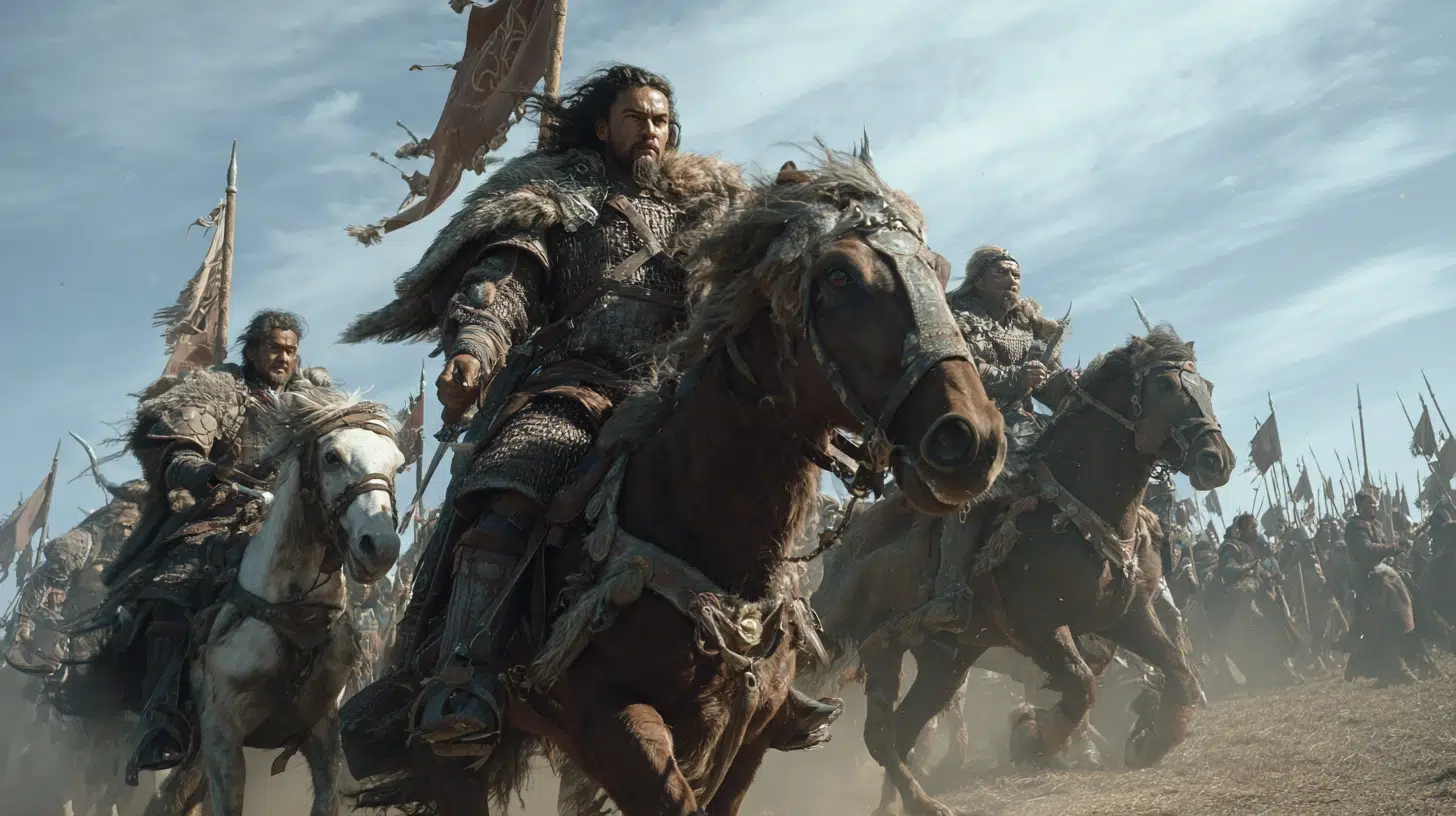
Attila’s path to power begins when he shares leadership of the Huns with his brother Bleda in 434 CE.
Together, they control a growing confederation of nomadic tribes. After Bleda’s death around 445 CE, Attila becomes the sole ruler. His leadership style blends strict discipline with rewards for loyalty, holding together a diverse and mobile army.
Under his command, the Huns expand quickly.
Attila uses fast cavalry raids to strike fear into enemies, forcing them to pay tribute or surrender. He pushes deep into Roman territory, demanding gold and land from the Eastern Roman Empire.
When they resist, he launches devastating campaigns across the Balkans. His reach stretches from the Ural River to the Rhine, covering parts of modern Hungary, Russia, France, and Germany.
Attila Expands to the West
Attila also turns his focus west. In 451 CE, he invades Gaul and battles a coalition of Romans and Visigoths at the Battle of the Catalaunian Plains. This clash slows his advance but cements his reputation as one of the most feared leaders in history.
Gaul was a region in Western Europe that roughly matches modern-day France, Luxembourg, Belgium, most of Switzerland, parts of Northern Italy, the Netherlands, and western Germany.
During Attila’s time, Gaul was under Roman control as part of the Western Roman Empire, but it was also home to various Germanic tribes. This mix of Roman influence and tribal kingdoms made it a key target for Attila’s invasions in 451 CE.
The following year, Attila invades Italy, destroying cities like Aquileia and Milan. His approach to Rome itself ends only after negotiations with Pope Leo I.
Negotiations with Pope Leo I
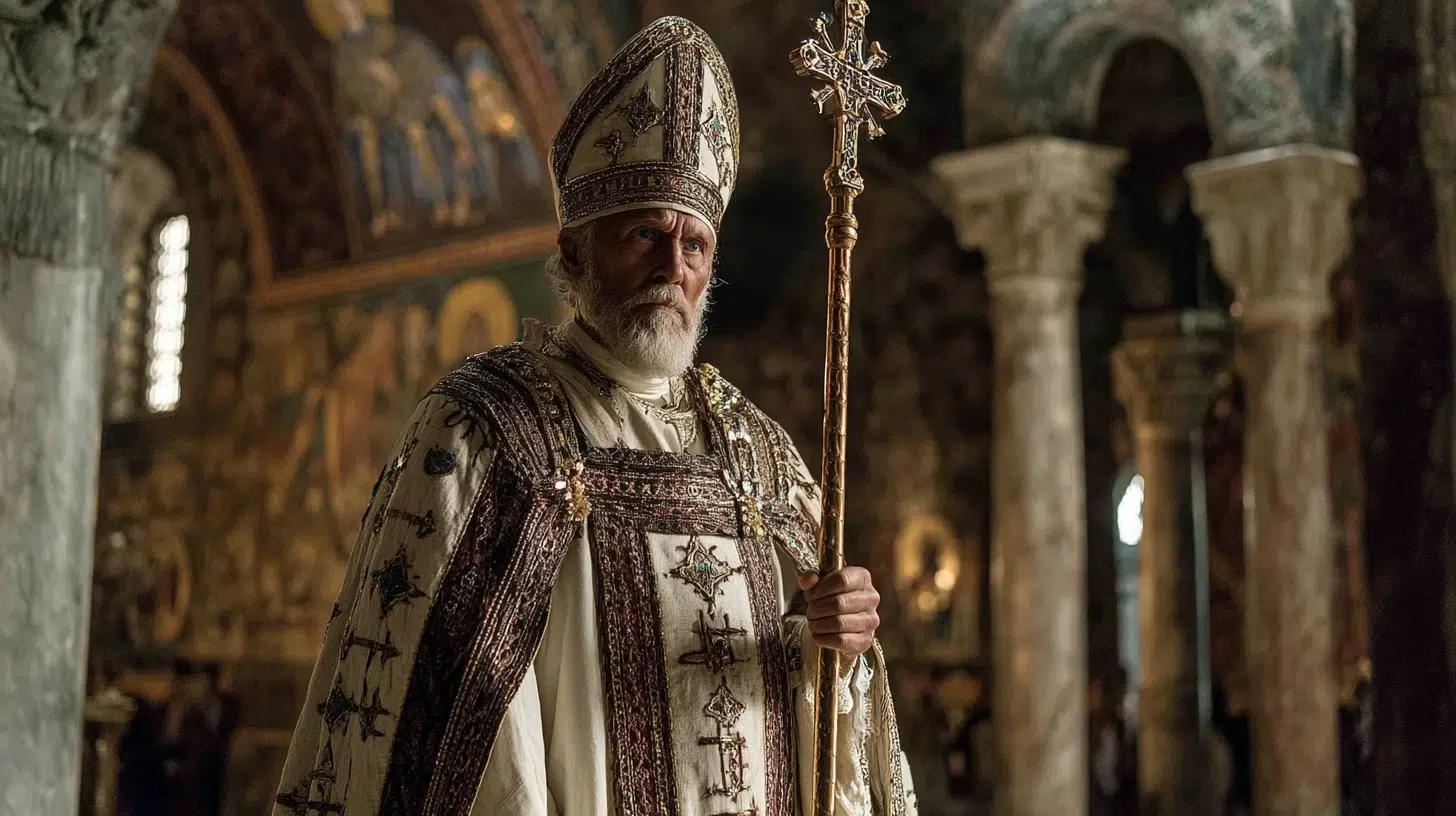
Attila’s march toward Rome in 452 CE terrifies the city. He has already destroyed cities like Aquileia and Milan, leaving devastation behind.
As his army approaches, Rome sends envoys to meet him. Among them is Pope Leo I, known for his strong leadership and persuasive speech.
Historical accounts describe Leo meeting Attila on the banks of the Mincio River. Details of their conversation remain unclear. Some say Leo offers gold and promises of peace, while others claim he warns Attila of divine punishment if he attacks the holy city. Ancient sources even speak of a vision: Saints Peter and Paul appearing beside Leo, urging Attila to retreat.
Whatever the reason, Attila agrees to withdraw.
His army turns back, sparing Rome from destruction. Practical factors also play a role. His troops face disease and dwindling supplies, and he plans another campaign against the Eastern Roman Empire. Still, Leo’s role cements his place in history. Many credit his courage and diplomacy with saving Rome.
This meeting becomes legendary, blending politics, faith, and fear. It shows that even a man as powerful as Attila can be stopped not by force but by words.
Attila’s empire thrives not just on conquest but on diplomacy. He skillfully balances threats with treaties, using both war and negotiation to strengthen his rule. By combining force and strategy, he creates an empire that challenges the power of Rome and reshapes Europe’s political landscape.
Major Accomplishments
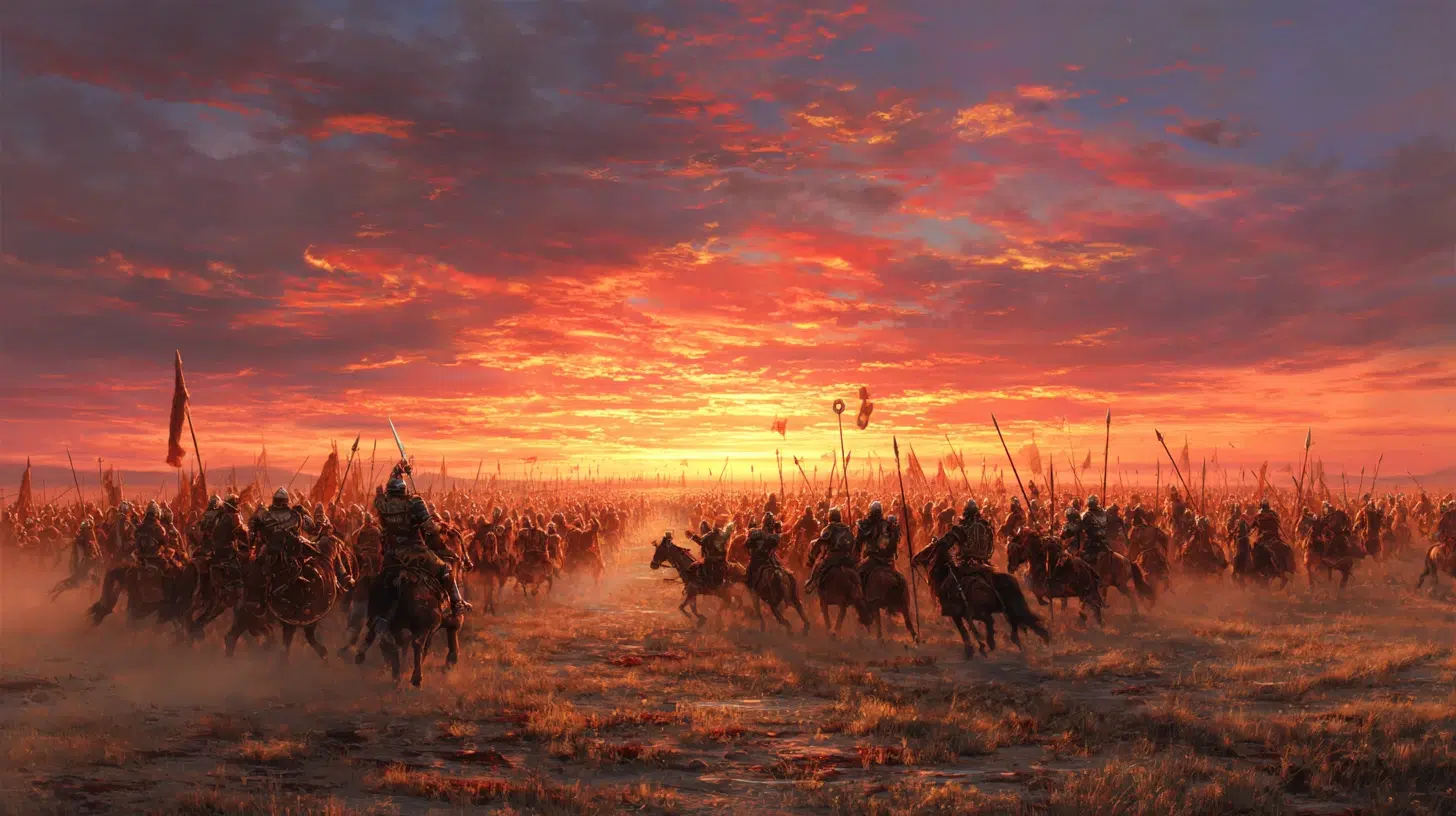
Attila the Hun earns his place in history through bold military campaigns and skilled diplomacy.
His invasions shake the Roman world and reshape power across Europe.
Battle of the Catalaunian Plains
One of his greatest feats is the Battle of the Catalaunian Plains in 451 CE. Attila leads his army into Gaul, where he faces a coalition of Romans and Visigoths under General Flavius Aetius. Though this battle ends in a stalemate, it shows Attila’s ability to challenge Rome at its height. His advance stops, but his power remains clear.
Invasion of Italy and Diplomacy
In 452 CE, Attila invades Italy. He destroys Aquileia, Milan, and other cities, creating panic in Rome. His advance ends only after his famous meeting with Pope Leo I, who persuades him to withdraw. This event cements Attila’s image as both a fearsome warrior and a man who can be swayed by bold diplomacy.
Attila also masters tribute diplomacy. He forces the Eastern Roman Empire to pay massive sums of gold through treaties like the Treaty of Margus in 435 CE. These payments make the Huns richer and stronger without constant fighting.
Expansion of Empire
His empire stretches from the Ural River to the Rhine, controlling lands that include parts of modern Hungary, Germany, France, and Russia. At its height, it becomes one of the most powerful forces in Europe.
Attila’s mix of war and negotiation creates a model few leaders match. He shows how fear, speed, and strategy can build an empire quickly. His campaigns against Rome mark him as a ruler who pushes the limits of what nomadic armies can achieve.
Death of Attila the Hun
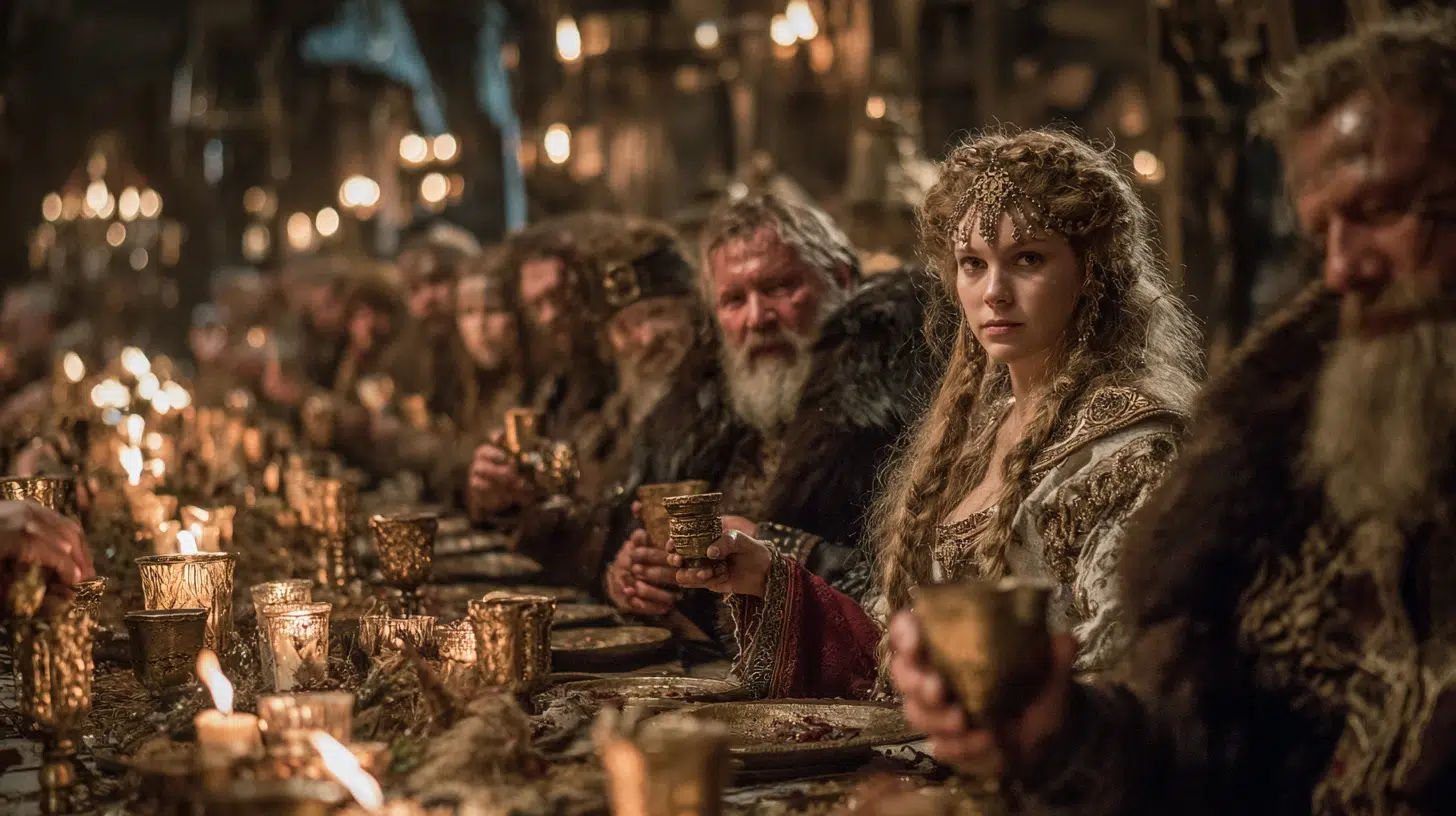
Attila the Hun’s death remains one of history’s great mysteries.
In 453 CE, he marries a young woman named Ildico during a lavish celebration. That night, he dies suddenly.
Ancient writer Jordanes reports that Attila suffers a severe nosebleed or internal hemorrhage after heavy drinking, choking in his sleep. Others suggest a burst blood vessel caused his death.
Some historians question this version. They argue that Attila may have been murdered. One theory claims Ildico kills him, possibly under orders from enemies who fear his power.
Another view holds that political rivals within his own ranks may have played a role. Despite these ideas, no evidence confirms foul play.
After his death, his followers hold a secretive burial. According to legend, they bury him in three coffins: one of gold, one of silver, and one of iron. The burial site remains unknown, hidden to protect it from looters.
Attila’s death triggers chaos.
His sons fight over control, weakening the empire. Within a year, at the Battle of Nedao in 454 CE, a coalition of Germanic tribes defeats the Huns, ending their dominance.
His sudden end leaves a lasting impact. Even today, historians debate what truly happened that night. His mysterious death, combined with the secrecy around his burial, adds to the legend of a ruler who terrified Rome and built an empire through fear and skill.
Interesting Facts About Attila the Hun
Attila the Hun’s story holds surprising details that many people overlook:
- Roman Diplomat’s Account: The historian Priscus meets Attila in 449 CE and describes him as calm and modest in private life. Unlike his lavish court, Attila himself wears plain clothing, choosing simplicity over gold or jewels. This contrasts sharply with his fearsome reputation.
-
A Leader of Many Peoples: His empire unites not only Huns but also Goths, Alans, and other tribes. Attila’s ability to lead such a diverse group shows his strong political skill, not just his military power.
- Titled “Scourge of God”: Romans call him Flagellum Dei, believing his invasions punish them for their sins. This title helps build his myth as a figure sent by divine will.
- A Feared Negotiator: Attila often wins without fighting. He forces Rome to pay vast amounts of gold in tribute, draining their treasury while avoiding costly battles.
- Burial in Secret: Legends say Attila’s soldiers kill those who bury him to hide his grave’s location. This secrecy fuels modern treasure-hunting myths about his lost tomb.
- Far Before Genghis Khan: Attila rules nearly 700 years before Genghis Khan, but both share roots in steppe warfare and fast-moving cavalry tactics.
These details reveal Attila as more than a brutal warrior. He uses strategy, diplomacy, and image to shape his legacy. His blend of fear, control, and cunning leadership ensures his name still echoes through history.
Conclusion
Attila the Hun remains one of history’s most powerful and feared leaders. He rises from the steppes of Pannonia to command an empire that stretches across Europe and challenges Rome itself. His ability to combine speed, strategy, and negotiation sets him apart from other leaders of his time.
Known as the “Scourge of God,” Attila terrifies his enemies but also impresses diplomats like Priscus with his discipline and intelligence. His mysterious death and secret burial only add to his legend. Though his empire collapses soon after, his impact on Europe is lasting, reshaping borders and weakening Rome in its final decades.
Attila’s story takes place nearly 700 years before Genghis Khan, yet both men share roots in nomadic culture and mobile warfare. His life shows how a determined leader can change the course of history through bold action and relentless ambition.
Even today, Attila fascinates historians and readers alike. His mix of fact and myth keeps his name alive as a symbol of raw power and unstoppable force. Understanding his life helps explain why he remains one of the most memorable figures of the ancient world.