
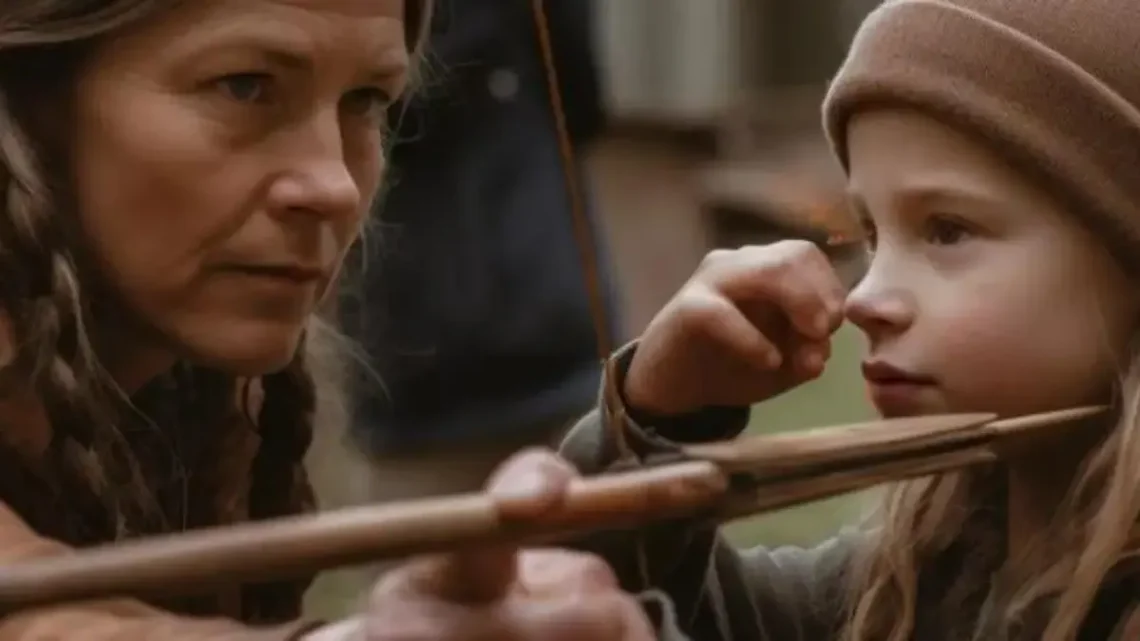
Archery Tips for Beginners: Mastering the Basics
Archery is a skill that has been practiced for centuries, evolving from a survival tool to a competitive sport enjoyed by many. For beginners, it can seem intimidating to step into the world of archery. But with the right archery tips for beginners just starting out, anyone can become proficient in this ancient art.
In this article, we will explore the essential techniques and archery tips for beginners to master the basic skills of archery.
Essential Archery Equipment Tips for Beginners
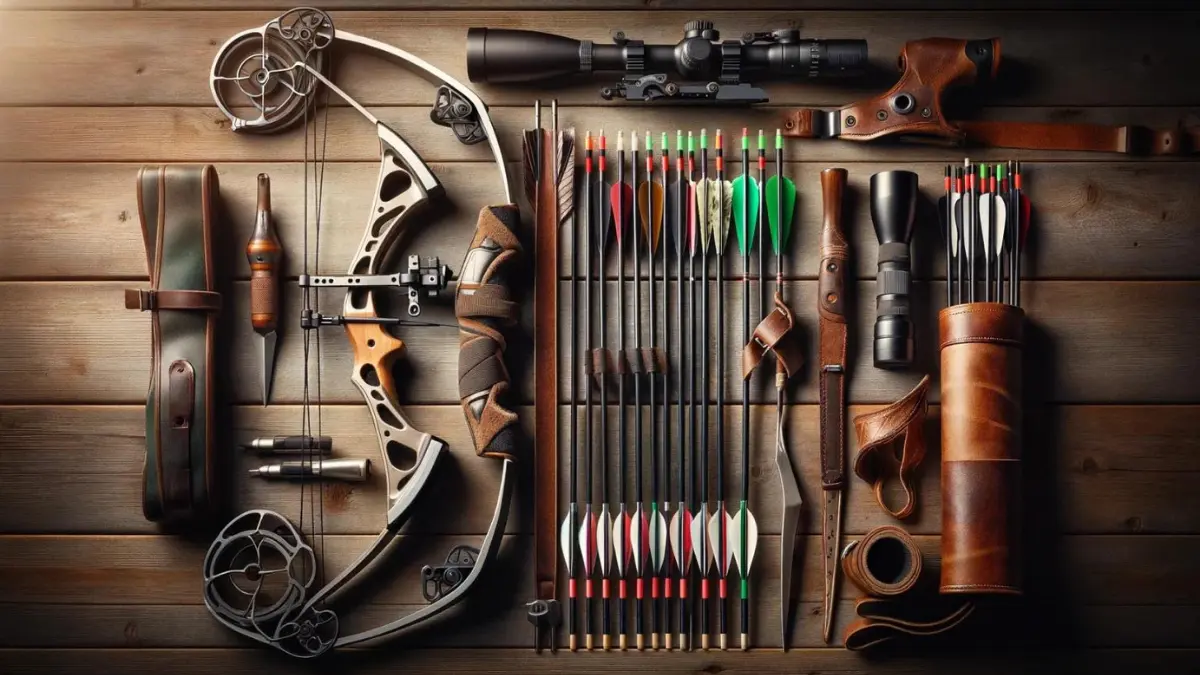
Before delving into the techniques, it’s important to understand the essential equipment required for archery. Here are the key pieces of equipment that beginners need:
- Bow: The bow is the main tool of an archer. There are various types of bows available, such as recurve bows, compound bows, and longbows. For beginners, a recurve bow is often recommended due to its simplicity and ease of use.
- Arrows: A set of arrows is essential for archery. Arrows come in different materials and sizes, so it’s important to choose the ones that suit your bow and draw length.
- Quiver: A quiver is used to hold arrows while shooting. There are different types of quivers available, including back quivers, side quivers, and hip quivers. Choose one that is comfortable for you.
- Arm Guard: An arm guard protects the forearm from the bowstring when releasing the arrow. It is an important safety accessory, especially for beginners.
- Finger Tab or Release Aid: A finger tab or release aid helps protect the fingers from the pressure of the bowstring during release. Beginners can start with a finger tab and transition to a release aid later.
- Target: A target is necessary for practicing and honing your skills. You can choose between a traditional round target or a 3D target for a more realistic experience.
Choosing the Right Bow

Selecting the right bow is crucial for beginners. Here are some factors to consider when choosing a bow:
- Draw weight: The draw weight of the bow should match your physical strength. It’s recommended for beginners to start with a lower draw weight and gradually increase as they develop their muscles and technique.
- Bow length: The length of the bow should be proportional to your draw length. Consult with a professional or experienced archer to determine the appropriate bow length for you.
- Riser: The riser is the central part of the bow where you hold it. Look for a riser that is comfortable to grip and provides stability.
- Limb material: The limbs of the bow can be made of different materials, such as wood, carbon fiber, or fiberglass. Each material has its own advantages, so choose the one that suits your needs and budget.
Proper Stance, Posture, and Grip
Maintaining the correct stance, posture, and grip is essential for consistent and accurate shooting. Here are some archery tips to follow:
- Stance: Stand with your feet shoulder-width apart, perpendicular to the target. Distribute your weight evenly on both feet to maintain balance.
- Posture: Keep your back straight and relaxed. Avoid leaning forward or backward. Maintain a natural stance with your head in line with your body.
- Grip: Hold the bow grip with a relaxed and firm hand. The grip should be consistent, neither too tight nor too loose. Experiment with different hand positions to find the most comfortable and stable grip for you.
Nocking the Arrow
Nocking the arrow refers to placing the arrow onto the bowstring correctly. Follow these steps for proper nocking:
- Finger placement: Place your index finger above the nocking point and your middle and ring fingers below it. Make sure the arrow is positioned between the fingers and rests lightly against the bowstring.
- Align the arrow: The cock feather, which is usually a different color, should be pointing away from the bow. This ensures proper arrow flight and stability.
- Secure the arrow: Press the arrow gently against the bowstring to ensure it is securely seated.
Nocking and Gripping: Preparing to Release
In the realm of archery, perplexity and burstiness play a pivotal role in the artful dance of proper nocking and gripping. These essential steps lay the foundation for a triumphant release, leaving nothing to chance.
Once we have conquered this bewitching riddle called nocking, our attention turns towards an equally captivating pursuit: grasping perfection through grip mastery.
For within this surrender resides the mastery of release, learn more about noking.
- Nocking is the delicate act of placing the arrow on the bowstring with precision
- The nock, or slotted end of the arrow, must be aligned with the arrow rest for optimal straightness
- The alignment and restfulness of the nock contribute to a successful release
- Grip mastery is equally important in achieving accuracy and consistency
- Maintaining an equanimous hold on the bow handle is key
- Avoid excessive tightness that can lead to tension in hand and wrist
- Experiment with different grip styles to find what feels natural and comfortable
- Relaxation is essential for releasing apprehension and gaining power in each shot
- Embrace surrendering yourself to tranquility during each release for mastery
Aiming and Focusing

Aiming is a crucial aspect of archery. Here’s how to improve your aim and focus for beginners:
- Gaze: Fix your gaze on a specific point on the target, such as the center or a small spot. This helps maintain concentration and accuracy.
- Alignment: Align your dominant eye with the target and the bowstring. This ensures proper alignment and reduces the chances of cross firing.
- Breathing: Take deep breaths and exhale slowly to help calm your mind and body. This promotes better focus and stability while aiming.
Executing a Smooth Release
The release is an essential part of the shooting process. To achieve a smooth and consistent release:
- Maintain finger tension: As you draw the bowstring, maintain a consistent tension on your fingers. Avoid jerky movements or tightening the fingers excessively.
- Follow-through: After releasing the arrow, maintain your stance and posture, allowing the bow to follow through naturally. This helps ensure a clean release and improves accuracy.
Safety Measures in Archery

Safety should always be a top priority in archery. This is one of the most important archery tips for beginners. Here are some important safety measures to follow:
- Dress appropriately: Wear comfortable, non-restrictive clothing while ensuring that sleeves and loose clothing do not interfere with the bowstring.
- Range safety: Be aware of your surroundings and follow the safety rules of the range or shooting area. Never point the bow at anyone, even if it is not loaded.
- Inspect equipment: Regularly check your equipment for any signs of damage or wear. This includes the bow, arrows, and any accessories. Replace or repair damaged equipment immediately.
Analyzing and Adjusting Your Shots
To improve your archery skills, it’s important to analyze and adjust your shots. Here’s how:
- Record your shots: Keep a record of your shots, including the distance, aiming point, and results. This will help you identify patterns and areas for improvement.
- Sight adjustment: If your arrows consistently hit off-target, adjust your sight according to the direction and distance of the groupings. Small adjustments can make a significant difference in accuracy.
- Seek guidance: Consult with experienced archers or coaches who can provide feedback and guidance based on your shooting form and technique.
Troubleshooting Common Mistakes: Fixing Form Issues
Archery demands unwavering precision and technique. Identifying these confounding quandaries and addressing them is imperative to elevate one’s shooting prowess.
Among the pitfalls lies the treacherous path of improper alignment. This is when one’s bodily positioning deviates from its rightful place in relation to the target.
To rectify this predicament, ensure your feet stand shoulder-width apart, toes aligned with the beacon of your aim.
With a perpendicular stance, don’t let your shoulders or hips move from the squared stance.
Another concern is hand position on the bow grip. Tension fraught hands and arms create unwanted repercussions. Fear not!
Fingers should cradle the bow as if it were a fragile butterfly needing a gentle touch.
Practice makes perfect! Embrace patience while embarking on this journey.
Practice Drills for Beginners
Regular practice is the key to becoming a skilled archer. Here are some practice drills that beginners can incorporate into their training routine:
- Blank bale shooting: Stand close to a target or a blank bale and focus on your form and release. This drill helps develop muscle memory and consistency.
- Paper tuning: Shoot arrows through a sheet of paper placed in front of the target. This drill helps identify arrow flight and tuning issues.
- Distance shooting: Gradually increase the shooting distance as your skills improve. Start at a comfortable distance and gradually move back to build your accuracy and confidence.
Remember, consistency and patience are key when learning archery. Practice regularly and seek feedback from experienced archers to improve your technique and skills over time.
Conclusion
Mastering the basic techniques of archery requires dedication, practice, and attention to detail. By following these tips for beginners, you can develop a solid foundation in archery and progress towards becoming a skilled archer. So, pick up your bow, adopt the proper techniques, and enjoy the journey of mastering the art of archery.