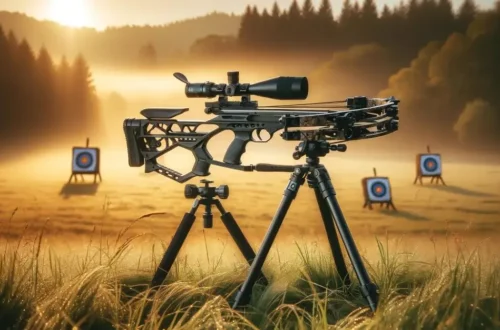

Beginner Archery Targets Overview
Selecting the right archery targets is pivotal to any practitioner’s journey. From the novice taking their first shot to the seasoned hunter fine-tuning their accuracy.
The moment of release is a symphony of skill and artistry; the arrow soars, aimed with intent and purpose.
Behind every successful archer is not just years of practice. It’s also the silent partner that bears the brunt of those sharpened skills – the archery target.
These unsung heroes of the sport are as varied and specialized as the bows and arrows themselves. Each is designed to offer unique challenges and feedback to the ever-improving marksman.
The world of archery targets is a one, with lots of options that cater to different aspects of the sport.
Whether it’s the traditional bullseye, the realistic 3D game targets, or the rugged bag targets meant to endure the elements, the choice of target can influence an archer’s practice regimen.
Durability, material, ease of arrow removal, and the type of archery one intends to practice all play critical roles in the selection process. Each type of target can present new challenges and learning opportunities.
And it’s not just about the physical attributes. Consider the psychological satisfaction of hitting the right kind of target. It can be a powerful motivator, reinforcing the archer’s passion and dedication to their craft.
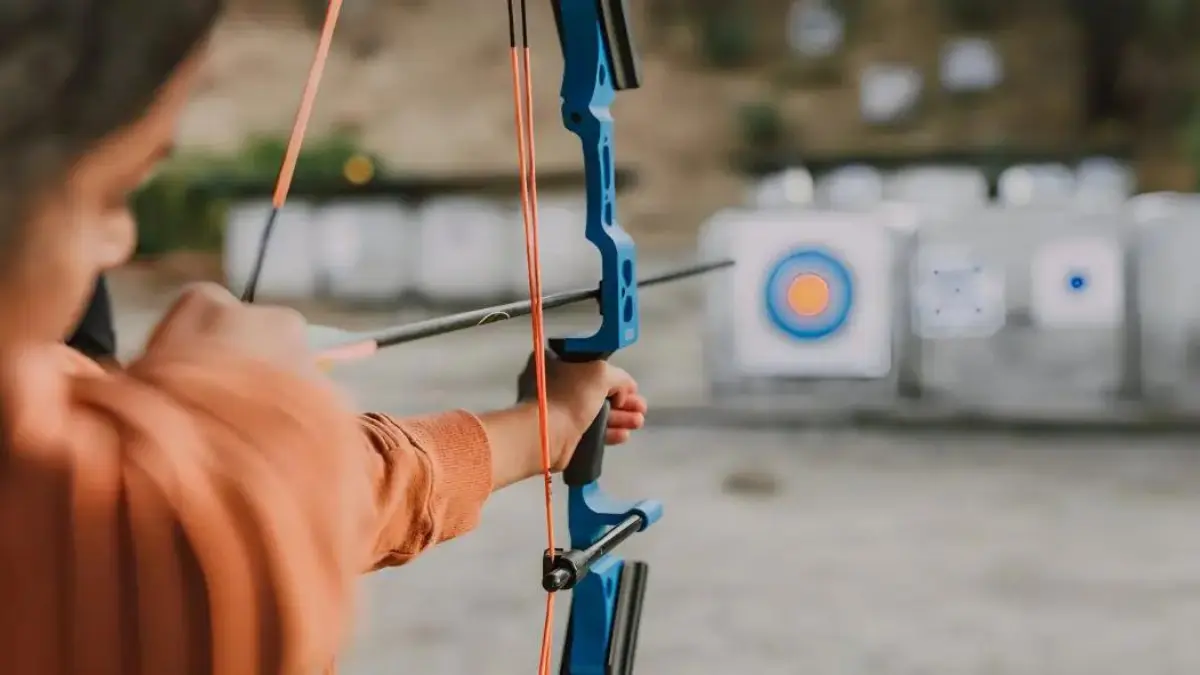
Types of Archery Targets Overview
When engaging in archery, whether as a beginner or an experienced archer, one of the most important choices you’ll need to make is selecting the right target. The type of target can affect both your practice quality and the lifespan of your arrows. Here are the different types of archery targets:
Bag Archery Targets
Bag targets are filled with synthetic material and are known for their capability to stop arrows efficiently. They are ideal for beginners because they:
- Are lightweight and generally more affordable.
- Offer easy arrow removal.
- Can accommodate a high volume of arrow shots.
- Broadhead arrows can become stuck or damage the bag, so are not the best option.
Foam Layer Block Targets
These targets are made of layered foam and are great for both field points and broadheads. They:
- Are portable and durable.
- Offer easy arrow removal due to the “self-healing” nature of foam layers.
- Can withstand weather elements if left outdoors.
- It’s important to note that consistent shots to the same spot can wear them out quicker.
3D Practice Archery Targets
3D targets replicate animals or other figures to mimic hunting scenarios. They are excellent for hunters because:
- They help improve aiming at vital points on an animal.
- They come in various species for specific hunting practice.
- Can be made from self-healing foam, offering durability.
- However, they can be on the pricier side compared to other targets.
Paper Archery Targets
Often used for precision shooting and competitions, paper targets are great for:
- Offering a low-cost way to practice.
- Providing instant visual feedback on shot placement.
- Being easy to set up on various backing materials.
- However, they are not standalone targets and require a foam or bag target behind them.
DIY Archery Targets
For those who prefer a more hands-on approach or are on a budget, DIY targets can be made from:
- Stacked and compressed cardboard.
- Bales of straw or hay, which are traditional and eco-friendly.
- Old clothing or rags tightly bound together.
- Reusing materials can save money, but these targets might lack the durability and ease of arrow removal of specialized targets.
Metal Targets
Used primarily for crossbow archery, metal targets are:
- Exceptionally durable.
- Designed to handle the high velocity of crossbow bolts.
- Things to keep in mind include noise when hit and potential ricochet risks.
When choosing an archery target, account for the type of arrows you’ll be using, where you’ll be practicing—indoors or outdoors—and your specific practice goals. Each target type has its pros and cons, and it’s about matching those with your needs to ensure effective and enjoyable practice sessions.
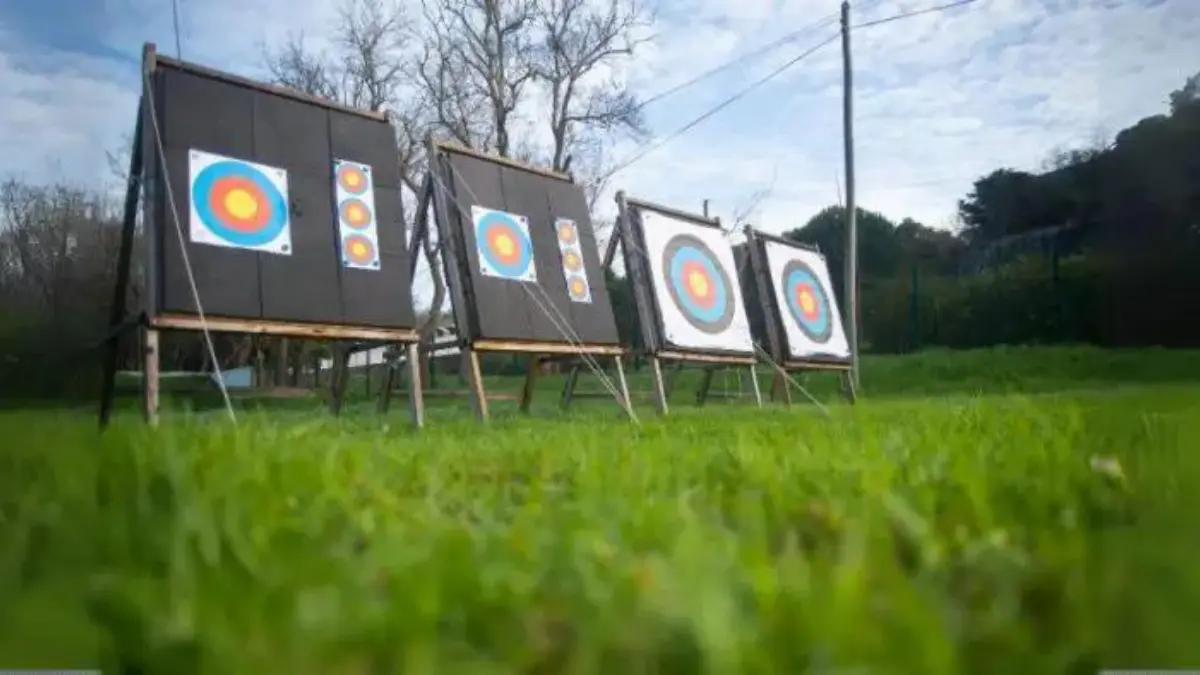
Considerations for Indoor vs. Outdoor Practice
When selecting the best archery targets for practice, one must weigh distinct considerations for indoor and outdoor settings. The environments offer different challenges and opportunities that can influence the choice of target material, size, durability, and design.
Indoor Archery Targets and Practice
Indoor archery ranges offer controlled conditions without the variables of weather and lighting that can affect outdoor practice. Here are some key considerations:
- Space Constraints: Indoor environments may have limited space, requiring smaller or more compact targets.
- Lighting Conditions: Consistent lighting allows for less hardy targets, as they are not exposed to the fading effects of sunlight.
- Arrow Speed and Type: Indoor practice usually accommodates lower poundage bows, which means targets can be less dense and still effectively stop arrows.
- Noise Levels: Dense foam or bag targets can help dampen the noise of arrow impact in an enclosed space.
Outdoor Practice
On the other hand, outdoor ranges provide a variety of conditions that can affect the functionality and longevity of an archery target. Consider the following:
- Weather Resistance: Outdoor targets need to withstand elements like rain, UV exposure, and temperature extremes. Materials should be weatherproof and UV-resistant.
- Portability: Outdoor practice often requires moving the target to different distances or locations; hence, portability becomes a significant factor.
- Visibility: Bright-colored targets or those with high-contrast designs are preferred to ensure visibility in varying light conditions.
- Durability: Frequent outdoor use requires robust materials that can endure repeated shots and outdoor conditions.
Common Considerations for Both
Certain factors remain important regardless of setting:
- Target Type: Varying types of targets, such as bags, foam blocks, or 3D targets, cater to different practice needs and should be chosen based on the archer’s focus, such as precision or hunting simulation.
- Replaceable Parts: Look for targets with replaceable cores or sections to extend target life and improve cost-efficiency.
- Ease of Arrow Removal: Targets should allow for smooth removal of arrows to avoid damaging arrows or injuring the archer during extraction.
- Safety: The target should be large enough to safely catch errant arrows and properly anchored to prevent tip over.
While indoor ranges necessitate compact, noise-reducing targets, outdoor ranges demand durable, weather-resistant, and easily visible targets. Both environments benefit from features like ease of arrow removal and safety measures, ensuring efficient and secure practice sessions. Archers must tailor their target selection to their preferred practice location, employing the right balance of features to suit the specific demands of their environment.
Durability and Longevity of Targets
When it comes to practicing archery, investing in a target that can withstand numerous shots is paramount. Durability not only ensures that the target remains functional over an extended time but also provides a consistent surface for accurate practice. The longevity of archery targets is influenced by several factors such as material, design, and usage frequency.
Archery Target Materials
Materials play a critical role in the durability of archery targets. Targets made from high-density foam or self-healing rubber tend to last longer as they can endure multiple shots without significant degradation. For instance:
- Foam targets are preferred for their ability to stop arrows effectively while maintaining shape.
- Self-healing rubber targets can close up after an arrow is pulled out, prolonging the target’s life.
Target Longevity
Another aspect contributing to target longevity is its design. A target with a replaceable core, for example, can greatly extend its lifespan. Archers can simply replace the core once it has worn out instead of purchasing a new target altogether. Similarly, targets with multiple shooting spots can be rotated to even out wear and tear, ensuring that no single area is overused.
Usage frequency and the type of arrows used also determine how long a target will last. Shooting arrows with broadheads will cause more damage to a target than field tips, leading to a need for more frequent replacement. Therefore, it is advisable for archers who shoot often or use broadheads to consider more robust targets specifically designed to withstand such use.
What Affects Durability and Longevity of Archery Targets
The following list highlights key points that affect the durability and longevity of archery targets:
- Material quality – High-density foam and self-healing rubber are more durable.
- Design efficiency – Replaceable cores and multiple shooting spots can prolong target life.
- Weather resistance – Outdoor targets should endure weather conditions without falling apart.
- Usage frequency – Increased usage demands more durable targets.
- Arrow type – Broadheads will damage targets quicker than field tips.
For archers looking to practice year-round, considering weather resistance is another aspect of durability. Weather-resistant targets will endure rain, snow, and sun exposure without losing integrity. UV-resistant coating and waterproof materials are essential features for targets used outdoors, especially in variable climates.
Care and maintenance also contribute to a target’s longevity. Storing targets out of direct sunlight when not in use and keeping them dry will help prevent premature wear. Regular inspection for wear spots and rotating the target, if possible, ensures even usage and can extend the lifetime significantly.
Selecting a target with superior durability and longevity requires careful consideration of material, design, usage, and environmental factors. A robust, well-maintained target becomes a cost-effective investment over time, enabling archers to hone their skills without frequent replacements disrupting their practice routine.
Ease of Set-Up and Transport
When it comes to archery practice, the time it takes to set up and transport your target can greatly affect your overall experience and convenience. As an archer, you want to spend more time shooting arrows and honing your skills than struggling with cumbersome equipment. Therefore, it is vital to choose targets that offer a hassle-free set-up and are easily portable.
Lightweight Targets
Firstly, lightweight targets are a must for archers who frequently move their equipment. Foam layer and bag targets tend to excel in this regard, their materials inherently making them easier to carry. Look for targets with built-in handles or straps that facilitate carrying from one location to another.
3D Targets
On the other hand, 3D targets, while offering a realistic practice experience, are usually heavier and more challenging to transport. They may require a vehicle or a cart for movement, so take this into consideration if convenience is a top priority.
Versatile Archery Targets
For ease of set-up, versatile targets that do not require additional stands or supports can save time and energy. Many hangable targets are designed with loops or grommets, allowing them to be quickly suspended from a frame or tree. Here’s how to ensure the targets you choose align with your transportation and set-up preferences:
- Portability:
- Check the weight of the target. Aim for targets that you can carry without much effort.
- Look for features like handles, wheels, or detachable parts that simplify transport.
- Set-Up Simplicity:
- Choose targets with simple designs that can be used straight out of the box without requiring complex assembly.
- Consider targets that can stand freely without the need for additional supports or can be easily hung.
Targets that can be disassembled have an edge in terms of storage and transport. Block targets, for example, can often be broken down into smaller components, making them easier to move and store.
Durability plays a significant role, as more robust targets can withstand the rigors of being moved around frequently without deteriorating. Targets designed for easy arrow removal typically fare better in this regard, as they experience less wear and tear during use.
An archery target’s ease of set-up and transport can greatly influence an archer’s practice routine. Look for targets that are lightweight, have transport-friendly features, offer straightforward set-up, can be easily disassembled, and are durable enough to handle frequent movement. This will ensure that you maximize your practice time without added frustration, enabling you to focus on improving your archery skills.

Archery Targets – Size and Distance
When selecting archery targets for practice, understanding the importance of target size and distance is imperative for effective training and skill improvement. The target size should correspond to the type of practice and the proficiency level of the archer.
- For beginners, larger targets are generally recommended as they provide a more substantial area to aim at, which can help in developing basic shooting skills and confidence.
- As archers progress, they may transition to smaller targets to refine accuracy and replicate competition conditions.
Determining Distance in Archery Target Practice
Distance also plays a crucial role in archery practice. It directly affects the difficulty level and is pivotal for an archer’s development.
- For novices, starting at closer ranges (10-20 yards) is beneficial. Closer distances allow the archer to focus on form and technique without the added challenge of compensating for arrow drop over longer distances.
- Intermediate archers might increase the range to 20-40 yards as they continue to hone their skills and build consistency.
- Advanced archers or those preparing for competition should practice at the distances they will encounter in their respective events, which can be 40 yards and beyond, adapting to various competition standards such as those set by World Archery Federation.
It is essential to note that the distance should increase gradually. Abrupt changes in distance can lead to the development of poor shooting habits as archers may alter their form to reach the target. Steady progression helps in maintaining proper form and ensures steady improvement in both precision and consistency.
Consider the Target Size and Distance
When setting up a practice area, here are some additional considerations for target size and distance:
- Safety: Ensure that the target size and distance do not compromise safety. The target must be large enough to safely catch misaimed arrows at the intended practice distance.
- Environment: Be mindful of the surroundings. Wind, lighting, and terrain can affect shooting conditions and may require adjustments in target size and distance.
- Accessibility: Consider the space available for practice. Urban archers with limited space may need to use smaller targets at closer distances, while those with access to larger areas can simulate more realistic hunting or competition scenarios.
- Mission-specific practice: Bowhunters may practice at the average distance they expect to shoot in the wild, typically between 20 to 30 yards, whereas those preparing for field archery competitions may need to practice over a range of distances on uneven terrain.
- Target type: Ensure the target is designed for the intended use. Some targets are made specifically for broadheads used in hunting, while others are suited for practice arrows with field tips.
By meticulously choosing the target size and distance that fit the individual needs and proficiency levels, archers can create a structured and effective practice regimen. This calculated approach will assist in the gradual improvement of accuracy, precision, and overall archery performance.
Special Features and Accessories
When selecting the best archery targets for practice, it’s crucial to consider the various special features and accessories that can enhance your experience and improve your skills. Different targets come with unique characteristics designed to meet the specific needs of archers. Here are some notable features and accessories to keep an eye out for:
Replaceable Cores and Inserts
- Many high-quality targets offer replaceable cores or inserts, which are especially practical for heavy users.
- These components are usually made of more durable material than the rest of the target, providing longevity and cost-effectiveness.
Weatherproofing
- Some targets come with weatherproofing features making them suitable for outdoor use in diverse conditions.
- This includes UV-resistant materials to prevent the target from fading and waterproofing to protect against rain and moisture.
Easy Arrow Removal
- Targets designed with easy arrow removal in mind minimize damage to arrows and reduce the archer’s fatigue during practice sessions.
- Foam layering and self-healing materials are commonly used to achieve this feature.
Portability
- Lightweight designs and features like handles or wheels facilitate the transport of the target for practice in different locations.
- For those who attend competitions or prefer varied practice settings, portability is an essential feature.
Target Stands and Stabilizers
- Quality targets may come with stands or stabilizers to ensure the target remains firm and upright during use.
- Look for adjustable stands that can accommodate uneven ground or various angles for shooting.
Target Faces and Markers
- The ability to change target faces allows archers to practice different types of shots and scoring systems.
- Easy-to-see markers and bright colors help in improving aim and accuracy from various distances.
Multi-Layered Density
- Targets with multi-layered density can stop arrows from high-poundage bows without damaging them.
- These targets can handle repeated shots and are suitable for heavy use.
3D Archery Targets
- 3D targets replicate game animals and are essential for hunters to practice realistic shot placement.
- These contain self-healing foam and often feature scoring rings to aid in accuracy measurement.
Archery Target Bags
- For those who prefer the convenience of a softer target, target bags are a good choice and often include images of game animals or bullseyes.
- These contain synthetic material that stops arrows effectively and enables easy arrow retrieval.
Smart Targets
- Technology integration allows some modern targets to provide real-time feedback through sensors and connectivity with smartphones or tablets.
- Such targets analyze shot placement, distances, and other metrics essential for improving archery skills.
When outfitting your archery range or practice area, ensure the targets you choose include features and accessories conducive to your specific training requirements. The right combination of special features can make a significant difference in both the enjoyment and effectiveness of your practice sessions.