
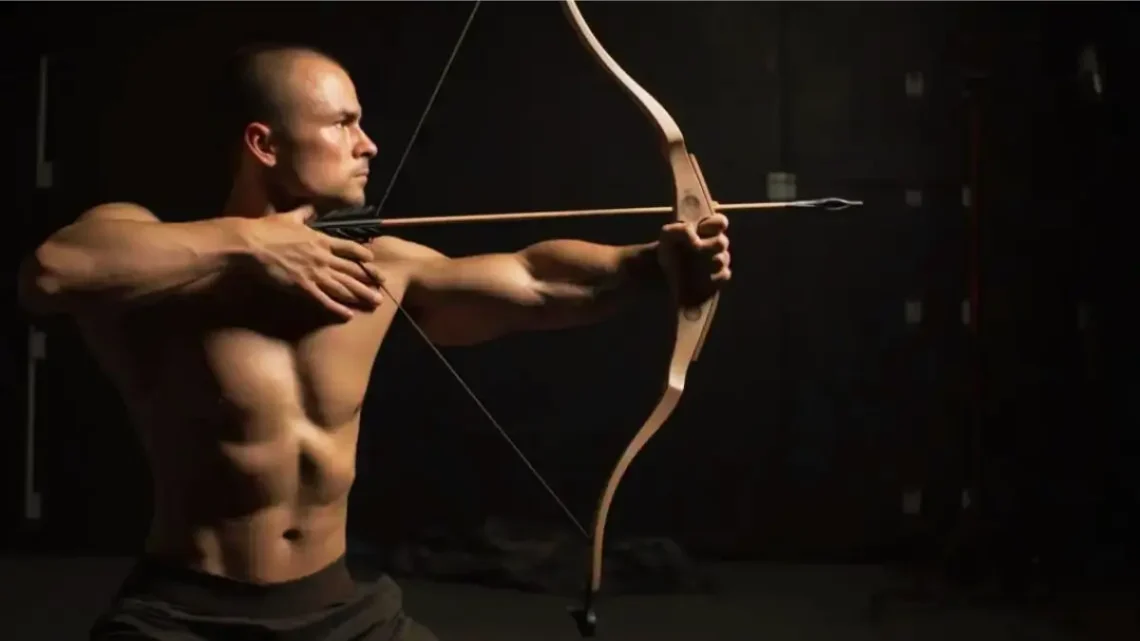
Archery Training Exercises for Your Strength and Precision
Archery, extending beyond simply holding a bow and releasing an arrow, demands a complex combination of strength, precision, and mental focus. Archery training exercises ensure that archers can repetitively execute shots with high accuracy and consistency.
Engaging muscles particular to arching and refining technique are paramount for archer’s progress. These exercises specifically aim to bolster an archer’s core, upper body strength, stability, and fine motor skills, which are essential for mastering the art of archery.
Understanding the Role of Strength and Precision in Archery
In archery, strength is essential for drawing and maintaining the tension on the bow, allowing for a powerful release of the arrow.
The conditioning of muscles in the shoulders, back, chest, and arms is critical for this aspect of the sport. Precision, on the other hand, is the skill of consistently aiming and executing shots with accuracy.
It relies on a steady hand, keen eye, focus, and the ability to replicate the same motion precisely with every arrow shot. Both strength and precision are interdependent; strength allows for better control of the bow, while precision ensures that strength is directed appropriately to hit the target accurately.
The Importance of Warm-Up Exercises for Archers
Warm-up archery training exercises are crucial for archers, playing a significant role in enhancing performance and preventing injuries. Before delving into intensive training or competition, archers should engage their muscles and increase heart rate to ensure flexibility and readiness.
- Warm muscles demonstrate improved reaction time and speed, critical for executing precise shots.
- Proper warm-up boosts circulation, delivering oxygen-rich blood to muscles, and preparing the body for the physical demands of archery.
- Stretching exercises, particularly for the arms, shoulders, and back, help maintain a smooth, controlled draw and release, reducing the risk of strain or muscle tears.
- Mobility drills enhance joint health, essential for the repetitive motions involved in drawing and holding a bow.
- A tailored warm-up routine also focuses the mind, allowing archers to enter a mindful state, improving concentration and mental resilience required for accurate shooting.
Isometric Exercises for Building Draw Strength
Isometric exercises enhance muscular endurance and draw strength critical for archers.
These static exercises require muscles to contract without movement, closely simulating the act of holding a bow at full draw.
- Bow Pulls: Mimic the draw motion without releasing. Pull the bowstring back, hold for 10-30 seconds, and slowly release. Repeat this exercise to build stability and endurance.
- Wall Push: Face a wall, extend arms, and push against it as if pushing the bow away. Hold the position for several seconds, rest, and repeat.
- Plank Hold: A full-body workout that develops core strength. Hold a plank position, keeping the body straight and core tight, for intervals of 30 seconds to 1 minute.
- Resistance Band Pull Aparts: Simulate drawing a bow by pulling a resistance band apart. Keep it at shoulder height, pull it taut, hold, then slowly return to the initial position.
- Hand Gripper Work: Strengthen the forearm and hand muscles by using a hand gripper. Squeeze and hold for a count before releasing, performing multiple sets.
These exercises condition archers to maintain tension during the crucial moments of aiming and shot execution.
Resistance Training for Upper Body Conditioning
Resistance training is crucial for archers to develop upper body strength and maintain a stable posture during shooting. Incorporating exercises such as:
- Push-ups: Strengthen chest, shoulders, and triceps.
- Pull-ups: Target the back, shoulders, and arms, enhancing the draw strength.
- Shoulder Presses: Increase deltoid endurance for steadier aiming and draw control.
- Bicep Curls and Tricep Extensions: Build arm muscles vital for draw and release phases.
- Wrist Curls: Fortify wrist stability, directly impacting precision and grip.
Adhering to a routine that balances these exercises will result in a stronger, more conditioned upper body, essential for mastering the art of archery.
Core Strengthening Exercises for Improved Stability
Archers require a strong core to maintain stability and control while shooting.
The following archery training exercises help build the necessary muscles:
- Planks: Hold a plank position for 30 seconds to a minute. Ensure the body forms a straight line from shoulders to ankles.
- Russian Twists: Sit with knees bent, lean back slightly, and twist the torso side to side with hands together or holding a weight.
- Leg Raises: Lie on your back, keeping legs straight, lift them up to a 90-degree angle, then slowly lower without touching the floor.
- Bicycle Crunches: Perform alternating knee-to-elbow touches in a cycling motion to engage the entire core.
- Dead Bugs: Lie on your back with arms extended upwards and legs in tabletop position, extend opposite arm and leg, return, and switch.
These exercises, when done consistently, will enhance an archer’s core stability, contributing to improved shooting performance.
Targeting the Lower Body for Balanced Posture
A strong lower body provides a stable base for archery, enhancing balance and reducing fatigue. Engage in the following exercises:
- Squats: Stand with feet shoulder-width apart. Lower into a squat, keeping knees behind toes. Aim for 3 sets of 12 reps.
- Lunges: Step forward into a lunge, bending both knees to about 90 degrees. Keep your upper body straight. Do 10 lunges on each leg.
- Calf Raises: Stand on the edge of a step. Raise and lower your heels. Perform 3 sets of 15 raises.
- Leg Presses: Use a leg press machine for targeted muscle strengthening. Complete 3 sets of 10 presses with a comfortable weight.
- Romanian Deadlifts: Hold a barbell or dumbbells, hinge at your hips and lower the weights while keeping your back straight. Do 10-12 reps for 3 sets.
Consistent training in these exercises will contribute to a solid archery stance and improved shooting performance.
Drills to Refine Precision and Accuracy
- Blind Bale Shooting: Practicing at short ranges without aiming helps archers fine-tune their form.
- String-Blind Exercise: Close your eyes upon draw, open to check alignment, adjust without looking, reinforcing muscle memory.
- Paper Tuning: Shooting through paper at close range highlights arrow flight issues, prompting form and equipment adjustments.
- Repetition Drills: High volume of arrows with focus on consistent draw and release refines mechanics.
- Grouping Games: Aim to cluster arrows tightly on target at varying distances, improving spatial awareness and aim.
Mental Focus Techniques for Consistent Performance
To maintain consistency in archery, sharpening mental focus is essential. Practice the following techniques:
- Visualization: Before releasing the arrow, visualize the path to the target and the arrow hitting the bullseye.
- Breathing Exercises: Use rhythmic breathing to calm your nerves. Inhale deeply, hold, and exhale slowly to improve concentration.
- Setting Mini-Goals: Break down your shooting process into smaller, actionable steps. Focus on achieving each mini-goal to build confidence.
- Meditation: Regular meditation can enhance your overall mental clarity, allowing for better focus during archery practice and competition.
- Routine Development: Establish a consistent pre-shot routine to signal to your mind that it’s time to focus. Repetition of this routine will help you enter ‘the zone’ more readily.
Learn more about: Enhancing Focus with Mindful Archery Practices
Implementing a Training Regimen for Progression
When commencing a training regimen for archery, the goal is to systematically improve both strength and precision. The regimen should include:
- Consistency: Establish a routine with regular practice sessions.
- Variety: Incorporate exercises targeting different muscle groups and skills.
- Intensity and Volume: Gradually increase the intensity and volume of exercises to avoid plateaus.
- Rest and Recovery: Schedule rest days to allow muscles to recover and prevent injury.
- Tracking Progress: Keep a logbook to track improvements and identify areas needing attention.
- Goal Setting: Set clear, achievable goals for both the short and long term.
- Professional Guidance: Seek advice from experienced archers or coaches to tailor the regimen to individual needs.
Diligence in following these principles is essential for progressive improvement in archery.
Recovery: Essential Stretching and Cool-Down
After any archery training session, an effective cool-down and stretching routine is vital to prevent injury and promote recovery. Focusing on muscles that are frequently engaged while shooting will enhance flexibility and reduce soreness.
- Begin with dynamic cooling exercises such as shoulder circles or arm swings to gradually lower your heart rate.
- Transition into static stretches, holding each stretch for 15-30 seconds:
- Upper body: Stretch the shoulders, triceps, biceps, and wrists, as these muscles are heavily used in drawing and holding the bow.
- Core and back: Implement stretches for the abdominal muscles, lats, and lower back to maintain a stable shooting stance.
- Lower body: Pay attention to the hips, quadriceps, hamstrings, and calves; these areas provide a strong foundation during shooting.
Incorporate breathing techniques with each stretch, inhaling and exhaling deeply to facilitate muscle relaxation and oxygen flow. Regularly performing these stretches can lead to smoother muscle recovery and better overall archery performance.
Equipment Considerations for Effective Practice
For archers to maximize their training effectiveness, selecting the right equipment is crucial:
- Bow: Choose a bow that matches strength levels and allows for consistent practice without causing overexertion.
- Arrows: Use arrows that are appropriate for the bow’s draw weight and length for true flight and accuracy.
- Targets: Invest in quality targets that can withstand repeated use and offer clear visibility for practice.
- Protective Gear: Ensure armguards and gloves fit comfortably to prevent distraction and injury while shooting.
- Release Aids: For those using compound bows, the right release aid can improve precision and consistency.
Properly maintained equipment enhances performance and helps prevent injuries, making each training session more productive.
Monitoring Your Progress: Tracking and Adjustments
With archery training exercises, monitoring one’s progress is vital.
Here are some strategies:
- Keep a Training Log: Record exercises, scores, and reflections to identify patterns and growth areas.
- Set Milestones: Break down your long-term goals into achievable short-term targets.
- Video Analysis: Record practice sessions to visually track form and technique improvements.
- Regular Assessments: Schedule periodic skills assessments to measure progress and adjust training accordingly.
- Feedback Loop: Seek coaching feedback frequently to make necessary adjustments to training regimes.
Adjustments to exercises should be evidence-based, relying on measurable progress and feedback to ensure continued improvement in strength and precision.
Conclusion: Integrating Archery Training Exercises into Your Routine
Integrating these archery-focused exercises into one’s routine demands consistency and moderation. One should start with a manageable number of sets and repetitions, gradually increasing intensity. It’s imperative to prioritize form to avoid injury. Combining these exercises thrice weekly with one’s archery practice will yield significant improvements in strength, stability, and precision. Remember to listen to one’s body and adjust accordingly, ensuring that each session contributes positively to overall archery prowess.